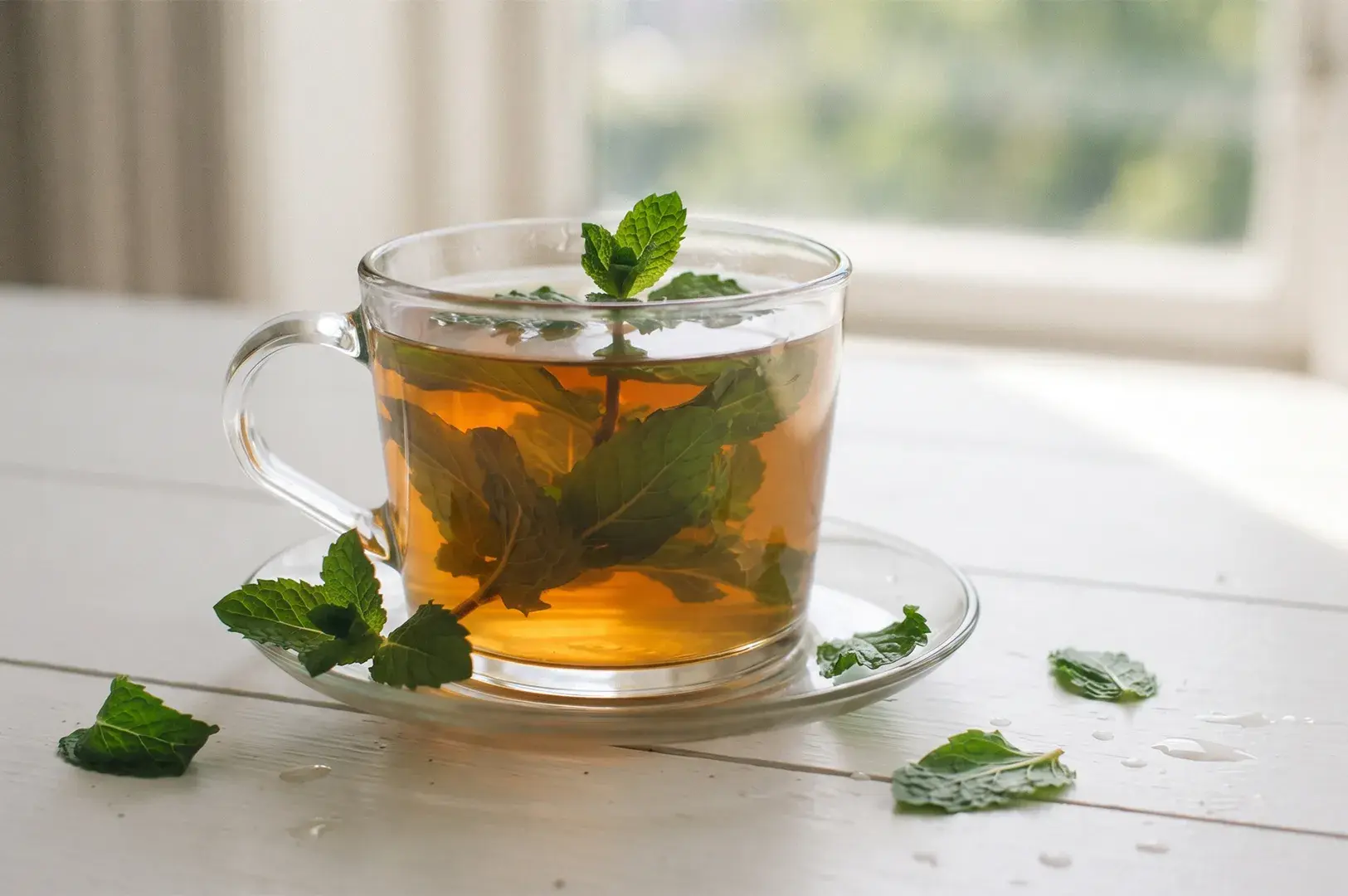
There is a moment, just after the hot water meets the fresh peppermint leaves, when the whole room seems to change. A sharp, green coolness lifts from the cup and settles somewhere behind your eyes. Drinking peppermint tea does this quietly, without fuss. It asks for nothing and offers a great deal.
Most of us have met peppermint tea at some point. In a pot after a heavy meal, perhaps, or in a mug on a tired evening. Yet for something so familiar, peppermint tea carries a story that many of us have never paused to hear. It begins not in a kitchen, but in a garden, with the peppermint plant that is stranger and more accidental than you might expect.
Peppermint Tea: A Herb, Not a Tea Leaf
Let us clear up one gentle confusion first. Peppermint tea is not, strictly speaking, tea at all.
True tea comes from a single plant: Camellia sinensis. Black tea, green tea, oolong, white, and pu-erh all trace back to those same leaves. Peppermint has no relation to it. What we call peppermint tea is really a herbal tea, an infusion, or tisane, made by steeping peppermint leaves in hot water.
The distinction matters more than it sounds. Because peppermint holds no Camellia sinensis, pure peppermint tea is naturally caffeine free. There is nothing in it to keep you awake, which is part of why it has become such a trusted companion for the later hours of the day. A caffeine-free herbal tea that still tastes vivid and alive is a rare, quiet gift.
The Accidental Peppermint Plant: Mentha x Piperita
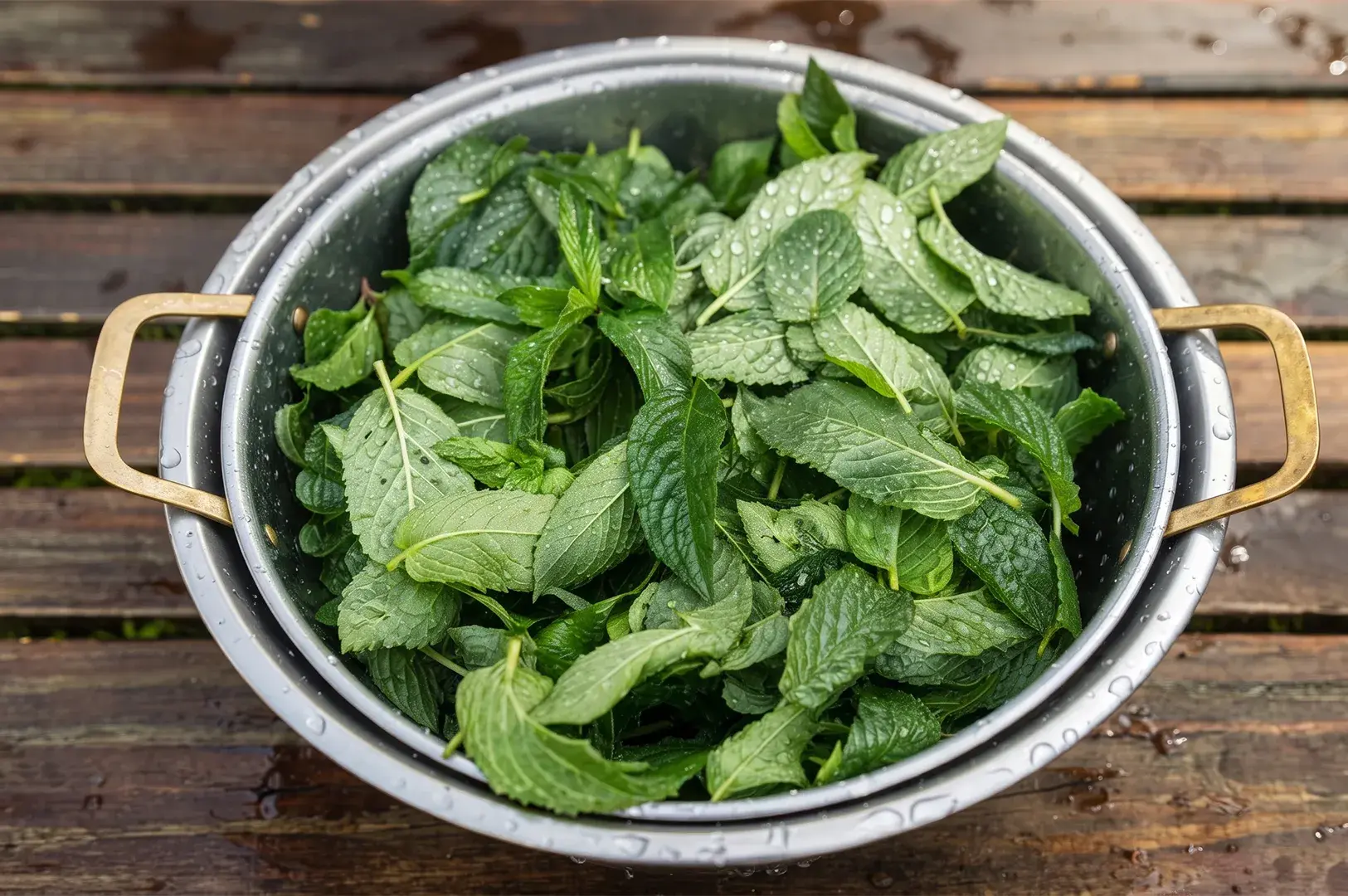
Peppermint, known botanically as Mentha x piperita or Mentha piperita, is a hybrid. It is the result of a cross between two other mints: watermint and spearmint. That small multiplication sign in its name is a botanist's way of telling you this plant is a blend of two parents rather than a species that arose on its own.
This matters because peppermint inherited the best of both. From its lineage it draws a stronger, sharper character than gentle spearmint, and a higher concentration of menthol, the compound that gives it that unmistakable bite and cooling sensation.
Native to Europe and the Middle East, peppermint spread easily, as mints tend to do. Anyone who has grown it in a pot knows how enthusiastically it takes over, sending runners in every direction. It is a hardy, generous plant, and that generosity is written into its long relationship with people.
Menthol and the Puzzle of Cooling Heat in Peppermint Tea
Here is one of the small wonders of peppermint tea. You can drink it piping hot and still feel a cool breath spreading through your mouth. The tea is warm. The sensation is not. How can both be true at once?
The answer lies in several essential oils found in peppermint leaves, especially menthol. Peppermint acts on the nerve receptors in your mouth and skin that are responsible for detecting cold.
When menthol touches these receptors, it activates them as though something genuinely cool has arrived. Your body reads the signal and reports back: this is refreshing, this is cold. The tea itself may be steaming, yet the message your senses receive is one of coolness.
It is a lovely reminder that flavour and sensation are not always about what is physically there. Sometimes they are about how the body chooses to listen. The menthol and essential oils in peppermint tea simply whisper convincingly.
The Health Benefits of Peppermint Tea: What the Cup Actually Offers
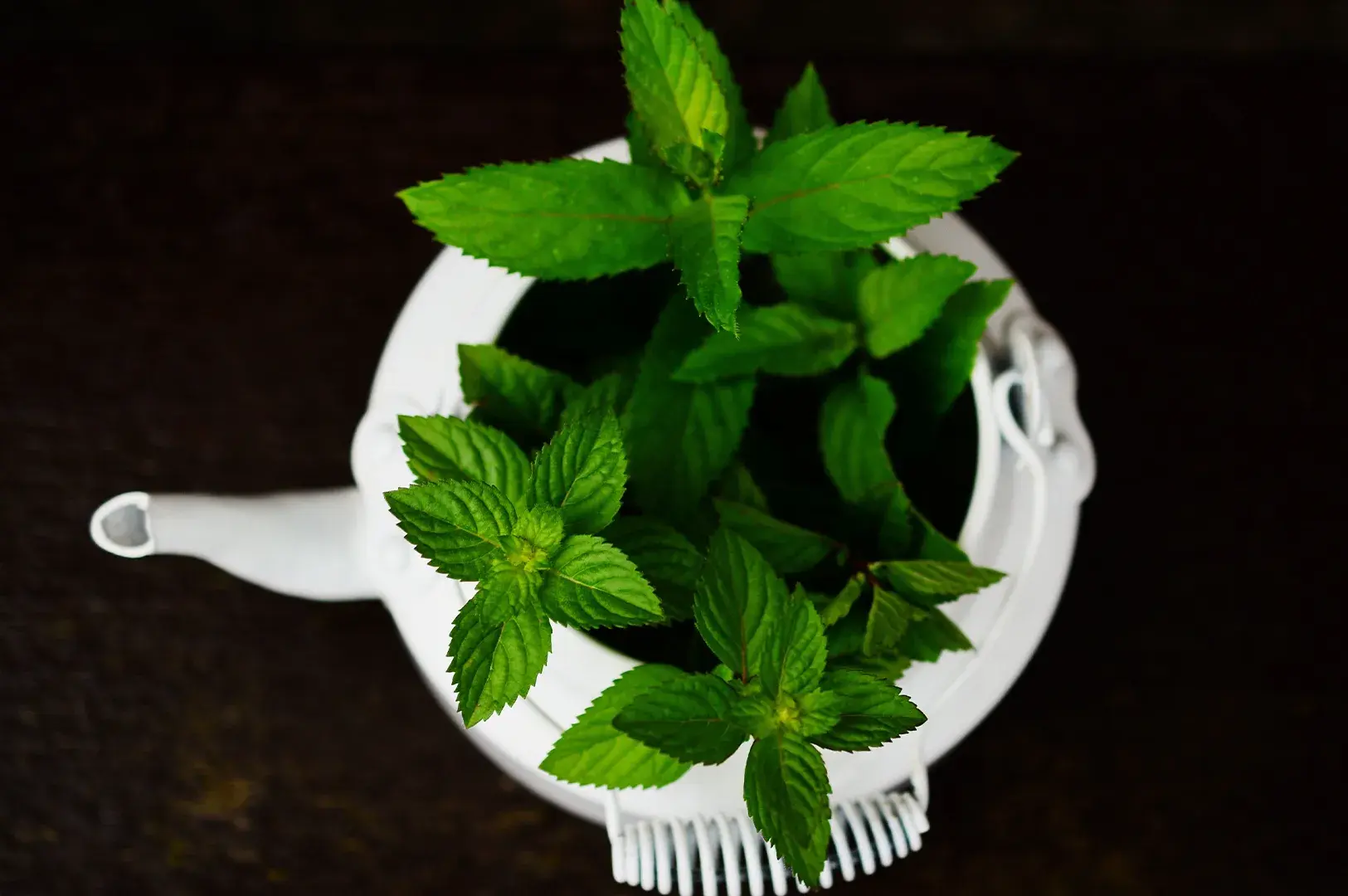
Set the history aside for a moment and simply look at what is in front of you. A good cup of peppermint tea has a clarity to it that is easy to underestimate.
The aroma arrives first, clean and green with a pleasant smell and immediate freshness. There is nothing shy about it. The flavour follows in the same direction: bright, faintly sweet at the edges, naturally sweet and with that signature cool finish that lingers pleasantly after each sip.
The liquor itself is usually a pale gold, sometimes tinged with green depending on the fresh leaves and how long they steep. Left too long, peppermint tea can turn a little sharp and grassy, so many drinkers keep the steep fairly short and let the natural brightness lead.
It is a forgiving, uncomplicated infusion. No milk, no sugar required, though some enjoy a touch of honey. On its own, it is complete.
Benefits of Peppermint Tea for the Digestive System and Relief from Indigestion
Peppermint tea is widely known for its benefits to digestion. Research suggests that peppermint acts as a muscle relaxant in the digestive system, helping to relieve symptoms such as gas, bloating, and indigestion.
Consuming peppermint tea after meals is a smart choice for those seeking relief from digestive discomfort. The peppermint oil capsules studied in animal studies show promise in easing irritable bowel syndrome (IBS) symptoms, although more research is needed to confirm the effects of drinking peppermint tea itself.
It is worth noting that peppermint tea may worsen symptoms of acid reflux or GERD in some individuals, as it can relax the lower esophageal sphincter, potentially allowing stomach acid to escape upward and cause heartburn. Those with acid reflux should consult a healthcare professional before regularly drinking peppermint tea.
Menstrual Cramps and Peppermint Tea: A Natural Muscle Relaxant
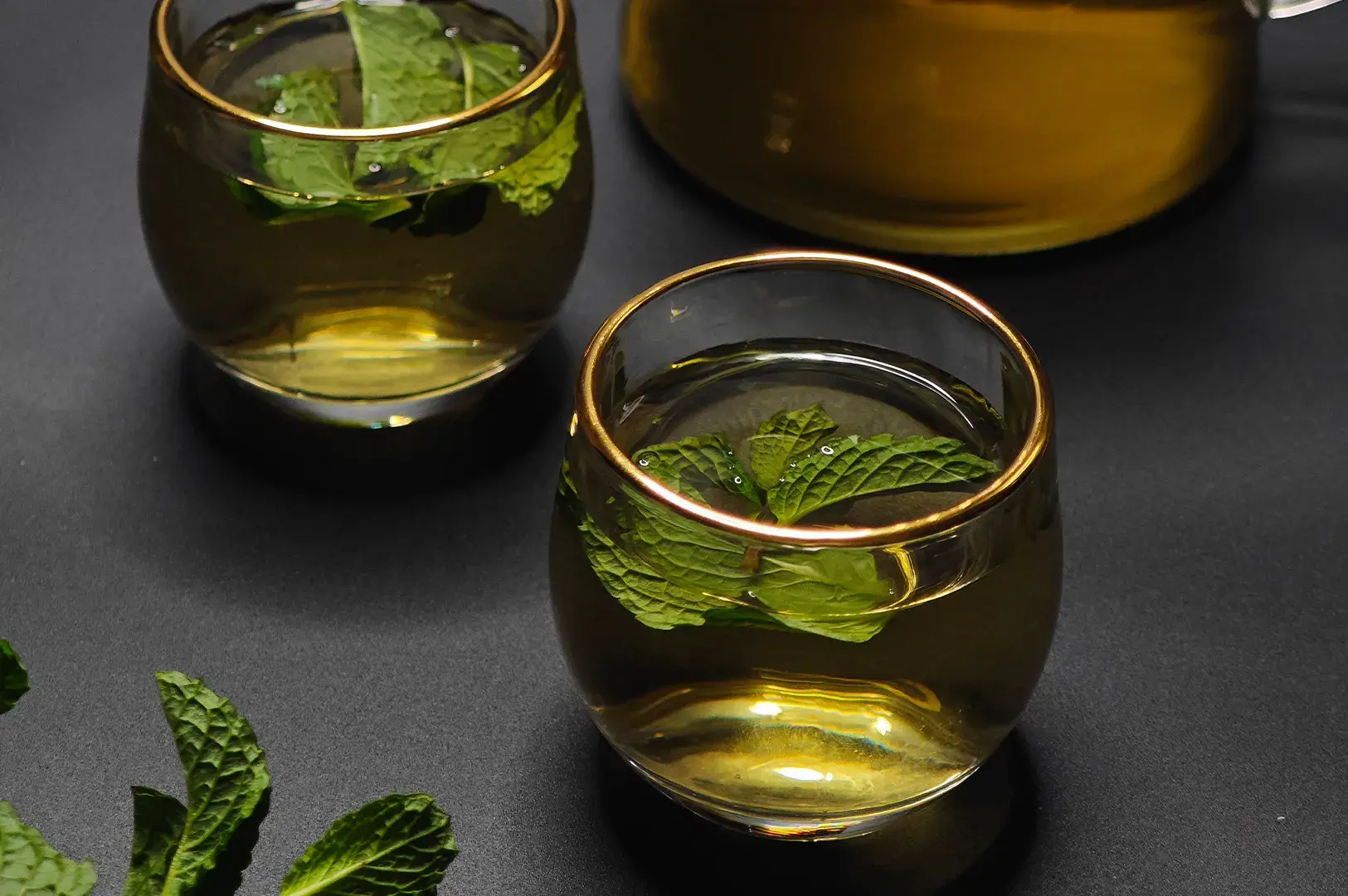
One of the lesser-known perks of peppermint tea is how it can help ease menstrual cramps. Thanks to the muscle-relaxing properties of peppermint, which come from its essential oils, it can really help calm those muscle contractions that cause cramping.
So, when you're dealing with your period, sipping on a warm cup of peppermint tea might just bring some relief from cramps, tension headaches, and that general discomfort that often comes along with it. Plus, since it's naturally caffeine free, it’s a gentle, soothing option to have on hand during that time of the month.
Antibacterial Properties and Freshening Breath: Peppermint Tea for Bad Breath and Immune System Support
Peppermint tea's antibacterial properties make it effective in fighting harmful bacteria that cause bad breath. Drinking peppermint tea can freshen breath and promote fresher breath throughout the day.
The antibacterial and antioxidant compounds in peppermint tea, including rosmarinic acid, also support the immune system by helping to combat infections and reduce inflammation.
For those concerned about bad breath, peppermint tea offers a naturally sweet, minty taste and pleasant smell that can be a refreshing alternative to artificial flavoring found in many products.
Headache Relief and Brain Function: Peppermint Tea for Tension Headaches and Cognitive Health
Peppermint tea is known for its headache relief properties. The menthol in peppermint oil increases blood flow and provides a cooling sensation that can ease tension headaches. This natural muscle relaxant effect helps soothe the tight muscles around the head and neck, offering a gentle and effective way to reduce headache pain without the need for medication.
Research suggests that drinking peppermint tea may also improve brain function and cognitive performance, enhancing alertness and memory. Studies indicate that the aroma and compounds in peppermint can stimulate the brain, helping to reduce daytime sleepiness and boost mental clarity. While more research is needed to fully understand these effects, the potential health benefits of peppermint tea extend beyond physical relief to mental clarity and improved focus.
Additionally, the essential oil concentration in peppermint leaves peaks just before flowering, which means that tea made from freshly harvested leaves may offer the most potent benefits. This peak in essential oils contributes not only to the tea's vibrant flavor but also to its therapeutic properties.
Many people enjoy peppermint tea as a natural way to refresh their mind during busy workdays or before important meetings, appreciating its calming yet invigorating qualities. Whether you're seeking relief from a headache or a mental boost, a warm cup of peppermint tea can be a soothing and healthful choice.
Choosing the Best Peppermint Tea: Organic Peppermint Tea, Loose Leaf Tea, and Tea Bags
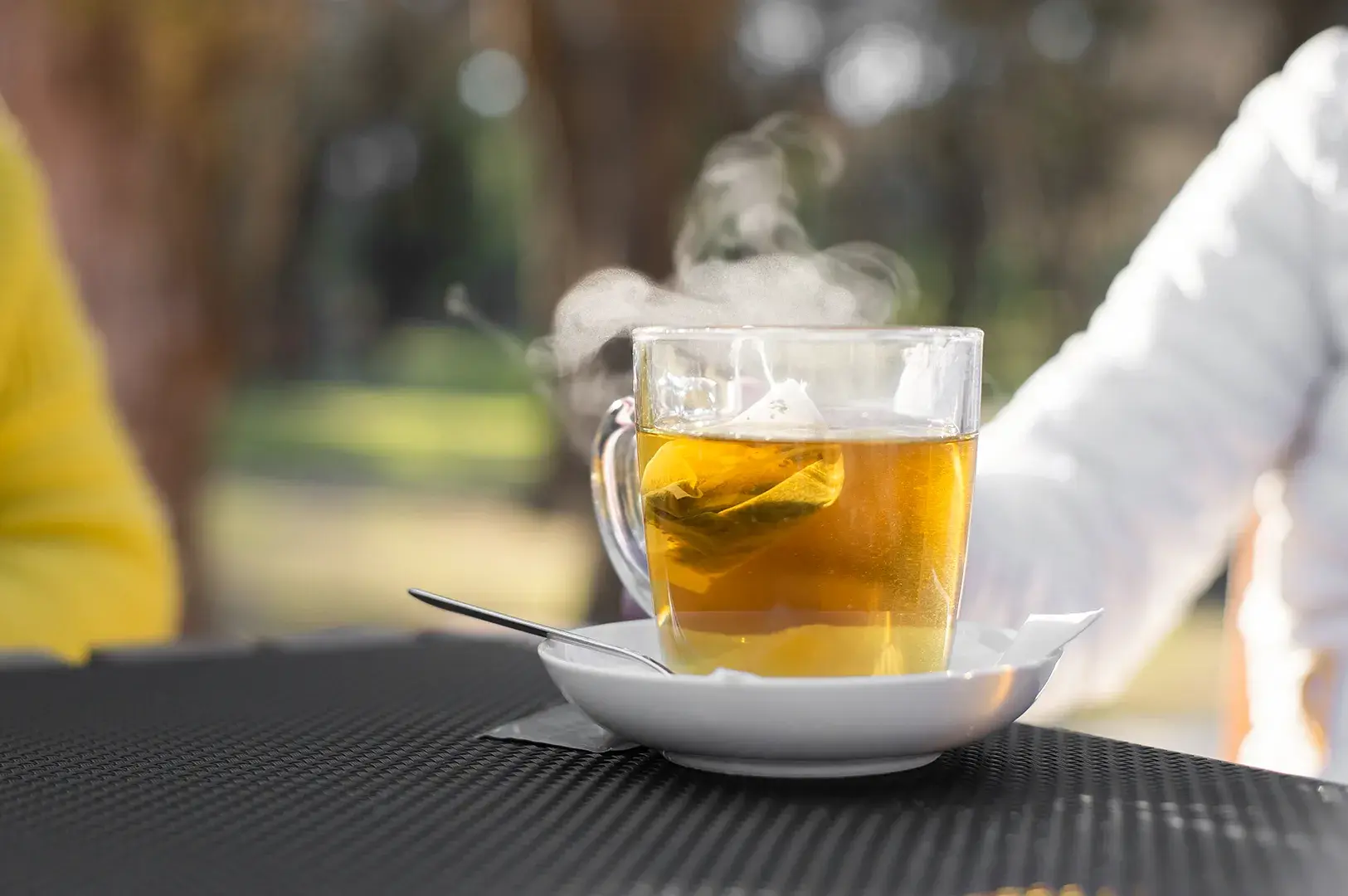
Peppermint tea is available in several forms: fresh leaves, loose leaf tea, and peppermint tea bags. Organic peppermint tea options are increasingly popular for those seeking a pure and natural experience.
Loose leaf tea offers a fresher taste and allows you to control steeping time, while tea bags provide convenience and are widely available in grocery stores. When buying dried peppermint tea, it is best to store it in an airtight container to maintain freshness and preserve the essential oils.
Drinking Peppermint Tea: How to Enjoy Your Cup
Making peppermint tea is simple. Steep fresh peppermint leaves, loose leaf tea, or peppermint tea bags in hot water for 5 to 10 minutes. Adjust steeping time to taste, but avoid steeping too long to prevent a sharp, grassy flavor.
Drinking peppermint tea regularly can be a smart choice for those seeking a caffeine free, naturally caffeine free beverage that offers a refreshing minty taste and several potential health benefits.
Potential Adverse Reactions and Safety Considerations
While peppermint tea is generally safe, consuming too much peppermint tea may lead to adverse reactions such as heartburn or allergic reactions in rare cases. Some people may experience increased bathroom trips or worsen symptoms of acid reflux.
Those with kidney stones or taking certain medications should consult a doctor or healthcare professional before consuming peppermint tea or peppermint oil capsules.
Peppermint Tea: A Smart Choice for Health and Enjoyment
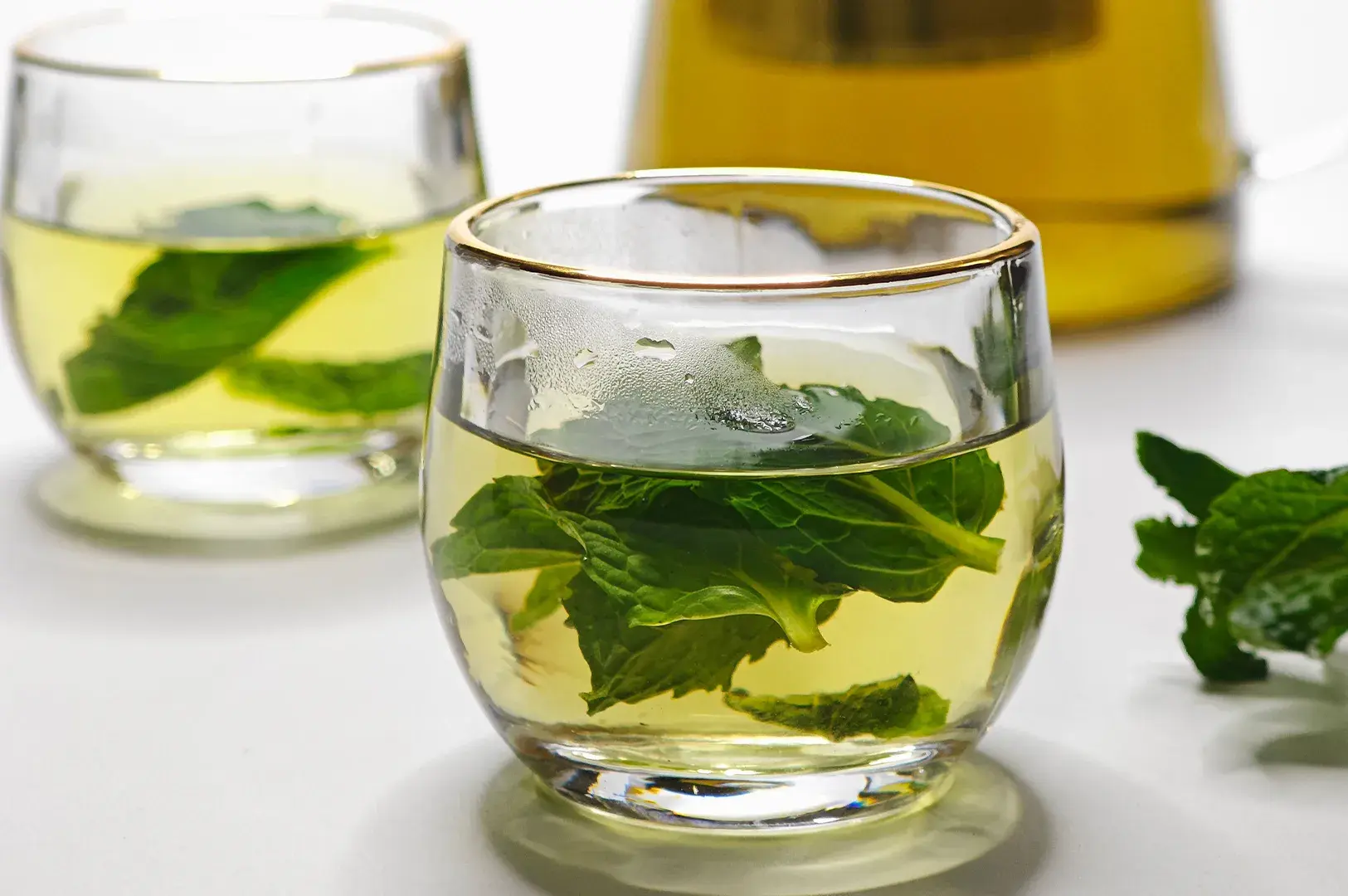
The health benefits of peppermint tea, combined with its refreshing flavor and calming properties, make it a smart choice for anyone looking to enjoy a naturally caffeine free, herbal tea.
Whether you prefer fresh leaves, loose leaf tea, or convenient peppermint tea bags, the benefits of peppermint tea are accessible and enjoyable. Sipping peppermint tea offers relief, refreshment, and a pleasant break in the day, all wrapped in the legacy of the peppermint plant, Mentha x piperita.
Drink peppermint tea mindfully, enjoy the flavoring, and appreciate the health benefits it may bring. Remember to consult your doctor if you have specific health concerns or conditions.

“Detox Tea” Is Mostly Marketing: Here’s What Tea Actually Does
I have always found the phrase “detox tea” a little strange. Not because I dislike tea. Quite the opposite. Tea has been part of my daily life for years. I love the quiet ritual of choosing leaves, waiting for the water, and taking a moment to slow down. But somewhere along the way, tea became…
-
The Tea House That Time Did Not Forget: Tea Chapter Trading Pte Ltd
I almost walked past it. Located at Nine Neil Road, Tea Chapter Trading Pte Ltd sits quietly, a three-storey shophouse just across from Maxwell MRT in Singapore, its restored facade catching afternoon light. Around it, Chinatown moves at its usual pace. Inside, something slower has been happening since October 1989. I stepped in on a…
-
Expensive Tea Doesn’t Guarantee a Better Cup, Here’s Why
There is a belief in tea that we rarely question. If something costs more, it must be better. It is an understandable assumption. A rare tea from a respected region, carefully harvested and beautifully packaged, naturally creates expectations. We associate price with effort, craftsmanship, and quality. And often, that connection is justified. But not always….
-
SUN with MOON Singapore at Wheelock Place: A Unique Tea Dining Cafe Experience on Orchard Road
The lunch crowd had gone. Dinner hadn’t arrived yet. I came in during that strange, in-between hour, a little after three on a weekday, when the escalators at Wheelock Place hum quietly and Orchard Road feels almost gentle. Most people were still at their desks. I wasn’t. I wanted tea, and I wanted to sit…
-
Cold Brew Tea Is Underrated (And Hot Purists Are Missing Out)
I used to think tea had to be hot. There was something about the ritual of it. Boiling water, warming the pot, watching the leaves open. A proper cup of tea seemed to require steam. Then I tried cold brew tea, and I had to admit something slightly uncomfortable. I liked it. More than I…
-
All Things Delicious Review: The Quiet Pleasure of Tea and Cake.
There’s a particular kind of afternoon that asks for tea, and All Things Delicious answers it with a quiet, comforting tea-and-cake experience on Arab Street: handmade sweet treats, warm approachable teas, and a room that makes simple pleasures feel like enough. Not coffee, with its urgency. Tea. The slow kind, poured while the conversation drifts…
-
Wellness Tea Is a Scam, but Tea Can Still Be Good for You
There is a strange contradiction in the way we talk about tea today. For centuries, tea was appreciated for its taste, its rituals, and the moments it created. Today, it is often sold as something else entirely. A solution. A promise. A shortcut. The language surrounding wellness tea has become increasingly familiar. Detox tea. Cleansing…
-
Camellia Tea: A Blossom, A Leaf, A Legacy Rooted in Camellia Sinensis
My grandmother kept her camellia tea in a battered tin that had once held biscuits. She never called it anything fancy. It was just cha, brewed strong in the mornings using fresh tea leaves from the tea plant, poured into small cups that had lost their matching saucers years ago. I didn’t know then that…
-
Why “Caffeine-Free Tea” Marketing Should Be Regulated (Seriously)
Hear me out: we have become far too comfortable with the phrase “caffeine-free tea.” It appears on beautiful packaging, wellness websites, and café menus with the confidence of a health guarantee. The words suggest calm evenings, better sleep, and a gentler relationship with what we drink. But there is a problem. The phrase sounds clearer…
-
The Forgotten Luxury of Sitting Still at Japanese Tea House
You stoop to enter the traditional japanese tea house. That is the first thing the tea house asks of you, before the tea, before the talk, before anything at all. The doorway is low, deliberately so, and even the tall must bow to pass through it. In that small act of folding the body, something…