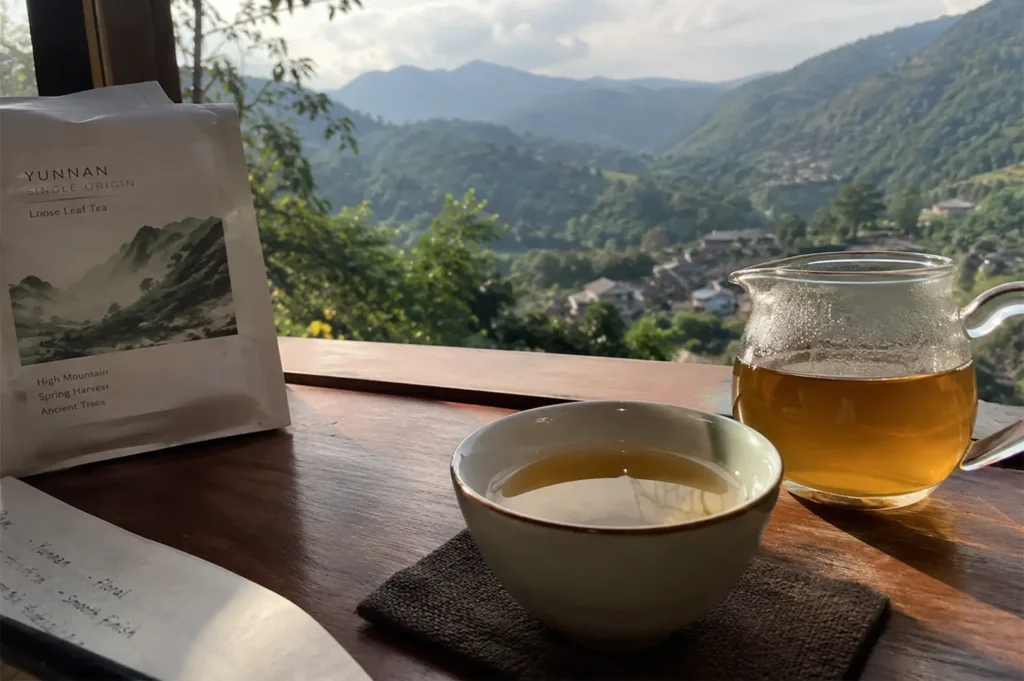
There was a time when knowing where a tea came from was enough.
Now, it sometimes feels as though we need to know everything.
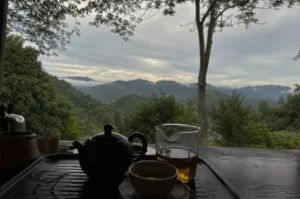
The mountain. The village. The garden. The harvest date. The particular plot where the leaves were grown.
Single-origin tea has become a mark of quality in modern tea culture. The idea is appealing. A specific place gives us a story, and the story gives us a sense of authenticity.
But I wonder if we have started placing too much value on the label.
Knowing a tea’s origin can tell us something important. Soil, climate, elevation, cultivar, and farming practices can all influence what eventually reaches the cup. For serious tea drinkers, tracing these details can be part of the pleasure.
But origin is not a guarantee of enjoyment.
A tea from a celebrated mountain can still leave you unmoved. A blended tea with no prestigious geographical story can become the one you reach for every morning.
I have experienced this more than once.
A tea arrives with an impressive pedigree. I approach it expecting something extraordinary. Sometimes it delivers. Other times, I finish the cup and wonder why I was so impressed by everything except the tea itself.
Perhaps this is the problem with obsession.
We start drinking the story before we drink the tea.
We see the name on the package and begin forming an opinion. We expect certain flavours because we know where the tea comes from. We search for complexity because we have been told it should be there.
The cup becomes an examination of whether our expectations were correct.
That seems a little unfair to tea.
Tea is not a passport. Its value does not come solely from where it was grown.
What matters is what happens when the leaves meet water, and what happens between that first sip and the last.
This does not mean origin is unimportant. Quite the opposite. Understanding where tea comes from can deepen our respect for the farmers, landscapes, and traditions behind it.
But perhaps we should treat origin as an invitation rather than a verdict.
Let the place tell you where the tea began.
Then let the cup tell you whether you want to return.
Because sometimes the most interesting tea is not the one with the most impressive address.
It is the one that makes you forget to check the label.
With quiet regard,
N. P. Lim
A reflection on single-origin tea and why knowing where a tea comes from should deepen appreciation, not decide whether we enjoy it.

Why We Secretly Judge Tea Shops by Their Music
I never thought much about music in tea shops, until I started noticing patterns. The tea is brewed, the cups are warm, and the aroma drifts through the room. But then the music starts, and suddenly, the entire experience changes. Some shops play classical or soft jazz. Conversations linger. Sips are slow. Even the tea…
-
The Best Everyday and Gift-Worthy Blends from Gryphon Tea Singapore
I have a small confession. For the longest time, I treated tea like a background character in my day. It was just the thing I gulped between meetings, barely tasting it. Then a friend handed me a proper cup one quiet afternoon, and I finally slowed down enough to notice the aroma, the warmth, the…
-
We Talk Too Much About Tea and Not Enough About Drinking It
Tea culture has become remarkably good at talking about tea. We discuss origins. Elevation. Harvest seasons. Processing methods. Water temperatures. Brewing vessels. There are endless conversations about tea. And yet I sometimes wonder whether we spend enough time simply drinking it. This may sound like an odd criticism coming from someone who enjoys learning about…
-
High Tea St Regis: A Grand Afternoon Ritual at Regis Singapore
The light in the late afternoon does something quiet to a room. It softens. It lingers on the rim of a porcelain cup in the elegant Tea Room, slides along the curve of a silver pot, and settles into the folds of a linen napkin without asking for attention. There is a stillness here, the…
-
Why We Keep Looking for the Perfect Tea
I used to think there would be a moment when my tea journey felt complete. A tea so good that I would stop searching. A tea that would make every other tea feel unnecessary. Years later, I can confidently say that moment has never arrived. And I’m starting to think that’s the point. Tea drinkers…
-
Darjeeling First Flush: Capturing the Himalayan Spring in a Teacup
I still remember the first time someone handed me a cup of Darjeeling First Flush, a prized form of black tea, and asked me, quite seriously, not to add milk. I almost laughed. Tea without milk felt like toast without butter. But I humored my friend, took a sip, and paused. The liquid was pale…
-
What Kopi and Tea Say About Singapore
One of the things I love most about Singapore is that we never really chose between kopi and tea. We kept both. Walk into almost any hawker centre or coffee shop and you’ll see it immediately. One person orders kopi-o. Another asks for teh-c. Someone else is drinking Chinese tea from a flask they brought…
-
The Tea We Keep Saving for Later
Many tea drinkers have a tea they are saving. A special oolong purchased during a memorable trip. A rare tea gifted by a friend. A tea that feels too valuable, too limited, or too meaningful to drink casually. So it waits. Days become weeks. Weeks become months. The tea remains carefully stored while more ordinary…
-
Earl Grey Tea Benefits: What Is Earl Grey Tea and Why Has It Endured for Centuries?
Introduction Few teas are as instantly recognisable as Earl Grey tea. Even among people who do not regularly drink tea, the distinctive citrus aroma of Earl Grey often feels familiar. It appears in tea shops, cafés, afternoon tea menus, and kitchen cupboards around the world, yet many people still ask the same question: what is…
-
Can You Call Yourself a Tea Lover If You Don’t Like Matcha?
I have a confession. I don’t think every tea lover needs to love every tea. That sounds obvious when written down, but spend enough time around tea enthusiasts and you may start to think otherwise. Someone discovers that you enjoy tea. The questions begin. Do you drink green tea? What about pu-erh? Have you tried…