The first thing I noticed was the smell.
Not perfume, not incense. Something warmer and older than both. Roasted tea leaves, drifting out onto Mosque Street before I even reached the door. It's the kind of smell that makes you slow your steps without knowing why.
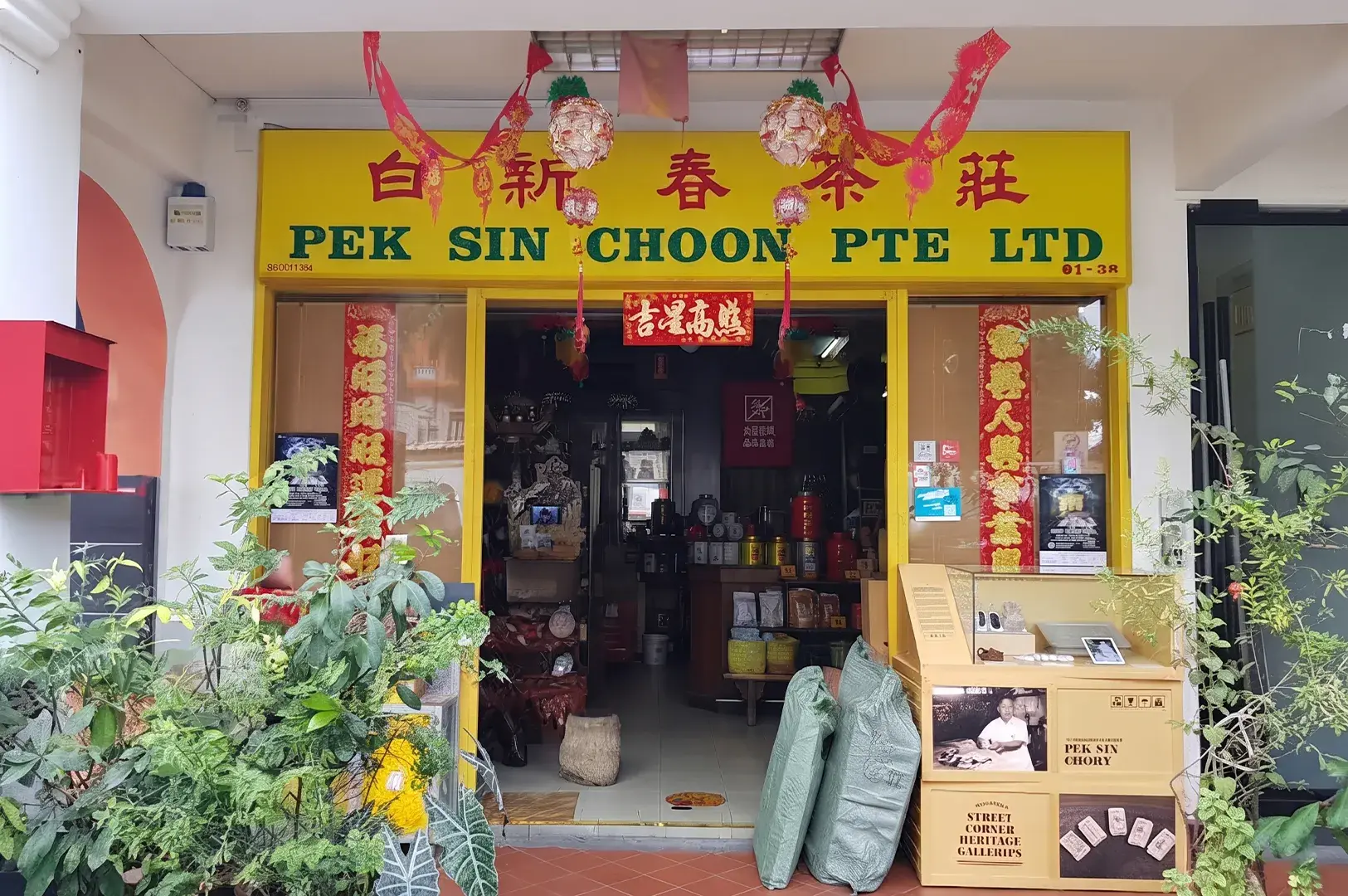
Pek Sin Choon has been on this corner of Chinatown for a long time. Since 1925, in fact, which makes it one of Singapore's oldest tea merchants. Fourth-generation owner Kenry Peh runs the company now, and the shop still carries that rare feeling of a place that never rushed to become something else.
Quality Chinese Tea: A Business Rooted in Tradition
Step inside and it's clear this is a working shop, not a showroom.
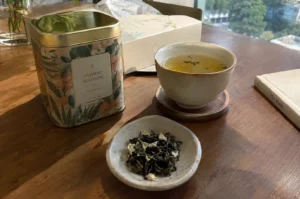
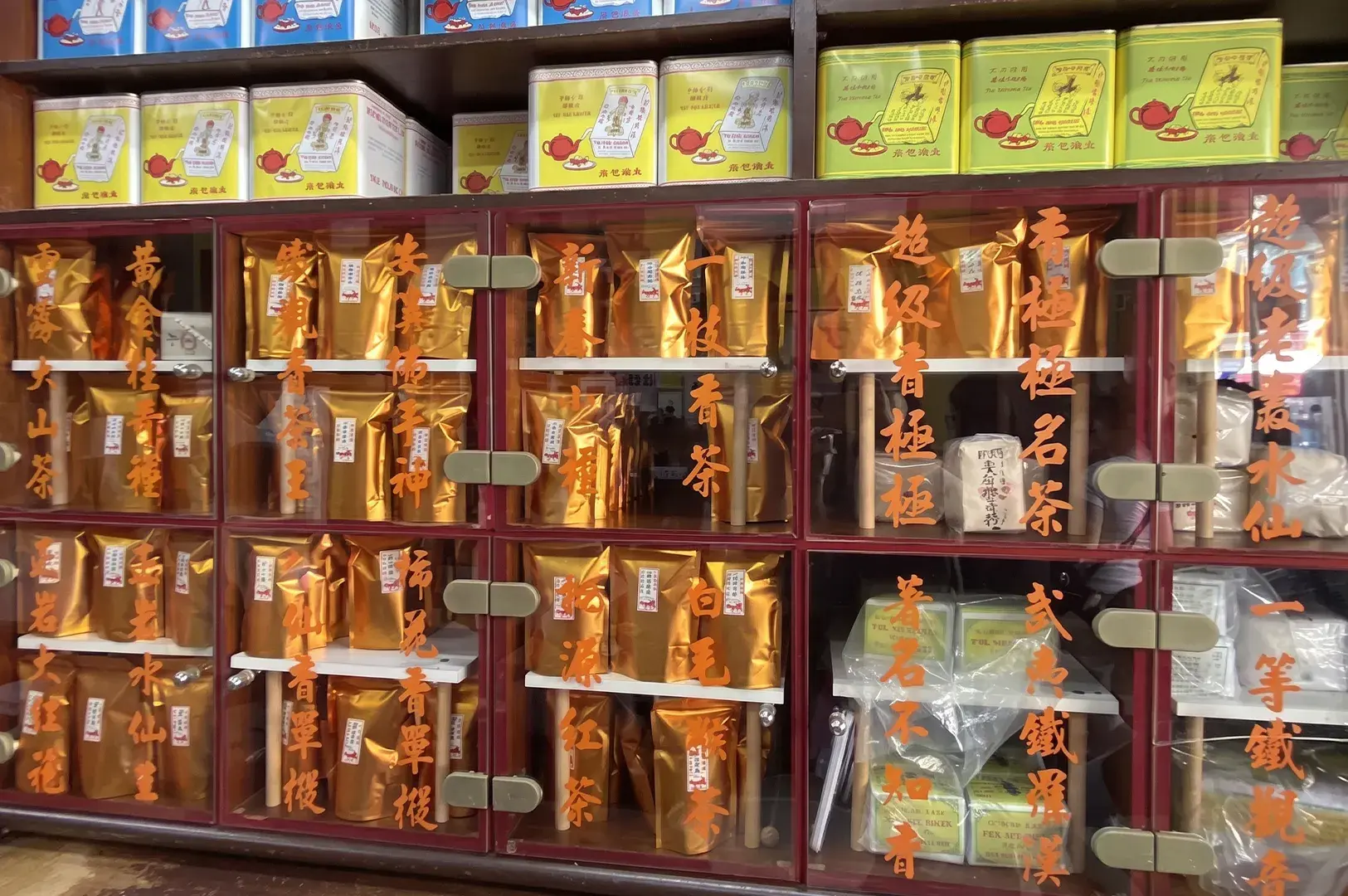
Tins line the walls. There are packets wrapped in pink paper, the way tea was always packed here, the same paper once used by Chinese medicine halls. Nothing here is styled for a photograph. It's simply how things have been done for close to a hundred years.
I learned that up to 120kg of tea leaves are blended and roasted here every single day. They still use a woven basket, said to be as old as the shop itself, and a roasting oven made right here in Singapore. That's a lot of quiet, unglamorous work behind a beverage most of us drink without a second thought.
You may already know their tea without realizing it. Pek Sin Choon supplies tea to over 80% of Singapore's bak kut teh establishments, as well as Chinese restaurants including Din Tai Fung. Chances are, you've tasted their work over a bowl of peppery pork rib soup and never once looked up the name.
Premium Tea: Rich Flavors from China
For quality Chinese tea, this is a place that rewards curiosity.
Their most famous product is the Renowned Unknown Fragrance, a a closely guarded traditional oolong blend recipe that regular customers simply trust. It runs from $10.50 to $52.50, depending on the tin, and it's the one I'd start with if you want to understand the house style.
If you're new to Chinese tea heritage, the more affordable roast tea options are a gentle way in. The Tie Guanyin Grade 1 sits between $6 and $29, and the Wuyi Iron Arhat from $7.50 to $33. Both are honest, everyday teas that offer a strong yet light taste.
The Nanyang Tea range is where their character really shows. These are traditional blends, roasted and packed here, made for the local palate rather than an imported ideal. The Sin Choon Shuixian ($33) belongs to this family, and it's a lovely, grounding cup that customers enjoy.
For those willing to go deeper, there are premium Chinese tea types worth lingering over. The Eight Immortal Fragrance Dancong ($29.80 to $89.40), the Dong Ding Oolong ($49.80 to $149.40), and the Da Hong Pao ($99.80 to $299.40) all carry more weight and history. And for a serious occasion, the Royal Tie Guanyin Competition Grade sits at $150.
Chinese Tea Heritage: A Company That Supports Tradition
What stayed with me most wasn't a tea. It was the sense of someone who actually cares.
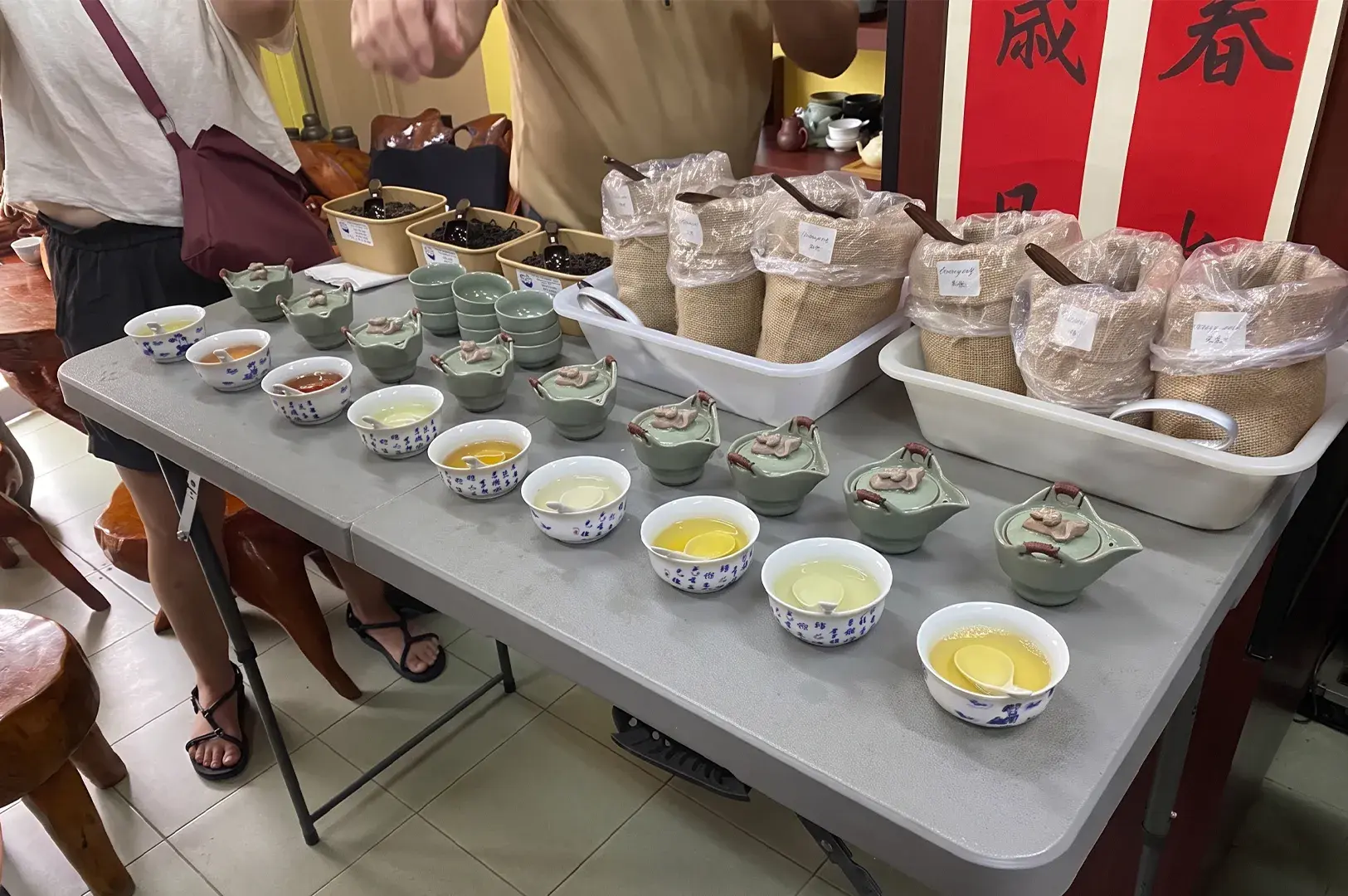
If you're lucky, Kenry Peh himself is around, and he's happy to talk. He'll tell you about local tea culture while you sip something freshly brewed, and you get the feeling he isn't performing. He's just sharing what he loves.
There's no hard sell here. No one hovering, no upselling. You're allowed to be a beginner. You're allowed to ask the plain questions. That kind of patience feels increasingly rare today.
Nanyang Tea: Traditional Blends for the Public
A few practical notes.
You'll find Pek Sin Choon at 36 Mosque Street, Singapore 059514, in the heart of Chinatown. It's open Monday to Saturday, 8:30am to 6:30pm, and closed on Sundays, so plan around that.
Payment is easy: SG QR, PayNow, or cash and cheque in-store. If you can't visit, they ship worldwide, and they also offer wholesale, blending, and customized packaging.
Quality Chinese: Enjoy Tea That’s Cheaper and Rich in Flavor
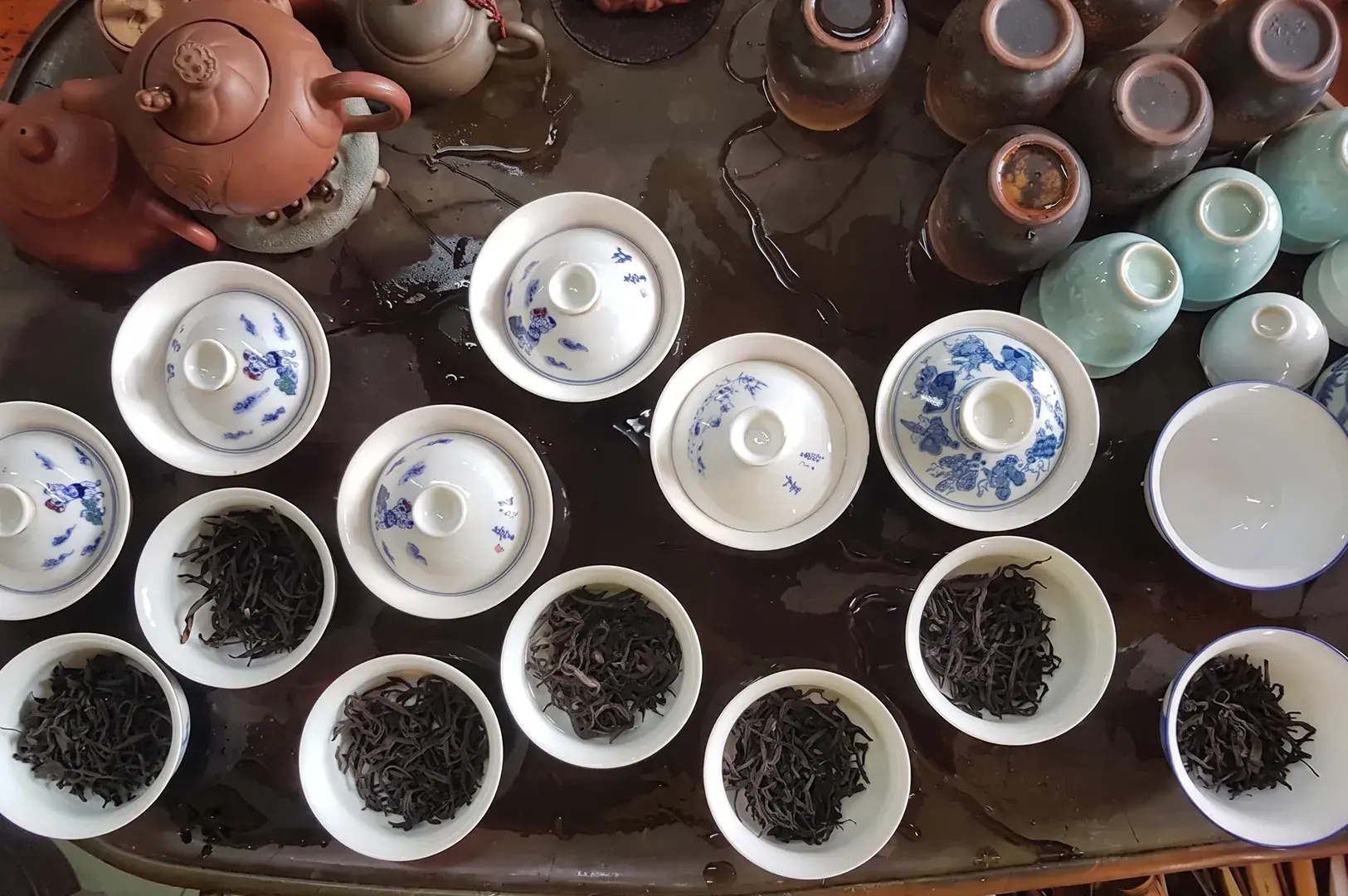
Quietly, yes.
This isn't a slick tasting bar, and it isn't trying to be. It's a merchant that has kept its craft alive through war, redevelopment, and every passing trend, without losing its calm.
I'd recommend it to anyone who wants their tea to come with a story, or who simply wants to buy premium tea from people who understand it deeply. Come with a little time and an open mind. Eat, drink, and enjoy something you'll actually brew, not just display.
Some places sell tea. This one keeps a tradition steeping.
FAQ
Where is Pek Sin Choon located?
At 36 Mosque Street, Singapore 059514, in Chinatown.
What are the opening hours?
Monday to Saturday, 8:30am to 6:30pm. It's closed on Sundays.
What should a first-timer buy?
The Renowned Unknown Fragrance ($10.50 to $52.50) is the signature blend and a good starting point. Grade 1 Tie Guanyin ($6 to $29) is a friendly, affordable option too.
Is Pek Sin Choon really that established?
Yes. Founded in 1925, it's one of Singapore's oldest tea merchants, now run by fourth-generation owner Kenry Peh.
Can I buy online?
You can. They ship worldwide and also offer wholesale, blending, and customized packaging.

The Myth of “Perfect” Tea: What I Stopped Chasing
For a long time, I thought I was looking for the perfect tea. I imagined there would be a moment when I found the one. The tea that made every other tea feel unnecessary. The tea I would recommend to everyone. The tea that would finally make me understand what true appreciation was supposed to…

Teh O: Understanding the Tea Order Behind the Name
There is a stall near where I grew up that has changed hands twice, but the tea has stayed the same. I still remember the first time I ordered teh o on my own, sometime in my early teens, mumbling the words at the counter and half-expecting to get them wrong. The uncle didn’t blink….
-
Stop Buying Tea for the Aesthetic: How Packaging Hijacks Taste
There is something fascinating about the way we buy tea today. Before we taste the leaves, we have already formed an opinion. The box is elegant. The label is beautifully designed. The colours suggest calm, luxury, or tradition. The story feels carefully written. And before the first sip, we have already decided that the tea…
-
A Tea Table in the Clouds: The Westin Singapore High Tea Review
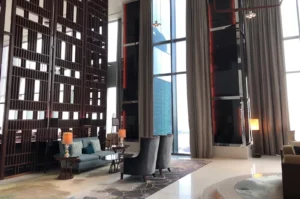
It was one of those afternoons when the city felt too loud and too fast, and I wanted to sit somewhere quiet without really explaining why. So I went up. All the way up, to Level 32 of The Westin Singapore, where the Lobby Lounge sits above the noise like it knows something the rest…
-
“Caffeine-Free Tea” Confuses Everyone—Let’s Fix the Language
I have noticed that tea conversations can become surprisingly confusing. Not because tea itself is complicated, but because we sometimes use the same words to mean completely different things. One phrase that always catches my attention is “caffeine-free tea.” It sounds simple enough. A tea without caffeine. But is that really what we mean? Because…
-
The Pull, Pour, and Ritual Behind Singapore’s Favourite Milk Tea: Teh Tarik
It starts with a sound. A long ribbon of tea, arcing from one metal mug held high to another held low. The stream catches the light. Then the froth rises, pale and soft, and the whole thing gets poured back and lifted again. Nobody at the stall looks up. This happens a hundred times a…
-
Stop Chasing Tasting Notes: Tea Isn’t Wine and That’s a Relief
I have a small confession to make. Sometimes I have absolutely no idea what I am supposed to be tasting. A tea description might promise orchid, honey, toasted nuts, stone fruit, and something wonderfully mysterious called a “long mineral finish.” I take a sip. I taste tea. And then I start wondering if everyone else…
-
Chinese Tea Sets: Beautiful on the Table, But How Do They Brew?
There is a small arrangement on the table this evening, and I have not touched it yet. A pale bowl with a lid resting slightly askew. A round pitcher beside it, waiting to be filled. Cups no larger than a thumb and two fingers, lined up like a quiet sentence. The surfaces catch the last…
-
Floral Teas Are Not “For Beginners”—They’re For People With Taste
There is a curious assumption in tea culture that I have never quite understood. If you are new to tea, you begin with something floral. Jasmine. Rose. Osmanthus. Lightly scented blends. Then, supposedly, you move on. You discover roasted oolongs. Aged teas. More complex leaves. Stronger flavours. Eventually, you become a “serious” tea drinker. I…
-
How to Make Cold Brew Tea: The Slow Method for a Smoother Cup
There is a jar on the top shelf of my refrigerator that I did not need this morning. I filled it last night, before the kitchen went dark. Loose tea leaves, cool water, a lid resting loosely on top. Then I closed the door and left it alone, the way you leave bread to rise…