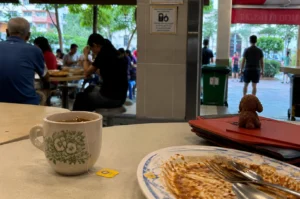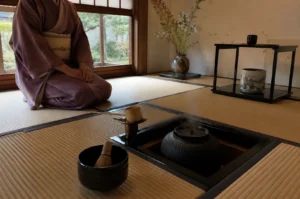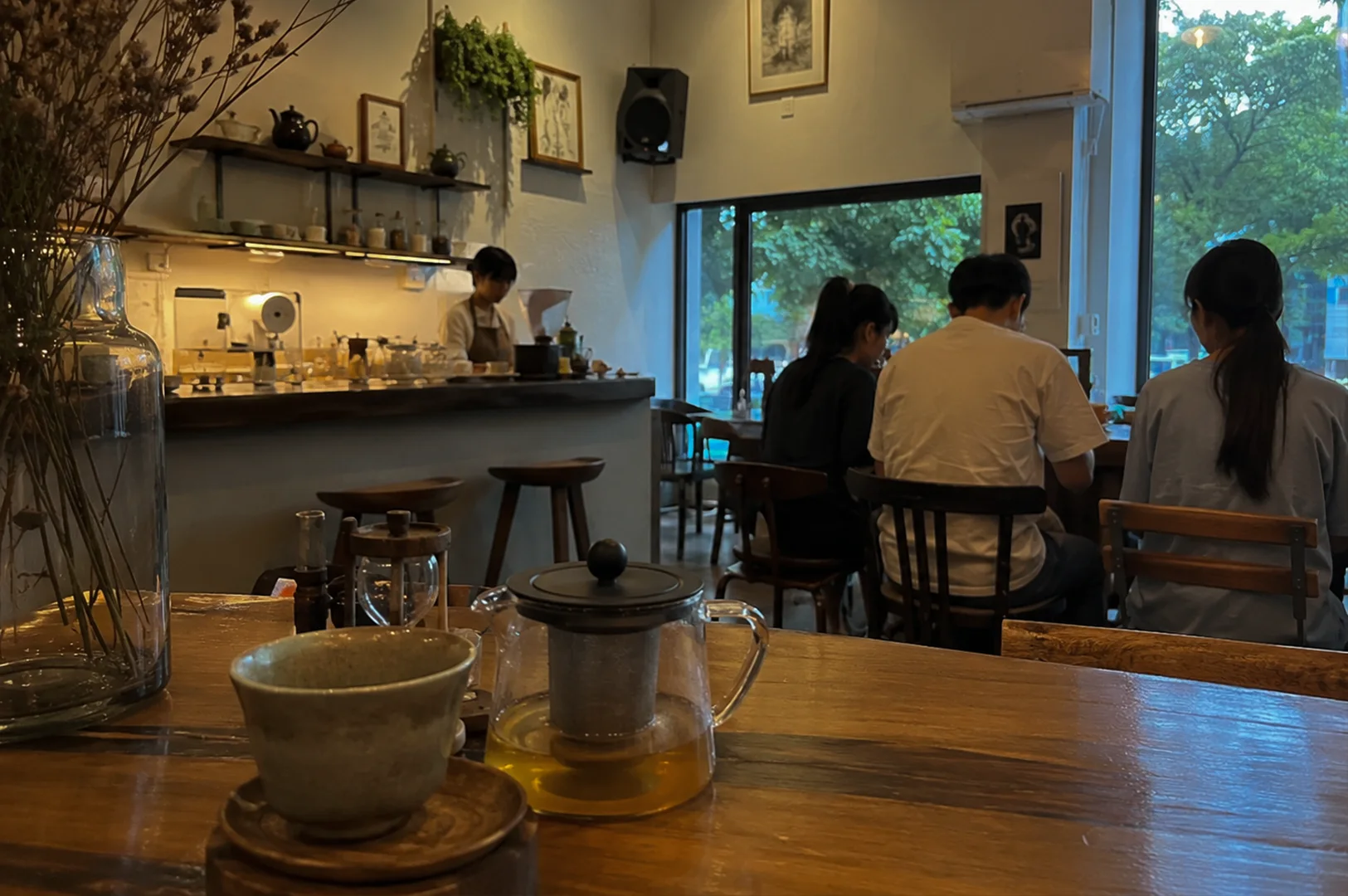
I never thought much about music in tea shops, until I started noticing patterns.
The tea is brewed, the cups are warm, and the aroma drifts through the room. But then the music starts, and suddenly, the entire experience changes.
Some shops play classical or soft jazz. Conversations linger. Sips are slow. Even the tea seems to taste better somehow. Others have upbeat pop or electronic tracks. The tea is still good, but there’s an energy in the room that nudges you to move faster, drink quicker, and perhaps leave sooner.
It’s strange, how a background playlist can affect the perception of something as simple as tea. And yet, as someone who spends a lot of time exploring tea spaces, I’ve caught myself making snap judgments about shops before I’ve even taken a sip.
Is the music too loud? Too quirky? Too quiet? Does it match the kind of tea I was expecting to enjoy here? And maybe most importantly, does it make the tea feel like it belongs in this space?
I’ve realized this “judgment” isn’t really about music alone. It’s about how the environment frames the tea experience. Tea is meant to slow us down, but everything around it contributes to whether that slowing feels natural or forced. Music is one of those invisible cues.
The funny part is that this is something tea drinkers rarely admit. We talk endlessly about leaves, water, and brewing methods. But the playlist? That’s quietly shaping our memory of the tea, whether we like it or not.
Perhaps this is what makes tea spaces so fascinating. They are small laboratories of mood, scent, and sound. And if music can subtly influence how we enjoy a cup, what else in the environment is quietly guiding our experience?
I’ve learned to notice it, and sometimes even embrace it. There’s a charm in realizing that tea is more than flavor; it is the full sensory experience, shaped by the shop, the company, and yes, the music drifting overhead.
Next time you pick a tea shop, pay attention to the playlist. It might tell you more about the space than the menu ever could.
— Maria Tan
On tea, culture, and everyday rituals.

Why Tea Might Be the Break You Didn’t Know You Needed
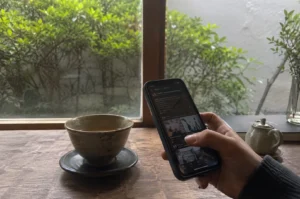
Scrolling through my feed this morning, I realized how easy it is to forget what a quiet moment feels like. Notifications, stories, messages- they all seem to arrive at once, asking for attention I don’t always want to give. And yet, in the middle of it, I poured myself a cup of tea. It wasn’t…
-
A Golden Sip of Serenity chrysanthemum tea
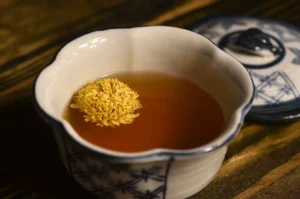
There is a pot on many kitchen tables in Singapore that no one talks about much. Pale yellow gold in the glass, with a few small chrysanthemum flowers or flower buds drifting at the bottom. It appears after a heavy meal, at a grandmother’s house, or in a hawker centre when the weather turns unbearable….
-
Tea in a Scrollable World
I often think about how tea fits into a world that moves as fast as ours does. Every day, there are notifications, updates, trends, and posts competing for attention. Memes, videos, tweets, they all demand a response, a like, a share. It is a constant motion that leaves very little space for pause. And then…
-
Marriott High Tea 1 for 1: Indulge in Luxury at Singapore Marriott Tang Plaza Hotel
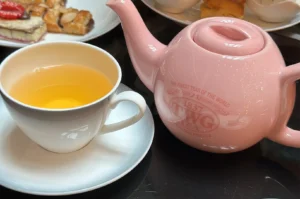
I almost didn’t go. Hotel afternoon tea always felt like something you did for a birthday or a special occasion with loved ones, or when a relative flew in and you wanted to seem like you had your life together. Expensive. A little performative. The kind of thing you photograph more than you eat. If…
-
Why Some Teas Feel Like Company
I’ve always thought of tea as a companion of sorts. Not a person, not a friend, but something that sits quietly beside you while the day moves forward. A cup of tea doesn’t interrupt your thoughts. It doesn’t demand attention. It simply exists, warm and steady, while you figure out what comes next. Some teas…
-
A Refined Afternoon Tea Experience at the Pan Pacific Atrium High Tea
Pan Pacific Atrium High Tea is the afternoon tea experience at the Atrium Lounge in Pan Pacific Singapore: a refined, unhurried sitting with TWG tea or Lavazza coffee, elegant seating pods above the reflection pool, and a menu that pairs classic English tea traditions with Peranakan flavours. For couples, friends, families, and tea lovers looking…
-
The Tea We Drink for No Reason
Tea is often praised for its ritual, its mindfulness, its ability to transform ordinary moments into quiet ceremonies. And I appreciate all of that. I really do. But there is another kind of tea, one that rarely gets mentioned in articles or recommended in guides. The tea we drink for no reason at all. I…
-
A Tea Lover’s Map to Elegant Finds in the City Teaware Shop
There is a particular quiet that settles when you pour hot water over tea leaves in a pot you chose with care. The weight of the clay in your hand. The porcelain capacity that holds just the right amount of warmth. A small ritual, repeated, until it becomes yours. Singapore knows tea in many languages….
-
Why We Pretend Every Tea Moment Should Be Peaceful
There is a quiet expectation we place on tea that I’m not sure we talk about enough. We expect it to calm us. To slow us down. To make everything feel a little more intentional, a little more put together, a little more peaceful than whatever came before it. But I’ve started to wonder if…
-
The Discipline of Grace in Every Bowl: Tea Ceremony in Japan
Water begins to move in a small iron kettle. The sound is faint, almost like wind through pines, and in a quiet room lined with tatami mats, it is enough to fill the silence. A host kneels in the tea room. A guest waits. Nothing is said, yet something has already begun. This is where…