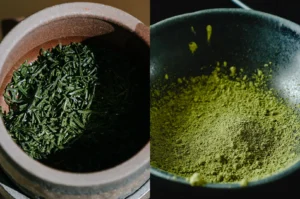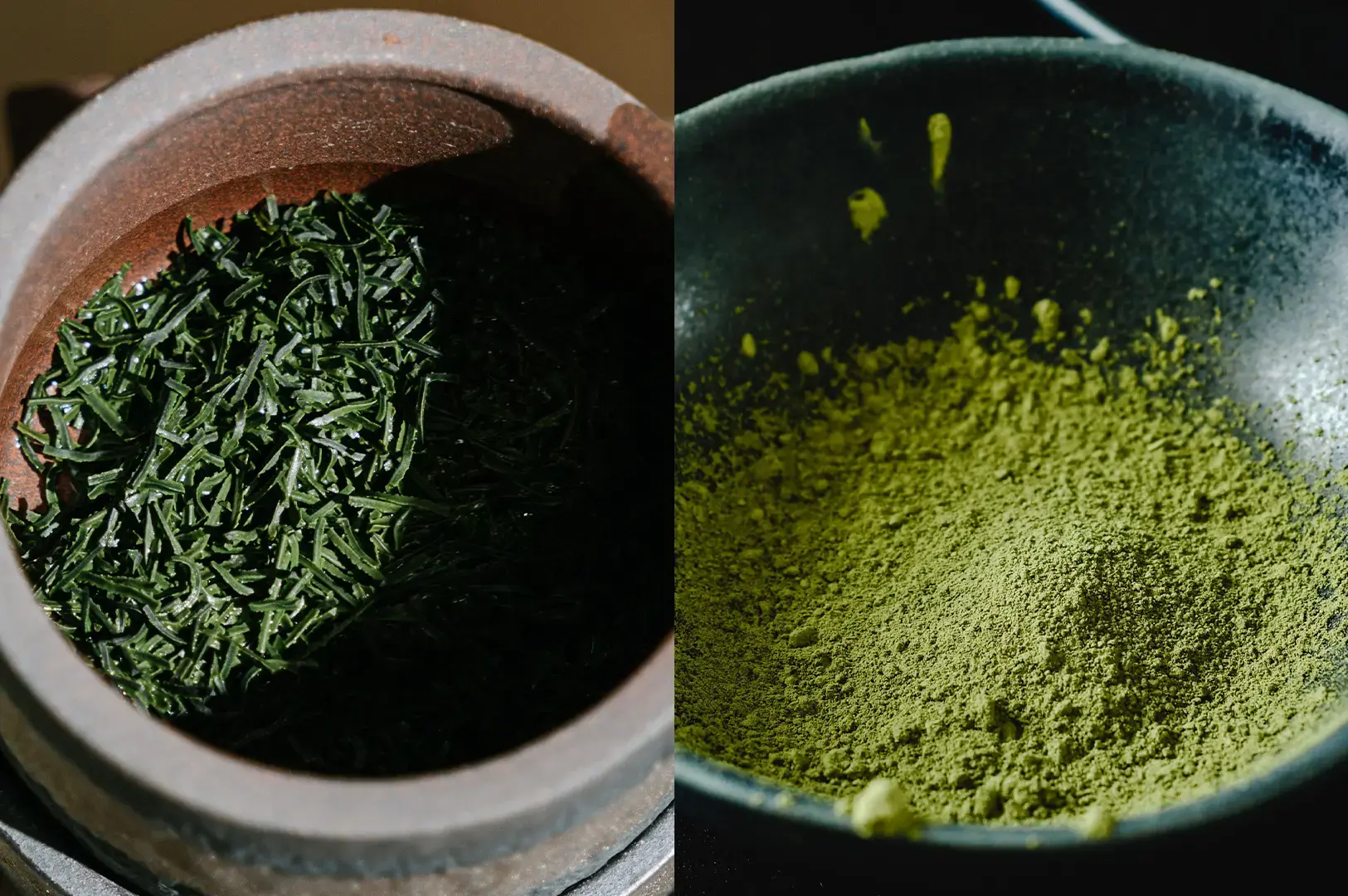
Two tins of tea powder sit side by side on a shelf. Both hold a fine green powder. Both promise the taste of authentic Japanese tea. To the eye, they look almost identical, and that is precisely where the confusion begins.
One is matcha powder, often used in matcha lattes and desserts. The other is powdered sencha green tea, sometimes labelled simply as tea powder or powdered green tea. They share a vibrant green colour and a common origin in Japan, yet they are not the same tea, and the difference matters more than a shopper might expect. It shapes the flavour in the cup, the aroma, the foam on a latte made with oat milk, and the way a cake turns out at home.
The distinction is not about which tea is better but about understanding what each one is, where it comes from, and what it was processed to do.
What Matcha Powder Is (and What It Is Not)
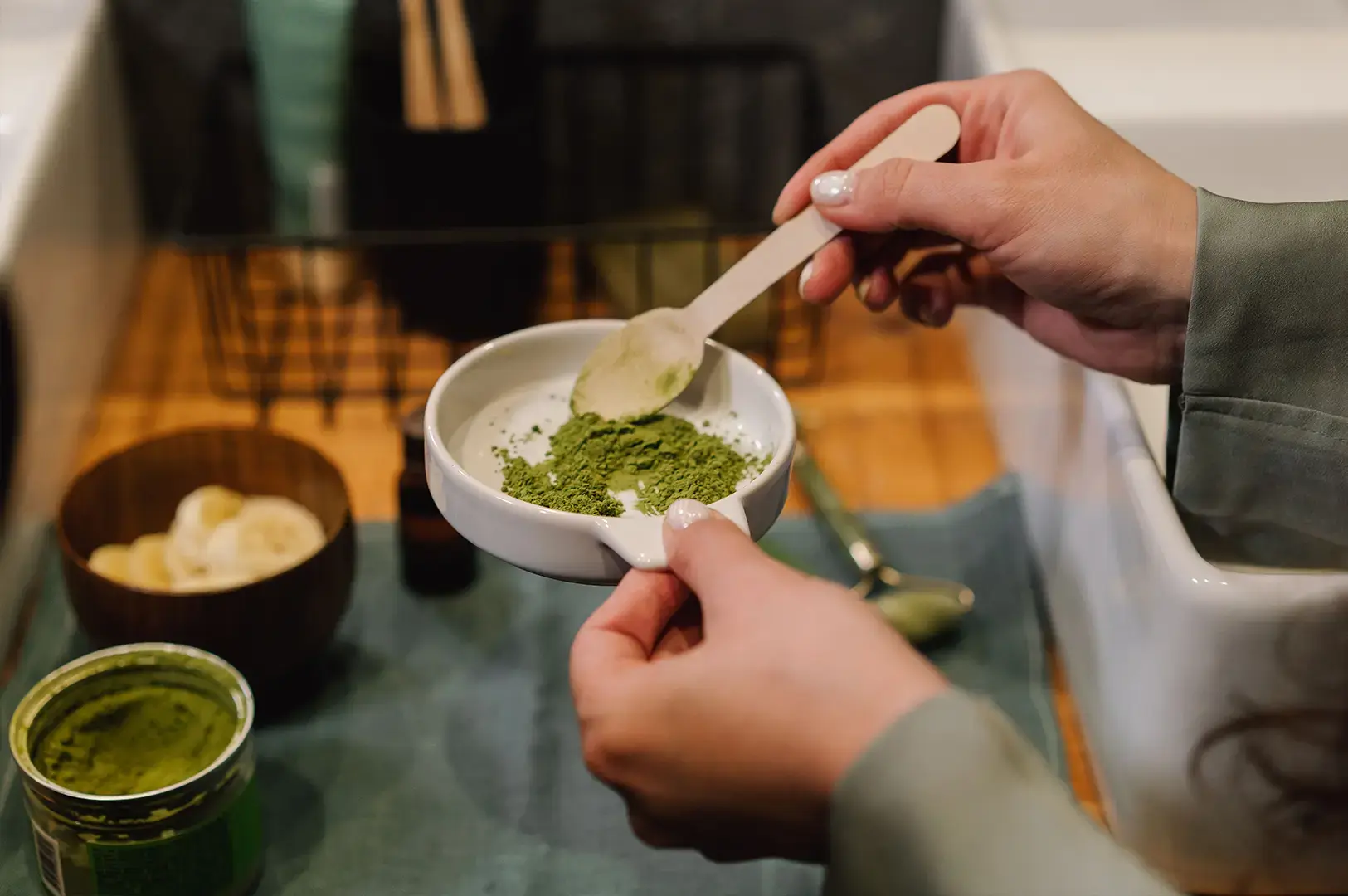
Matcha powder is a type of Japanese green tea made from specially shaded leaves. This shading, done weeks before harvest in spring, produces a tea with a well balanced flavour, rich umami, and smooth sweetness. The leaves are steamed, harvested, and then stone-ground slowly into a fine, thick powder—a method refined over centuries within Japanese tea culture.
Matcha powder grew up alongside the Japanese tea ceremony, where it has long held a place of quiet ceremony and respect. Its preparation, whisking the powder into hot water until it foams, carries a history that stretches back hundreds of years. Uji matcha, a popular tea from the Uji region of Japan, is renowned for its quality and is often considered among the finest matcha powders.
What matcha powder is not is ordinary green tea ground into dust. The growing and processing set it apart long before any grinding takes place, which is why matcha tends to be more expensive powders compared to other green tea powders.
Shading, Tencha, and Stone-Grinding
The defining step happens in the field. For several weeks before harvest, the tea plants are shaded from direct sunlight. This shading slows growth and changes the chemistry of the leaf, encouraging a softer, sweeter, more savoury character and a deeper green colour.
After harvest, the shaded leaves are steamed and dried, then carefully separated from their stems and veins. What remains is called tencha. Only tencha, ground slowly between stone mills into a fine powder, can properly be called matcha.
That stone-grinding is gentle and unhurried, which helps preserve aroma and produce an exceptionally fine texture. The process explains both matcha's price and its distinctive smoothness and thick texture seen in lattes.
What Powdered Sencha Green Tea Is
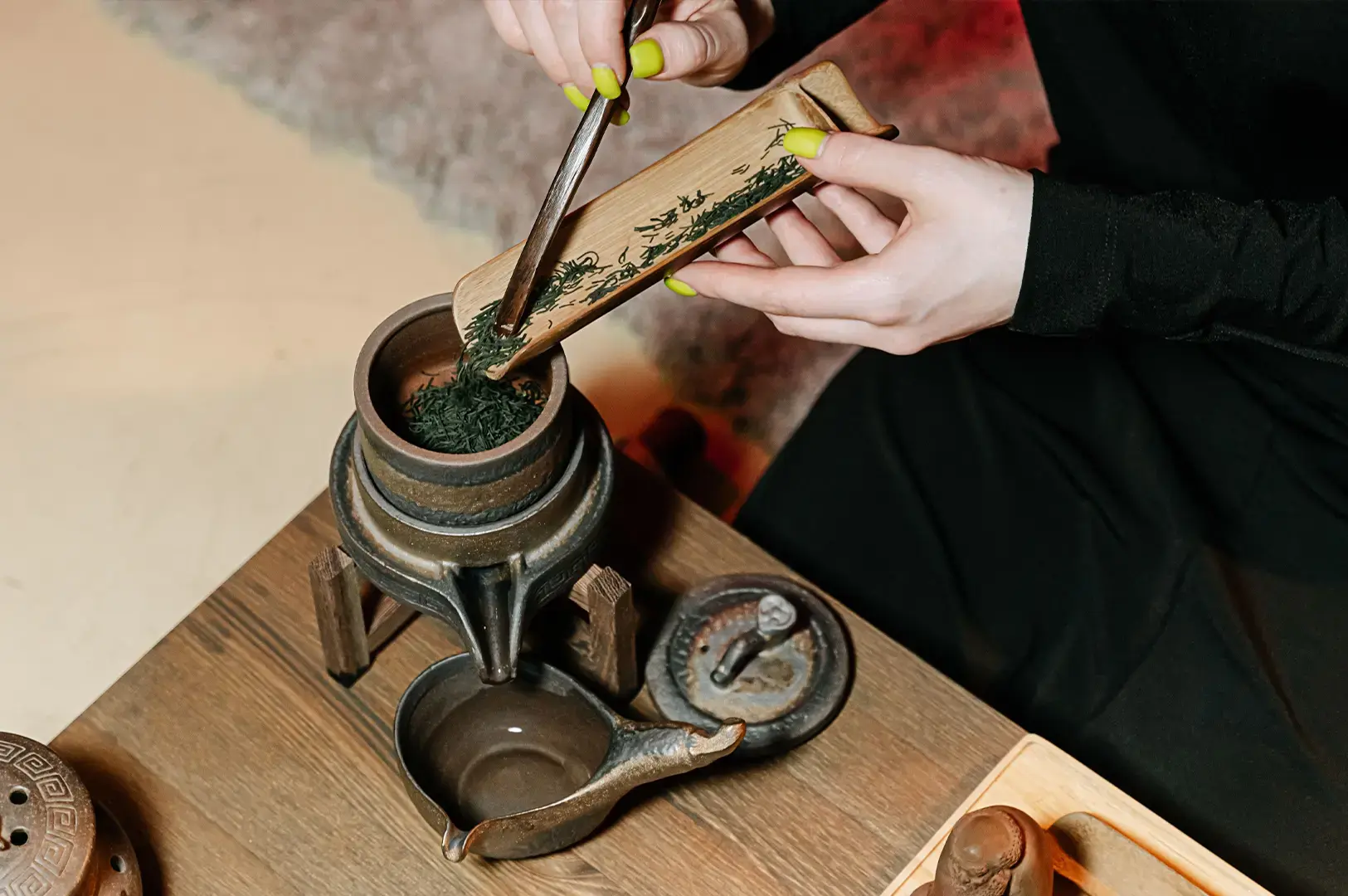
Sencha green tea is the most popular tea in Japan and is generally considered the everyday green tea. Unlike matcha, sencha is grown in full sunlight, which gives it a brighter, grassier aroma and a more astringent, slightly bitter character. It is traditionally brewed as loose leaf tea, steeped and strained rather than whisked.
Powdered sencha green tea is what results when these sencha leaves are ground into a fine tea powder. It allows a drinker to consume the whole leaf, much as one does with matcha, but the starting material is quite different.
How Sencha Powder Is Typically Produced and Where It Overlaps with Matcha Powder
Sencha powder is usually made by grinding finished sencha leaves, sometimes using machine grinders rather than slow stone mills. Because the leaves were grown in sunlight and not reduced to tencha, the powder retains sencha's fresher, sharper profile with a bright green colour.
The overlap with matcha powder is real and worth acknowledging. Both are whole-leaf green tea powders, both can be whisked or stirred into water, and both lend flavour and colour to food and drinks. This shared form is exactly why the two are so often confused on shelves and menus.
The divergence lies in origin. Matcha is shade-grown tencha ground with great care, while powdered sencha is sun-grown sencha ground after the fact. Producers vary in their methods, so quality and character differ from one product to the next.
The Core Differences That Show Up in the Cup
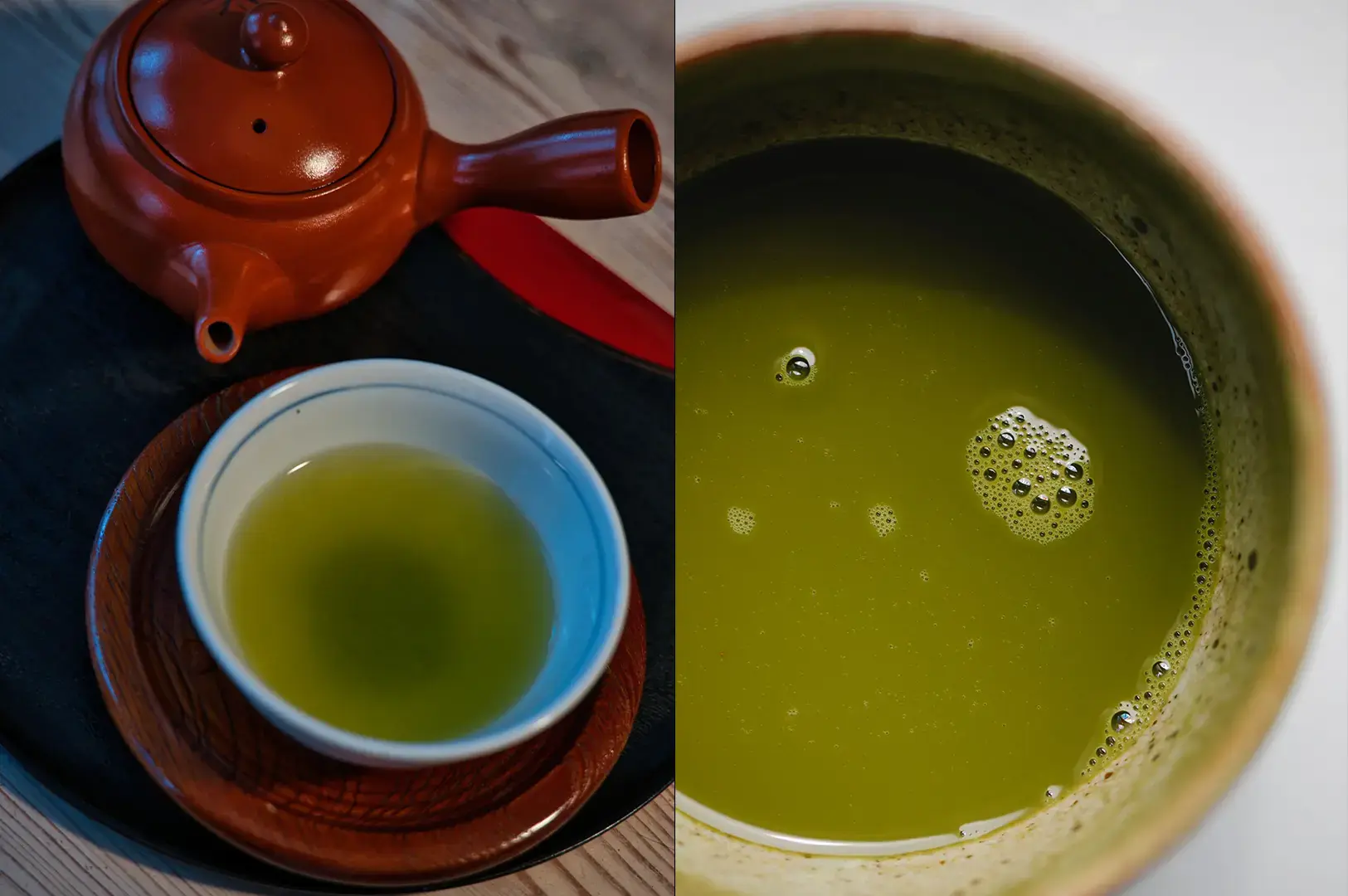
The contrast between the two becomes clear the moment they are prepared. Each reveals its nature through taste, texture, and appearance.
Flavour and Aroma
Matcha tends toward a rounded, savoury sweetness, with a smooth richness that lingers softly. Its aroma is gentle and vegetal, sometimes described as recalling fresh greens or sweet grass. It has a thick, well balanced umami flavour that makes it a favourite for matcha lattes and desserts.
Powdered sencha green tea, by contrast, leans brighter and grassier, with a livelier, more astringent edge. The aroma is crisper and more direct. Where matcha feels mellow, sencha powder feels fresh and brisk, with a slightly bitter aftertaste that some find delicious.
Texture and Appearance
Stone-ground matcha powder is famously fine, almost silken, which helps it suspend smoothly in water and produce a delicate foam when whisked. Its colour is typically a vivid, deep green.
Powdered sencha is often slightly coarser, depending on how it was ground, and may settle more quickly in the cup. Its colour can range from bright green to a more olive or yellowish tone, reflecting the sun-grown leaf.
Bitterness, Sweetness, and Umami
The savoury quality sometimes called umami is most associated with shade-grown matcha. Shading is widely understood to increase certain compounds linked to that smooth, savoury sweetness, though the exact balance varies by cultivar and grade.
Sencha powder usually carries more natural astringency and a sharper bitterness, softened by its fresh, grassy sweetness. Neither profile is superior. Matcha offers gentleness and depth, while powdered sencha offers brightness and a clean, vegetal lift.
Caffeine, L-Theanine, and What Can Realistically Be Said
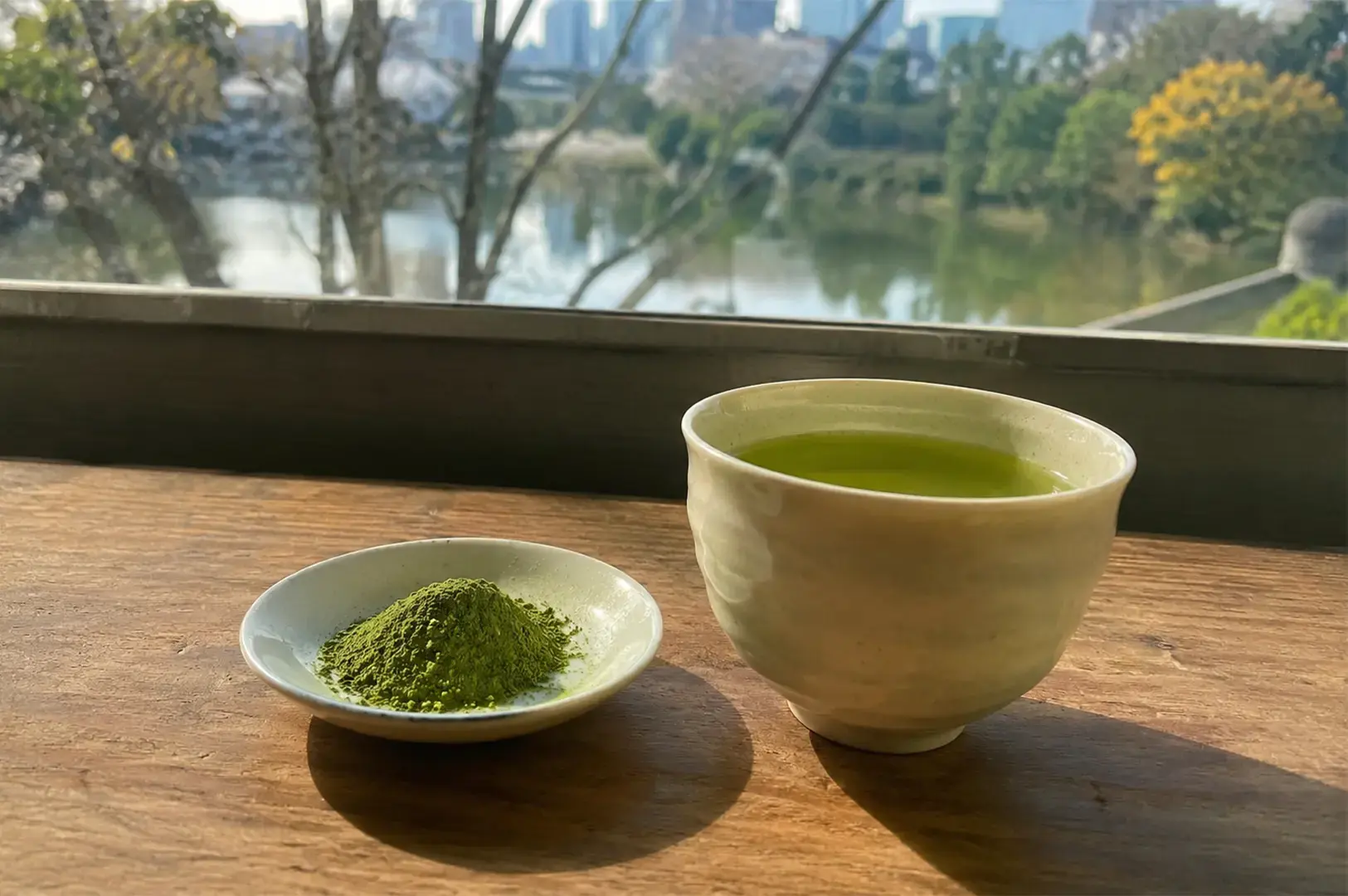
Both matcha and powdered sencha contain caffeine and the amino acid L-theanine, since both are made from whole tea leaves consumed in full. Because the entire leaf is ingested rather than steeped and discarded, powdered teas can deliver more of these compounds than a brewed cup of the same leaf.
Beyond that general point, firm numbers are difficult to state with confidence. The amounts depend on the plant, the growing conditions, the grade, and how much powder is used.
Why Ranges Vary and Why Labeling Is Inconsistent
Shading is often associated with higher levels of L-theanine, which is one reason quality matcha is linked with a smooth character. Even so, the precise content shifts from harvest to harvest and producer to producer.
Labelling adds further uncertainty. Terms are not always standardised across brands or countries, and a pack may not specify cultivar, harvest, or grinding method. Claims about exact caffeine or L-theanine figures are best read with caution, since independent verification is rarely provided. Any health-related expectations should be held lightly rather than treated as certainty.
How Each Tea Powder Is Commonly Used
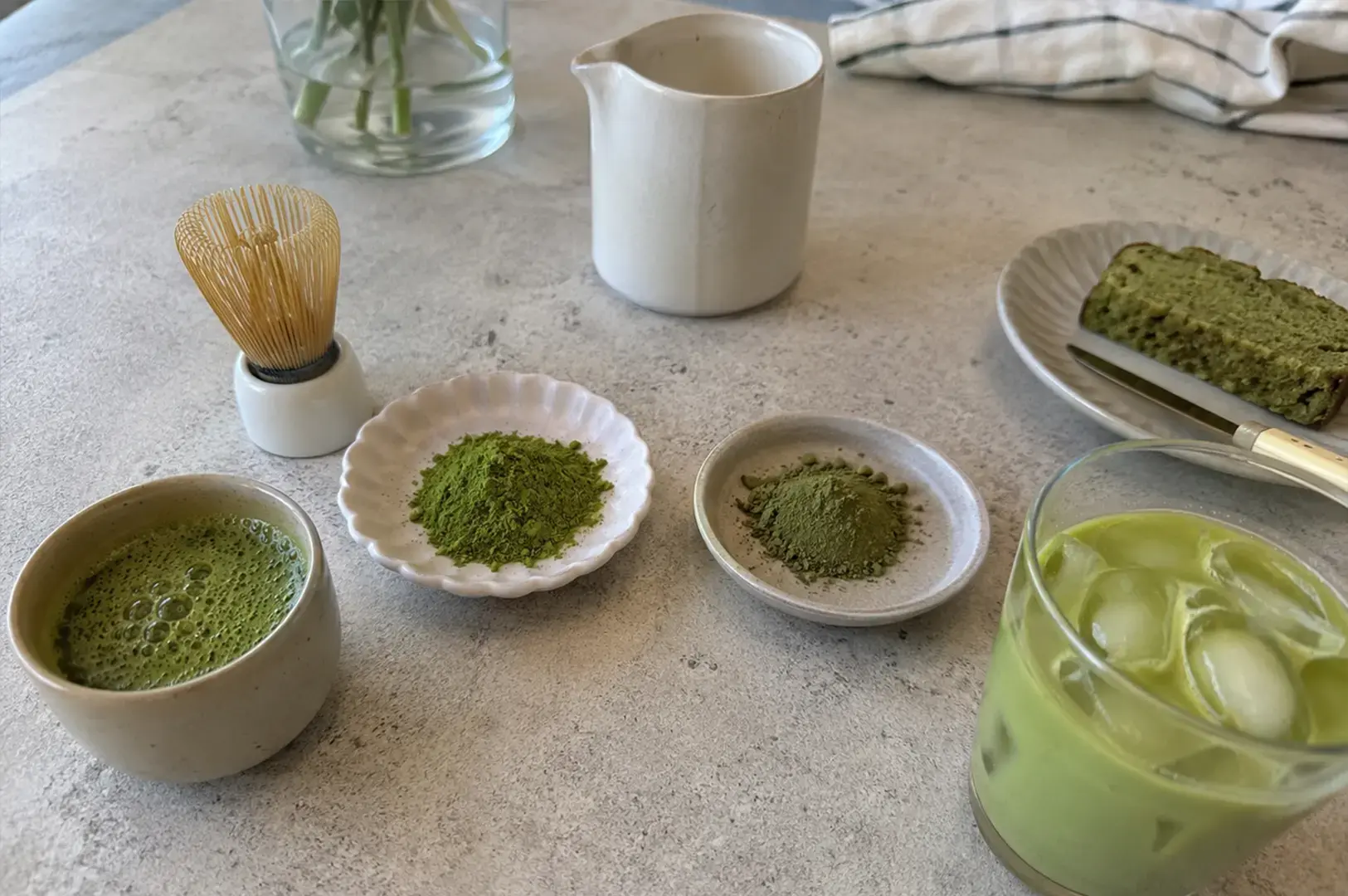
Both powders have found a place in tea, café drinks, and the kitchen, yet each tends to suit certain uses better than others. The differences in flavour and texture guide where each one shines.
- Matcha powder is well suited to traditional whisked tea, smooth matcha lattes made with oat milk, delicate desserts, and baking recipes where its rounded sweetness and fine texture matter.
- Powdered sencha green tea fits everyday drinking, iced green tea refreshment, savoury cooking, and baked goods where a fresher, grassier flavour suits the recipe and price is a consideration.
Neither rule is absolute. A baker fond of a sharper green flavour may prefer sencha powder in a cake, while someone seeking a gentler latte may reach for matcha.
How to Choose the Right Tea Powder for the Intended Use
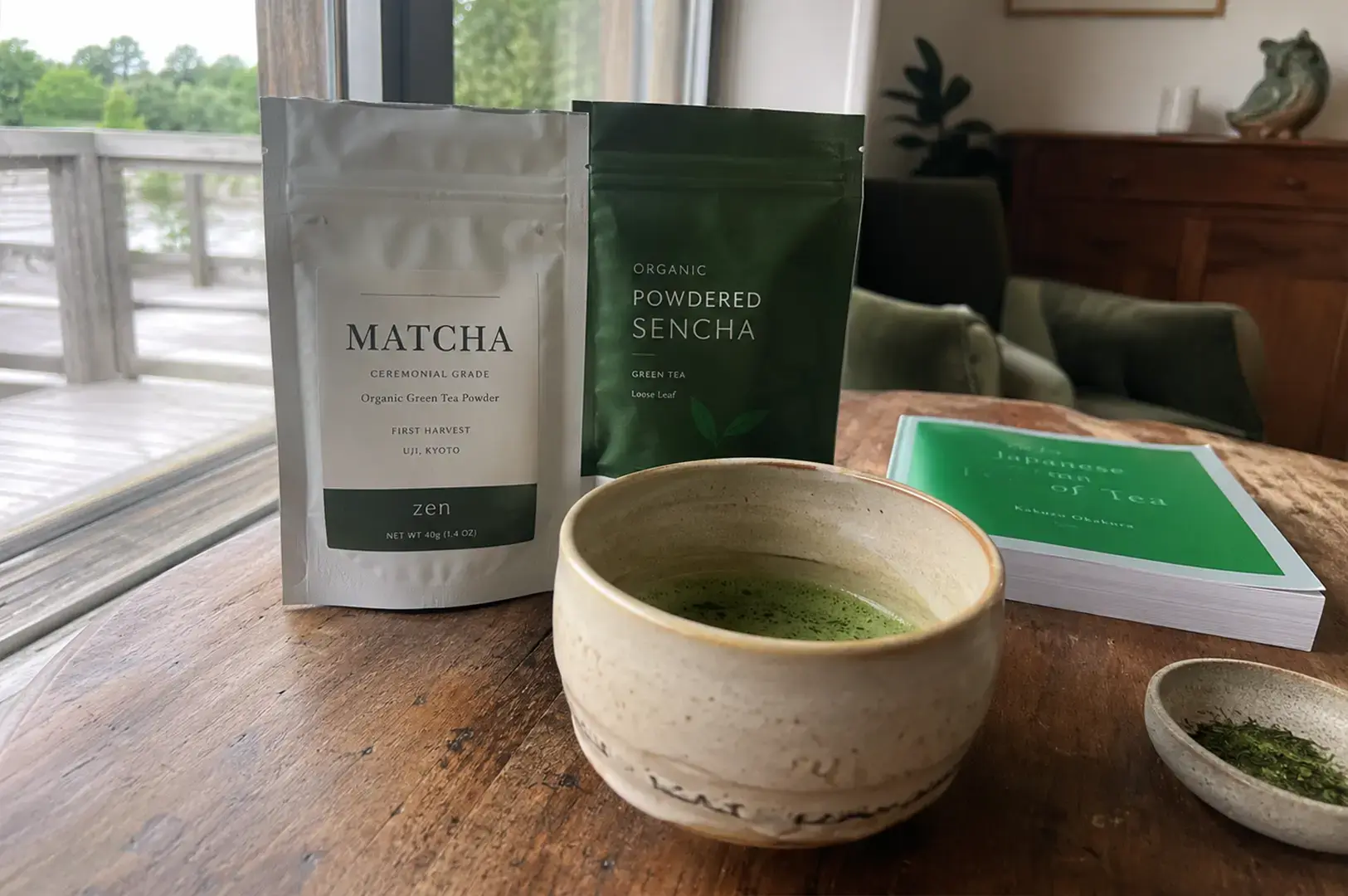
Choosing well begins with the intended purpose, then turns to the label and to storage. A tea powder destined for a ceremonial-style bowl calls for different qualities than one bound for a batch of cookies.
Label-Reading Checklist
- Product name: confirm whether it states matcha, powdered sencha, or simply powdered green tea.
- Origin: look for a clear region or producer rather than vague wording. Uji matcha, for example, signals authentic Japanese matcha powder.
- Grade language: note terms such as ceremonial or culinary, common for matcha, and understand they map imperfectly to sencha powders.
- Processing clues: mentions of shaded, tencha, or stone-ground point toward true matcha.
- Harvest information: a stated first flush or spring harvest date suggests attention to freshness.
Grade terms deserve a note of caution. Words like ceremonial and culinary are widely used in marketing but are not strictly regulated, so they offer guidance rather than guarantee.
Freshness and Storage
Green tea powders are delicate and fade quickly once exposed to air, light, heat, and moisture. A fresh powder smells vivid and green, while a dull or hay-like smell often signals age.
Storing the powder in an airtight container, kept cool and away from sunlight, helps preserve its colour and flavour. Buying in modest quantities and using it within a reasonable time tends to serve better than stockpiling.
A Practical Summary for Buyers in Singapore
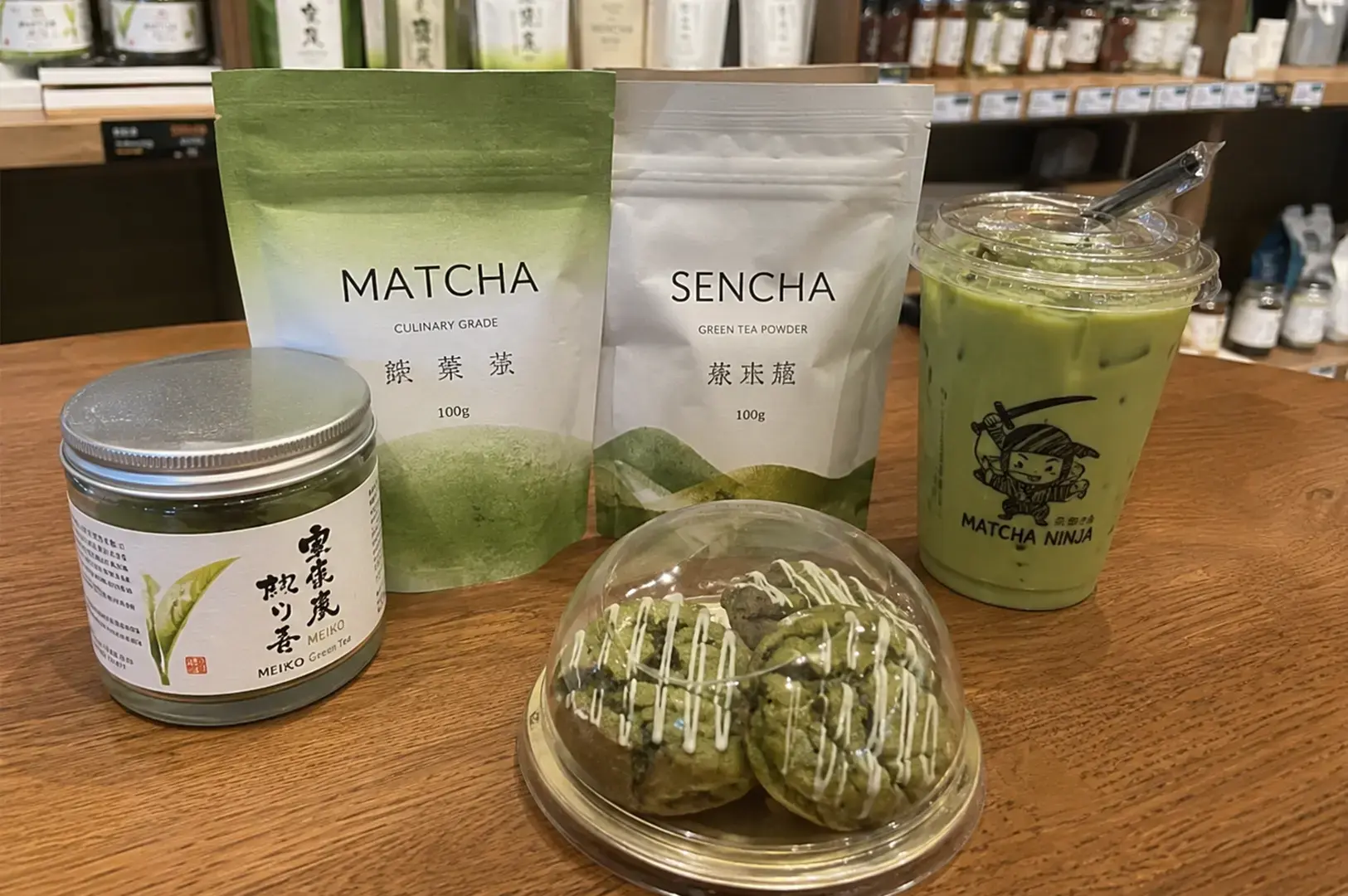
In Singapore, both matcha powder and powdered sencha green tea appear widely, on café menus as lattes, in bakeries and dessert counters, and on shelves for home preparation. The two are often presented side by side, which is part of why the names blur together for many shoppers.
For a smooth matcha latte or a more traditional whisked cup, matcha powder is the natural choice, with its fine texture and gentle, savoury sweetness. For everyday drinking, iced refreshment, or baking where a brighter, grassier flavour suits the recipe, powdered sencha green tea can be a thoughtful and often more affordable option.
Sencha green tea, a personal favorite for many, is known for its vibrant green color and health benefits, including antioxidants and metabolism stimulation. It is typically harvested in season and commonly sold by gram, with packaging that preserves freshness. Unlike gyokuro, which is shade-grown and more expensive, sencha is sun-grown, mixed with other tea types like hojicha in some blends, and offers a good reason for daily consumption due to its balanced flavor and caffeine content.
The most useful habit is to read the label closely rather than judge by colour alone. Matching the powder to the purpose, and checking freshness, matters more than chasing the highest grade or most expensive powders on the pack. When you decide to purchase, consider waiting for a sale or checking the packaging date to ensure optimal quality.
A Closing Thought
Matcha powder and powdered sencha green tea may share a shelf and a shade of green, yet they carry different histories, different fields, and different roles in the cup and the kitchen. Matcha rises from shaded leaves, tencha, and slow stone mills. Powdered sencha comes from the sun-grown everyday tea of Japan, ground into a brighter, livelier powder.
For those who wish to keep exploring, Tea Manor's educational writing offers a calm place to explore the leaf behind the powder, one cup at a time.

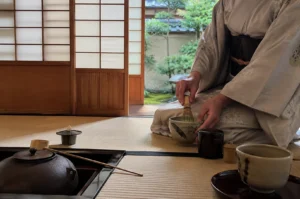
Tea Ceremony Kyoto: A Slow Dance of Bowls and Breath
The room is quiet enough to hear water. Somewhere beyond the paper screens of this traditional tea ceremony venue, a garden drips after morning rain. Inside a tea house on a tatami mat worn soft by years of kneeling, a tea master lifts a bamboo whisk and begins tea making. There is no rush in…
-
Why We Keep Romanticising Tea Moments That Never Happened
I sometimes wonder if we are drinking tea or remembering something that never really happened. A quiet morning that feels softer in memory than it ever was in real life. A perfect cup by the window that somehow always looks better in hindsight. A tea moment that feels cinematic, even though it probably lasted only…
-
Masala Chai Tea Origins: The Cultural Evolution of India’s Spiced Tea Tradition
There is a sound that belongs to mornings across India: the hiss of milk rising in a battered pot, the clink of a spoon against metal, the low murmur of a tea seller calling out to passing crowds. Before the first sip, there is the scent. Cardamom pods, fresh ginger, and cinnamon stick curling into…
-
We Are Turning Tea Into Something It Was Never Meant to Be
There is something quietly strange happening in tea culture. The more popular the tea becomes, the more it starts to resemble everything it once stood apart from. Speed. Branding. Productivity. Performance. Tea, which once belonged to unhurried moments, is increasingly being asked to do more. To energize. To optimize focus. To replace coffee. To support…
-
Sencha Green Tea vs. Matcha Powder: Understanding the Differences in Japanese Green Tea
Two tins of tea powder sit side by side on a shelf. Both hold a fine green powder. Both promise the taste of authentic Japanese tea. To the eye, they look almost identical, and that is precisely where the confusion begins. One is matcha powder, often used in matcha lattes and desserts. The other is…
-
Discovering Gryphon Tea Company’s Earl Grey in Singapore
I recently tried the Earl Grey from Gryphon Tea Company Singapore, and I have to admit, it surprised me. Not because it was flawless-it wasn’t, but because it felt like a tea that knew exactly what it wanted to be. The aroma is the first thing that hits you. Bergamot is present but subtle, not…
-
Hojicha: The Roasted Japanese Green Tea With A Mellow Twist
There is a moment, just after the hot water meets the hojicha tea leaves, when the kitchen fills with the aroma of something toasted. Not grassy. Not sharp. Warm, like roasted nuts or the edge of a freshly baked loaf. That moment is where hojicha begins. Hojicha (sometimes spelled houjicha) is a roasted green tea…
-
A Quiet Afternoon at Yixing Xuan Teahouse
I recently spent a quiet afternoon at Yixing Xuan Teahouse, a place that feels like a pause in the city. The moment you step inside, the world seems slower. The air carries the gentle aroma of steeped leaves, and the staff move with quiet precision. I chose an oolong, simple yet familiar. Watching the leaves…
-
The Controversial Smoky Tea That Divides Enthusiasts: Lapsang Souchong Black Tea
There is a tea that empties rooms and fills them in equal measure. Open a box of loose leaf lapsang souchong black tea, and someone nearby will lean in with delight while another quietly steps away. Few teas provoke such immediate, honest reactions. That divide is part of its story. This smoked lapsang souchong smells…
-
The Tea That Keeps Me Coming Back
I have a tea I return to more than any other. It is not rare. It is not expensive. In fact, most people would probably pass it by without a second thought. And yet, somehow, it has become a quiet companion over the years. I first drank it on a rainy afternoon. I had been…