In the vast and storied world of Chinese tea, few varieties command the reverence and prestige of Silver Needle white tea. Celebrated as Bai Hao Yin Zhen (白毫銀針)—meaning “White Hair Silver Needle”—this exceptional Chinese white tea sits atop the hierarchy of not just white tea, but among all tea types. Each slender 'needle' is not a traditional leaf but a single, unopened tea bud from the Camellia sinensis plant, cloaked in delicate white hairs that shimmer like early morning frost. As the least processed tea available, Silver Needle undergoes only gentle withering and sun drying, preserving its elegant form and unique taste. It is this pure minimalism in tea making and its delicate flavour that distinguishes it from green tea, oolong tea, and black tea, offering those who drink tea an experience both subtle and profoundly refined. For both seasoned tea drinkers and those just curious about the world of Chinese white tea, exploring Silver Needle promises a cup of history, artistry, and exquisite flavour.
History and Origin: The Ancestry of Silver Needle White Tea

The origin story of Silver Needle white tea traces back to the lush, mist-covered mountains of Fujian province, China. This region, famous for its ancient tea gardens and thriving tea trees, birthed Bai Hao Yin Zhen in the small towns of Fuding and Zhenghe—two regions now synonymous with the highest grade white teas. Long before the global popularity of green tea or black tea, locals were harvesting young leaves and tea buds to produce subtly sweet and light teas for imperial tribute.
Tradition holds that only the youngest, frost-tipped tea buds from specific tea cultivars are selected for Silver Needle. Tea pickers, skilled in hand-plucking during the short early spring harvest, often began before sunrise to ensure the freshest tea buds. Imperial China prized Silver Needle as a royal gift, and legends abound—from stories that tea may only be picked once dewdrops have dried, to tales forbidding pickers from touching strong-scented foods lest the delicate flavour of Silver Needle be disrupted.
As trade routes expanded, this elegant processed tea found admirers from China to Europe. Western merchants, accustomed to more robust teas, marvelled at the subtle flavour, light aroma, and refreshing taste of Silver Needle. Today, although other teas are produced in Fujian and beyond, authentic Silver Needle from its home province is still regarded as the pinnacle of Chinese white tea, distinguishing itself by its production process, delicate flavour, and elegant appearance.
What Makes Silver Needle White Tea Unique Among Chinese Teas
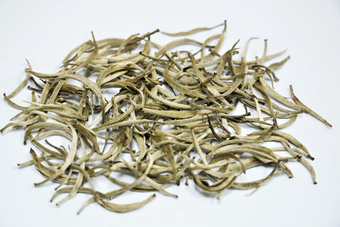
Unlike other white teas, green teas, or even oolong teas, Silver Needle is crafted exclusively from the unopened tea buds of the camellia sinensis plant. These buds are densely covered in fine white hairs known as bai hao, lending the dry leaves their silvery appearance and an unmistakable tactile softness. Each bud is uniform—plump, straight, and glistening, reminiscent of a field of silver needles laid out under the sun.
Silver Needle is rightly renowned as the least processed tea: it undergoes gentle withering and slow sun drying or, in cloudy weather, careful indoor drying. Unlike green tea or black tea, there is no rolling, shaping, or high-heat firing in the production process, which helps preserve the tea’s delicate flavour and many health benefits. The result is a brilliant example of minimally processed tea at its finest.
The difference between Silver Needle and other white teas, such as White Peony (Bai Mu Dan) or Gong Mei, is pronounced. While White Peony uses a blend of leaves and buds, lending a fuller body and sometimes more astringency, Silver Needle’s reliance on pure buds ensures a lighter, more elegant cup with delicate floral and sweet notes. The production of Silver Needle is incredibly labour-intensive, requiring thousands of hand-harvested tea buds for a single kilogram, and this exclusivity is reflected in the Silver Needle tea price. Its premium status among Chinese white tea varieties is justified by its unmistakable flavour and refined, covered buds that are truly a drink of emperors and discerning tea lovers alike.
Flavor Profile and Tasting Notes: The Delicate Flavour of Silver Needles
To drink tea made from Silver Needle is to experience subtlety, elegance, and complexity all at once. The dry leaves exude a distinct aroma reminiscent of fresh hay, wildflowers, and a gentle spring breeze. Upon steeping—whether with hot water for a classic cup or using the cold brew method for a refreshing alternative—the tea reveals a delicate sweetness touched with notes of melon, cucumber, and honeysuckle.
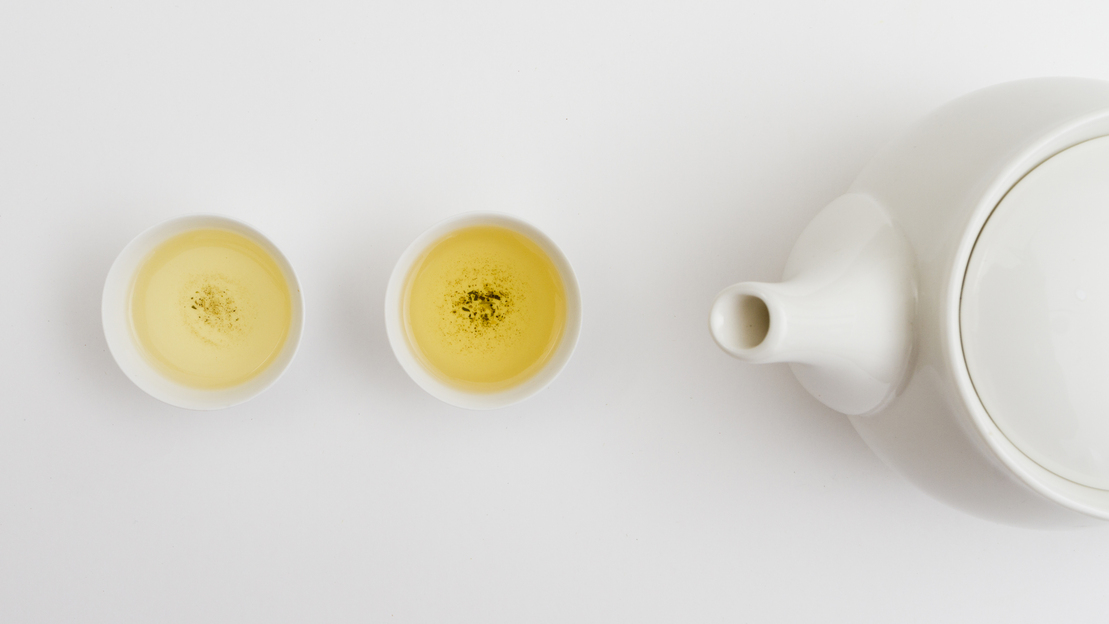
The flavour is clean, with no bitterness or astringency—light and silky, echoing the pristine nature of the buds. A freshly brewed cup has a pale golden liquor and an aroma that hints at white peach and soft floral undertones. The mouthfeel is smooth and lingering, with faint notes of fresh fruit and sweet hay evolving as the cup cools. Compared to black tea or oolong tea, Silver Needle white tea carries less caffeine, offering a relaxing, gentle cup perfect for calm reflection.
Brewing parameters are crucial. Lower temperatures and short steeps preserve the most delicate flavours, while longer infusions bring out a more pronounced sweetness. Storage and aging can also subtly shift the flavour profile, with well-aged Silver Needle developing deeper honeyed and dried fruit notes over time—making every cup an exploration of tea’s evolving character and unique taste.
Cultivation and Production Process: From Tea Gardens to Cup

Authentic Silver Needle tea begins life in the esteemed tea gardens of Fujian province, China, where centuries-old tea trees push forth new buds each spring. Only specific cultivars—such as the revered 'Da Bai' variety—are used by tea producers aiming for the highest quality tea.
The production process is a testament to restraint and expertise.
- Hand Harvesting: Only the most perfect buds are plucked by tea pickers in the crisp air of early spring. These unopened buds, tightly covered with down, are chosen for both their delicacy and concentration of flavour.
- Withering and Sun Drying: The hand-plucked buds are carefully spread on bamboo trays and set out in the gentle morning sun for sun drying. If the weather is less favourable, they are moved indoors for controlled drying. This slow withering reduces moisture while lightly oxidizing the buds—one way Silver Needle white tea subtly distinguishes itself from green tea and other types.
- Drying: The buds are then gently dried at a low temperature, preserving their unique character and maximising flavour. Throughout, no mechanical processing is allowed, maintaining the integrity of each bud.
The result is Silver Needle white tea—delicate, subtle, and rich in history. Sustainable practices and careful management of annual production volumes mean that high demand is balanced with respect for tradition and the environment, ensuring every cup you brew comes from the highest grade tea gardens.
Health Benefits of Silver Needle White Tea
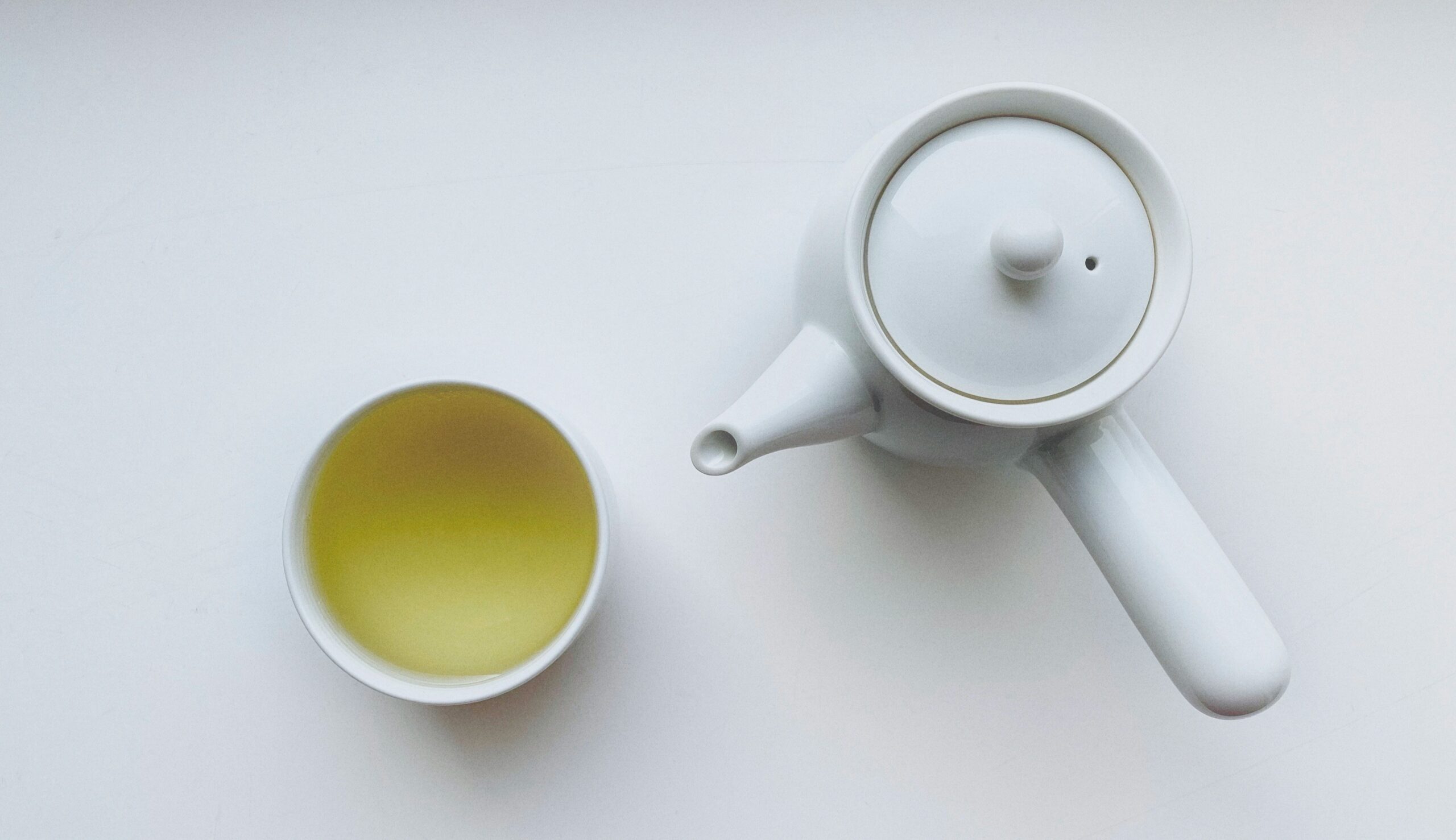
Silver Needle is not only admired for its flavour and long history but also for its many health benefits. As the least processed tea, it retains more polyphenols and natural antioxidants than green tea, black tea, or even other white teas. Research suggests that consuming Silver Needle—rich in catechins—can help protect cells from oxidative damage, support skin health, and may even aid weight loss as part of a healthy lifestyle.
Compared to black tea or coffee, Silver Needle white tea has less caffeine, making it suitable for those sensitive to stimulants. A standard serving contains just 15-20 mg of caffeine, far less than a typical cup of green or black tea, which means you can drink tea throughout the day with minimal impact on your alertness or sleep. In traditional Chinese tea culture, Silver Needle has long been seen as a gentle tonic for cooling internal heat and promoting calm.
Modern studies also explore its anti-inflammatory and immune-supportive potential, though Silver Needle is best enjoyed as part of a lifestyle that balances enjoyment and well-being. Drinking a cup is a celebration of what tea may offer: not just refreshment, but a moment of tranquility and grace.
Brewing the Perfect Cup of Silver Needle White Tea
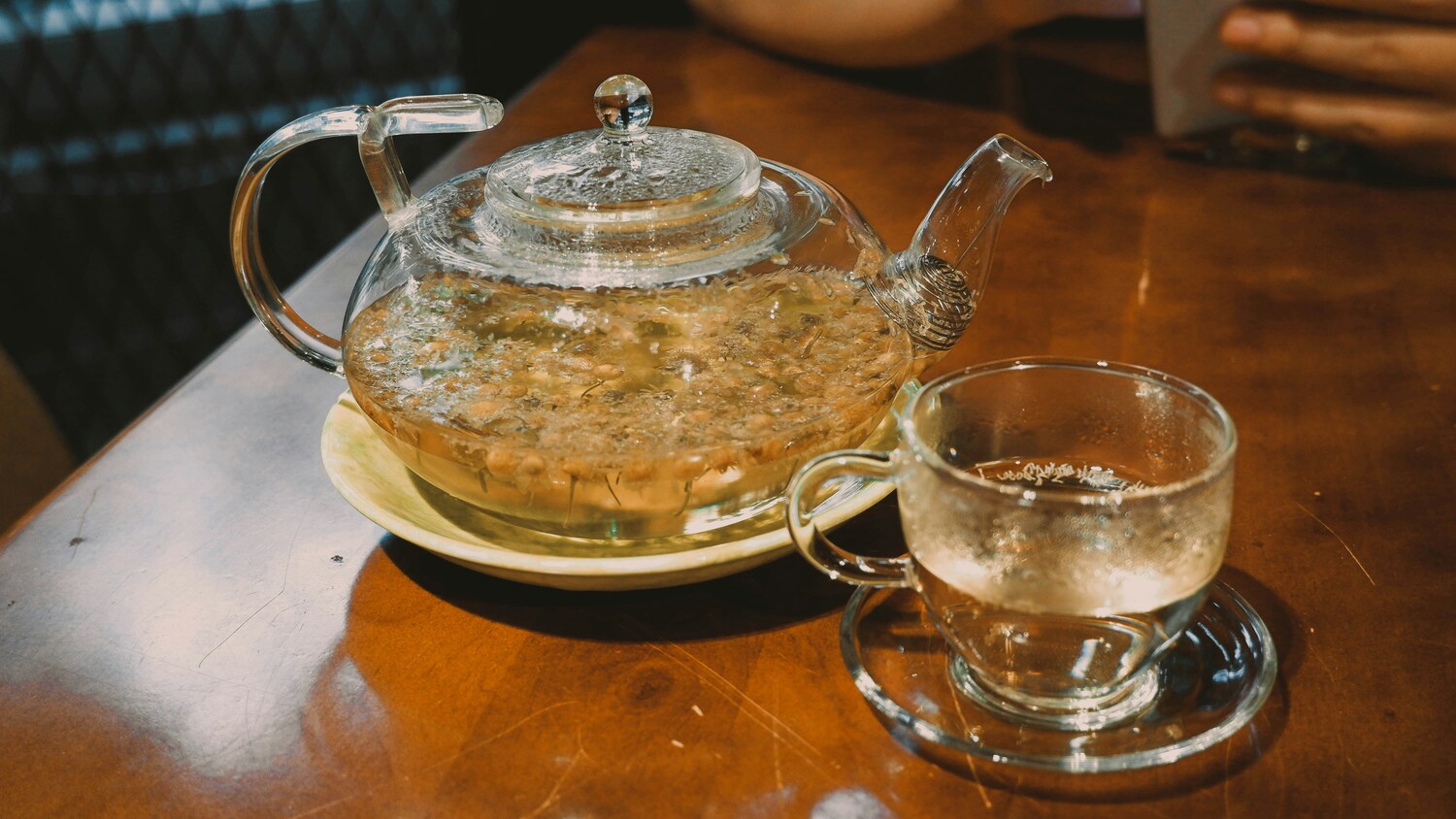
Mastering the art of brewing Silver Needle white tea unlocks its subtlety and depth.
- Water Temperature: Always use good quality water, heated well below boiling (175-185°F/80-85°C). Using boiling water can damage the cell walls of the delicate buds and overwhelm their gentle flavour.
- Leaf-to-Water Ratio: For every cup (180 ml), use roughly two to three grams of dry leaves—about a heaped teaspoon. More leaves can be added according to personal taste or for larger pots.
- Steeping Time: Steep for two to five minutes, depending on flavour preference. A clear glass pot or gaiwan lets you watch the silver needles unfurl and release their sweet aroma.
- Multiple Infusions: Silver Needle’s highest grade allows for several infusions, with the delicate flavour evolving sweetly with each cup.
- Cold Brew Method: For an elegant, refreshing taste, try cold brew—simply add a generous amount of tea buds to cold water and refrigerate for six to eight hours.
- Common Brewing Mistakes: Avoid steeping too briefly or using too few buds, as these can yield a bland, flavourless cup, and don't use boiling water which can create bitterness.
A well-brewed cup is delicate, light, and redolent with the aroma and subtle flavours that make Silver Needle white tea an outstanding example of Chinese tea artistry.
Silver Needle Tea Purchasing Guide
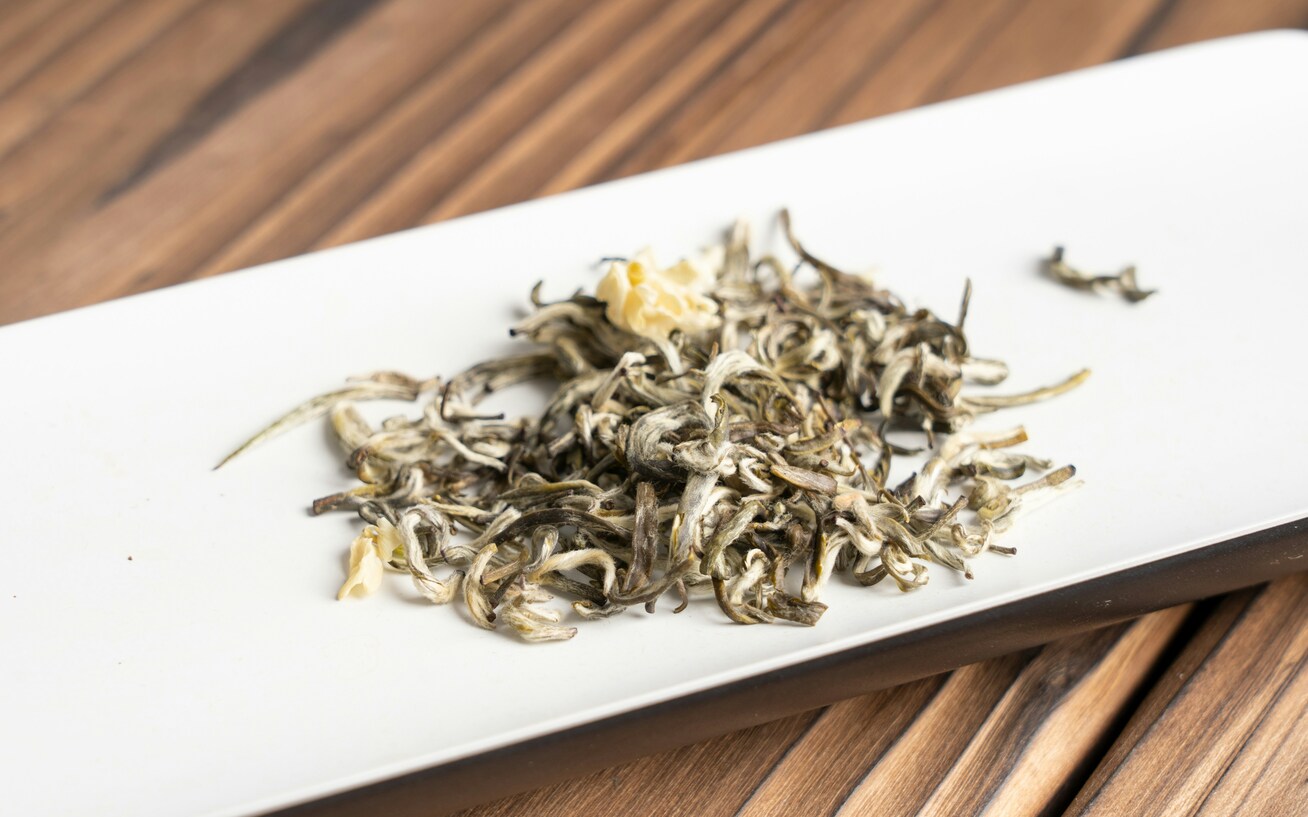
Selecting great tea may be an art in itself.
- Look for: Plump, evenly sized tea buds covered in thick, silvery hairs—a sure sign of Bai Hao Yin Zhen's authenticity and highest quality. Good quality Silver Needle will have a sweet aroma even in dry leaves.
- Origin: Choose tea from a reputable vendor specialising in Chinese white tea or Fujian white tea. Be wary of "silver needle" from other types and other regions, as flavour and quality can differ.
- Price: Expect a premium—Silver Needle tea price reflects the labour-intensive hand-picking and low annual yield required for this highest grade white tea.
- Storage: Store in an airtight container, protected from light, heat, and moisture to preserve its refined aroma and delicate flavour.
Food Pairing Suggestions for Silver Needle White Tea
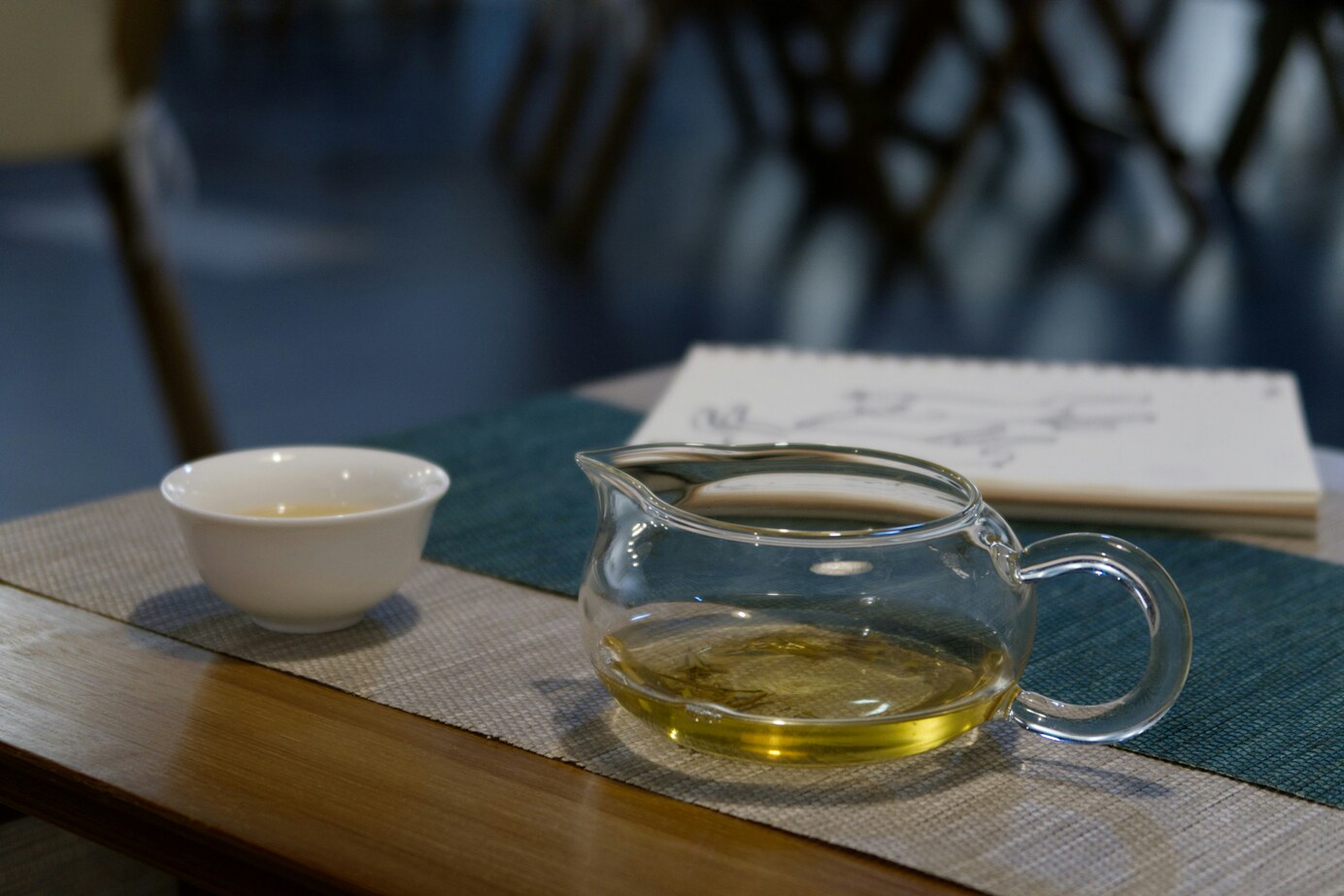
Given its subtlety, Silver Needle pairs best with foods that enhance rather than mask its delicate flavour.
- Light, Fresh Foods: Angel food cake, panna cotta, or white peaches bring out the sweet and refreshing taste of the tea.
- Asian Dishes: Gently flavoured dishes like steamed fish or vegetable stir-fries are excellent with Silver Needle.
- Delicate Cheeses: Mild cheeses such as ricotta or young goat cheese complement Silver Needle’s gentle profile.
Heavily spiced or rich foods can overpower the nuanced flavour, so opt for light and subtle pairings for an elevated tea drinking experience.
Silver Needle White Tea in Modern Chinese Tea Culture
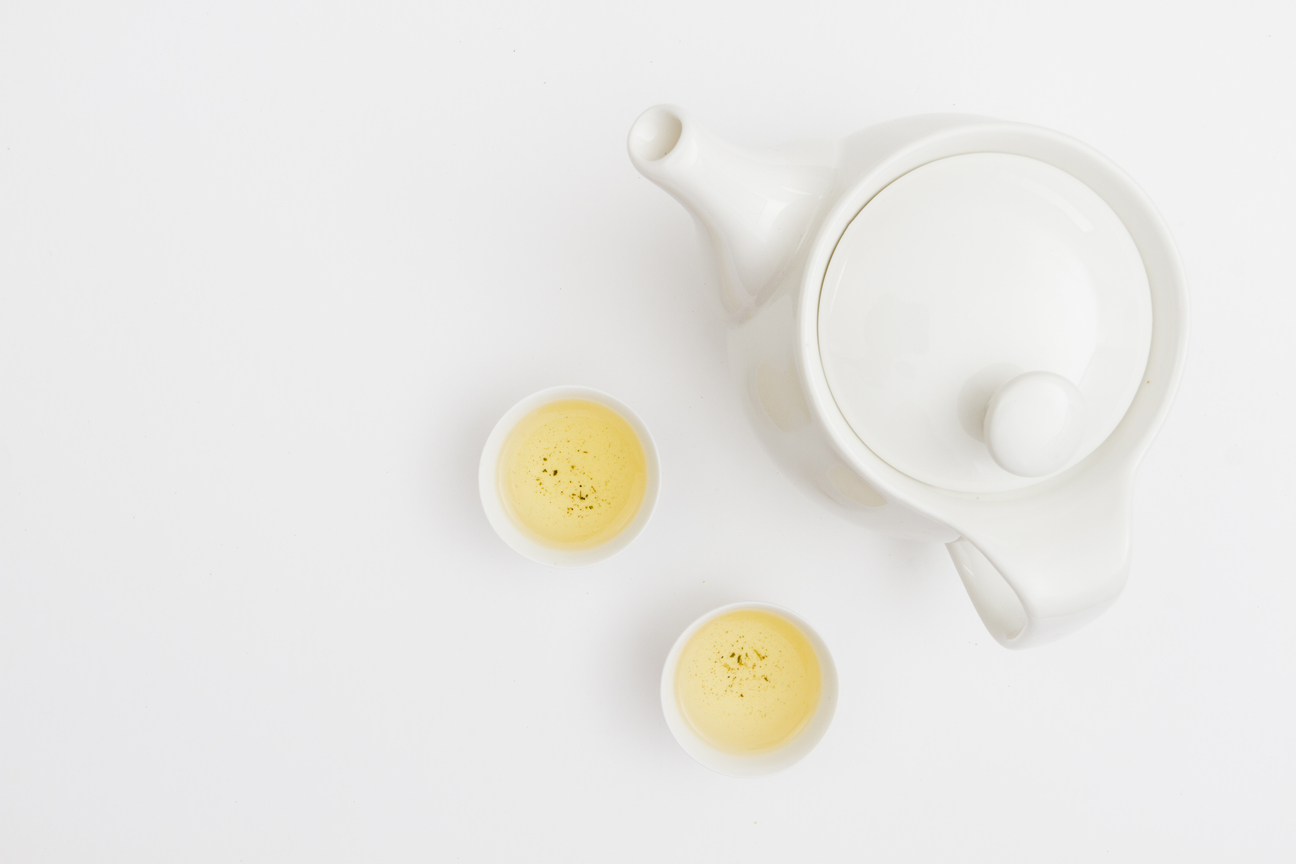
Silver Needle white tea’s esteemed reputation within Chinese tea and broader tea drinking communities continues to rise. Once reserved for the elite, this premium white tea now enjoys a prominent place in high-end tea ceremonies and exclusive tastings. Enthusiasts and newcomers alike savour its sweet, refreshing taste, often sharing their appreciation for its elegant qualities through tea drinking experiences, social media, and at specialty tea shops.
| Tea Type | Main Plant Parts Used | Flavour Profile | Caffeine Content | Processing Method |
|---|---|---|---|---|
| White Peony (Bai Mu Dan) | Only tea buds | Delicate, floral, sweet, light | Least caffeine; 15-20mg | Sun drying, withering |
| Silver Needle (Bai Hao Yin Zhen) | Young leaves & buds | Fuller-bodied, slightly earthy, floral | Less than green tea | Withered, dried |
| Gong Mei/Shou Mei | Mature leaves | Stronger, darker, brisk | Usually higher | Withered, baked |
Silver Needle White Tea: Conclusion
From the ancient tea gardens of Fujian province to tea shops worldwide, Silver Needle white tea stands as the pinnacle of Chinese tea artistry. Its long history, unique taste, delicate flavour, and refined production process set it apart from all other teas. Drinking Silver Needle is to savour centuries of tradition, to embrace the elegant in a simple cup, and to celebrate the meditative beauty of the least processed tea on Earth. Whether you are new to white tea or a connoisseur searching for the highest quality, a cup of Silver Needle offers not only many health benefits but a singular, delicate experience that rewards the attentive drinker. Begin your journey with Silver Needle, and let the emperor of white tea guide you into the heart of Chinese tea drinking tradition.

“Detox Tea” Is Mostly Marketing: Here’s What Tea Actually Does
I have always found the phrase “detox tea” a little strange. Not because I dislike tea. Quite the opposite. Tea has been part of my daily life for years. I love the quiet ritual of choosing leaves, waiting for the water, and taking a moment to slow down. But somewhere along the way, tea became…
-
The Tea House That Time Did Not Forget: Tea Chapter Trading Pte Ltd
I almost walked past it. Located at Nine Neil Road, Tea Chapter Trading Pte Ltd sits quietly, a three-storey shophouse just across from Maxwell MRT in Singapore, its restored facade catching afternoon light. Around it, Chinatown moves at its usual pace. Inside, something slower has been happening since October 1989. I stepped in on a…
-
Expensive Tea Doesn’t Guarantee a Better Cup, Here’s Why
There is a belief in tea that we rarely question. If something costs more, it must be better. It is an understandable assumption. A rare tea from a respected region, carefully harvested and beautifully packaged, naturally creates expectations. We associate price with effort, craftsmanship, and quality. And often, that connection is justified. But not always….
-
SUN with MOON Singapore at Wheelock Place: A Unique Tea Dining Cafe Experience on Orchard Road
The lunch crowd had gone. Dinner hadn’t arrived yet. I came in during that strange, in-between hour, a little after three on a weekday, when the escalators at Wheelock Place hum quietly and Orchard Road feels almost gentle. Most people were still at their desks. I wasn’t. I wanted tea, and I wanted to sit…
-
Cold Brew Tea Is Underrated (And Hot Purists Are Missing Out)
I used to think tea had to be hot. There was something about the ritual of it. Boiling water, warming the pot, watching the leaves open. A proper cup of tea seemed to require steam. Then I tried cold brew tea, and I had to admit something slightly uncomfortable. I liked it. More than I…
-
All Things Delicious Review: The Quiet Pleasure of Tea and Cake.
There’s a particular kind of afternoon that asks for tea, and All Things Delicious answers it with a quiet, comforting tea-and-cake experience on Arab Street: handmade sweet treats, warm approachable teas, and a room that makes simple pleasures feel like enough. Not coffee, with its urgency. Tea. The slow kind, poured while the conversation drifts…
-
Wellness Tea Is a Scam, but Tea Can Still Be Good for You
There is a strange contradiction in the way we talk about tea today. For centuries, tea was appreciated for its taste, its rituals, and the moments it created. Today, it is often sold as something else entirely. A solution. A promise. A shortcut. The language surrounding wellness tea has become increasingly familiar. Detox tea. Cleansing…
-
Camellia Tea: A Blossom, A Leaf, A Legacy Rooted in Camellia Sinensis
My grandmother kept her camellia tea in a battered tin that had once held biscuits. She never called it anything fancy. It was just cha, brewed strong in the mornings using fresh tea leaves from the tea plant, poured into small cups that had lost their matching saucers years ago. I didn’t know then that…
-
Why “Caffeine-Free Tea” Marketing Should Be Regulated (Seriously)
Hear me out: we have become far too comfortable with the phrase “caffeine-free tea.” It appears on beautiful packaging, wellness websites, and café menus with the confidence of a health guarantee. The words suggest calm evenings, better sleep, and a gentler relationship with what we drink. But there is a problem. The phrase sounds clearer…
-
The Forgotten Luxury of Sitting Still at Japanese Tea House
You stoop to enter the traditional japanese tea house. That is the first thing the tea house asks of you, before the tea, before the talk, before anything at all. The doorway is low, deliberately so, and even the tall must bow to pass through it. In that small act of folding the body, something…