Stop Treating Pu-erh Like Crypto: Collecting Isn’t the Same as Enjoying
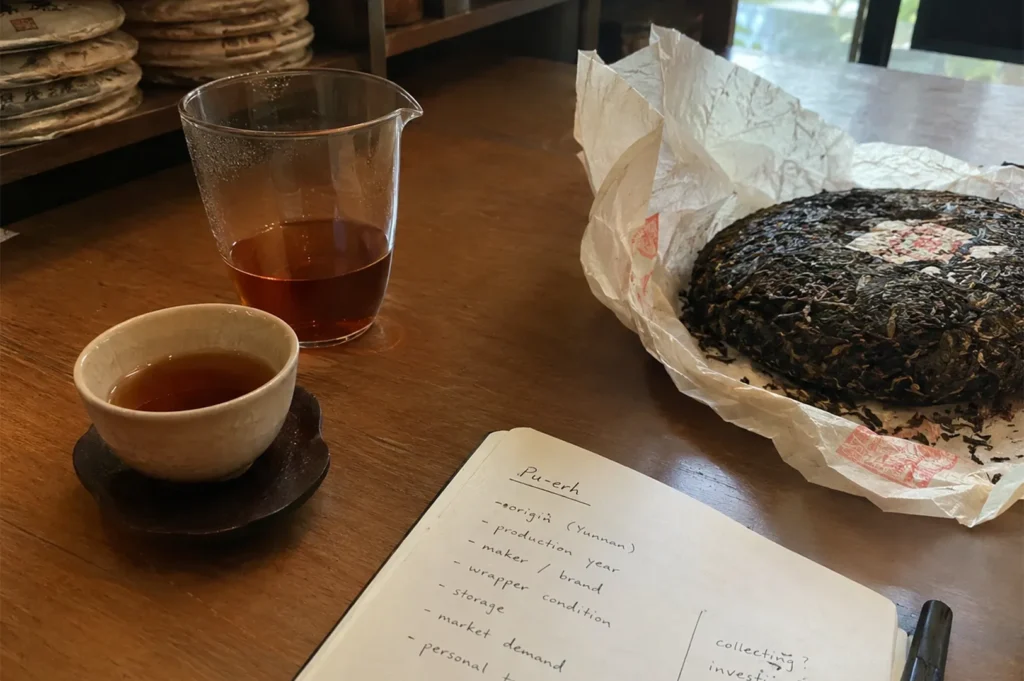
There is something peculiar about buying tea that we have no intention of drinking.
We examine its origin. We study the production year. We consider the reputation of the maker, the condition of the wrapper, and whether the tea might become more valuable in another decade.
Then we put it away.
I understand the attraction. Pu-erh has a history that rewards curiosity, and its ability to change with age makes it unlike many other teas. A well-stored cake of raw Pu-erh can develop characteristics quite different from those it possessed when first produced.
There is pleasure in witnessing that transformation.
But somewhere along the way, I wonder whether we have confused appreciation with accumulation.
Tea collecting has begun to resemble another familiar activity: investing in something because we believe someone else might eventually pay more for it.
The language is remarkably similar.
Scarcity. Provenance. Appreciation. Market demand.
Even the anxiety feels familiar.
We worry about buying too late, choosing the wrong vintage, or opening something that might be worth more unopened. A tea cake becomes less a drink and more an asset whose future value must be protected.
I find that a strange responsibility to place upon a few hundred grams of leaves.
Of course, collecting Pu-erh is not inherently foolish. Serious collectors have helped preserve important teas, documented production histories, and developed knowledge about ageing that ordinary drinkers might otherwise never encounter.
I respect that.
There is also nothing unreasonable about setting aside tea to observe how it changes over time. That is part of Pu-erh’s fascination, particularly with sheng, or raw Pu-erh, which can undergo significant changes during storage.
But ageing is not a guarantee of improvement. Time changes tea; it does not automatically make it better. Storage conditions, the original material, and personal taste all influence whether those changes are desirable.
With quiet regard, N. P. Lim

Silver Needle White Tea: The Delicate Emperor of Chinese Tea
In the vast and storied world of Chinese tea, few varieties command the reverence and prestige of Silver Needle white tea. Celebrated as Bai Hao Yin Zhen (白毫銀針)-meaning “White Hair Silver Needle”-this exceptional Chinese white tea sits atop the hierarchy of not just white tea, but among all tea types. Each slender ‘needle’ is not…
-
Thai Oolong Tea: Thailand’s Oolong Revolution in Ancient Tea Territory
In the shadowy folds of Northern Thailand’s mountains, where cool, misty air hugs the slopes and the morning dew clings to fragrant tea leaves, a revolution is steeping. Once known largely for its role in the Golden Triangle, this region now blossoms as a new epicenter for Thai oolong tea and innovative tea beverages like…
-
Dong Ding Oolong: The Artisanal Craft Behind Taiwan’s Most Famous Tea
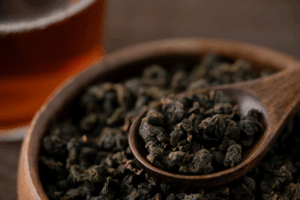
Imagine a warm, inviting aroma that fills the room with essence reminiscent of delicate flowers, toasted nuts, honeycomb, chocolate, and ripe stone fruit. The initial scent from a freshly opened tin of Dong Ding Oolong loose leaf tea can feel almost transportive. Upon brewing, the tea’s infusion shines with a brilliant golden colour, and your…

Yerba Mate Tea: Argentina’s Ancient Energy Brew and Modern Revival
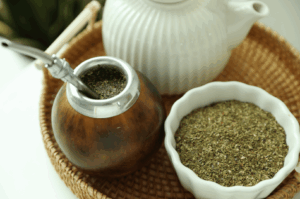
Picture a sun-drenched plaza in Buenos Aires, where the air hums with laughter and the scent of fresh flowers. In the center, friends gather in a close-knit circle, a cherished gourd filled with fragrant yerba mate tea making its way from hand to hand. Each person sips this herbal tea-brewed from green yerba mate leaves-through…

The Complete Guide to Kenyan Tea Industry Transformation in the Great Rift Valley
Imagine standing at the edge of Kenya’s Great Rift Valley, the birthplace of world-renowned Kenya tea. Here, undulating hills blanket the landscape in a lush sea of deep green, where rows of thriving tea bushes stretch across the horizon. This breathtaking region forms the core of the Kenyan tea industry-a powerhouse producing some of the…
-
Ceylon High Grown Tea: The Bright, Crisp Profiles of Nuwara Eliya
Imagine standing amidst a sea of emerald green on the island of Sri Lanka, where manicured tea bushes climb rolling hills and disappear into a cool, persistent mist. This is the world of Ceylon high grown tea, centred in Nuwara Eliya – a region characterized by bright sunshine in the morning and cool, misty nights….
-
Masala Chai Origins: The Cultural Evolution of India’s Spiced Tea Tradition
The rhythmic clanging of metal kettles echoes through narrow lanes as steam rises from countless chai stalls across India. The intoxicating aroma of cardamom, cinnamon, and fresh ginger mingles with robust black tea, creating an olfactory symphony that has captivated souls for centuries. This is masala chai-not merely a beverage, but a cultural phenomenon that…
-
Matcha Tea: The Versatile Japanese Green Tea Powder
The vibrant green powder that transforms simple hot water into liquid jade has captivated tea enthusiasts worldwide. Matcha tea represents more than just a trendy beverage-it’s a bridge connecting ancient Japanese traditions with modern culinary innovation. This unique form of powdered green tea offers endless possibilities, from meditative ceremonial drinking to creative kitchen applications that…
-
The Dragon Well Legacy: Exploring China’s Legendary Longjing Tea
Among the world’s most revered green teas, few carry the prestige and cultural significance of China’s legendary Dragon Well. This premium tea has captivated tea enthusiasts for centuries, earning its place as an imperial favourite and modern icon alike. From its mystical origins at West Lake to its meticulous processing methods, Longjing represents the pinnacle…