Stop Treating Pu-erh Like Crypto: Collecting Isn’t the Same as Enjoying
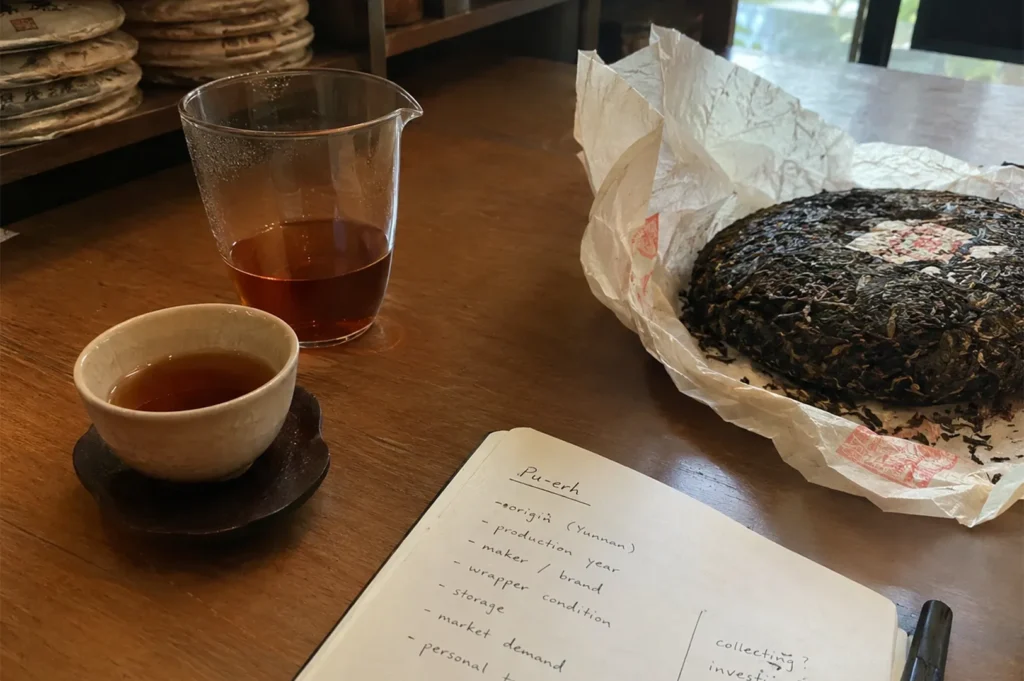
There is something peculiar about buying tea that we have no intention of drinking.
We examine its origin. We study the production year. We consider the reputation of the maker, the condition of the wrapper, and whether the tea might become more valuable in another decade.
Then we put it away.
I understand the attraction. Pu-erh has a history that rewards curiosity, and its ability to change with age makes it unlike many other teas. A well-stored cake of raw Pu-erh can develop characteristics quite different from those it possessed when first produced.
There is pleasure in witnessing that transformation.
But somewhere along the way, I wonder whether we have confused appreciation with accumulation.
Tea collecting has begun to resemble another familiar activity: investing in something because we believe someone else might eventually pay more for it.
The language is remarkably similar.
Scarcity. Provenance. Appreciation. Market demand.
Even the anxiety feels familiar.
We worry about buying too late, choosing the wrong vintage, or opening something that might be worth more unopened. A tea cake becomes less a drink and more an asset whose future value must be protected.
I find that a strange responsibility to place upon a few hundred grams of leaves.
Of course, collecting Pu-erh is not inherently foolish. Serious collectors have helped preserve important teas, documented production histories, and developed knowledge about ageing that ordinary drinkers might otherwise never encounter.
I respect that.
There is also nothing unreasonable about setting aside tea to observe how it changes over time. That is part of Pu-erh’s fascination, particularly with sheng, or raw Pu-erh, which can undergo significant changes during storage.
But ageing is not a guarantee of improvement. Time changes tea; it does not automatically make it better. Storage conditions, the original material, and personal taste all influence whether those changes are desirable.
With quiet regard, N. P. Lim

Stop Chasing Tasting Notes: Tea Isn’t Wine and That’s a Relief
I have a small confession to make. Sometimes I have absolutely no idea what I am supposed to be tasting. A tea description might promise orchid, honey, toasted nuts, stone fruit, and something wonderfully mysterious called a “long mineral finish.” I take a sip. I taste tea. And then I start wondering if everyone else…
-
Chinese Tea Sets: Beautiful on the Table, But How Do They Brew?
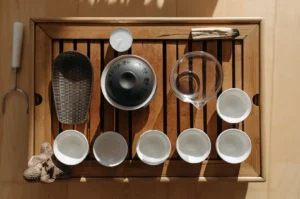
There is a small arrangement on the table this evening, and I have not touched it yet. A pale bowl with a lid resting slightly askew. A round pitcher beside it, waiting to be filled. Cups no larger than a thumb and two fingers, lined up like a quiet sentence. The surfaces catch the last…
-
Floral Teas Are Not “For Beginners”—They’re For People With Taste
There is a curious assumption in tea culture that I have never quite understood. If you are new to tea, you begin with something floral. Jasmine. Rose. Osmanthus. Lightly scented blends. Then, supposedly, you move on. You discover roasted oolongs. Aged teas. More complex leaves. Stronger flavours. Eventually, you become a “serious” tea drinker. I…
-
How to Make Cold Brew Tea: The Slow Method for a Smoother Cup
There is a jar on the top shelf of my refrigerator that I did not need this morning. I filled it last night, before the kitchen went dark. Loose tea leaves, cool water, a lid resting loosely on top. Then I closed the door and left it alone, the way you leave bread to rise…
-
Milk Tea Isn’t “Ruining” Tea—But Some Milk Tea Is Ruining Milk Tea
I have noticed that few things can start an argument among tea drinkers quite as quickly as milk. Mention adding milk to a good tea and suddenly everyone has an opinion. Some insist that milk covers the flavour of the leaves. Others will tell you that certain teas were practically made for it. I have…
-
There Are Always Good Things to Eat at The Marmalade Pantry
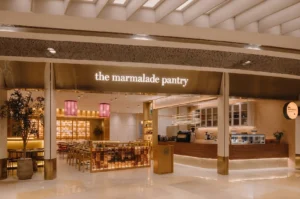
The afternoon rain had just eased when I climbed up to Level 4 of ION Orchard, home to the Marmalade Pantry Ion. Outside, Orchard Road was doing its usual thing: too many people, too much noise, everyone somewhere to be in the bustle of the city. Inside, at a corner table, someone was pouring tea…
-
The Teacup as a Compass: What My Daily Brew Taught Me About Pace
I never intended for tea to become a way of keeping track of my days. It just happened. There are mornings when I drink the first cup quickly, barely noticing the taste because my mind is already somewhere else. Then there are afternoons when I make tea and somehow manage to sit with it for…
-
Silk Tea Bar Review: A Quiet Climb Worth Making on Sago Street
I almost walked past it. Sago Street was loud that afternoon, the way Chinatown often is. Voices, footsteps, the clatter of a hundred small transactions. I was looking for a door and nearly missed the narrow one that led upstairs. Then I climbed. And somewhere between the ground floor and the second, the noise fell…
-
“Artisan” Doesn’t Mean Ethical: The Supply Chain Questions We Avoid
I have always been drawn to the word “artisan.” Maybe because it creates a certain image in my mind. Someone carefully working with their hands. Someone who knows their craft deeply. Someone preserving a tradition that has existed long before the rest of us discovered it. When I see “artisan tea” on a label, I…
-
A Quiet Afternoon at A Beautiful Day Café
The rain had just started when I stepped in off Paya Lebar Road. Not heavy. Just enough to soften the light and slow everyone down. Inside, someone was pouring tea, and the sound of it carried further than it should have. A small room can do that. It can make a pour feel like a…