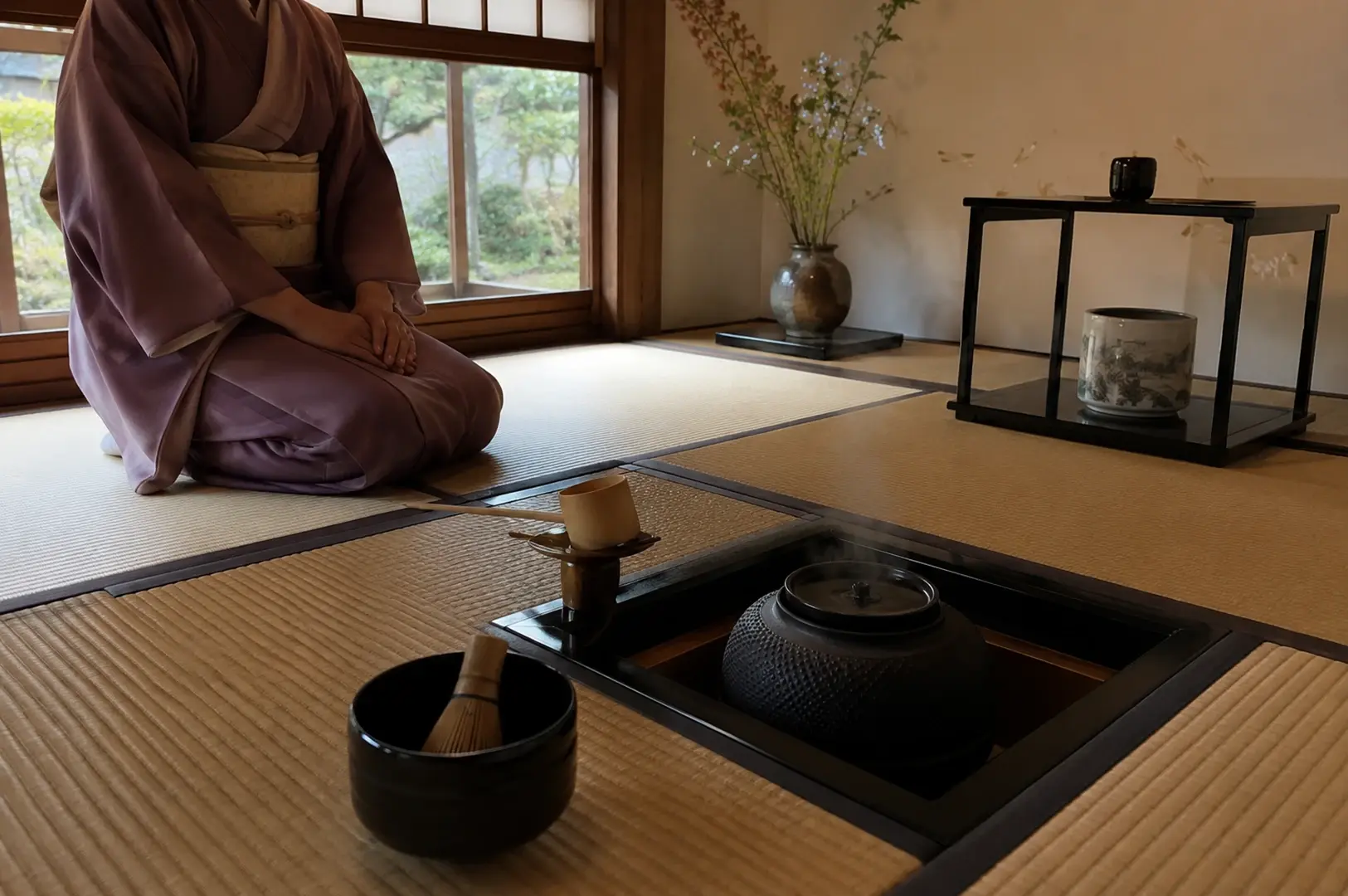
Water begins to move in a small iron kettle. The sound is faint, almost like wind through pines, and in a quiet room lined with tatami mats, it is enough to fill the silence.
A host kneels in the tea room. A guest waits. Nothing is said, yet something has already begun.
This is where the tea ceremony in Japan lives, in the space before the first sip. It is a practice known by several names, and each one hints at a different truth held within the same bowl.
More Than the Making of Japanese Tea: The Traditional Tea Ceremony
The Japanese tea ceremony is often described as the preparation of matcha tea, but that description barely reaches its surface. What unfolds is a disciplined act of hospitality, aesthetics, and attention, refined over centuries into something quietly profound.
It is called chanoyu, which means hot water for tea. It is also called sado or chado, the way of tea, a phrase that carries the weight of a lifelong path rather than a single event.
The naming matters. To call it a way is to admit that tea, here, is not the destination. It is the road one walks to arrive somewhere less visible.
How a Simple Drink Became a Discipline: History and Practice
Tea leaves were introduced to Japan from China in the 8th century, initially enjoyed by Buddhist monks who used powdered green tea to stay awake during long meditation sessions. Over time, the practice spread, and by the Muromachi period, tea drinking became popular among various social classes, including the samurai class.
Sen no Rikyu, the revered tea master of the 16th century, is credited with shaping the traditional tea ceremony into its enduring form. He emphasized wabi-sabi, the beauty of imperfection and simplicity—and introduced the four core principles of harmony, respect, purity, and tranquility. These values remain central to most tea ceremonies today.
The Kyoto Tea Ceremony: Heart of Japanese Culture
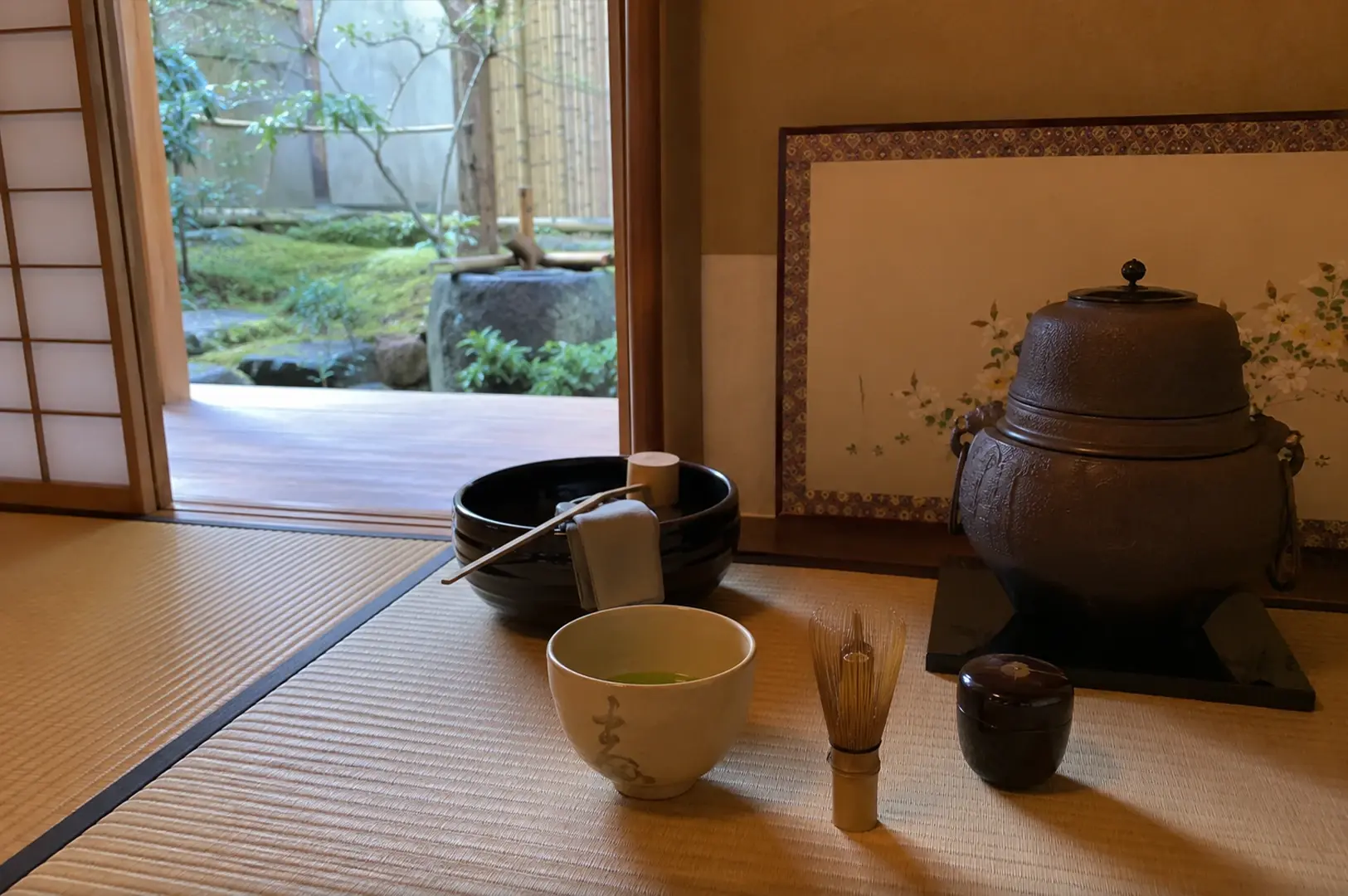
Kyoto city, especially the Higashiyama ku district, remains the cultural center of the Japanese tea ceremony. The Kyoto tea ceremony is known for its authentic style, practiced in historic tea ceremony venues surrounded by tranquil tea gardens. The tea room, often with a tatami floor, is designed to create a meditative atmosphere enhanced by seasonal flowers and traditional sweets.
Three main schools of tea ceremony are based in Kyoto, each preserving the art with subtle stylistic differences. Visitors to Kyoto can experience tea ceremonies that include a formal meal, such as a kaiseki lunch, followed by tea drinking that features both thick tea (koicha) and thin tea (usucha).
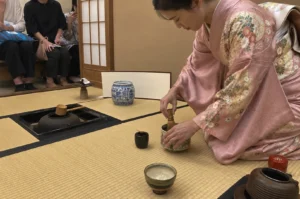
The preparation and serving of tea in Kyoto’s ceremonies strictly follow the principles laid down by Sen no Rikyu, the legendary tea master who shaped the tea ceremony into a refined spiritual practice. Every movement, from scooping the powdered tea with the chashaku to whisking it into a frothy cup with the chasen, is performed with deliberate grace.
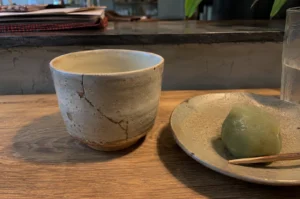
The tea itself, known as matcha, is a finely ground powdered green tea that is whisked with hot water to create a vibrant, frothy beverage served in a carefully chosen tea bowl (chawan). The choice of the tea bowl is significant; its shape, texture, and even imperfections are appreciated as part of the ceremony’s aesthetic.
In Kyoto, the tea ceremony is not only about drinking tea but about the entire experience, the sound of boiling water, the aroma of the tea, the tactile sensation of the cup, and the quiet appreciation of the moment. The host’s skill in preparing the tea and the guest’s mindful reception of the cup embody the spirit of harmony and respect central to the tradition.
Moreover, Kyoto’s tea ceremonies often emphasize the seasonal aspect of tea, with the type and presentation of tea adjusting to reflect the time of year. This seasonal mindfulness connects participants deeply with nature and the passage of time, reinforcing the wabi-sabi philosophy of beauty in imperfection and transience.
Thus, the Kyoto tea ceremony offers an immersive experience into the authentic tea culture of Japan, where the simple act of sharing a cup of tea becomes a profound ritual of connection, mindfulness, and artistry.
The Tea Room and Tea Equipment: Tools of the Art
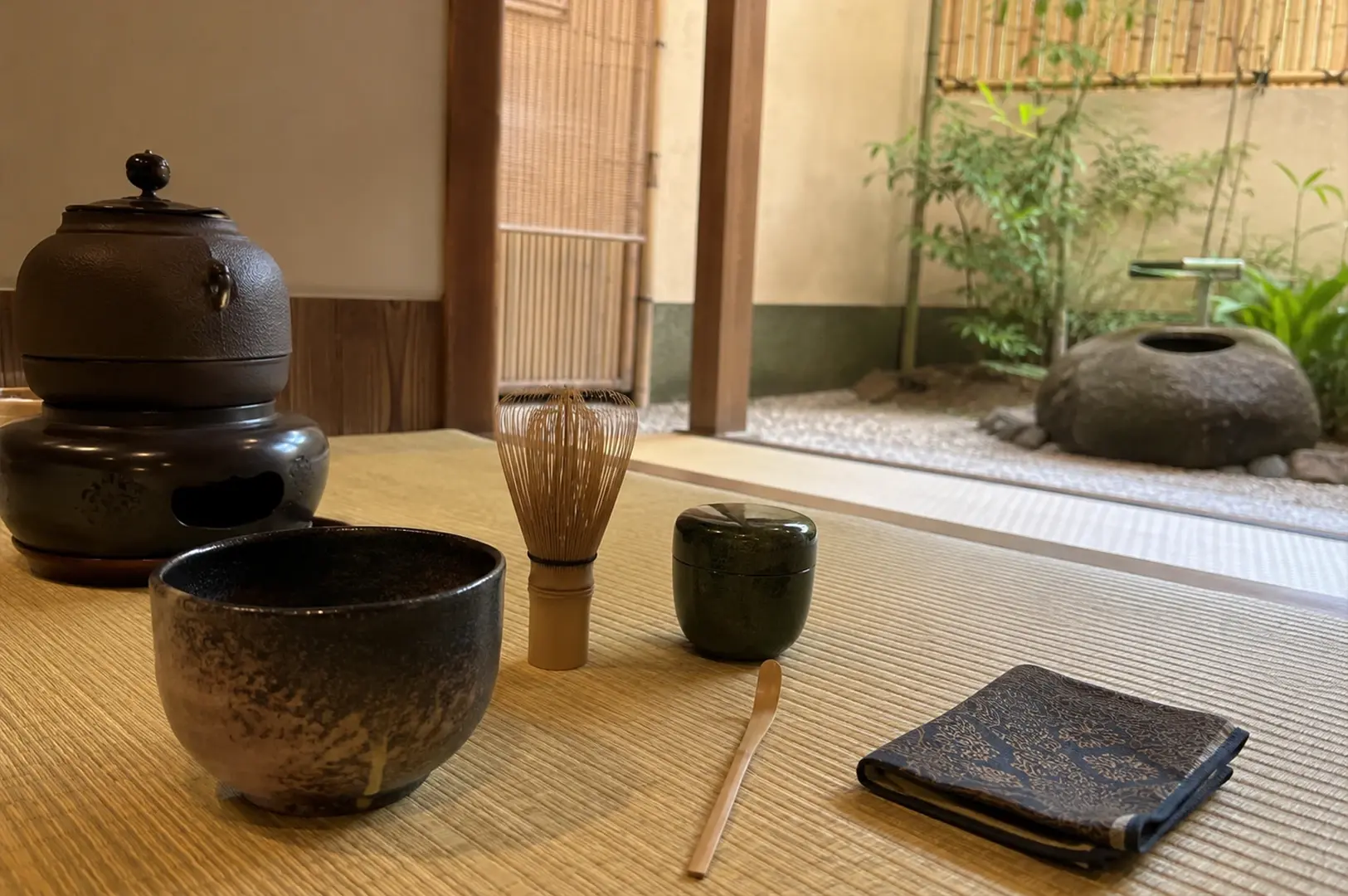
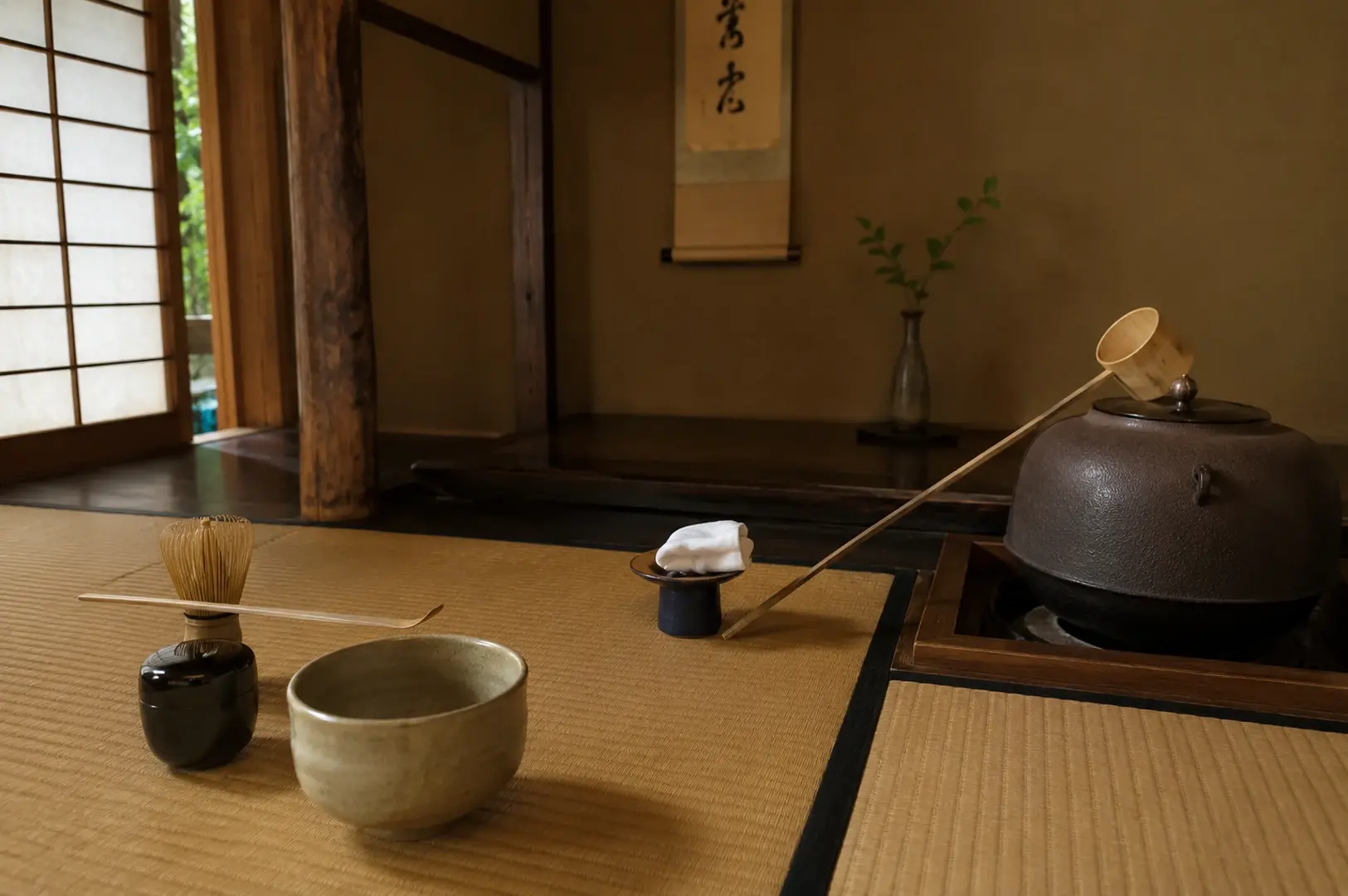
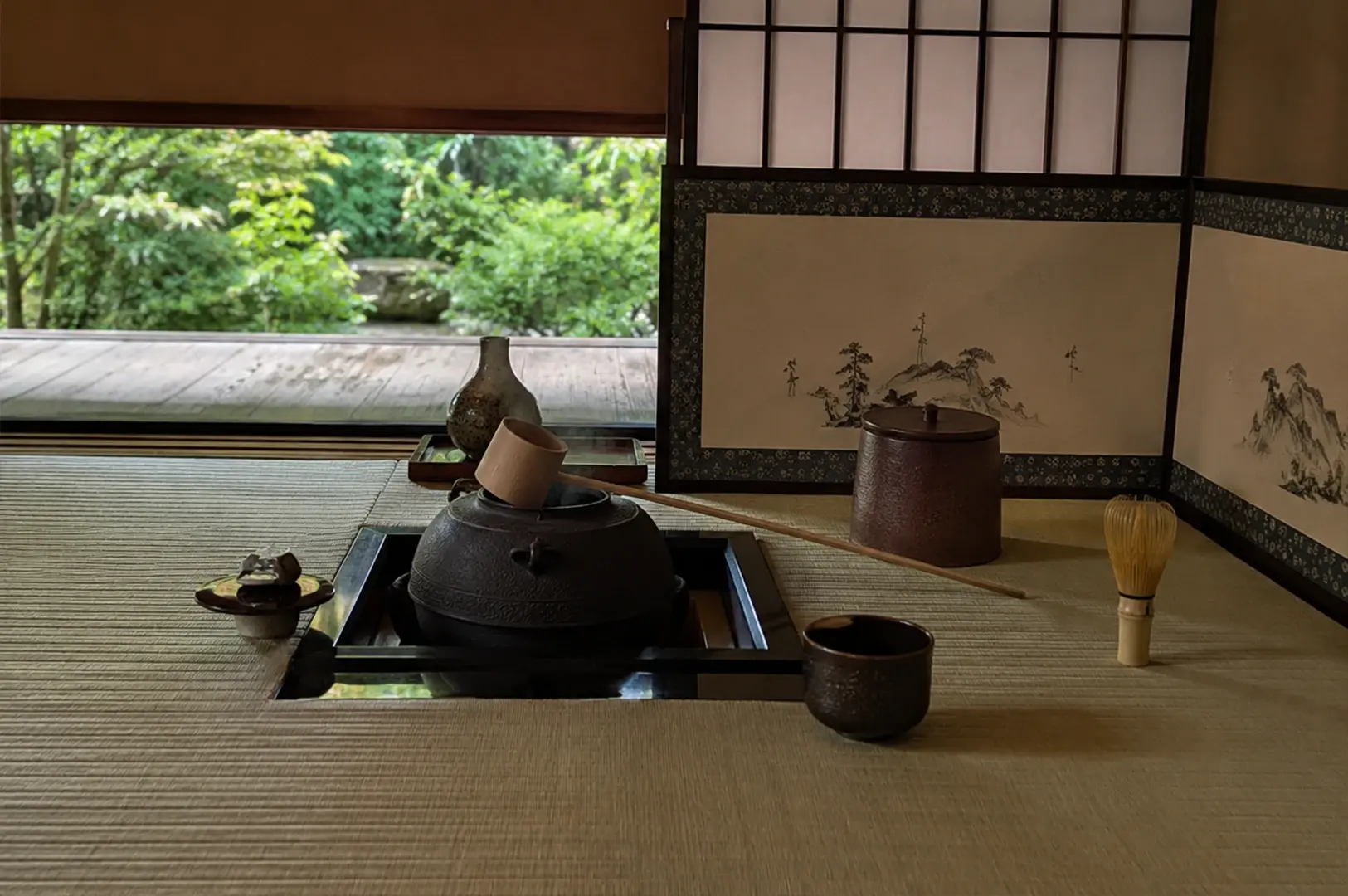
The tea room is a simple, uncluttered space where every item is chosen with intention. The tea equipment includes the tea bowl (chawan), tea whisk (chasen), tea scoop (chashaku), tea caddy (natsume), and the iron kettle.
The host carefully prepares the powdered green tea, whisking it into a frothy bowl of matcha tea. The tea scoop measures the highest quality tea leaves, and the tea utensils are handled with reverence. The stone basin near the entrance of the tea garden is used by guests to purify their hands before entering, symbolizing cleansing and readiness.
Drinking Tea: The Art of Thin Tea and Thick Tea
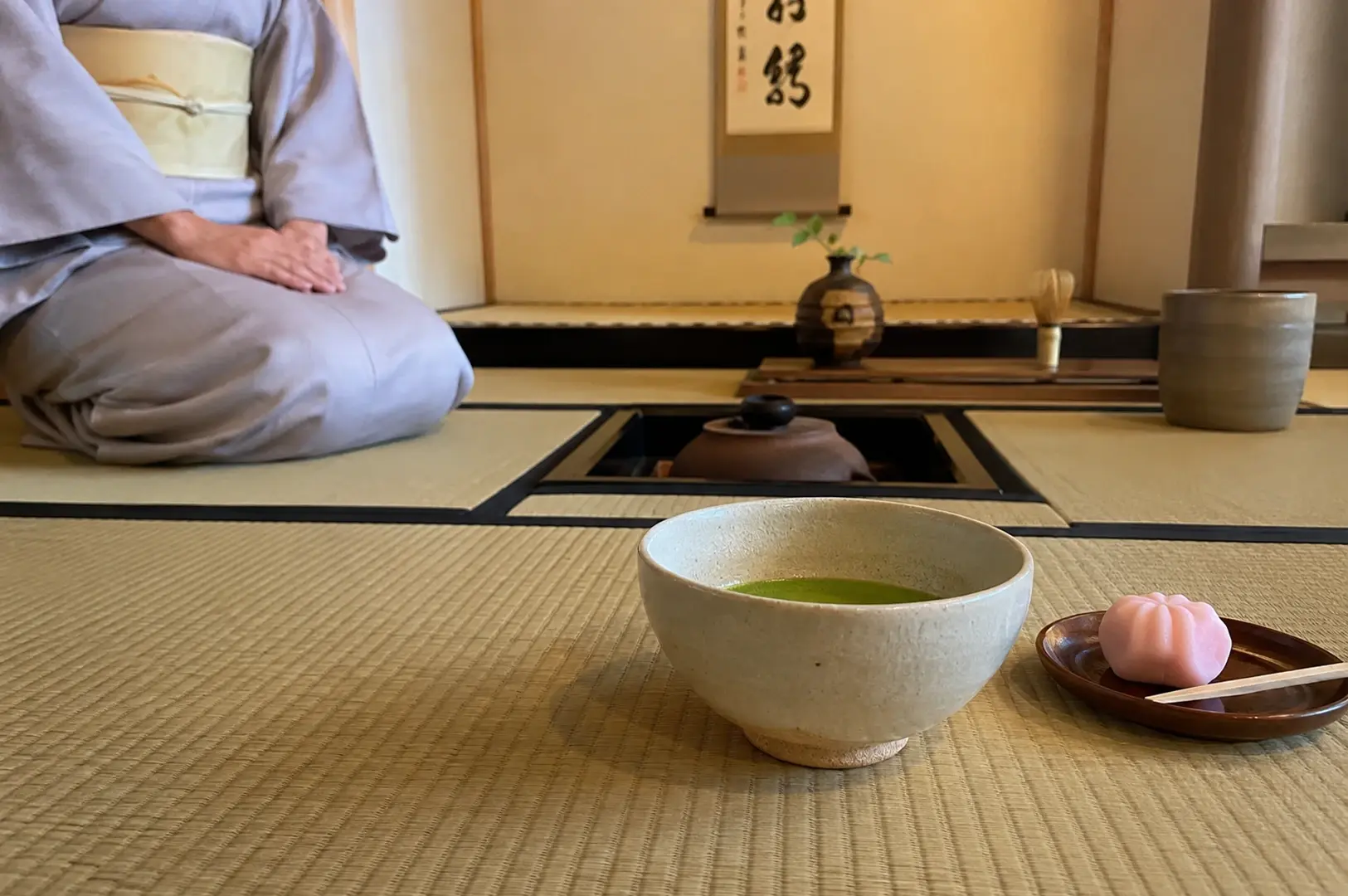
Most tea ceremonies serve two types of tea: thick tea and thin tea. Thick tea uses a higher concentration of powdered green tea and is shared from a single bowl among participants, emphasizing unity. Thin tea is lighter and served individually, often enjoyed after traditional Japanese sweets.
Guests are expected to sit on tatami mats, bow respectfully to the host, and receive the tea bowl with both hands. Drinking tea involves turning the bowl slightly before taking a few sips, appreciating the warmth and flavor while embracing the quiet atmosphere.
Japanese Sweets and Seasonal Flowers: Enhancing the Experience
Traditional sweets, or wagashi, are served before the tea to complement the bitterness of the matcha. These sweets vary by season, reflecting the natural beauty of spring, autumn, or other times of the year, and are often accompanied by carefully arranged seasonal flowers that adorn the tea room.
The combination of tea, sweets, and flowers creates a harmonious experience that embodies Japanese life and culture, inviting participants to slow down and savor the moment.
Zen Buddhism and the Tea Ceremony: Meditation in Motion
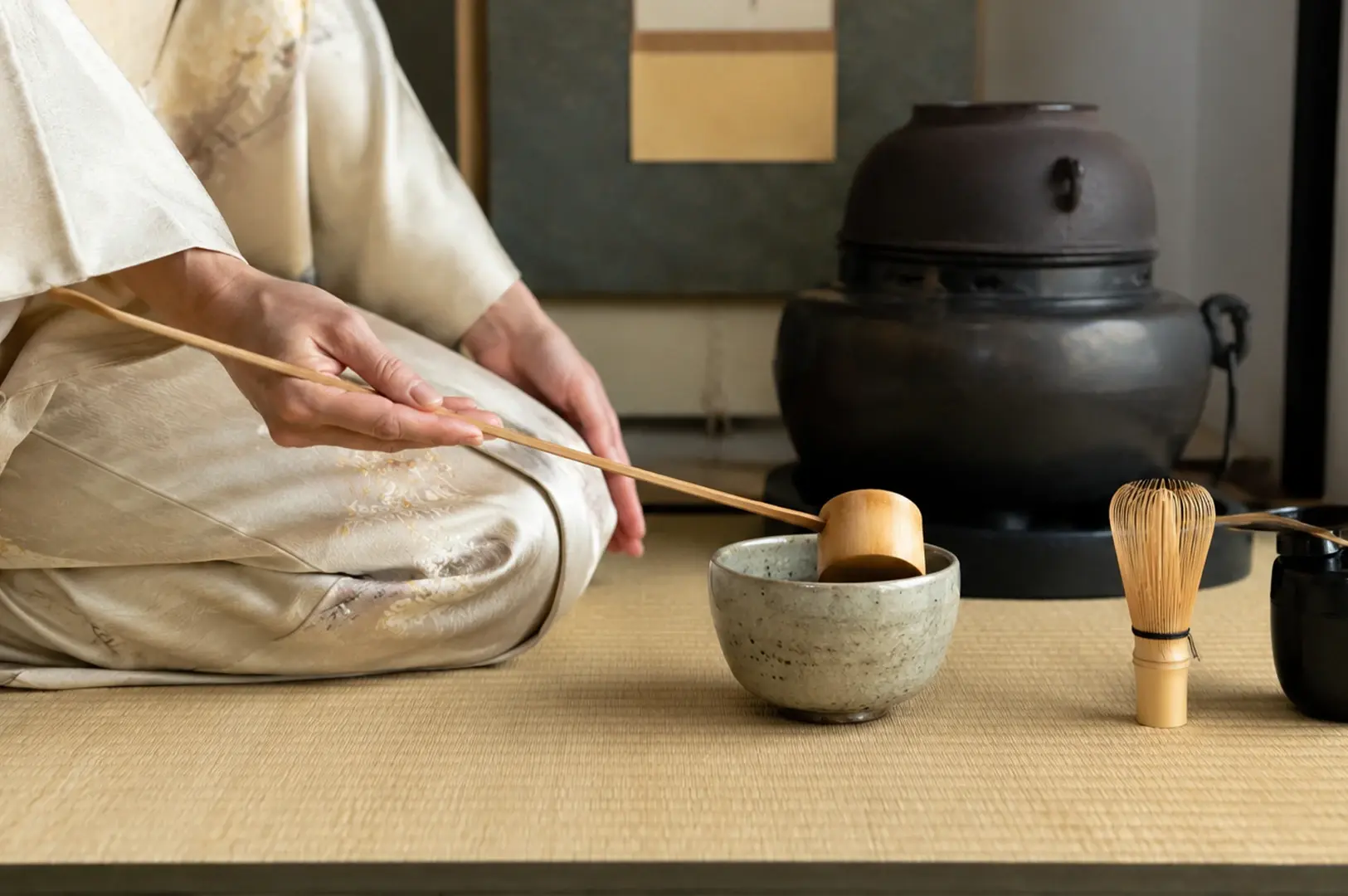
Rooted deeply in Zen Buddhism, the tea ceremony is more than an art—it is a form of meditation. The deliberate actions of the tea master and the quiet participation of guests foster mindfulness and tranquility.
The practice encourages presence, echoing the philosophy of ichi-go ichi-e, or "one meeting, one chance," reminding everyone that each tea ceremony is a unique, unrepeatable moment to be cherished.
The Formal Tea Ceremony: Etiquette and Atmosphere
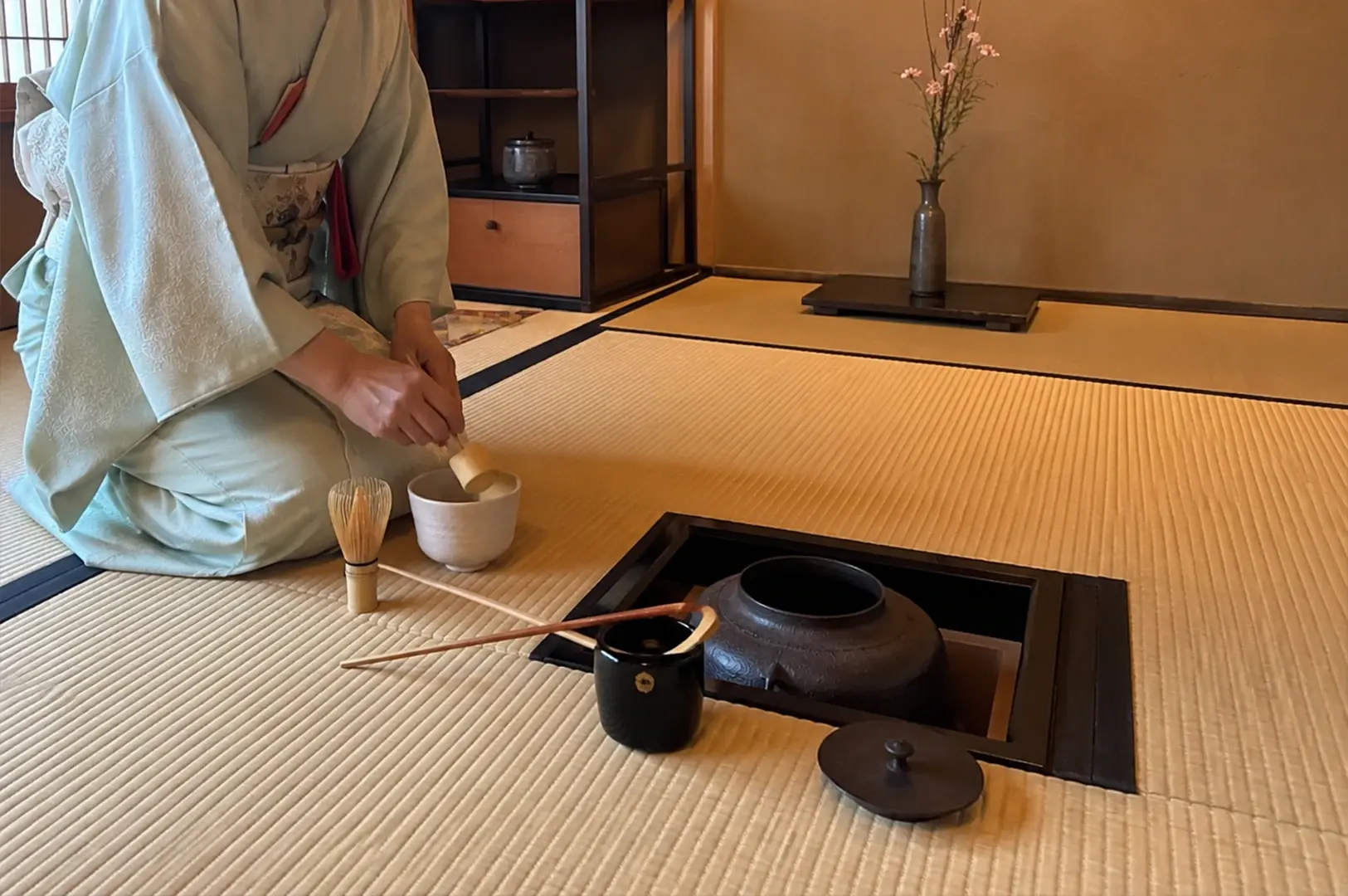
A formal tea ceremony can last up to four hours, beginning with a meal and culminating in the preparation and serving of both thick and thin tea. Participants are expected to wear traditional Japanese clothing such as a kimono or modest attire, remove their shoes before entering the tea room, and observe specific etiquette, including bowing and respectful conversation centered on the ceremony and seasonal changes.
The atmosphere is intentionally serene, designed to foster a sense of harmony and respect among guests and host alike.
Embracing the Tradition: The Enduring Art of the Tea Ceremony in Japan
The tea ceremony in Japan remains a living tradition that connects past and present. It is a practice that embodies the essence of Japanese culture, discipline, grace, and the celebration of impermanence.
Whether experienced in Kyoto, Tokyo, or elsewhere, the tea ceremony invites all who participate to slow down, appreciate the beauty in simplicity, and find peace in a single bowl of matcha tea.

The Best Tea Sessions Are Usually Unplanned
Some of the most memorable tea sessions begin without intention. No special occasion. No carefully selected tea ware. No plan to spend an afternoon appreciating tea. Someone simply puts water on to boil. A tea is chosen almost absentmindedly. Cups are found. The tea is poured. And somehow, those sessions often become the ones we…
-
A Guide to the Wedding Tea Ceremony in Singapore: Tradition, Family, and Meaning
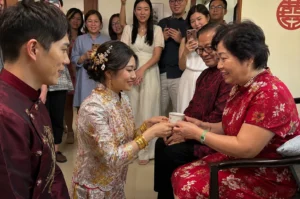
I still remember the morning of my older sister’s wedding day. We were packed into my parents’ flat, and the sticky humidity in the air was intense, even with the air conditioning running on full blast. Amidst the loud laughter and the fun of the morning gatecrash, everything suddenly slowed down. I watched her kneel…
-
Why Tea Gifts Always Feel More Personal
There are easier gifts to buy than tea. Gift cards, flowers, candles. They require very little thought. Most people will appreciate them, and if they don’t, no real harm is done. Tea feels different. Giving someone tea involves a small act of interpretation. You are making a quiet guess about what they might enjoy. Something…
-
Wabi Sabi Meaning: Discovering Beauty in Imperfection
Singapore is famous for its spotless streets, impressive glass towers, and a culture that constantly celebrates the new-be it design trends, the latest matcha drinks, or the next “perfect place” for brunch. For a long time, I bought into this idea of curated perfection. My home had to be pristine, my days measured for maximum…
-
The Strange Pressure to Understand Every Tea Immediately
Tea drinkers do something interesting. When trying a new tea, many immediately begin searching for the “correct” tasting notes. Floral. Roasted. Fruity. Mineral. Someone takes a sip and suddenly feels pressure to identify every subtle characteristic as though there is a right answer hidden somewhere inside the cup. And if the tea feels confusing at…
-
Tea Ceremony: The Hidden Meaning Behind Small Gestures
My first tea ceremony singapore experience left me more worried about etiquette than soaking in the moment. Surrounded by seasoned guests, I focused on getting every gesture right, how to bow, how to hold the cup, afraid of missing some point that makes tea culture here so unique. Looking back, I missed how these small…
-
Why Tea Always Feels More Honest Than Coffee
This might be slightly controversial, but tea has always felt more honest to me than coffee. Coffee often arrives with ambition. Productivity. Hustle culture. The promise that after one cup, you will suddenly become more awake, more focused, more efficient. Tea asks for much less. It doesn’t demand transformation. It simply sits beside you quietly….

Wildseed Cafe Singapore: A Garden Escape for Tea Lovers
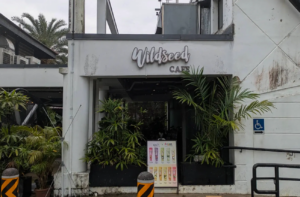
Sometimes, you just need to get out of the concrete city jungle and bask in nature. Last weekend, I was craving a quiet afternoon away from the chaotic mall crowds, so I made a reservation at Wildseed Cafe Singapore. Tucked away in the precincts of Seletar Aerospace Park within The Summerhouse, this multi concept restaurant…

Not Every Expensive Tea Is Actually Better
Tea drinkers rarely say this out loud. But many have probably thought it at least once. Sometimes an expensive tea tastes… fine. Not extraordinary. Not life-changing. Just fine. And yet modern tea culture often treats expensive tea as though it automatically deserves deeper admiration. A rare mountain harvest. Ancient tea trees. A tea produced in…

The Quiet Difference Between Muslim-Owned Cafés and MUIS-Certified Halal High Tea Spots in Singapore
I remember wandering down Arab Street years ago, searching for a quiet café where I could settle into an afternoon of coffee, tea, and conversation. I found a minimalist little space filled with delicate pastries and beautiful dessert displays, but hesitation quietly crept in as I began wondering about alcohol-based syrups, gelatin, and whether the…