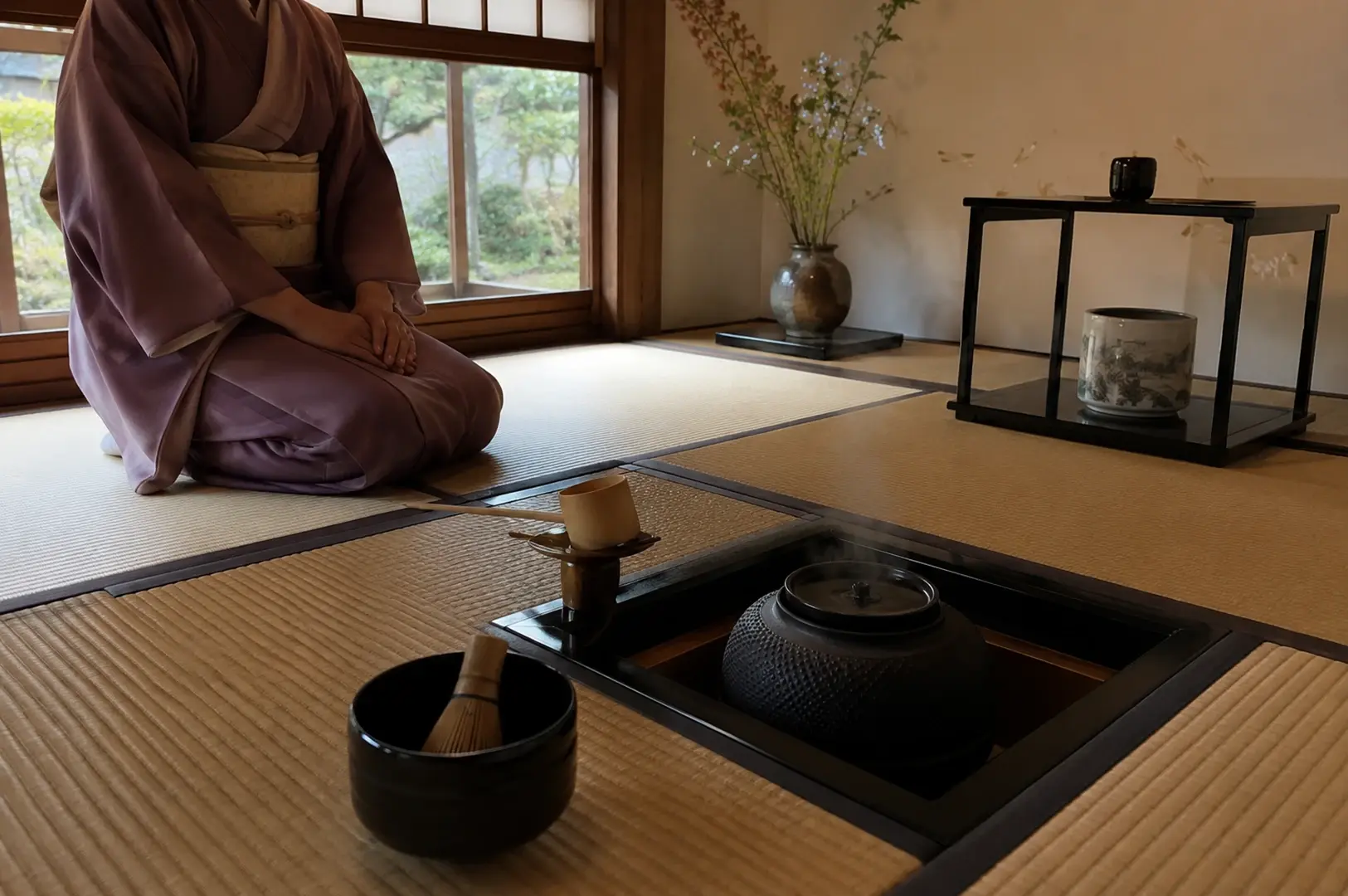
Water begins to move in a small iron kettle. The sound is faint, almost like wind through pines, and in a quiet room lined with tatami mats, it is enough to fill the silence.
A host kneels in the tea room. A guest waits. Nothing is said, yet something has already begun.
This is where the tea ceremony in Japan lives, in the space before the first sip. It is a practice known by several names, and each one hints at a different truth held within the same bowl.
More Than the Making of Japanese Tea: The Traditional Tea Ceremony
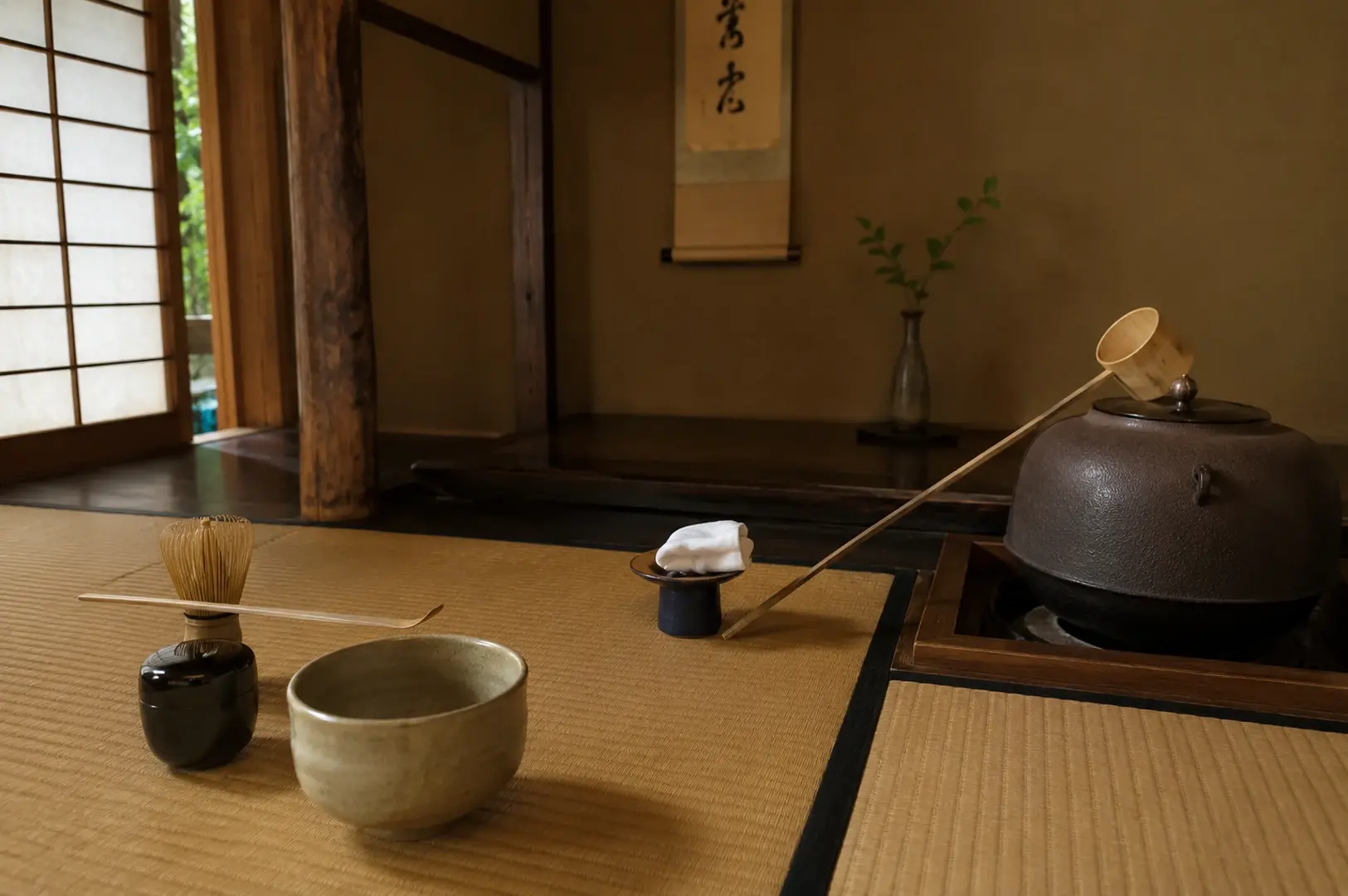
The Japanese tea ceremony is often described as the preparation of matcha tea, but that description barely reaches its surface. What unfolds is a disciplined act of hospitality, aesthetics, and attention, refined over centuries into something quietly profound.
It is called chanoyu, which means hot water for tea. It is also called sado or chado, the way of tea, a phrase that carries the weight of a lifelong path rather than a single event.
The naming matters. To call it a way is to admit that tea, here, is not the destination. It is the road one walks to arrive somewhere less visible.
How a Simple Drink Became a Discipline: History and Practice
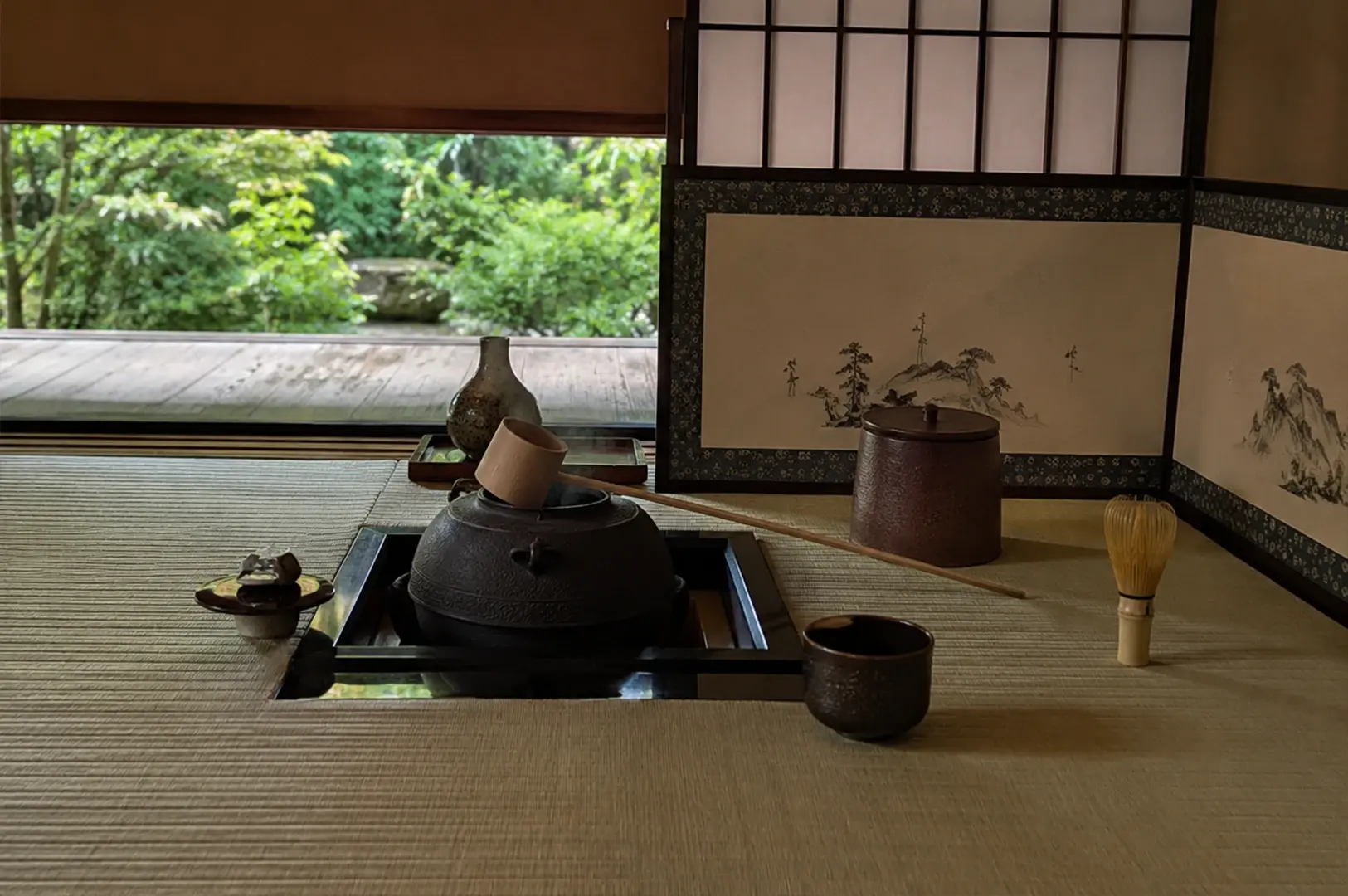
Tea leaves were introduced to Japan from China in the 8th century, initially enjoyed by Buddhist monks who used powdered green tea to stay awake during long meditation sessions. Over time, the practice spread, and by the Muromachi period, tea drinking became popular among various social classes, including the samurai class.
Sen no Rikyu, the revered tea master of the 16th century, is credited with shaping the traditional tea ceremony into its enduring form. He emphasized wabi-sabi, the beauty of imperfection and simplicity—and introduced the four core principles of harmony, respect, purity, and tranquility. These values remain central to most tea ceremonies today.
The Kyoto Tea Ceremony: Heart of Japanese Culture
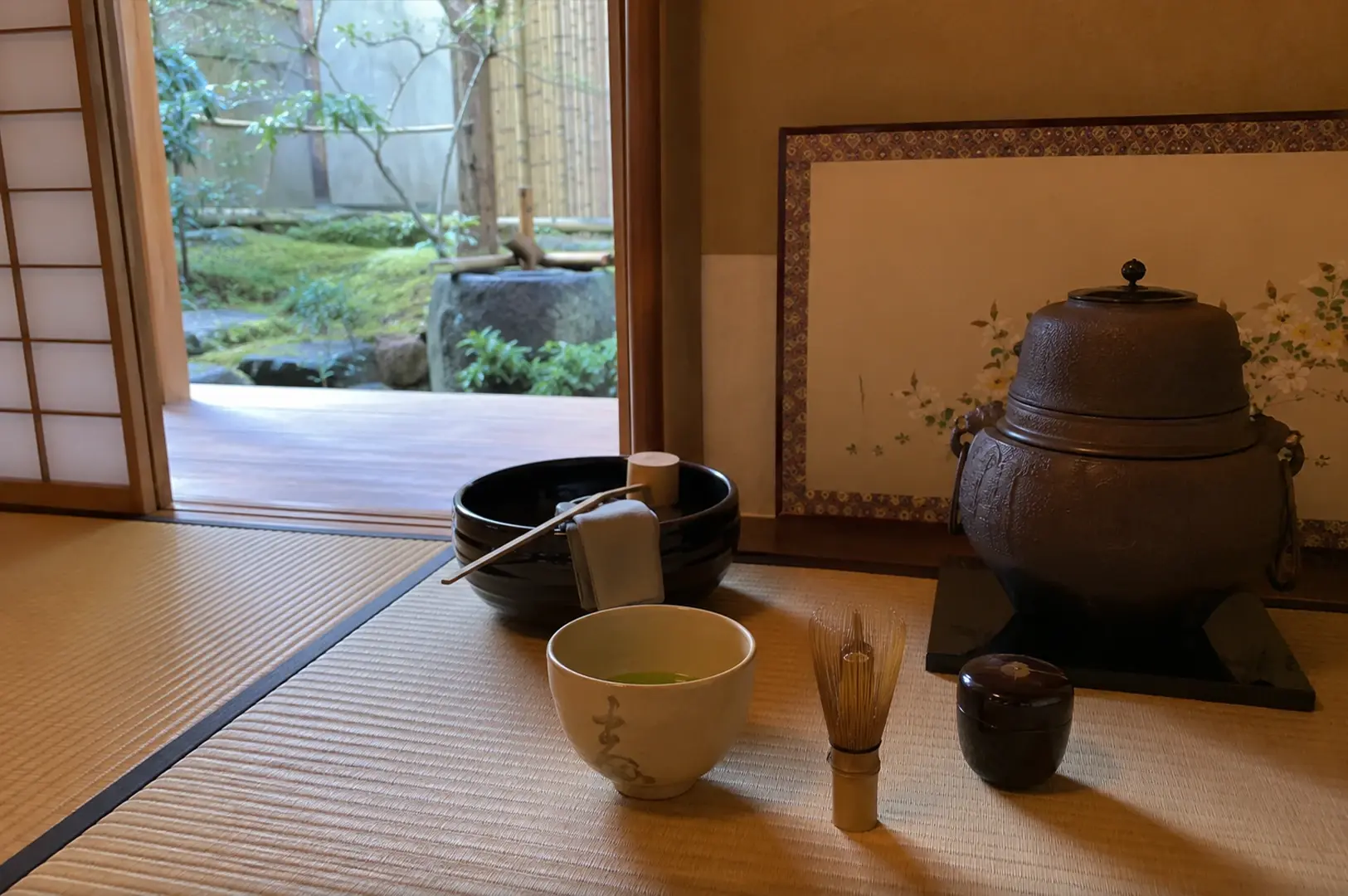
Kyoto city, especially the Higashiyama ku district, remains the cultural center of the Japanese tea ceremony. The Kyoto tea ceremony is known for its authentic style, practiced in historic tea ceremony venues surrounded by tranquil tea gardens. The tea room, often with a tatami floor, is designed to create a meditative atmosphere enhanced by seasonal flowers and traditional sweets.
Three main schools of tea ceremony are based in Kyoto, each preserving the art with subtle stylistic differences. Visitors to Kyoto can experience tea ceremonies that include a formal meal, such as a kaiseki lunch, followed by tea drinking that features both thick tea (koicha) and thin tea (usucha).
The preparation and serving of tea in Kyoto’s ceremonies strictly follow the principles laid down by Sen no Rikyu, the legendary tea master who shaped the tea ceremony into a refined spiritual practice. Every movement, from scooping the powdered tea with the chashaku to whisking it into a frothy cup with the chasen, is performed with deliberate grace.
The tea itself, known as matcha, is a finely ground powdered green tea that is whisked with hot water to create a vibrant, frothy beverage served in a carefully chosen tea bowl (chawan). The choice of the tea bowl is significant; its shape, texture, and even imperfections are appreciated as part of the ceremony’s aesthetic.
In Kyoto, the tea ceremony is not only about drinking tea but about the entire experience, the sound of boiling water, the aroma of the tea, the tactile sensation of the cup, and the quiet appreciation of the moment. The host’s skill in preparing the tea and the guest’s mindful reception of the cup embody the spirit of harmony and respect central to the tradition.
Moreover, Kyoto’s tea ceremonies often emphasize the seasonal aspect of tea, with the type and presentation of tea adjusting to reflect the time of year. This seasonal mindfulness connects participants deeply with nature and the passage of time, reinforcing the wabi-sabi philosophy of beauty in imperfection and transience.
Thus, the Kyoto tea ceremony offers an immersive experience into the authentic tea culture of Japan, where the simple act of sharing a cup of tea becomes a profound ritual of connection, mindfulness, and artistry.
The Tea Room and Tea Equipment: Tools of the Art
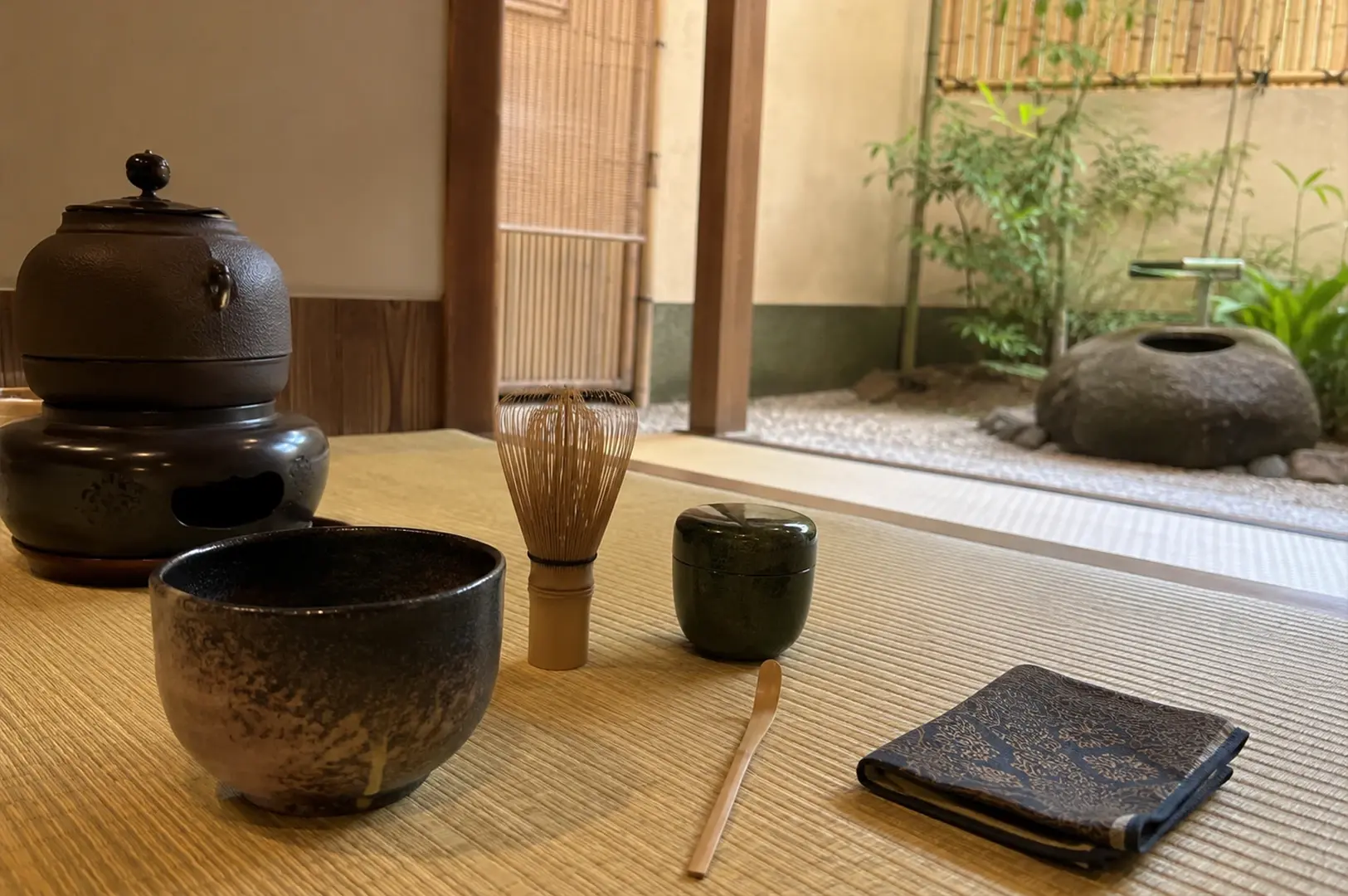
The tea room is a simple, uncluttered space where every item is chosen with intention. The tea equipment includes the tea bowl (chawan), tea whisk (chasen), tea scoop (chashaku), tea caddy (natsume), and the iron kettle.
The host carefully prepares the powdered green tea, whisking it into a frothy bowl of matcha tea. The tea scoop measures the highest quality tea leaves, and the tea utensils are handled with reverence. The stone basin near the entrance of the tea garden is used by guests to purify their hands before entering, symbolizing cleansing and readiness.
Drinking Tea: The Art of Thin Tea and Thick Tea
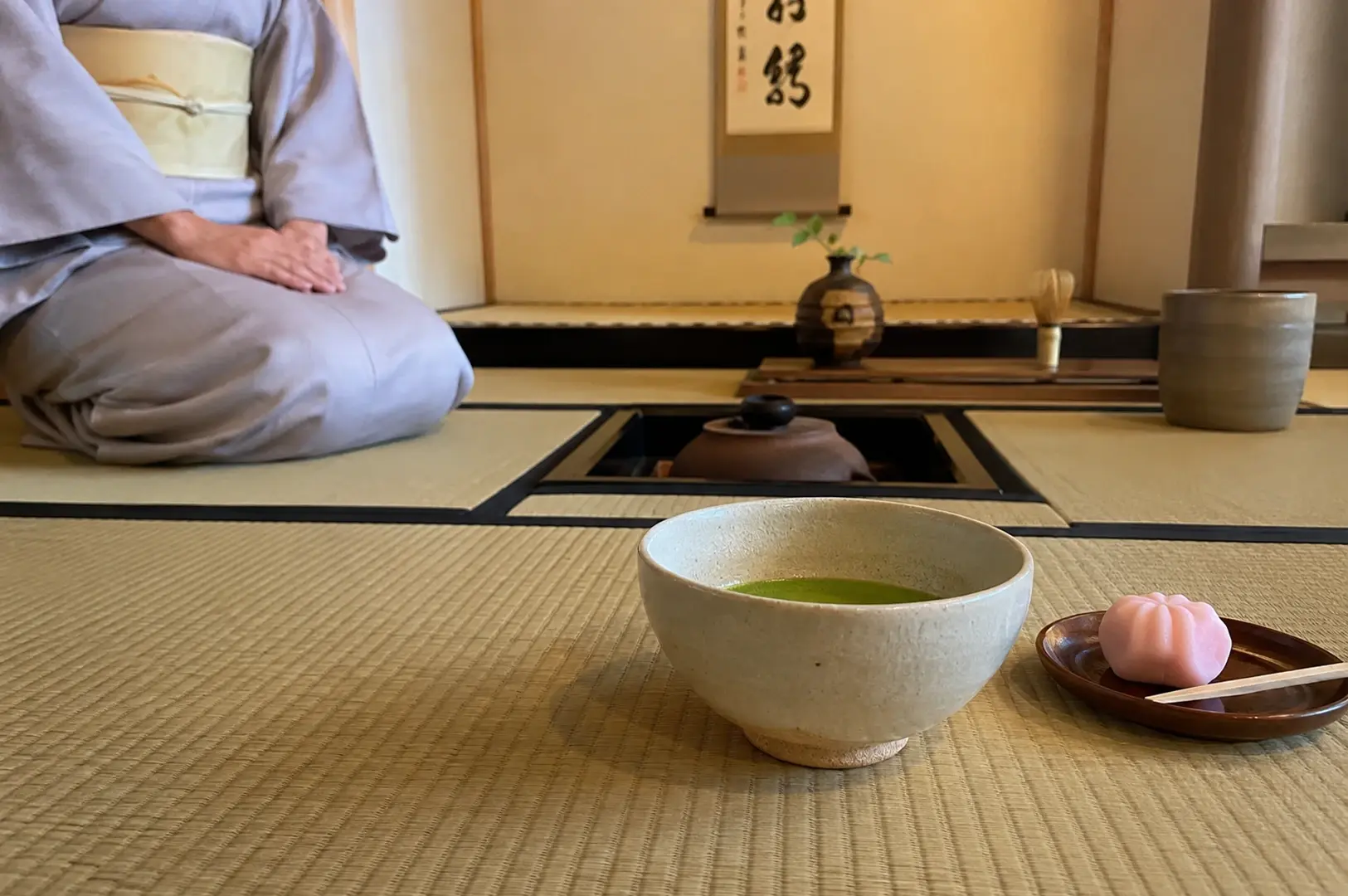
Most tea ceremonies serve two types of tea: thick tea and thin tea. Thick tea uses a higher concentration of powdered green tea and is shared from a single bowl among participants, emphasizing unity. Thin tea is lighter and served individually, often enjoyed after traditional Japanese sweets.
Guests are expected to sit on tatami mats, bow respectfully to the host, and receive the tea bowl with both hands. Drinking tea involves turning the bowl slightly before taking a few sips, appreciating the warmth and flavor while embracing the quiet atmosphere.
Japanese Sweets and Seasonal Flowers: Enhancing the Experience
Traditional sweets, or wagashi, are served before the tea to complement the bitterness of the matcha. These sweets vary by season, reflecting the natural beauty of spring, autumn, or other times of the year, and are often accompanied by carefully arranged seasonal flowers that adorn the tea room.
The combination of tea, sweets, and flowers creates a harmonious experience that embodies Japanese life and culture, inviting participants to slow down and savor the moment.
Zen Buddhism and the Tea Ceremony: Meditation in Motion
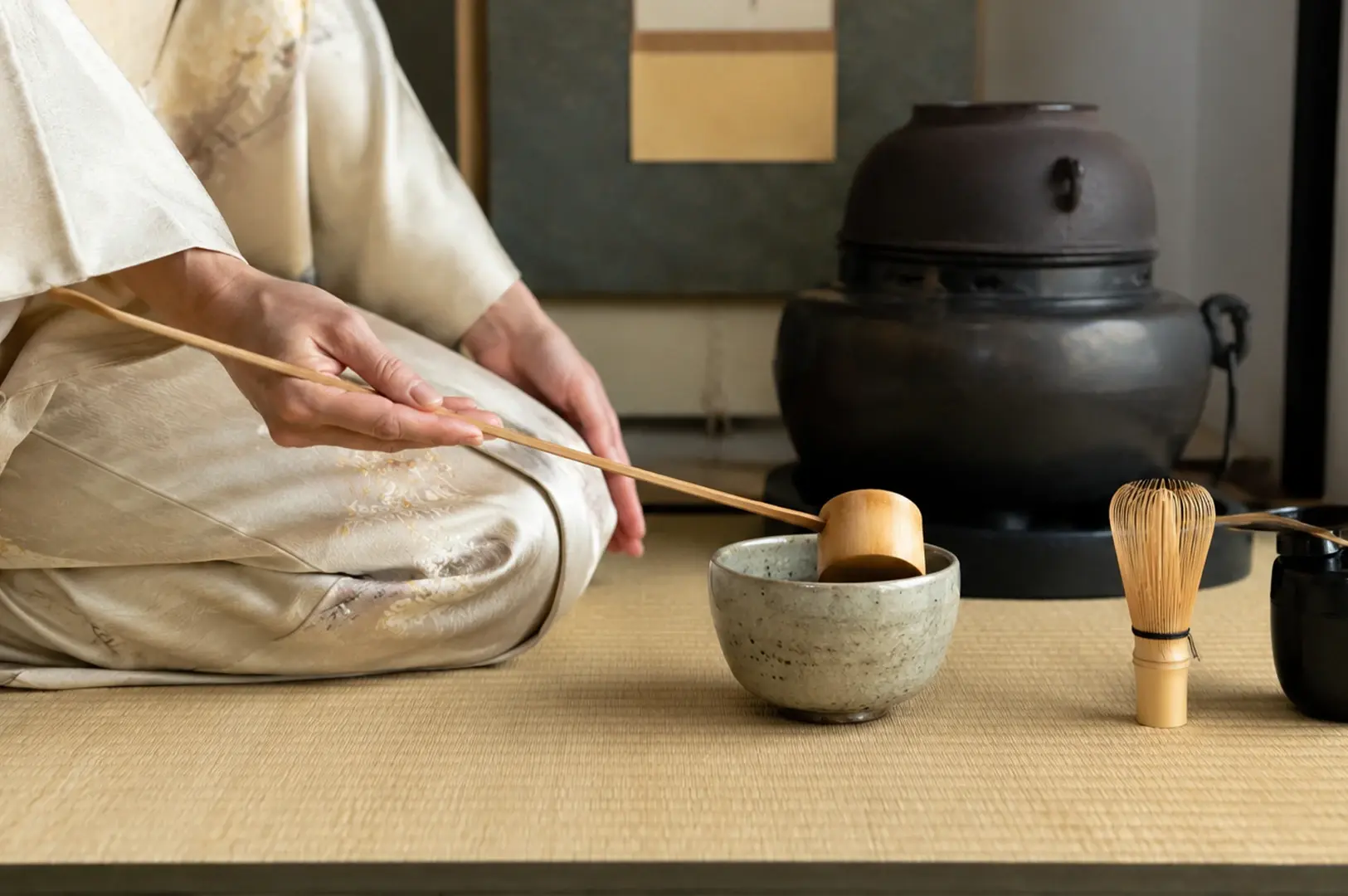
Rooted deeply in Zen Buddhism, the tea ceremony is more than an art—it is a form of meditation. The deliberate actions of the tea master and the quiet participation of guests foster mindfulness and tranquility.
The practice encourages presence, echoing the philosophy of ichi-go ichi-e, or "one meeting, one chance," reminding everyone that each tea ceremony is a unique, unrepeatable moment to be cherished.
The Formal Tea Ceremony: Etiquette and Atmosphere
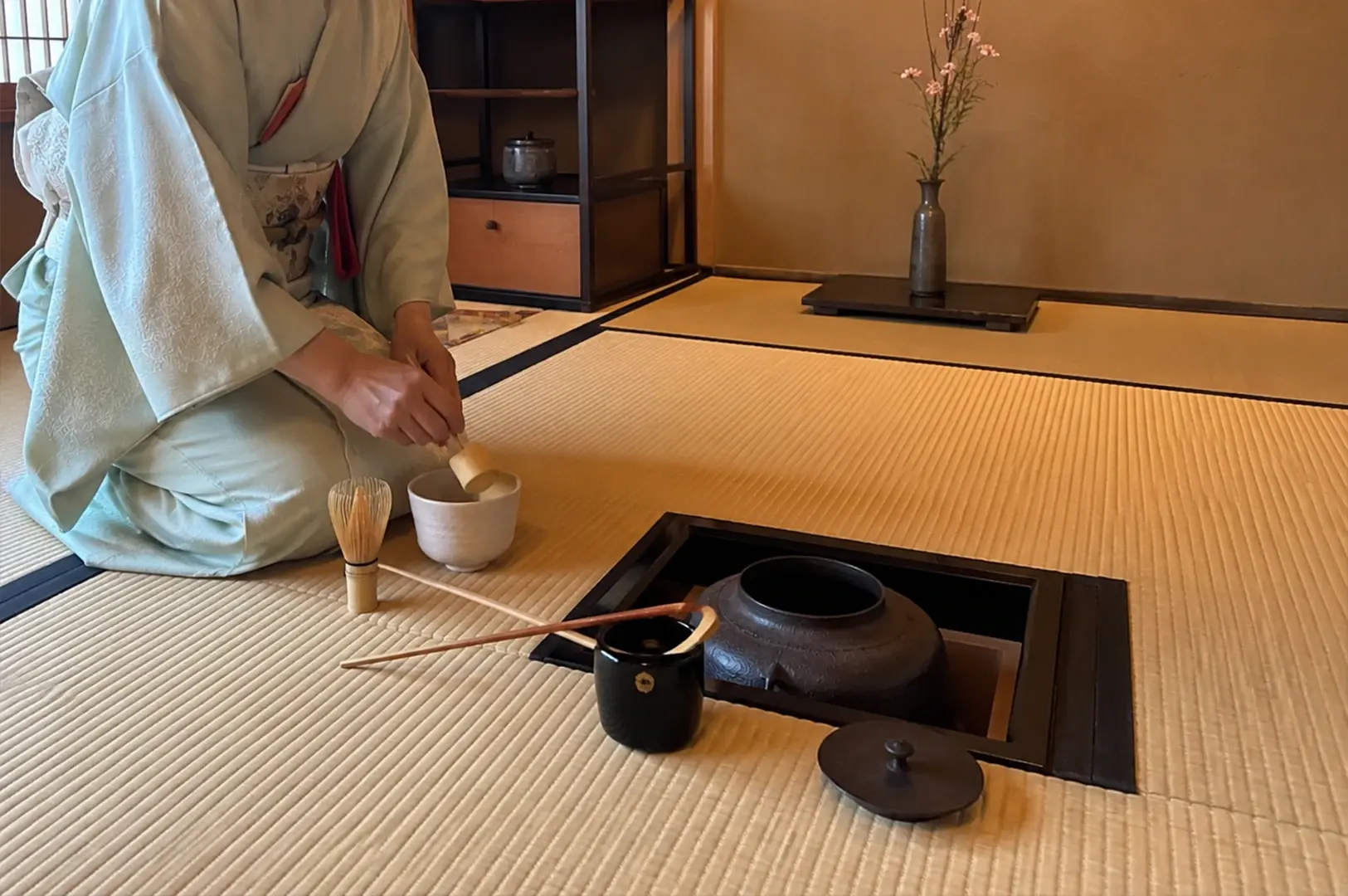
A formal tea ceremony can last up to four hours, beginning with a meal and culminating in the preparation and serving of both thick and thin tea. Participants are expected to wear traditional Japanese clothing such as a kimono or modest attire, remove their shoes before entering the tea room, and observe specific etiquette, including bowing and respectful conversation centered on the ceremony and seasonal changes.
The atmosphere is intentionally serene, designed to foster a sense of harmony and respect among guests and host alike.
Embracing the Tradition: The Enduring Art of the Tea Ceremony in Japan
The tea ceremony in Japan remains a living tradition that connects past and present. It is a practice that embodies the essence of Japanese culture, discipline, grace, and the celebration of impermanence.
Whether experienced in Kyoto, Tokyo, or elsewhere, the tea ceremony invites all who participate to slow down, appreciate the beauty in simplicity, and find peace in a single bowl of matcha tea.

Tie Guan Yin: The Iron Goddess of Chinese Oolong Tea
Tie Guan Yin, also known as Iron Goddess or Iron Goddess Oolong, is a celebrated Chinese oolong tea originating from Anxi County in Fujian Province, China. This tea from Anxi Fujian holds a special place among other teas due to its unique aroma, flavour, and rich cultural story. It is made from the tea plant…
-
Why Tea Shops Might Be the Last Quiet Places We Have
There is a growing habit in Singapore that I find both comforting and slightly unsettling. People are working everywhere now. Cafés, co-working spaces, neighborhood bakeries, even small corner shops. A laptop seems to turn any table into an office. And in many ways, this flexibility is impressive. It reflects how life has adapted to work,…
-
Why Not Every Tea Deserves Your Attention
Tea culture encourages curiosity. There are endless varieties, origins, and rituals to explore. Some teas are rare, some are aged, some are celebrated in distant mountains. The temptation is to try them all, to chase novelty in the hope that every cup will surprise you. But not every tea deserves your attention. I have learned…
-
Sipping Serenity: Where to Enjoy Chamomile Tea Singapore in the City
Singapore moves quickly. The trains run on time, the workdays stretch long, and the humidity outside rarely lets anyone slow down by choice. Yet within this busy rhythm, a quiet counter-current persists. People look for small pockets of stillness, and increasingly, they find one in a warm cup of chamomile tea. There is something fitting…
-
Why Some Teas Taste Better When Shared
I’ve always found that tea, more than most drinks, seems to gain something when shared. A cup alone can be comforting, quiet, even meditative. But a cup shared with someone else, whether a friend, a family member, or a stranger in a small tea house, somehow becomes richer, fuller, more alive. It’s not just the…
-
The Timeless Charm of Tea Culture Through English Breakfast Singapore
There is a small ritual I return to on the warmest Singapore afternoons. The city outside shimmers with heat, the air conditioning hums softly, and I reach for a familiar tin of English Breakfast tea. The kettle clicks, steam rises, and within a minute or two the kitchen fills with a warm, malty aroma that…
-
The Tea That Reminds Me of Home
I still remember the first cup of tea I drank after returning from a long trip. It was nothing remarkable, a simple black tea brewed in my kitchen but it tasted different from any cup I had drunk abroad. It wasn’t the leaves themselves. It wasn’t the water or the pot. It was the familiarity…
-
A Tea Lover’s Honest Review of Gryphon Tea Company Singapore
There is a particular hush that settles over my kitchen on a weeknight, after the dishes are done and the day finally loosens its grip. That is when I open a new box of tea from Gryphon Tea Company Singapore. Last week, the box belonged to Gryphon Singapore, and the moment I lifted the lid,…
-
Why Tea Can Teach Us About Mindful Consumption
I’ve been thinking a lot about waste lately. Not just the kind we notice-the piles of packaging, leftover food, discarded cups-but the quiet, everyday kind: the tea leaves left unused, the leaves steeped once and thrown away, the water poured down because the cup is “not perfect.” Tea has a way of making you notice…
-
Why We Secretly Judge Tea Shops by Their Music
I never thought much about music in tea shops, until I started noticing patterns. The tea is brewed, the cups are warm, and the aroma drifts through the room. But then the music starts, and suddenly, the entire experience changes. Some shops play classical or soft jazz. Conversations linger. Sips are slow. Even the tea…