The room is quiet enough to hear water.
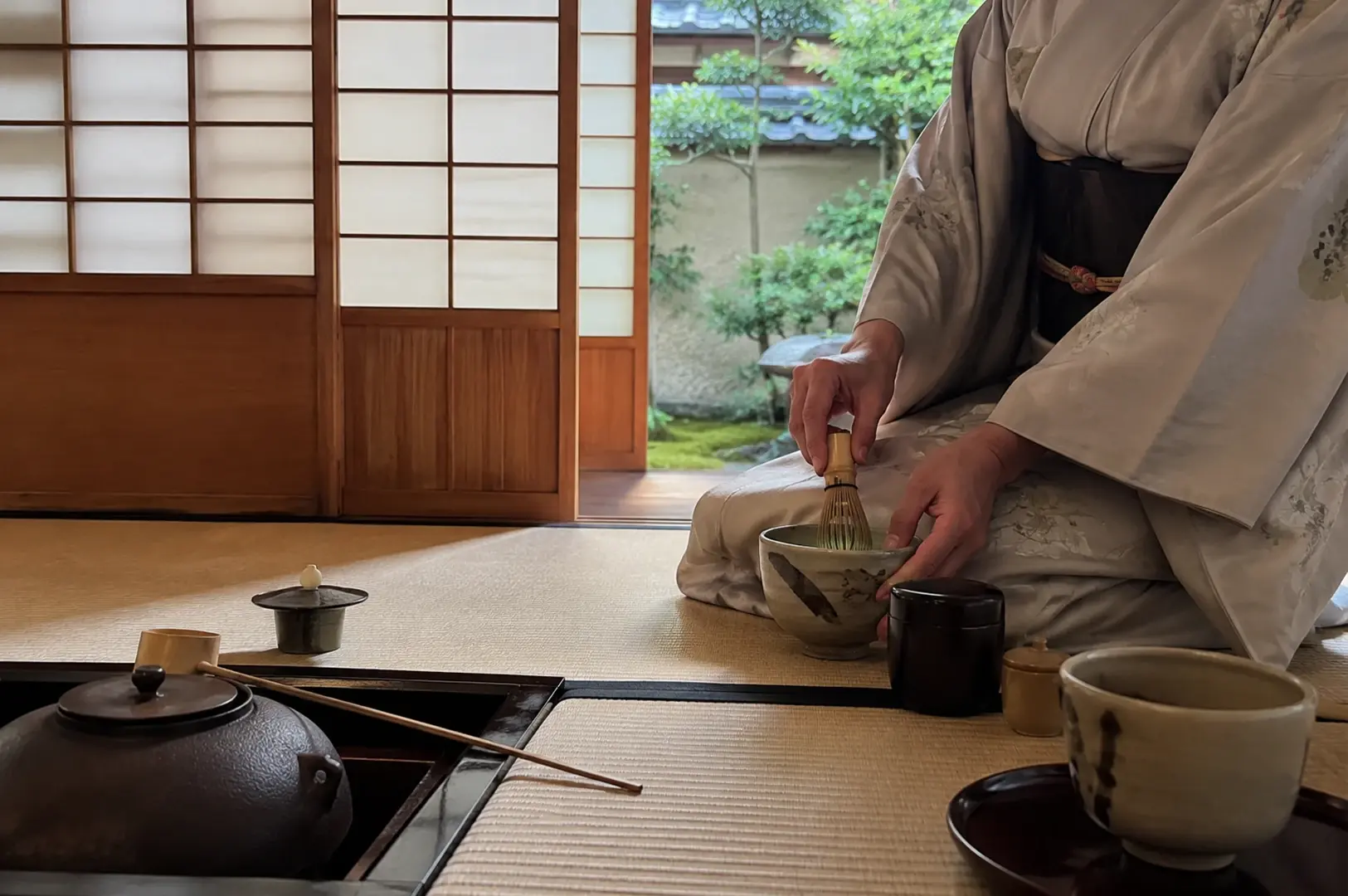
Somewhere beyond the paper screens of this traditional tea ceremony venue, a garden drips after morning rain. Inside a tea house on a tatami mat worn soft by years of kneeling, a tea master lifts a bamboo whisk and begins tea making. There is no rush in the gesture. The whisk turns through the matcha in slow, patient circles, and the green deepens into froth.
No one speaks. There is only the sound of the whisk, the small clay kettle breathing steam, and the shifting of participants settling into stillness.
This is an authentic tea ceremony in Kyoto. And it is not really about the tea.
More Than a Drink: The Essence of the Japanese Tea Ceremony
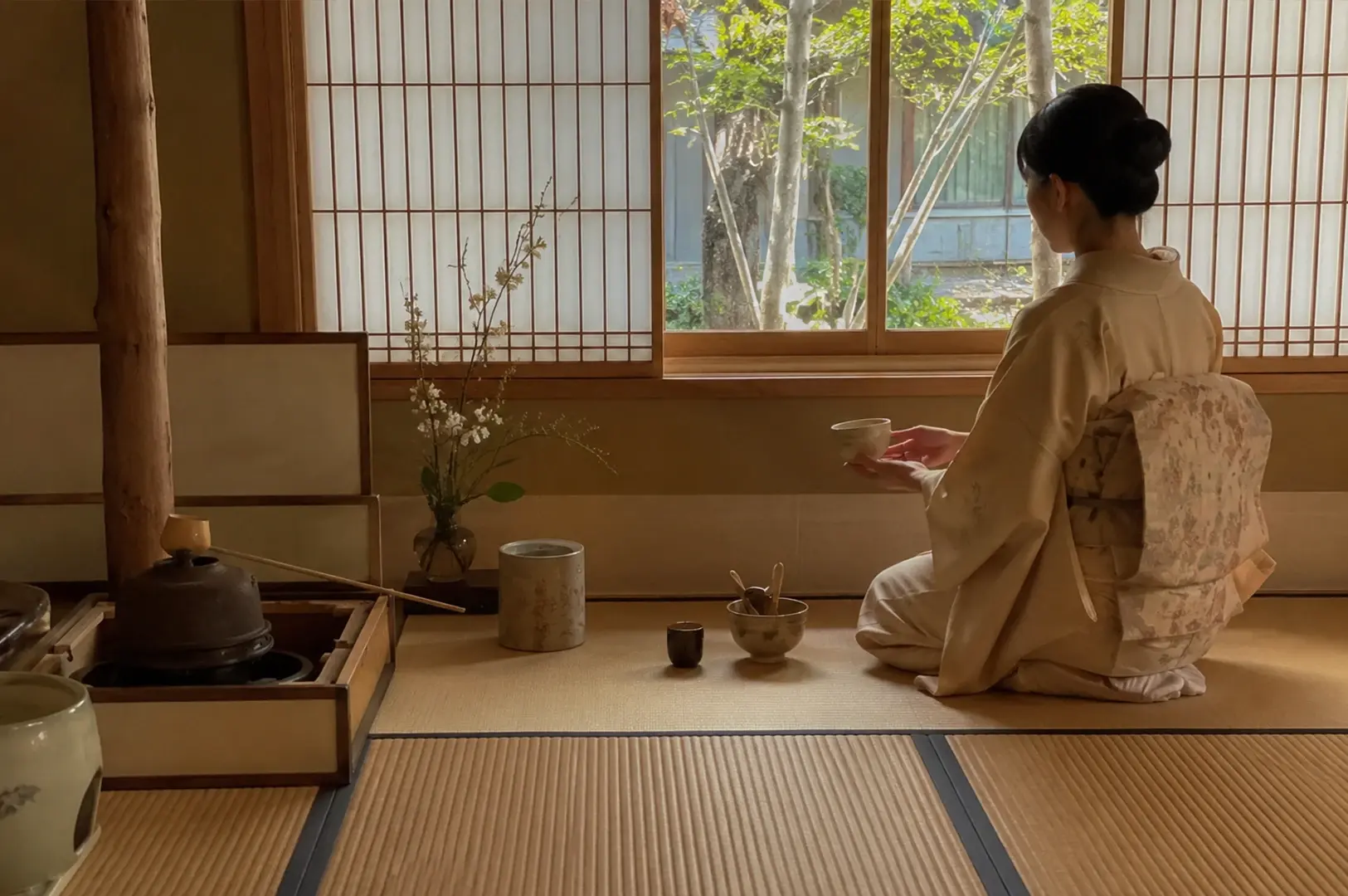
To sit through a Japanese tea ceremony is to learn, slowly, that the tea is almost the last thing that matters. What matters is the attention and care given by the tea master throughout the ritual. The way a host prepares a single bowl as though nothing else in the world is happening embodies the heart of Japanese culture.
The practice goes by several names: chanoyu, meaning "hot water for tea," sado or chado, "the way of tea." Each word carries the same idea, that making and drinking tea is a discipline, a form of presence, and a quiet kind of art deeply rooted in Japanese tea culture.
Kyoto city, the cultural heart of Japan, has preserved this tradition for centuries. The great tea masters walked these streets, and the schools that shaped chado were founded here. To join a Kyoto tea ceremony is to step into a lineage that has been practised, refined, and protected across generations.
The Meaning in Slow Movements: A Traditional Tea Ceremony Practice
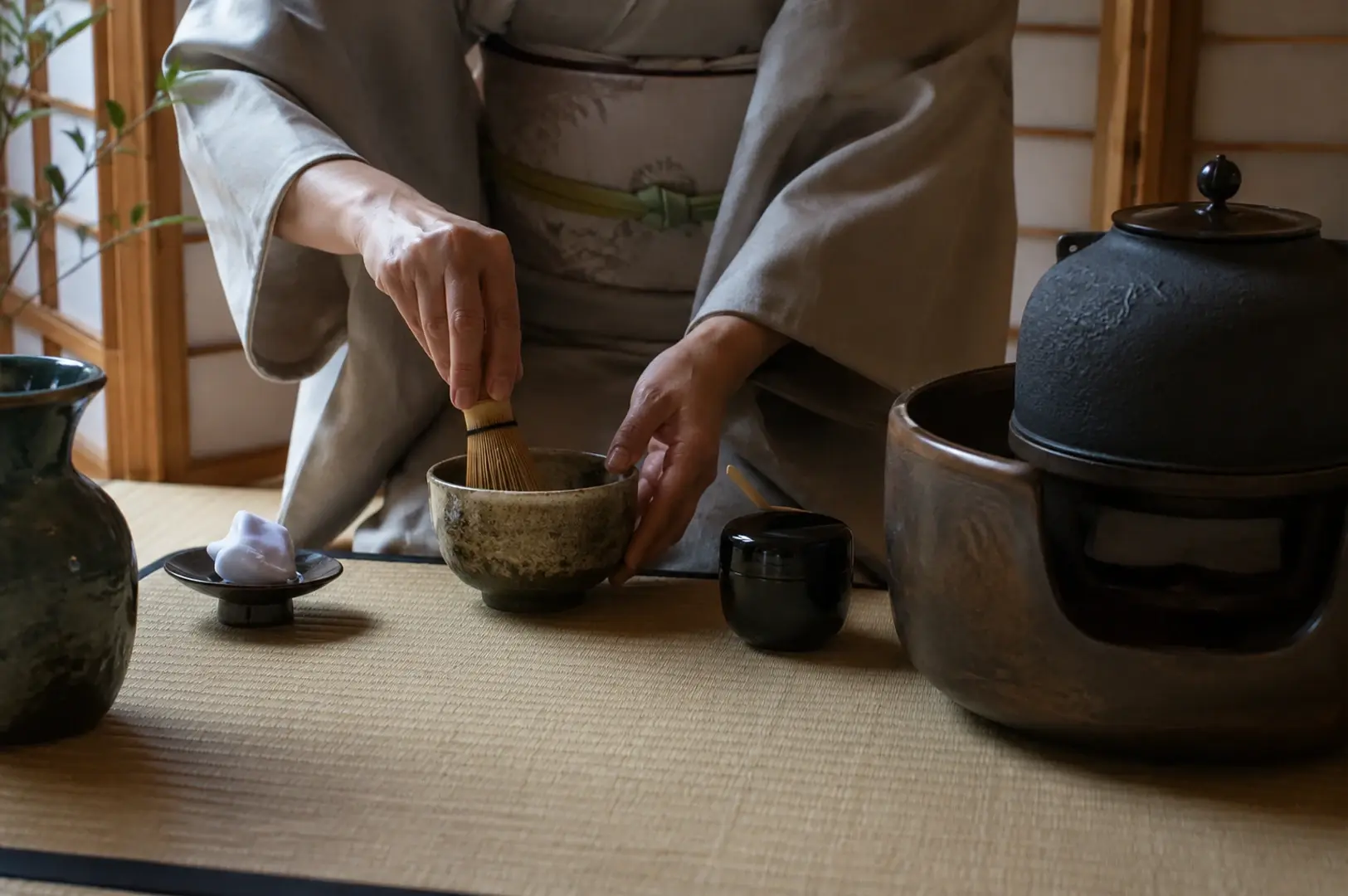
At first, the pace can feel strange. Every action seems deliberate, almost exaggerated in its slowness. The tea master wipes the tea container with a folded cloth, turns the bowl, and places the bamboo whisk down with reverence.
Nothing is wasted. Nothing is hurried.
These movements are not performance but the result of long study, where each gesture has been pared down until only the essential remains. The slowness invites both host and guests to be fully present in this moment.
The philosophy of ichigo ichie, to treasure every encounter, is central to this tea ceremony in Kyoto. Every gathering is unique, never to be repeated. The care in each movement honors that singular moment.
Matcha and Traditional Japanese Sweets: The Perfect Pairing
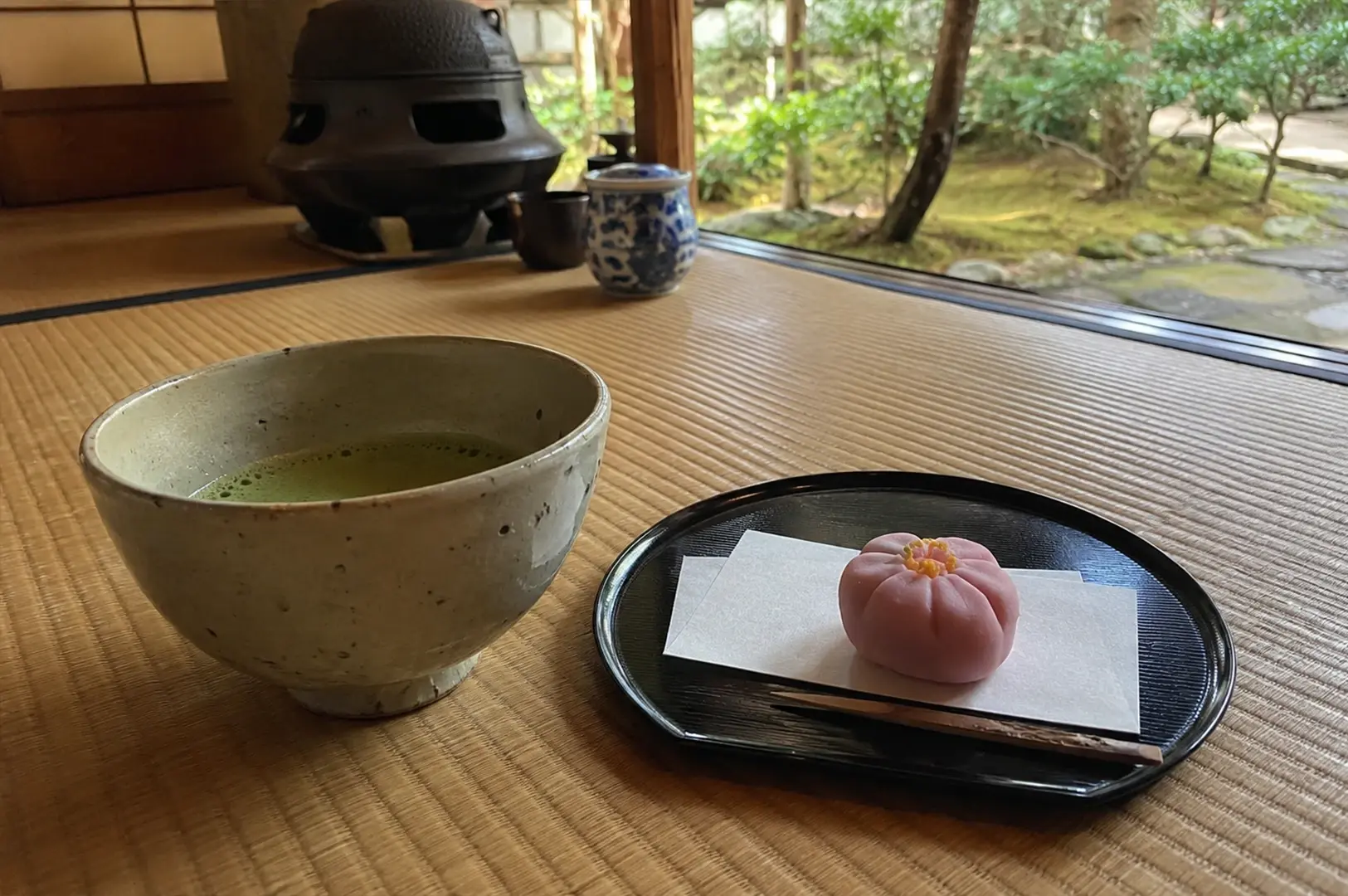
The tea served is matcha, the highest quality finely ground green tea powder, whisked rather than steeped. Made from the youngest tea leaves, matcha is stone-ground into a fine powder, offering a rich flavor that is deep and slightly bitter. This bitterness is softened by traditional Japanese sweets served before the tea. These seasonal Japanese sweets, or wagashi, are carefully chosen to reflect the seasonal changes, such as cherry blossom shapes in spring.
Together, the sweet and tea form a small conversation on the palate, the gentle sweetness preparing you for the strong, vegetal matcha. Matcha is known for its greater health benefits compared to steeped teas, as drinking the whole leaf provides antioxidants and nutrients.
The tea ceremony Kyoto experience often takes place in a formal setting within a teahouse or a traditional machiya, emphasizing mindfulness and respect throughout the whole time. Guests are encouraged to arrive in advance and dress appropriately, sometimes in kimono, to fully immerse themselves in the cultural atmosphere.
The location of the tea ceremony is important, often near historic temples or gardens in Kyoto, such as near Kiyomizu-dera or the Golden Pavilion, enhancing the connection to Zen philosophy. During the ceremony, each person follows a sequence of movements that embody harmony, respect, purity, and tranquility, the four core principles guiding the ritual.
Visitors often treasure the opportunity to take photos after the ceremony, capturing memories of this unique cultural encounter. Booking weeks in advance is recommended due to the popularity of authentic tea ceremonies in Kyoto and the limited number of participants allowed for an intimate experience.
Overall, the tea ceremony is not just about drinking a cup of tea but about embracing the history, philosophy, and serene ambiance of this treasured Japanese tradition.
The Tea House and Zen Temple: Setting the Atmosphere
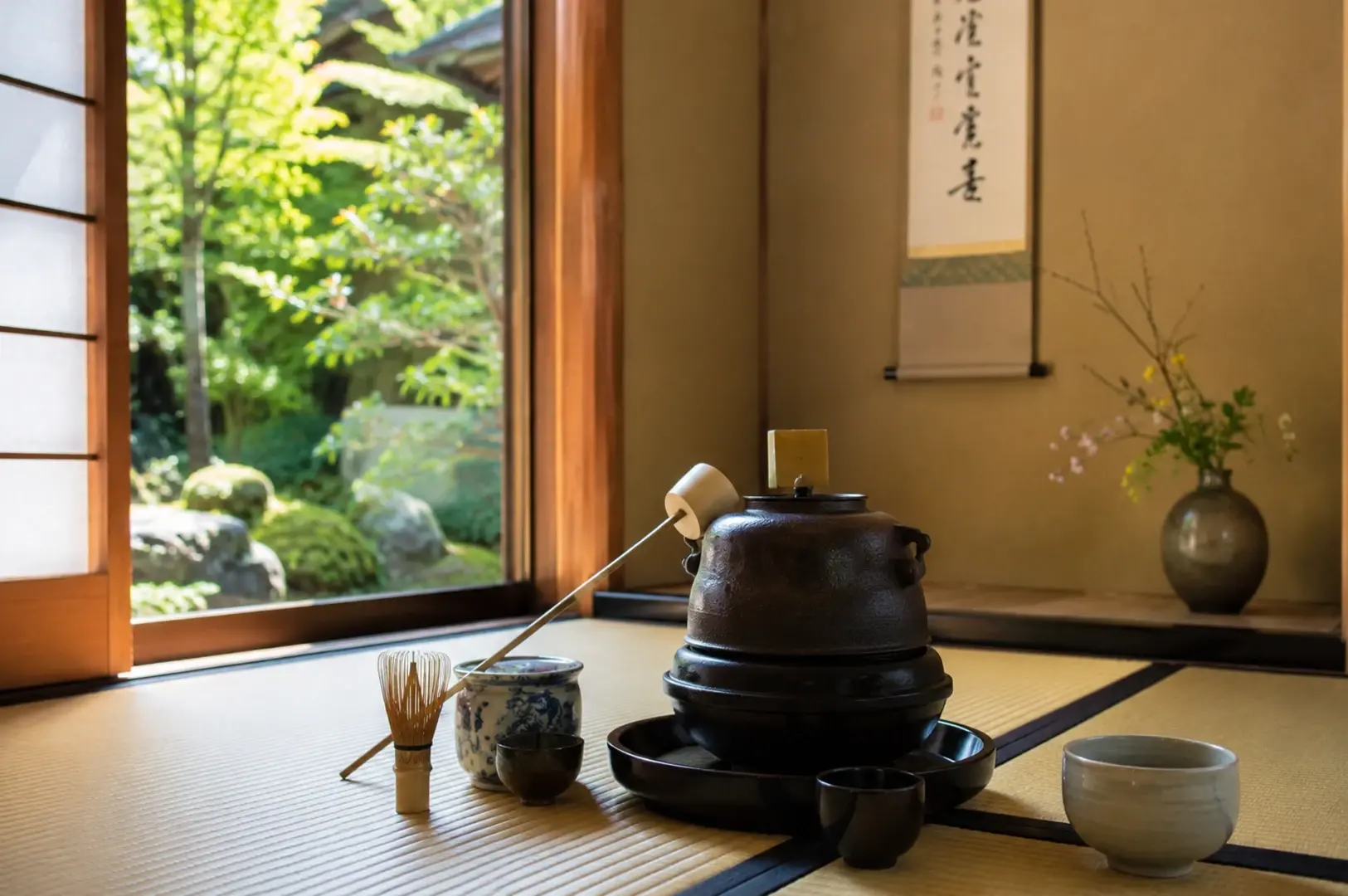
A traditional tea ceremony venue is often a tea house nestled near famous Kyoto temples like the Golden Pavilion or a peaceful Zen temple. The setting is simple and uncluttered, with tatami mats, a hanging scroll, and a seasonal flower arrangement that reflects the current season.
Beyond the tea house, gardens invite quiet contemplation, a short walk from many temples in Kyoto. This atmosphere, steeped in Zen philosophy, encourages inner peace and mindfulness throughout the ceremony.
To further expand your tea knowledge, be sure to visit and click our article Best Tea Houses in Singapore
Wabi-Sabi and the Spirit of Zen: The Art of the Kyoto Tea Ceremony
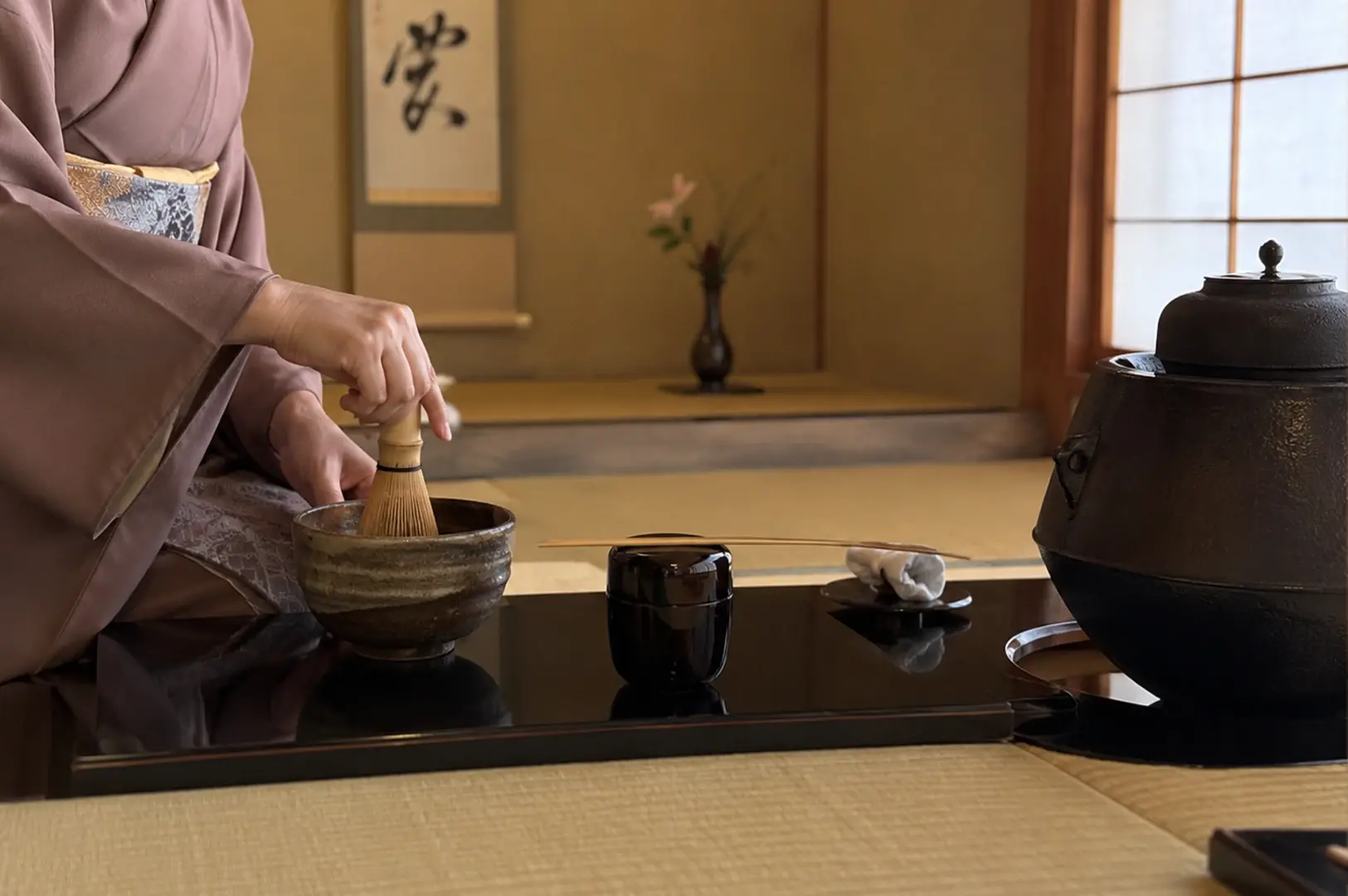
The Japanese tea ceremony embraces wabi-sabi, the beauty found in simplicity, imperfection, and transience. The handmade tea bowl, or chawan, may be uneven or modestly glazed, but its honest craftsmanship is deeply valued.
This spirit, combined with the principles of Zen philosophy, creates an atmosphere of peace. The host’s omotenashi, or wholehearted hospitality, ensures every detail, from the temperature of the water to the placement of utensils, is perfect for the guests.
Attending a Camellia Tea Ceremony: A Kyoto Maikoya Experience
One famous tea ceremony venue in Higashiyama-ku is the Camellia Tea Ceremony, founded by Atsuko Mori. Located near Kiyomizu-dera Temple, it offers an authentic tea ceremony experience that balances tradition with a welcoming atmosphere.
Kyoto Maikoya also provides traditional tea ceremonies in historic machiya townhouses, where guests can enjoy kimono rental and explore Kyoto city dressed in traditional attire.
Tea Ceremony Etiquette: Joining the Ceremony with Respect
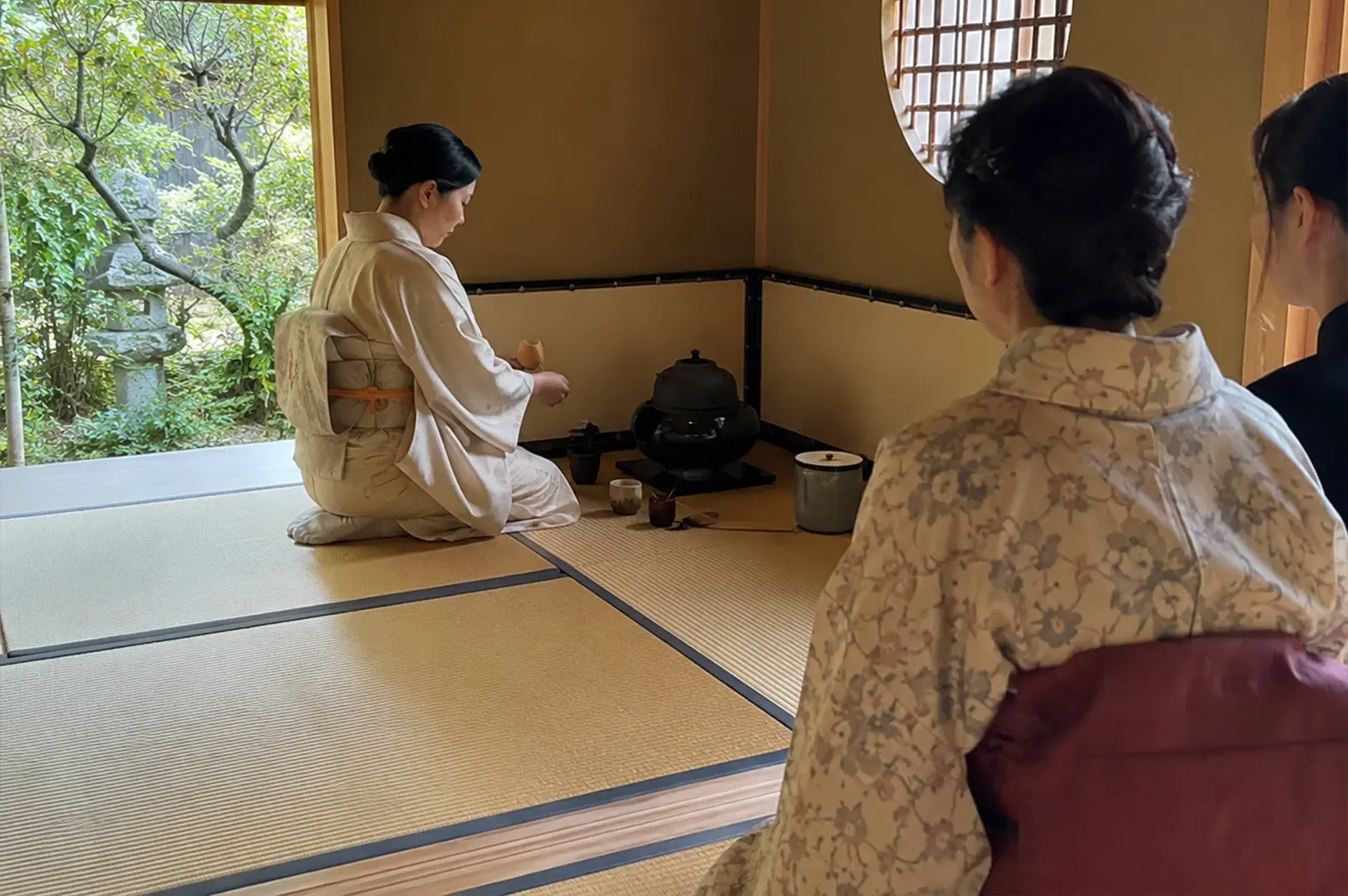
Visitors who join a tea ceremony in Kyoto are invited to observe simple etiquette:
- Remove shoes before entering the tea house and wear clean socks.
- Arrive calm and unhurried, and maintain a quiet, peaceful atmosphere.
- Receive the bowl with both hands, turning it slightly before drinking tea.
- Compliment the bowl and seasonal flowers after the ceremony.
- Engage in light conversation related to the tea ceremony and seasonal changes.
Children aged seven and above are welcome to participate, making it a meaningful cultural experience for families and friends alike.
Why Kyoto Tea Ceremony Remains a Timeless Tradition
Kyoto’s tea ceremony tradition continues to thrive because of its deep roots in Japanese culture and Zen philosophy. The city’s many temples, tea houses, and markets like Nishiki Market create a rich backdrop for visitors seeking a peaceful, authentic tea ceremony experience.
Whether you visit in spring to enjoy cherry blossoms or in autumn to witness vibrant leaves, the Kyoto tea ceremony invites you to forget the rush of daily life and spend a moment in quiet reflection.
A Bowl Worth Slowing Down For: Your Kyoto Tea Ceremony Experience
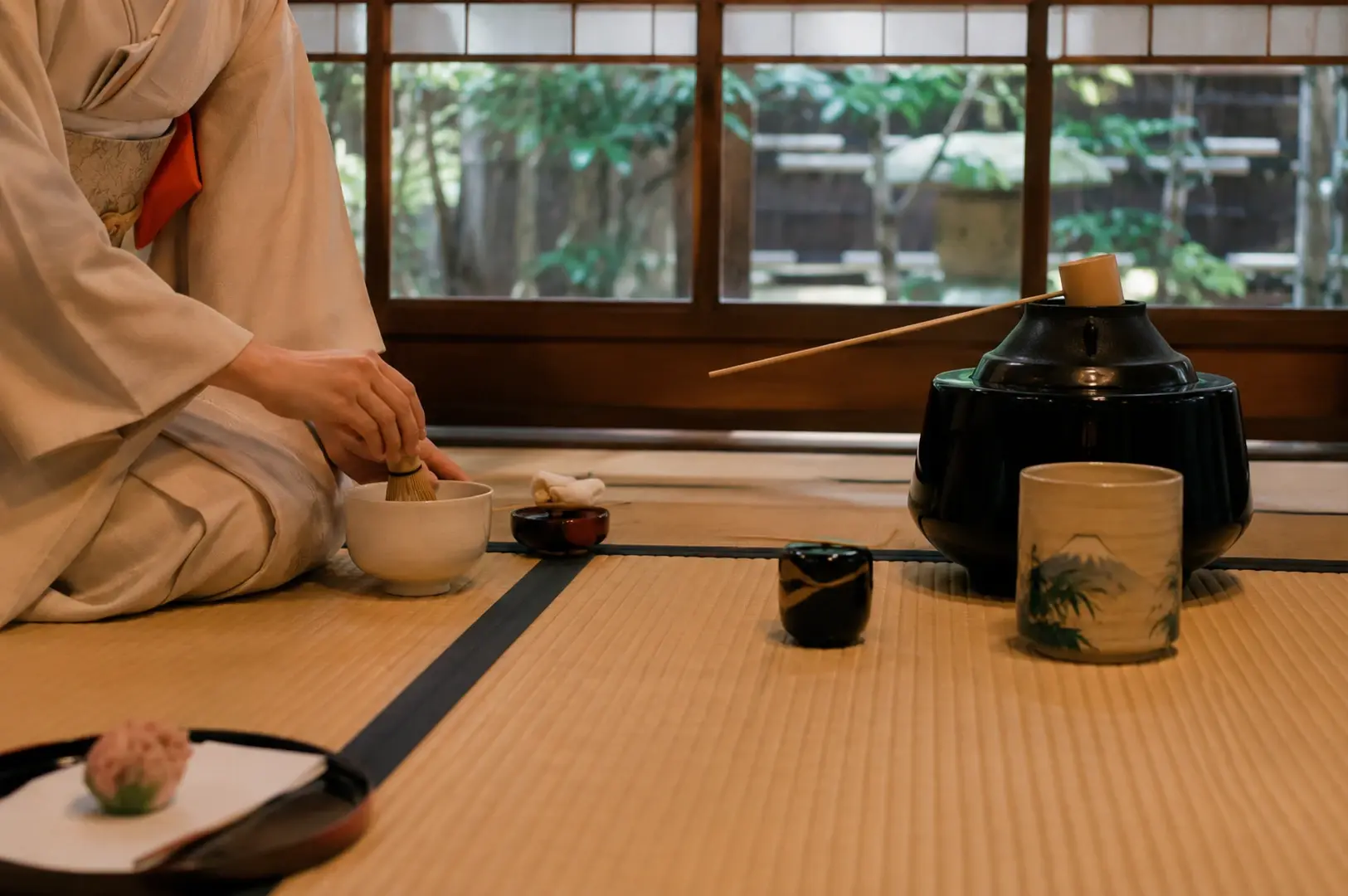
In a world that moves quickly, the traditional tea ceremony in Kyoto offers a rare opportunity to slow down. With the highest quality matcha, traditional tools, and seasonal sweets, this ritual is a practice of mindfulness, art, and hospitality.
You do not need to master the ritual to be changed by it. You only need to join, receive your bowl, and let the moment be exactly what it is.
On your next trip to Japan, a Kyoto tea ceremony is more than a visit, it is an invitation to peace, presence, and the heart of Japanese culture.

The Best Everyday and Gift-Worthy Blends from Gryphon Tea Singapore
I have a small confession. For the longest time, I treated tea like a background character in my day. It was just the thing I gulped between meetings, barely tasting it. Then a friend handed me a proper cup one quiet afternoon, and I finally slowed down enough to notice the aroma, the warmth, the…
-
We Talk Too Much About Tea and Not Enough About Drinking It
Tea culture has become remarkably good at talking about tea. We discuss origins. Elevation. Harvest seasons. Processing methods. Water temperatures. Brewing vessels. There are endless conversations about tea. And yet I sometimes wonder whether we spend enough time simply drinking it. This may sound like an odd criticism coming from someone who enjoys learning about…
-
High Tea St Regis: A Grand Afternoon Ritual at Regis Singapore
The light in the late afternoon does something quiet to a room. It softens. It lingers on the rim of a porcelain cup in the elegant Tea Room, slides along the curve of a silver pot, and settles into the folds of a linen napkin without asking for attention. There is a stillness here, the…
-
Why We Keep Looking for the Perfect Tea
I used to think there would be a moment when my tea journey felt complete. A tea so good that I would stop searching. A tea that would make every other tea feel unnecessary. Years later, I can confidently say that moment has never arrived. And I’m starting to think that’s the point. Tea drinkers…
-
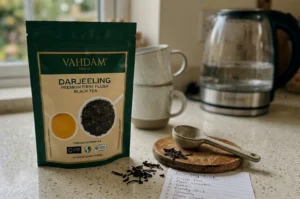
Darjeeling First Flush: Capturing the Himalayan Spring in a Teacup
I still remember the first time someone handed me a cup of Darjeeling First Flush, a prized form of black tea, and asked me, quite seriously, not to add milk. I almost laughed. Tea without milk felt like toast without butter. But I humored my friend, took a sip, and paused. The liquid was pale…
-
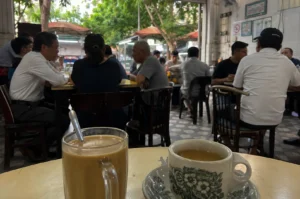
What Kopi and Tea Say About Singapore
One of the things I love most about Singapore is that we never really chose between kopi and tea. We kept both. Walk into almost any hawker centre or coffee shop and you’ll see it immediately. One person orders kopi-o. Another asks for teh-c. Someone else is drinking Chinese tea from a flask they brought…
-
The Tea We Keep Saving for Later
Many tea drinkers have a tea they are saving. A special oolong purchased during a memorable trip. A rare tea gifted by a friend. A tea that feels too valuable, too limited, or too meaningful to drink casually. So it waits. Days become weeks. Weeks become months. The tea remains carefully stored while more ordinary…
-
Earl Grey Tea Benefits: What Is Earl Grey Tea and Why Has It Endured for Centuries?
Introduction Few teas are as instantly recognisable as Earl Grey tea. Even among people who do not regularly drink tea, the distinctive citrus aroma of Earl Grey often feels familiar. It appears in tea shops, cafés, afternoon tea menus, and kitchen cupboards around the world, yet many people still ask the same question: what is…
-
Can You Call Yourself a Tea Lover If You Don’t Like Matcha?
I have a confession. I don’t think every tea lover needs to love every tea. That sounds obvious when written down, but spend enough time around tea enthusiasts and you may start to think otherwise. Someone discovers that you enjoy tea. The questions begin. Do you drink green tea? What about pu-erh? Have you tried…
-
Is Tea Acidic? Understanding Tea Acidity and What It Means for Tea Drinkers
One of the most common questions among both new and experienced tea drinkers is surprisingly simple: is tea acidic? The answer is yes, but the reality is far more nuanced than a simple yes or no. Most teas fall on the mildly acidic side of the pH scale, yet they are generally far less acidic…