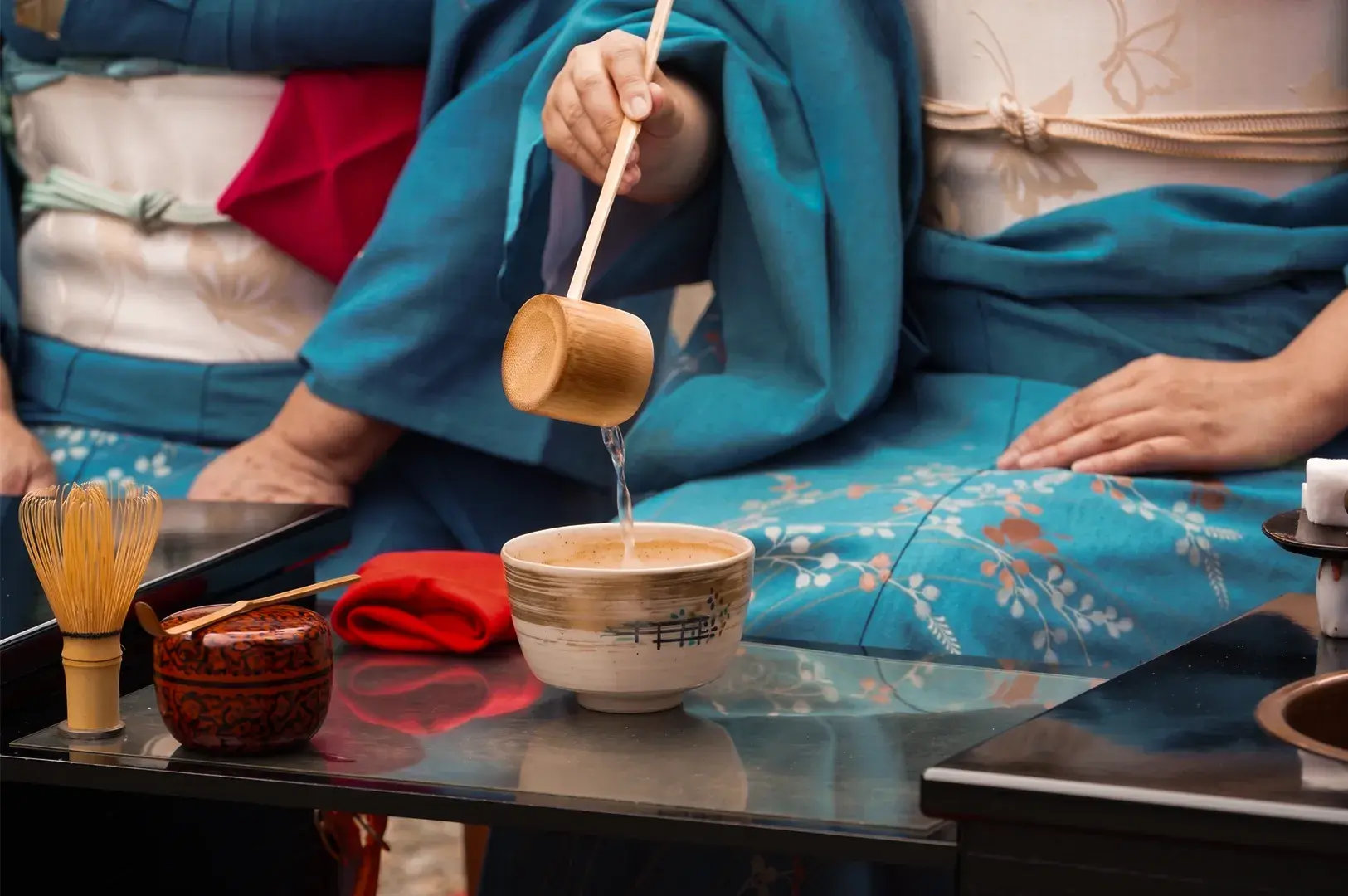
The room is very quiet. Someone kneels on the tatami, hands resting on their thighs, and waits. Outside, a car passes and fades. Inside, there is only the soft hiss of water warming in an iron kettle, and the faint smell of woven rush underfoot.
Nobody in the room is looking at what anyone is wearing. That is how it should be.
This is the quiet heart of a good tea ceremony outfit. If you have ever wondered what to wear to a tea ceremony, the answer begins here, in a room where everything has been arranged so that a single bowl of tea can hold your full attention. The right choice reflects respect, ease and a sense of occasion, rather than a wish to stand out.
The Room Sets the Rules
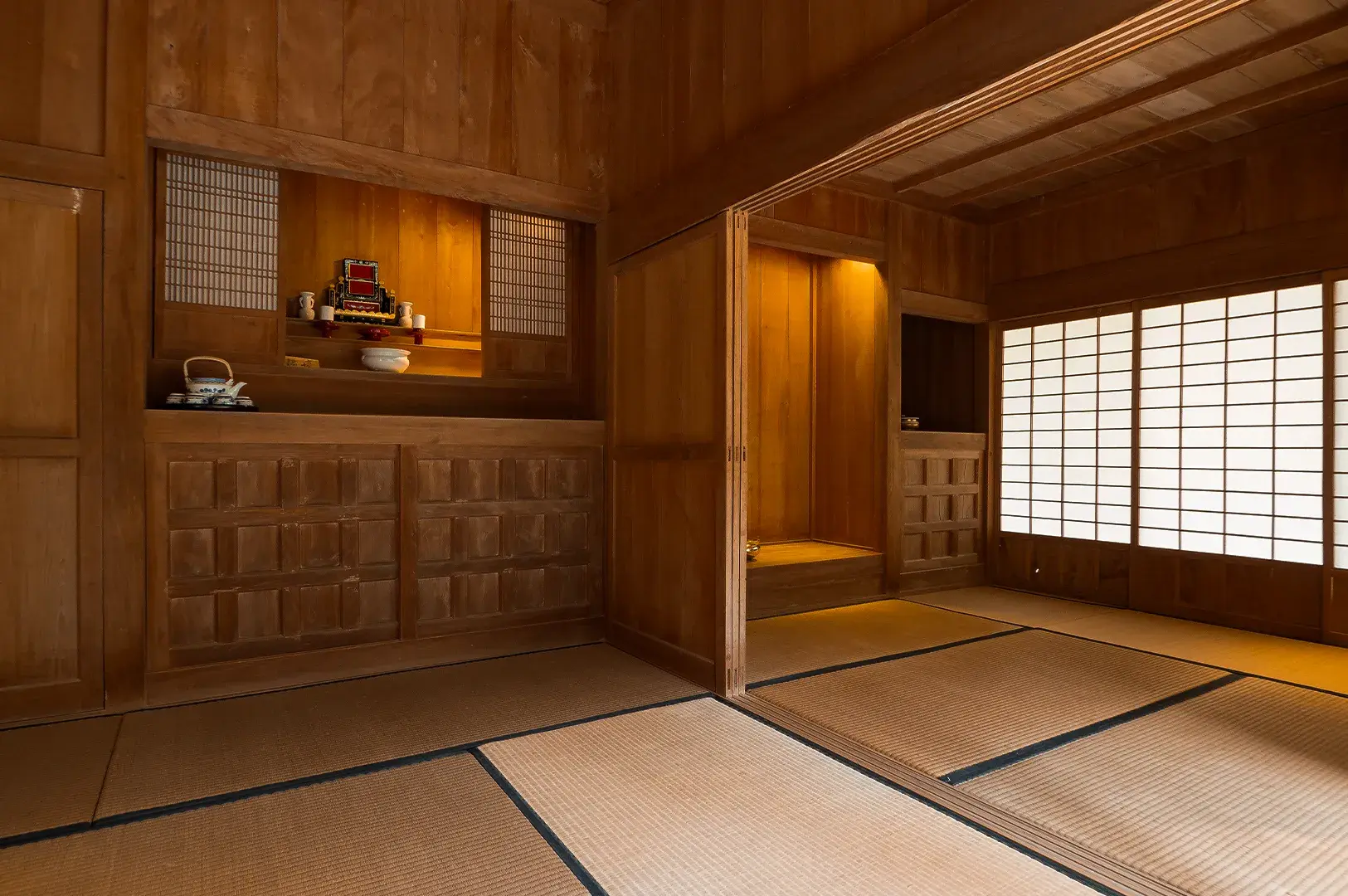
A Japanese tea room is a small and deliberate space. There is often a single hanging scroll in the alcove, a modest arrangement of seasonal flowers, a kettle and a few utensils laid out with care. The host has chosen each of these things for this day and this gathering.
When you step inside, you become part of that arrangement. Your clothing sits among the scroll, the flowers and the bowl, whether you mean it to or not.
So the Japanese tea ceremony dress code is less a set of rules than a response to the room itself. The room is calm, unhurried and spare. The guest is asked, quite gently, to match it. Dressing thoughtfully helps acknowledge the tradition and creates an atmosphere of harmony and tranquillity.
Why Restraint Reads as Respect
In many settings, dressing well means dressing to be noticed. A bright colour, a statement piece, a scent that lingers after you have left. These are small ways of saying I am here.
The tea room asks for the opposite. Restraint, in this space, is a form of courtesy. By choosing clothes that recede, you leave room for the host's work to be seen: the turn of the whisk, the seasonal sweet, the bowl that may have been chosen weeks in advance.
I find something freeing in that. For an hour or so, you are not asked to present yourself. You are only asked to be present.
What the Tea Room Asks of a Guest
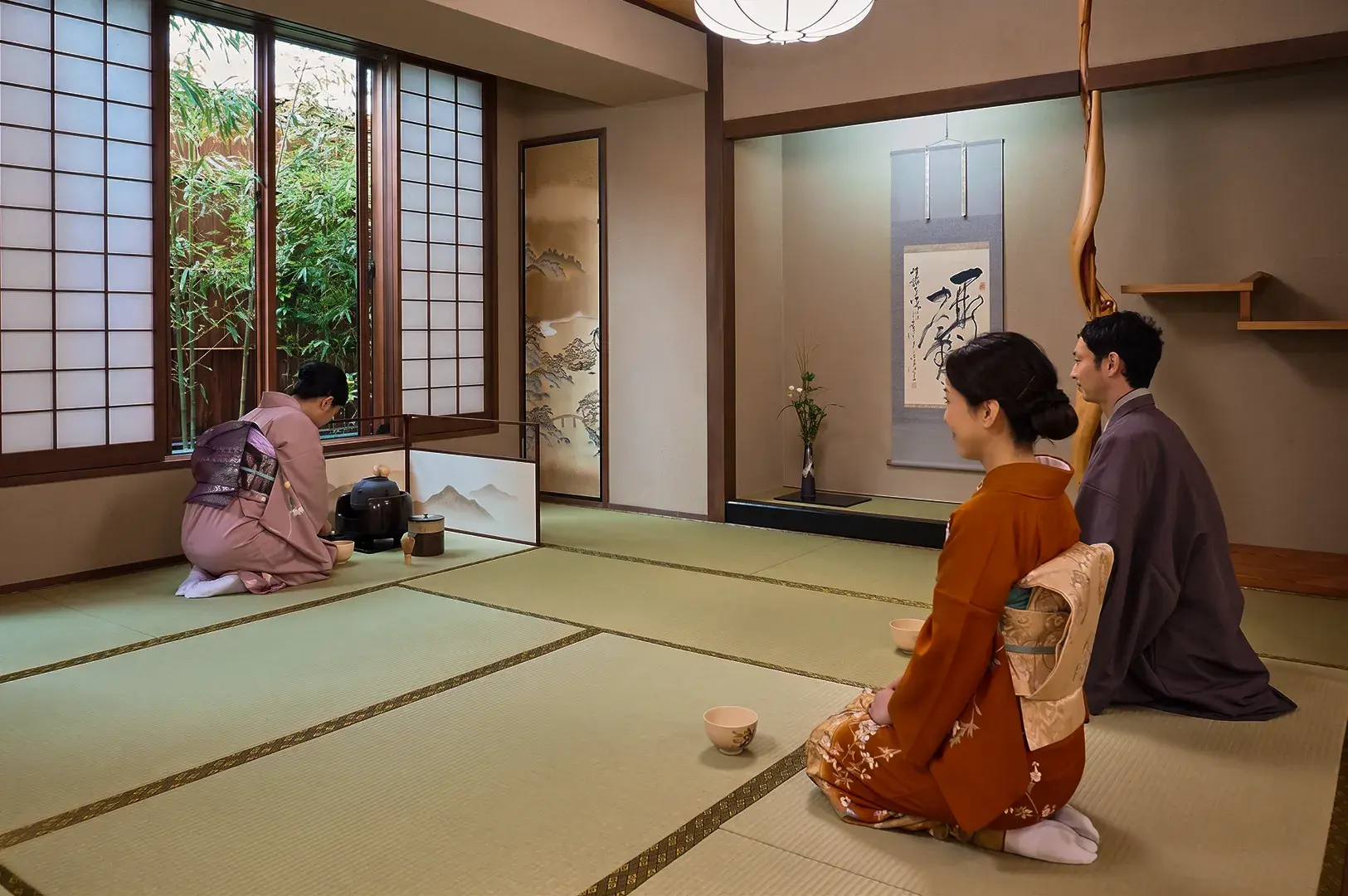
Good tea ceremony attire is rarely about expense or formality. It is about care in small things, most of which are easy to overlook until you are kneeling in a quiet room.
- Socks: Clean white socks or tabi, often put on at the entrance just before you step onto the tatami.
- Jewellery: Watches, rings and bracelets are removed. Metal and stones can scratch or chip bowls and utensils, some of which may be very old.
- Scent: No perfume, cologne or strongly scented lotion. Avoid heavy lipstick, which can mark a shared bowl.
- Colour: Muted, solid tones. Nothing loud, neon, ripped or covered in logos.
- Fabric and noise: Choose material that does not rustle, and cover your knees and shoulders.
- Sitting on the floor: Traditional tatami gatherings often involve seiza, kneeling with your legs folded beneath you. However, some tea experiences offer chair-based seating, known as ryūrei. Check the seating arrangement in advance and choose clothing that allows you to sit comfortably.
- Footwear: Choose simple shoes that are easy to remove at the entrance.
Each of these has a reason behind it. The white socks are perhaps the most quietly meaningful. Changing into a fresh pair at the threshold reads as a small act of purification, a way of leaving the street behind before stepping onto the mats. Tatami is both floor and seat. Keeping it clean is a way of caring for everyone who will sit there.
Scent works in a similar way. Tea has a delicate fragrance, and the room may carry the faint note of incense or charcoal. Strong perfume quietly crowds all of that out. It simply protects what everyone came to experience.
And the kneeling matters more than many first-timers expect. A fitted skirt that seems modest when standing can become awkward on the floor. Trousers that are too tight will strain. Somewhere between comfort and neatness is the outfit that lets you forget about it. When shopping, consider the size chart carefully: a person who usually wears XL or XXL should check measurements and try the garment in a seated position, not rely on the label alone.
Kimono, Yukata, or Simply a Dark Suit
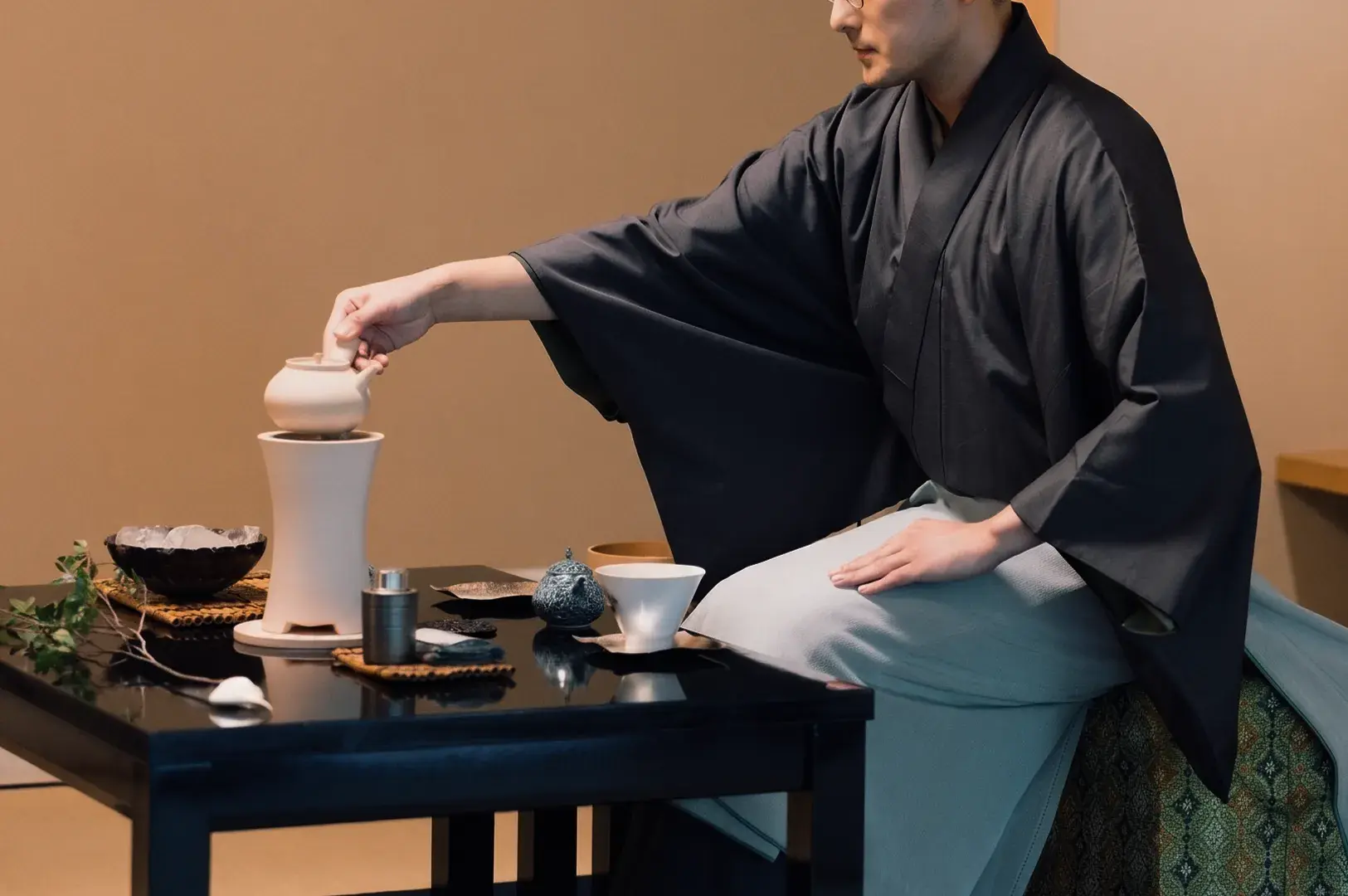
A common worry, especially for first-timers, is whether a kimono is expected. A kimono is welcome but is not required for many introductory tea experiences. Formal gatherings may have more specific expectations, including kimono or formal Western attire. If you are attending a traditional gathering, check the invitation or ask the host before deciding what to wear.
For men, dark trousers with a plain collared shirt, or a simple dark suit, sits well in the room. For women, a longer, fuller skirt or loose trousers with a modest top makes kneeling far easier. What matters is the spirit of the outfit, not its origin or price.
The yukata deserves a gentle note. It is a light cotton robe, lovely for summer festivals and evening walks, but it is generally considered casual. For most tea gatherings, it may feel a little too relaxed. If you are unsure, ask your host or the venue before you go.
If You Choose a Kimono
For those drawn to a kimono tea ceremony, there is real pleasure in it. The kimono was shaped by a culture that knew how to sit on the floor, and it can make kneeling feel natural rather than effortful.
The key is choosing the right kind. A subdued komon, with its small repeating pattern, suits a casual tea gathering well. Plain, single-colour kimono are also commonly seen in tea circles. A plain-coloured iromuji or understated edo-komon is often a suitable choice, depending on the gathering's formality. A furisode, traditionally formal attire for unmarried women, may be appropriate at certain formal occasions but can be excessive for a casual tea session. Its long sleeves also require care around tea utensils.
If you are renting, tell the shop plainly that the kimono is for a tea ceremony. Staff will often understand what that means and steer you toward something quieter. Ask about rental price, size availability and lead time, especially if your search begins close to the event. For a ceremony in September or October, popular styles may already be booked, so agree on the fitting and return dates before confirming.
A small folding paper fan, the sensu, is traditional for guests. It is not meant for cooling yourself. During the ceremony it stays closed and tucked away, and in some schools it is placed in front of the knees when bowing, a quiet line between guest and host. Practice differs from one school to the next.
Tea Ceremony Dress for a Chinese Tea Ceremony
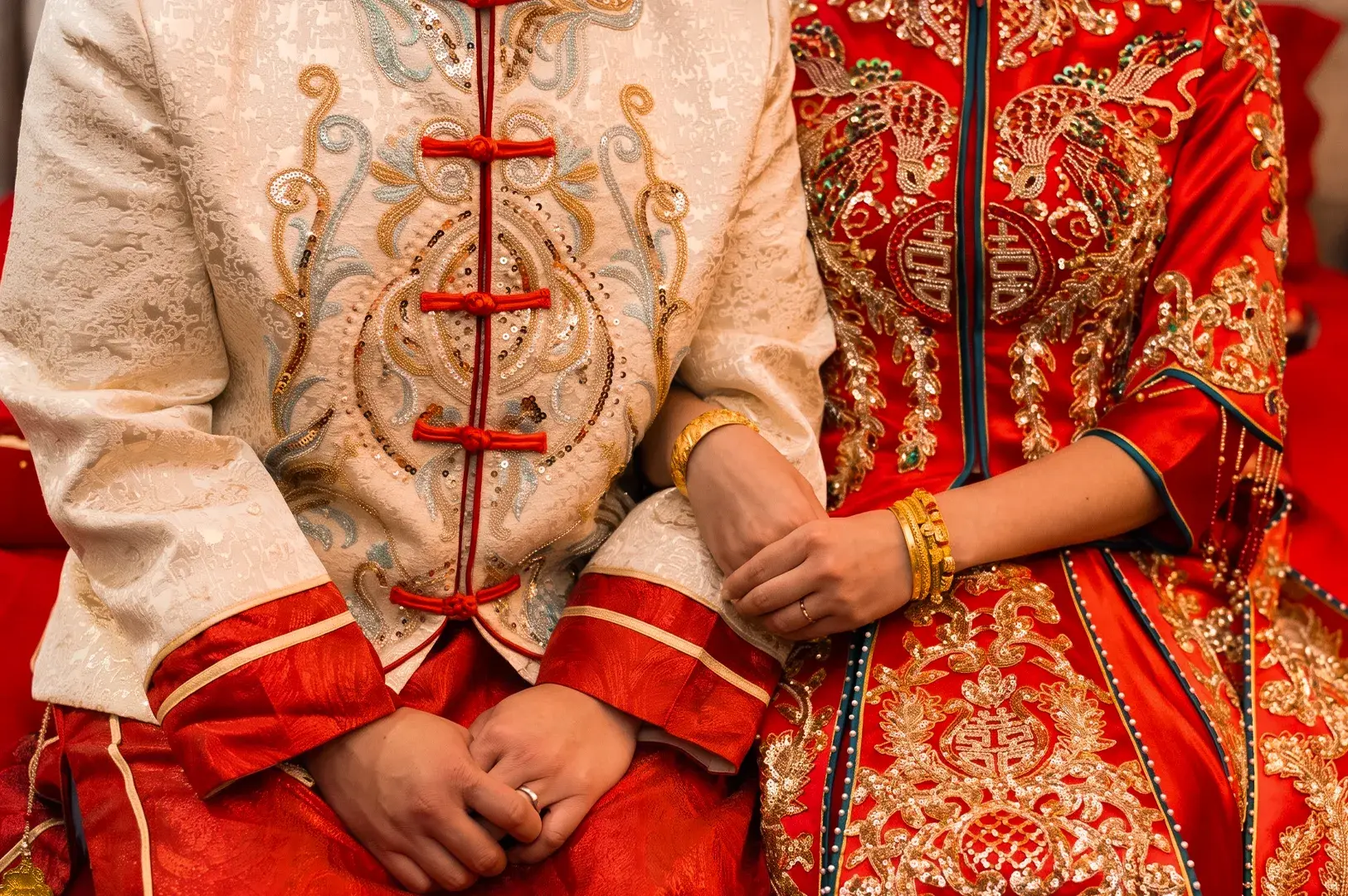
A Chinese tea ceremony, including one held as part of a wedding, has a different cultural context from a Japanese tea gathering. Guests should follow the couple and family's guidance, and a bride may choose a Chinese bridal dress such as a kua or a cheongsam. Red is traditional for many Chinese wedding celebrations, where it represents good fortune, happiness and blessings; the right colour and formality depend on the family's customs.
The kua is a ceremonial outfit often decorated with gold embroidery and dragon-and-phoenix motifs. A cheongsam, also called a qipao, is a fitted one-piece garment. Cheongsam qipao styles range from understated designs to ornate pieces, while modern elegance can come through a clean silhouette, a thoughtful neckline or an A-line cut. These garments are not Japanese tea ceremony attire, so avoid treating traditions from Japan and China as interchangeable.
For brides, styling is part of the overall aesthetic. A kua traditionally pairs with an elaborate headdress, while a cheongsam allows more flexibility in hair, from an updo to soft waves. Makeup can be kept understated to suit the occasion or adapted to the family's wedding customs.
If you are deciding what to wear as a guest, ask the hosts rather than assuming a particular outfit is expected. A wedding party may have its own recommendations for guests, the groom and the bride. For a Chinese ceremony, modest, comfortable clothing that respects the family and occasion is a thoughtful choice.
Dressing for Singapore's Climate and Rooms
Much of what we know about tea ceremony attire comes from Japan, with its distinct seasons and its old wooden rooms. A tea ceremony in Singapore asks for a little translation.
Our afternoons are humid. The walk from the MRT can leave a shirt damp before you have even arrived. Then you step inside, and the air-conditioning settles over you like a cool cloth.
Breathable natural fabrics help with both. Cotton and linen let the body breathe on the way there, and they rest quietly once you are seated. A plain, light layer, a cardigan or simple jacket in a muted tone, can be useful for colder rooms. Choose one that does not rustle when you move.
It also helps to arrive a few minutes early. It gives you time to cool down, change your socks, and let the heat of the street fall away before you step onto the tatami.
What the Outfit Is Really For
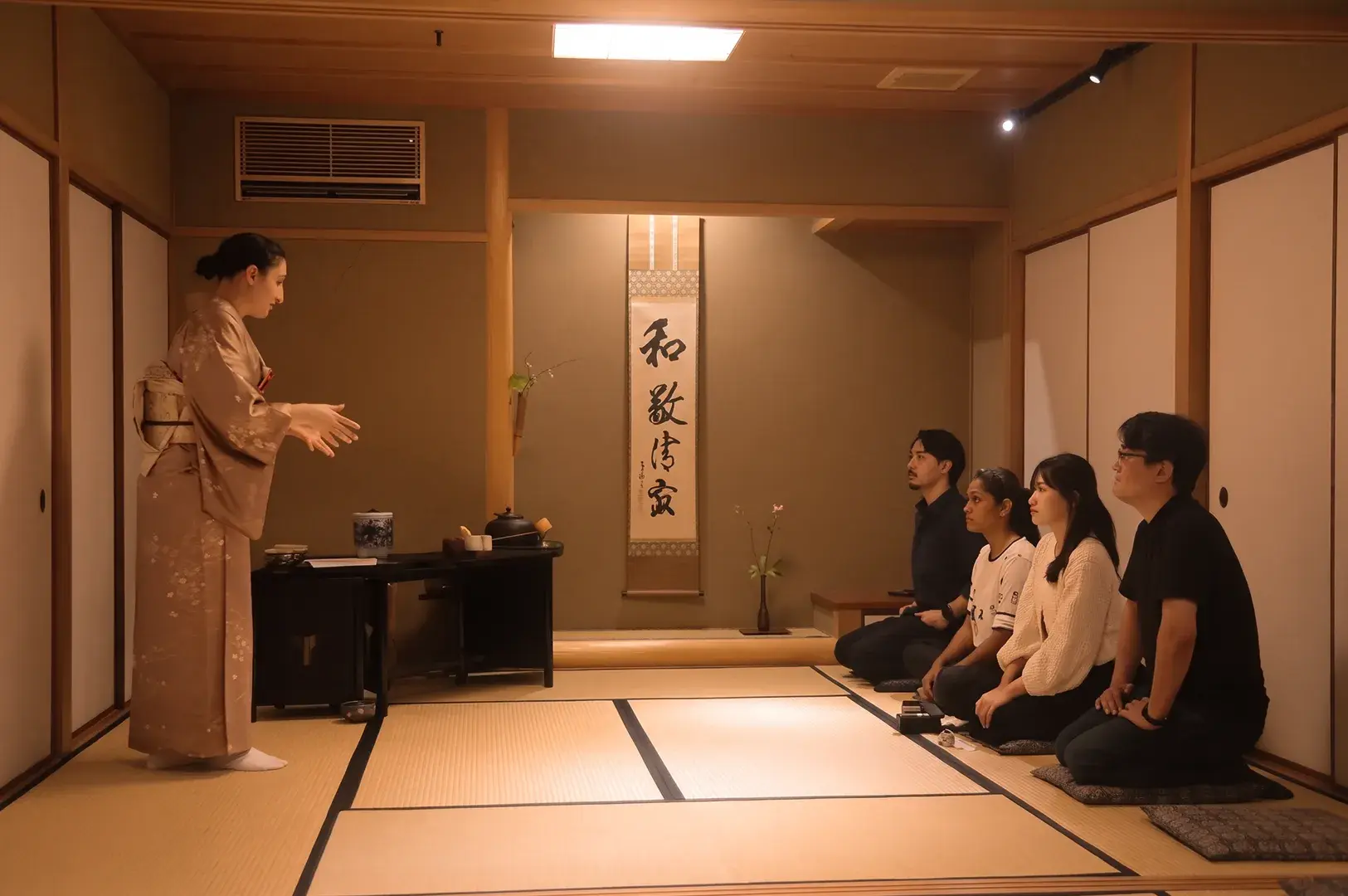
It is easy to read all of this as a list of things to avoid. But the deeper idea is quite simple.
A tea ceremony outfit succeeds when nobody notices it.
When your clothes are quiet, your attention goes elsewhere. To the host's hands as they fold the silk cloth. To the colour of the matcha against the bowl. To the flowers in the alcove, which may have been picked that morning because they belong to this exact season.
There is a reason the tea room is so spare. Everything unnecessary has been taken away, so that the few things left can be seen clearly. The guest who dresses with restraint takes part in that same work, in a small and almost invisible way. Continuing to follow the host's guidance, rather than adding distracting accessories or fragrance, helps preserve the calm shared experience.
Perhaps that is why the dress code feels less like a rule and more like an invitation. You are not being asked to impress anyone. You are being asked to make room.
What You Wear Matters Less Than How You Arrive
Habits vary by school and venue. A formal gathering may ask more of its guests than a relaxed introductory session, and a host's own preferences will always guide the room. When in doubt, ask. No host will mind the question.
But the heart of it stays the same: clean socks, bare wrists, no scent, soft colours and quiet fabric. Choose clothes that let you kneel and be still, and remember that appropriate attire is a way to show respect for cultural heritage.
If you are preparing for your first sitting, or simply curious about the quiet logic behind it, explore Tea Manor's guides to tea traditions and etiquette on the site.

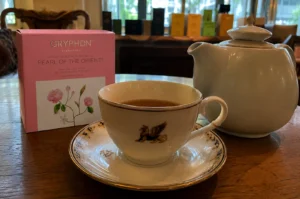
Discovering Gryphon Tea Company’s Earl Grey in Singapore
I recently tried the Earl Grey from Gryphon Tea Company Singapore, and I have to admit, it surprised me. Not because it was flawless-it wasn’t, but because it felt like a tea that knew exactly what it wanted to be. The aroma is the first thing that hits you. Bergamot is present but subtle, not…
-
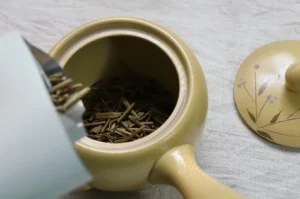
Hojicha: The Roasted Japanese Green Tea With A Mellow Twist
There is a moment, just after the hot water meets the hojicha tea leaves, when the kitchen fills with the aroma of something toasted. Not grassy. Not sharp. Warm, like roasted nuts or the edge of a freshly baked loaf. That moment is where hojicha begins. Hojicha (sometimes spelled houjicha) is a roasted green tea…
-
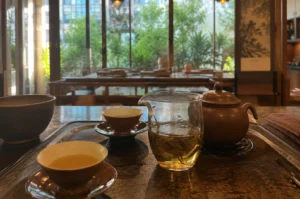
A Quiet Afternoon at Yixing Xuan Teahouse
I recently spent a quiet afternoon at Yixing Xuan Teahouse, a place that feels like a pause in the city. The moment you step inside, the world seems slower. The air carries the gentle aroma of steeped leaves, and the staff move with quiet precision. I chose an oolong, simple yet familiar. Watching the leaves…
-
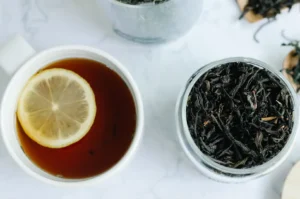
The Controversial Smoky Tea That Divides Enthusiasts: Lapsang Souchong Black Tea
There is a tea that empties rooms and fills them in equal measure. Open a box of loose leaf lapsang souchong black tea, and someone nearby will lean in with delight while another quietly steps away. Few teas provoke such immediate, honest reactions. That divide is part of its story. This smoked lapsang souchong smells…
-
The Tea That Keeps Me Coming Back
I have a tea I return to more than any other. It is not rare. It is not expensive. In fact, most people would probably pass it by without a second thought. And yet, somehow, it has become a quiet companion over the years. I first drank it on a rainy afternoon. I had been…
-
Tie Guan Yin: The Iron Goddess of Chinese Oolong Tea
Tie Guan Yin, also known as Iron Goddess or Iron Goddess Oolong, is a celebrated Chinese oolong tea originating from Anxi County in Fujian Province, China. This tea from Anxi Fujian holds a special place among other teas due to its unique aroma, flavour, and rich cultural story. It is made from the tea plant…
-
Why Tea Shops Might Be the Last Quiet Places We Have
There is a growing habit in Singapore that I find both comforting and slightly unsettling. People are working everywhere now. Cafés, co-working spaces, neighborhood bakeries, even small corner shops. A laptop seems to turn any table into an office. And in many ways, this flexibility is impressive. It reflects how life has adapted to work,…
-
Why Not Every Tea Deserves Your Attention
Tea culture encourages curiosity. There are endless varieties, origins, and rituals to explore. Some teas are rare, some are aged, some are celebrated in distant mountains. The temptation is to try them all, to chase novelty in the hope that every cup will surprise you. But not every tea deserves your attention. I have learned…
-
Sipping Serenity: Where to Enjoy Chamomile Tea Singapore in the City
Singapore moves quickly. The trains run on time, the workdays stretch long, and the humidity outside rarely lets anyone slow down by choice. Yet within this busy rhythm, a quiet counter-current persists. People look for small pockets of stillness, and increasingly, they find one in a warm cup of chamomile tea. There is something fitting…
-
Why Some Teas Taste Better When Shared
I’ve always found that tea, more than most drinks, seems to gain something when shared. A cup alone can be comforting, quiet, even meditative. But a cup shared with someone else, whether a friend, a family member, or a stranger in a small tea house, somehow becomes richer, fuller, more alive. It’s not just the…