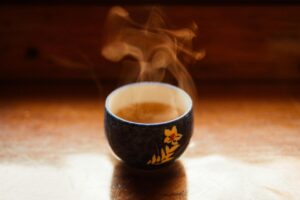
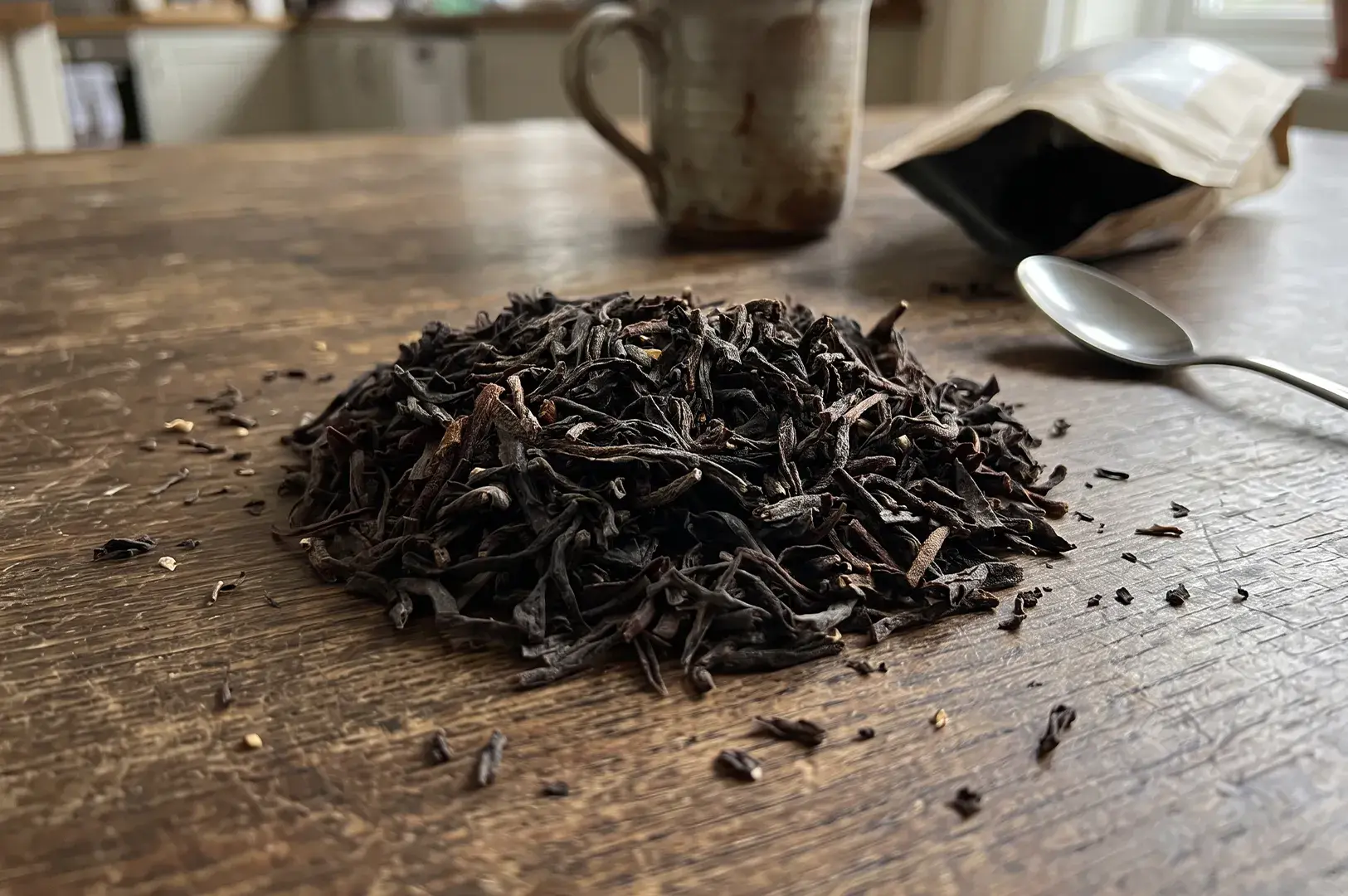
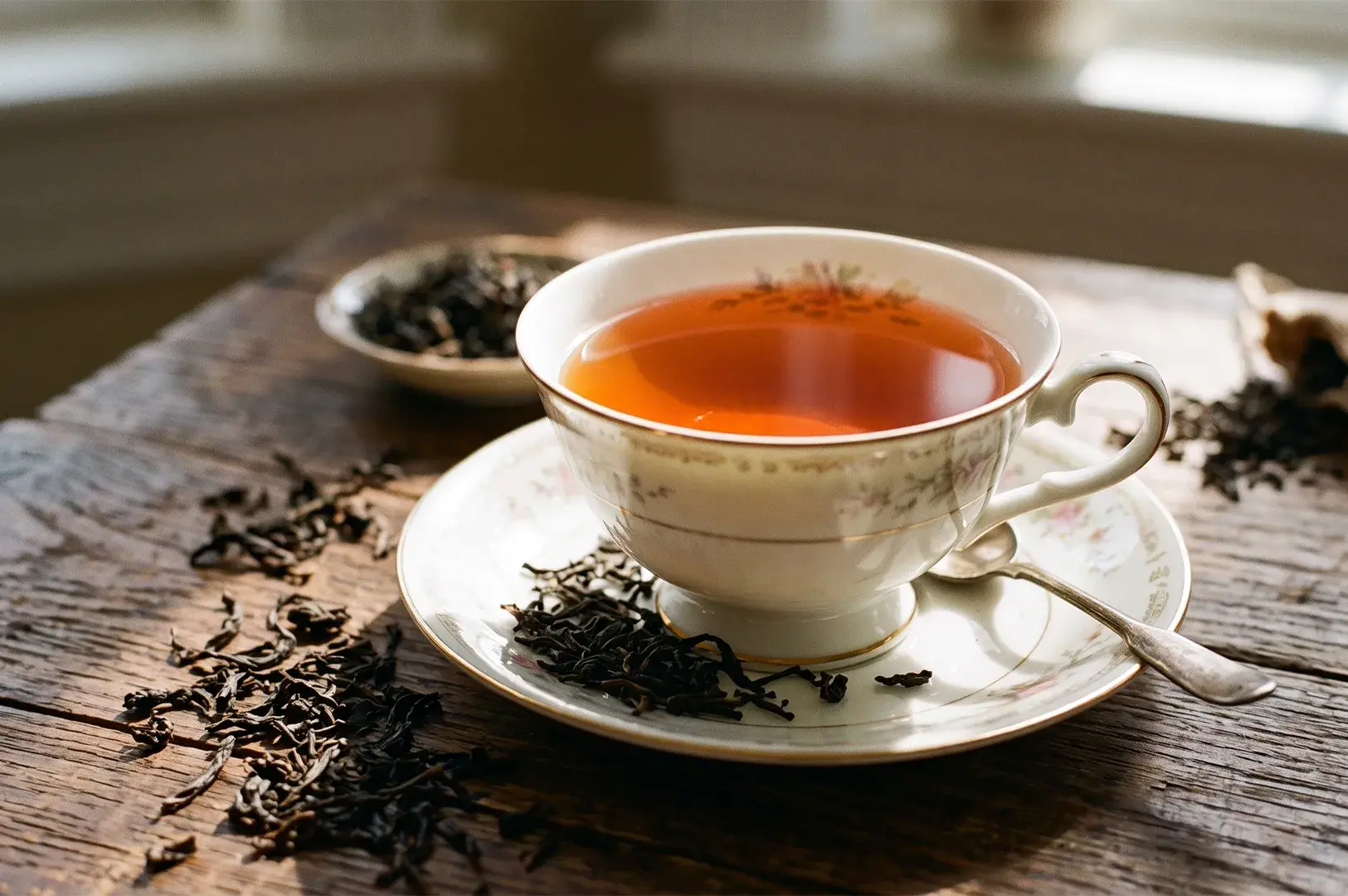
The colour arrives first. A deep amber that darkens towards red as the tea leaves give up their strength.
Then comes the aroma. It is warm and rounded, often compared to malt or the crust of fresh bread. The first sip has weight. It fills the mouth with a rich body and leaves a slight, drying grip at the edges. Many people add milk without thinking twice, and the tea holds its ground with a brisk finish.
That character is not accidental. Assam black tea carries the marks of the Assam region in northeast India, a river valley, a long monsoon with heavy rainfall, a particular plant variety, and the people who grow and make it. Each one leaves something in the cup. Understanding them changes how the tea tastes, or at least how closely we pay attention.
The Landscape Behind Assam Tea Production
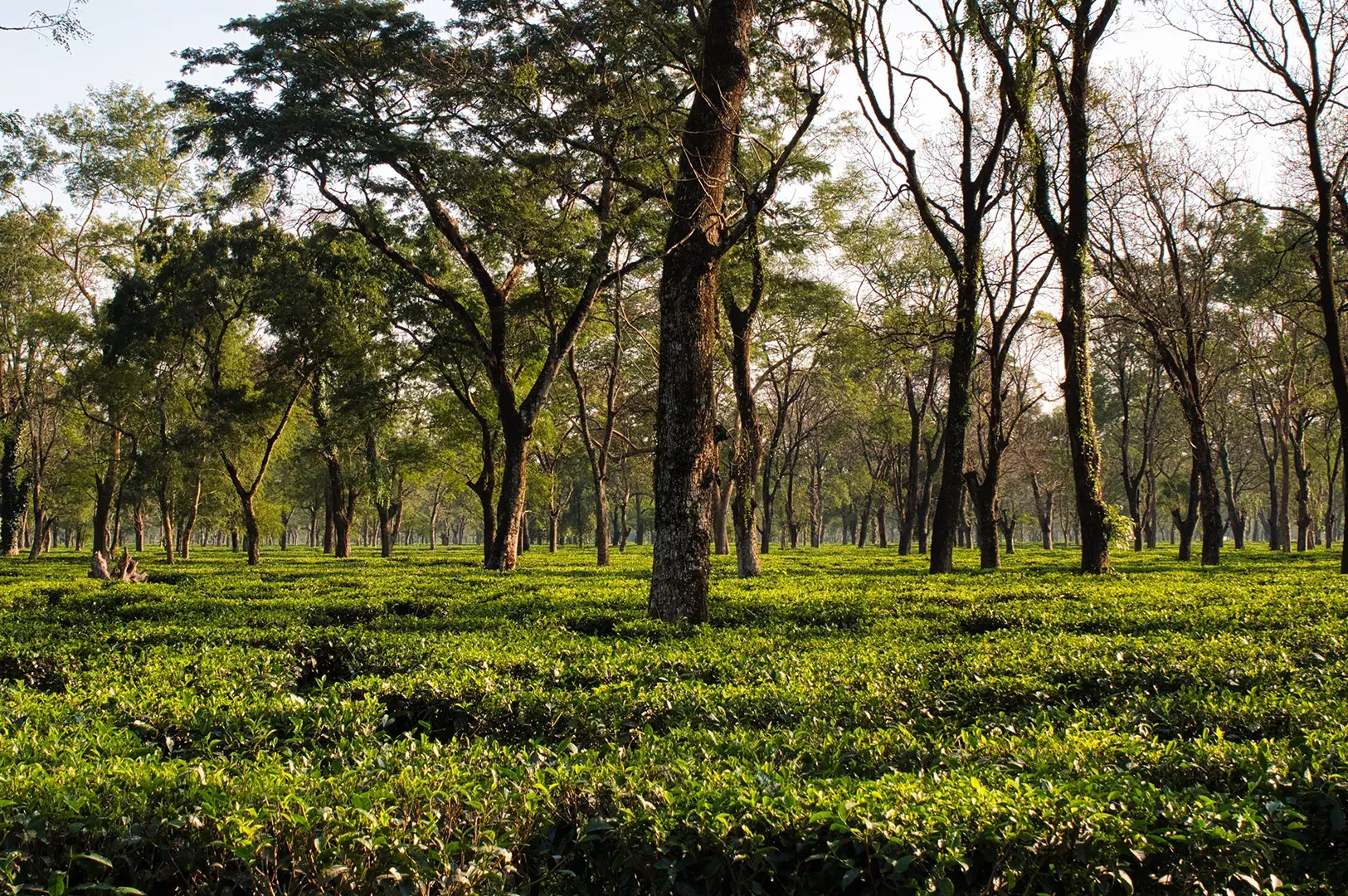
Assam lies in northeast India, and its tea story is closely tied to the Brahmaputra valley. The river runs broad through the state, and much of the tea is cultivated on the low, wide plains along its course near sea level.
This is not high mountain country like West Bengal's Darjeeling, which sits near the northern Himalayas. Many of Assam's tea gardens and tea estates sit at low elevations, where the air is warm and heavy for much of the year. The monsoon brings substantial heavy rainfall, and humidity stays high through the growing season. Tea plants respond to these conditions with steady, vigorous growth.
he Brahmaputra Valley is bordered by hills and highlands, including the Shillong Plateau system to the south and the Himalayan foothills to the north. Together with the river's broad alluvial plains, these features help shape the region's climate, drainage and soils. It would be too simple, though, to say that heat or rain alone creates Assam's flavour. Character in tea comes from many things working together: climate, soil, the plant itself, the timing of the harvest, and the choices made in the factory. The landscape sets the stage. It does not write the whole play.
It is also worth remembering that Assam is not one uniform place. The Brahmaputra valley dominates the tea conversation, but the state also includes the Barak valley in the south, and conditions differ from one district and garden to the next. Two teas from Assam can taste noticeably different, and that variety is part of what makes the region rewarding to explore.
A Plant Suited to the Heat and Cultivation
All true tea comes from one species, Camellia sinensis. Within it, there are two main varieties. The smaller-leaved Chinese Camellia sinensis var. sinensis variety is associated with cooler, higher regions like Darjeeling in West Bengal and the northern Himalayas. The larger-leaved Camellia sinensis var. assamica is closely associated with Assam and the warmer tea-growing regions of South and Southeast Asia.
In plain terms, assamica is a robust plant with broad leaves, at home in exactly the kind of conditions the Brahmaputra valley provides. It tends to produce teas with strength, a full bodied richness, and natural sweetness.
Here a small distinction matters. Assamica names a plant variety, not a place. It is cultivated in other tea-producing countries too, including China. So a tea made from assamica plants is not automatically Assam tea. Assam tea refers to where the leaf was grown.
Health Benefits of Assam Tea
Like other black teas made from Camellia sinensis, Assam tea contains polyphenols, including flavonoids. Researchers have studied black tea consumption in relation to cardiovascular markers such as cholesterol and blood pressure, but findings are mixed and the effects observed in clinical studies are generally modest.
Assam tea is therefore better enjoyed as part of an overall balanced diet than treated as a remedy for cardiovascular. Assam tea contains caffeine, although the amount in a cup varies considerably with the tea, serving size and brewing method, improves alertness and focus, making it a preferred morning tea and a popular alternative to coffee. Its caffeine can contribute to increased alertness, which is one reason strong Assam tea is often associated with breakfast.
Caffeine in teas varies by type and brew, providing a natural boost that enhances alertness and focus.
Tea Production in the Assam Region
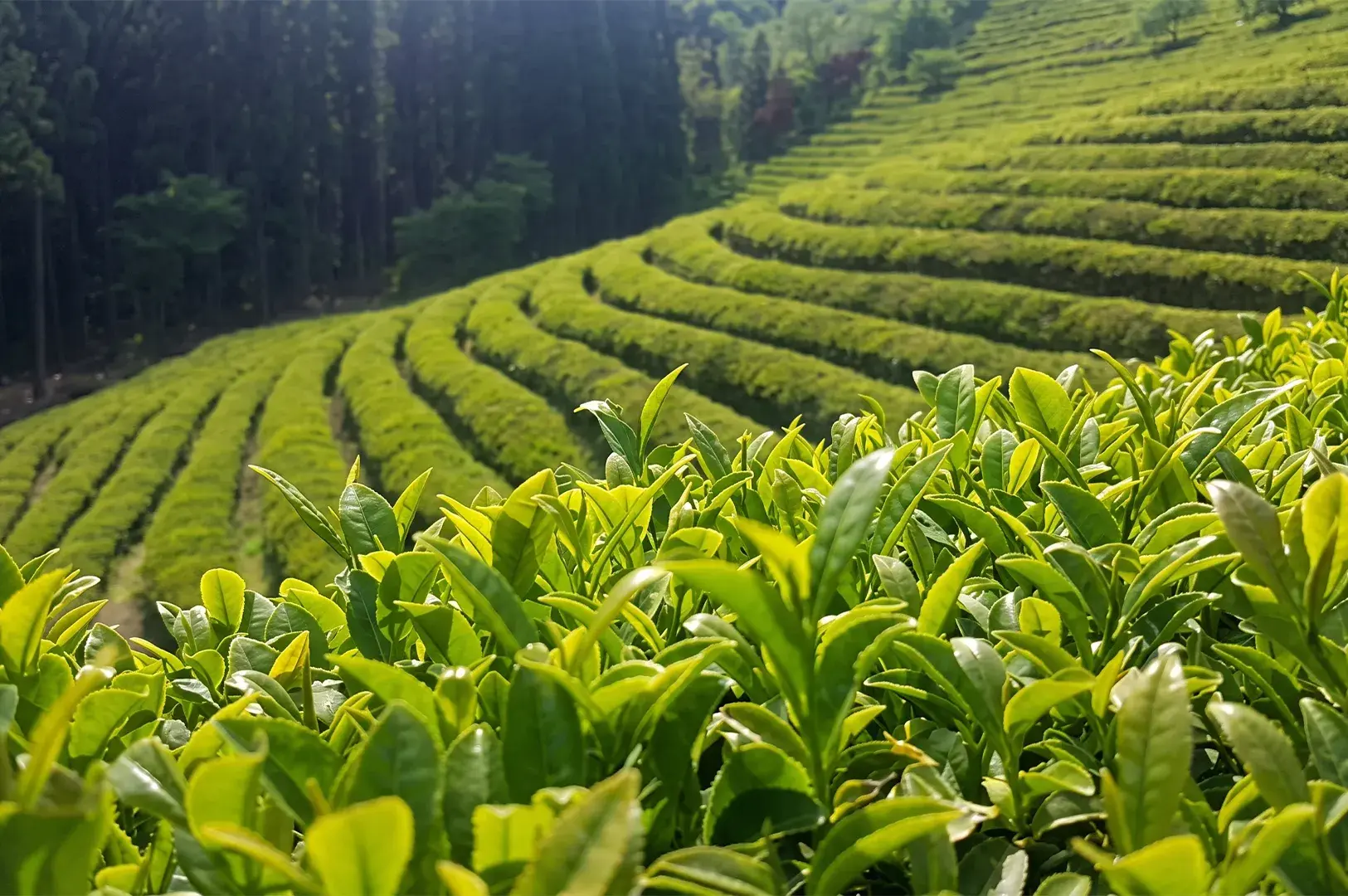
Assam tea production is a story of both tradition and adaptation. The tea industry in Assam is one of the most enterprising tea-producing regions in the world. Assam is India's dominant tea-producing state, accounting for a substantial share of the country's tea output.
Tea production here relies on two main processing methods: the orthodox method and the mechanized crush-tear-curl (CTC) method. Assam produces tea using both orthodox and crush-tear-curl (CTC) methods. Orthodox processing generally preserves larger leaf particles and can produce more layered flavour and aroma, while CTC processing turns the leaf into smaller, more uniform particles that brew quickly and strongly. Fine second-flush orthodox Assam teas can contain visible golden tips and are particularly prized for their rich, full character.
The first flush begins with the spring growth, while the celebrated second flush follows later in the season, typically beginning around May and continuing into early summer.
CTC production breaks tea leaves into granules, creating a strong, dark brew that infuses quickly. This style suits tea bags and milk teas like masala chai, where a bold, consistent base is essential.
The history of Assam tea production includes the story of Robert Bruce, a Scottish adventurer who in 1823 discovered wild tea plants in the region. This discovery helped the British East India Company establish commercial tea plantations, transforming acres of forest into tea gardens and tea estates.
Tea cultivation in Assam benefits from the region's tropical climate, rich loamy soil, and heavy rainfall, all contributing to the unique flavour profile of Assam tea.
Assam Tea in the World of Breakfast Teas
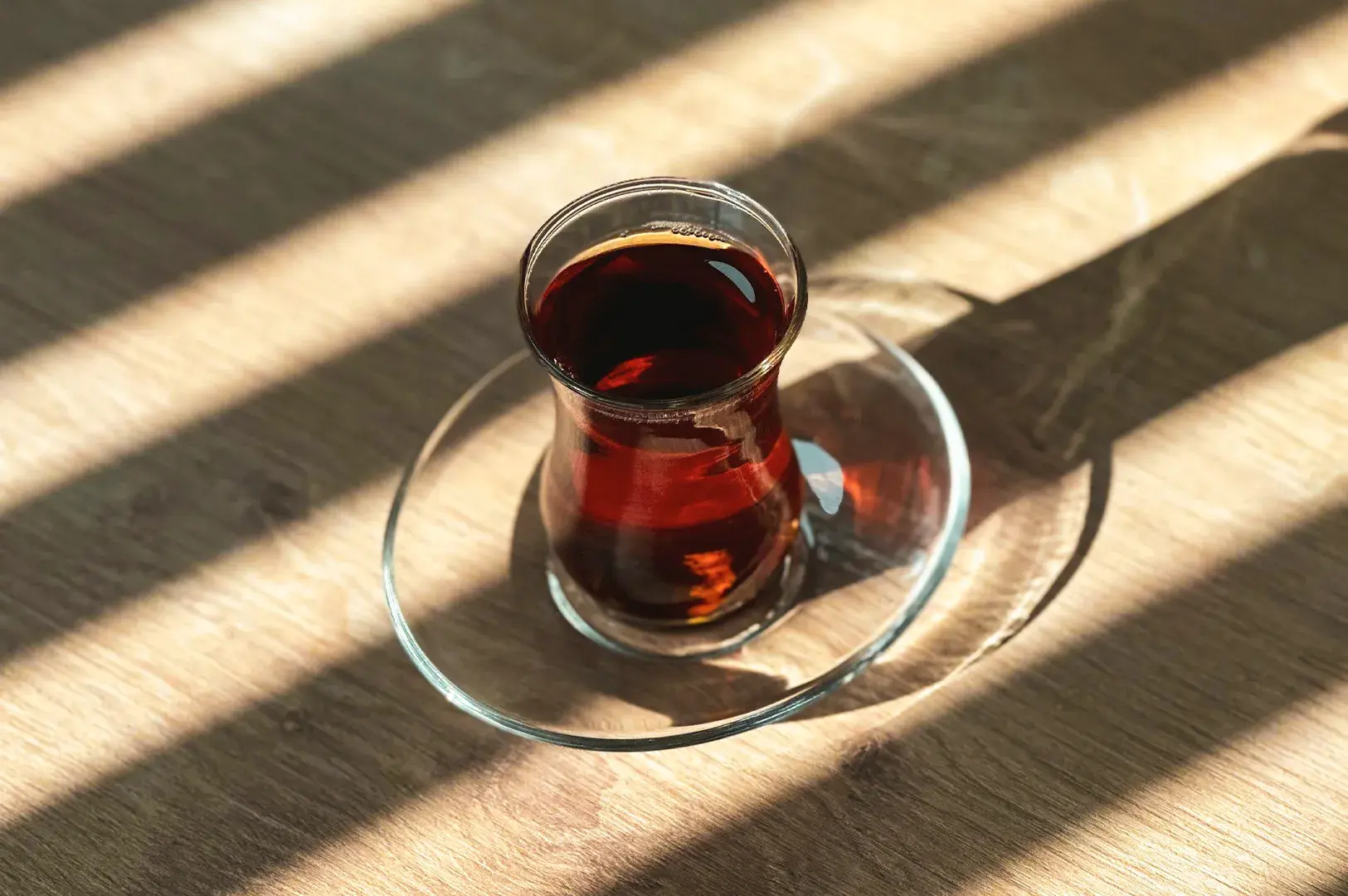
Assam tea is a cornerstone of classic breakfast teas, including Irish breakfast tea and English breakfast tea blends. Its malty flavour, rich body, and brisk finish make it ideal for a morning tea that can stand up to milk and sugar.
Unlike lighter teas such as Darjeeling or Ceylon teas, Assam tea is packed with character and strength. It is also widely used as the base for masala chai, a spiced milk tea enjoyed across India and beyond.
Whether consumed hot or iced, Assam tea offers a smooth, rich experience that reflects its heritage and the skill of those who cultivate and produce it. Assam black tea is widely sold and spread across global markets, cherished by tea lovers for its bold and full bodied flavor.

A Journey into Herbal Teas: Exploring Nature’s Finest Infusions
Imagine cupping your hands around a warm mug, inhaling the sweet, floral scent of chamomile tea or the invigorating peppermint tea aroma from the peppermint plant. As you take the first sip, you feel a sense of calm and comfort wash over you. This soothing experience is the magic of herbal teas, a diverse and…
-
Singapore Tea for Every Palate and Every Ritual
What draws us to seek something deeper in a simple cup of tea? In Singapore, where countless cultures have settled like leaves steeping in warm water, the answer unfolds quietly in the spaces between tradition and modernity. Good tea emerges from patient sourcing, from the steady hands of those who understand its language, from leaves…
-
Where to Find Private Room Singapore Spaces for Tea Rituals
In a city that never truly rests, quiet becomes something you have to choose. You feel it when you’re weaving through Orchard Road in the middle of the day, or squeezing past crowds in the Central Business District at lunch hour. The lights are bright, the notifications keep coming, and even when you sit down, your…
-
Tea Is Losing Its Ceremony — And We Let It Happen
No one announced it. There was no collective decision, no moment of cultural shift. And yet, the ceremony has quietly receded from everyday tea. What was once deliberate has become automatic. Tea used to require attention. Water temperature mattered. Leaves were measured with care. The cup was chosen, not grabbed. Even in the absence of…

The Art of Aging: Understanding Authentic Yunnan Pu-erh Tea
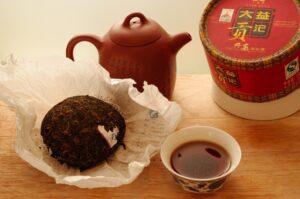
Among the world’s most revered fermented dark teas, few types evoke as much intrigue and respect as Yunnan pu erh tea (普洱). Crafted from ancient tea trees in Yunnan province, this tea produced by traditional methods is a living testament to China’s rich beverage heritage. Unlike most loose leaf tea or black teas, high-quality pu…
-
Cafe Singapore Says It Values Craft. So Why Is Tea an Afterthought?
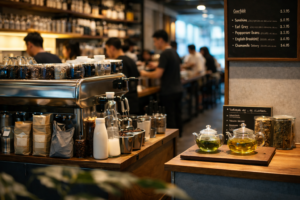
Singapore loves its café culture. We celebrate espresso machines. We admire single-origin beans. We debate tasting notes and extraction times like it is a sport. When someone says “Cafe Singapore,” most of us immediately picture coffee. But look at the tea menu. In many cafés, tea is reduced to a small corner of the page….
-
Tea from Japan: A Journey Through Culture, History, and Varieties
In Japan, tea is not merely a drink; it is a cultural cornerstone, a spiritual discipline, and an integral part of daily life. Tea is an important part of Japanese food culture, traditional ceremonies, and daily routines, reflecting its deep-rooted presence in society. The simple act of preparing and drinking Japanese tea is imbued with…
-
Sobacha: Exploring the Japanese Tradition of Roasted Buckwheat Tea (Sobacha)
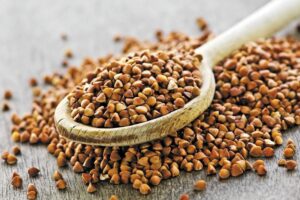
Beyond the celebrated world of Japanese green tea lies a treasure trove of comforting, traditional beverages. Among the most beloved is sobacha (そば茶), a nutty and wholesome roasted buckwheat tea. It’s a staple in Japanese households and restaurants, cherished not just for its delightful flavor but for its deep connection to Japanese culinary culture and…
-
Ginger Tea Singapore: A Practical Journey to Finding and Enjoying This Wellness Beverage
Ginger tea is more than just a comforting beverage in Singapore; it’s a staple of modern wellness, a go-to remedy for chasing away the chill of an air-conditioned office, and a familiar taste of home across many cultures. The gentle warmth of ginger tea provides a soothing and invigorating sensory experience, evoking feelings of coziness…
-
Beyond Coffee: Cafe Singapore Cafes Worth Visiting for Their Tea
Author’s Note: I made just a few tweaks here and there to smooth out the flow and make your reading experience as enjoyable as possible. Hope you enjoy the read as much as I enjoyed fine-tuning it for you! If you close your eyes and imagine a typical cafe Singapore scene, you’d likely hear the…