I often think about how tea fits into a world that moves as fast as ours does. Every day, there are notifications, updates, trends, and posts competing for attention. Memes, videos, tweets, they all demand a response, a like, a share. It is a constant motion that leaves very little space for pause.
And then there is tea.
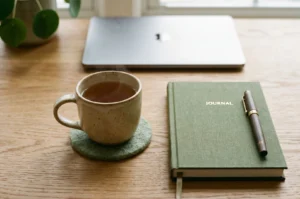
A cup of tea does not scroll. It does not ping. It does not demand attention. It waits, quietly, asking only that you notice it if and when you can.
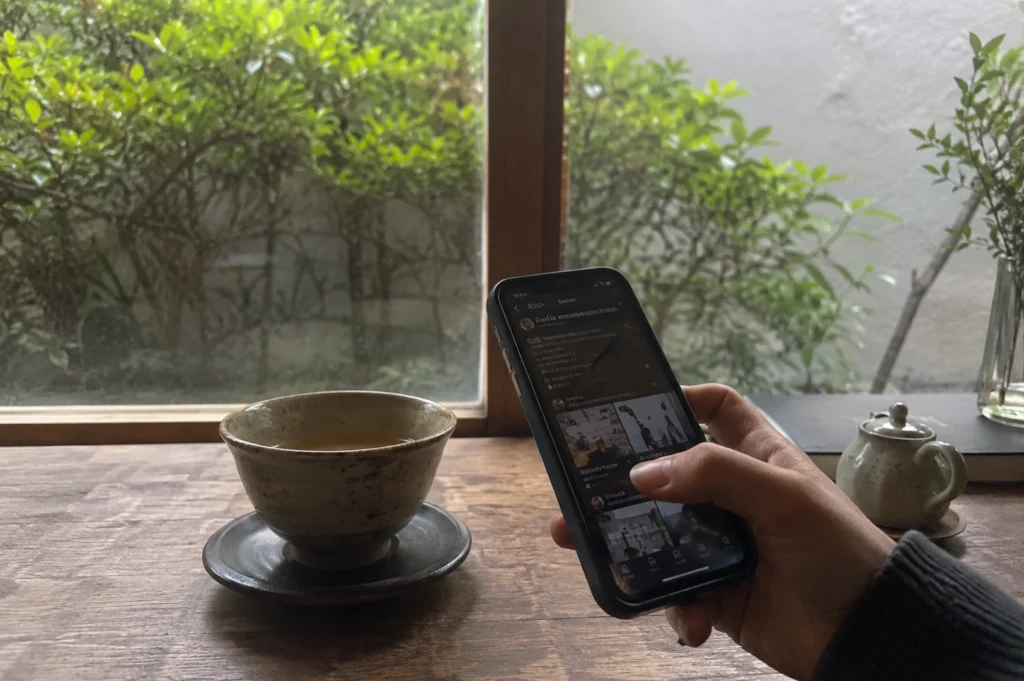
I have shared tea with people who live entirely in that scrollable world. Friends who check their phones mid-sip, who glance at TikTok while the water boils, who measure time in likes rather than minutes. And yet, even for them, tea has a way of slowing things down, even if only slightly. A sip becomes a small anchor in the midst of chaos.
Tea is not flashy. It does not ask for validation. It is not something to be captured in a perfect Instagram post, though many of us try. Its value is subtle. It asks for presence, patience, and willingness to do very little but drink.
That makes tea interesting to talk about with a generation accustomed to instant feedback. The question is not whether tea is “cool” or “trendy.” The question is whether it can exist alongside all the noise without needing to justify itself. And whether we, for once, can let it.
So here is the thought I leave open: in a world that moves endlessly online, can tea still teach us how to pause? Or do we only drink it while half-looking at a screen, scrolling through a feed, and missing half of the cup?
I wonder what you think.
With quiet regard,
N. P. Lim

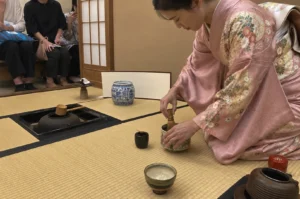
Tea Ceremony: The Hidden Meaning Behind Small Gestures
My first tea ceremony singapore experience left me more worried about etiquette than soaking in the moment. Surrounded by seasoned guests, I focused on getting every gesture right, how to bow, how to hold the cup, afraid of missing some point that makes tea culture here so unique. Looking back, I missed how these small…
-
Why Tea Always Feels More Honest Than Coffee
This might be slightly controversial, but tea has always felt more honest to me than coffee. Coffee often arrives with ambition. Productivity. Hustle culture. The promise that after one cup, you will suddenly become more awake, more focused, more efficient. Tea asks for much less. It doesn’t demand transformation. It simply sits beside you quietly….

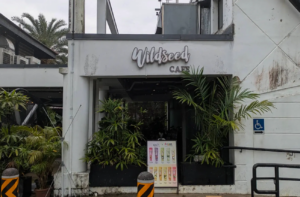
Wildseed Cafe Singapore: A Garden Escape for Tea Lovers
Sometimes, you just need to get out of the concrete city jungle and bask in nature. Last weekend, I was craving a quiet afternoon away from the chaotic mall crowds, so I made a reservation at Wildseed Cafe Singapore. Tucked away in the precincts of Seletar Aerospace Park within The Summerhouse, this multi concept restaurant…

Not Every Expensive Tea Is Actually Better
Tea drinkers rarely say this out loud. But many have probably thought it at least once. Sometimes an expensive tea tastes… fine. Not extraordinary. Not life-changing. Just fine. And yet modern tea culture often treats expensive tea as though it automatically deserves deeper admiration. A rare mountain harvest. Ancient tea trees. A tea produced in…

The Quiet Difference Between Muslim-Owned Cafés and MUIS-Certified Halal High Tea Spots in Singapore
I remember wandering down Arab Street years ago, searching for a quiet café where I could settle into an afternoon of coffee, tea, and conversation. I found a minimalist little space filled with delicate pastries and beautiful dessert displays, but hesitation quietly crept in as I began wondering about alcohol-based syrups, gelatin, and whether the…
-
Why Tea Shops Always Feel Slightly Different From Cafés
I’ve noticed something interesting over the years. People behave differently in tea shops. Not dramatically different, of course. No one suddenly becomes wiser the moment tea is poured. But the atmosphere tends to shift in subtle ways. Conversations slow down. Phones appear less often. Even silence feels more comfortable somehow. Tea shops carry a different…
-
High Tea Halal Singapore: Elegant and Inclusive Dining Experiences
A tiered stand arrives. A pot of tea follows, still too hot to pour. For many of my Muslim friends, there’s usually a quiet moment before anyone reaches for a scone. Someone asks whether the kitchen is halal certified. Only then does the high tea afternoon properly begin. This list tries to take care of…

Why Oolong Tea Always Feels Slightly Mysterious
Oolong tea never feels entirely straightforward. Green tea usually introduces itself immediately. Black tea does the same. You understand them quickly. One feels fresh and bright. The other feels deep and familiar. But oolong tends to sit somewhere in between. Not fully green. Not fully black. Not always easy to describe. Perhaps that is part…
-
Benefits of Black Tea: Why This Everyday Drink Still Matters
For many people, black tea is simply part of a routine. It is the first thing brewed in the morning, poured during afternoon tea, or enjoyed quietly at the end of a long day. Familiarity often makes it easy to overlook, but the benefits of black tea extend far beyond comfort or habit. In the…
-
Why Tea Somehow Tastes Better on Rainy Days
I don’t know when I first started believing this, but tea genuinely feels different when it rains. Not scientifically different, of course. The leaves do not magically change because of the weather. And yet somehow, a cup of tea on a rainy afternoon feels softer, warmer, maybe even a little more comforting than usual. Just…