Tea is one of the world’s most beloved drinks, enjoyed every day across countless cultures. When we talk about tea health benefits, it’s helpful to know the difference between true tea and herbal infusions. True tea comes from the Camellia sinensis plant, giving us popular varieties like green, black, white, and oolong tea. On the other hand, herbal teas are made from a mix of herbs, flowers, and spices and don’t actually contain leaves from the tea plant.
People often wonder how drinking tea fits into their overall well being and diet. Research shows that hot tea and iced tea alike can offer a range of advantages, from boosting mental focus to helping you relax. Here in Singapore, where tea culture is vibrant, understanding these tea health benefits can help you make smart choices about your daily cup. Whether you’re after the antioxidant benefits of fermented tea like black or oolong, or the calming effects of herbal blends, tea can be a delicious, healthful addition to your routine.
Understanding Tea Health Benefits
True teas share the same plant origin but undergo different processing methods. These processing methods dictate the oxidation level of the tea leaves, which in turn influences the final caffeine content and antioxidant properties of the dry tea. White tea is made from young leaves and leaf buds, undergoing minimal processing. Oolong tea is partially oxidized, while black tea is fully oxidized.
The Health Benefits of Tea
The health benefits of tea are largely attributed to natural plant compounds called polyphenols. These compounds act as antioxidants, which studies suggest may help protect cells from damage and contribute to a reduced risk of chronic diseases. Because all true teas come from the Camellia sinensis plant, they offer many of the same health benefits. However, the specific processing methods alter the concentration of certain polyphenols, changing the precise health effects of each variety.
Caffeine levels also vary depending on the type of tea leaf and the brewing process. While a standard cup contains less caffeine than coffee, it still provides a mild stimulant effect. Understanding these profiles helps individuals select the right tea for their specific nutrition and lifestyle goals.
Tea is good for hydration and provides essential fluids along with small amounts of minerals like potassium and magnesium, contributing to overall nutrition facts beneficial for health.
Green Tea Health Benefits
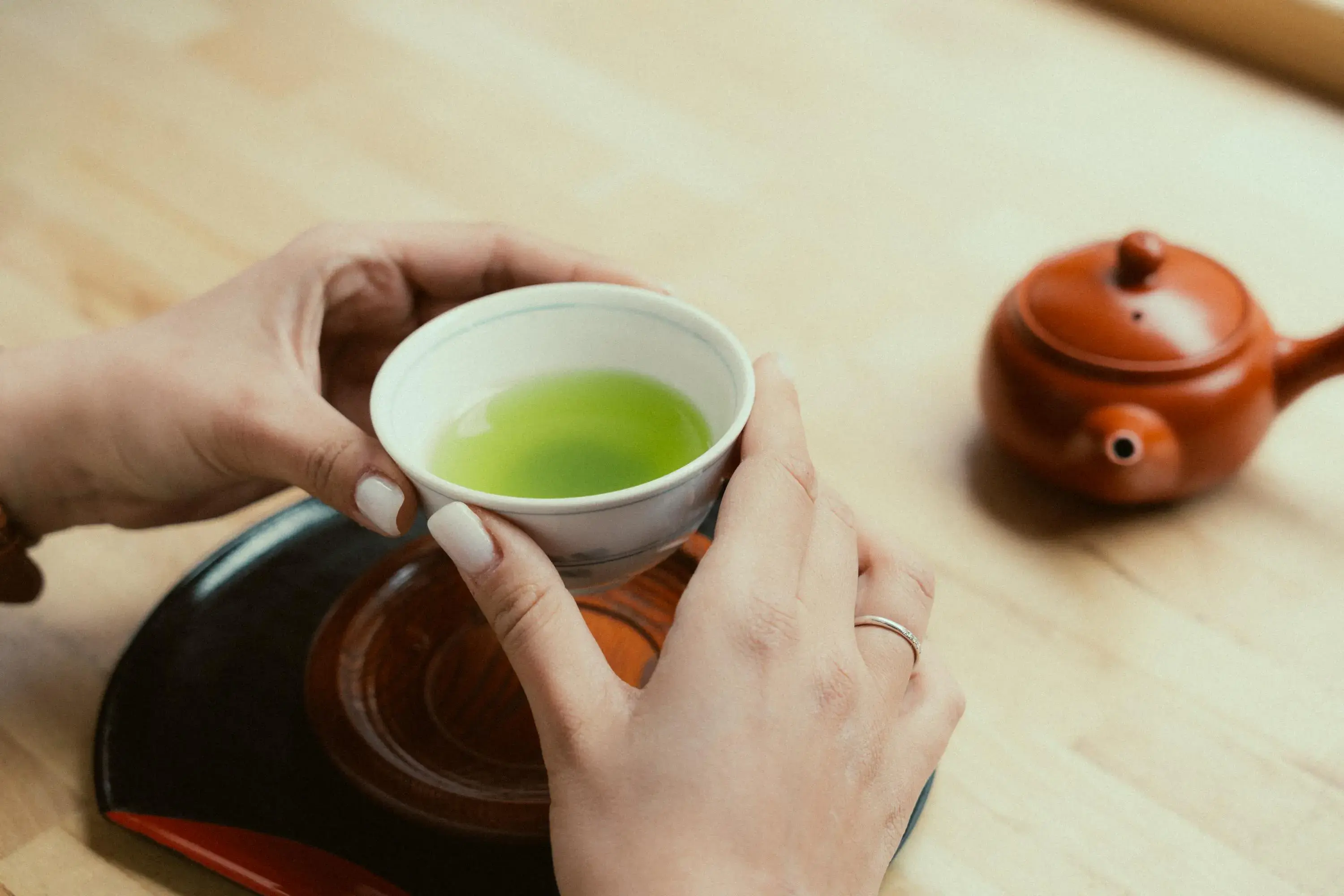
Green tea is unoxidized, which means the leaves keep a high amount of catechins, especially epigallocatechin gallate (EGCG). These antioxidants are believed to offer a bunch of health perks. Plus, green tea has less caffeine than coffee, making it a great pick if you want a gentle mental boost without the jitters.
You might have heard that green tea can help with weight loss, and there’s some truth to that. When paired with a healthy diet and exercise, the compounds in green tea may help rev up your metabolism and increase fat burning, including reducing visceral fat. That said, we still need more research to fully understand how green tea affects weight management over the long haul.
For a comprehensive guide on drinking green tea and its benefits, you can visit the detailed article at Tea Manor.
Green Tea, Blood Pressure, and Cardiovascular Disease
Nutrition research frequently examines the relationship between green tea and cardiovascular disease. Some studies suggest that regular green tea consumption may support the health of blood vessels and reduce the risk of certain heart issues. Furthermore, research indicates that green tea may help lower high blood pressure in some individuals. While these findings are promising, green tea should be viewed as a complementary part of a balanced lifestyle rather than a medical treatment.
Green tea's antioxidant properties may also help reduce the risk of cancer, though more studies are needed to confirm these effects. Drinking four cups of green tea daily has been linked to a reduced risk of premature death, highlighting its potential role in longevity.
Black Tea Health Benefits and Daily Drinking Tea Habits

Black tea is fully oxidized, which gives it a darker colour and a distinct flavour profile. This oxidation process creates different types of polyphenols, such as theaflavins and thearubigins. Black tea consumption is associated with several potential health benefits, particularly concerning heart disease. Studies suggest that drinking black tea may help maintain healthy cholesterol levels.
Healthy Eating and a Cup of Tea
A standard one cup of tea made from mature leaves offers a refreshing and hydrating alternative to plain water. Drinking four or more cups daily can provide even greater risk reduction for several health conditions. Regular tea consumption fits perfectly within a healthy eating lifestyle when enjoyed mindfully. To get the most out of your tea's nutrients and anti inflammatory properties, it's best to drink it without added sugar.
Keep in mind, black tea contains more caffeine than green or white tea, but still generally has less caffeine than a standard cup of coffee. Using boiling water to brew your tea properly helps unlock its full taste and health benefits, including lowering cholesterol and supporting cognitive function thanks to compounds like L-theanine.
So go ahead, savor your cup and enjoy all the amazing tea health benefits it has to offer!
Herbal Teas for Relaxation and Sleep
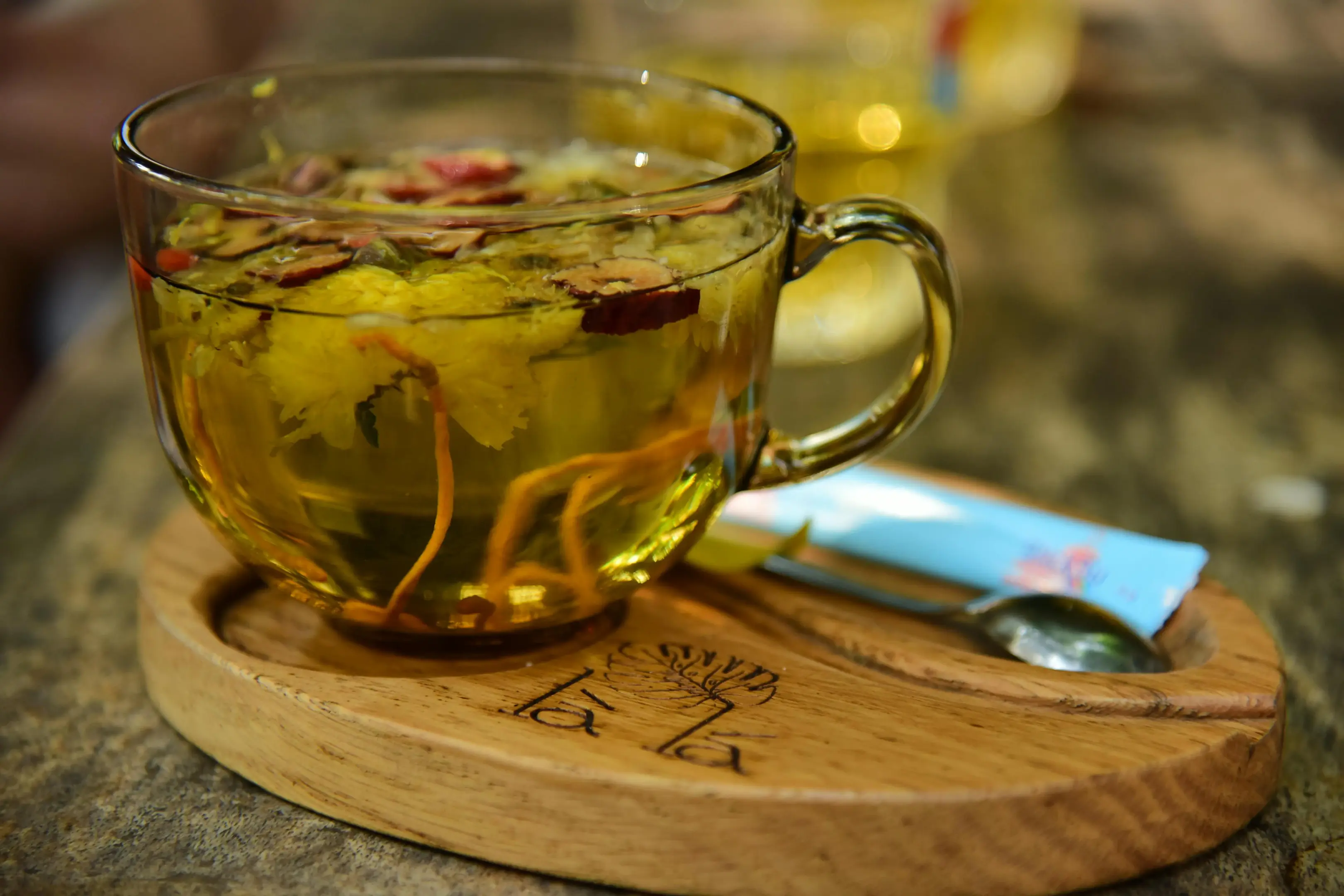
Herbal teas are naturally caffeine-free, which makes them perfect for sipping in the evening or whenever you need a little mental calm. Since they don’t come from the Camellia sinensis plant, their benefits really depend on the herbs and botanicals used. Take chamomile tea, for example, it’s a popular go-to when you want to relax.
Research shows that chamomile has a compound called apigenin, an antioxidant that connects with certain receptors in your brain. This can help ease anxiety and make it easier to fall asleep. That’s why chamomile is often called a tea for sleeping. Making a habit of enjoying calming herbal teas in the evening can send a gentle signal to your body that it’s time to wind down and get ready for rest.
Tea for Heartburn and Digestive Comfort
Digestive discomfort often prompts individuals to seek soothing beverages. When selecting a tea for heartburn, careful consideration is required. Highly caffeinated true teas may relax the lower esophageal sphincter, potentially worsening acid reflux. Therefore, individuals with high caffeine sensitivity or specific gastrointestinal issues often turn to herbal alternatives.
Managing Health Conditions with Tea
Herbal infusions like ginger or liquorice are frequently used to support digestive comfort. When managing digestive health conditions, the temperature of the beverage also matters. Tea served hot can sometimes irritate a sensitive esophagus; allowing the drink to cool slightly may provide better relief. As always, those with chronic digestive issues should consult healthcare professionals, as tea may help alleviate mild symptoms but is not a substitute for medical care.
Health Risks and How Much Tea to Drink
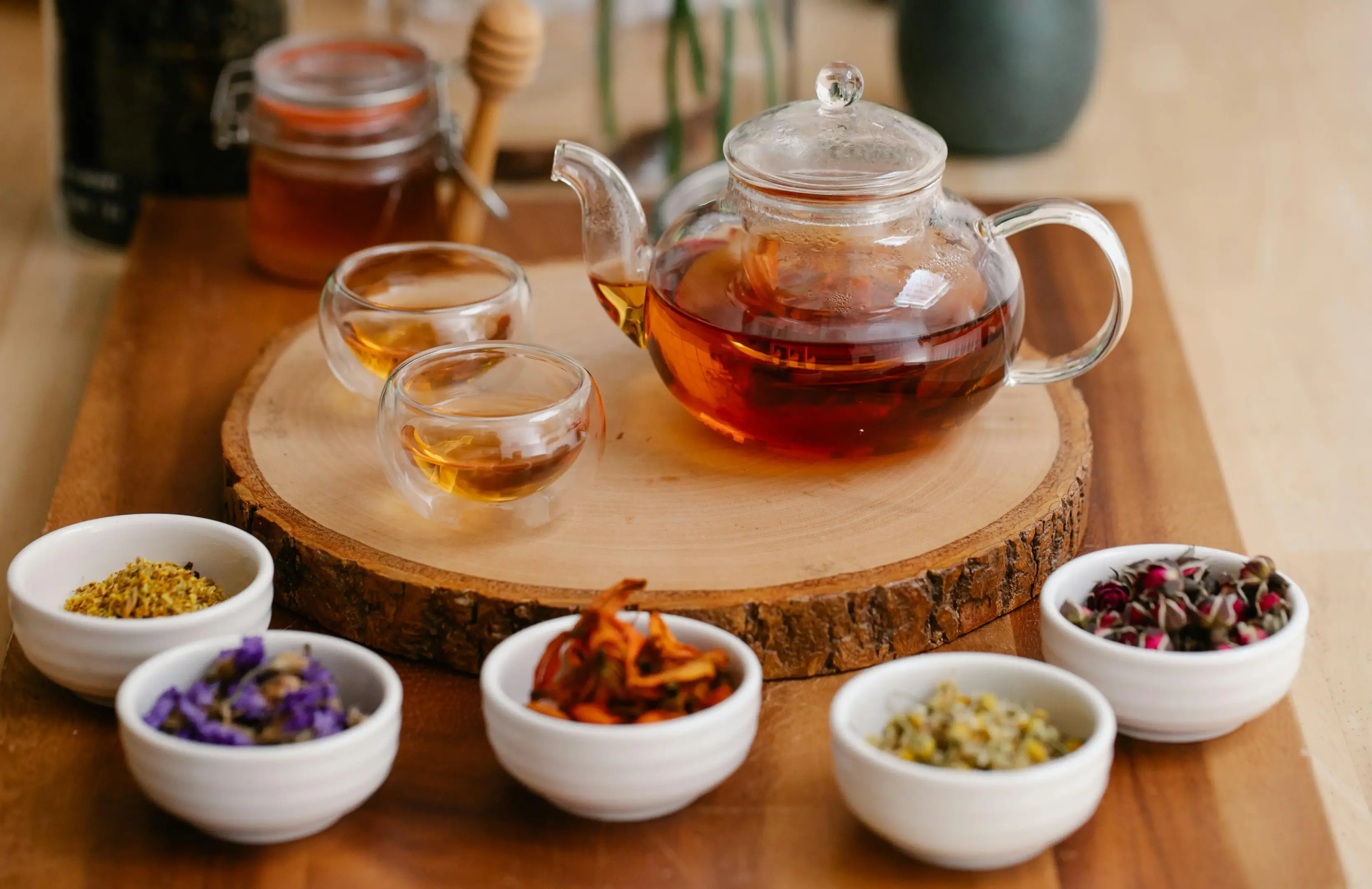
While tea is generally safe, drinking too much can cause some issues. The main concern is getting too much caffeine, which might mess with your sleep, make you feel anxious, or raise your heart rate. Most health experts agree that sticking to about three or four cups a day is a safe bet.
Iron Absorption and a Cup of Tea
Another consideration involves iron absorption. Tea contains tannins, which can bind to non-heme iron found in plant based foods, reducing the body's ability to absorb this essential mineral. For individuals at risk of iron deficiency anaemia, research suggests consuming tea between meals rather than directly alongside iron-rich foods. Balancing tea intake ensures that individuals can enjoy the many health benefits of tea while minimizing any lower risk nutritional complications.
Comparing Common Types of Tea
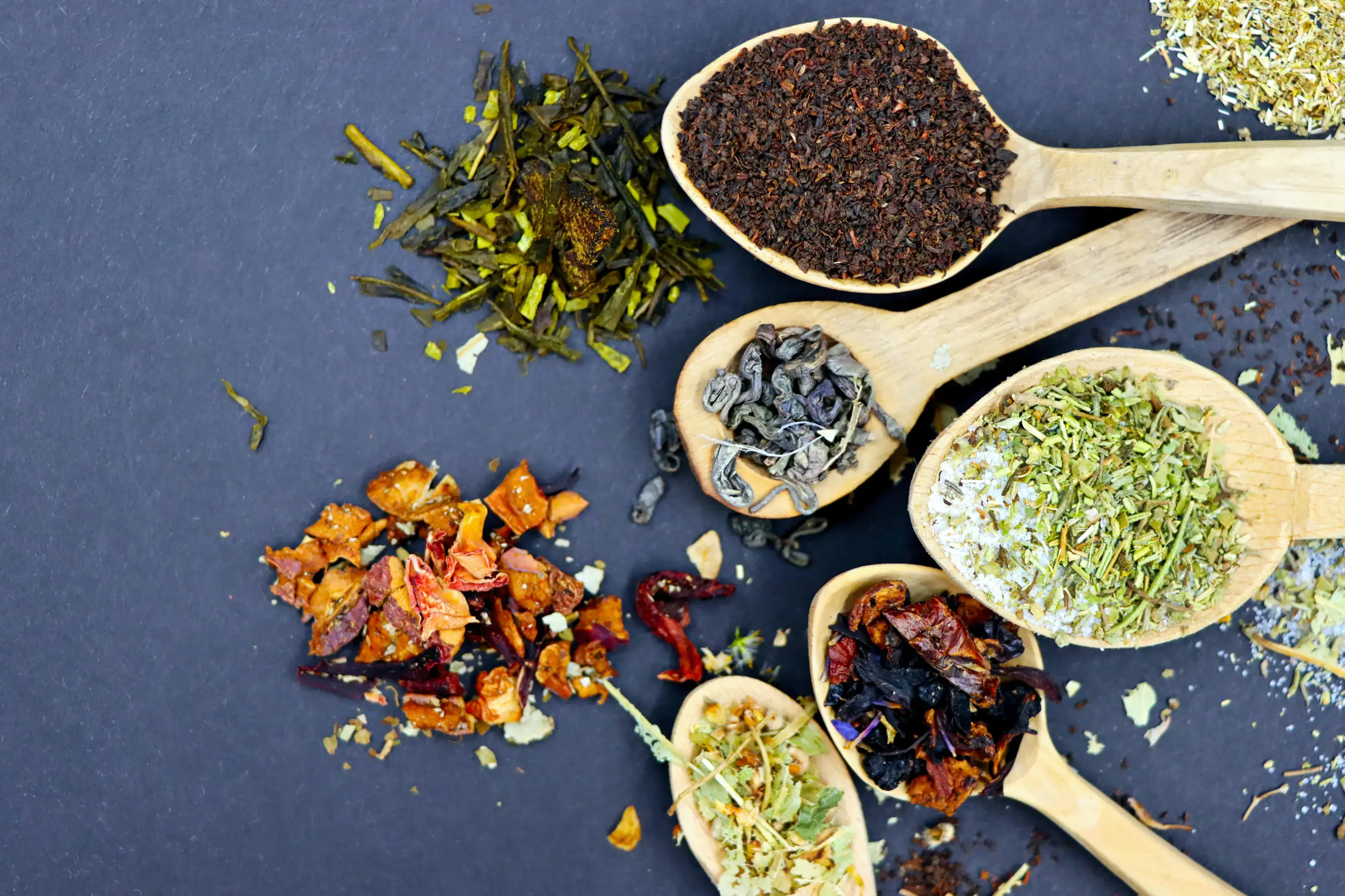
To assist in selecting the appropriate beverage, the following table compares common tea varieties based on their processing, caffeine content, and commonly discussed health effects.
| Tea Type | Processing Methods | Caffeine Level | Typical Flavour Profile | Commonly Discussed Health Effects | Common Uses |
|---|---|---|---|---|---|
| Green Tea | Unoxidized, steamed or pan-fired | Low to Medium | Grassy, vegetal, light | Antioxidant properties, cardiovascular health, mental focus | Morning or afternoon focus; internal pairing suggestion: exploring Matcha and Japanese tea. |
| Black Tea | Fully oxidized, crushed, and dried | Medium to High | Robust, malty, earthy | Cholesterol management, heart health | Breakfast beverage, alternative to coffee. |
| White Tea | Minimal processing, natural drying | Low | Delicate, floral, sweet | Cellular protection, antioxidant support | Light afternoon refreshment. |
| Oolong Tea | Partially oxidized, bruised | Medium | Complex, floral to roasted | Metabolism support, digestive aid | Accompanying meals; internal pairing suggestion: Tea brewing techniques. |
| Herbal Teas | Dried herbs, flowers, spices | Caffeine-free | Varies widely (floral, spicy, sweet) | Relaxation, sleep support, digestive comfort | Evening wind-down, tea for sleeping. |
Conclusion
The health benefits of tea make it a valuable addition to a balanced lifestyle. From the antioxidant-rich profiles of green and black tea to the soothing properties of herbal infusions like chamomile tea, there is a beverage suitable for various wellness goals. Whether seeking a tea for relaxation, enhanced focus, or digestive comfort, understanding the differences in processing methods and caffeine content is essential.
Ultimately, tea is most beneficial when consumed in moderation and without excessive added sugar. By replacing sugary popular drinks with a thoughtfully brewed cup, individuals can support their hydration and overall wellbeing. As nutrition research continues to explore these ancient beverages, maintaining a balanced approach to daily tea consumption remains the most effective strategy for long-term health.
For those interested in exploring authentic tea experiences and varieties, a detailed guide to best tea houses in Singapore can be found at Tea Manor.

“Rare” Tea Is Often Manufactured Scarcity: Here’s How to Tell
There is a word in tea that carries unusual power. Rare. It immediately creates curiosity. A rare harvest. A rare batch. A rare tree. A tea that may never return. The suggestion is simple: if something is difficult to obtain, it must be more valuable. Sometimes, this is true. Some teas are genuinely limited because…
-
LiHO Tea Singapore: A Greeting You Can Drink
Some words carry a whole childhood inside them. Li ho. I heard it at kopitiam tables, across corridors, from uncles who never waited for a real answer. It meant “how are you,” but it also meant I see you. So when I saw that name on a tea shop sign, somewhere in the middle of…

The Myth of “Perfect” Tea: What I Stopped Chasing
For a long time, I thought I was looking for the perfect tea. I imagined there would be a moment when I found the one. The tea that made every other tea feel unnecessary. The tea I would recommend to everyone. The tea that would finally make me understand what true appreciation was supposed to…
-
Teh O: Understanding the Tea Order Behind the Name
There is a stall near where I grew up that has changed hands twice, but the tea has stayed the same. I still remember the first time I ordered teh o on my own, sometime in my early teens, mumbling the words at the counter and half-expecting to get them wrong. The uncle didn’t blink….
-
Stop Buying Tea for the Aesthetic: How Packaging Hijacks Taste
There is something fascinating about the way we buy tea today. Before we taste the leaves, we have already formed an opinion. The box is elegant. The label is beautifully designed. The colours suggest calm, luxury, or tradition. The story feels carefully written. And before the first sip, we have already decided that the tea…
-
A Tea Table in the Clouds: The Westin Singapore High Tea Review
It was one of those afternoons when the city felt too loud and too fast, and I wanted to sit somewhere quiet without really explaining why. So I went up. All the way up, to Level 32 of The Westin Singapore, where the Lobby Lounge sits above the noise like it knows something the rest…
-
“Caffeine-Free Tea” Confuses Everyone—Let’s Fix the Language
I have noticed that tea conversations can become surprisingly confusing. Not because tea itself is complicated, but because we sometimes use the same words to mean completely different things. One phrase that always catches my attention is “caffeine-free tea.” It sounds simple enough. A tea without caffeine. But is that really what we mean? Because…
-
The Pull, Pour, and Ritual Behind Singapore’s Favourite Milk Tea: Teh Tarik
It starts with a sound. A long ribbon of tea, arcing from one metal mug held high to another held low. The stream catches the light. Then the froth rises, pale and soft, and the whole thing gets poured back and lifted again. Nobody at the stall looks up. This happens a hundred times a…
-
Stop Chasing Tasting Notes: Tea Isn’t Wine and That’s a Relief
I have a small confession to make. Sometimes I have absolutely no idea what I am supposed to be tasting. A tea description might promise orchid, honey, toasted nuts, stone fruit, and something wonderfully mysterious called a “long mineral finish.” I take a sip. I taste tea. And then I start wondering if everyone else…
-
Chinese Tea Sets: Beautiful on the Table, But How Do They Brew?
There is a small arrangement on the table this evening, and I have not touched it yet. A pale bowl with a lid resting slightly askew. A round pitcher beside it, waiting to be filled. Cups no larger than a thumb and two fingers, lined up like a quiet sentence. The surfaces catch the last…