Tea Snobs Made Brewing Hard—So I’m Making It Simple Again
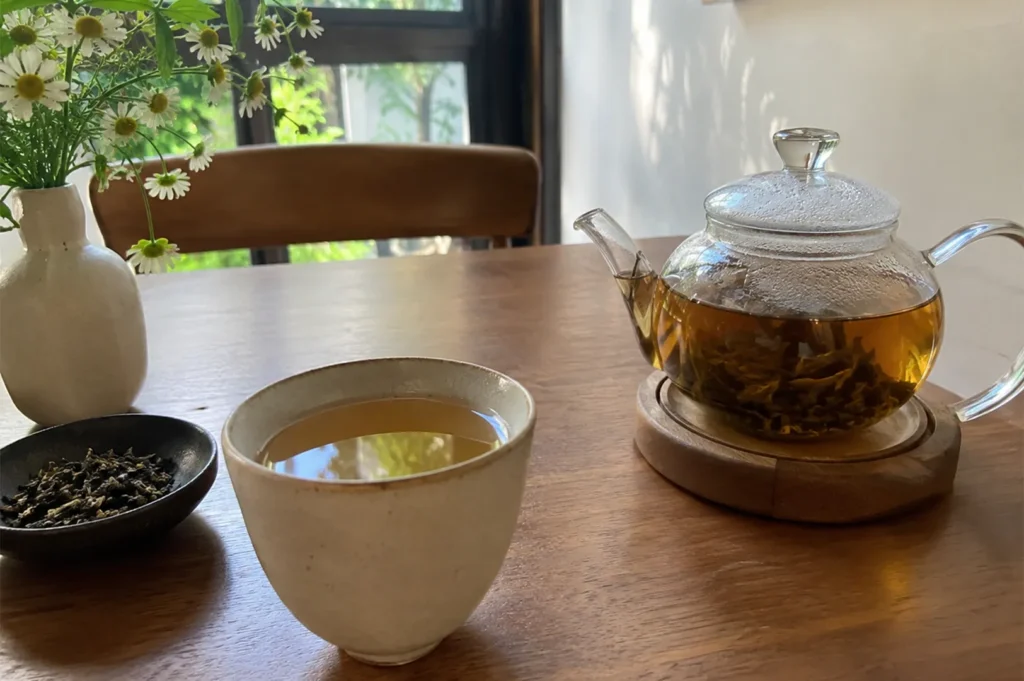
There was a time when I thought I was making tea incorrectly.
The water was probably too hot. The leaves were probably wrong. The pot was certainly not the right one.
At least, that was what I had been led to believe.
Tea culture can make a simple act feel surprisingly complicated. We have temperatures to remember, measurements to follow, vessels to choose, and opinions about almost everything that happens between the kettle and the cup.
Some of this knowledge is useful.
Much of it is.
But I have come to believe that tea should not feel like an examination.
The purpose of brewing tea is not to demonstrate how much we know about it. It is to make a cup we want to drink.
I still pay attention to water temperature and steeping time. I still enjoy experimenting with different vessels and techniques. The difference is that I no longer treat these things as commandments.
They are tools.
There is a distinction worth making.
A skilled tea drinker understands how variables affect the cup. A tea snob sometimes makes you feel as though there is only one acceptable way to drink it.
The first invites curiosity.
The second creates hesitation.
I have watched people become nervous around tea because they are afraid of getting it wrong. They measure everything carefully, then apologise when the tea does not taste the way they expected.
That seems unfortunate.
Tea should encourage exploration, not anxiety.
Some of the best cups I have had were not prepared perfectly. They were brewed in ordinary mugs, with ordinary water, by people who were more interested in sharing the tea than demonstrating their technique.
The tea was not diminished by this.
If anything, it felt more alive.
So I have simplified my own approach.
Use good leaves.
Use water you enjoy drinking.
Pay attention.
Taste the tea.
Then adjust.
That is enough.
There is nothing wrong with learning the finer details of tea. There is great satisfaction in understanding the craft.
But knowledge should make the cup more enjoyable, not make us afraid to brew it.
Perhaps the simplest way to appreciate tea is to stop worrying about whether we deserve to call ourselves tea experts.
We only need to be willing to drink the tea.
With quiet regard,
N. P. Lim

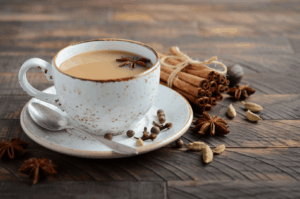
Masala Chai Origins: The Cultural Evolution of India’s Spiced Tea Tradition
The rhythmic clanging of metal kettles echoes through narrow lanes as steam rises from countless chai stalls across India. The intoxicating aroma of cardamom, cinnamon, and fresh ginger mingles with robust black tea, creating an olfactory symphony that has captivated souls for centuries. This is masala chai-not merely a beverage, but a cultural phenomenon that…
-
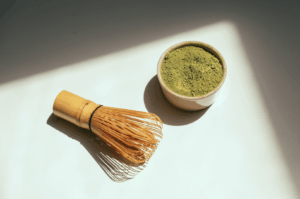
Matcha Tea: The Versatile Japanese Green Tea Powder
The vibrant green powder that transforms simple hot water into liquid jade has captivated tea enthusiasts worldwide. Matcha tea represents more than just a trendy beverage-it’s a bridge connecting ancient Japanese traditions with modern culinary innovation. This unique form of powdered green tea offers endless possibilities, from meditative ceremonial drinking to creative kitchen applications that…
-
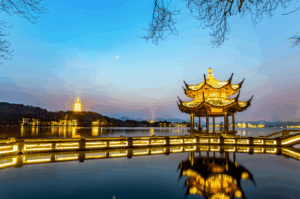
The Dragon Well Legacy: Exploring China’s Legendary Longjing Tea
Among the world’s most revered green teas, few carry the prestige and cultural significance of China’s legendary Dragon Well. This premium tea has captivated tea enthusiasts for centuries, earning its place as an imperial favourite and modern icon alike. From its mystical origins at West Lake to its meticulous processing methods, Longjing represents the pinnacle…