Anyone who has waited at a bus stop at midday in Singapore knows how much shade matters. You step under the roof, the glare softens, and everything slows down a little.
Tea plants respond to shade too, though in their own way. In parts of Japan, farmers deliberately cover their tea bushes in the weeks before harvest. The young leaves grow under filtered light, and the tea made from them tastes noticeably different.
That tea is gyokuro, a treasured jade dew of Japanese tea connoisseurs.
The title of this piece is poetic. Gyokuro does not literally grow in darkness, and the leaves are not shut away indefinitely. But shade sits at the centre of its identity, and understanding gyokuro tea means understanding what happens when a leaf is asked to wait in softer light.
What Is Gyokuro? A Favorite Tea Among Japanese Tea Lovers
Gyokuro is a Japanese green tea made from the Camellia sinensis plant, the same species behind sencha, matcha, oolong and black tea. That makes it a true tea, not a herbal infusion.
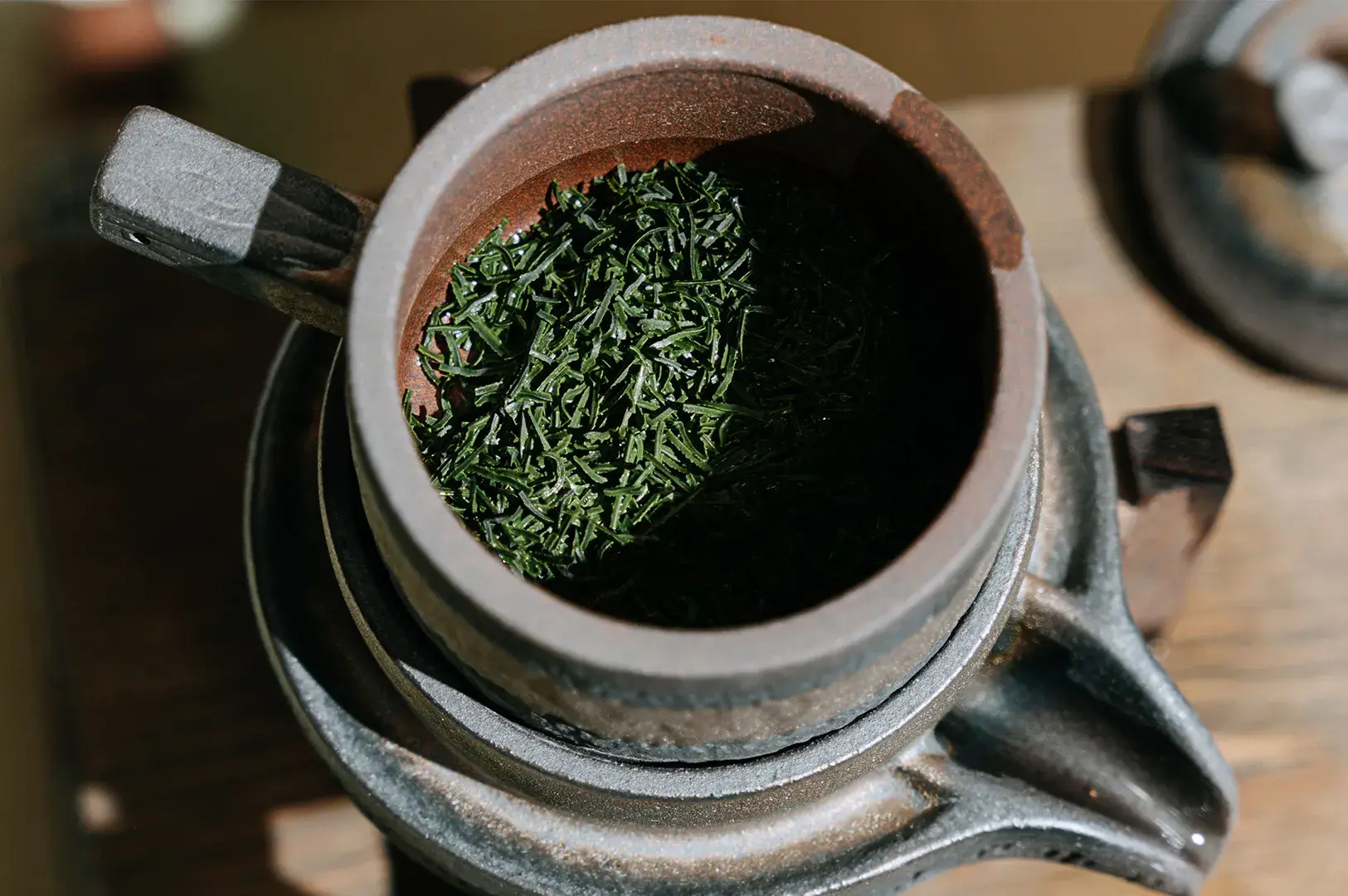
The name is often translated as "jade dew," which suits its deep green colour and rich aroma. Unlike matcha, it is sold separately as loose leaf. The finished gyokuro leaves are rolled into fine, dark green needles, and you steep them in water as you would most other green teas.
What sets gyokuro apart is not one single step. It is the combination of two things: how the plant is grown and how the leaves are shaped afterwards. Marukyu Koyamaen, a long-established tea maker in Uji, describes gyokuro as the meeting point of completely shaded cultivation and the rolling method used for sencha.
That combination is worth slowing down for.
How Shade Shapes Gyokuro Tea: The Origin and Cultivation of a Treasured Japanese Tea
Covering the Fields
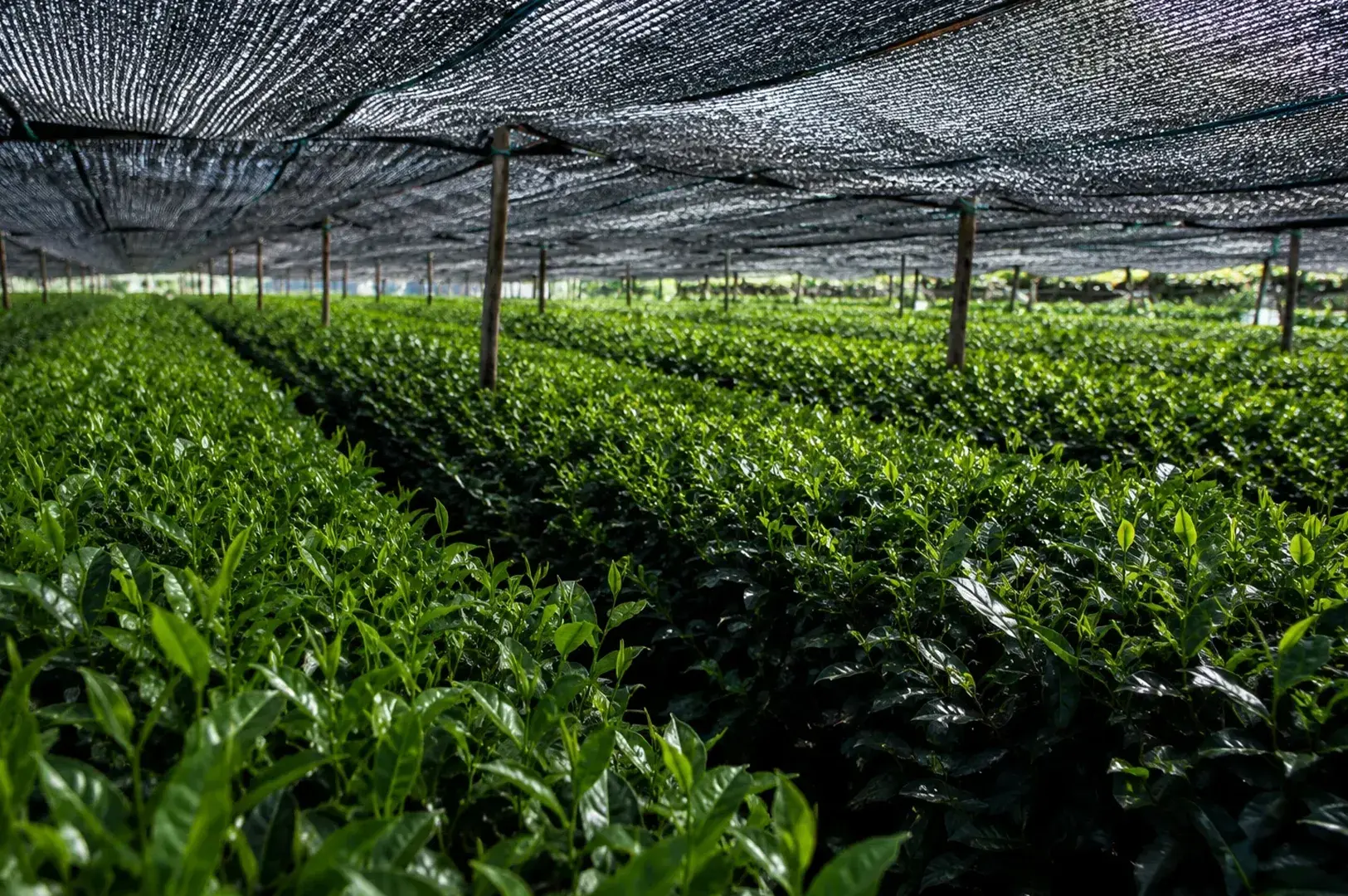
When new buds appear on the tea bushes in spring, gyokuro growers cover them to block out sunlight. The covers may be stretched over frameworks above the plants or arranged more simply depending on the region and tradition.
According to the Kyoto Prefectural Tea Industry Association, approaches vary from place to place. In Kyotanabe, one of Japan's well-known gyokuro areas, fields are covered with two or more layers to block light more thoroughly. In Fukuchiyama, growers use tall trellises, and by May the tea fields are draped in black curtains. In Uji City, the traditional method of covered cultivation, known as oishitaen, is still practised alongside careful picking by hand, one bud at a time.
There is something quietly patient about it. The farmer is not adding anything to the leaf. They are holding something back.
What Happens Inside the Leaf: Nutrients and L Theanine
Here is where shade becomes flavour and health benefits.
Tea leaves contain L-theanine, an amino acid associated with savoury, rounded taste and relaxation benefits. They also contain catechins, compounds linked to astringency, that drying feeling a strong cup can leave in your mouth. As the Kyoto association explains, sunlight encourages theanine to be converted into catechins. Shading slows that process, so more of the sweetness and umami stay in the leaf, while bitterness and astringency are kept in check.
It is a small chemical shift. But you can taste it and discover its impact on the tea experience.
Gyokuro Tea Taste: How It Differs From Other Green Teas
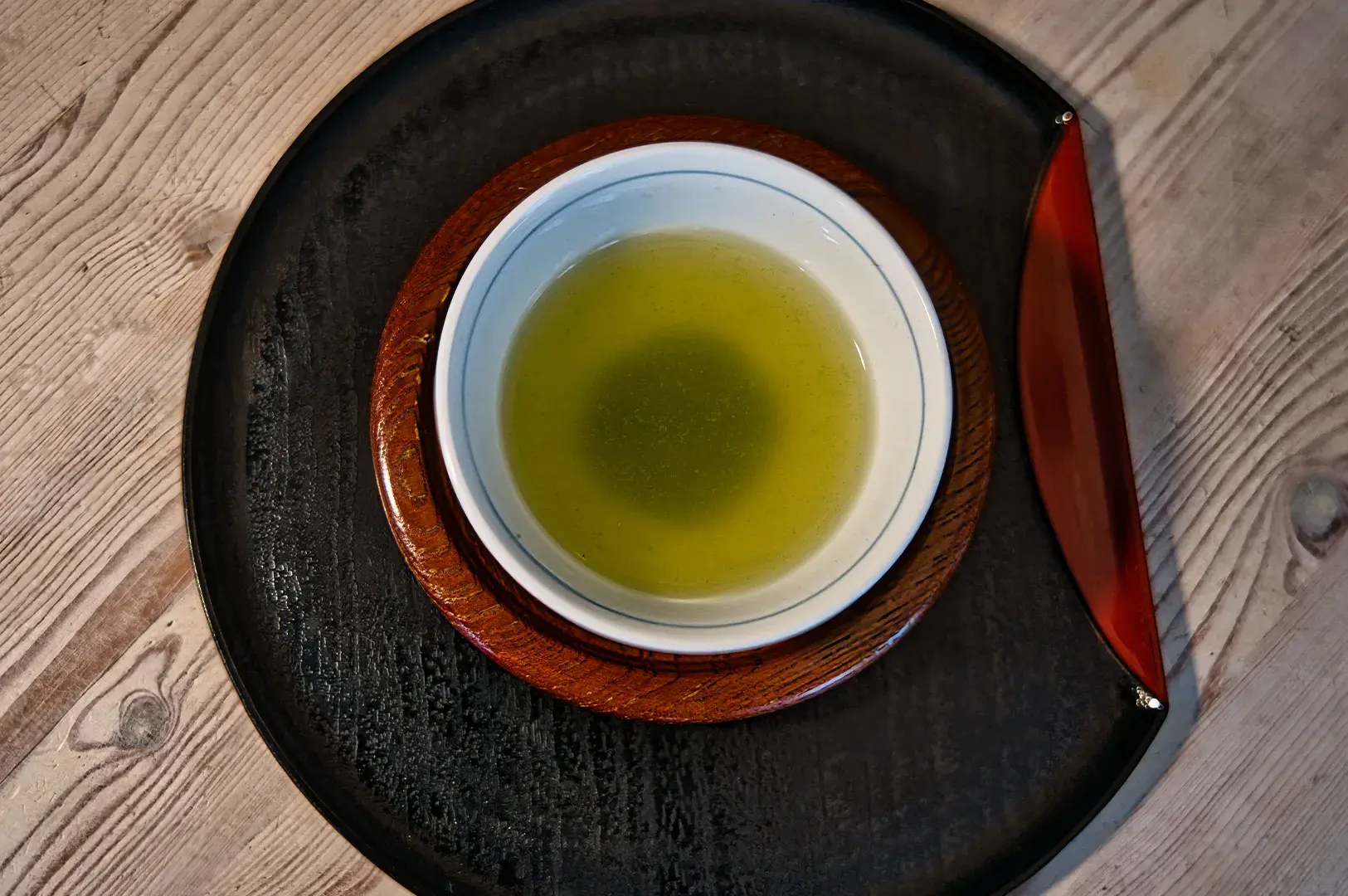
If you have only ever had green tea from a supermarket bag or a bottle, gyokuro can be surprising. It is often described as sweet, rich and savoury, with a softness that some people compare to a light broth.
That description makes more sense when you set gyokuro beside its close relatives.
Gyokuro vs Sencha: A Perfect Cup for Different Moods
Sencha is the everyday green tea of Japan. It shares the same steaming and rolling process as gyokuro, but it is typically grown in full sun.
That sunlight changes the cup. Sencha tends to taste brighter and grassier, with more astringency and a clean, refreshing edge. Gyokuro leans the other way: rounder, sweeter, deeper in umami.
Neither is "better." They simply answer different moods. Sencha feels like an open window. Gyokuro feels more like a closed room on a rainy autumn afternoon.
There is also a middle ground. Kabusecha, meaning "covered tea," is shaded for a shorter period than gyokuro. Some producing areas in Kyoto, such as Ayabe, are recognised for it. If gyokuro and sencha sit at two ends of a line, kabusecha lives somewhere in between.
Gyokuro vs Matcha: Different Varieties Inspired by Shade
Matcha and gyokuro are closer cousins than many people realise. Both come from shaded tea plants, and Marukyu Koyamaen notes that they share some of the same properties because of it. Their account also mentions that gyokuro plants are typically shaded for a shorter time than those grown for matcha.
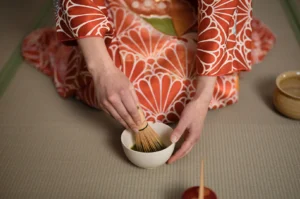
The real difference comes after harvest. Leaves for matcha are processed into tencha, which is dried flat rather than rolled, then ground into fine powder. You whisk matcha and drink the whole leaf. With gyokuro, you steep the rolled needles and drink the infusion.
Same shade, different paths. One becomes powder. The other becomes needles.
Brewing Gyokuro: The Ultimate Guide to the Perfect Cup
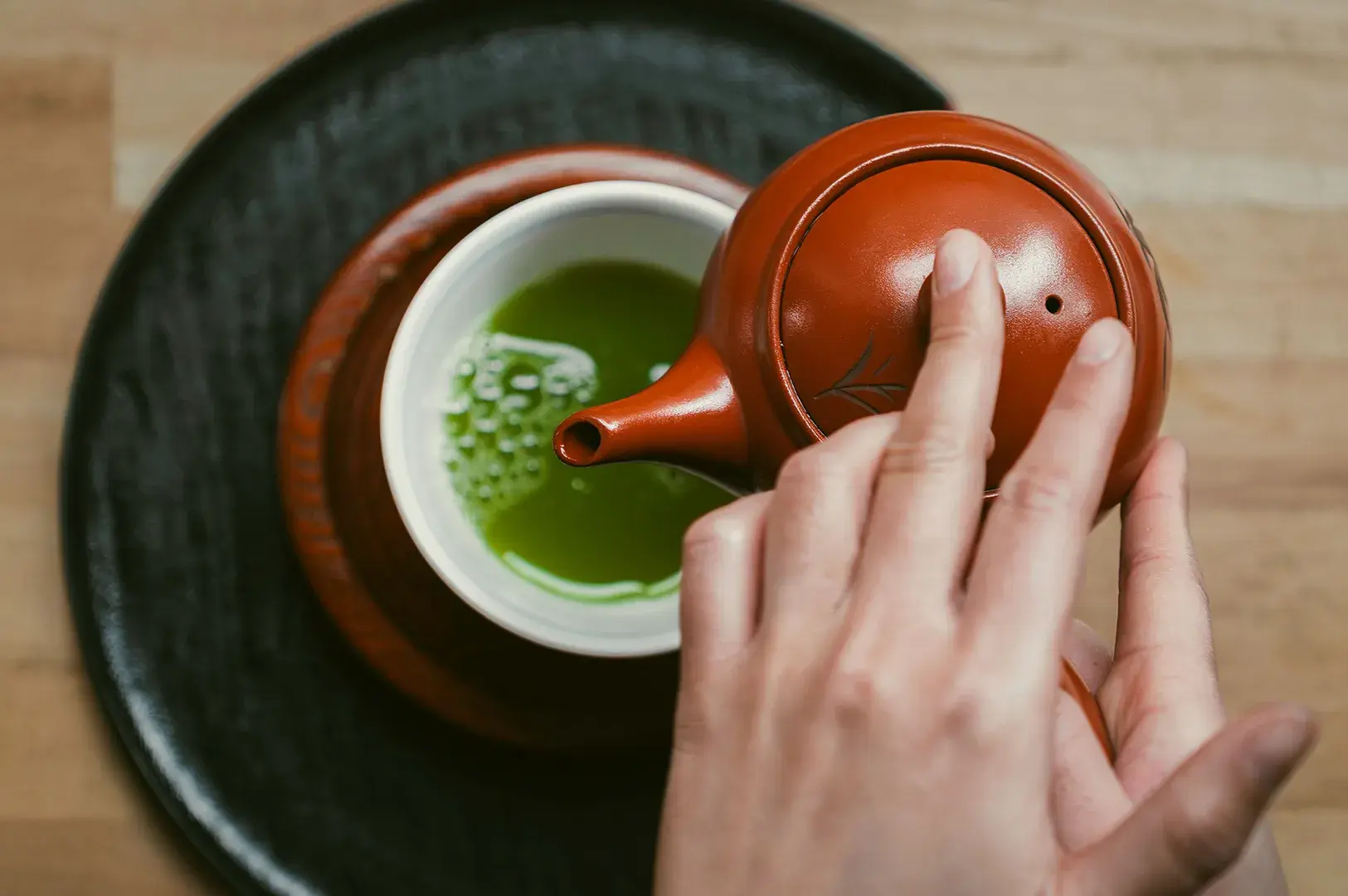
Brewing gyokuro is an art that requires attention to water temperature, tea bowls, and the amount of gyokuro leaves used. The goal is to create a perfect cup that highlights the tea's delicate aroma and health benefits.
Water Temperature and Brewing Time
Gyokuro is traditionally brewed with relatively cool water and a high concentration of tea leaves to highlight its umami and sweetness. Ippodo Tea recommends using 10 grams of gyokuro leaves with 80 millilitres of water at approximately 60°C, steeped for 90 seconds.
Other producers may recommend different temperatures, ratios and steeping times. Those who prefer a lighter cup can experiment with more water or fewer leaves.
Serving and Tea Bowls
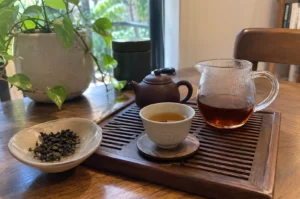
Gyokuro is traditionally served in small teacups or tea bowls that encourage small sips, allowing the drinker to savor its complex flavors and aroma. Using a small teapot designed for gyokuro can help control the brewing process for multiple infusions.
Multiple Infusions
One of the joys of gyokuro is that it can be infused three to four times. Each infusion reveals different layers of flavor, from the initial rich umami to a slightly more bitter but still smooth finish.
Gyokuro Leaves and Stems: Sold Separately for Different Tea Experiences
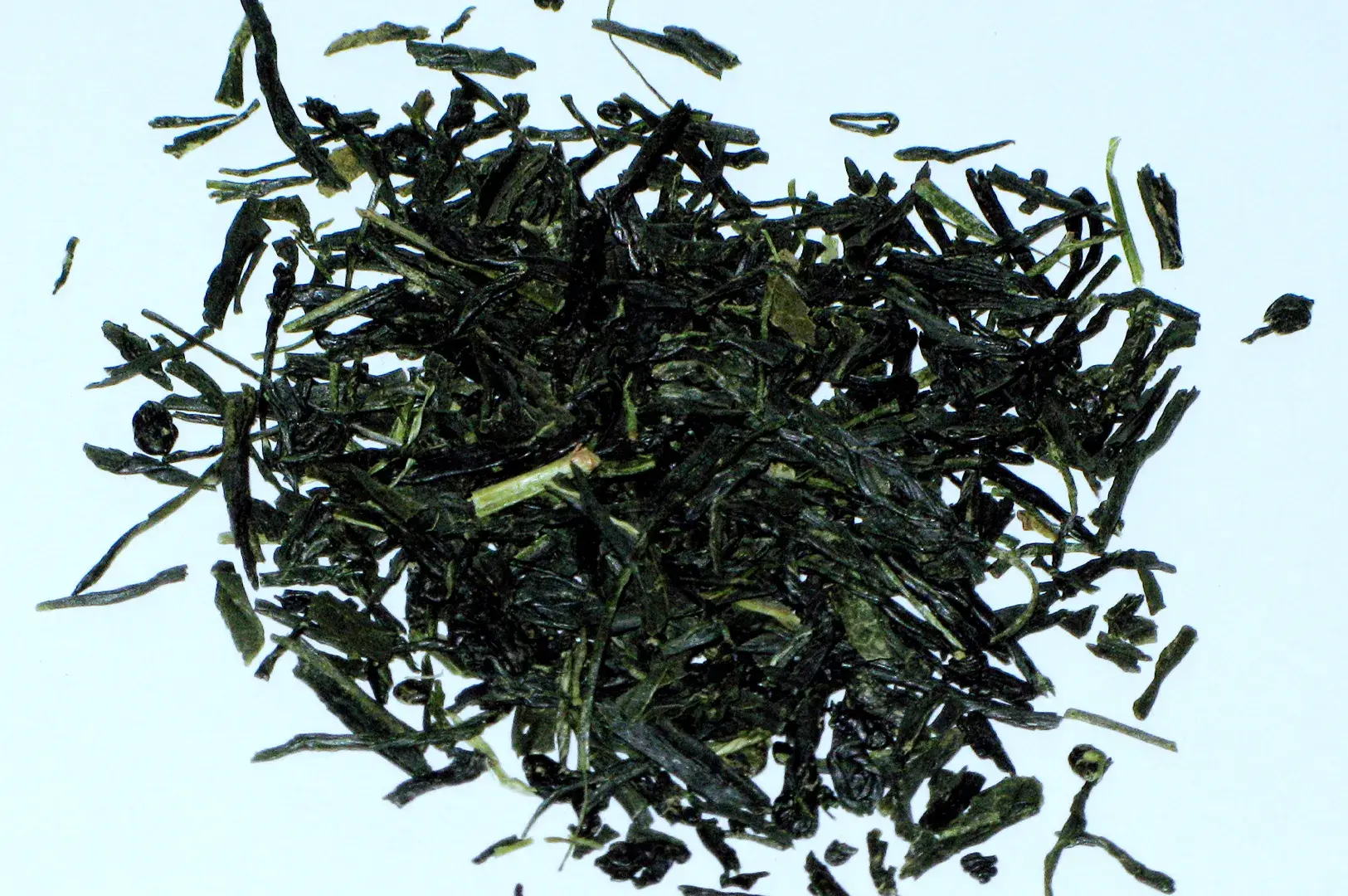
Gyokuro leaves are carefully picked and processed, but the stems and other parts of the plant are also treasured. These by-products, often sold separately as kukicha or twig tea, offer a distinct flavor profile with less caffeine and a unique aroma reminiscent of seaweed.
These different varieties allow tea lovers to explore the full spectrum of gyokuro's qualities.
Health Benefits of Gyokuro: A Nutrient-Rich Japanese Tea
Gyokuro is considered one of Japan's most prized green teas and is particularly rich in L-theanine and caffeine. L-theanine has been studied for its potential effects on stress and relaxation, while caffeine can temporarily increase alertness. However, the effects of drinking gyokuro depend on factors such as brewing method, serving size and individual caffeine sensitivity.
Gyokuro contains naturally occurring compounds such as catechins, chlorophyll and amino acids. Catechins are known for their antioxidant activity, although the health effects of drinking gyokuro specifically require further research.
As a caffeinated tea, gyokuro offers a distinctive alternative to coffee, but its caffeine content should still be considered.
Discover Gyokuro: An Inspired Tea Experience
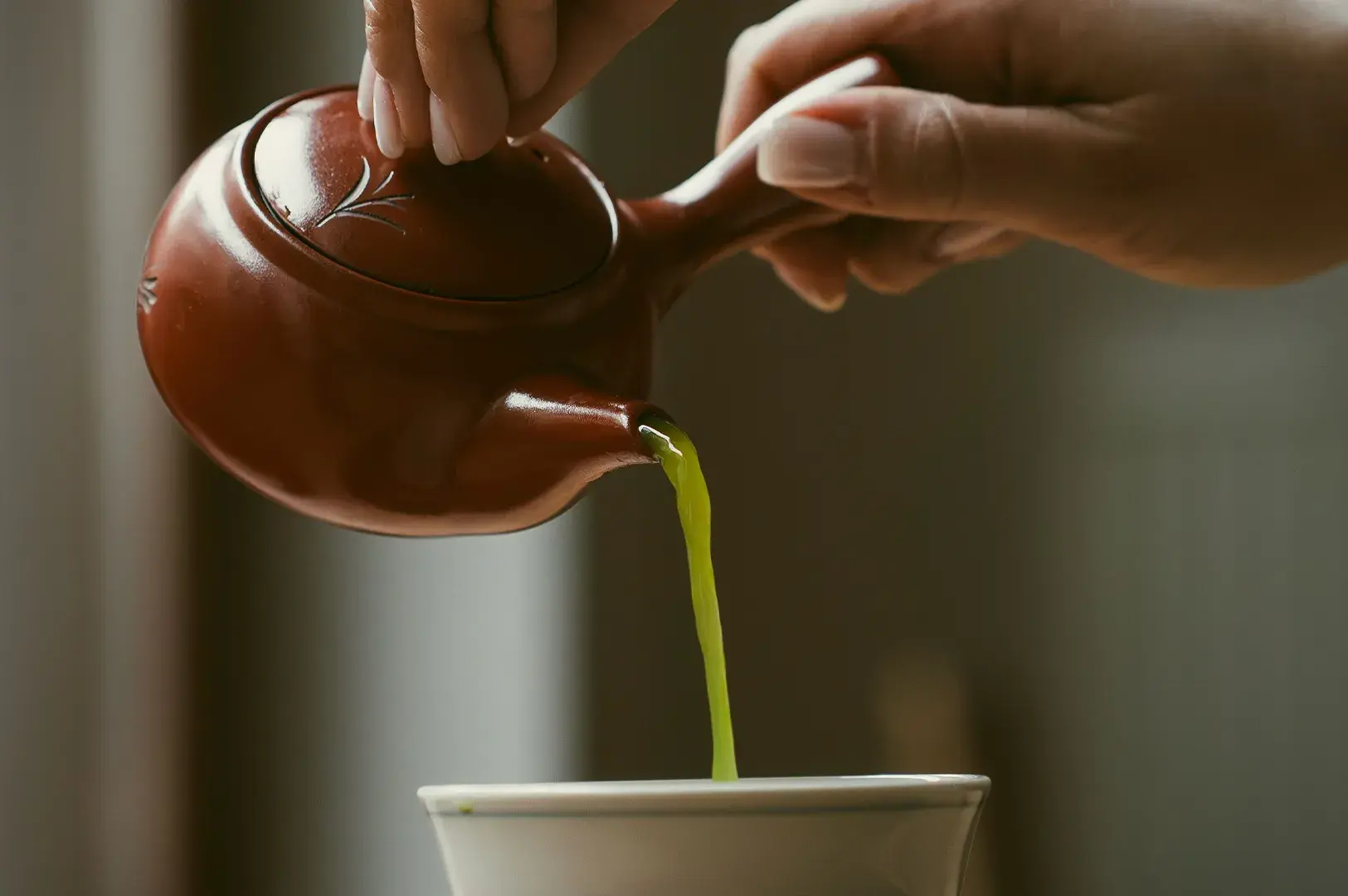
Gyokuro is not just a tea; it is a ritual. It invites tea lovers to slow down, appreciate the materials and methods that create it, and savor each sip with mindfulness.
Whether prepared at home or enjoyed in a traditional tea ceremony, gyokuro offers a unique connection to Japanese tea culture and its long history.
Explore different varieties, try brewing gyokuro with care, and discover why this tea has been treasured for centuries.
In Singapore, Japanese restaurants that serve tea offer not only exquisite cuisine but also a refined tea experience that beautifully complements the art of Japanese dining.
If you have not yet experienced gyokuro, consider starting with a simple comparison: brew gyokuro, then sencha, and taste them side by side. Sip slowly, and you may find a new favorite tea. Gyokuro's story is one of patience, restraint, and the ultimate guide to enjoying a perfect cup of green tea.

Traditional Japanese Tea Ceremony in Osaka: Finding Stillness in Japan’s Most Restless City
Osaka is a city that talks back. Walk through Dotonbori in the evening and everything competes for your attention: neon signs stacked several stories high, takoyaki stalls calling out to passers-by, crowds pressing along the canal toward the next thing to eat. The city even has a word for its appetite, kuidaore, often translated as…
-
A Tea Break with a Twist: Inside Teahee Singapore
Most tea breaks are small things. A kettle clicks off. Someone brings over a cup. For ten minutes, the work waits, and nobody asks very much of the tea except that it be warm. There is another kind of tea break, though. One where you are the one brewing, measuring, pouring. Where the cup in…
-
The Teas I Keep Coming Back To—and the Ones I’ve Outgrown
I used to believe that discovering better tea meant gradually leaving ordinary preferences behind. The more I learned, the more refined my tastes were supposed to become. I would move towards rarer leaves, more complicated flavours, and teas that demanded greater attention. But taste does not always develop in a straight line. Some teas remain…
-
Best Milk Tea in Singapore: The Search for the Perfect Tea-to-Milk Ratio
A cup of milk tea is a small negotiation. Too much milk, and the leaf disappears. Too little, and the tea turns sharp and thin. Somewhere between the two is the balance people keep looking for, one plastic cup at a time. This list looks back at Singapore’s milk foam and cheese tea scene in…
-
Milk Tea Can Be Elegant—Most Shops Just Don’t Try
I think milk tea deserves a little more respect. Not because it needs to become expensive or sophisticated, but because we’ve somehow accepted that milk tea is supposed to be sweet, colourful, and filled with enough toppings to qualify as dessert. And honestly, I enjoy a good bubble tea. There’s something fun about choosing your…
-
A Look at the Cup That Started the Brown Sugar Boba Wave: R&B Tea Singapore
Some drinks arrive in a city quietly. Others change the way a whole country queues. R&B Tea’s story began before Singapore’s brown sugar boba boom. According to its official history, the Taiwan-origin brand opened its first outlet in Suzhou, China, in 2006. The February 2018 date marks the Singapore brown sugar boba milestone claimed by…
-
What I Want a Tea Shop to Feel Like
I have never believed that a good tea shop needs to impress me. Beautiful shelves are pleasant. Carefully arranged teaware can be lovely. And there is something reassuring about a shopkeeper who knows the difference between a young sheng Pu-erh and one that has spent twenty years ageing. But none of these things tells me…
-
Between Pearls and Tea: Inside Bober Tea at Compassvale Link
Some drinks belong to a particular hour. Late afternoon in an HDB estate. School bags on shoulders, a void deck still warm, someone holding a plastic cup with condensation running down the side. Bubble tea has become part of that rhythm in Singapore, sitting easily between errands, after dinner, on the walk home. I came…
-
Green Tea Obsession Is Overrated: The Case for Deeper, Darker Teas
I have a feeling green tea has become the tea we’re all supposed to love. It’s everywhere. Wellness conversations, morning routines, skincare trends, and those beautiful matcha drinks that somehow make an ordinary afternoon look more interesting. And honestly, I get it. Green tea can be wonderful. Fresh, grassy, sometimes sweet. But I’ve started wondering…
-
The Ginger-Laced Tea Worth Knowing: Teh Halia
Some drinks reach you before the cup does. At a drinks stall or coffee shops across Southeast Asia, the scent of brewed loose leaf tea or tea bags and sweetened condensed milk is usually in the air. But every so often, something sharper cuts through it, warm and a little peppery, freshly grated young fresh…