There is a particular disappointment that comes from making a cup of tea that tastes bitter.
You choose the leaves carefully. You heat the water. You wait.
Then the first sip arrives, and something feels wrong.
For a long time, I assumed bitterness meant the tea itself was not very good. Perhaps the leaves were too strong. Perhaps I had chosen the wrong variety. Perhaps I simply did not understand what I was supposed to appreciate.
Eventually, I learned something much simpler.
Sometimes the tea is not the problem.
We simply leave it in the water too long.
This sounds obvious, but it is surprisingly easy to do. Tea brewing is often presented as though there is one perfect set of instructions, yet the reality is much more forgiving. A few extra minutes can change a cup considerably, particularly with teas that release more tannins or other compounds as they steep.
I have made this mistake countless times.
The kettle goes on. The tea goes into the pot. Then something interrupts the process. A message arrives. A thought takes my attention elsewhere. By the time I return, the tea has continued brewing without me.
The result is usually stronger than intended.
Not necessarily undrinkable, but certainly different.
The interesting thing is how quickly we blame the tea.
Perhaps this is because we expect a good tea to perform perfectly every time. We forget that brewing is a conversation between the leaves, the water, and the person preparing them.
The good news is that bitterness is often something we can adjust.
Use less leaf.
Shorten the infusion.
Change the water temperature.
Taste earlier.
There is no need to discard the tea or conclude that it is not worth drinking.
In fact, one of the most useful lessons I have learned as a tea drinker is that a disappointing cup is often information.
It tells us something.
Perhaps the tea needs less time. Perhaps it prefers cooler water. Perhaps we simply prefer a lighter extraction.
Tea does not always need to be rescued.
Sometimes it only needs another attempt.
And perhaps that is one of the quieter pleasures of drinking tea. The first cup does not have to be perfect. We can adjust, try again, and learn something along the way.
So if your tea tastes bitter, do not blame yourself.
And perhaps do not blame the tea either.
Try giving the leaves a little less time.
You may find that the cup you thought you disliked was simply waiting for you to brew it differently.
With quiet regard,
N. P. Lim

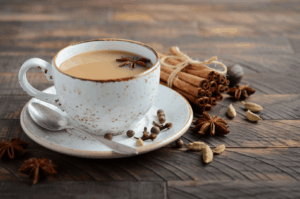
Masala Chai Origins: The Cultural Evolution of India’s Spiced Tea Tradition
The rhythmic clanging of metal kettles echoes through narrow lanes as steam rises from countless chai stalls across India. The intoxicating aroma of cardamom, cinnamon, and fresh ginger mingles with robust black tea, creating an olfactory symphony that has captivated souls for centuries. This is masala chai-not merely a beverage, but a cultural phenomenon that…
-
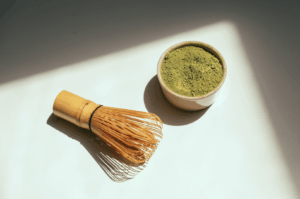
Matcha Tea: The Versatile Japanese Green Tea Powder
The vibrant green powder that transforms simple hot water into liquid jade has captivated tea enthusiasts worldwide. Matcha tea represents more than just a trendy beverage-it’s a bridge connecting ancient Japanese traditions with modern culinary innovation. This unique form of powdered green tea offers endless possibilities, from meditative ceremonial drinking to creative kitchen applications that…
-
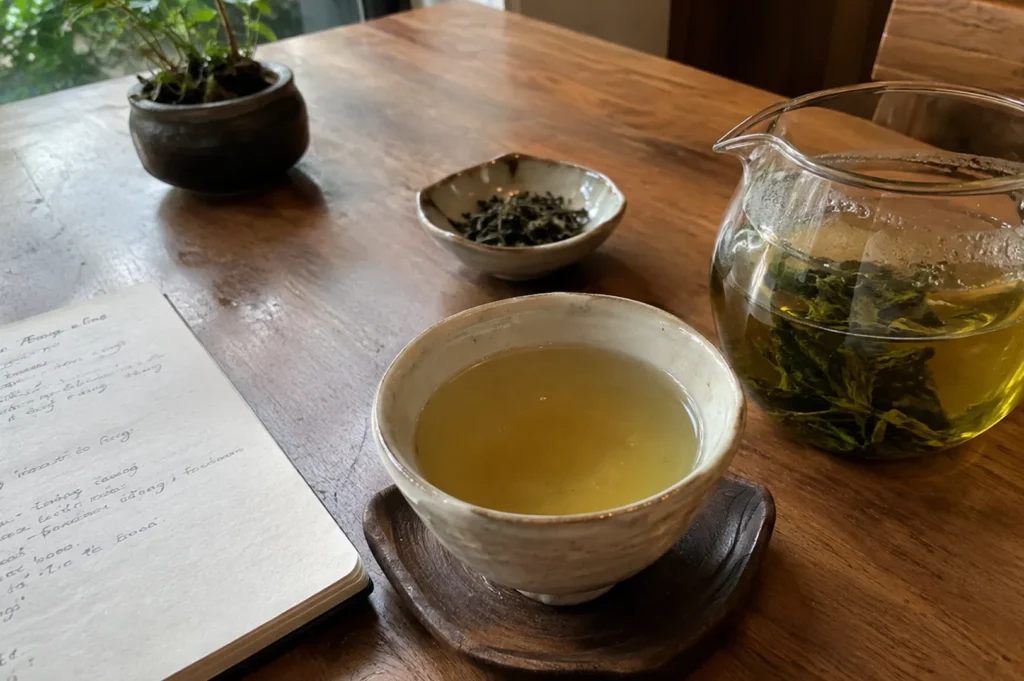
The Dragon Well Legacy: Exploring China’s Legendary Longjing Tea
Among the world’s most revered green teas, few carry the prestige and cultural significance of China’s legendary Dragon Well. This premium tea has captivated tea enthusiasts for centuries, earning its place as an imperial favourite and modern icon alike. From its mystical origins at West Lake to its meticulous processing methods, Longjing represents the pinnacle…