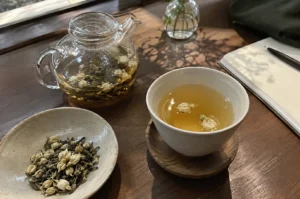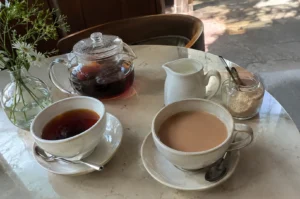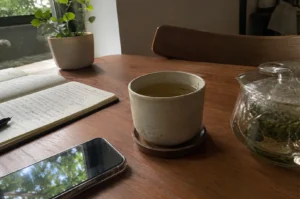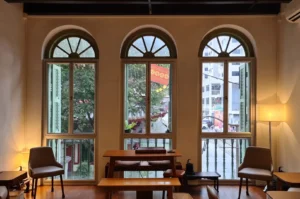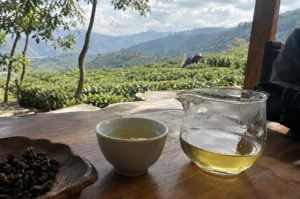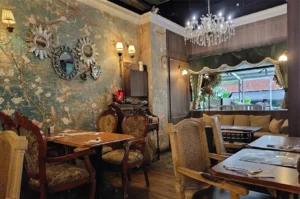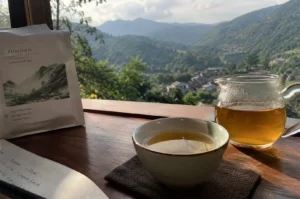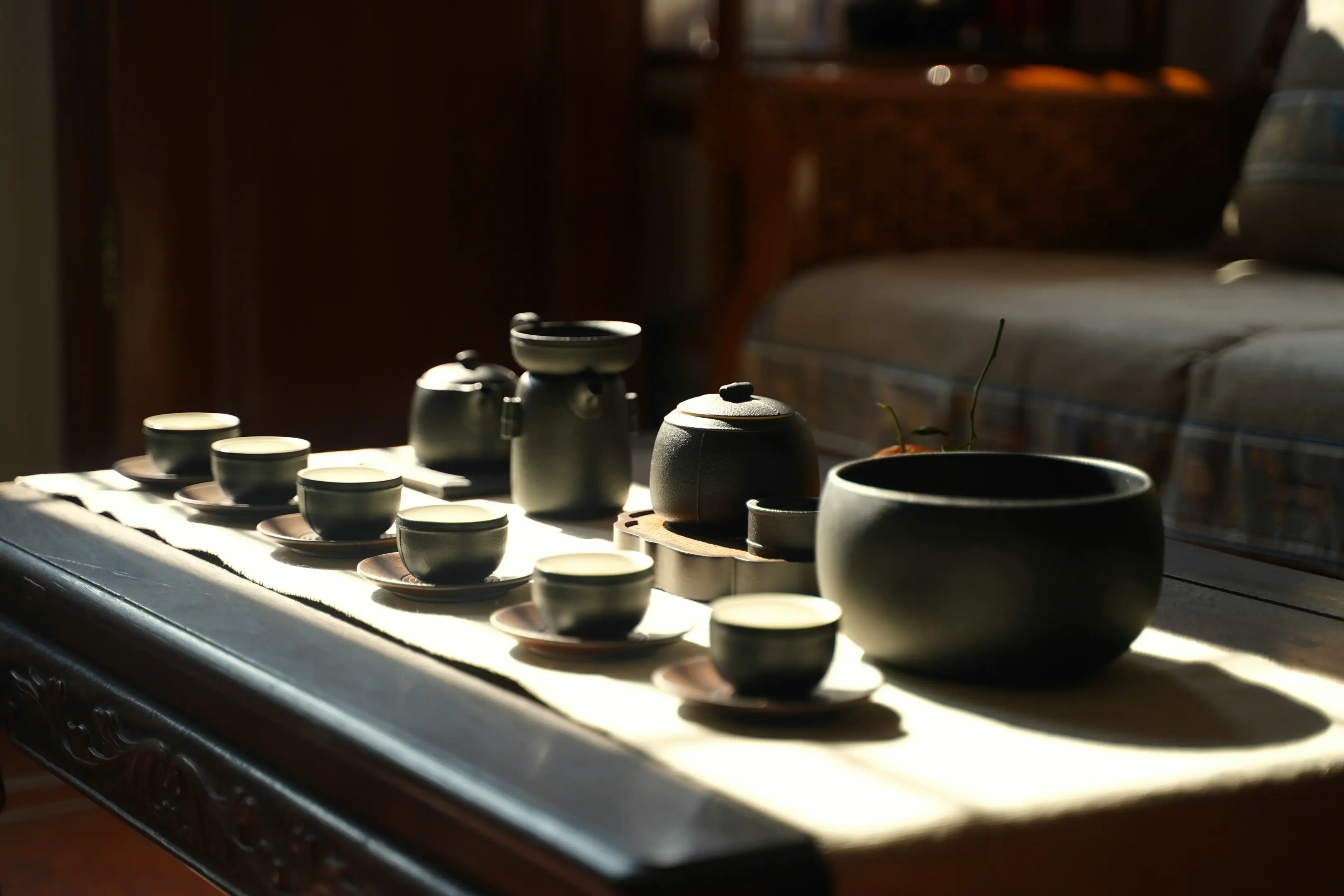
On certain afternoons in Singapore, when rain softens the edges of the day, I find myself lingering before the water reaches its boil. The teapot rests nearby, waiting. There is always a moment like this before tea (quiet, unhurried) when the world seems willing to pause with you.
A teapot set belongs to these moments. It is not merely a collection of objects, nor a display of china kept for rare occasions. Instead, it becomes part of the tea experience itself, accompanying daily rituals and special occasions alike.
Why Tea Is Never Just Tea
Tea has accompanied humanity across centuries and continents. From the meditative focus of Chinese tea culture to the careful elegance of English afternoon tea, the story of tea is also a story of people gathering, pausing, and sharing time.
Here in Singapore, tea flows easily between cultures. A single day might begin with a light infusion and end with a darker brew enjoyed at home. In every setting, tea invites calm. It allows flavours to unfold slowly and aroma to rise gently, encouraging a pace that feels increasingly rare.
Tea lovers often notice how the atmosphere changes once the first cup is poured. Taste sharpens, conversation softens, and moments stretch. Tea is shaped not only by water and tea leaves, but also by the vessels that hold them. A teapot set creates continuity, ensuring each brew feels intentional rather than hurried.
The Role of the Teapot: When Form Follows Feeling
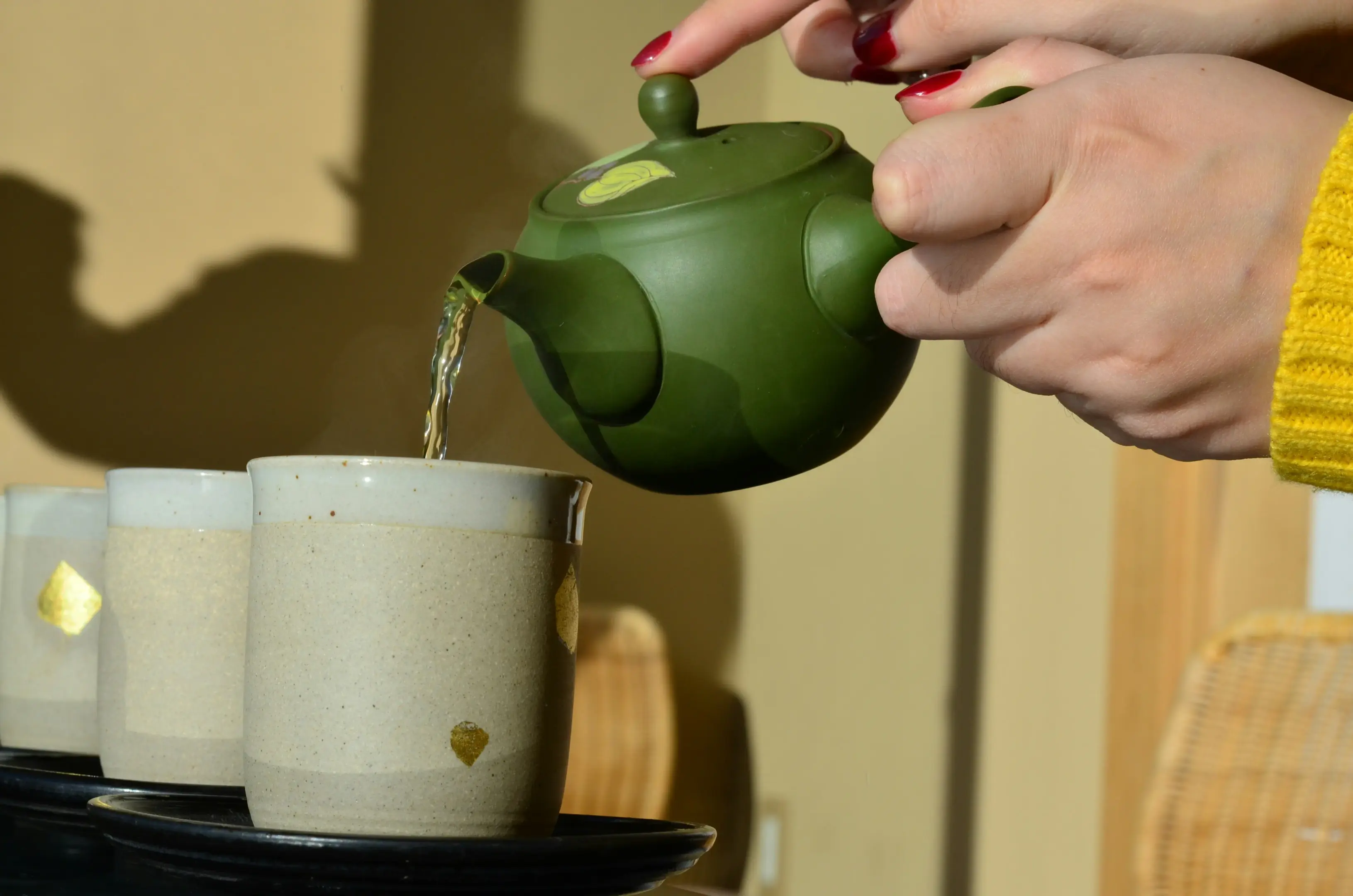
At the heart of every set is the teapot. Its purpose goes beyond holding water; it guides how tea unfolds. Material, weight, and design quietly influence infusion, warmth, and, ultimately, taste.
Different teapots shape the tea experience in distinct ways:
- Porcelain and fine bone china are prized for their neutral character. They preserve the freshness of delicate teas, allowing aroma and flavour to remain clear from the first sip to the last. Because these materials do not absorb essence, they are ideal for those who enjoy exploring different tea profiles within the same pot.
- Clay teapots tell a slower story. With use, they absorb the essence of tea, gradually enriching each brew. Many tea enthusiasts treasure this quiet evolution, where the teapot itself becomes part of the flavour. Over seasons of harvest and repeated infusion, the pot carries memory within its walls.
- Cast iron teapots offer strength and exceptional heat retention. Their weight lends stability, making them well suited to teas that benefit from sustained warmth, where heat allows depth and body to fully develop.
- Glass teapots reveal the beauty of tea leaves unfurling in water. This makes the brewing process both visual and aromatic, even if heat fades more quickly than in heavier materials.
- Ceramic and stoneware sit comfortably in everyday life. Durable yet expressive, they strike a balance between function and familiarity, becoming trusted companions in daily routines.
Design matters just as much as material. A smooth pour, a balanced handle, and well‑considered dimensions all shape the tea experience. When a teapot is designed with care, brewing becomes intuitive, allowing tea leaves to open naturally and release flavour without resistance.
When a Teapot Becomes a Set
A teapot takes on new meaning when it is used with its matching pieces. A teapot set brings together the pot and cups, sometimes with a saucer, creating an easy and comfortable rhythm for tea.
When the pieces work well together, pouring feels unhurried and natural.
Whether inspired by Chinese tea traditions or English tea customs using high-quality porcelain, a well‑chosen set supports balance and quiet enjoyment, allowing the focus to remain on the tea and the moment.
Everyday Use, Not Precious Shelves
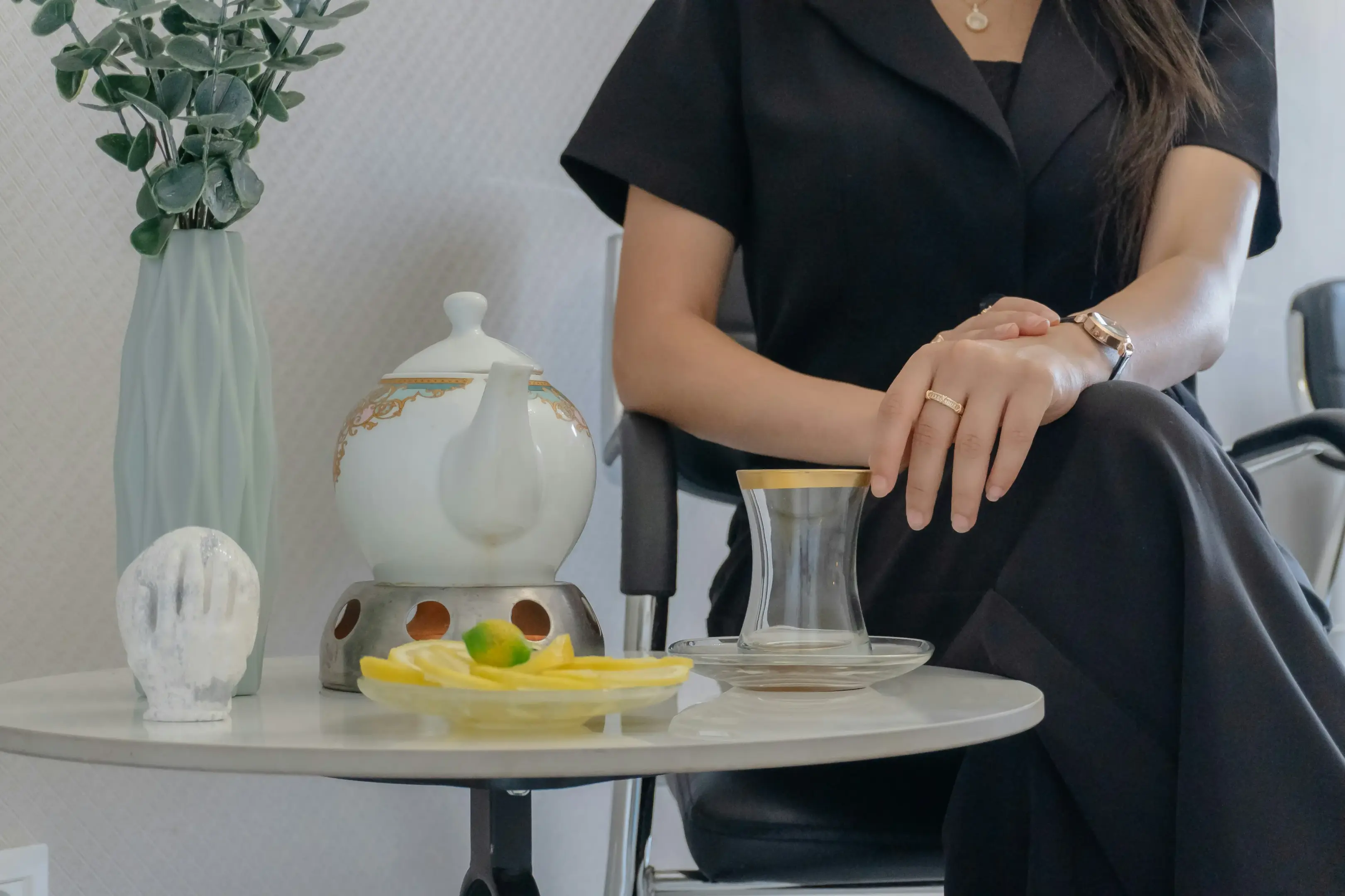
Despite their elegance, teapot sets are not meant to be confined to display cabinets. Tea itself is an everyday pleasure, and its vessels deserve regular use.
Many modern sets are designed for daily life, with practical care instructions that fit seamlessly into routine. Some pieces are suitable for the dishwasher or microwave, while others prefer gentle hand washing with warm water. These moments of care become part of the ritual rather than an interruption.
Used often, a set grows familiar. Cups warm more quickly. The teapot pours with ease. Clean surfaces preserve freshness, while time adds character.
In this way, quality reveals itself not through perfection, but through resilience.
Gifting Tea, Sharing Time
For special occasions, a thoughtfully chosen tea pot set speaks without excess.
Gift sets that include tea leaves provide a gentle introduction to the world of tea, allowing recipients to explore aroma, taste, and ritual together. In Singapore, where gifts often carry layered meaning, tea remains a timeless gesture.
The value of such gifts lies not in price, but in intention. A teapot set becomes a timeless addition to any home, used repeatedly, woven quietly into daily life. Long after the occasion passes, the tea remains.
Choosing Tea Pots With Awareness, Not Urgency
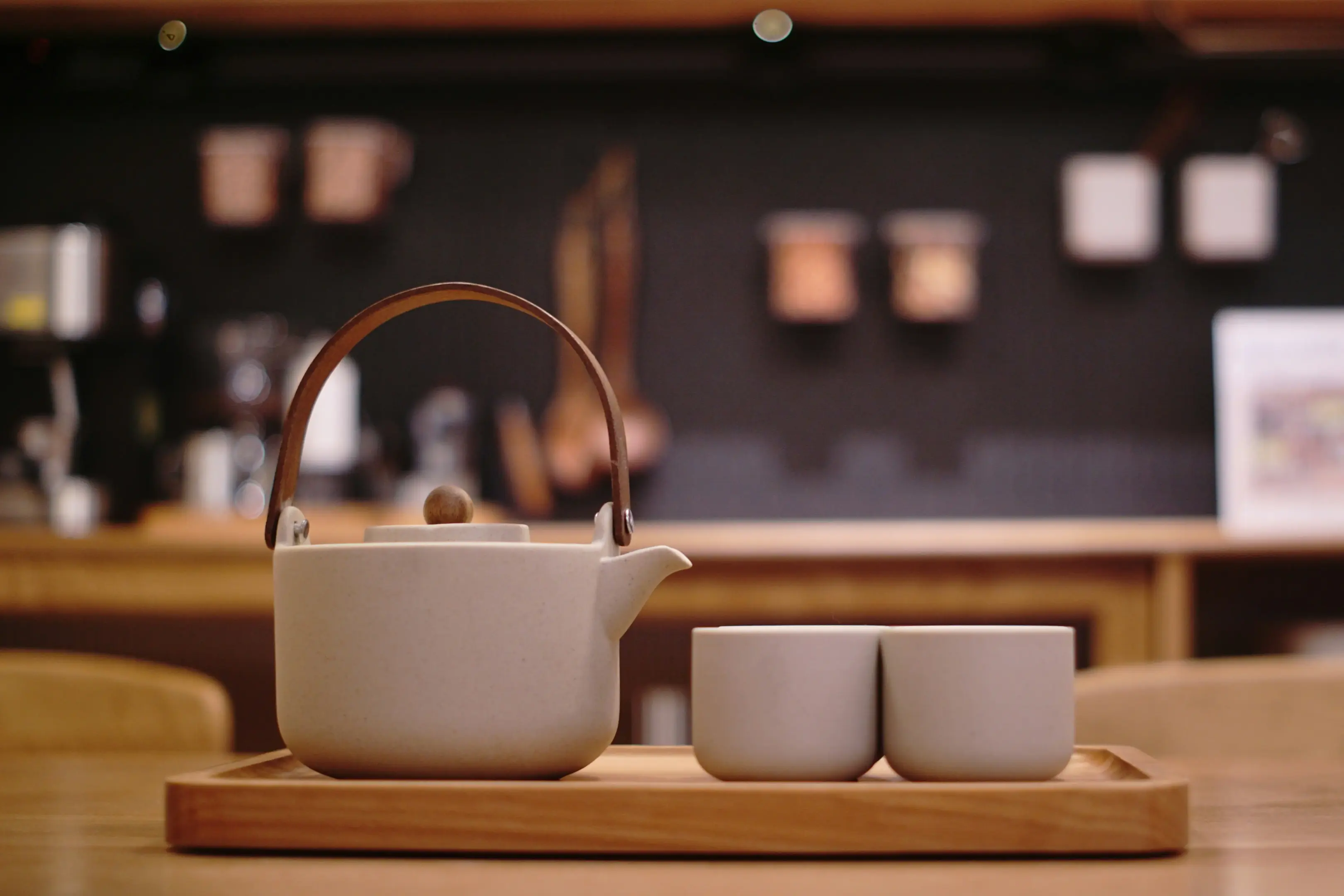
Selecting a teapot set benefits from patience. A few gentle considerations can help guide the process:
- Size and use: Smaller tea pot sets suit reflective, solo moments, while larger sets are better for shared gatherings and extended conversations.
- Weight and feel: The weight of a tea pot should feel comfortable and steady in the hand, supporting ease rather than effort while pouring.
- Colour and presence: Colour plays a quiet role in how a set is experienced. Soft tones tend to rest more easily in the home and encourage calm.
Personal preference often extends beyond function:
- Heritage and tradition: Some tea lovers are drawn to shapes and materials rooted in long‑standing tea traditions and cultural heritage.
- Modern simplicity: Others prefer minimalist designs inspired by contemporary living, where form remains clean and unobtrusive.
The ideal teapot set is not defined by trends or urgency. Instead, it supports your pace, your home, and the way you enjoy tea.
A Set That Grows With You
Over time, a teapot set becomes a record of moments lived. Cups carry the warmth of many mornings. Pots remember countless infusions. Together, they gather stories without words.
Tea continues through seasons and changes, marking time gently. A teapot set stands alongside this journey, steady and unassuming. It asks only to be used.
The next time you lift a cup, notice the aroma rising, the warmth resting in your hands. In that brief pause, tea offers what it always has: connection, calm, and the grace of a moment well held.

Floral Teas Are Not “For Beginners”—They’re For People With Taste
There is a curious assumption in tea culture that I have never quite understood. If you are new to tea, you begin with something floral. Jasmine. Rose. Osmanthus. Lightly scented blends. Then, supposedly, you move on. You discover roasted oolongs. Aged teas. More complex leaves. Stronger flavours. Eventually, you become a “serious” tea drinker. I…
-
How to Make Cold Brew Tea: The Slow Method for a Smoother Cup
There is a jar on the top shelf of my refrigerator that I did not need this morning. I filled it last night, before the kitchen went dark. Loose tea leaves, cool water, a lid resting loosely on top. Then I closed the door and left it alone, the way you leave bread to rise…
-
Milk Tea Isn’t “Ruining” Tea—But Some Milk Tea Is Ruining Milk Tea
I have noticed that few things can start an argument among tea drinkers quite as quickly as milk. Mention adding milk to a good tea and suddenly everyone has an opinion. Some insist that milk covers the flavour of the leaves. Others will tell you that certain teas were practically made for it. I have…
-
There Are Always Good Things to Eat at The Marmalade Pantry
The afternoon rain had just eased when I climbed up to Level 4 of ION Orchard, home to the Marmalade Pantry Ion. Outside, Orchard Road was doing its usual thing: too many people, too much noise, everyone somewhere to be in the bustle of the city. Inside, at a corner table, someone was pouring tea…
-
The Teacup as a Compass: What My Daily Brew Taught Me About Pace
I never intended for tea to become a way of keeping track of my days. It just happened. There are mornings when I drink the first cup quickly, barely noticing the taste because my mind is already somewhere else. Then there are afternoons when I make tea and somehow manage to sit with it for…
-
Silk Tea Bar Review: A Quiet Climb Worth Making on Sago Street
I almost walked past it. Sago Street was loud that afternoon, the way Chinatown often is. Voices, footsteps, the clatter of a hundred small transactions. I was looking for a door and nearly missed the narrow one that led upstairs. Then I climbed. And somewhere between the ground floor and the second, the noise fell…
-
“Artisan” Doesn’t Mean Ethical: The Supply Chain Questions We Avoid
I have always been drawn to the word “artisan.” Maybe because it creates a certain image in my mind. Someone carefully working with their hands. Someone who knows their craft deeply. Someone preserving a tradition that has existed long before the rest of us discovered it. When I see “artisan tea” on a label, I…
-
A Quiet Afternoon at A Beautiful Day Café
The rain had just started when I stepped in off Paya Lebar Road. Not heavy. Just enough to soften the light and slow everyone down. Inside, someone was pouring tea, and the sound of it carried further than it should have. A small room can do that. It can make a pour feel like a…
-
The Problem With “Single-Origin” Tea Obsession
There was a time when knowing where a tea came from was enough. Now, it sometimes feels as though we need to know everything. The mountain. The village. The garden. The harvest date. The particular plot where the leaves were grown. Single-origin tea has become a mark of quality in modern tea culture. The idea…
-
Where Singapore’s Tea Traditions Still Steep: Pek Sin Choon
The first thing I noticed was the smell. Not perfume, not incense. Something warmer and older than both. Roasted tea leaves, drifting out onto Mosque Street before I even reached the door. It’s the kind of smell that makes you slow your steps without knowing why. Pek Sin Choon has been on this corner of…