I have a feeling green tea has become the tea we’re all supposed to love.
It’s everywhere. Wellness conversations, morning routines, skincare trends, and those beautiful matcha drinks that somehow make an ordinary afternoon look more interesting.
And honestly, I get it.
Green tea can be wonderful. Fresh, grassy, sometimes sweet. But I’ve started wondering why we talk about it as though it’s the obvious choice, while darker teas barely get a mention.
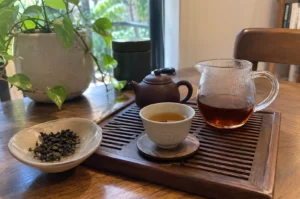
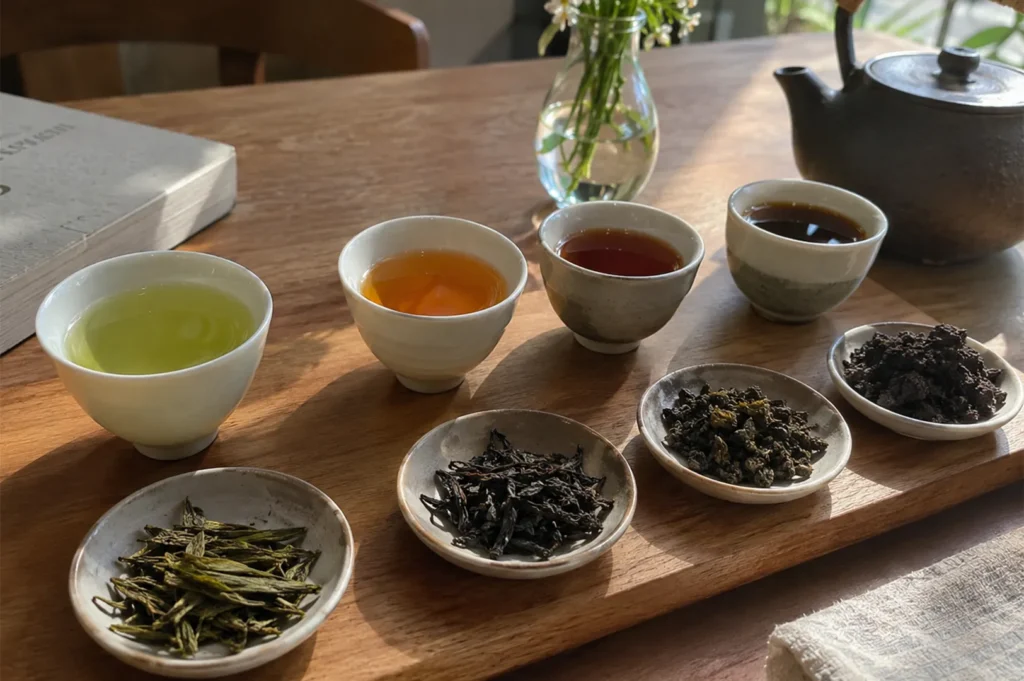
Because what about a rich black tea? Or a roasted oolong? Or a Pu-erh that develops an entirely different character with age?
I think we’re missing quite a lot.
Somewhere along the way, green tea became associated with being healthier and more refined. Its antioxidants receive plenty of attention, while darker teas sometimes get treated as though processing has made them less valuable.
But tea isn’t quite that simple.
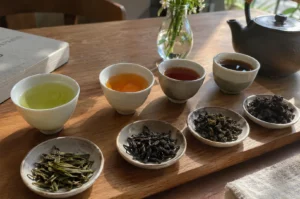
Black tea undergoes extensive oxidation, while oolong can fall anywhere across a broad spectrum. These processes change the leaves’ chemistry and flavour, but they don’t automatically make one tea better than another.
And personally, I’d rather choose my tea based on what I enjoy drinking.
There’s something lovely about the malty richness of Assam, the roasted depth of certain oolongs, or the earthy character of ripe Pu-erh. They’re different experiences, and not everyone will enjoy them equally.
That’s perfectly fine.
What bothers me is how easily trends become rules. We discover something popular, convince ourselves it’s the best option, and forget there’s an entire world beyond it.
Maybe that’s why I think the green tea obsession deserves a little questioning.
Not because green tea is overrated in itself, but because no single tea should define what good tea looks like.
Some days, a light green tea might be exactly what I want. Other days, something darker and fuller sounds much more appealing.
I don’t think we need to choose sides.
Green tea can keep its popularity.
I’d just like us to remember that some of the most interesting cups aren’t green at all.
— Maria Tan
On tea, culture, and everyday rituals.

Traditional Japanese Tea Ceremony in Osaka: Finding Stillness in Japan’s Most Restless City
Osaka is a city that talks back. Walk through Dotonbori in the evening and everything competes for your attention: neon signs stacked several stories high, takoyaki stalls calling out to passers-by, crowds pressing along the canal toward the next thing to eat. The city even has a word for its appetite, kuidaore, often translated as…
-
A Tea Break with a Twist: Inside Teahee Singapore
Most tea breaks are small things. A kettle clicks off. Someone brings over a cup. For ten minutes, the work waits, and nobody asks very much of the tea except that it be warm. There is another kind of tea break, though. One where you are the one brewing, measuring, pouring. Where the cup in…
-
The Teas I Keep Coming Back To—and the Ones I’ve Outgrown
I used to believe that discovering better tea meant gradually leaving ordinary preferences behind. The more I learned, the more refined my tastes were supposed to become. I would move towards rarer leaves, more complicated flavours, and teas that demanded greater attention. But taste does not always develop in a straight line. Some teas remain…
-
Best Milk Tea in Singapore: The Search for the Perfect Tea-to-Milk Ratio
A cup of milk tea is a small negotiation. Too much milk, and the leaf disappears. Too little, and the tea turns sharp and thin. Somewhere between the two is the balance people keep looking for, one plastic cup at a time. This list looks back at Singapore’s milk foam and cheese tea scene in…
-
Milk Tea Can Be Elegant—Most Shops Just Don’t Try
I think milk tea deserves a little more respect. Not because it needs to become expensive or sophisticated, but because we’ve somehow accepted that milk tea is supposed to be sweet, colourful, and filled with enough toppings to qualify as dessert. And honestly, I enjoy a good bubble tea. There’s something fun about choosing your…
-
A Look at the Cup That Started the Brown Sugar Boba Wave: R&B Tea Singapore
Some drinks arrive in a city quietly. Others change the way a whole country queues. R&B Tea’s story began before Singapore’s brown sugar boba boom. According to its official history, the Taiwan-origin brand opened its first outlet in Suzhou, China, in 2006. The February 2018 date marks the Singapore brown sugar boba milestone claimed by…
-
What I Want a Tea Shop to Feel Like
I have never believed that a good tea shop needs to impress me. Beautiful shelves are pleasant. Carefully arranged teaware can be lovely. And there is something reassuring about a shopkeeper who knows the difference between a young sheng Pu-erh and one that has spent twenty years ageing. But none of these things tells me…
-
Between Pearls and Tea: Inside Bober Tea at Compassvale Link
Some drinks belong to a particular hour. Late afternoon in an HDB estate. School bags on shoulders, a void deck still warm, someone holding a plastic cup with condensation running down the side. Bubble tea has become part of that rhythm in Singapore, sitting easily between errands, after dinner, on the walk home. I came…
-
Green Tea Obsession Is Overrated: The Case for Deeper, Darker Teas
I have a feeling green tea has become the tea we’re all supposed to love. It’s everywhere. Wellness conversations, morning routines, skincare trends, and those beautiful matcha drinks that somehow make an ordinary afternoon look more interesting. And honestly, I get it. Green tea can be wonderful. Fresh, grassy, sometimes sweet. But I’ve started wondering…
-
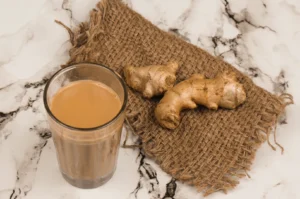
The Ginger-Laced Tea Worth Knowing: Teh Halia
Some drinks reach you before the cup does. At a drinks stall or coffee shops across Southeast Asia, the scent of brewed loose leaf tea or tea bags and sweetened condensed milk is usually in the air. But every so often, something sharper cuts through it, warm and a little peppery, freshly grated young fresh…