It starts with a sound.
A long ribbon of tea, arcing from one metal mug held high to another held low. The stream catches the light. Then the froth rises, pale and soft, and the whole thing gets poured back and lifted again. Nobody at the stall looks up. This happens a hundred times a day here, and still, there is something in it worth watching.
I have seen this pour in the early morning, when the coffee shop is quiet except for a radio. I have seen it late at night, when the mamak stall is the only place still awake. The tea is the same. The hour changes everything.
We call it teh tarik. And in Singapore, it is less a beverage than a small daily habit, poured out over and over until it became part of who we are.
What Is Teh Tarik? The Pulled Tea with Condensed Milk
The name tells you almost everything. In Malay, teh tarik literally translated means "pulled tea," and the pulling is exactly what it sounds like.
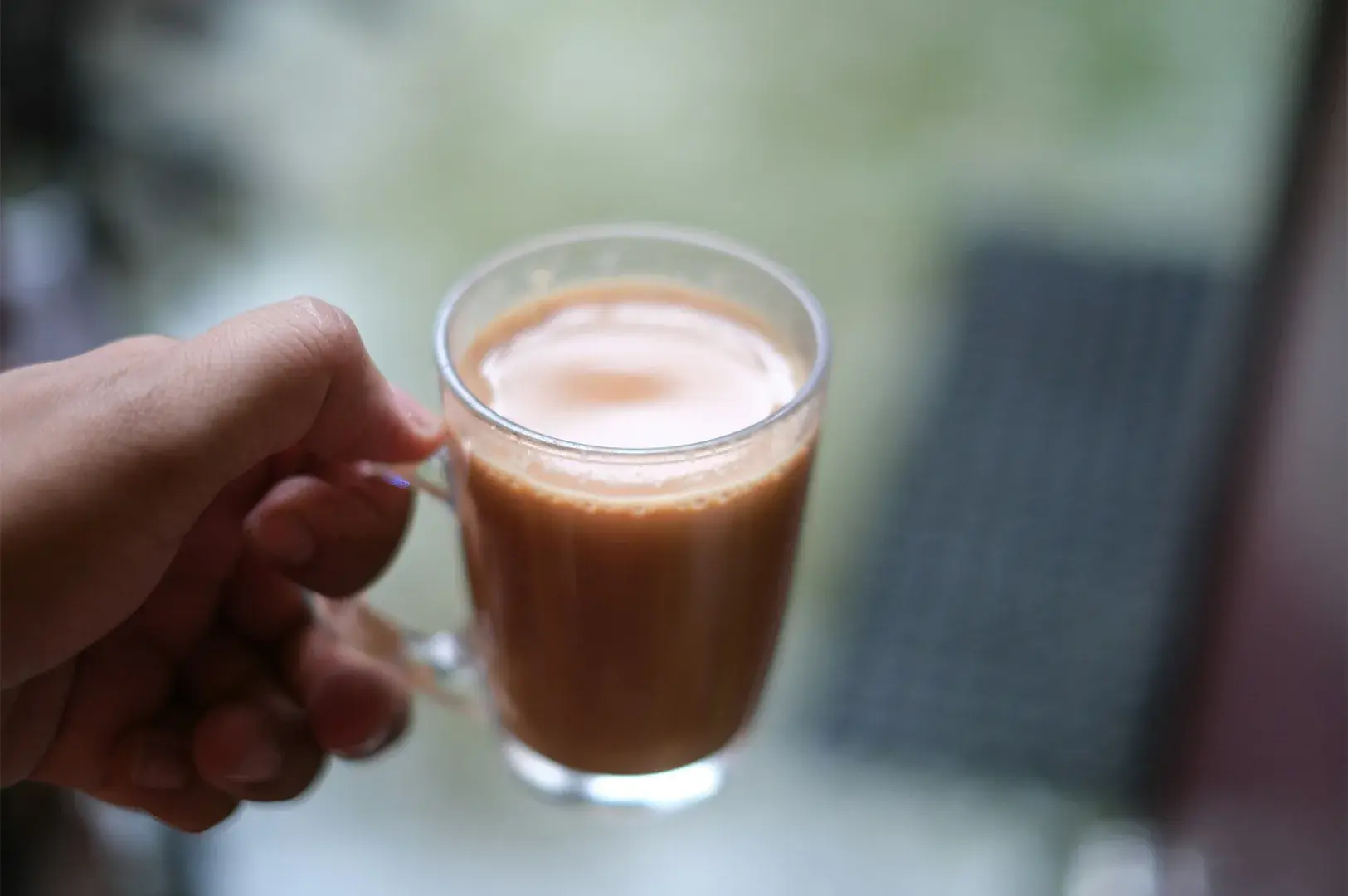
At its heart, the drink is simple. Strong black tea, often Ceylon tea, brewed from tea dust or tea leaves, condensed milk, and often evaporated hot milk too, mixed hot and then poured back and forth between two cups from a height. That pouring, that stretch of tea through the air, is the "tarik," or pulling the tea.
Most stalls use tea dust rather than whole tea leaves or tea bags. Most stalls traditionally use finely ground or broken black tea rather than whole loose leaves. These small tea particles brew quickly and strongly, producing the robust base needed to stand up to condensed milk. Ceylon-style black tea is also commonly associated with teh tarik. Sri Lankan Ceylon tea dust is commonly found.
The pulling does more than look good. The process cools the hot tea to a drinkable temperature and folds air into it, which is where that signature layer of froth comes from. By the time it reaches you, it is warm, sweet, and topped with foam.
The Indian-Muslim Roots Behind the Drink: From Masala Tea to Teh Tarik
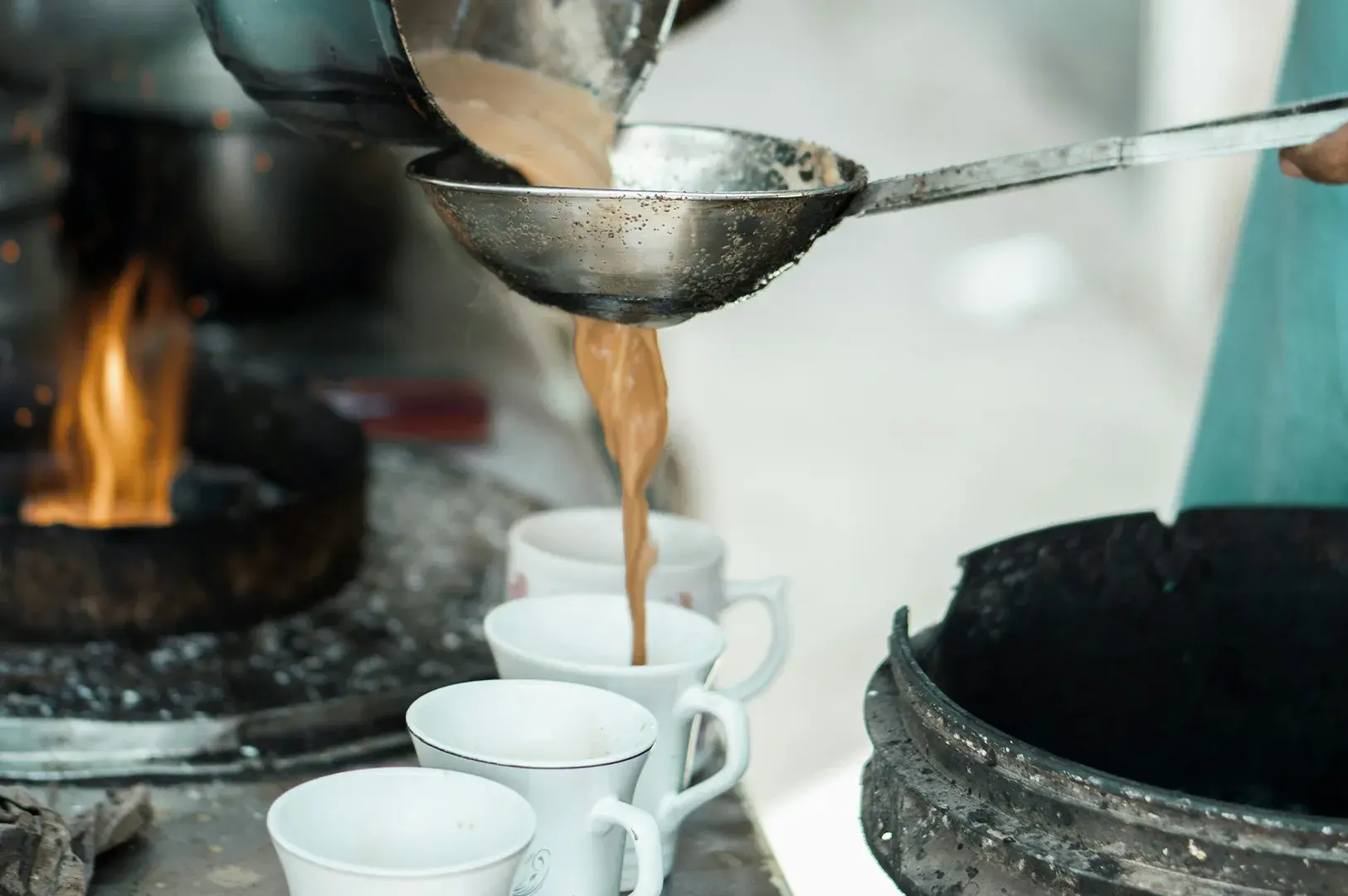
Before teh tarik belonged to hawker centres, it belonged to the roadside.
Its origins trace back to Indian-Muslim immigrants in the Malay Peninsula, who set up sarabat stalls, drink stalls, to serve workers. After the Second World War, many of these stalls appeared at the entrances to rubber plantations, pouring tea for the people who laboured there.
This is why teh tarik is sometimes called a mamak concoction. "Mamak," from a Tamil word meaning "uncle," became a local term used for the Indian-Muslim stallholders and communities behind so much of this everyday food. Indian tea traditions also include masala chai, made with black tea, milk and spices.
In the Malay Peninsula, Indian-Muslim tea sellers adapted their tea-making practices to local conditions, with condensed milk becoming central to the sweet, strong drink now recognised as teh tarik. Here, the recipe shifted to condensed and evaporated milk, richer and sweeter, suited to what was available and what people came to love.
It is worth saying this part plainly and with care. Teh tarik did not appear from nowhere. It was carried, adapted, and shared by a specific community, and the drink we sip so casually today still holds their story inside it.
From Sarabat Stalls to Singapore's Hawker Centres: A Hot Drink for Every Tea Time
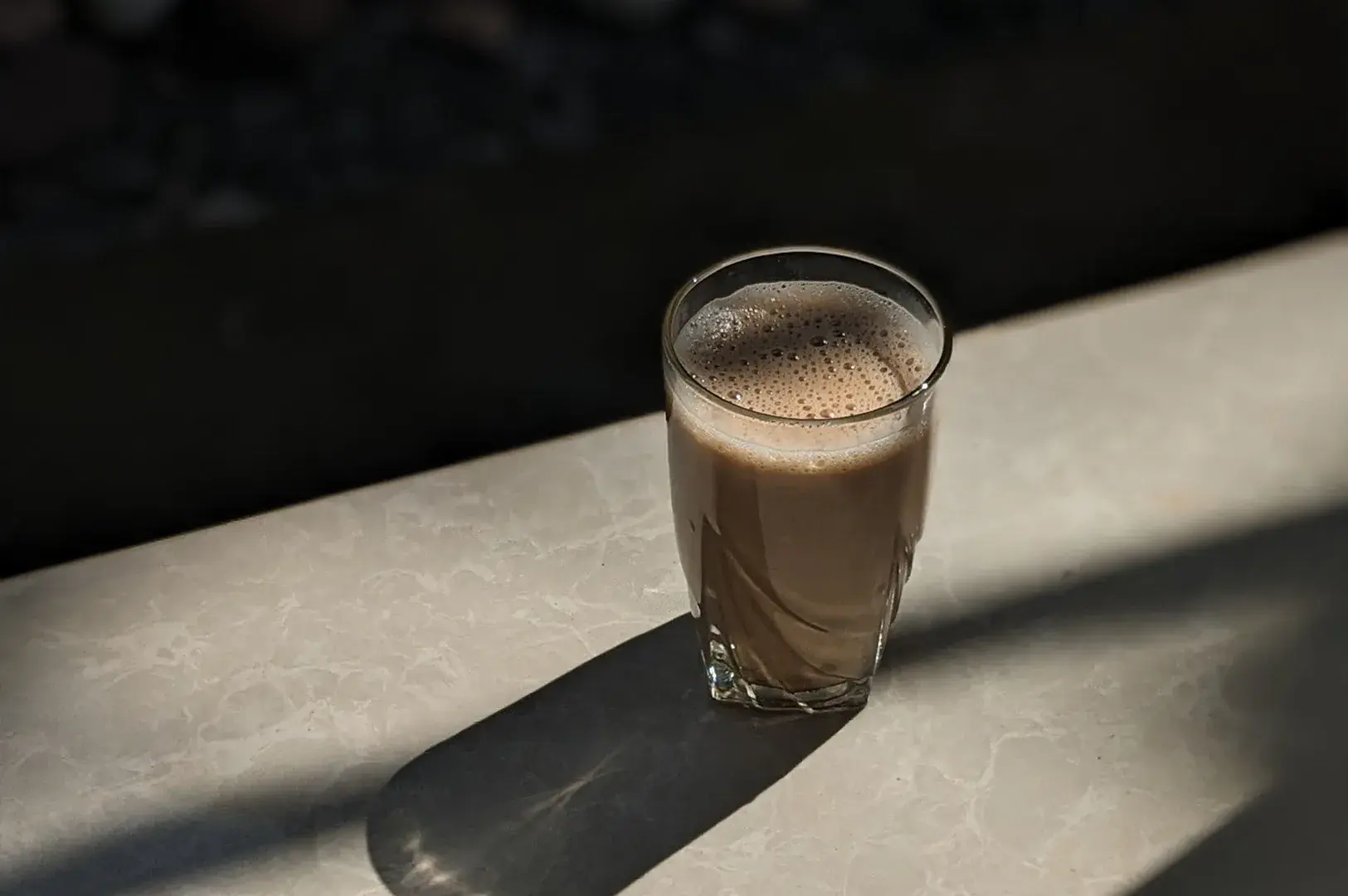
Food rarely stays where it begins. It moves, and in moving, it changes.
As Singapore moved street hawkers into purpose-built markets and hawker centres during its wider hawker resettlement efforts, pulled tea became increasingly familiar within the food centres and coffeeshops where it remains widely available today, part of the wider effort to bring the island's street hawkers under proper roofs. In Malaysia, sarabat stalls stayed common at factories and construction sites. Same drink, two slightly different paths.
And here is where the honest complication sits. There is a long, friendly, sometimes not-so-friendly debate over whether teh tarik "belongs" to Singapore or Malaysia. The truthful answer is that it belongs to both. It grew across a shared peninsula, among shared communities, long before the borders we now take for granted meant very much at all. Perhaps the more useful question is not who owns it, but how many people it has fed.
Inside our hawker centres and kopi tiams, teh tarik settled into the wider mix of Singapore's food and hot drinks. It sits beside kopi and roti prata, beside noodle stalls and rice stalls, part of a place where different communities eat at the same tables. These are not tourist attractions first. They are where an office worker grabs breakfast, where families gather on a Sunday, where you sit shoulder to shoulder with strangers and think nothing of it.
Interest in the drink was renewed, in part, by the rise of 24-hour Indian-Muslim eateries, the places you go when you want teh tarik and roti canai at two in the morning. The tradition kept moving, kept adapting, generation after generation.
Why the Pull Matters: The Only Difference That Makes Teh Tarik Special
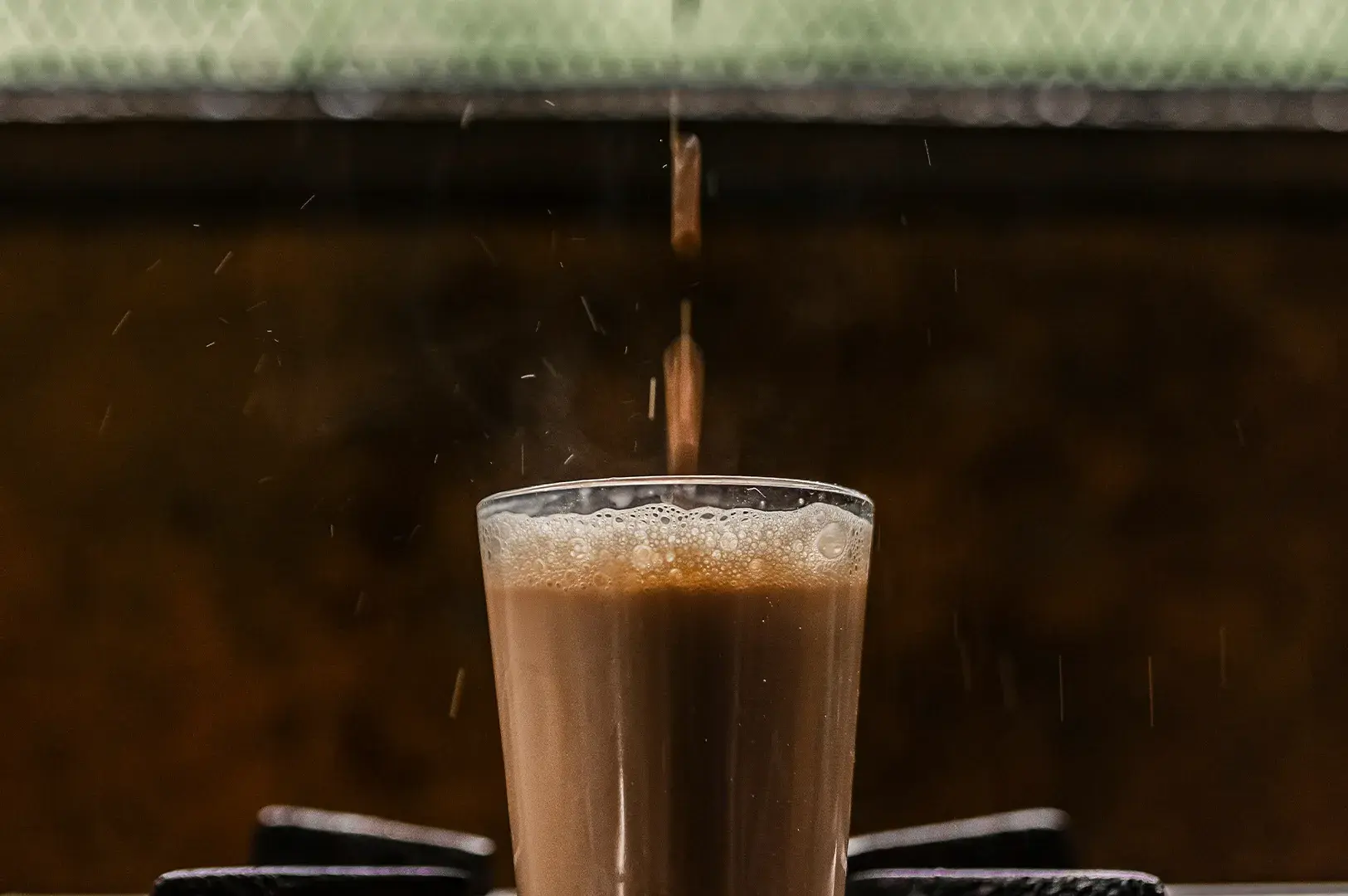
You could, in theory, make this tea without the drama. Stir the milk in, skip the pouring, serve it flat. It would still be tea. It would not be teh tarik.
The pull is not showing off, though a skilled pour is a pleasure to watch. It does real work. Stretching the tea through the air cools it down from scalding boiling water to something you can actually drink. It also aerates the brew, whipping in that froth and softening the texture so the tea feels lighter on the tongue than its strength would suggest.
A good cup depends on many small things: the tea used, how it is mixed, how long and how high it is pulled, how much sugar goes in, the balance of evaporated and condensed milk. Some celebrated stalls are said to blend several types of tea leaves into one cup. There is real craft here, held quietly in the hands of people who have done it ten thousand times.
The froth on top is not decoration either. It carries aroma and flavour. It changes the first sip. Lean in, and you catch the warm, malty smell before the tea even touches your lips.
The Taste of a Familiar Ritual: Milky, Sweet, and Delicious
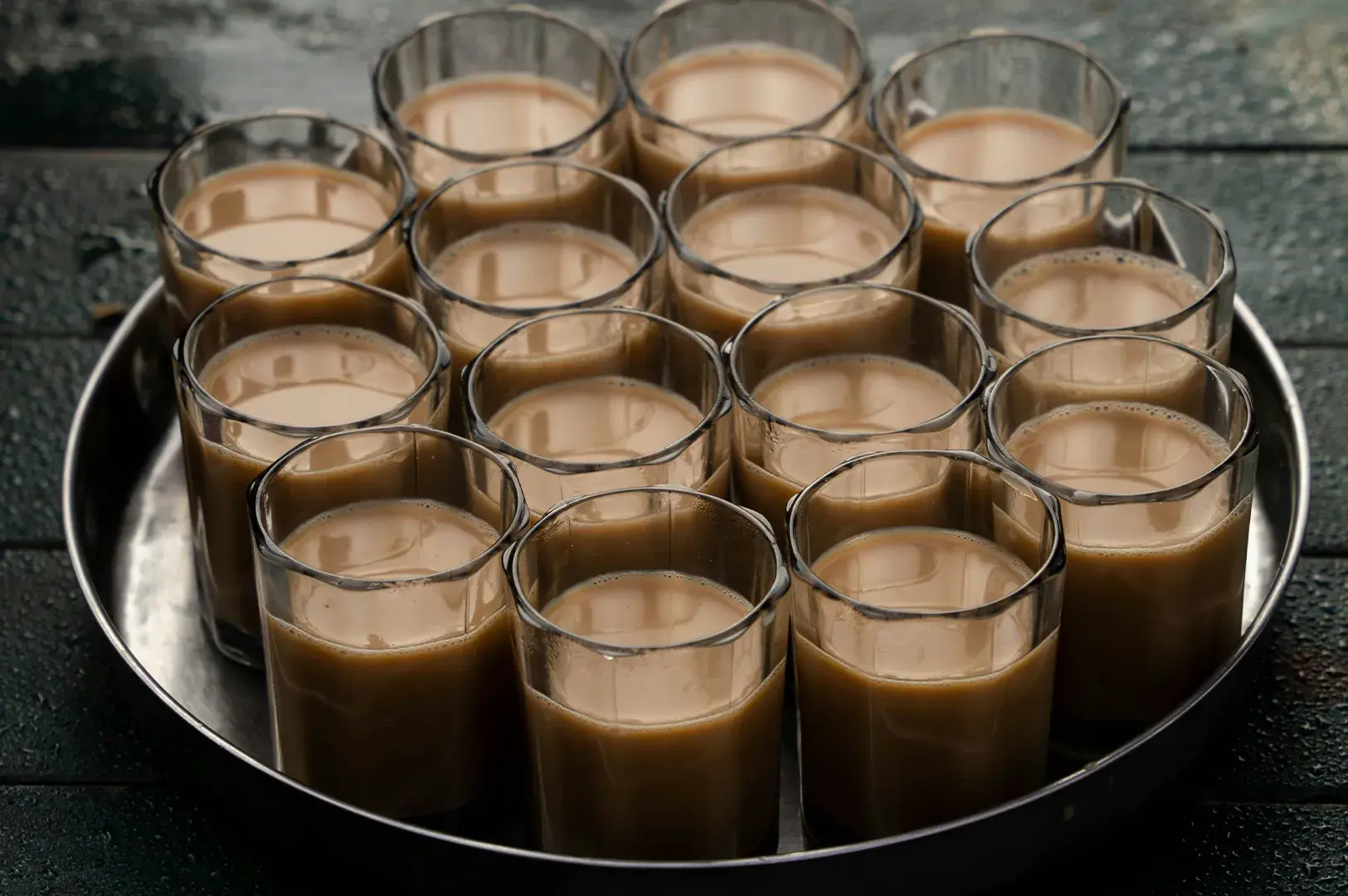
So what does it actually taste like?
Strong tea first, that slightly astringent, roasted backbone from the tea dust or tea leaves. Then sweetness, from the condensed milk, generous but not cloying when it is done well. Then creaminess, rounding the edges, softening the tannins into something comforting. The froth adds a lightness on top that the body of the drink alone would not have.
It is not delicate. It is not meant to be. Teh tarik is a drink with weight to it, sweet and full, the kind of cup that feels like a small meal on a tired afternoon.
And no, not every cup tastes the same. That is part of the pleasure. The Chinese drinker who prefers less condensed milk and the person next door who has a sweet tooth and wants it richer will get two different teh tarik from the same stall, and both are correct. The drink bends to the hand that makes it and the mouth that drinks it. There is teh O without milk, teh C with evaporated milk and sugar, teh O kosong without milk or sugar, teh halia with ginger, and teh peng served over ice. A whole small language of tea can be ordered in a few clipped words at the counter.
Here is the thing I keep coming back to.
Nobody talks about teh tarik as though it were special. You order it without thinking. You drink it while doing something else, reading the Straits Times, arguing about football, waiting for a friend who is late again. It is background. It is ordinary.
But maybe that is exactly why it matters.
The meals we remember most are not always the grand ones. Sometimes they are the ones that were simply there, cup after cup, year after year, until they became stitched into the fabric of our days. Teh tarik is one of those. It has sat on the table through first jobs and long shifts, through late-night conversations and quiet mornings alone. It asks for nothing. It just keeps you company.
That, to me, is what the drink reveals about our food culture. We are a house that treasures the humble as much as the fine. A place where a drink carried in by one community becomes something the whole island claims as its own, poured across every race and every neighbourhood. Food here has always been a shared table. Teh tarik is proof of it, one frothy cup at a time.
The Last Pour: How to Find Teh Tarik and Make It at Home (Recipe Card Included)
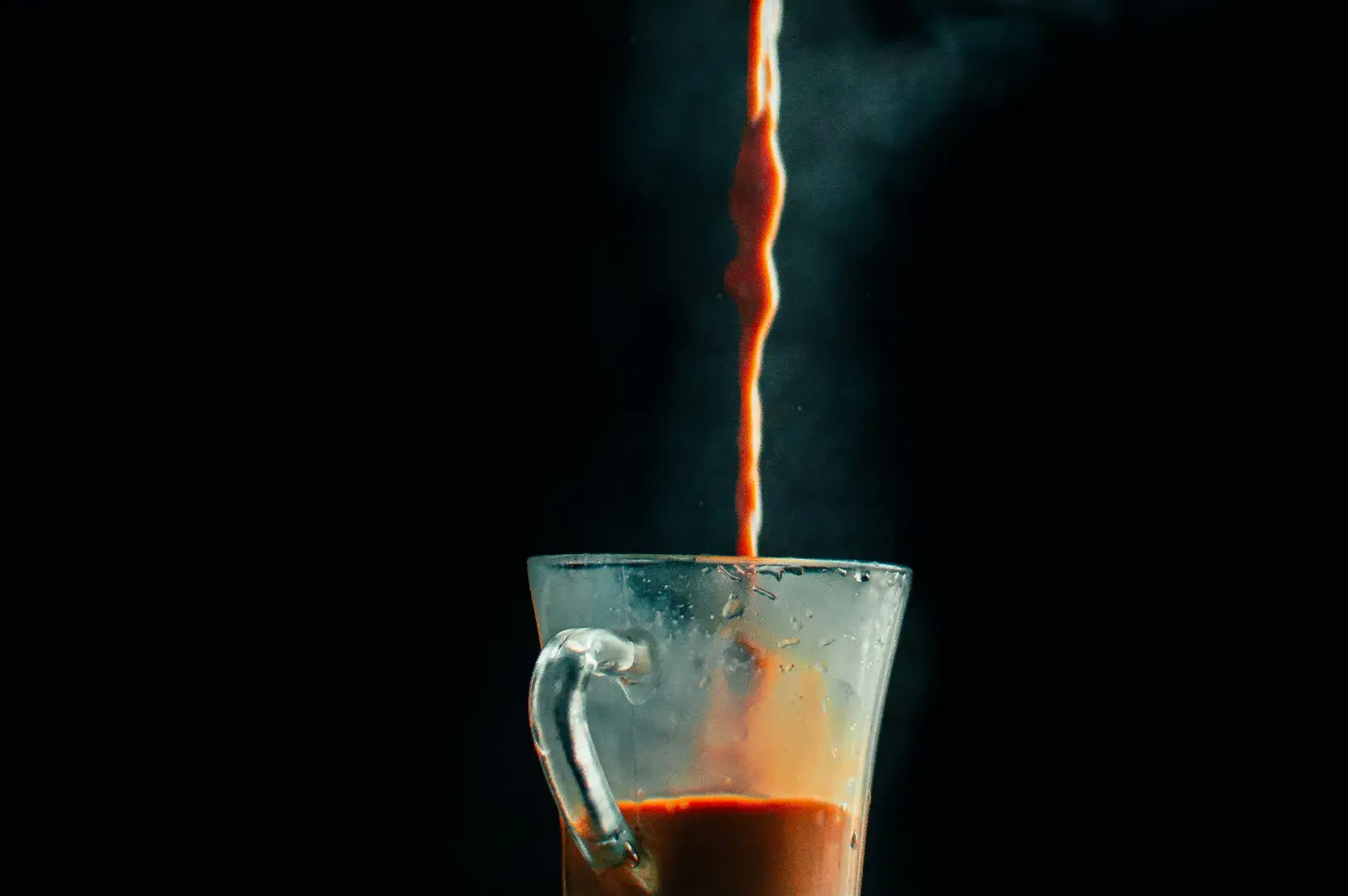
Come back, for a moment, to that arc of tea through the air.
It is such a small thing. A pour, a lift, a pour again. But inside that motion sits a whole history: the sarabat stalls, the rubber plantations, the communities who brought it and the country that took it to heart. All of it, still happening, right now, at a stall somewhere near you.
Singapore moves fast. We reach for convenience, for the quick order and the faster queue. The pulled tea, though, refuses to be rushed. It takes the pouring it takes. And there is something worth holding onto in a drink that still insists on being made by hand, in the open, the old way.
So the next time you want to find teh tarik, slow down. Order one glass or two cups. Watch the pull. Let the froth settle, then taste it properly, not as content, not as a photo, but as something people have been sharing across this region for generations.
If you want to try making it yourself, here is a simple recipe card to review recipe and follow:
- Boiling water: Use about 250 ml of boiling water to brew 1½ teaspoons of strong black tea leaves or tea dust, preferably Ceylon tea.
- Steep for 4-5 minutes, then strain.
- Add about 2 tablespoons of condensed milk and 1 tablespoon of evaporated hot milk, adjusting sweetness to taste for your sweet tooth.
- Carefully pour the tea mixture back and forth between two heat-safe cups or pitchers, gradually increasing the distance as you become comfortable, to aerate the tea and create its characteristic froth.
- Serve hot in a glass or over ice cubes for a cold version.
Unlike other hot drinks, teh tarik’s pulling process cools the tea and enhances its milky flavour, making it delicious whether enjoyed hot or cold.
And if you're curious about related beverages, try teh O for tea without milk, teh C for tea with evaporated milk and sugar, teh halia for ginger tea, or Milo Dinosaur for a rich chocolate-malt treat.
The next time you sip your teh tarik, remember: it’s more than just milk tea. It’s a ritual, a history, and a shared moment, all in one glass.
Looking for a mixture of your favorite tea? Why not click this comprehensive list of tea worth visiting in their cafe spots

Matcha Hype Has Gone Too Far (But I Still Drink It)
I have a confession. I am slightly tired of seeing matcha everywhere. Not because I dislike matcha. In fact, I drink it quite often. But there is something amusing about watching a humble tea become the centre of every café menu, wellness conversation, and social media trend. Matcha has gone from a traditional Japanese tea…
-
Hortus Afternoon Tea Review: When the Garden Becomes the Occasion in the Flower Dome
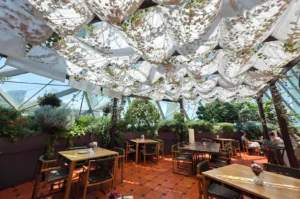
I forgot, for a moment, that I was indoors at Hortus, the Mediterranean restaurant nestled within the Flower Dome at Gardens by the Bay. There were trees above me, real ones, and the air held that cool, green stillness you usually find early in the morning somewhere far from the city. A leaf drifted down…
-
The Real Reason Your Tea at Cafés Tastes Flat
There is a particular disappointment that comes with ordering tea at a café. You see the menu. You notice the carefully written descriptions. Perhaps there is a mention of fragrant jasmine, roasted oolong, or a carefully selected blend. The presentation arrives beautifully arranged, and for a moment, there is anticipation. Then you take the first…
-
Herbal Tea in Chinese: A Cup Shaped by Heat, Balance, and Belief
The first sip was bitter. I was maybe seven, and my grandmother had pressed a small ceramic cup into my hands, dark liquid inside, steam curling up between us. She didn’t explain. She just said, “Drink. You’ve been too heaty.“ I made a face. She didn’t smile. She just waited until I finished. Years later,…
-
Maybe Your Favourite Tea Is Not Your Best Tea
I have a tea sitting in my cupboard that I would never call my “best” tea. It is not the rarest. It is not the most expensive. It does not come with an impressive story about ancient tea trees, remote mountains, or a limited harvest. And yet, I drink it more often than almost anything…
-
Clipper Tea Review: Does the Packaging Match the Pour?
There’s a box of Clipper Tea that’s lived in my cupboard longer than most of my mugs. I didn’t plan to buy it. I was standing in the tea aisle, tired, half-decided on something familiar, when the colour caught me. Bright, cheerful, a little hand-drawn looking. So I brought it home. And I’ve been drinking…
-
Hear Me Out, Tea Does Not Need to Be Serious All the Time
There is something I have noticed about tea culture. We take tea very seriously. Perhaps too seriously. We discuss origins, processing methods, brewing temperatures, and the history behind every leaf. We debate whether a tea should be enjoyed in a certain way. We carefully consider the correct vessel, the right water, and the ideal environment….
-
Red Bush Tea: The Tea That Does Not Need to Shout
There is a red pot in my mother’s kitchen that only comes out in the evening. By then the coffee has done its work and gone quiet. The day has loosened. She fills the kettle, drops in a spoonful of something the colour of dried autumn, and lets it sit while she tidies the last…
-
Hear Me Out: High Tea Is Overrated
Hear me out: high tea is one of the most convincing ways we have found to make snacking feel important. I understand the appeal. The room is polished, the cups are delicate, and everything arrives in miniature. There is something satisfying about sitting down in the middle of the afternoon and behaving as though time…
-
Where Tea Is Given Time to Speak: Anteasocial Review
I almost walked past it. Owen Road Singapore doesn’t announce much. A quiet stretch, low buildings, the kind of road you pass through on the way to somewhere louder. Then there it was, unassuming, just numbers on a wall: 117. Anteasocial is a contemporary Oriental specialty teahouse in Singapore, and if you’re looking for a…