It is easy to forget how many hands have touched a tea leaf before it reaches ours.
We speak of mountains, harvest seasons, famous gardens, and the qualities of particular cultivars. We admire the fragrance of a good Long Jing or the complexity of a carefully roasted Tie Guan Yin.
Yet the people responsible for those qualities often remain unnamed.
I find that increasingly difficult to overlook.
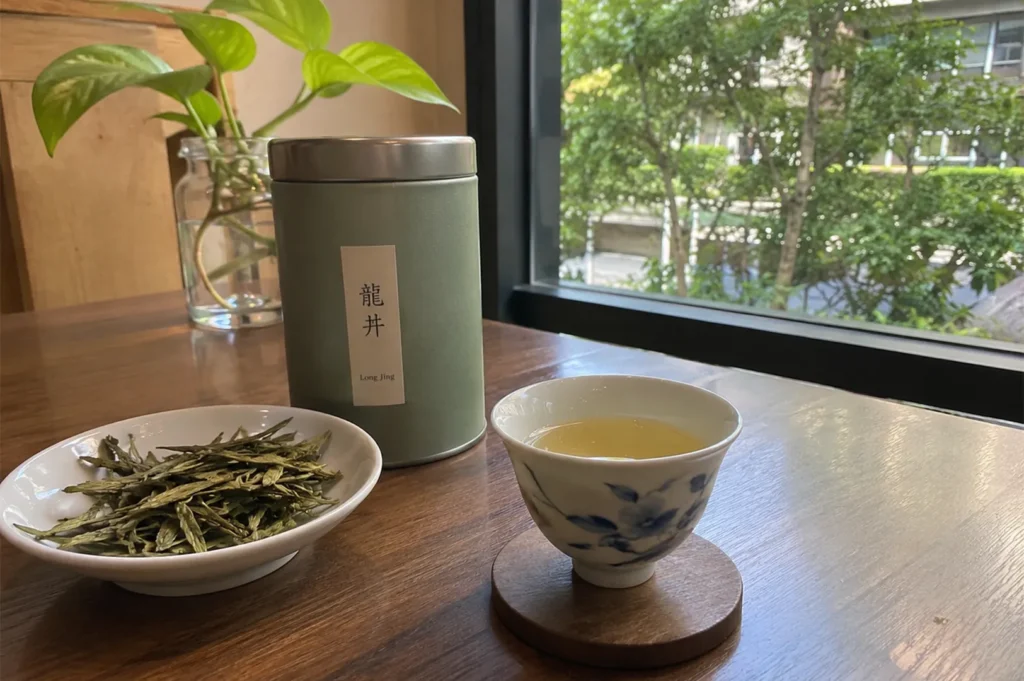
Consider Long Jing, for instance. Its distinctive flat leaves are shaped through a demanding process of pan-firing, where experience and careful judgment influence the finished tea.
Behind that familiar appearance is someone’s practiced skill.
And before the leaves reach the pan, someone must tend the plants, assess the growing conditions, and decide when the leaves are ready to be picked.
These are not romantic details added to make tea seem special.
They are work.
I think tea appreciation sometimes becomes too focused on the person drinking it. We discuss our brewing techniques, our preferred vessels, and how well we can recognise particular flavours.
There is value in developing that knowledge.
But I wonder whether we give enough attention to those who make such experiences possible.
A skilled tea maker may spend years learning to recognise changes that most of us would never notice. A farmer’s decisions may influence a harvest long before the leaves are processed.
Their contributions cannot always be understood from a tasting note.
Nor should they be reduced to a charming story printed on expensive packaging.
Gratitude, I believe, requires something more than admiration.
It asks us to become curious about provenance, working conditions, and whether the people producing our tea are treated fairly. These questions are not always easy to answer, but that does not make them less important.
I do not think every cup needs to become an exercise in ethical examination.
Sometimes tea should simply be enjoyed.
Still, I would like to remember that what feels effortless in my hands may represent considerable effort in someone else’s.
Perhaps appreciating tea more deeply begins not with learning another brewing technique, but with recognising the people whose knowledge and labour have already gone into the leaves.
The cup may belong to us.
The work behind it never did.
With quiet regard,
N. P. Lim

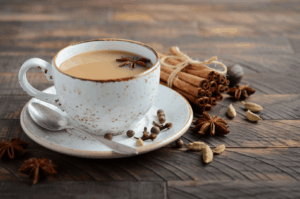
Masala Chai Origins: The Cultural Evolution of India’s Spiced Tea Tradition
The rhythmic clanging of metal kettles echoes through narrow lanes as steam rises from countless chai stalls across India. The intoxicating aroma of cardamom, cinnamon, and fresh ginger mingles with robust black tea, creating an olfactory symphony that has captivated souls for centuries. This is masala chai-not merely a beverage, but a cultural phenomenon that…
-
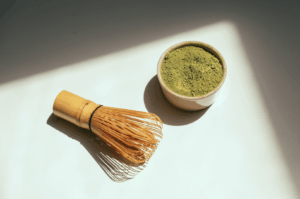
Matcha Tea: The Versatile Japanese Green Tea Powder
The vibrant green powder that transforms simple hot water into liquid jade has captivated tea enthusiasts worldwide. Matcha tea represents more than just a trendy beverage-it’s a bridge connecting ancient Japanese traditions with modern culinary innovation. This unique form of powdered green tea offers endless possibilities, from meditative ceremonial drinking to creative kitchen applications that…
-
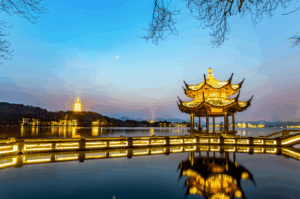
The Dragon Well Legacy: Exploring China’s Legendary Longjing Tea
Among the world’s most revered green teas, few carry the prestige and cultural significance of China’s legendary Dragon Well. This premium tea has captivated tea enthusiasts for centuries, earning its place as an imperial favourite and modern icon alike. From its mystical origins at West Lake to its meticulous processing methods, Longjing represents the pinnacle…