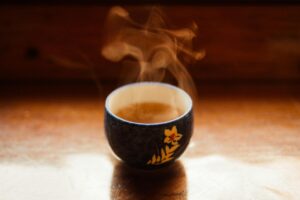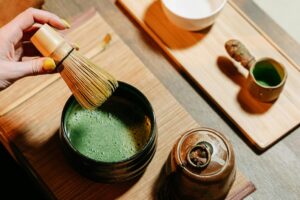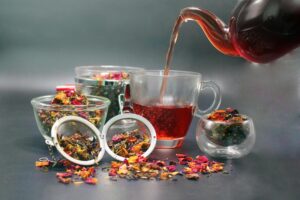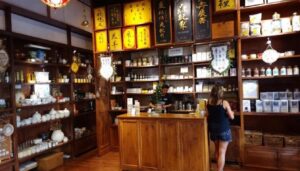
There is a particular disappointment that comes with ordering tea at a café.
You see the menu. You notice the carefully written descriptions. Perhaps there is a mention of fragrant jasmine, roasted oolong, or a carefully selected blend. The presentation arrives beautifully arranged, and for a moment, there is anticipation.
Then you take the first sip.
Something feels missing.
The tea is not bad. It is warm. It is pleasant enough. Yet somehow, it lacks the depth you expected. The aroma feels distant. The flavour disappears quickly. It tastes like tea, but not quite like an experience.
I have wondered about this many times.
Why does a tea that sounds so promising sometimes feel flat?
The answer is not always the quality of the leaves.
Sometimes, it is the environment.
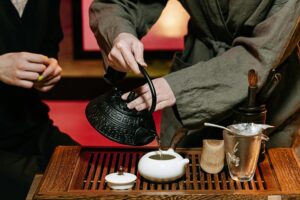
Tea is a sensitive drink. Unlike beverages that rely heavily on sweetness, milk, or strong flavours, tea reveals its character through subtle details. The water temperature, the brewing time, the vessel, and even the attention given during preparation all influence what eventually reaches the cup.
But there is another factor we rarely discuss.
Tea needs patience.
Many cafés operate in a world built around speed. Orders need to move quickly. Tables need to turn over. Drinks need to arrive within minutes. This rhythm works well for many beverages, but tea has always belonged to a slower pace.
A tea leaf does not rush to reveal itself.
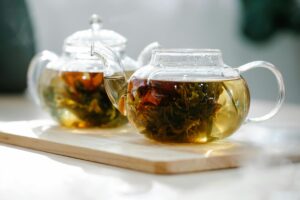
Some teas need time to open. Some require careful handling. Some change through multiple infusions, revealing something different with each pour.
When tea is treated like a drink that simply needs to be prepared quickly, something is often lost.
This does not mean cafés cannot serve excellent tea. Many do. There are places that understand tea is not just another item on the menu but an experience that deserves attention.
But perhaps this explains why some of the most memorable cups of tea are not always found in the most impressive settings.
Sometimes they happen at home.
A familiar teapot.
A quiet morning.
Leaves given enough time to unfold.
There is no pressure to hurry.
The tea is allowed to become itself.
Maybe this is the difference between drinking tea and experiencing tea.
The former satisfies a need.
The latter creates a moment.
Of course, not every café cup needs to become a ceremony. Tea does not require perfection. It does not need to be complicated to be enjoyable.
But perhaps it does need one thing.
Respect for its pace.
Because tea has always had a quiet way of reminding us that some things cannot be improved by moving faster.
They simply need time.
With quiet regard,
N. P. Lim

Tea from Japan: A Journey Through Culture, History, and Varieties
In Japan, tea is not merely a drink; it is a cultural cornerstone, a spiritual discipline, and an integral part of daily life. Tea is an important part of Japanese food culture, traditional ceremonies, and daily routines, reflecting its deep-rooted presence in society. The simple act of preparing and drinking Japanese tea is imbued with…
-
Sobacha: Exploring the Japanese Tradition of Roasted Buckwheat Tea (Sobacha)
Beyond the celebrated world of Japanese green tea lies a treasure trove of comforting, traditional beverages. Among the most beloved is sobacha (そば茶), a nutty and wholesome roasted buckwheat tea. It’s a staple in Japanese households and restaurants, cherished not just for its delightful flavor but for its deep connection to Japanese culinary culture and…
-
Ginger Tea Singapore: A Practical Journey to Finding and Enjoying This Wellness Beverage
Ginger tea is more than just a comforting beverage in Singapore; it’s a staple of modern wellness, a go-to remedy for chasing away the chill of an air-conditioned office, and a familiar taste of home across many cultures. The gentle warmth of ginger tea provides a soothing and invigorating sensory experience, evoking feelings of coziness…
-
Beyond Coffee: Cafe Singapore Cafes Worth Visiting for Their Tea
Author’s Note: I made just a few tweaks here and there to smooth out the flow and make your reading experience as enjoyable as possible. Hope you enjoy the read as much as I enjoyed fine-tuning it for you! If you close your eyes and imagine a typical cafe Singapore scene, you’d likely hear the…
-
Green Tea in Japan: Exploring the Cultural and Social Dimensions of Green Tea in Japan
In Japan, green tea is more than just a beverage; it is a cultural cornerstone, deeply woven into the fabric of daily life, social customs, and national identity. It’s the welcoming drink offered to a guest, the quiet moment of reflection in a busy day, and the centerpiece of a centuries-old ceremony. While many are…

Singapore Ginger Tea: A Complete Guide to Traditional Wellness in the Lion City
In Singapore’s multicultural landscape, ginger tea is a beloved staple that transcends cultural boundaries. Known locally as teh halia, this warming brew embodies centuries of traditional wisdom adapted to modern Singapore life. Whether you seek relief from air-conditioned chill, digestive support after a big meal, or a refreshing sip on a rainy day, Singapore ginger…
-
Loose Tea Leaves: Elevate Your Singapore Tea Experience
In a city that moves as fast as Singapore, the simple act of brewing a cup of tea can feel like a small rebellion—a moment of intentional calm. More and more tea lovers are discovering that this moment is profoundly elevated when they make the switch from conventional tea bags to loose tea leaves. This…
-
Tea Leaf Singapore: An Exquisite Journey of Flavours, Traditions, and Moments
Singapore’s strategic position as a maritime trading hub has nurtured a rich tea culture where ancient traditions blend with modern innovation. The local love for tea runs deep, shaping Singapore’s unique tea culture and fostering a strong appreciation for every cup. Singapore continues to honor its tea traditions while embracing new innovations, ensuring that the…
-
Korean Barley Tea: A Journey into Boricha and Its Rich Traditions
Walk into any Korean restaurant, and before you glance at the menu, a glass of amber-colored boricha (보리차) arrives. This Korean barley tea is as fundamental as water in Korean culture—served hot or cold, a staple in everyday life and a gesture of hospitality. While roasted barley tea is popular across many East Asian countries,…
-
Mugicha Barley Tea: Japan’s Beloved Caffeine-Free Summer Drink Unveiled
Long before green tea became Japan’s iconic beverage, mugicha barley tea—a golden, nutty roasted barley tea—has refreshed Japanese families for centuries. Unlike traditional tea from Camellia sinensis leaves, mugicha is a naturally caffeine free herbal tea made by steeping roasted barley grains in hot water. This traditional barley tea has evolved from an imperial luxury…