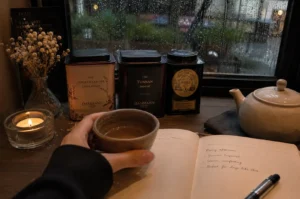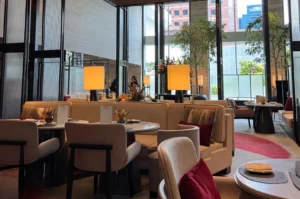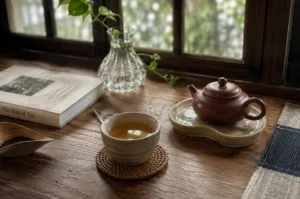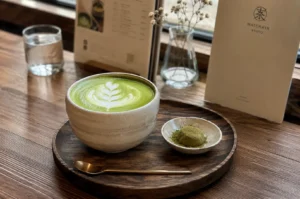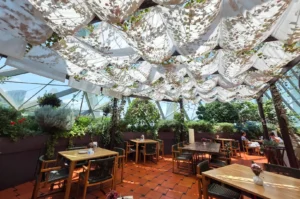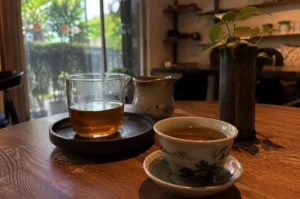
There is a particular disappointment that comes with ordering tea at a café.
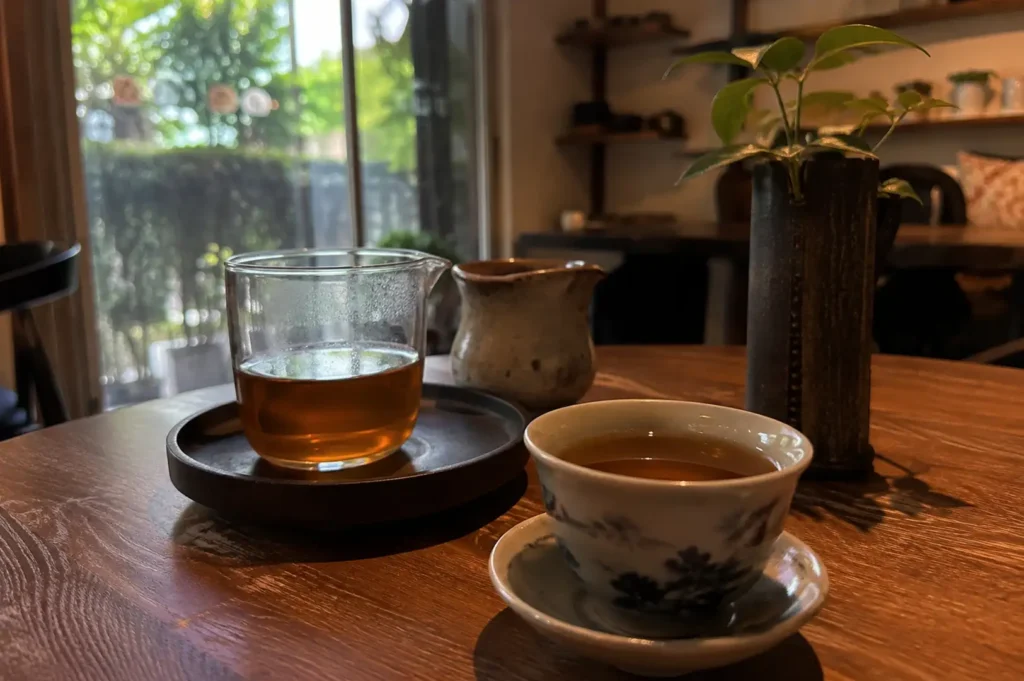
You see the menu. You notice the carefully written descriptions. Perhaps there is a mention of fragrant jasmine, roasted oolong, or a carefully selected blend. The presentation arrives beautifully arranged, and for a moment, there is anticipation.
Then you take the first sip.
Something feels missing.
The tea is not bad. It is warm. It is pleasant enough. Yet somehow, it lacks the depth you expected. The aroma feels distant. The flavour disappears quickly. It tastes like tea, but not quite like an experience.
I have wondered about this many times.
Why does a tea that sounds so promising sometimes feel flat?
The answer is not always the quality of the leaves.
Sometimes, it is the environment.
Tea is a sensitive drink. Unlike beverages that rely heavily on sweetness, milk, or strong flavours, tea reveals its character through subtle details. The water temperature, the brewing time, the vessel, and even the attention given during preparation all influence what eventually reaches the cup.
But there is another factor we rarely discuss.
Tea needs patience.
Many cafés operate in a world built around speed. Orders need to move quickly. Tables need to turn over. Drinks need to arrive within minutes. This rhythm works well for many beverages, but tea has always belonged to a slower pace.
A tea leaf does not rush to reveal itself.
Some teas need time to open. Some require careful handling. Some change through multiple infusions, revealing something different with each pour.
When tea is treated like a drink that simply needs to be prepared quickly, something is often lost.
This does not mean cafés cannot serve excellent tea. Many do. There are places that understand tea is not just another item on the menu but an experience that deserves attention.
But perhaps this explains why some of the most memorable cups of tea are not always found in the most impressive settings.
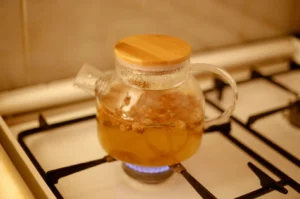
Sometimes they happen at home.
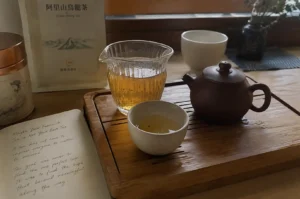
A familiar teapot.
A quiet morning.
Leaves given enough time to unfold.
There is no pressure to hurry.
The tea is allowed to become itself.
Maybe this is the difference between drinking tea and experiencing tea.
The former satisfies a need.
The latter creates a moment.
Of course, not every café cup needs to become a ceremony. Tea does not require perfection. It does not need to be complicated to be enjoyable.
But perhaps it does need one thing.
Respect for its pace.
Because tea has always had a quiet way of reminding us that some things cannot be improved by moving faster.
They simply need time.
With quiet regard,
N. P. Lim

The Seasons in a Tin: How Weather Shapes What I Reach For
I have a small habit that I never really noticed until recently. The weather changes, and somehow, so does the tea I want. On a hot afternoon, I find myself reaching for something light and floral. When rain settles over the windows, I want something darker, warmer, perhaps a little more comforting. On those rare…
-
Ginger Lily Afternoon Tea on Orchard Road: A Floral Chapter in Singapore’s Culinary Story
I noticed the ginger lily flowers before I noticed anything else. Not real ones, exactly. A wall of them, suspended in resin, catching the light as I stepped off the lift on Level 5 at Hilton Singapore Orchard, home to Ginger Lily, a floral-themed afternoon tea lounge on Orchard Road. I stood there a second…
-
Minimalism, But Make It Warm: A Simpler Way to Drink Better Tea
There is a certain irony about tea. The more we learn about it, the easier it becomes to complicate it. A simple cup of leaves and water slowly becomes surrounded by equipment, measurements, techniques, and expectations. We begin collecting teapots, comparing brewing methods, and searching for the perfect setup. None of these things are wrong….
-
A Humble Cup in an Age of Overdesigned Drinks: iTea Review
The bubble tea I queued for last month came with a caramelized brûlée top I had to crack with the back of my spoon. It was fine. Pretty, even. But somewhere between the torched sugar and the cheese foam and the third topping I didn’t ask for, I lost the drink itself. So I went…
-
Matcha Hype Has Gone Too Far (But I Still Drink It)
I have a confession. I am slightly tired of seeing matcha everywhere. Not because I dislike matcha. In fact, I drink it quite often. But there is something amusing about watching a humble tea become the centre of every café menu, wellness conversation, and social media trend. Matcha has gone from a traditional Japanese tea…
-
Hortus Afternoon Tea Review: When the Garden Becomes the Occasion in the Flower Dome
I forgot, for a moment, that I was indoors at Hortus, the Mediterranean restaurant nestled within the Flower Dome at Gardens by the Bay. There were trees above me, real ones, and the air held that cool, green stillness you usually find early in the morning somewhere far from the city. A leaf drifted down…
-
The Real Reason Your Tea at Cafés Tastes Flat
There is a particular disappointment that comes with ordering tea at a café. You see the menu. You notice the carefully written descriptions. Perhaps there is a mention of fragrant jasmine, roasted oolong, or a carefully selected blend. The presentation arrives beautifully arranged, and for a moment, there is anticipation. Then you take the first…
-
Herbal Tea in Chinese: A Cup Shaped by Heat, Balance, and Belief
The first sip was bitter. I was maybe seven, and my grandmother had pressed a small ceramic cup into my hands, dark liquid inside, steam curling up between us. She didn’t explain. She just said, “Drink. You’ve been too heaty.“ I made a face. She didn’t smile. She just waited until I finished. Years later,…
-
Maybe Your Favourite Tea Is Not Your Best Tea
I have a tea sitting in my cupboard that I would never call my “best” tea. It is not the rarest. It is not the most expensive. It does not come with an impressive story about ancient tea trees, remote mountains, or a limited harvest. And yet, I drink it more often than almost anything…
-
Clipper Tea Review: Does the Packaging Match the Pour?
There’s a box of Clipper Tea that’s lived in my cupboard longer than most of my mugs. I didn’t plan to buy it. I was standing in the tea aisle, tired, half-decided on something familiar, when the colour caught me. Bright, cheerful, a little hand-drawn looking. So I brought it home. And I’ve been drinking…