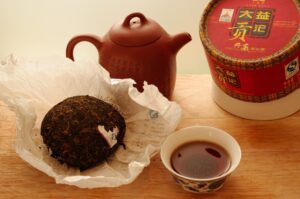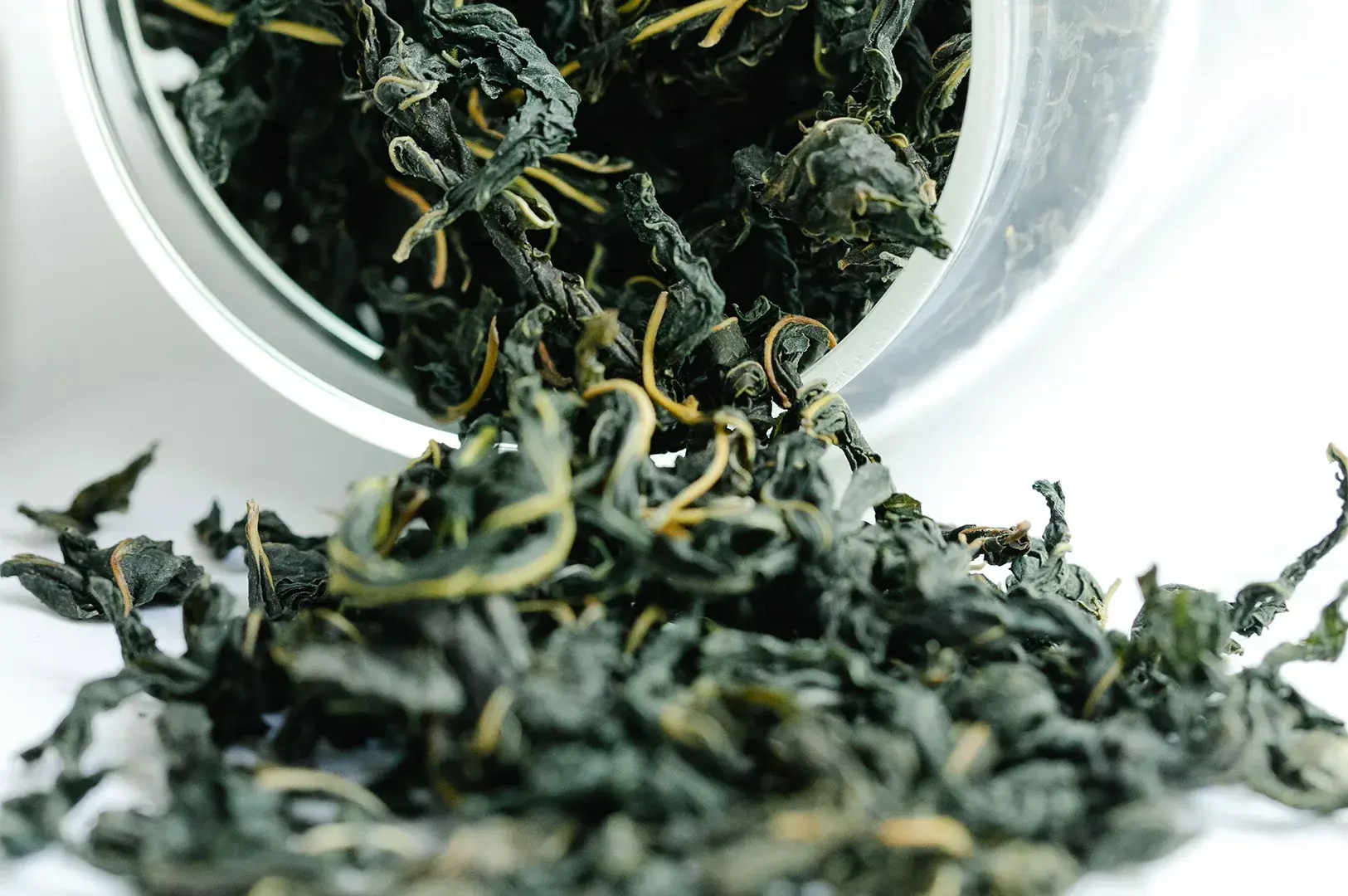
Tie Guan Yin, also known as Iron Goddess or Iron Goddess Oolong, is a celebrated Chinese oolong tea originating from Anxi County in Fujian Province, China. This tea from Anxi Fujian holds a special place among other teas due to its unique aroma, flavour, and rich cultural story. It is made from the tea plant Camellia sinensis, specifically from the Tie Guan Yin cultivar, with tightly rolled tea leaves that unfurl during brewing.
Renowned for its captivating floral aroma and smooth, sweet taste, Tie Guan Yin has become one of the most beloved oolong teas worldwide. Its complex flavor profile, which can range from fresh and flowery to roasted and nutty depending on the processing style, appeals to both casual tea drinkers and connoisseurs alike.
Beyond its delightful taste, Tie Guan Yin carries a fascinating history intertwined with Chinese folklore and tradition, symbolizing grace, compassion, and prosperity. This tea is not only prized for its sensory qualities but also valued for its health benefits, making it a cherished choice for tea lovers seeking both pleasure and wellness.
Tie Guan Yin and Its Place Among Oolong Tea and Green Tea
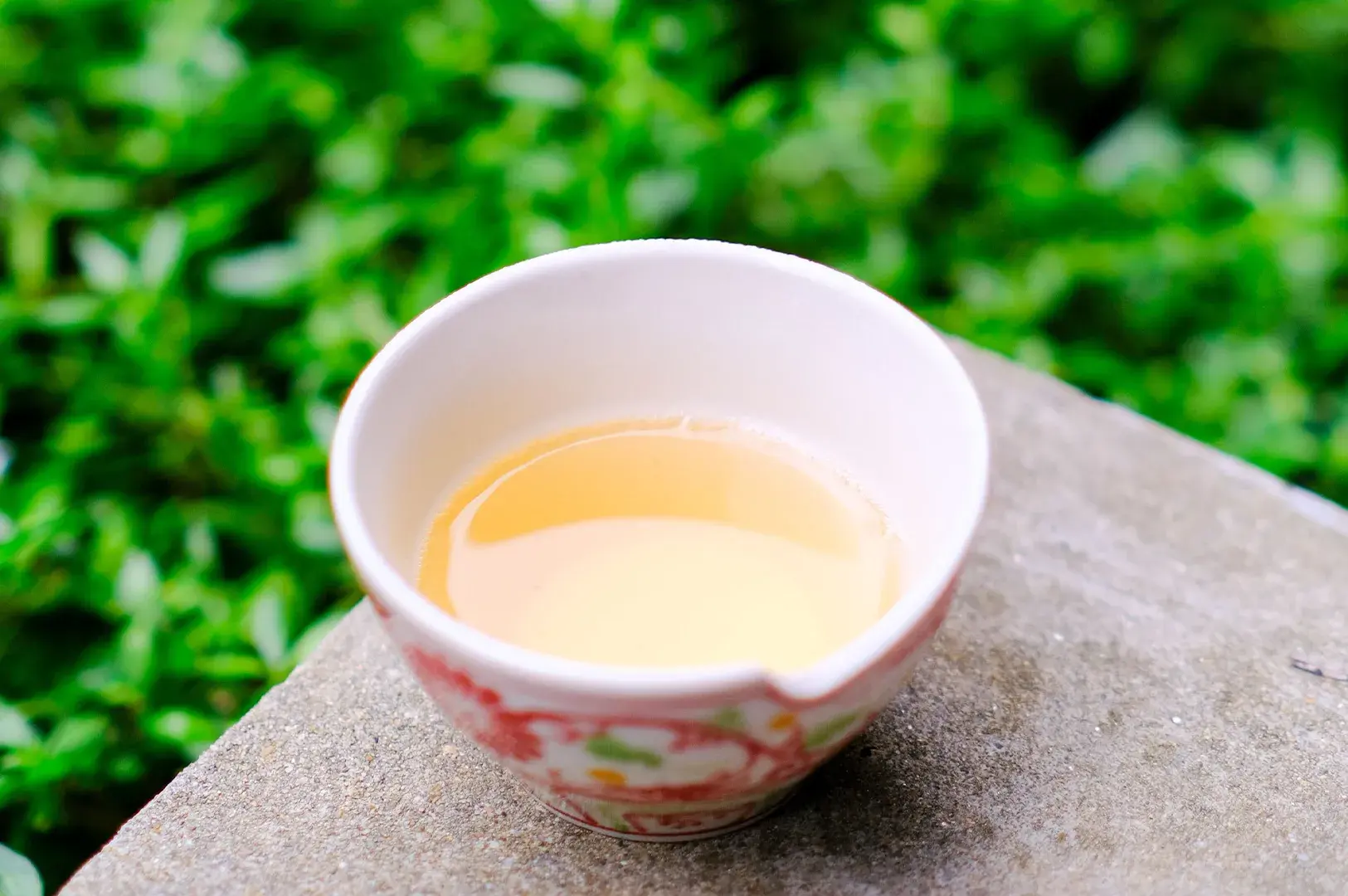
While tie guan yin is a type of oolong tea, it beautifully bridges the gap between green tea and black tea through its unique partial oxidation and fermentation process. This means it offers the best of both worlds. the fresh, vibrant qualities of green tea combined with the rich depth of black tea.
Tie Guan Yin comes in both traditional and modern styles, each with its own charm. The processing is often grouped into Anxi Style and Muzha (Traditional) Style. Anxi Style tends to be lighter and more floral, while Muzha Style is more heavily oxidized and extensively roasted, giving it a warm, nutty flavor.
This versatility is part of what makes tie guan yin so special, it offers a refreshing taste that appeals to a wide range of tea lovers, whether you're new to oolong or a seasoned connoisseur. So, whether you prefer a delicate floral cup or a robust, roasted brew, tie guan yin has got you covered.
The Origin and Story of Tie Guan Yin: From Poor Farmer to Tea Legend
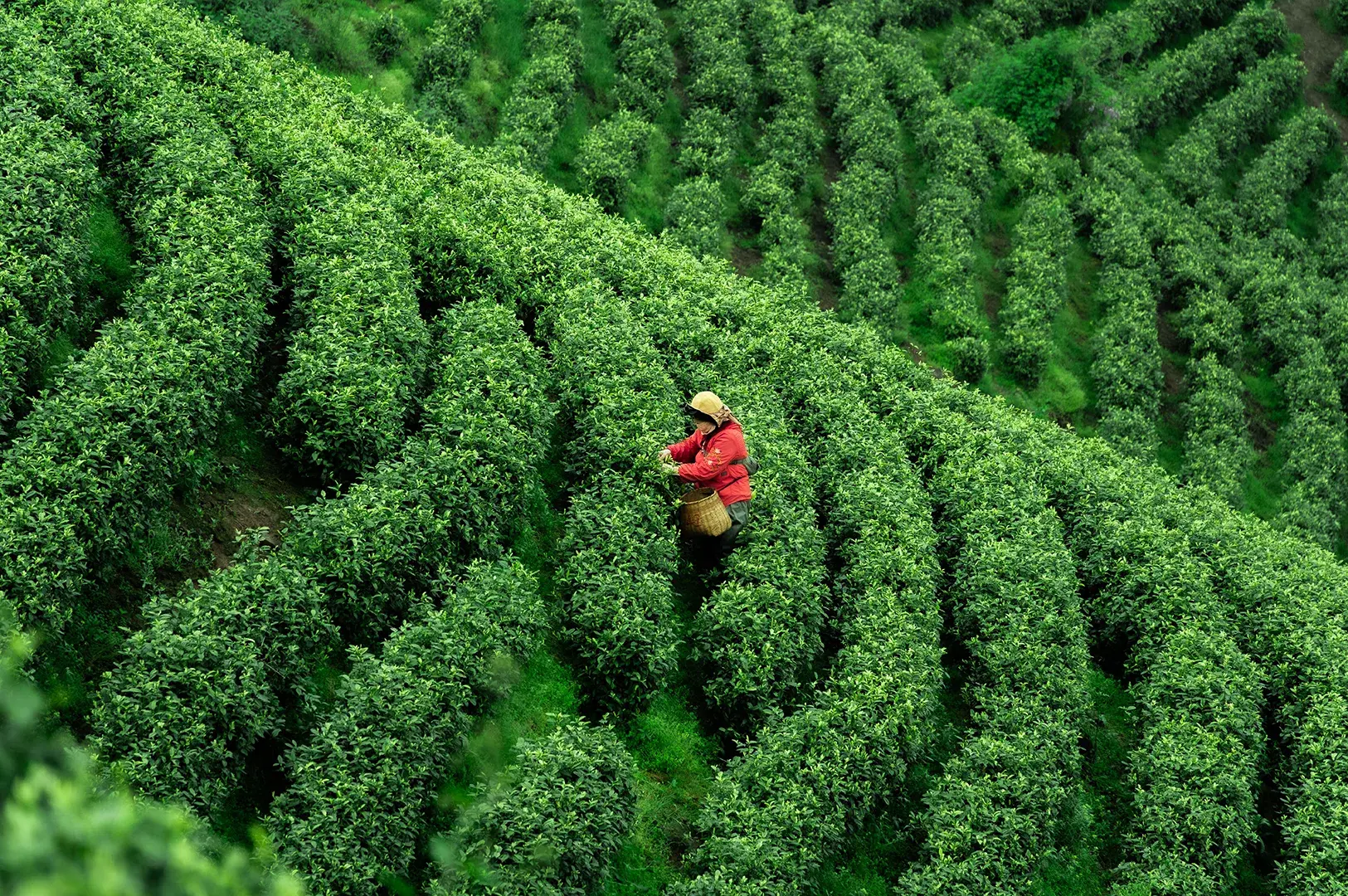
The origin of tie guan yin takes place in Anxi County, Fujian, where it dates to the early 1700s and a poor farmer discovered a tea plant in a garden near an abandoned temple dedicated to Guan Yin, the goddess of mercy. Inspired by this legend, the farmer cultivated the tea plant, which eventually became the prized iron guanyin tea. Emperor Qian Long later helped endorse the tea and spread its popularity.
This story reflects the deep cultural roots of ti kuan yin and the importance of terroir, the mountain climate, sun exposure, and soil, that shape the quality and flavour of the tea leaves harvested in spring and autumn. Near the end of this tradition, local farmers helped preserve its cultivation methods and depended on their ability to sell authentic tea. That is also why oolong tea from Anxi remains an important marker of authenticity tied to place and cultivation.
The Iron Goddess Oolong: Traditional Tie Guan Yin Processing and Fermentation
Traditional tie guan yin is traditionally processed with careful shaking, sun wilting, oxidation control, and roasting that runs overnight into the morning; ti kwan yin is another traditional spelling for this tea. The tea leaves are then rolled into characteristic tight balls, and the compact leaf shape helps preserve aroma before brewing while retaining their weight and colour.
This traditional method enhances the tea’s honey and fruity notes, producing a bright, smooth cup with a rich aroma and a lingering sweet finish. Harvests can occur in spring, summer, autumn, and winter, with processing choices shaping the final cup.
The traditional style typically involves a higher oxidation level than modern versions, resulting in a deeper, more complex flavor profile with roasted, nutty, and toasty undertones. This method also emphasizes the tea’s unique “Guan Yin Yun,” a mouthfeel sensation described as a tightening and uplifting feeling on the tongue and cheeks, which is highly prized among connoisseurs.
The roasting process, often done twice, not only halts oxidation but also develops the tea’s characteristic metallic and toasted rice notes, contributing to its distinctive taste and aroma. Moreover, traditional tie guan yin leaves have a moderate to high moisture content before roasting, which helps to lock in the natural sweetness and freshness during processing. This style of tie guan yin is cherished for its balance of floral brightness and rich depth, making it ideal for those who appreciate a more robust oolong tea experience.
Click here to discover more about Oolong tea in Singapore
Brewing Tie Guan Yin: Steeping, Brewing Time, and Water Temperature
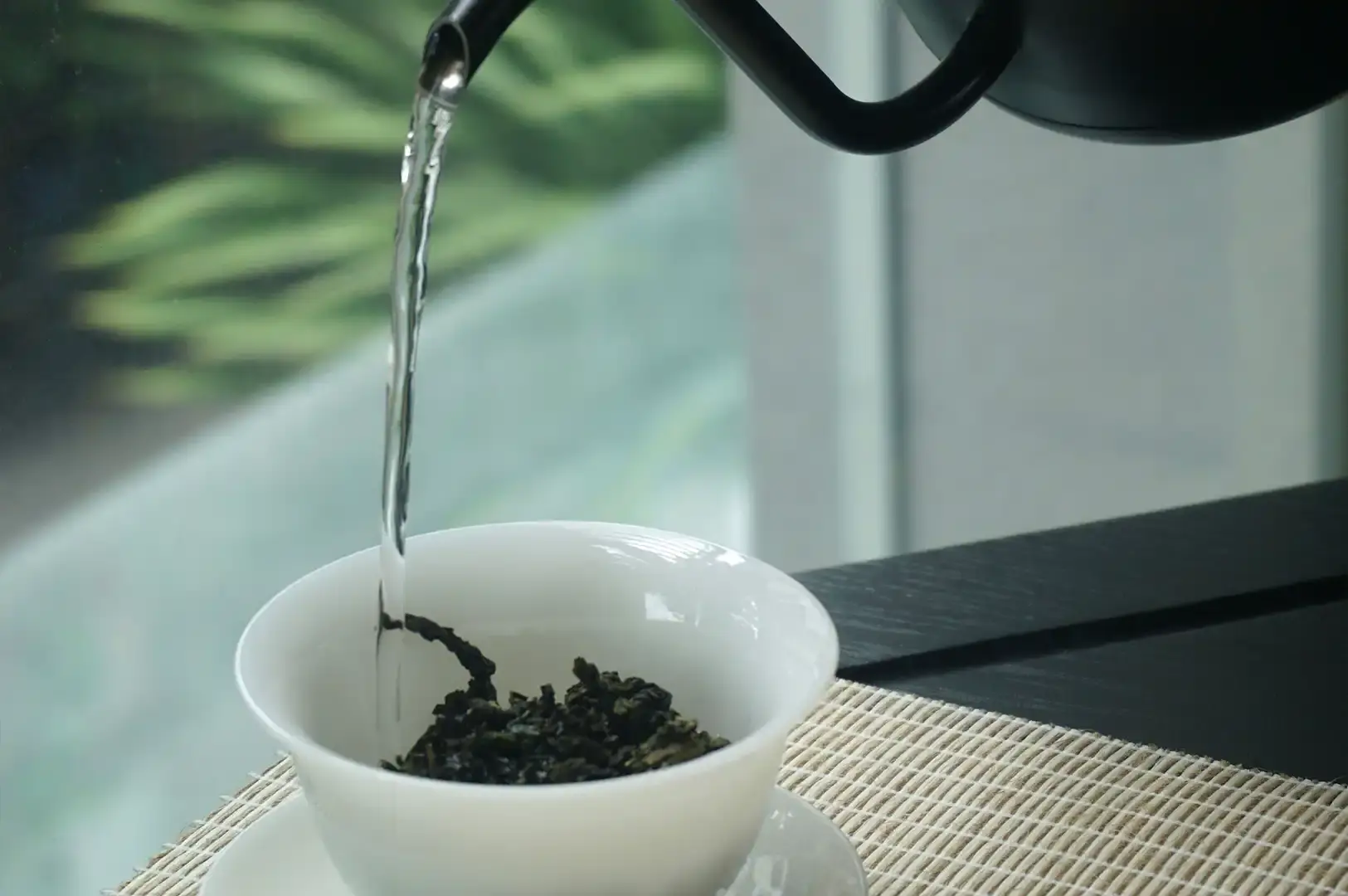
Brewing tie guan yin requires attention to brewing time, water temperature, and leaf ratio, using 3-5 grams of tea per 200 ml water to unlock its complex flavour. Using boiling water cooled slightly to about 90-95°C (194-203°F) ensures the tea leaves release their full aroma without bitterness. For better results, use a preheated teapot.
Steeping time typically ranges from 1.5 to 2 minutes for the first brew, with subsequent infusions gradually lengthened, and Tie Guan Yin can often be re-steeped 5-10 times.
Whether using gongfu style or Western brewing methods, note that each tea leaf should be allowed to unfurl fully for fuller flavour. The tea’s flowery, refreshing taste and smooth texture make it ideal for everyday drinking at any time of day, morning, afternoon, or night.
Tie Guan Yin in the World of Tea: Quality, Packaging, and Market Pric
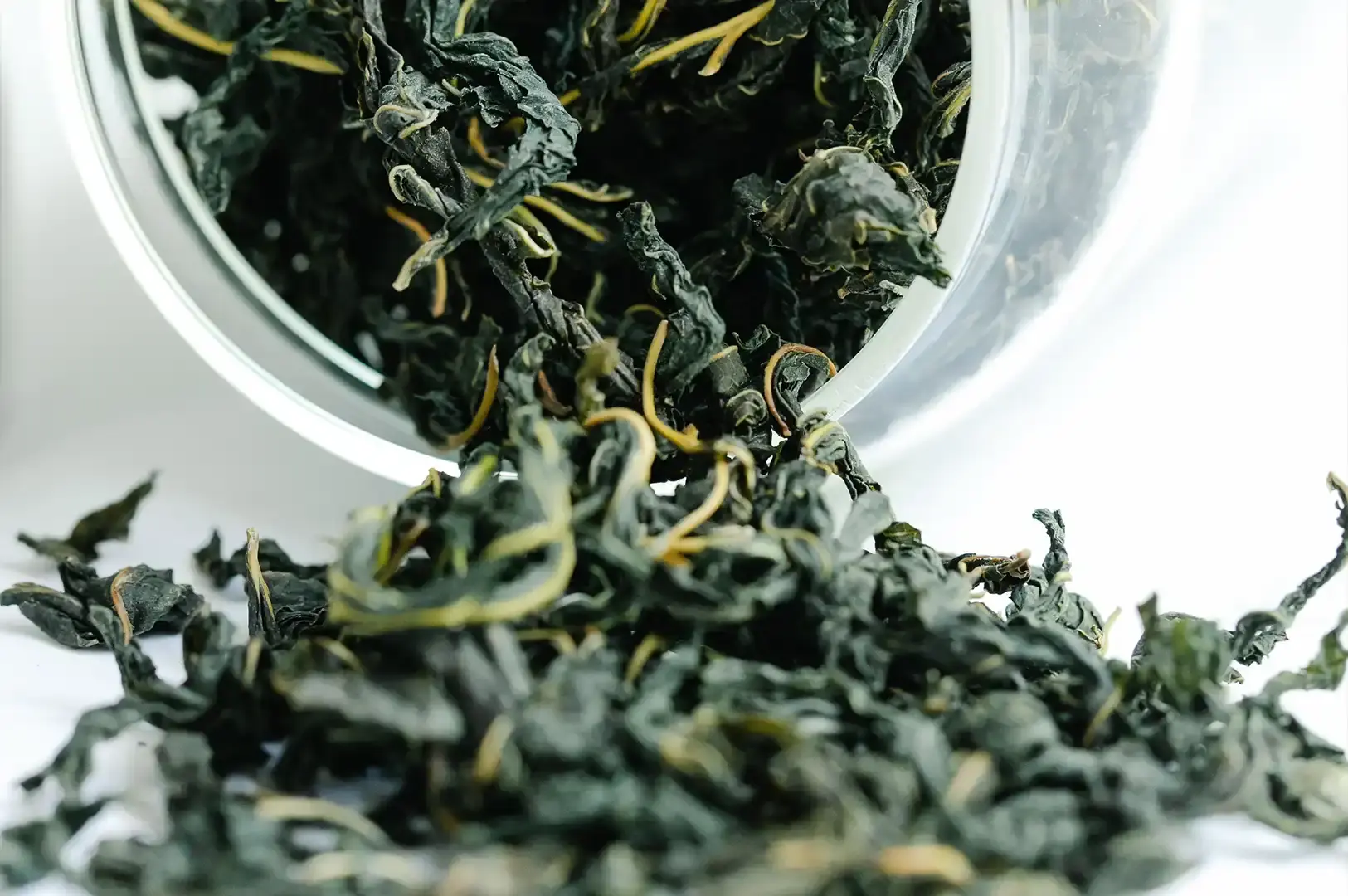
Tie guan yin’s quality is judged by the appearance of the tea leaves, with a whole, well-formed leaf being a sign of premium tea, the bright colour of the brewed liquor, and the depth of its aroma and flavour. Premium teas from Anxi command higher prices due to their authentic origin and careful production.
Authentic producers and farmers rely on being able to sell high-quality tea under trusted standards. Packaging often reflects this, with airtight containers preserving freshness and caffeine content. As a prized stock in the world of Chinese oolong tea, tie guan yin continues to be sought after by tea lovers globally, including those in Taiwan and beyond.
Comparing Tie Guan Yin with Other Teas: Green Tea, Oolong, and More
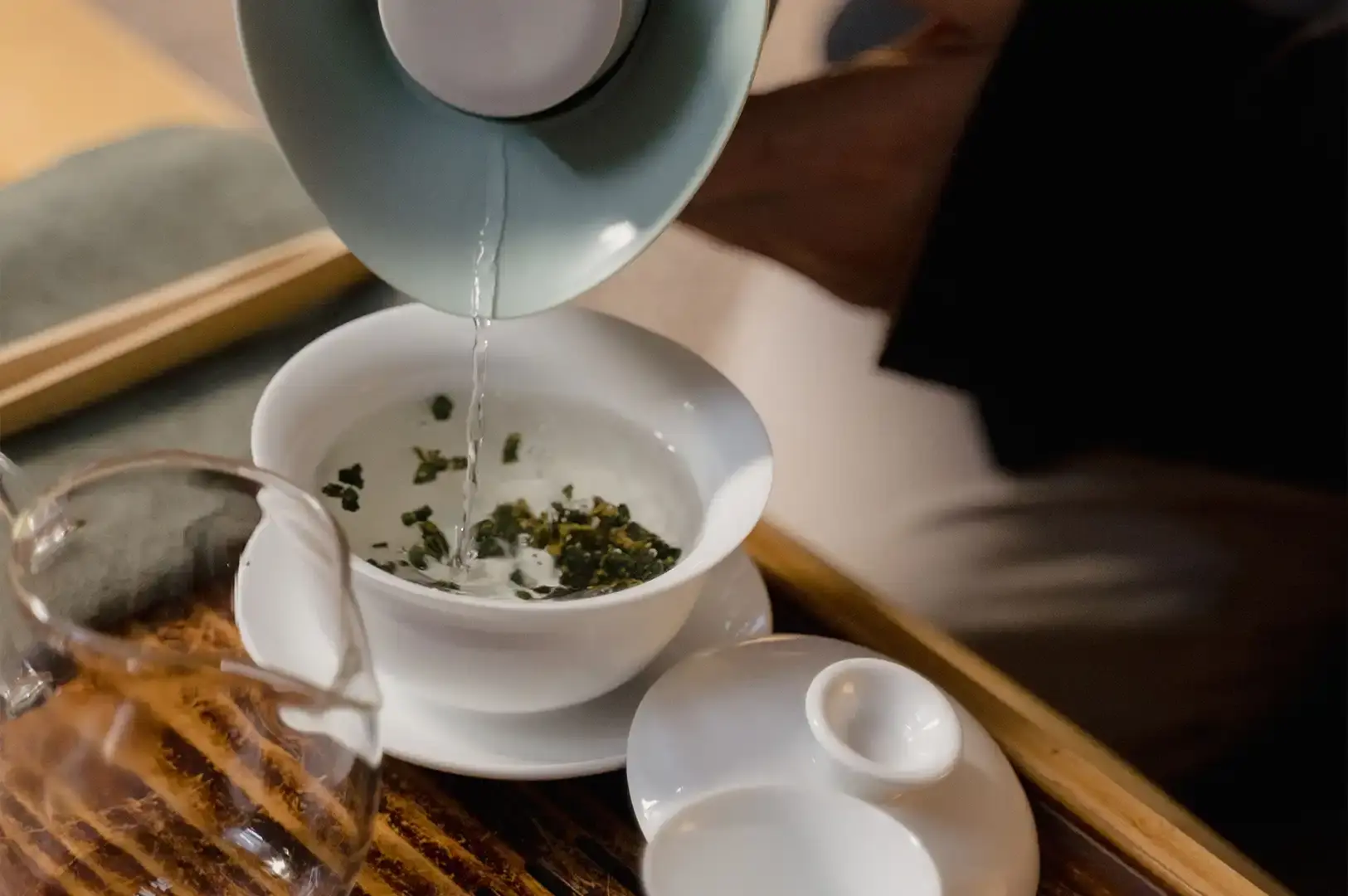
Compared to green tea, tie guan yin offers a fuller body and more complex flavour due to its partial fermentation and oxidation. It also has high antioxidant levels that help protect the body from damage. Unlike fully fermented black teas, tie guan yin retains a refreshing brightness and smoothness. Its floral, fruity, and honey notes set it apart from other teas, while its caffeine works with L-theanine to enhance alertness while promoting relaxation.
It also contains catechin polyphenols that may boost metabolism and support weight loss efforts. Drinking it may help regulate bad cholesterol levels, reduce oxidative stress, and support the immune system.
Studies also suggest possible bone-density benefits, and its mineral content is linked with skin and bone health. Exploring tie guan yin alongside other teas reveals the diversity of tea from Fujian and China’s vast tea culture.
Guan Yin’s Legacy: Why Tie Guan Yin Remains a Beloved Oolong Tea
The lasting appeal of tie guan yin lies in its rich history, cultural significance, and the sensory experience it offers, with a distinctive flavor that finishes with a fresh and extraordinarily long-lasting aftertaste. From the bud to the brewed cup, each step, from harvesting tea leaves in the mountain gardens of Anxi to the precise brewing, celebrates tradition and craftsmanship; an important note for readers is that a high-quality cup should be judged beyond the first sip.
Whether enjoyed as a soothing morning ritual or a relaxing night treat, tie guan yin embodies the essence of the iron goddess’s mercy and grace in every sip.
To learn more the health benefits of Teas, visit and read our article at Tea Manor Singapore

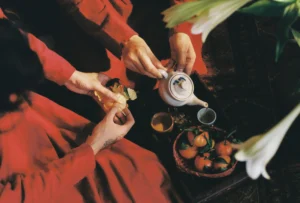
The Soul of Tea: Unveiling the Beauty of Traditional Tea Ceremonies
Tea is more than just a drink, isn’t it? It is a quiet moment in the middle of a busy day, a small ritual that grounds us. We are not just drinking tea; we are experiencing something far more profound, a glimpse into the centuries-old traditions of cultures that revere this simple beverage. Whether in…

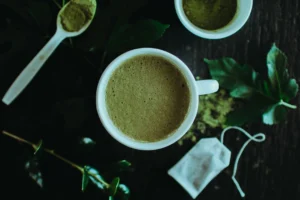
The Matcha Latte and the Tea It Came From
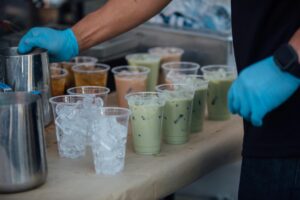
The matcha latte drink has become one of the most recognizable tea-based beverages in modern cafés. From Starbucks menus to independent tea bars, it is served hot in ceramic mugs or as iced matcha lattes layered in a glass with cold milk and ice. It is marketed as a healthy drink. It is praised for…

We Are Drinking Tea Too Quickly
There is something ironic about rushing tea. We order it to relax. We call it calming. We describe it as grounding. And yet, more often than not, we drink it the same way we drink everything else — between emails, between meetings, between scrolling. Tea has become background noise. A mug beside the laptop. A…
-
Where Tea Meets Cuppage Plaza Food: Restaurants That Serve Both Well
Walk into Cuppage Plaza Singapore and you immediately feel the shift. Just a short walk from Somerset MRT Station, Cuppage Plaza is a go-to spot for anyone craving authentic Japanese cuisine. Sure, Orchard Road is just outside, all shiny and bustling, but once you step inside this older building, the vibe totally shifts. The hallways…
-
Milk Tea Is Not Tea
This is not an argument about preference. It is a question about naming. Milk tea is everywhere now. It travels in oversized cups, sealed with plastic film. It arrives layered with foam, syrup, pearls, jelly, whipped cream. It is photographed before it is tasted. It is queued for. It is branded. It is loved. But…
-
A Journey into Herbal Teas: Exploring Nature’s Finest Infusions
Imagine cupping your hands around a warm mug, inhaling the sweet, floral scent of chamomile tea or the invigorating peppermint tea aroma from the peppermint plant. As you take the first sip, you feel a sense of calm and comfort wash over you. This soothing experience is the magic of herbal teas, a diverse and…
-
Singapore Tea for Every Palate and Every Ritual
What draws us to seek something deeper in a simple cup of tea? In Singapore, where countless cultures have settled like leaves steeping in warm water, the answer unfolds quietly in the spaces between tradition and modernity. Good tea emerges from patient sourcing, from the steady hands of those who understand its language, from leaves…
-
Where to Find Private Room Singapore Spaces for Tea Rituals
In a city that never truly rests, quiet becomes something you have to choose. You feel it when you’re weaving through Orchard Road in the middle of the day, or squeezing past crowds in the Central Business District at lunch hour. The lights are bright, the notifications keep coming, and even when you sit down, your…
-
Tea Is Losing Its Ceremony — And We Let It Happen
No one announced it. There was no collective decision, no moment of cultural shift. And yet, the ceremony has quietly receded from everyday tea. What was once deliberate has become automatic. Tea used to require attention. Water temperature mattered. Leaves were measured with care. The cup was chosen, not grabbed. Even in the absence of…

The Art of Aging: Understanding Authentic Yunnan Pu-erh Tea
Among the world’s most revered fermented dark teas, few types evoke as much intrigue and respect as Yunnan pu erh tea (普洱). Crafted from ancient tea trees in Yunnan province, this tea produced by traditional methods is a living testament to China’s rich beverage heritage. Unlike most loose leaf tea or black teas, high-quality pu…