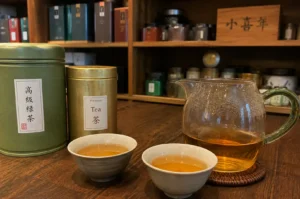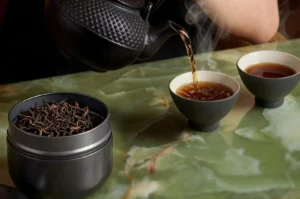
Tie Guan Yin, also known as Iron Goddess or Iron Goddess Oolong, is a celebrated Chinese oolong tea originating from Anxi County in Fujian Province, China. This tea from Anxi Fujian holds a special place among other teas due to its unique aroma, flavour, and rich cultural story. It is made from the tea plant Camellia sinensis, specifically from the Tie Guan Yin cultivar, with tightly rolled tea leaves that unfurl during brewing.
Renowned for its captivating floral aroma and smooth, sweet taste, Tie Guan Yin has become one of the most beloved oolong teas worldwide. Its complex flavor profile, which can range from fresh and flowery to roasted and nutty depending on the processing style, appeals to both casual tea drinkers and connoisseurs alike.
Beyond its delightful taste, Tie Guan Yin carries a fascinating history intertwined with Chinese folklore and tradition, symbolizing grace, compassion, and prosperity. This tea is not only prized for its sensory qualities but also valued for its health benefits, making it a cherished choice for tea lovers seeking both pleasure and wellness.
Tie Guan Yin and Its Place Among Oolong Tea and Green Tea
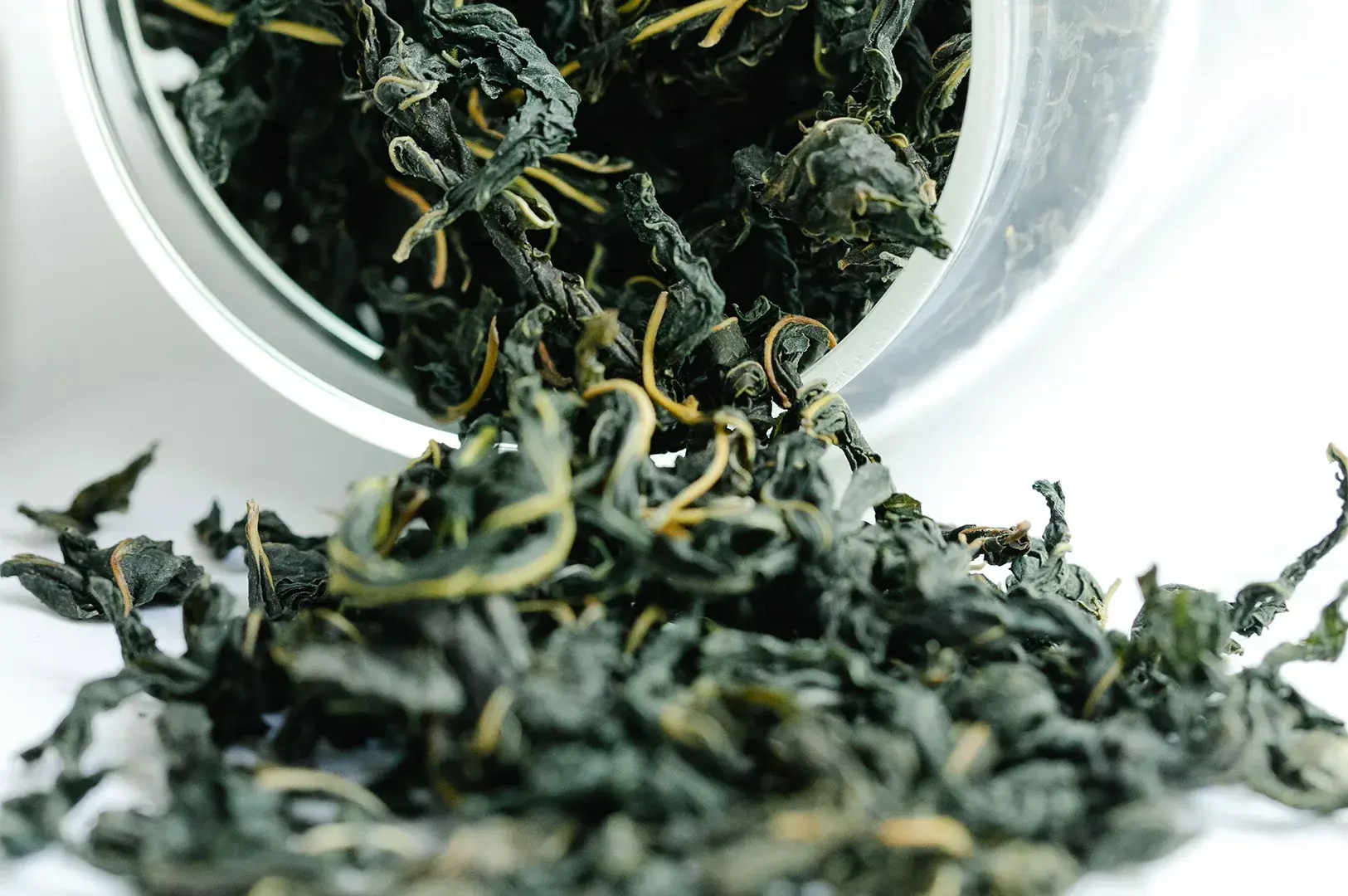
While tie guan yin is a type of oolong tea, it beautifully bridges the gap between green tea and black tea through its unique partial oxidation and fermentation process. This means it offers the best of both worlds. the fresh, vibrant qualities of green tea combined with the rich depth of black tea.
Tie Guan Yin comes in both traditional and modern styles, each with its own charm. The processing is often grouped into Anxi Style and Muzha (Traditional) Style. Anxi Style tends to be lighter and more floral, while Muzha Style is more heavily oxidized and extensively roasted, giving it a warm, nutty flavor.
This versatility is part of what makes tie guan yin so special, it offers a refreshing taste that appeals to a wide range of tea lovers, whether you're new to oolong or a seasoned connoisseur. So, whether you prefer a delicate floral cup or a robust, roasted brew, tie guan yin has got you covered.
The Origin and Story of Tie Guan Yin: From Poor Farmer to Tea Legend
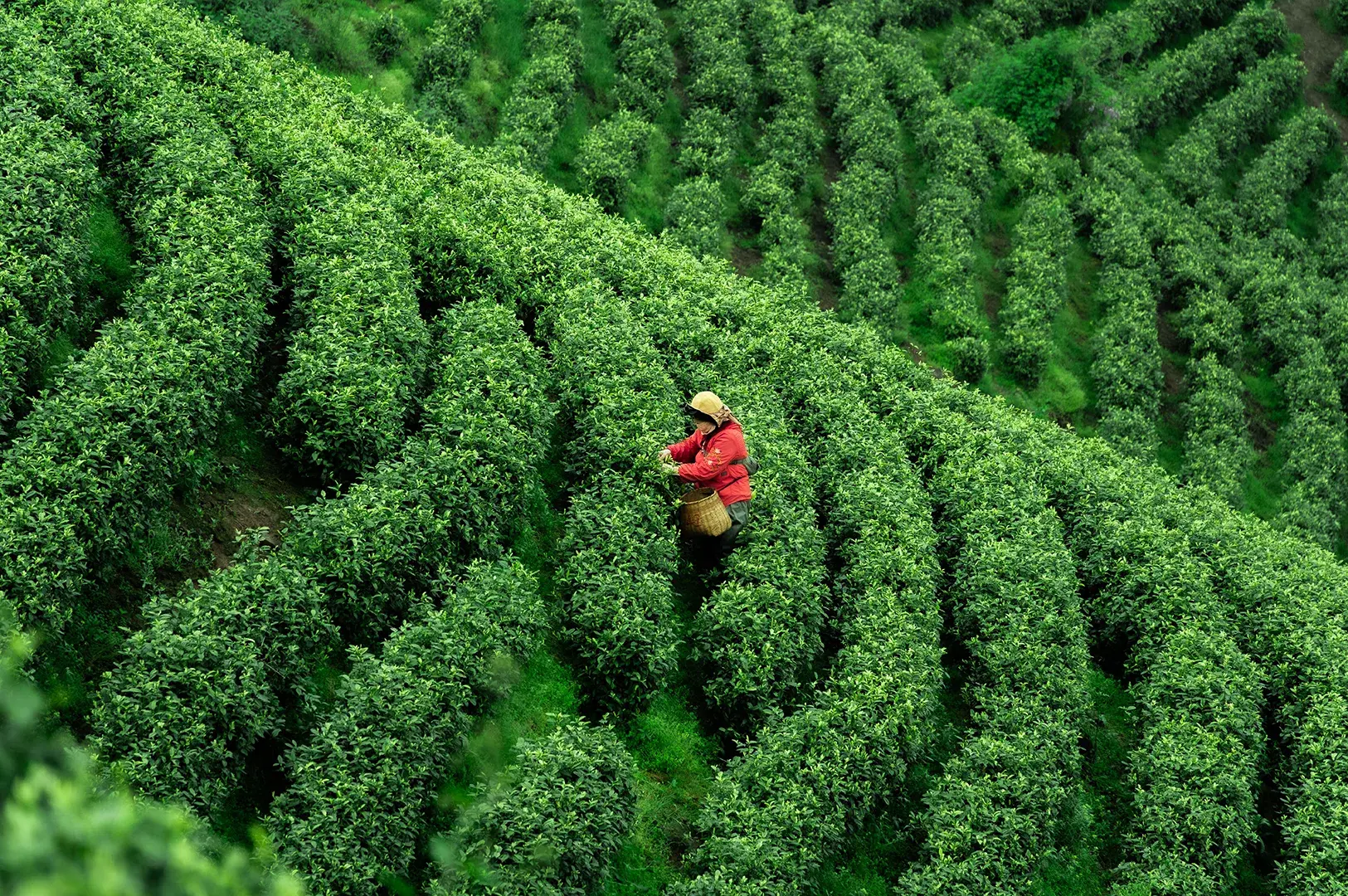
The origin of tie guan yin takes place in Anxi County, Fujian, where it dates to the early 1700s and a poor farmer discovered a tea plant in a garden near an abandoned temple dedicated to Guan Yin, the goddess of mercy. Inspired by this legend, the farmer cultivated the tea plant, which eventually became the prized iron guanyin tea. Emperor Qian Long later helped endorse the tea and spread its popularity.
This story reflects the deep cultural roots of ti kuan yin and the importance of terroir, the mountain climate, sun exposure, and soil, that shape the quality and flavour of the tea leaves harvested in spring and autumn. Near the end of this tradition, local farmers helped preserve its cultivation methods and depended on their ability to sell authentic tea. That is also why oolong tea from Anxi remains an important marker of authenticity tied to place and cultivation.
The Iron Goddess Oolong: Traditional Tie Guan Yin Processing and Fermentation
Traditional tie guan yin is traditionally processed with careful shaking, sun wilting, oxidation control, and roasting that runs overnight into the morning; ti kwan yin is another traditional spelling for this tea. The tea leaves are then rolled into characteristic tight balls, and the compact leaf shape helps preserve aroma before brewing while retaining their weight and colour.
This traditional method enhances the tea’s honey and fruity notes, producing a bright, smooth cup with a rich aroma and a lingering sweet finish. Harvests can occur in spring, summer, autumn, and winter, with processing choices shaping the final cup.
The traditional style typically involves a higher oxidation level than modern versions, resulting in a deeper, more complex flavor profile with roasted, nutty, and toasty undertones. This method also emphasizes the tea’s unique “Guan Yin Yun,” a mouthfeel sensation described as a tightening and uplifting feeling on the tongue and cheeks, which is highly prized among connoisseurs.
The roasting process, often done twice, not only halts oxidation but also develops the tea’s characteristic metallic and toasted rice notes, contributing to its distinctive taste and aroma. Moreover, traditional tie guan yin leaves have a moderate to high moisture content before roasting, which helps to lock in the natural sweetness and freshness during processing. This style of tie guan yin is cherished for its balance of floral brightness and rich depth, making it ideal for those who appreciate a more robust oolong tea experience.
Click here to discover more about Oolong tea in Singapore
Brewing Tie Guan Yin: Steeping, Brewing Time, and Water Temperature
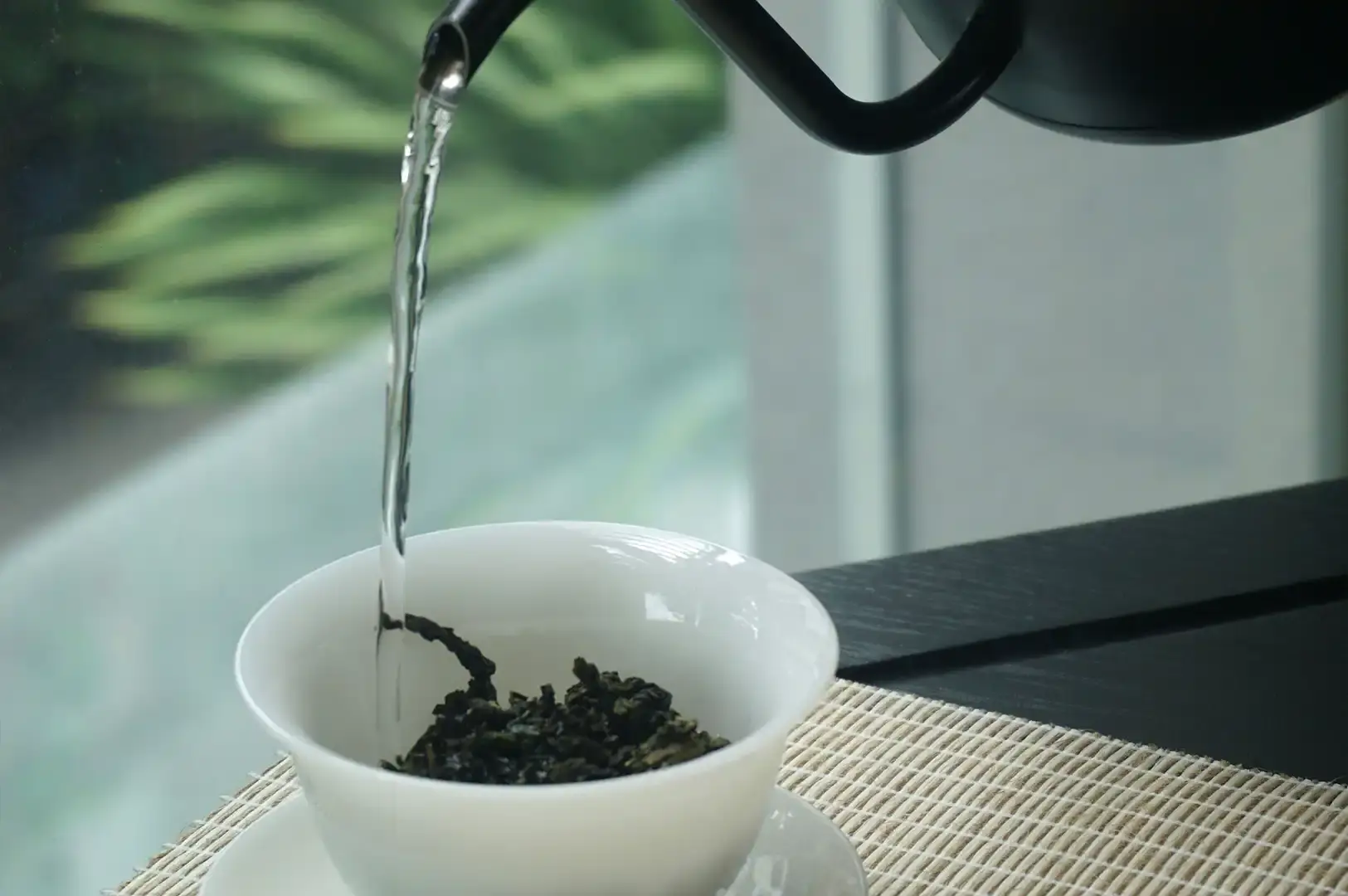
Brewing tie guan yin requires attention to brewing time, water temperature, and leaf ratio, using 3-5 grams of tea per 200 ml water to unlock its complex flavour. Using boiling water cooled slightly to about 90-95°C (194-203°F) ensures the tea leaves release their full aroma without bitterness. For better results, use a preheated teapot.
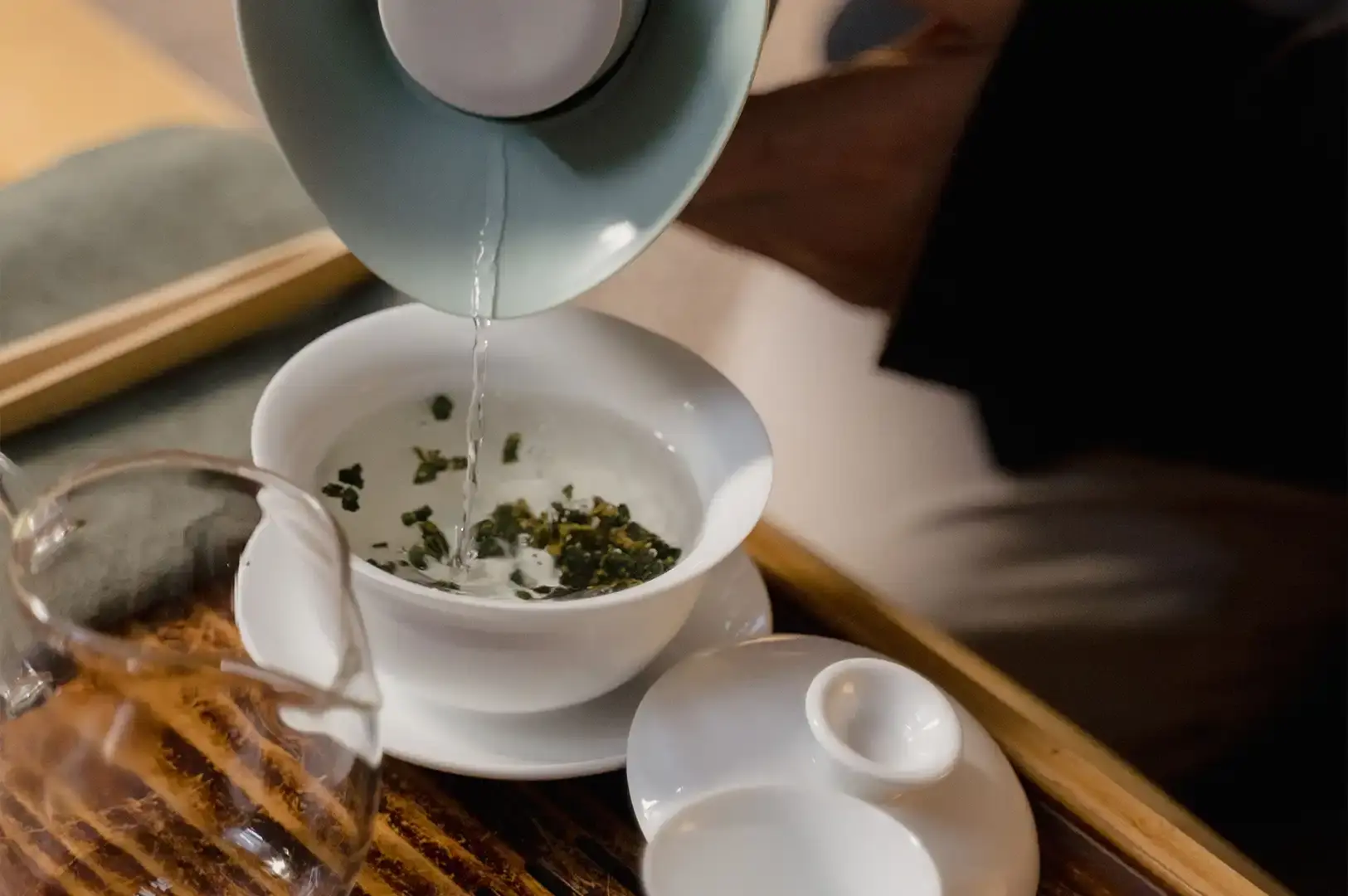
Steeping time typically ranges from 1.5 to 2 minutes for the first brew, with subsequent infusions gradually lengthened, and Tie Guan Yin can often be re-steeped 5-10 times.
Whether using gongfu style or Western brewing methods, note that each tea leaf should be allowed to unfurl fully for fuller flavour. The tea’s flowery, refreshing taste and smooth texture make it ideal for everyday drinking at any time of day, morning, afternoon, or night.
Tie Guan Yin in the World of Tea: Quality, Packaging, and Market Pric
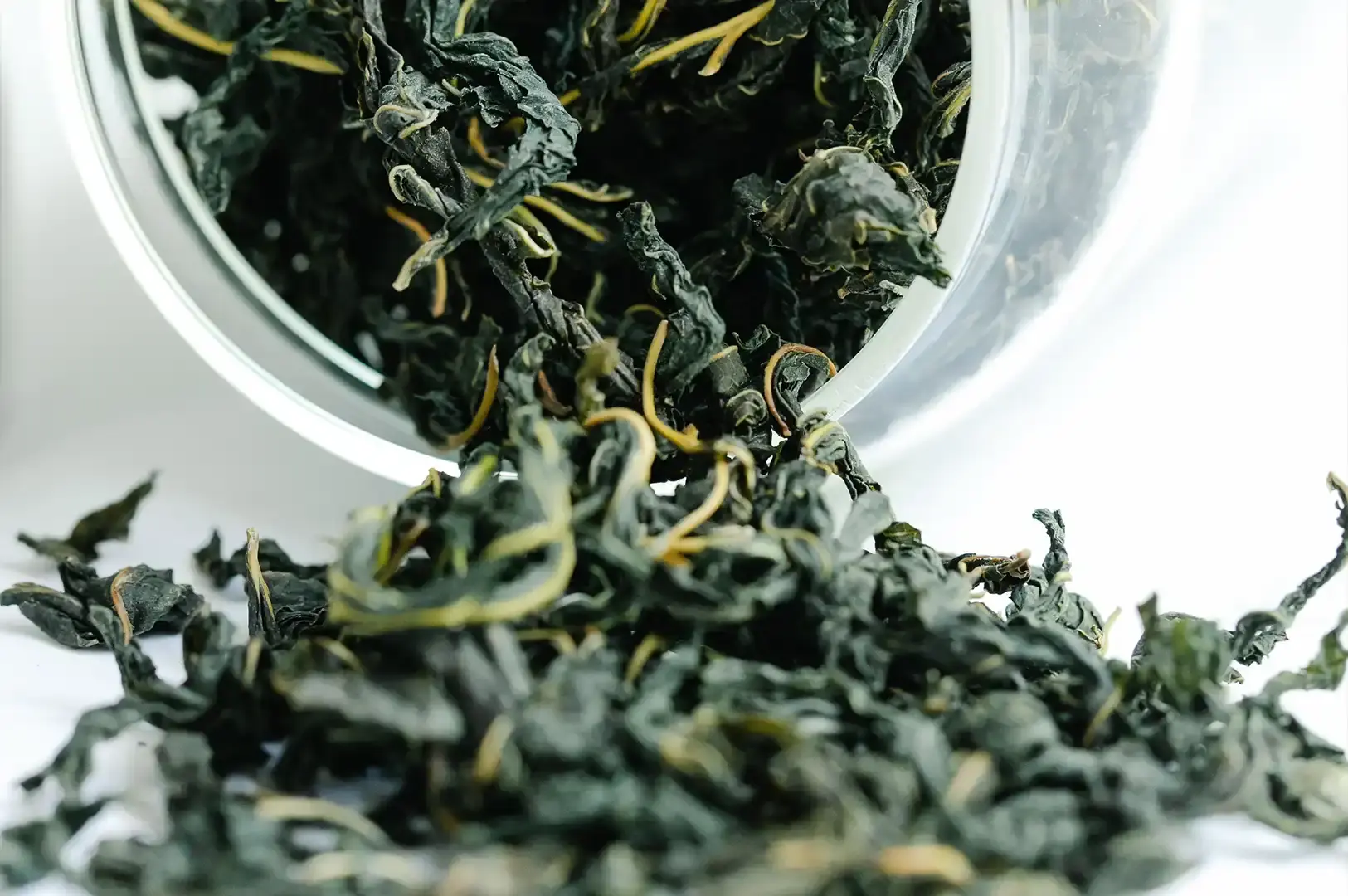
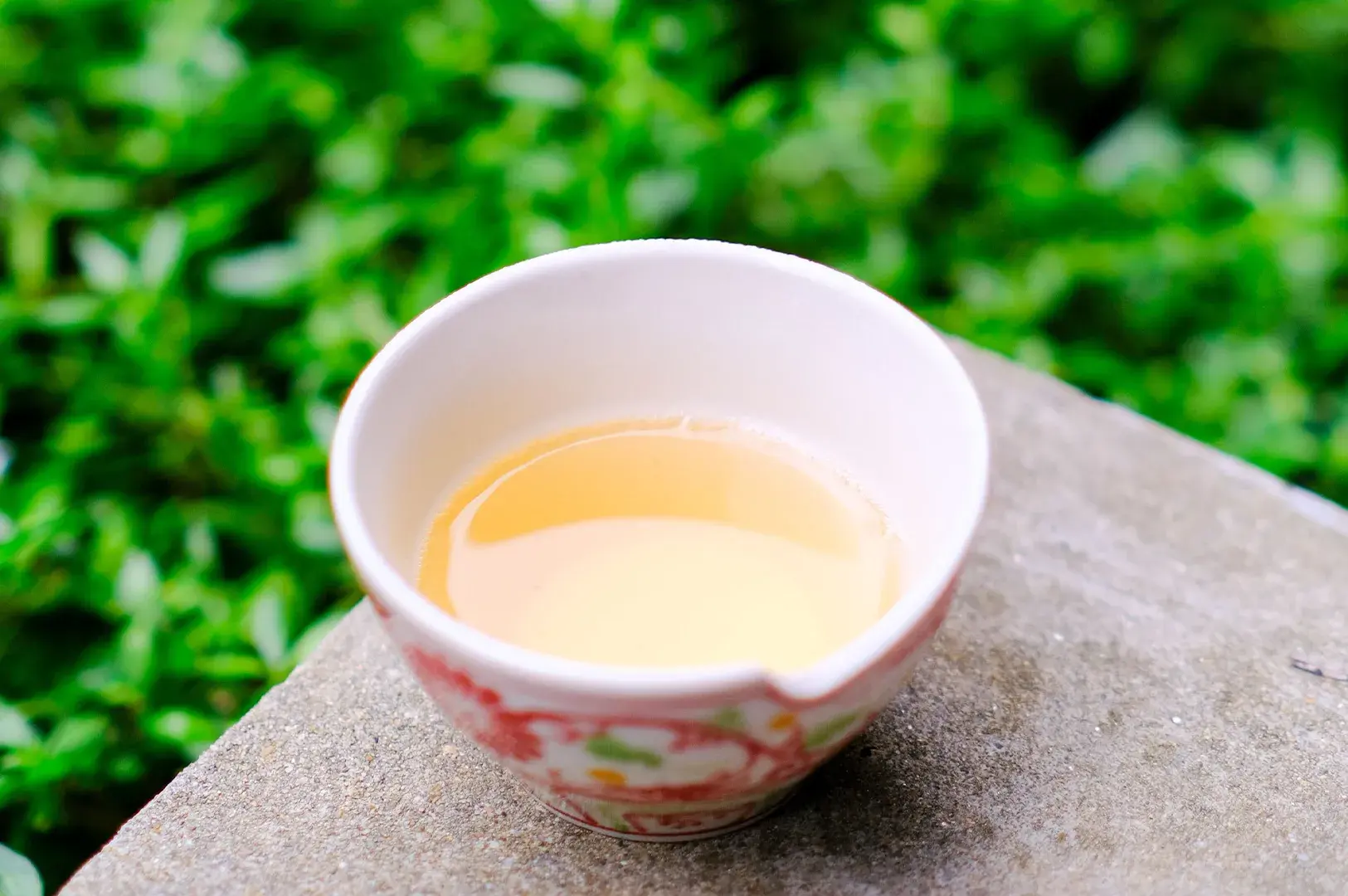
Tie guan yin’s quality is judged by the appearance of the tea leaves, with a whole, well-formed leaf being a sign of premium tea, the bright colour of the brewed liquor, and the depth of its aroma and flavour. Premium teas from Anxi command higher prices due to their authentic origin and careful production.
Authentic producers and farmers rely on being able to sell high-quality tea under trusted standards. Packaging often reflects this, with airtight containers preserving freshness and caffeine content. As a prized stock in the world of Chinese oolong tea, tie guan yin continues to be sought after by tea lovers globally, including those in Taiwan and beyond.
Comparing Tie Guan Yin with Other Teas: Green Tea, Oolong, and More
Compared to green tea, tie guan yin offers a fuller body and more complex flavour due to its partial fermentation and oxidation. It also has high antioxidant levels that help protect the body from damage. Unlike fully fermented black teas, tie guan yin retains a refreshing brightness and smoothness. Its floral, fruity, and honey notes set it apart from other teas, while its caffeine works with L-theanine to enhance alertness while promoting relaxation.
It also contains catechin polyphenols that may boost metabolism and support weight loss efforts. Drinking it may help regulate bad cholesterol levels, reduce oxidative stress, and support the immune system.
Studies also suggest possible bone-density benefits, and its mineral content is linked with skin and bone health. Exploring tie guan yin alongside other teas reveals the diversity of tea from Fujian and China’s vast tea culture.
Guan Yin’s Legacy: Why Tie Guan Yin Remains a Beloved Oolong Tea
The lasting appeal of tie guan yin lies in its rich history, cultural significance, and the sensory experience it offers, with a distinctive flavor that finishes with a fresh and extraordinarily long-lasting aftertaste. From the bud to the brewed cup, each step, from harvesting tea leaves in the mountain gardens of Anxi to the precise brewing, celebrates tradition and craftsmanship; an important note for readers is that a high-quality cup should be judged beyond the first sip.
Whether enjoyed as a soothing morning ritual or a relaxing night treat, tie guan yin embodies the essence of the iron goddess’s mercy and grace in every sip.
To learn more the health benefits of Teas, visit and read our article at Tea Manor Singapore

Expensive Tea Doesn’t Guarantee a Better Cup, Here’s Why
There is a belief in tea that we rarely question. If something costs more, it must be better. It is an understandable assumption. A rare tea from a respected region, carefully harvested and beautifully packaged, naturally creates expectations. We associate price with effort, craftsmanship, and quality. And often, that connection is justified. But not always….
-
SUN with MOON Singapore at Wheelock Place: A Unique Tea Dining Cafe Experience on Orchard Road
The lunch crowd had gone. Dinner hadn’t arrived yet. I came in during that strange, in-between hour, a little after three on a weekday, when the escalators at Wheelock Place hum quietly and Orchard Road feels almost gentle. Most people were still at their desks. I wasn’t. I wanted tea, and I wanted to sit…
-
Cold Brew Tea Is Underrated (And Hot Purists Are Missing Out)
I used to think tea had to be hot. There was something about the ritual of it. Boiling water, warming the pot, watching the leaves open. A proper cup of tea seemed to require steam. Then I tried cold brew tea, and I had to admit something slightly uncomfortable. I liked it. More than I…
-
All Things Delicious Review: The Quiet Pleasure of Tea and Cake.
There’s a particular kind of afternoon that asks for tea, and All Things Delicious answers it with a quiet, comforting tea-and-cake experience on Arab Street: handmade sweet treats, warm approachable teas, and a room that makes simple pleasures feel like enough. Not coffee, with its urgency. Tea. The slow kind, poured while the conversation drifts…
-
Wellness Tea Is a Scam, but Tea Can Still Be Good for You
There is a strange contradiction in the way we talk about tea today. For centuries, tea was appreciated for its taste, its rituals, and the moments it created. Today, it is often sold as something else entirely. A solution. A promise. A shortcut. The language surrounding wellness tea has become increasingly familiar. Detox tea. Cleansing…
-
Camellia Tea: A Blossom, A Leaf, A Legacy Rooted in Camellia Sinensis
My grandmother kept her camellia tea in a battered tin that had once held biscuits. She never called it anything fancy. It was just cha, brewed strong in the mornings using fresh tea leaves from the tea plant, poured into small cups that had lost their matching saucers years ago. I didn’t know then that…
-
Why “Caffeine-Free Tea” Marketing Should Be Regulated (Seriously)
Hear me out: we have become far too comfortable with the phrase “caffeine-free tea.” It appears on beautiful packaging, wellness websites, and café menus with the confidence of a health guarantee. The words suggest calm evenings, better sleep, and a gentler relationship with what we drink. But there is a problem. The phrase sounds clearer…
-
The Forgotten Luxury of Sitting Still at Japanese Tea House
You stoop to enter the traditional japanese tea house. That is the first thing the tea house asks of you, before the tea, before the talk, before anything at all. The doorway is low, deliberately so, and even the tall must bow to pass through it. In that small act of folding the body, something…
-
Stop Calling It “Premium”: Why Most Luxury Tea Branding Is Empty
There is a word I have become increasingly cautious of in the tea world. Premium. It appears everywhere. Premium leaves. Premium harvests. Premium collections. Premium experiences. The word sounds reassuring. It suggests care, quality, and something worth paying attention to. But after seeing it attached to almost everything, I sometimes wonder whether it has started…
-
Pryce Tea: A Modern Pour with Old Tea-Room Ambitions
I visited on a weekday afternoon, around three, when the city had quieted into that particular lull between lunch and the evening rush. I’d been curious about Pryce Tea for a while, mostly because the brand keeps surfacing among people who talk about teas the way some people talk about wine. With a reputation built…