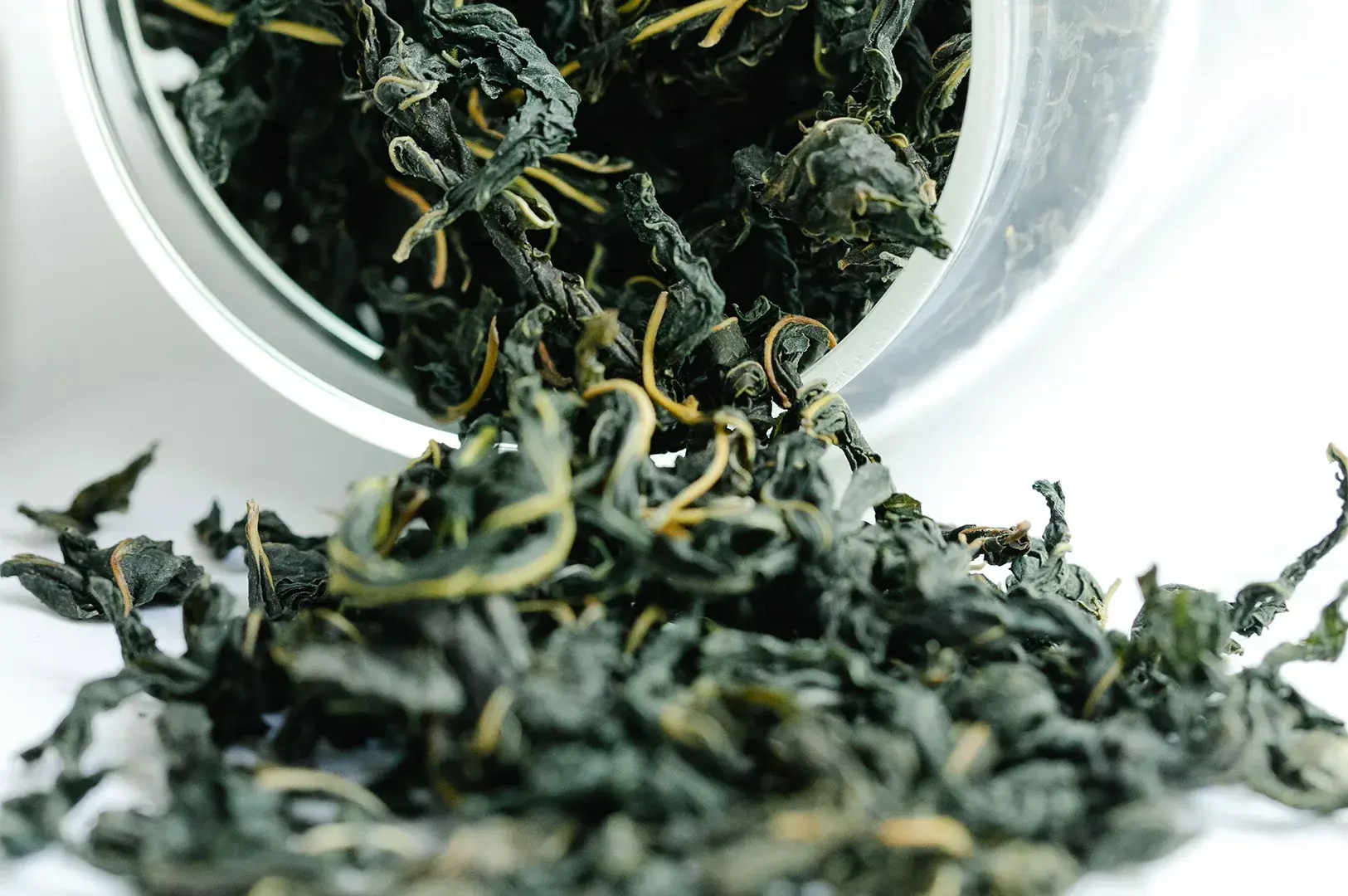
Tie Guan Yin, also known as Iron Goddess or Iron Goddess Oolong, is a celebrated Chinese oolong tea originating from Anxi County in Fujian Province, China. This tea from Anxi Fujian holds a special place among other teas due to its unique aroma, flavour, and rich cultural story. It is made from the tea plant Camellia sinensis, specifically from the Tie Guan Yin cultivar, with tightly rolled tea leaves that unfurl during brewing.
Renowned for its captivating floral aroma and smooth, sweet taste, Tie Guan Yin has become one of the most beloved oolong teas worldwide. Its complex flavor profile, which can range from fresh and flowery to roasted and nutty depending on the processing style, appeals to both casual tea drinkers and connoisseurs alike.
Beyond its delightful taste, Tie Guan Yin carries a fascinating history intertwined with Chinese folklore and tradition, symbolizing grace, compassion, and prosperity. This tea is not only prized for its sensory qualities but also valued for its health benefits, making it a cherished choice for tea lovers seeking both pleasure and wellness.
Tie Guan Yin and Its Place Among Oolong Tea and Green Tea
While tie guan yin is a type of oolong tea, it beautifully bridges the gap between green tea and black tea through its unique partial oxidation and fermentation process. This means it offers the best of both worlds. the fresh, vibrant qualities of green tea combined with the rich depth of black tea.
Tie Guan Yin comes in both traditional and modern styles, each with its own charm. The processing is often grouped into Anxi Style and Muzha (Traditional) Style. Anxi Style tends to be lighter and more floral, while Muzha Style is more heavily oxidized and extensively roasted, giving it a warm, nutty flavor.
This versatility is part of what makes tie guan yin so special, it offers a refreshing taste that appeals to a wide range of tea lovers, whether you're new to oolong or a seasoned connoisseur. So, whether you prefer a delicate floral cup or a robust, roasted brew, tie guan yin has got you covered.
The Origin and Story of Tie Guan Yin: From Poor Farmer to Tea Legend
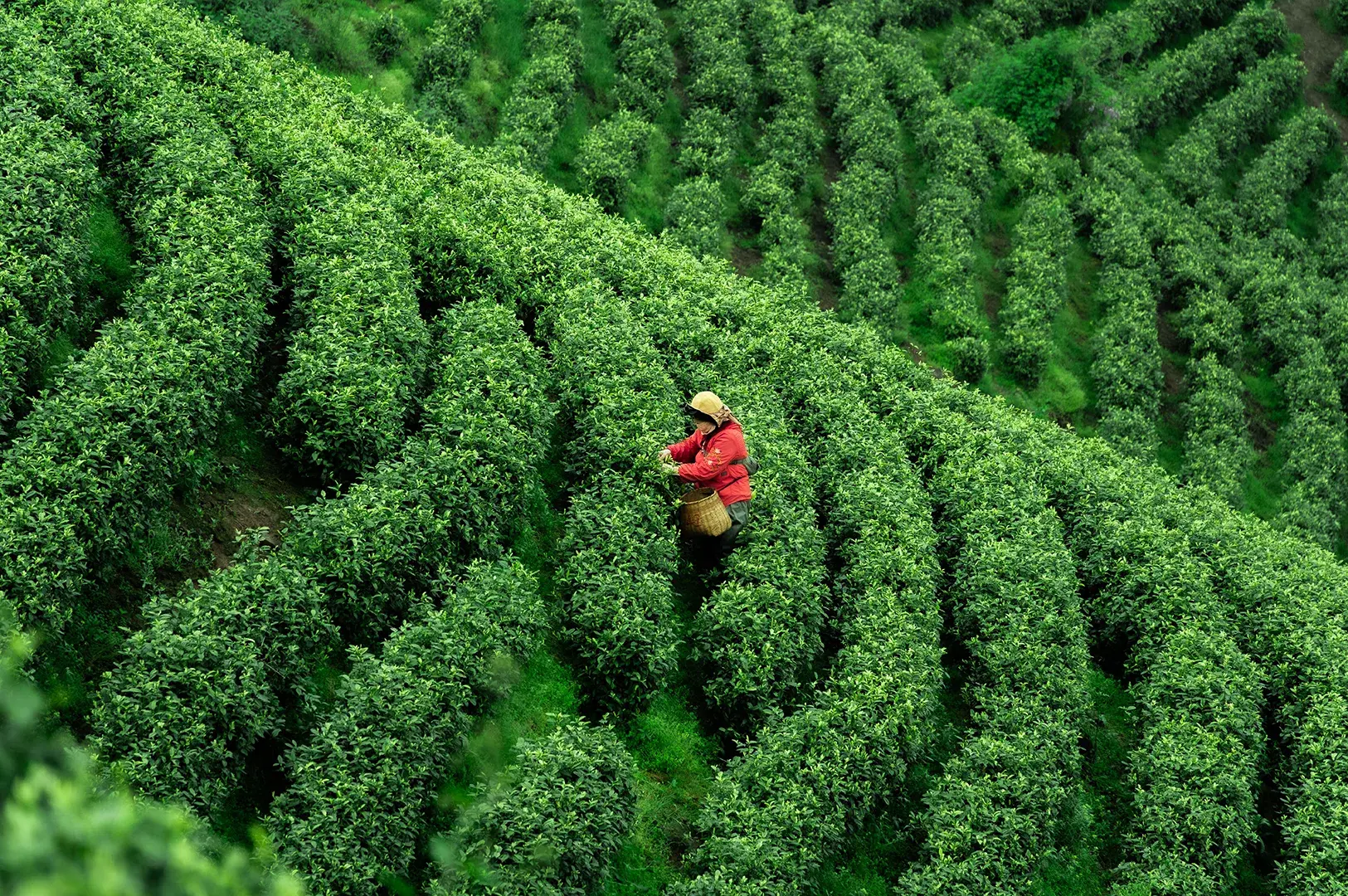
The origin of tie guan yin takes place in Anxi County, Fujian, where it dates to the early 1700s and a poor farmer discovered a tea plant in a garden near an abandoned temple dedicated to Guan Yin, the goddess of mercy. Inspired by this legend, the farmer cultivated the tea plant, which eventually became the prized iron guanyin tea. Emperor Qian Long later helped endorse the tea and spread its popularity.
This story reflects the deep cultural roots of ti kuan yin and the importance of terroir, the mountain climate, sun exposure, and soil, that shape the quality and flavour of the tea leaves harvested in spring and autumn. Near the end of this tradition, local farmers helped preserve its cultivation methods and depended on their ability to sell authentic tea. That is also why oolong tea from Anxi remains an important marker of authenticity tied to place and cultivation.
The Iron Goddess Oolong: Traditional Tie Guan Yin Processing and Fermentation
Traditional tie guan yin is traditionally processed with careful shaking, sun wilting, oxidation control, and roasting that runs overnight into the morning; ti kwan yin is another traditional spelling for this tea. The tea leaves are then rolled into characteristic tight balls, and the compact leaf shape helps preserve aroma before brewing while retaining their weight and colour.
This traditional method enhances the tea’s honey and fruity notes, producing a bright, smooth cup with a rich aroma and a lingering sweet finish. Harvests can occur in spring, summer, autumn, and winter, with processing choices shaping the final cup.
The traditional style typically involves a higher oxidation level than modern versions, resulting in a deeper, more complex flavor profile with roasted, nutty, and toasty undertones. This method also emphasizes the tea’s unique “Guan Yin Yun,” a mouthfeel sensation described as a tightening and uplifting feeling on the tongue and cheeks, which is highly prized among connoisseurs.
The roasting process, often done twice, not only halts oxidation but also develops the tea’s characteristic metallic and toasted rice notes, contributing to its distinctive taste and aroma. Moreover, traditional tie guan yin leaves have a moderate to high moisture content before roasting, which helps to lock in the natural sweetness and freshness during processing. This style of tie guan yin is cherished for its balance of floral brightness and rich depth, making it ideal for those who appreciate a more robust oolong tea experience.
Click here to discover more about Oolong tea in Singapore
Brewing Tie Guan Yin: Steeping, Brewing Time, and Water Temperature
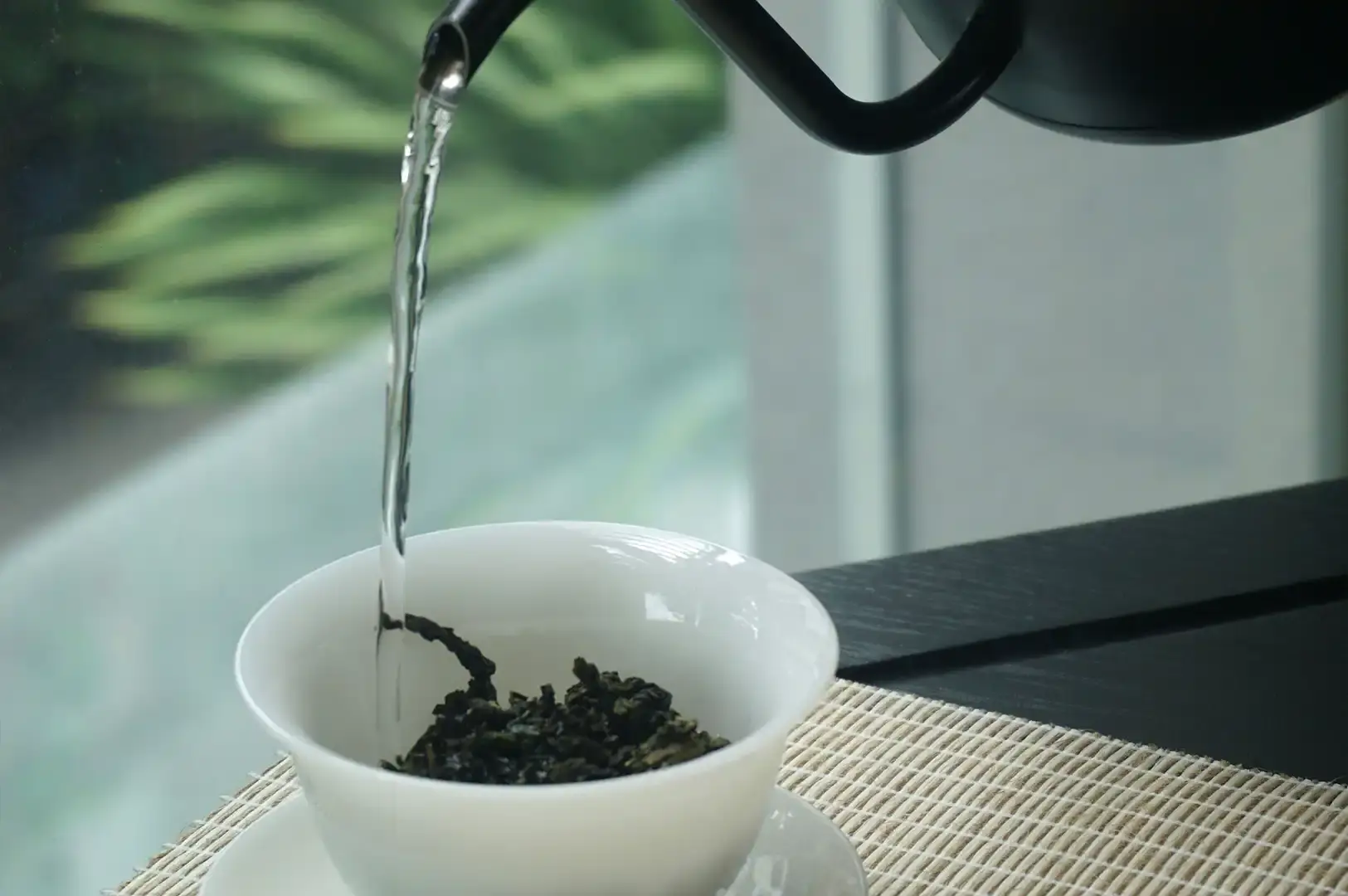
Brewing tie guan yin requires attention to brewing time, water temperature, and leaf ratio, using 3-5 grams of tea per 200 ml water to unlock its complex flavour. Using boiling water cooled slightly to about 90-95°C (194-203°F) ensures the tea leaves release their full aroma without bitterness. For better results, use a preheated teapot.
Steeping time typically ranges from 1.5 to 2 minutes for the first brew, with subsequent infusions gradually lengthened, and Tie Guan Yin can often be re-steeped 5-10 times.
Whether using gongfu style or Western brewing methods, note that each tea leaf should be allowed to unfurl fully for fuller flavour. The tea’s flowery, refreshing taste and smooth texture make it ideal for everyday drinking at any time of day, morning, afternoon, or night.
Tie Guan Yin in the World of Tea: Quality, Packaging, and Market Pric
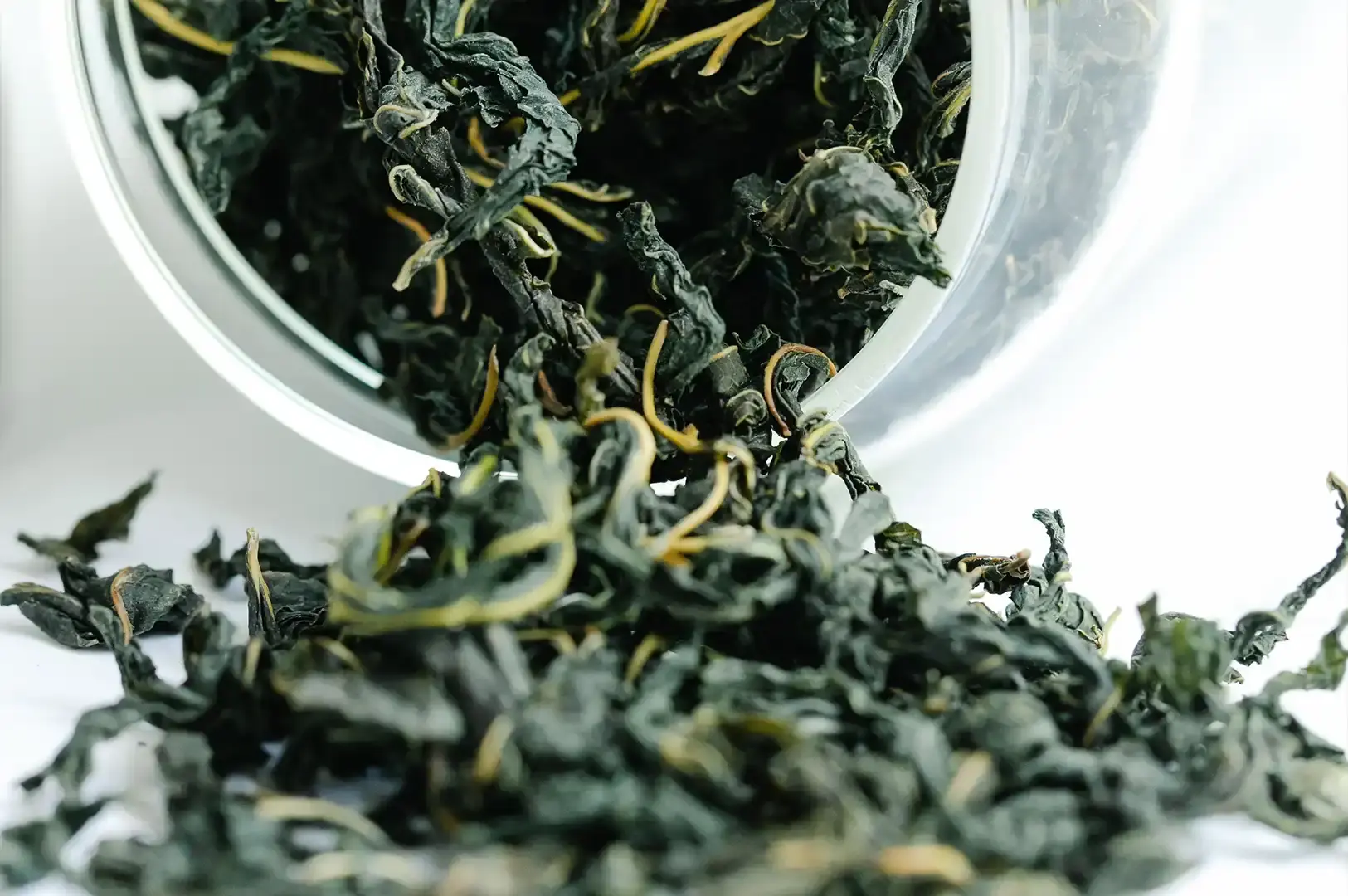
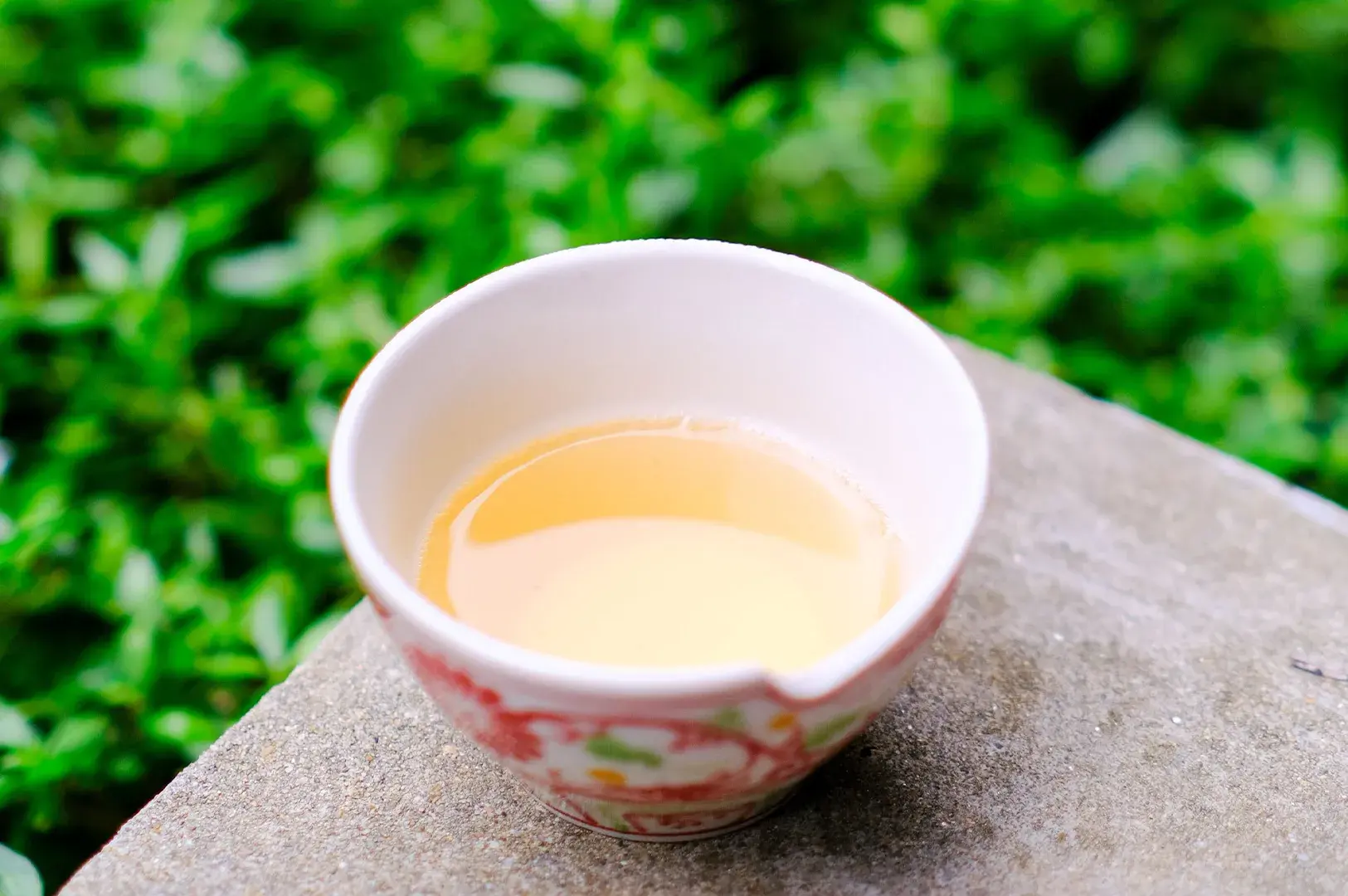
Tie guan yin’s quality is judged by the appearance of the tea leaves, with a whole, well-formed leaf being a sign of premium tea, the bright colour of the brewed liquor, and the depth of its aroma and flavour. Premium teas from Anxi command higher prices due to their authentic origin and careful production.
Authentic producers and farmers rely on being able to sell high-quality tea under trusted standards. Packaging often reflects this, with airtight containers preserving freshness and caffeine content. As a prized stock in the world of Chinese oolong tea, tie guan yin continues to be sought after by tea lovers globally, including those in Taiwan and beyond.
Comparing Tie Guan Yin with Other Teas: Green Tea, Oolong, and More
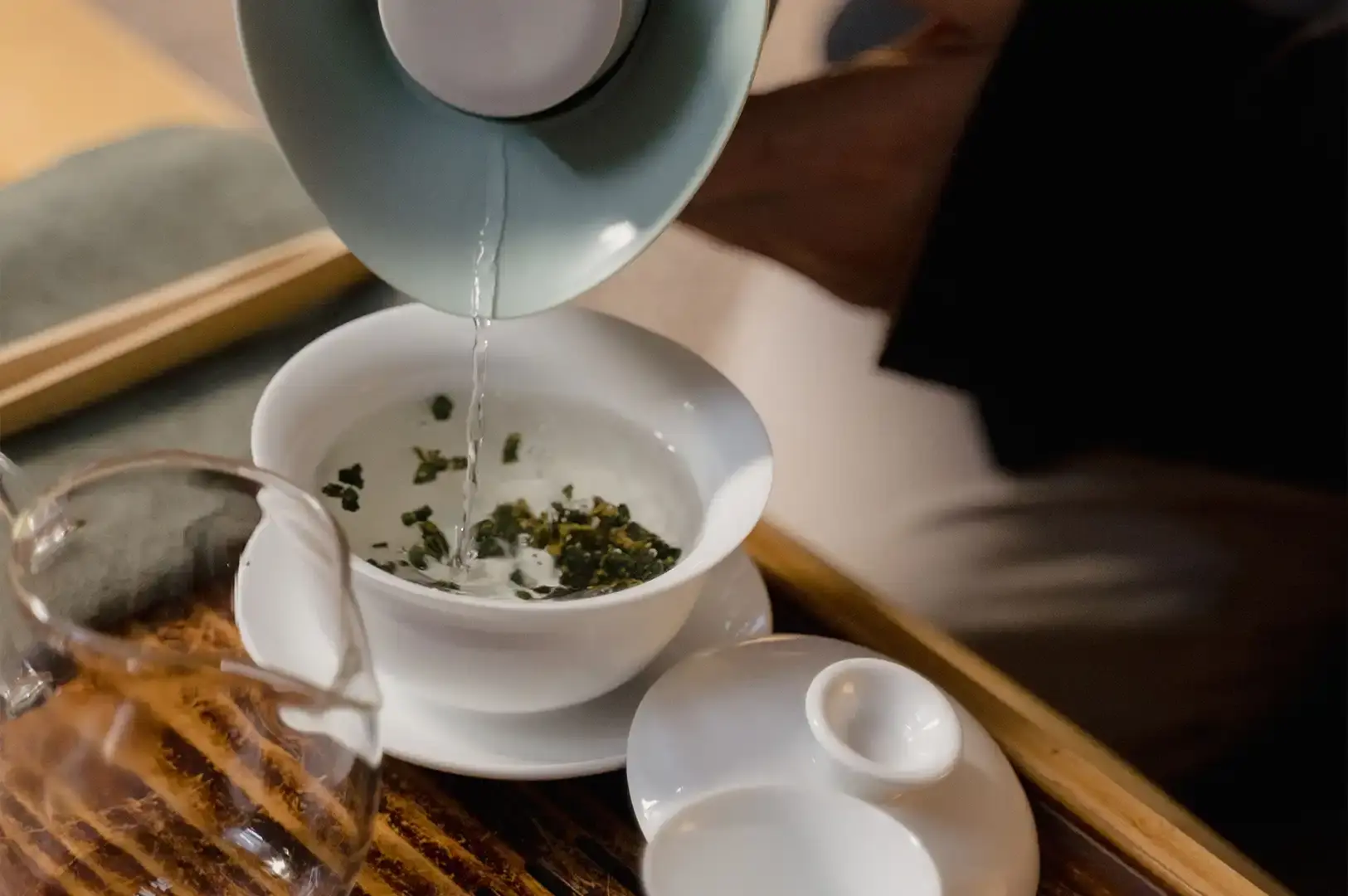
Compared to green tea, tie guan yin offers a fuller body and more complex flavour due to its partial fermentation and oxidation. It also has high antioxidant levels that help protect the body from damage. Unlike fully fermented black teas, tie guan yin retains a refreshing brightness and smoothness. Its floral, fruity, and honey notes set it apart from other teas, while its caffeine works with L-theanine to enhance alertness while promoting relaxation.
It also contains catechin polyphenols that may boost metabolism and support weight loss efforts. Drinking it may help regulate bad cholesterol levels, reduce oxidative stress, and support the immune system.
Studies also suggest possible bone-density benefits, and its mineral content is linked with skin and bone health. Exploring tie guan yin alongside other teas reveals the diversity of tea from Fujian and China’s vast tea culture.
Guan Yin’s Legacy: Why Tie Guan Yin Remains a Beloved Oolong Tea
The lasting appeal of tie guan yin lies in its rich history, cultural significance, and the sensory experience it offers, with a distinctive flavor that finishes with a fresh and extraordinarily long-lasting aftertaste. From the bud to the brewed cup, each step, from harvesting tea leaves in the mountain gardens of Anxi to the precise brewing, celebrates tradition and craftsmanship; an important note for readers is that a high-quality cup should be judged beyond the first sip.
Whether enjoyed as a soothing morning ritual or a relaxing night treat, tie guan yin embodies the essence of the iron goddess’s mercy and grace in every sip.
To learn more the health benefits of Teas, visit and read our article at Tea Manor Singapore

The Best Tea Sessions Are Usually Unplanned
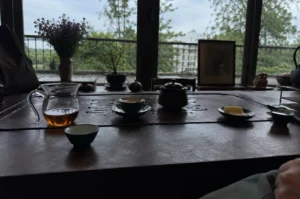
Some of the most memorable tea sessions begin without intention. No special occasion. No carefully selected tea ware. No plan to spend an afternoon appreciating tea. Someone simply puts water on to boil. A tea is chosen almost absentmindedly. Cups are found. The tea is poured. And somehow, those sessions often become the ones we…
-
A Guide to the Wedding Tea Ceremony in Singapore: Tradition, Family, and Meaning
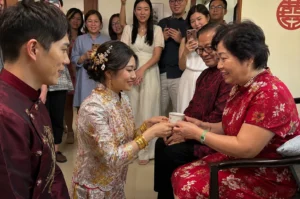
I still remember the morning of my older sister’s wedding day. We were packed into my parents’ flat, and the sticky humidity in the air was intense, even with the air conditioning running on full blast. Amidst the loud laughter and the fun of the morning gatecrash, everything suddenly slowed down. I watched her kneel…
-
Why Tea Gifts Always Feel More Personal
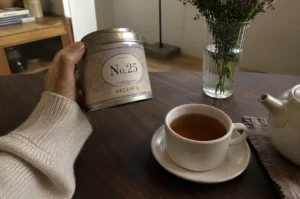
There are easier gifts to buy than tea. Gift cards, flowers, candles. They require very little thought. Most people will appreciate them, and if they don’t, no real harm is done. Tea feels different. Giving someone tea involves a small act of interpretation. You are making a quiet guess about what they might enjoy. Something…
-
Wabi Sabi Meaning: Discovering Beauty in Imperfection
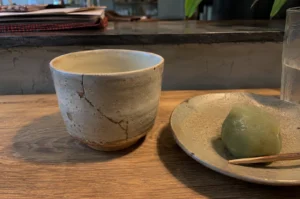
Singapore is famous for its spotless streets, impressive glass towers, and a culture that constantly celebrates the new-be it design trends, the latest matcha drinks, or the next “perfect place” for brunch. For a long time, I bought into this idea of curated perfection. My home had to be pristine, my days measured for maximum…
-
The Strange Pressure to Understand Every Tea Immediately
Tea drinkers do something interesting. When trying a new tea, many immediately begin searching for the “correct” tasting notes. Floral. Roasted. Fruity. Mineral. Someone takes a sip and suddenly feels pressure to identify every subtle characteristic as though there is a right answer hidden somewhere inside the cup. And if the tea feels confusing at…
-
Tea Ceremony: The Hidden Meaning Behind Small Gestures
My first tea ceremony singapore experience left me more worried about etiquette than soaking in the moment. Surrounded by seasoned guests, I focused on getting every gesture right, how to bow, how to hold the cup, afraid of missing some point that makes tea culture here so unique. Looking back, I missed how these small…
-
Why Tea Always Feels More Honest Than Coffee
This might be slightly controversial, but tea has always felt more honest to me than coffee. Coffee often arrives with ambition. Productivity. Hustle culture. The promise that after one cup, you will suddenly become more awake, more focused, more efficient. Tea asks for much less. It doesn’t demand transformation. It simply sits beside you quietly….

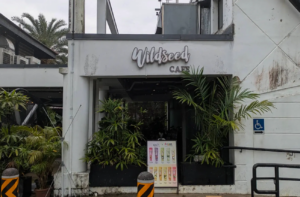
Wildseed Cafe Singapore: A Garden Escape for Tea Lovers
Sometimes, you just need to get out of the concrete city jungle and bask in nature. Last weekend, I was craving a quiet afternoon away from the chaotic mall crowds, so I made a reservation at Wildseed Cafe Singapore. Tucked away in the precincts of Seletar Aerospace Park within The Summerhouse, this multi concept restaurant…

Not Every Expensive Tea Is Actually Better
Tea drinkers rarely say this out loud. But many have probably thought it at least once. Sometimes an expensive tea tastes… fine. Not extraordinary. Not life-changing. Just fine. And yet modern tea culture often treats expensive tea as though it automatically deserves deeper admiration. A rare mountain harvest. Ancient tea trees. A tea produced in…

The Quiet Difference Between Muslim-Owned Cafés and MUIS-Certified Halal High Tea Spots in Singapore
I remember wandering down Arab Street years ago, searching for a quiet café where I could settle into an afternoon of coffee, tea, and conversation. I found a minimalist little space filled with delicate pastries and beautiful dessert displays, but hesitation quietly crept in as I began wondering about alcohol-based syrups, gelatin, and whether the…