There's a quiet moment many of us know well. The kettle clicks off. Steam curls up. You wrap your hands around a warm cup and feel your shoulders drop, just a little. Tea has always carried this sense of calm, of slowing down. So it can feel almost contradictory to ask: does tea contain caffeine?
The short answer might surprise you. Yes, most teas made from the Camellia sinensis tea plant do contain caffeine. And yet that fact rarely changes how gentle a cup of tea can feel. This blog post explores the caffeine content in tea varieties, how it compares to coffee and energy drinks, and why caffeine in tea behaves differently in the body.
Does Tea Contain Caffeine? The Honest Answer
If your cup of tea comes from the Camellia sinensis plant, also known as the tea plant, it contains caffeine. This includes black tea, green tea, oolong tea, white tea, pu-erh tea, and red tea, all true tea varieties from the same plant. These tea leaves naturally contain caffeine as a natural stimulant, a defense mechanism to protect younger leaves from insects.
In contrast, herbal tea infusions like chamomile, peppermint, rooibos, and hibiscus are naturally caffeine free because they don't come from the Camellia sinensis tea plant. However, some herbal blends may contain added green or black tea leaves, so it's worth checking the ingredients if you're avoiding caffeine.
Green Tea: A Popular Tea Variety with Moderate Caffeine Content

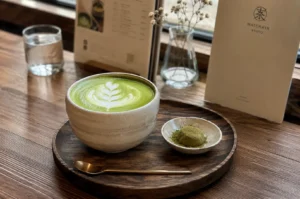
Green tea is one of the most popular tea types worldwide and is appreciated for its health benefits and moderate caffeine levels. A standard cup of green tea typically contains less caffeine than black tea but more than white tea. What makes green tea especially interesting is the variety it comes in, from the light and fresh taste of sencha to the rich, grassy notes of matcha. Speaking of matcha, this shade-grown green tea is quite the powerhouse when it comes to caffeine.
Unlike regular green tea where you steep the leaves and then discard them, with matcha you actually consume the powdered whole leaf. This means you get a higher caffeine kick in every sip, making it a favorite for those looking for a natural energy boost without reaching for a cup of coffee.
If you're someone who enjoys a gentle lift but prefers to avoid the jitters that sometimes come with coffee, green tea can be a perfect middle ground. Plus, it’s packed with antioxidants and other compounds that support overall wellness.
So, whether you’re starting your day or needing a calm yet alert moment in the afternoon, green tea offers a versatile and enjoyable option that balances flavor and caffeine content nicely.
Black Tea: Bold Flavor and Higher Caffeine Levels

Black tea leaves undergo a roasting process called oxidation, which breaks down the leaf cell structure and allows for more caffeine extraction during brewing. An average cup of black tea contains more caffeine than green and white tea, typically around 40 to 70 mg of caffeine per cup. Tea bags with broken black tea leaves release caffeine faster than whole leaf teas.
Oolong tea, which is partially oxidized, usually contains about 30 to 55 mg of caffeine per cup, placing it between green and black tea in caffeine content. White tea, often less processed and made from younger leaves or buds, averages about 16.79 mg of caffeine per gram, making it one of the teas with the lowest caffeine levels.
These variations make it important to consider the type of tea and preparation method when estimating caffeine intake from tea.
Caffeine Content: How Much Caffeine Is in Your Cup of Tea?

The amount of caffeine in tea varies widely depending on tea variety, preparation method, and brewing process. Some key factors influencing caffeine levels include:
- Leaf quantity: Using more leaf increases caffeine content.
- Water temperature: Hot water extracts more caffeine.
- Steeping time: Longer steeping releases more caffeine.
- Leaf grade: Broken leaves in tea bags extract caffeine faster than whole leaf.
- Tea type: Younger leaves usually contain more caffeine.
For comparison, an average cup of brewed coffee contains about 95 mg of caffeine, which is generally more caffeine than coffee and energy drinks provide per serving. Espresso-based drinks have about 63 mg of caffeine per shot.
High Caffeine Tea: Which Teas Pack the Biggest Caffeine Punch?

Among tea varieties, matcha green tea and some black teas are considered high caffeine tea options. Matcha can contain 60 to 80 mg of caffeine per cup because you consume the entire powdered leaf, unlike steeped teas. Yerba mate, though not from the Camellia sinensis plant, also contains a significant amount of caffeine, comparable to coffee. Shade-grown teas like gyokuro and matcha have higher caffeine levels due to their growing conditions, where shading the plants increases caffeine and L-theanine content.
Educationally, it's important to understand that caffeine content in tea is influenced by several factors beyond just the tea variety. The age of the leaves matters, young leaves and buds tend to have more caffeine than older leaves. Additionally, brewing methods greatly affect caffeine levels; hotter water temperatures and longer steeping times extract more caffeine from the leaves. For example, steeping tea at 212°F (100°C) for 30 minutes extracts the most caffeine, though this is not typical for everyday tea preparation.
Understanding these factors can help tea drinkers manage their caffeine intake effectively. For those sensitive to caffeine, opting for white tea or herbal teas, which are naturally caffeine-free, can be a good choice. Conversely, if you need a stronger caffeine boost without drinking coffee, matcha or robust black teas can provide that. This knowledge empowers you to tailor your tea experience to your caffeine needs and preferences.
Decaffeinated Tea: Is It Really Caffeine-Free?

Decaffeinated tea has undergone a process to remove most of the caffeine, but it is not completely caffeine free. Most decaffeinated teas contain a small amount of caffeine, much less than a standard cup of tea, but still present. This differs from herbal teas, which are naturally caffeine free. The caffeine content in decaffeinated tea can vary depending on the method used to remove caffeine, such as the carbon dioxide or water process, which aim to preserve flavor while reducing caffeine.
For those sensitive to caffeine or looking to reduce intake, decaffeinated tea offers a good alternative that still provides the taste and ritual of tea without the stronger stimulant effects. However, if you need to avoid caffeine completely, herbal teas or tisanes are the safest choices since they contain no caffeine at all.
Herbal Tea: Naturally Caffeine-Free Options
Herbal teas are brewed from plants other than the Camellia sinensis tea plant and are naturally caffeine free. These include popular caffeine free infusions like chamomile, rooibos, and peppermint. They are often chosen by those who want to avoid caffeine, especially in the evening to avoid difficulty sleeping.
Coffee and Tea: Comparing Caffeine Levels and Effects
Coffee beans contain more caffeine per gram than tea leaves, but brewing methods affect caffeine extraction and the final caffeine content in your cup. Brewed coffee typically contains more caffeine than tea, with an average cup having about 95 mg of caffeine compared to 14 to 70 mg in black tea.
Coffee and energy drinks often deliver a faster caffeine spike, whereas tea's caffeine combined with L-theanine provides a smoother, steadier alertness. This makes tea a preferred choice for many healthy adults who want caffeine supplementation without jitters.
Caffeine Than Coffee: Why Tea Feels Different
Scientific evidence suggests that tea's caffeine content and the presence of L-theanine, an amino acid in the tea plant, create a unique effect. L-theanine promotes calm focus, balancing the natural stimulant caffeine to avoid the abrupt energy spikes often experienced with coffee and energy drinks.
Average Cup: Understanding Your Daily Cuppa
Most healthy adults can safely consume up to 400 mg of caffeine per day. This translates to about four to five cups of brewed coffee or several cups of tea, depending on the tea variety and brewing process. Monitoring your caffeine intake is important to avoid side effects like difficulty sleeping.
Cup of Tea: Brewing Tips for Managing Caffeine Levels

To adjust caffeine levels in your cup of tea, consider these brewing tips:
- Use less leaf or fewer tea bags.
- Brew with slightly cooler water.
- Shorten steeping time.
- Choose tea types with naturally less caffeine, like white tea or herbal tea.
These simple adjustments can help you enjoy your daily cuppa while controlling caffeine intake.
Health Benefits: Why Tea Is More Than Just Caffeine
Tea offers many health benefits beyond caffeine content. Antioxidants, polyphenols, and other bioactive compounds in tea contribute to heart health, improved metabolism, and mental clarity. Drinking tea as part of your morning routine or daily cuppa adds both enjoyment and wellness to your day. Additionally, different types of tea, such as white and green tea, provide unique health advantages due to their varying levels of antioxidants and nutrients.
For example, green tea is well-known for its metabolism-boosting properties, while white tea is praised for its gentle flavor and lower caffeine content. Incorporating one cup of tea into your daily routine can be a simple yet effective way to support overall health while enjoying a soothing beverage.
Coffee Tea: The Best of Both Worlds

For those who want the caffeine boost of coffee with the calming effects of tea, some blends combine coffee and tea leaves or use espresso-based drinks with tea infusions. These innovative drinks offer a balance of caffeine levels and flavors.
Amount of Caffeine: Final Thoughts
Does tea contain caffeine? Yes, true teas from the Camellia sinensis plant do contain caffeine, but the amount varies widely. From the high caffeine punch of matcha green tea to the gentle lift of white tea, caffeine levels depend on tea varieties and brewing methods.
Whether you prefer coffee, tea, or energy drinks, understanding caffeine content and how your preparation method affects caffeine extraction can help you make mindful choices about your caffeine intake and enjoy your favorite caffeinated drinks responsibly.

Matcha Hype Has Gone Too Far (But I Still Drink It)
I have a confession. I am slightly tired of seeing matcha everywhere. Not because I dislike matcha. In fact, I drink it quite often. But there is something amusing about watching a humble tea become the centre of every café menu, wellness conversation, and social media trend. Matcha has gone from a traditional Japanese tea…
-
Hortus Afternoon Tea Review: When the Garden Becomes the Occasion in the Flower Dome
I forgot, for a moment, that I was indoors at Hortus, the Mediterranean restaurant nestled within the Flower Dome at Gardens by the Bay. There were trees above me, real ones, and the air held that cool, green stillness you usually find early in the morning somewhere far from the city. A leaf drifted down…
-
The Real Reason Your Tea at Cafés Tastes Flat
There is a particular disappointment that comes with ordering tea at a café. You see the menu. You notice the carefully written descriptions. Perhaps there is a mention of fragrant jasmine, roasted oolong, or a carefully selected blend. The presentation arrives beautifully arranged, and for a moment, there is anticipation. Then you take the first…
-
Herbal Tea in Chinese: A Cup Shaped by Heat, Balance, and Belief
The first sip was bitter. I was maybe seven, and my grandmother had pressed a small ceramic cup into my hands, dark liquid inside, steam curling up between us. She didn’t explain. She just said, “Drink. You’ve been too heaty.“ I made a face. She didn’t smile. She just waited until I finished. Years later,…
-
Maybe Your Favourite Tea Is Not Your Best Tea
I have a tea sitting in my cupboard that I would never call my “best” tea. It is not the rarest. It is not the most expensive. It does not come with an impressive story about ancient tea trees, remote mountains, or a limited harvest. And yet, I drink it more often than almost anything…
-
Clipper Tea Review: Does the Packaging Match the Pour?
There’s a box of Clipper Tea that’s lived in my cupboard longer than most of my mugs. I didn’t plan to buy it. I was standing in the tea aisle, tired, half-decided on something familiar, when the colour caught me. Bright, cheerful, a little hand-drawn looking. So I brought it home. And I’ve been drinking…
-
Hear Me Out, Tea Does Not Need to Be Serious All the Time
There is something I have noticed about tea culture. We take tea very seriously. Perhaps too seriously. We discuss origins, processing methods, brewing temperatures, and the history behind every leaf. We debate whether a tea should be enjoyed in a certain way. We carefully consider the correct vessel, the right water, and the ideal environment….
-
Red Bush Tea: The Tea That Does Not Need to Shout
There is a red pot in my mother’s kitchen that only comes out in the evening. By then the coffee has done its work and gone quiet. The day has loosened. She fills the kettle, drops in a spoonful of something the colour of dried autumn, and lets it sit while she tidies the last…
-
Hear Me Out: High Tea Is Overrated
Hear me out: high tea is one of the most convincing ways we have found to make snacking feel important. I understand the appeal. The room is polished, the cups are delicate, and everything arrives in miniature. There is something satisfying about sitting down in the middle of the afternoon and behaving as though time…
-
Where Tea Is Given Time to Speak: Anteasocial Review
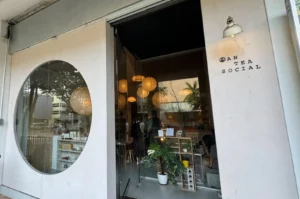
I almost walked past it. Owen Road Singapore doesn’t announce much. A quiet stretch, low buildings, the kind of road you pass through on the way to somewhere louder. Then there it was, unassuming, just numbers on a wall: 117. Anteasocial is a contemporary Oriental specialty teahouse in Singapore, and if you’re looking for a…