There is a strange contradiction in the way we talk about tea today.
For centuries, tea was appreciated for its taste, its rituals, and the moments it created. Today, it is often sold as something else entirely.
A solution.
A promise.
A shortcut.
The language surrounding wellness tea has become increasingly familiar. Detox tea. Cleansing blends. Metabolism boosters. Teas that promise to transform the body with every sip.
I find this difficult to accept.
Not because tea has no value, but because we have started asking it to do things it was never meant to do.
Tea is not a miracle.
It will not erase poor habits. It will not fix exhaustion caused by ignoring rest. It will not replace proper care, balanced choices, or attention to our own wellbeing.
Yet many wellness teas are marketed as though they can.
This is where the conversation becomes misleading.
The problem is not tea itself.
Tea has been enjoyed for generations across cultures, and there are many reasons people continue returning to it. The process of preparing tea encourages patience. The act of sitting with a warm cup can create a moment of pause. Certain teas contain natural compounds that researchers continue to study for their potential health effects.
But these benefits exist alongside tea.
They should not become the entire reason we drink it.
I think we sometimes forget that tea’s greatest value has always been its simplicity.
A cup of green tea in the morning.
A soothing herbal infusion before rest.
A pot shared during conversation.
These moments may not sound revolutionary, but perhaps that is exactly why they matter.
Modern wellness culture often turns ordinary things into products that promise extraordinary results. A simple habit becomes a solution to every problem. A natural drink becomes a symbol of a better version of ourselves.
Tea does not need this burden.
The beauty of tea is not that it transforms us overnight.
It is that it gives us small opportunities to take better care of ourselves.
To pause.
To breathe.
To be present.
Perhaps the healthiest relationship we can have with tea is not expecting it to save us.
Perhaps it is simply appreciating what it has always offered.
A quiet moment in a demanding world.
With quiet regard,
N. P. Lim

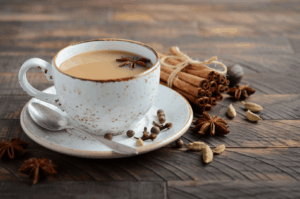
Masala Chai Origins: The Cultural Evolution of India’s Spiced Tea Tradition
The rhythmic clanging of metal kettles echoes through narrow lanes as steam rises from countless chai stalls across India. The intoxicating aroma of cardamom, cinnamon, and fresh ginger mingles with robust black tea, creating an olfactory symphony that has captivated souls for centuries. This is masala chai-not merely a beverage, but a cultural phenomenon that…
-
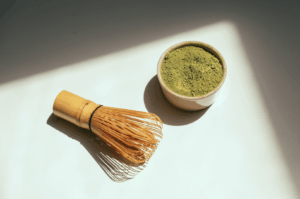
Matcha Tea: The Versatile Japanese Green Tea Powder
The vibrant green powder that transforms simple hot water into liquid jade has captivated tea enthusiasts worldwide. Matcha tea represents more than just a trendy beverage-it’s a bridge connecting ancient Japanese traditions with modern culinary innovation. This unique form of powdered green tea offers endless possibilities, from meditative ceremonial drinking to creative kitchen applications that…
-
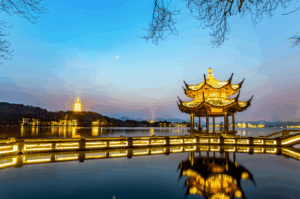
The Dragon Well Legacy: Exploring China’s Legendary Longjing Tea
Among the world’s most revered green teas, few carry the prestige and cultural significance of China’s legendary Dragon Well. This premium tea has captivated tea enthusiasts for centuries, earning its place as an imperial favourite and modern icon alike. From its mystical origins at West Lake to its meticulous processing methods, Longjing represents the pinnacle…