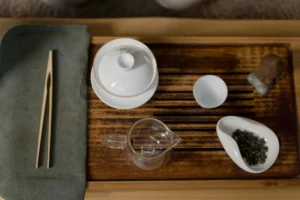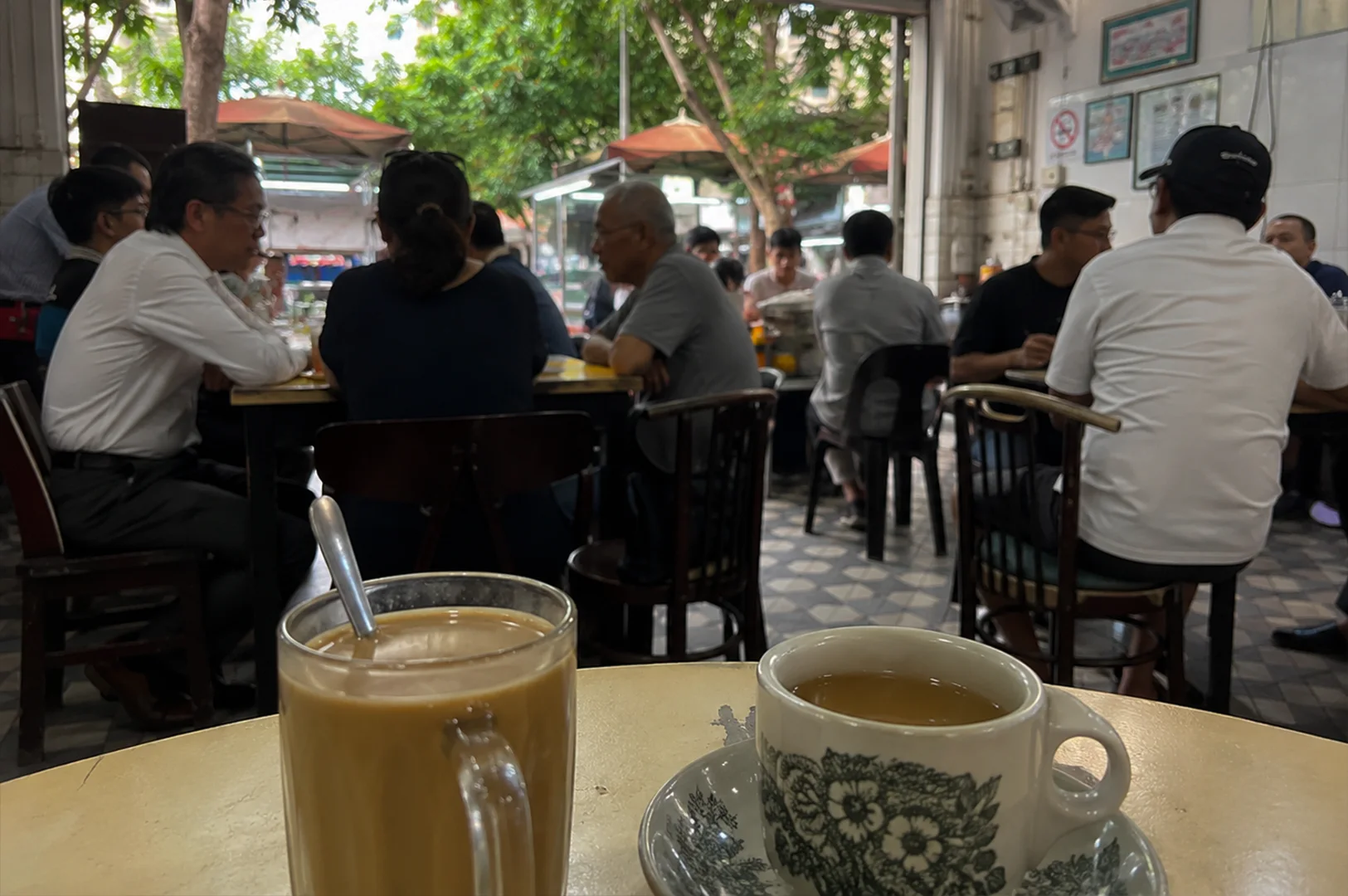
One of the things I love most about Singapore is that we never really chose between kopi and tea.
We kept both.
Walk into almost any hawker centre or coffee shop and you'll see it immediately. One person orders kopi-o. Another asks for teh-c. Someone else is drinking Chinese tea from a flask they brought from home, echoing how tea is increasingly shaping Singapore’s café culture in its own right, as Tea Manor explores.
The table somehow makes room for all of it.
For years, I assumed kopi and tea belonged to different worlds. Kopi felt practical and energetic. Tea felt slower and more reflective. One was associated with morning routines and busy coffee shops. The other seemed tied to tea houses, family gatherings, and quiet afternoons.
The older I get, the less convinced I am that the distinction is so clear.
Both drinks are deeply woven into everyday life here.
Kopi tells a story about adaptation. Coffee arrived from elsewhere, but Singapore made it its own. The roasting methods, the preparation style, even the language surrounding kopi feel uniquely local. Our friends at SG Street Eats Blog recently explored how coffee culture in Singapore stretches from traditional hawker stalls to modern specialty cafés, highlighting just how diverse the local coffee scene has become.
Tea tells a different story. It connects Singapore to centuries of Chinese, Indian, Malay, and international traditions. Every community seems to have found its own way of welcoming tea into daily life.
And yet they often exist side by side.
I find that fascinating.
Many countries have strong coffee cultures. Many have strong tea cultures. Singapore somehow embraces both without asking people to choose a side.
Perhaps that reflects something larger about the country itself.
Singapore has always been a place where traditions overlap rather than replace one another. Different influences sit next to each other, sometimes blending together and sometimes remaining distinct.
Kopi and tea do the same.
A person can start the day with kopi and end it with tea without feeling contradictory. One drink does not cancel out the other.
Both belong.
Maybe that is why debates about which is better have never interested me very much.
The more interesting question is why Singapore continues making space for both.
In a world that increasingly asks people to pick a side, there is something refreshing about a culture that simply says yes to another cup.
Whether it happens to be kopi or tea.
— Maria Tan
On tea, culture, and everyday rituals.

A Quiet Tea Café in Somerset: Inside the Experience at Hvala
Amid Singapore’s bustling shopping hubs like Orchard, Club Street, and Tanjong Pagar, finding a peaceful spot to unwind can be a challenge. Hvala, a minimalist tea cafe Singapore locals and visitors adore, offers a serene teahouse experience brimming with natural light and calm vibes. Located on the ground floor of 111 Somerset, this bright, inviting…
-
The Tea We Return To Again and Again
Most tea drinkers have one. A tea they continue returning to, even after trying countless others. It is rarely the rarest tea they own. Often, it is not even the most impressive. It may lack the complexity of aged teas or the elegance of carefully crafted harvests. And yet, somehow, it becomes the tea they…
-
Pek Sin Choon vs Modern Teaware Shops: Two Tea Traditions in Singapore
Walking through Chinatown’s Mosque Street, you encounter two distinct tea traditions that embody Singapore’s rich heritage and evolving culture. Pek Sin Choon, one of the oldest tea merchants in Singapore, stands as a living root of Chinese tea culture, while modern teaware shops offer a fresh perspective on tea appreciation through design and brewing systems….
-
Why I Stopped Saving My “Good Tea” for Special Occasions
For the longest time, I treated my favorite teas like they needed a reason. I would buy something beautiful, maybe a delicate oolong or a tea that smelled faintly floral the moment I opened the tin, then immediately start rationing it in my head. I’ll save this for guests. For weekends. For days that feel…
-
Teapot Set: How It Shapes the Tea Experience
On certain afternoons in Singapore, when rain softens the edges of the day, I find myself lingering before the water reaches its boil. The teapot rests nearby, waiting. There is always a moment like this before tea (quiet, unhurried) when the world seems willing to pause with you. A teapot set belongs to these moments….
-
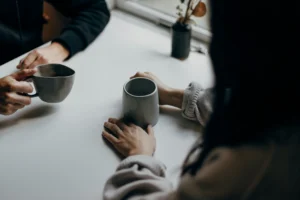
The Quiet Difference Between Drinking Tea Alone and With Someone
There are days when I reach for tea just to sit with myself for a while. No distractions, no need to fill the silence. Just the slow rhythm of pouring, waiting, sipping. When I’m alone, tea feels almost like a pause button. The kind that lets the day settle a little before continuing. But tea…
-
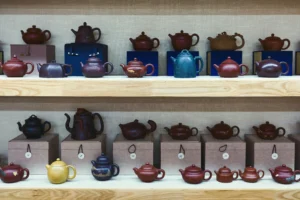
Is a Yixing Teapot Worth It? A Singapore Tea Guide
In many Singapore teaware shops, a Yixing teapot immediately draws attention. This iconic piece of Yixing pottery is crafted from unique purple clay found only in the Yixing region of China, west of Taihu Lake in Jiangsu Province. Yixing has a rich heritage in Chinese art and pottery, with production dating back to the Neolithic…

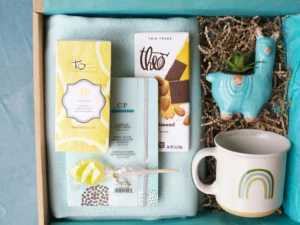
Tea Gift Sets: Curating Meaningful Moments, One Steep at a Time
Tea has long been associated with care, connection, and quiet intention. Across cultures, it is shared during moments of reflection, conversation, and celebration. Offering tea gift sets carries this meaning forward, creating a gesture that feels both personal and considered. Unlike many conventional gifts, tea sets invite time. They are not rushed or consumed all…
-
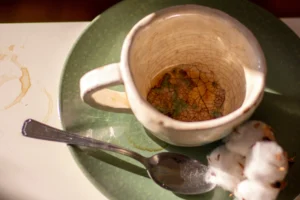
The Last Sip of Tea and What It Teaches
There is a moment in every cup that arrives quietly. The last sip. It comes softer than the first. The tea has given almost everything it holds. The warmth lingers, the flavour has softened, and only a gentle echo of the leaves remains. We lift the cup, tilt it slowly, and suddenly the moment feels…
-
Teaware Shop 101: A Beginner’s Guide to Tea Ware, Sets, and What You Actually Need
Stepping into a traditional teaware shop in Singapore’s Chinatown can be overwhelming. Shelves brim with porcelain teacups, raw clay teapots, and bamboo trays, all inviting yet unfamiliar. Many people feel unsure about what matches their tea or worry about buying unnecessary items. Whether you’re looking to drink tea in style, find the perfect tea…