Introduction
Among the many tea types that have emerged from centuries of tea cultivation, white tea often stands apart for its quiet character. It is light in colour, gentle in aroma, and remarkably simple in its making. Yet behind this softness lies a long tradition of craftsmanship that has shaped some of the most refined Chinese teas.
Like all true teas, white tea comes from the Camellia sinensis plant. The same tea plant also produces green tea, black tea, and oolong. What distinguishes white tea is not the plant itself, but the way the tea leaves are handled after harvest.
The production process of white tea is intentionally restrained. Tea makers allow the leaves to wither and dry with minimal interference. Because the leaves undergo minimal oxidation, the final tea retains a delicate flavour that reflects the natural character of the leaf.
Most Chinese white tea originates from Fujian Province, a region known for producing some of the best quality teas in China. Over time, white tea has become valued not for intensity but for subtlety. In a well prepared cup, its sweetness appears slowly, carried by soft floral notes and a lingering aroma.
Understanding how white tea is produced and the types of white tea that exist helps reveal why it remains one of the most respected teas in the world.
What Is White Tea
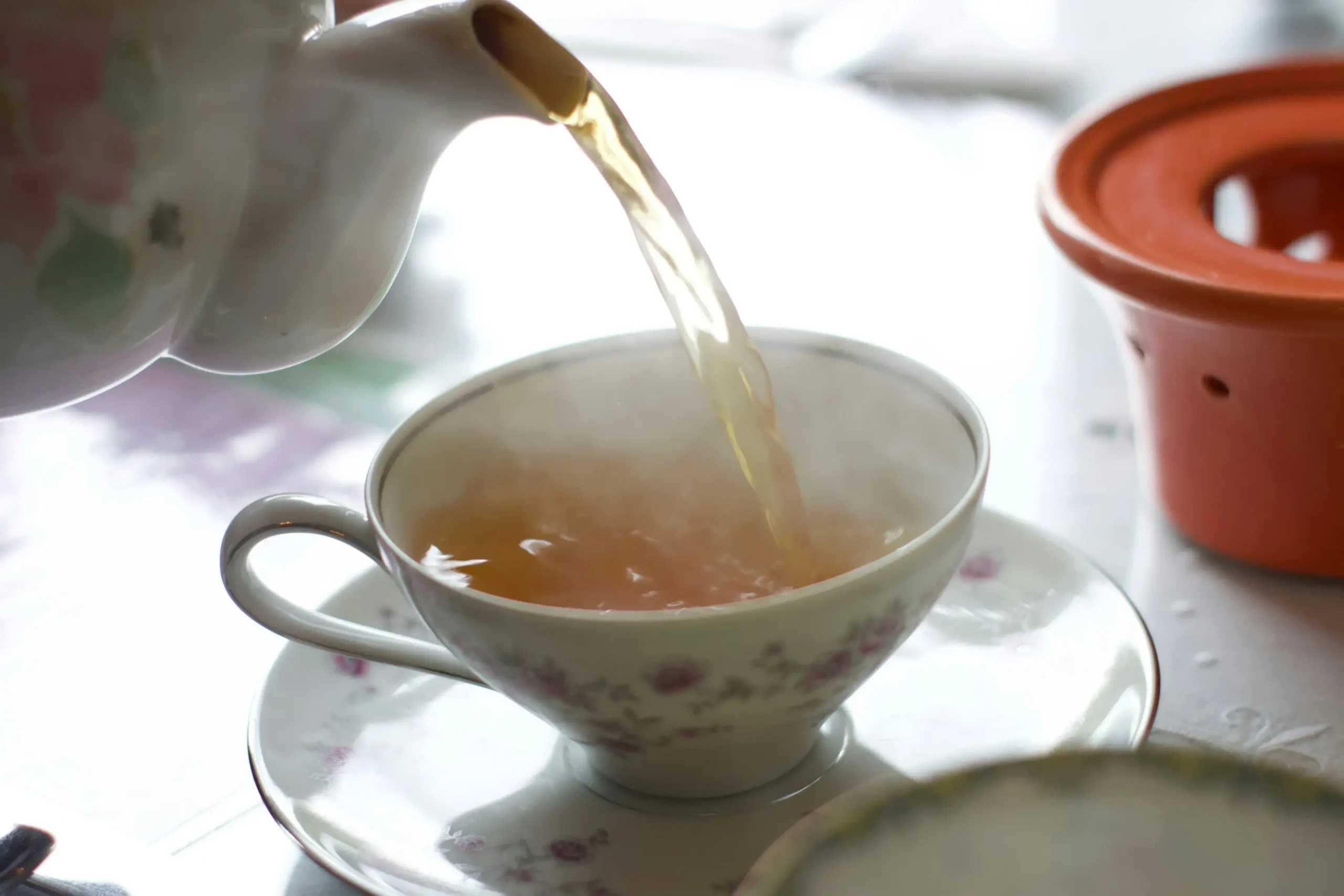
White tea is often described as the least processed of all traditional teas.
Unlike green tea, which is heated to stop oxidation, or black tea, which undergoes full oxidation, white tea follows a much gentler path. Freshly harvested young tea leaves and young buds are simply allowed to wither and dry.
This simple process allows the natural qualities of the leaf to remain intact.
Many white teas are made from unopened buds that are covered with fine white hairs. These small silver hairs are what give the tea its name. When brewed, the tea produces a pale golden liquor with a soft fragrance.
Common characteristics of white tea include:
- minimal oxidation
- delicate sweetness
- light floral aroma
- smooth texture in the cup
Because the leaves are handled so lightly, white tea preserves the original character of the tea plant more than most other tea types.
Chinese White Tea and Its Origins
The story of Chinese white tea is closely connected to Fujian Province in China.
Areas such as Fuding County have long been known for producing excellent white tea. The region’s climate, soil, and tea plant varieties allow the buds to develop slowly during the early spring season.
Two important tea plant varieties are widely used:
- Da Bai
- Da Hao
These tea bushes produce large buds with the fine white hairs that are essential for producing high grade white tea.
Historical records suggest that early forms of white tea were already appreciated during the Song Dynasty. At the time, refined teas were sometimes offered as tribute tea to the imperial court.
Today, while white tea is also produced in other countries and other regions, the traditional style from Fujian continues to represent the standard for quality.
How White Tea Is Made
Understanding white tea production reveals why the tea feels so gentle in flavour.
The white tea manufacture process generally follows three key stages.
First Phase: Solar Withering
The first phase is known as solar withering.
Freshly harvested buds and young leaves are spread out in thin layers and exposed to soft sunlight. During this stage the leaves begin to lose moisture while subtle enzymatic changes occur.
The warmth of the sun allows the leaf to soften naturally without heavy processing.
This stage contributes greatly to the delicate aroma found in good quality white tea.
Second Stage: Natural Drying
After withering, the leaves are moved to shaded areas where solar drying continues under careful supervision.
The aim is to gradually reduce the moisture content while keeping the structure of the leaf intact. Unlike other tea types, the leaves are not rolled or aggressively heated.
Because of this restrained method, the leaves often appear almost unchanged after drying.
Final Phase: Stabilising the Tea
The final phase of white tea processing ensures that the leaves are fully dried and stable for storage.
At this point the tea is considered supposedly dried, meaning it has reached the appropriate dryness to preserve its aroma and flavour.
The tea is then sorted and packed as loose leaf tea, ready for distribution.
Popular Types of White Tea
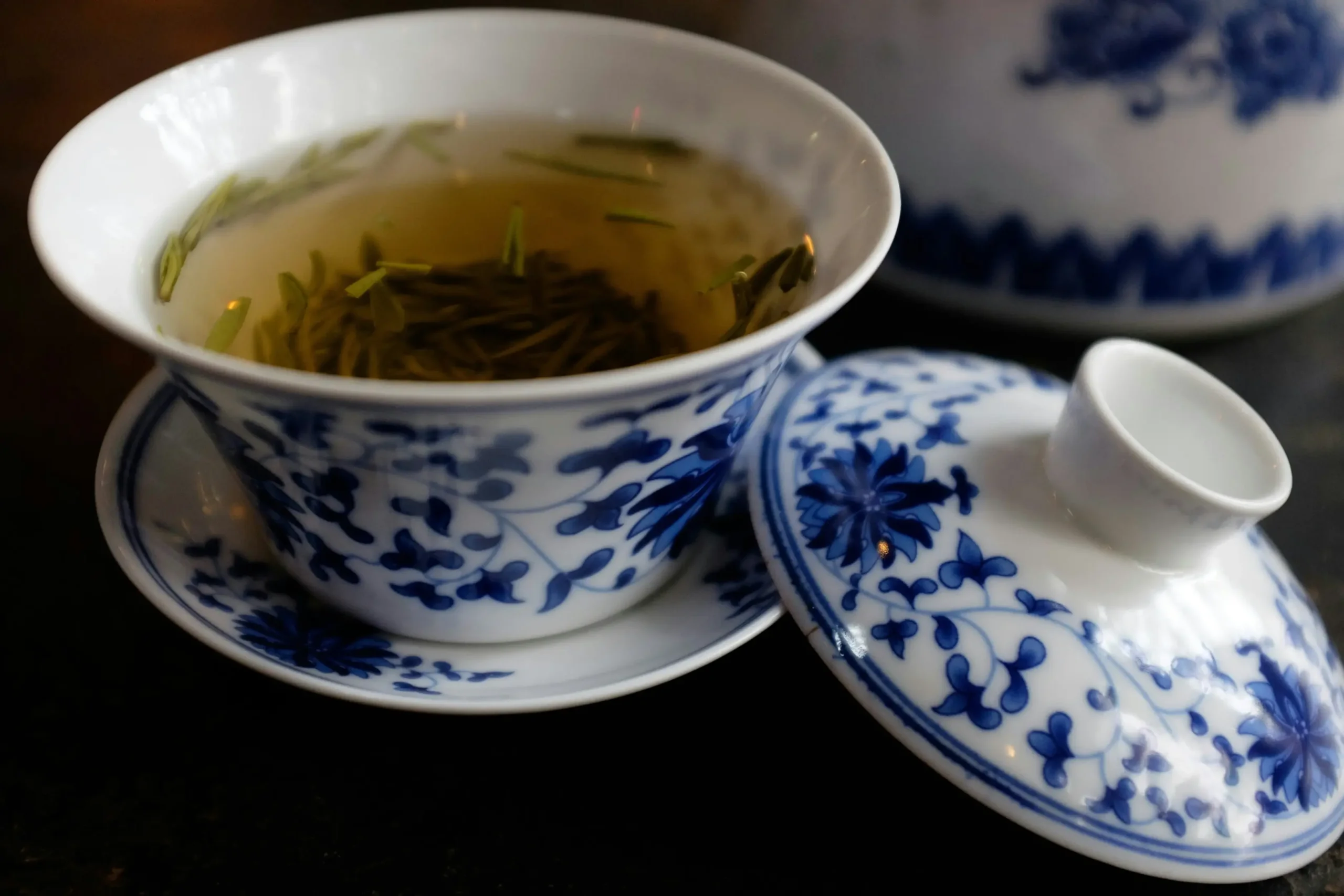
Several popular types of white tea are widely recognised among tea drinkers.
Each type differs slightly depending on the balance of buds and leaves used.
Silver Needle
Silver Needle tea, known in Chinese as Bai Hao Yin Zhen, is often considered the highest quality white tea.
It is made entirely from young buds, harvested before they open. Because of this careful selection, the tea produces a very smooth and delicate flavour.
The aroma is soft and sweet, with a light floral cha Bai Mu Dan.racter.
White Peony
Another respected tea is White Peony, or Bai Mu Dan.
This tea combines buds with young leaves. The result is a fuller body compared with Silver Needle while still maintaining the gentle character of white tea.
Many tea drinkers find White Peony slightly richer while remaining soft and balanced.
Other Types of White Tea
Additional varieties include:
- Shou Mei
- Gong Mei
- Tribute Eyebrow
- Yue Guan Bai
- Ya Bao
These teas often include more mature leaves and produce deeper flavours while still retaining the smooth nature of white tea.
Caffeine Content in White Tea
Many people wonder about the caffeine content of white tea.
In general, white tea tends to contain less caffeine than many green or black teas. However, the exact amount depends on several many factors, including:
- the age of the leaf or bud
- brewing temperature
- steeping time
- tea plant variety
Teas made primarily from buds, such as Silver Needle, can sometimes contain slightly higher caffeine because the buds store concentrated nutrients.
Even so, white tea remains one of the gentler teas in terms of stimulation.
Preparing White Tea
Preparing white tea requires a lighter approach than brewing stronger teas.
Because the leaves are delicate, very hot water can overwhelm their subtle flavour.
A simple method for preparing white tea includes:
- Use fresh loose leaf white tea.
- Heat water to moderate low temperatures.
- Pour water gently over the leaves.
- Allow the tea to steep for two to three minutes.
Many white teas can produce multiple infusions, revealing slightly different aromas with each brewing.
Storing White Tea
Properly storing white tea helps preserve its delicate aroma.
Tea should be protected from moisture, heat, and strong smells.
Good storage practices include:
- placing tea in an airtight container
- keeping it away from sunlight
- storing it in a cool, dry place
When handled carefully, good quality white tea can maintain its character for a long time.
A Quiet Expression of Tea Craft
Among the many tea types produced from the Camellia sinensis plant, white tea remains one of the most understated.
Its production process relies on patience rather than intervention. The sun, the air, and careful observation guide the transformation of leaf into tea.
In the cup, white tea does not shout for attention. Instead it offers a gentle sweetness, a delicate aroma, and a reminder that sometimes the most refined flavours come from the simplest approach to tea.

The Tea We Return To Again and Again
Most tea drinkers have one. A tea they continue returning to, even after trying countless others. It is rarely the rarest tea they own. Often, it is not even the most impressive. It may lack the complexity of aged teas or the elegance of carefully crafted harvests. And yet, somehow, it becomes the tea they…
-
Pek Sin Choon vs Modern Teaware Shops: Two Tea Traditions in Singapore
Walking through Chinatown’s Mosque Street, you encounter two distinct tea traditions that embody Singapore’s rich heritage and evolving culture. Pek Sin Choon, one of the oldest tea merchants in Singapore, stands as a living root of Chinese tea culture, while modern teaware shops offer a fresh perspective on tea appreciation through design and brewing systems….
-
Why I Stopped Saving My “Good Tea” for Special Occasions
For the longest time, I treated my favorite teas like they needed a reason. I would buy something beautiful, maybe a delicate oolong or a tea that smelled faintly floral the moment I opened the tin, then immediately start rationing it in my head. I’ll save this for guests. For weekends. For days that feel…
-
Teapot Set: How It Shapes the Tea Experience
On certain afternoons in Singapore, when rain softens the edges of the day, I find myself lingering before the water reaches its boil. The teapot rests nearby, waiting. There is always a moment like this before tea (quiet, unhurried) when the world seems willing to pause with you. A teapot set belongs to these moments….
-
The Quiet Difference Between Drinking Tea Alone and With Someone
There are days when I reach for tea just to sit with myself for a while. No distractions, no need to fill the silence. Just the slow rhythm of pouring, waiting, sipping. When I’m alone, tea feels almost like a pause button. The kind that lets the day settle a little before continuing. But tea…
-
Is a Yixing Teapot Worth It? A Singapore Tea Guide
In many Singapore teaware shops, a Yixing teapot immediately draws attention. This iconic piece of Yixing pottery is crafted from unique purple clay found only in the Yixing region of China, west of Taihu Lake in Jiangsu Province. Yixing has a rich heritage in Chinese art and pottery, with production dating back to the Neolithic…

Tea Gift Sets: Curating Meaningful Moments, One Steep at a Time
Tea has long been associated with care, connection, and quiet intention. Across cultures, it is shared during moments of reflection, conversation, and celebration. Offering tea gift sets carries this meaning forward, creating a gesture that feels both personal and considered. Unlike many conventional gifts, tea sets invite time. They are not rushed or consumed all…
-
The Last Sip of Tea and What It Teaches
There is a moment in every cup that arrives quietly. The last sip. It comes softer than the first. The tea has given almost everything it holds. The warmth lingers, the flavour has softened, and only a gentle echo of the leaves remains. We lift the cup, tilt it slowly, and suddenly the moment feels…
-
Teaware Shop 101: A Beginner’s Guide to Tea Ware, Sets, and What You Actually Need
Stepping into a traditional teaware shop in Singapore’s Chinatown can be overwhelming. Shelves brim with porcelain teacups, raw clay teapots, and bamboo trays, all inviting yet unfamiliar. Many people feel unsure about what matches their tea or worry about buying unnecessary items. Whether you’re looking to drink tea in style, find the perfect tea…

Tea Leaves Singapore: How to Choose and Enjoy Every Cup
Tea begins long before it reaches your cup. It starts in quiet mountain regions where climate, soil, and tradition shape every leaf. From China to Japan and Taiwan, each origin brings its own character, creating a diverse and evolving world of tea. In Singapore, tea has become both a daily ritual and a refined indulgence….