Introduction
Among the many tea types that have emerged from centuries of tea cultivation, white tea often stands apart for its quiet character. It is light in colour, gentle in aroma, and remarkably simple in its making. Yet behind this softness lies a long tradition of craftsmanship that has shaped some of the most refined Chinese teas.
Like all true teas, white tea comes from the Camellia sinensis plant. The same tea plant also produces green tea, black tea, and oolong. What distinguishes white tea is not the plant itself, but the way the tea leaves are handled after harvest.
The production process of white tea is intentionally restrained. Tea makers allow the leaves to wither and dry with minimal interference. Because the leaves undergo minimal oxidation, the final tea retains a delicate flavour that reflects the natural character of the leaf.
Most Chinese white tea originates from Fujian Province, a region known for producing some of the best quality teas in China. Over time, white tea has become valued not for intensity but for subtlety. In a well prepared cup, its sweetness appears slowly, carried by soft floral notes and a lingering aroma.
Understanding how white tea is produced and the types of white tea that exist helps reveal why it remains one of the most respected teas in the world.
What Is White Tea
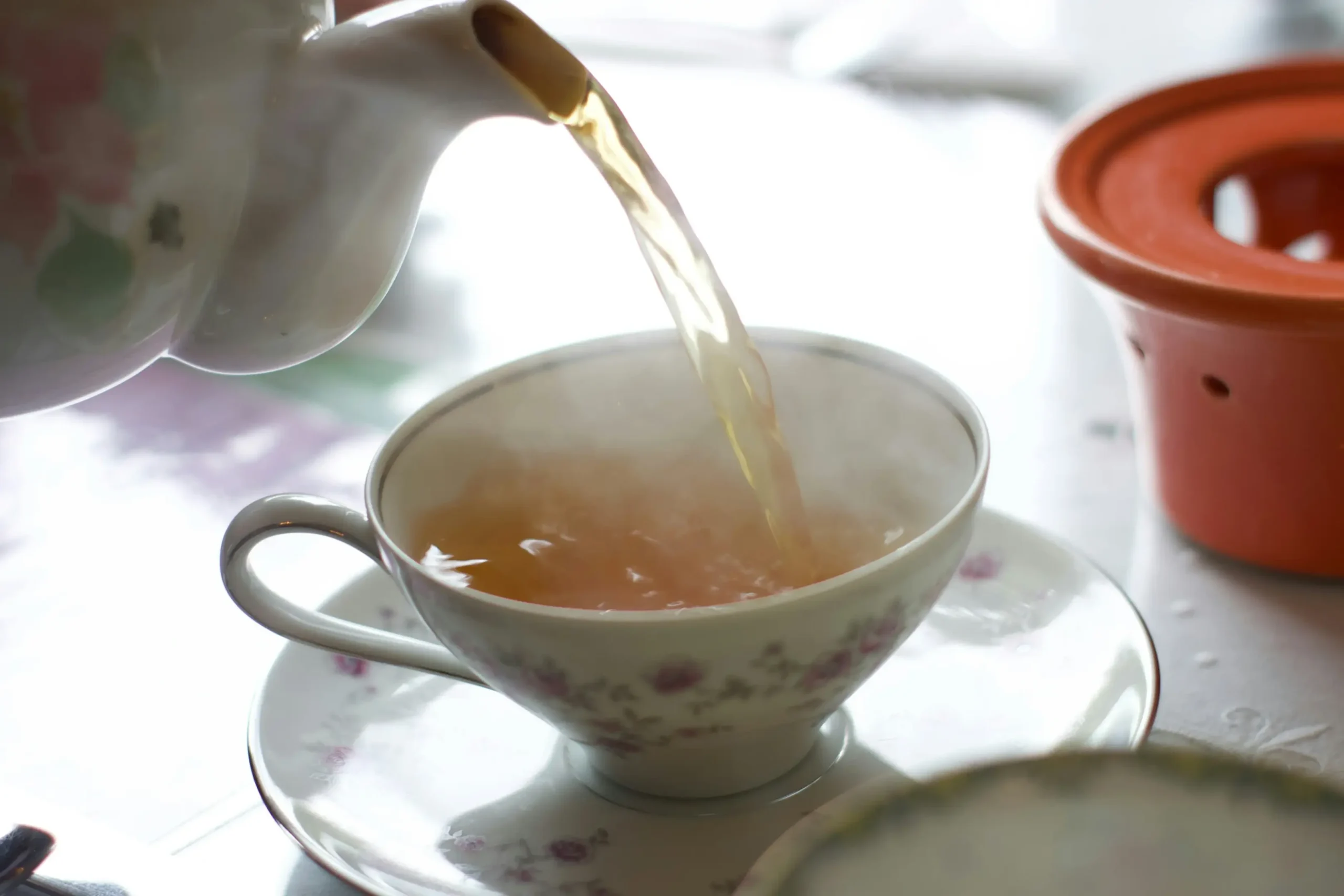
White tea is often described as the least processed of all traditional teas.
Unlike green tea, which is heated to stop oxidation, or black tea, which undergoes full oxidation, white tea follows a much gentler path. Freshly harvested young tea leaves and young buds are simply allowed to wither and dry.
This simple process allows the natural qualities of the leaf to remain intact.
Many white teas are made from unopened buds that are covered with fine white hairs. These small silver hairs are what give the tea its name. When brewed, the tea produces a pale golden liquor with a soft fragrance.
Common characteristics of white tea include:
- minimal oxidation
- delicate sweetness
- light floral aroma
- smooth texture in the cup
Because the leaves are handled so lightly, white tea preserves the original character of the tea plant more than most other tea types.
Chinese White Tea and Its Origins
The story of Chinese white tea is closely connected to Fujian Province in China.
Areas such as Fuding County have long been known for producing excellent white tea. The region’s climate, soil, and tea plant varieties allow the buds to develop slowly during the early spring season.
Two important tea plant varieties are widely used:
- Da Bai
- Da Hao
These tea bushes produce large buds with the fine white hairs that are essential for producing high grade white tea.
Historical records suggest that early forms of white tea were already appreciated during the Song Dynasty. At the time, refined teas were sometimes offered as tribute tea to the imperial court.
Today, while white tea is also produced in other countries and other regions, the traditional style from Fujian continues to represent the standard for quality.
How White Tea Is Made
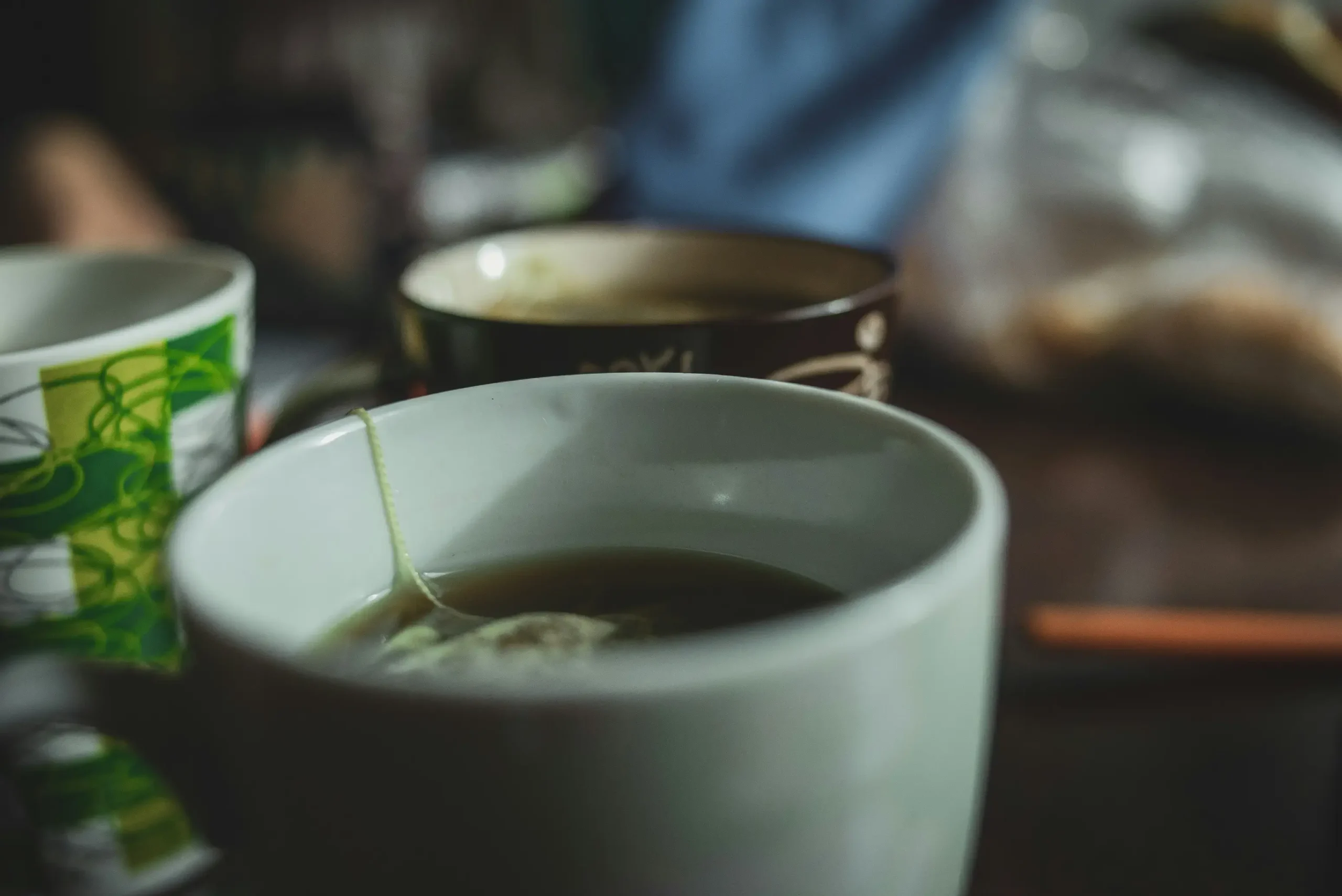
Understanding white tea production reveals why the tea feels so gentle in flavour.
The white tea manufacture process generally follows three key stages.
First Phase: Solar Withering
The first phase is known as solar withering.
Freshly harvested buds and young leaves are spread out in thin layers and exposed to soft sunlight. During this stage the leaves begin to lose moisture while subtle enzymatic changes occur.
The warmth of the sun allows the leaf to soften naturally without heavy processing.
This stage contributes greatly to the delicate aroma found in good quality white tea.
Second Stage: Natural Drying
After withering, the leaves are moved to shaded areas where solar drying continues under careful supervision.
The aim is to gradually reduce the moisture content while keeping the structure of the leaf intact. Unlike other tea types, the leaves are not rolled or aggressively heated.
Because of this restrained method, the leaves often appear almost unchanged after drying.
Final Phase: Stabilising the Tea
The final phase of white tea processing ensures that the leaves are fully dried and stable for storage.
At this point the tea is considered supposedly dried, meaning it has reached the appropriate dryness to preserve its aroma and flavour.
The tea is then sorted and packed as loose leaf tea, ready for distribution.
Popular Types of White Tea
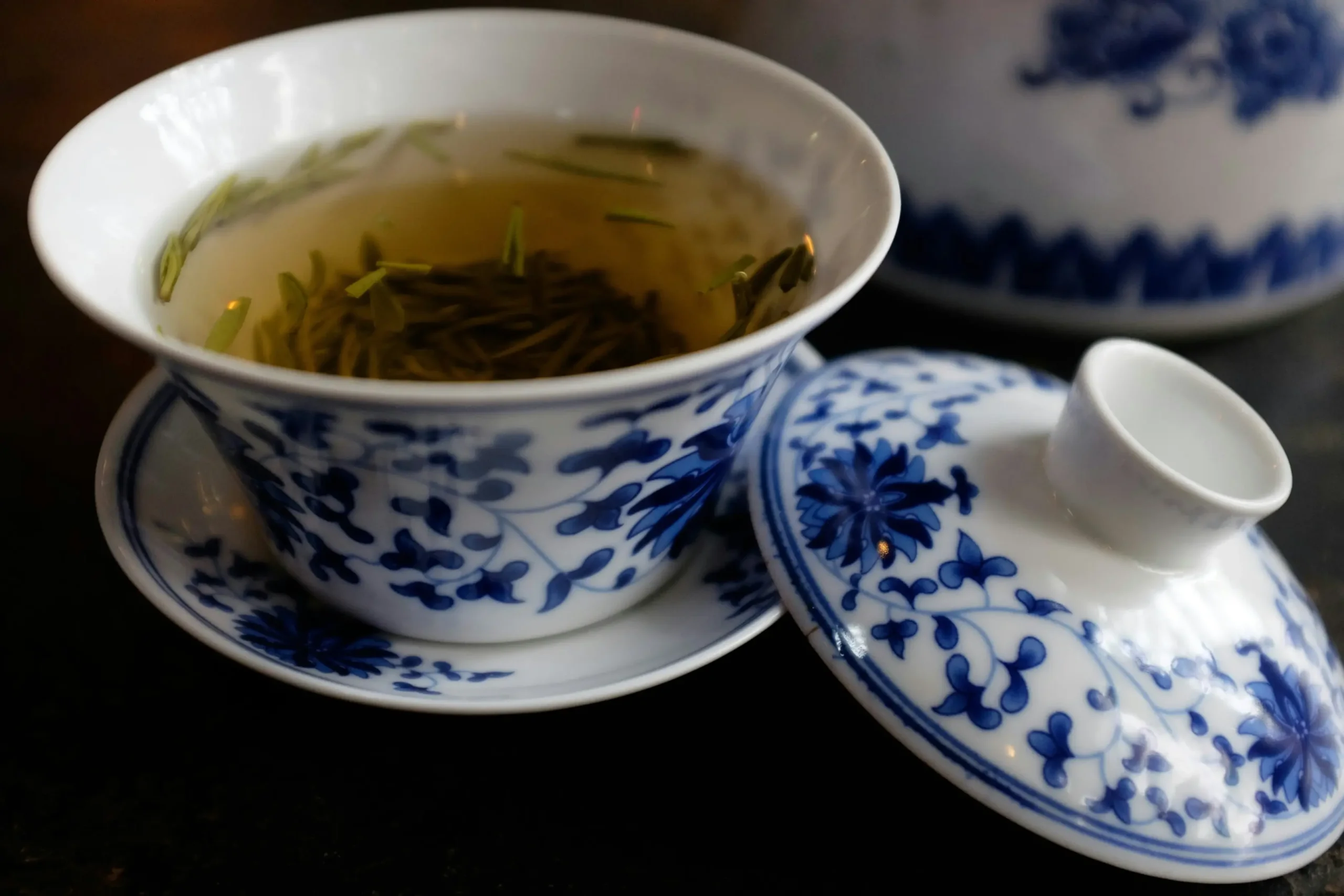
Several popular types of white tea are widely recognised among tea drinkers.
Each type differs slightly depending on the balance of buds and leaves used.
Silver Needle
Silver Needle tea, known in Chinese as Bai Hao Yin Zhen, is often considered the highest quality white tea.
It is made entirely from young buds, harvested before they open. Because of this careful selection, the tea produces a very smooth and delicate flavour.
The aroma is soft and sweet, with a light floral cha Bai Mu Dan.racter.
White Peony
Another respected tea is White Peony, or Bai Mu Dan.
This tea combines buds with young leaves. The result is a fuller body compared with Silver Needle while still maintaining the gentle character of white tea.
Many tea drinkers find White Peony slightly richer while remaining soft and balanced.
Other Types of White Tea
Additional varieties include:
- Shou Mei
- Gong Mei
- Tribute Eyebrow
- Yue Guan Bai
- Ya Bao
These teas often include more mature leaves and produce deeper flavours while still retaining the smooth nature of white tea.
Caffeine Content in White Tea
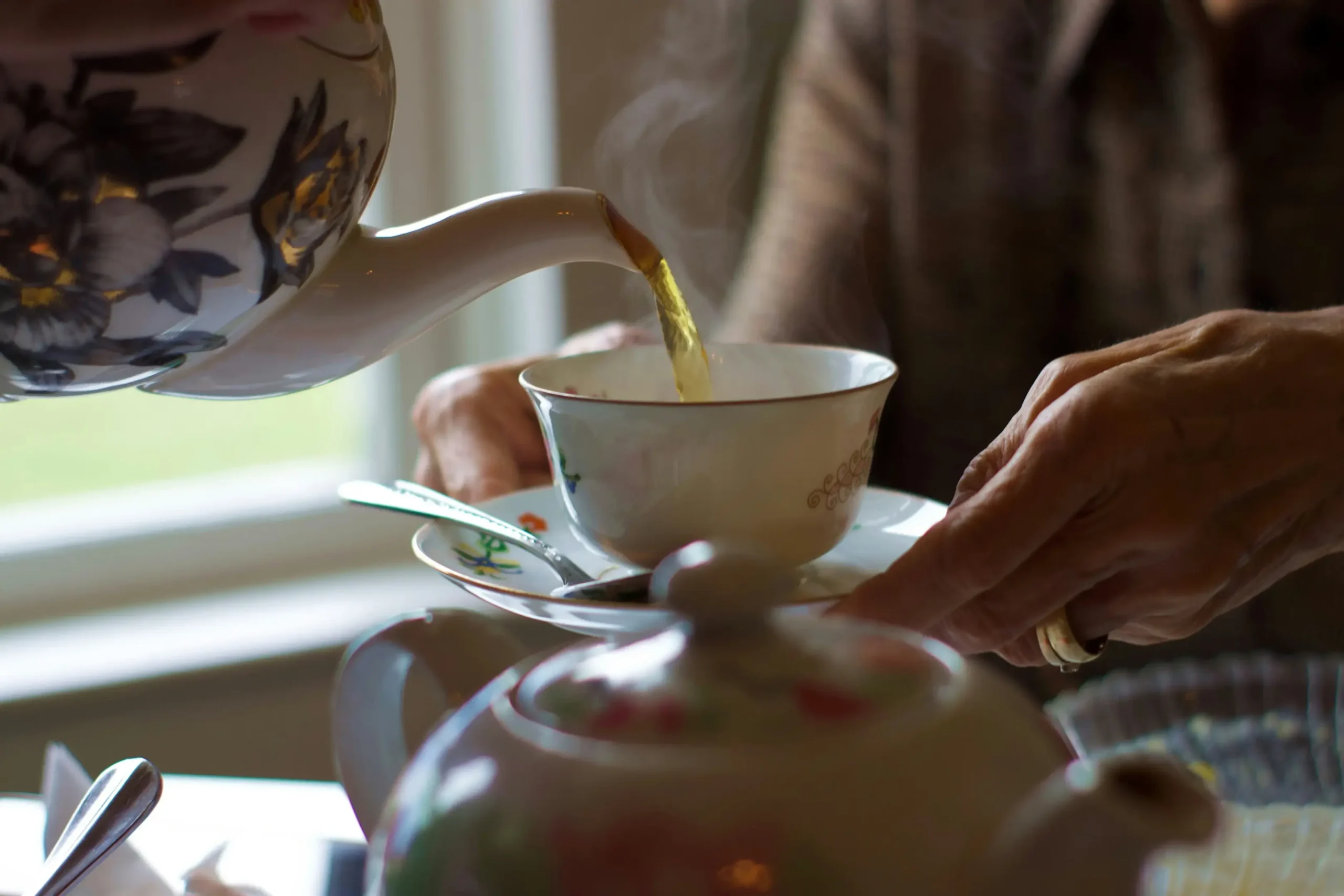
Many people wonder about the caffeine content of white tea.
In general, white tea tends to contain less caffeine than many green or black teas. However, the exact amount depends on several many factors, including:
- the age of the leaf or bud
- brewing temperature
- steeping time
- tea plant variety
Teas made primarily from buds, such as Silver Needle, can sometimes contain slightly higher caffeine because the buds store concentrated nutrients.
Even so, white tea remains one of the gentler teas in terms of stimulation.
Preparing White Tea
Preparing white tea requires a lighter approach than brewing stronger teas.
Because the leaves are delicate, very hot water can overwhelm their subtle flavour.
A simple method for preparing white tea includes:
- Use fresh loose leaf white tea.
- Heat water to moderate low temperatures.
- Pour water gently over the leaves.
- Allow the tea to steep for two to three minutes.
Many white teas can produce multiple infusions, revealing slightly different aromas with each brewing.
Storing White Tea
Properly storing white tea helps preserve its delicate aroma.
Tea should be protected from moisture, heat, and strong smells.
Good storage practices include:
- placing tea in an airtight container
- keeping it away from sunlight
- storing it in a cool, dry place
When handled carefully, good quality white tea can maintain its character for a long time.
A Quiet Expression of Tea Craft
Among the many tea types produced from the Camellia sinensis plant, white tea remains one of the most understated.
Its production process relies on patience rather than intervention. The sun, the air, and careful observation guide the transformation of leaf into tea.
In the cup, white tea does not shout for attention. Instead it offers a gentle sweetness, a delicate aroma, and a reminder that sometimes the most refined flavours come from the simplest approach to tea.

The Tea We Drink for No Reason
Tea is often praised for its ritual, its mindfulness, its ability to transform ordinary moments into quiet ceremonies. And I appreciate all of that. I really do. But there is another kind of tea, one that rarely gets mentioned in articles or recommended in guides. The tea we drink for no reason at all. I…
-
A Tea Lover’s Map to Elegant Finds in the City Teaware Shop
There is a particular quiet that settles when you pour hot water over tea leaves in a pot you chose with care. The weight of the clay in your hand. The porcelain capacity that holds just the right amount of warmth. A small ritual, repeated, until it becomes yours. Singapore knows tea in many languages….
-
Why We Pretend Every Tea Moment Should Be Peaceful
There is a quiet expectation we place on tea that I’m not sure we talk about enough. We expect it to calm us. To slow us down. To make everything feel a little more intentional, a little more put together, a little more peaceful than whatever came before it. But I’ve started to wonder if…
-
The Discipline of Grace in Every Bowl: Tea Ceremony in Japan
Water begins to move in a small iron kettle. The sound is faint, almost like wind through pines, and in a quiet room lined with tatami mats, it is enough to fill the silence. A host kneels in the tea room. A guest waits. Nothing is said, yet something has already begun. This is where…
-
The Tea I Keep Drinking When I Don’t Feel Like Myself
There are days when tea feels unnecessary. Not because I stop liking it, but because I don’t feel like the version of myself who usually drinks it slowly, thoughtfully, and with attention. On those days, I still make tea anyway. Not out of ritual, but out of habit. It is never the elaborate kind of…
-
Tea Ceremony Kyoto: A Slow Dance of Bowls and Breath
The room is quiet enough to hear water. Somewhere beyond the paper screens of this traditional tea ceremony venue, a garden drips after morning rain. Inside a tea house on a tatami mat worn soft by years of kneeling, a tea master lifts a bamboo whisk and begins tea making. There is no rush in…
-
Why We Keep Romanticising Tea Moments That Never Happened
I sometimes wonder if we are drinking tea or remembering something that never really happened. A quiet morning that feels softer in memory than it ever was in real life. A perfect cup by the window that somehow always looks better in hindsight. A tea moment that feels cinematic, even though it probably lasted only…
-
Masala Chai Tea Origins: The Cultural Evolution of India’s Spiced Tea Tradition
There is a sound that belongs to mornings across India: the hiss of milk rising in a battered pot, the clink of a spoon against metal, the low murmur of a tea seller calling out to passing crowds. Before the first sip, there is the scent. Cardamom pods, fresh ginger, and cinnamon stick curling into…
-
We Are Turning Tea Into Something It Was Never Meant to Be
There is something quietly strange happening in tea culture. The more popular the tea becomes, the more it starts to resemble everything it once stood apart from. Speed. Branding. Productivity. Performance. Tea, which once belonged to unhurried moments, is increasingly being asked to do more. To energize. To optimize focus. To replace coffee. To support…
-
Sencha Green Tea vs. Matcha Powder: Understanding the Differences in Japanese Green Tea
Two tins of tea powder sit side by side on a shelf. Both hold a fine green powder. Both promise the taste of authentic Japanese tea. To the eye, they look almost identical, and that is precisely where the confusion begins. One is matcha powder, often used in matcha lattes and desserts. The other is…