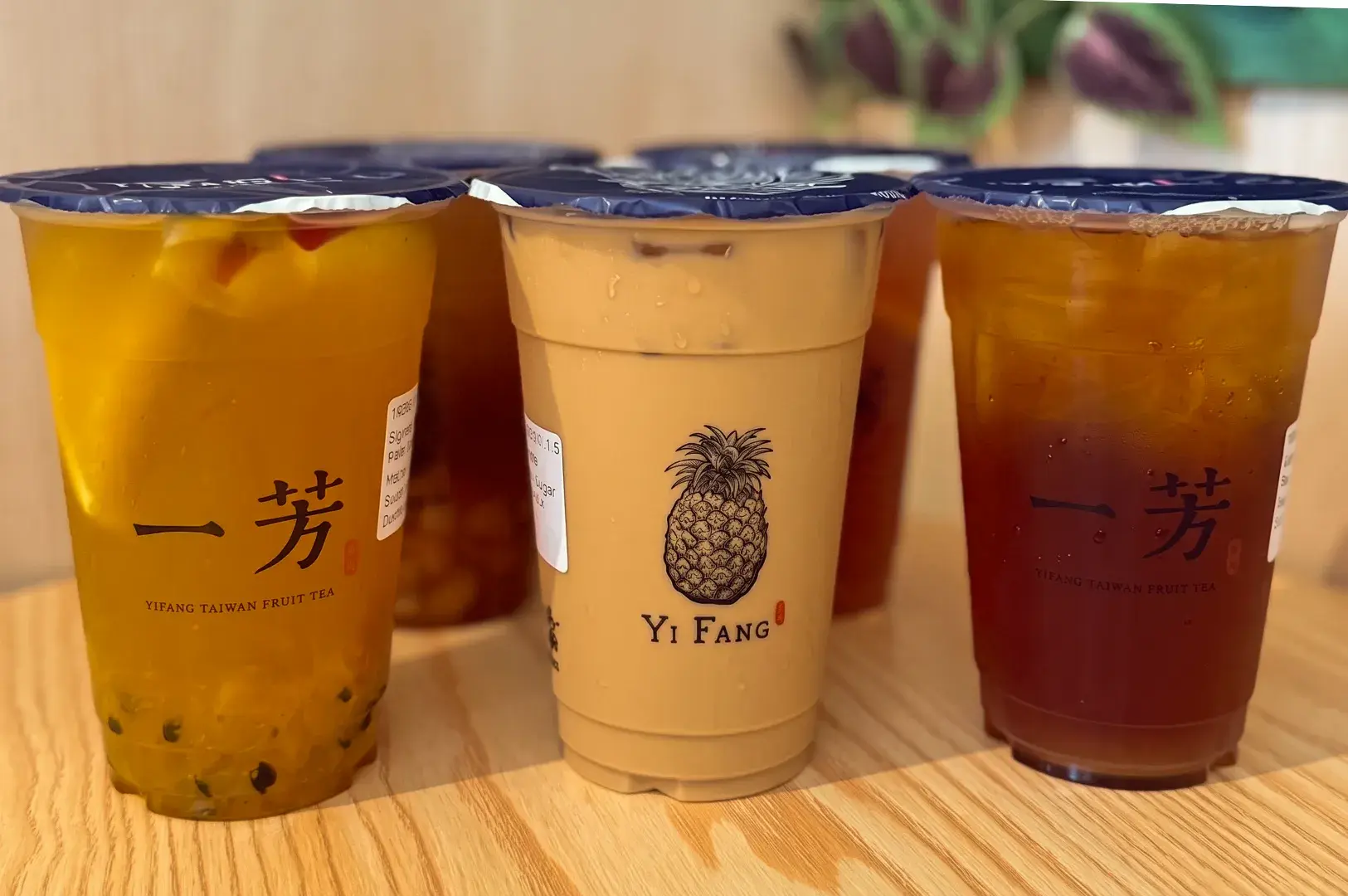
There are drinks that catch your eye before you even take a sip. A tall cup, fruit pressed gently against the plastic, tea glowing amber underneath. Something about it feels right for a warm afternoon. Light. A little cheerful. Easy to carry.
But if you slow down for a moment, some of those cups have more to say. Yifang Taiwan Fruit Tea is one of them. Behind the bright fruit and the familiar format sits a quieter story: pineapples grown over three generations, a grandmother's kitchen, and the kind of practical care that turns something overripe into something worth remembering. This piece is an attempt to follow that story, and to understand why tea, not just fruit, is what holds the whole thing together.
The Pineapple Story Behind Yi Fang
According to Yi Fang's brand story, it starts with a grandmother. She married into a farming family that had cultivated pineapples for three generations. The work was unglamorous and tied to the seasons: bending low in the fields, checking fruit, watching for the moment ripeness tipped toward something that would not keep.
That moment is where resourcefulness came in. The brand describes how overripe pineapples were boiled down into a homemade jam, preserved rather than wasted. Yi Fang's global website recalls it through the smell: the aroma of cooking pineapple drifting out from her kitchen. The signature drink, the brand tells us, carries her name and her recipe.
It is worth being clear about the timeline here. The global site displays "Since 2016," placing Yi Fang squarely in the contemporary era. This is a modern brand reaching back into a family memory, not a centuries-old tea tradition. That distinction matters, and it is one we should hold onto as we read.
But there is still something genuine in the idea. Cooking down fruit that would otherwise be lost is not a grand gesture. It is quiet, practical, and a little generous. It is the kind of care that does not announce itself. Yi Fang speaks about "simplicity, warmness, and friendliness" as values the brand wants to carry forward, reflecting the warm hospitality that customers experience at their restaurants.
You can take that at face value or read it as branding. Maybe both things can be true at once. Either way, it is a reminder that many of the drinks we pass around every day started with someone trying not to let something good go to waste.
Where Tea and Fruit Meet
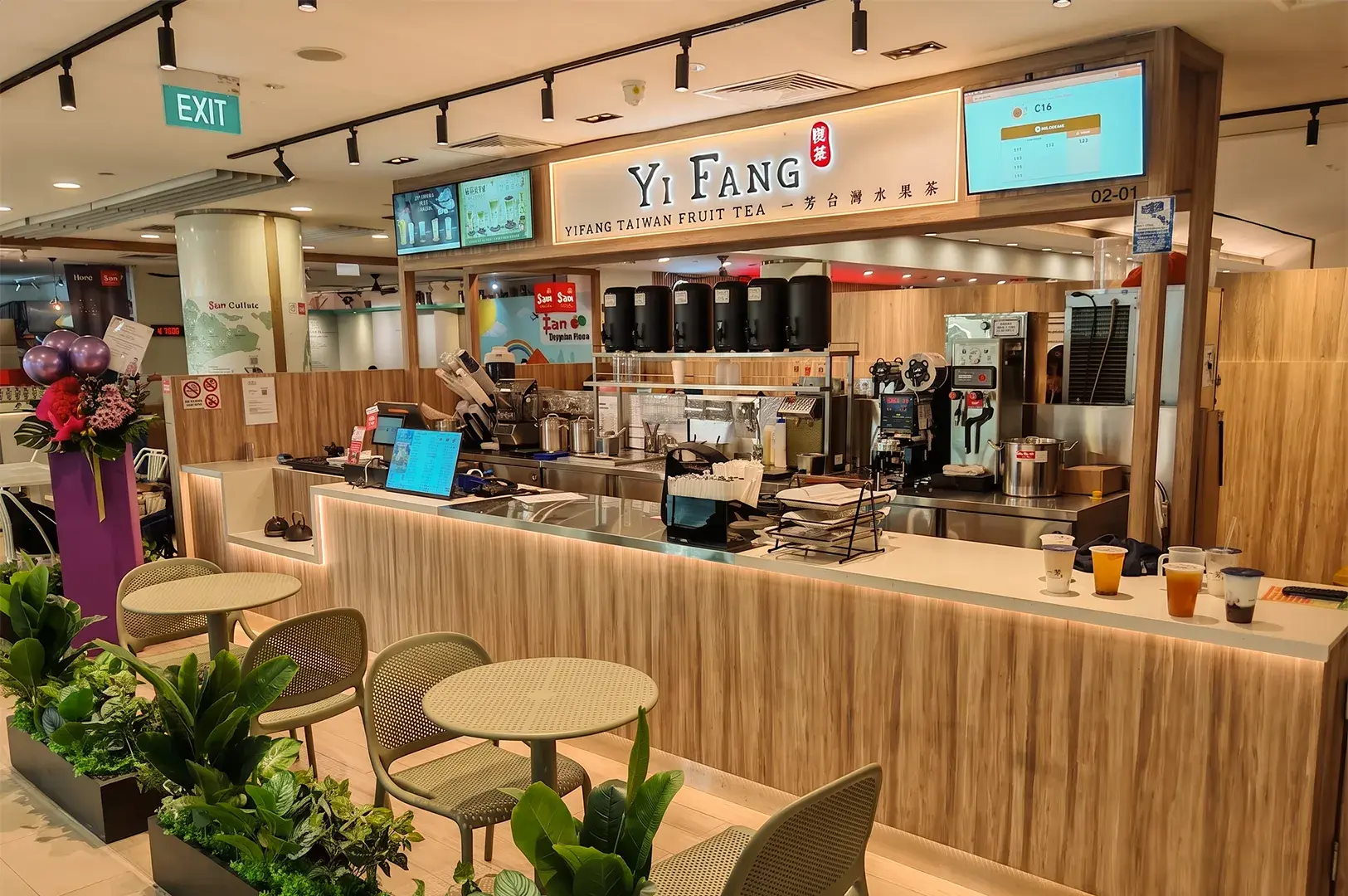
The signature drink, listed on Yi Fang's global site as No.1 Yifang Fruit Tea, is described as a blend of seasonal fresh fruits from Taiwan with a fruit sauce. The flavor profile the brand offers: sweet, sour, and refreshing. The sauce recipe stays private, and the specific tea base is not named on the main page. So we stay with what we know.
What is clear from the description is that this is not a cup of fruit with some liquid in it. There are distinct layers doing different work, tea, fresh fruit, and a prepared fruit component, and each one matters.
The role of tea
Tea is what gives a fruit drink its spine. Without it, you are left with something pleasant but thin. Tea adds a quiet bitterness, a faint astringency that keeps sweetness from running away with the whole thing. It also brings aroma of its own, shaping how the fruit lands on the palate from the very first sip.
The choice of tea base is rarely the most visible part of the menu, but it changes everything. Green tea tends to feel lighter, slightly grassy. Black tea brings more body, something closer to warmth. Each one shifts how the fruit sits against it.
Acidity and sweetness
Fruit carries two things together: sugar and acid. Pineapple makes this easy to understand. Ripe pineapple is sweet, but it has a tartness that cuts through cleanly. Cook it into a jam or sauce and you concentrate both, rounding them out into something deeper than fresh fruit alone.
When that prepared fruit meets cold tea and fresh seasonal additions, the balance moves again. Acidity keeps the drink alive. Sweetness softens the tea's harder edges. The "sweet, sour, and refreshing" that Yi Fang describes is really just a way of naming that ongoing negotiation between the two.
A Modern Expression of Taiwanese Tea Culture
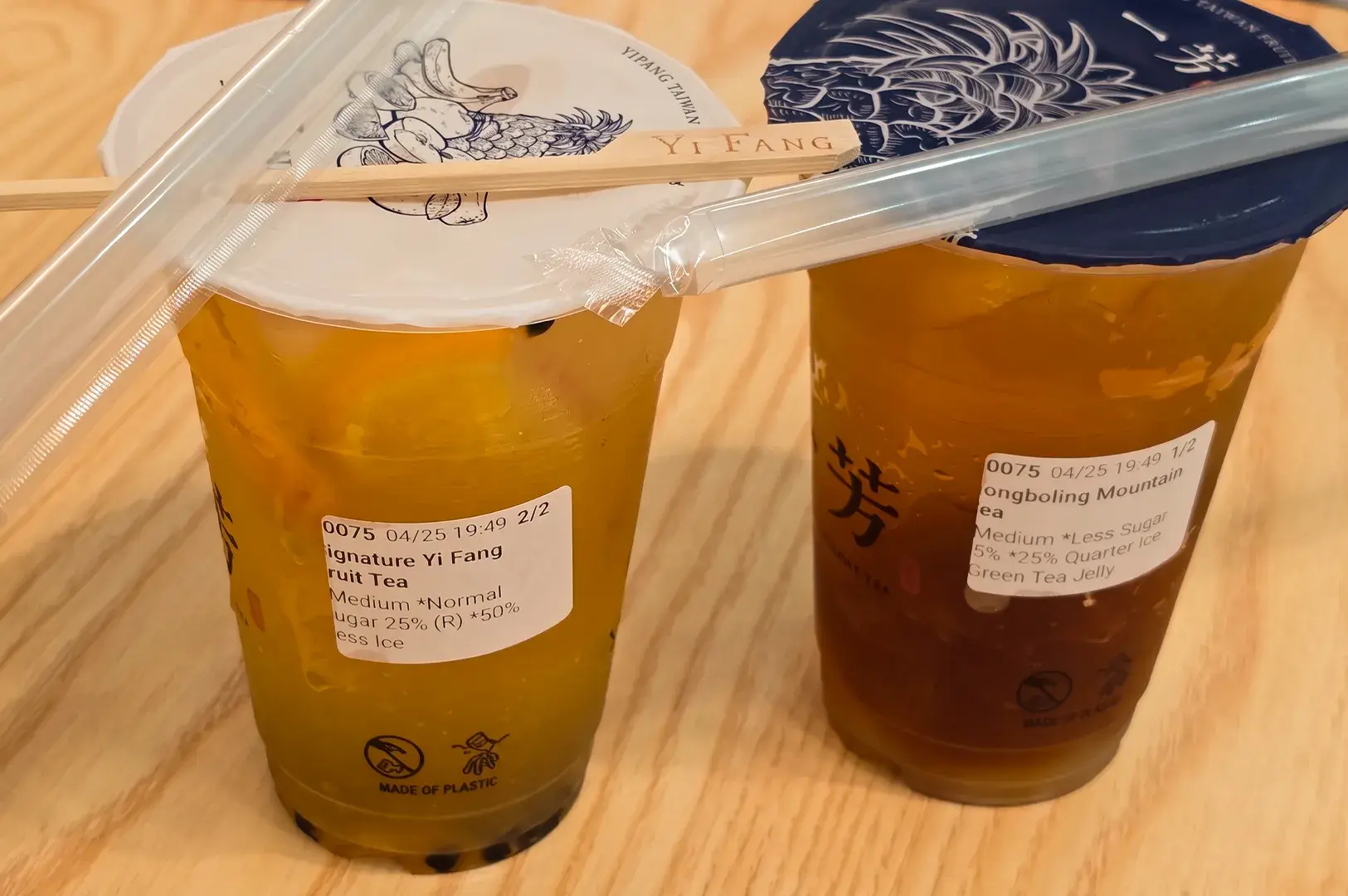
Taiwan has a real relationship with tea that goes back a long way. The island is well known for its oolongs, grown in cooler, mountainous terrain, tended carefully through the seasons. That history is worth knowing.
But Yi Fang lives in a different part of that landscape. It belongs to the modern, everyday drinks culture that has grown up alongside the older tea traditions, with shops on busy streets and bright menus built for lunchtime queues. That is not a lesser thing. It is just a different one.
It also helps to know that fruit tea and pearl milk tea, while often sold side by side, are not the same drink. Pearl milk tea is built around creaminess, tapioca, and the deep sweetness of brown sugar. Fruit tea moves differently. It leans toward brightness, toward the back-and-forth between fruit and tea, rather than the soft richness of milk.
Yi Fang does both. The global menu includes a Brown Sugar Pearl Latte and a Pearl Black Tea Latte. But the brand's name and its story are built around fruit. That focus is a choice, and it tells you something about where the brand feels most itself.
For readers in the east, including Singapore, the brand is not far away. Yi Fang's global locations page lists Singapore among its markets, with restaurants noted at Clarke Quay Central, Punggol Coast Mall, West Coast Plaza, and iMall in Marine Parade. Local menus may differ from what appears on the global site, so it is always worth checking directly for more info before you go.
More Than One Expression of Flavor
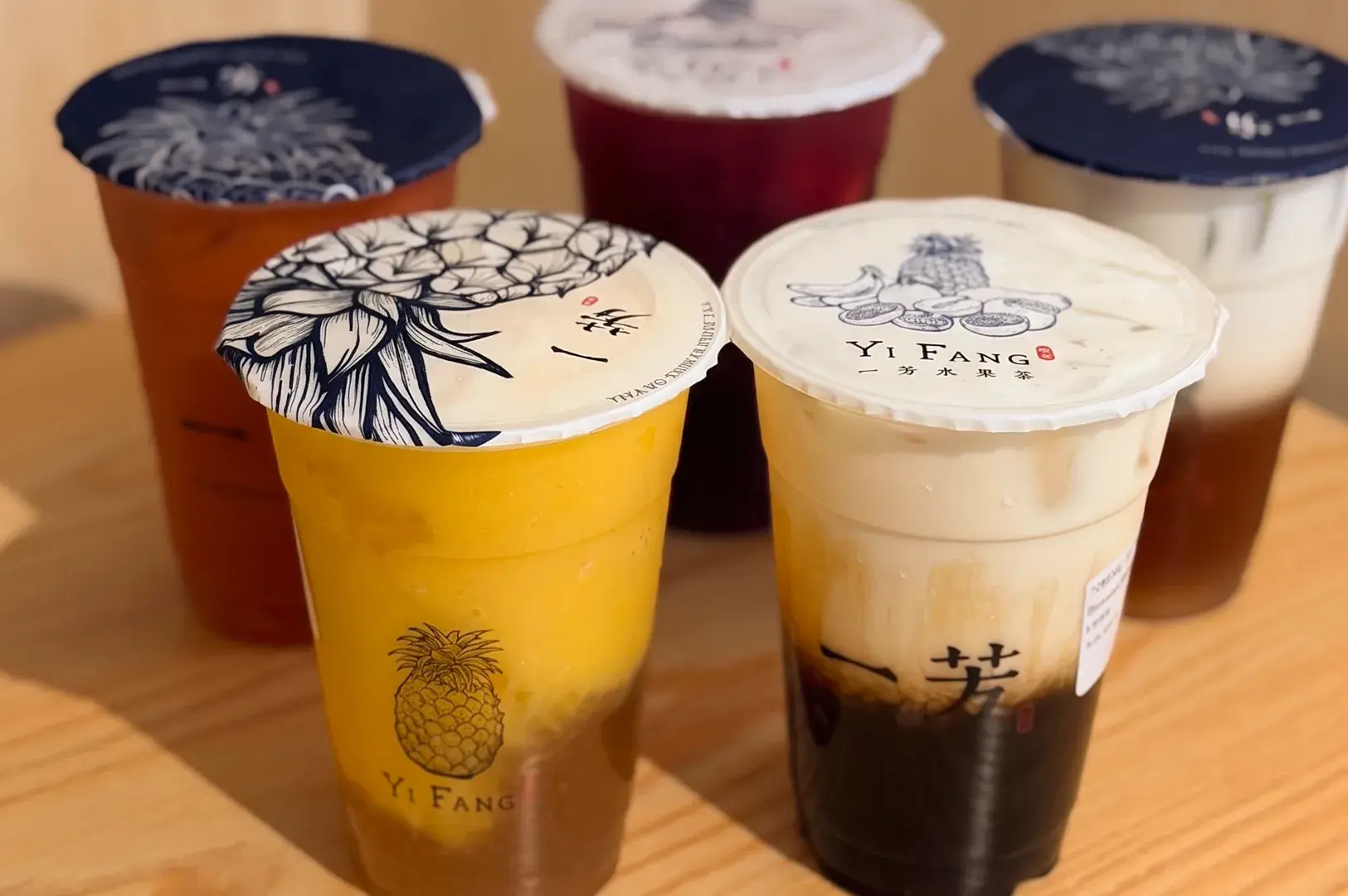
A brand's signature drink tells you what it wants to be known for. The rest of the menu tells you how it thinks. The drinks below come from Yi Fang's global menu, not a verified Singapore menu, but they sketch out the brand's logic well enough.
The Pineapple Green Tea sits closest to the origin story. The global site describes a classic pineapple sauce made with traditional techniques, paired with the aroma of green tea. It is sour, sweet, and refreshing, which is almost exactly what the signature drink promises. If you want to understand where Yi Fang started, this is probably the most direct cup to reach for.
The Sugarcane Mountain Tea takes a quieter route. According to the menu, it uses local Taiwanese sugarcane, blended with green tea. Sugarcane drinks have a kind of worn familiarity across much of Asia: street stalls, afternoons, something cold and uncomplicated. Pairing that sweetness with tea adds a little more to hold onto.
The Winter Melon Lemonade might be the most nostalgic tastes of the group. Yi Fang describes using sugar bricks made from wax gourd to preserve the aroma of traditional winter melon tea, then balancing it with the sharpness of lemon. Winter melon carries a real kind of historic memories in this part of the world. Seeing it here feels less like novelty and more like running into something familiar from an unexpected direction.
Then there is the Passion Fruit Green Tea, described as green tea poured over sour passion fruit seeds, building a strong fruit aroma and a crisp, layered texture. It is the most openly tropical of the four.
What connects all of them is a pattern worth noticing. Fruit brings sweetness and personality. Tea brings structure. Something prepared, a sauce, a jam, a sugar brick, adds the depth that keeps it from feeling thin.
An Everyday Drink, Enjoyed Thoughtfully
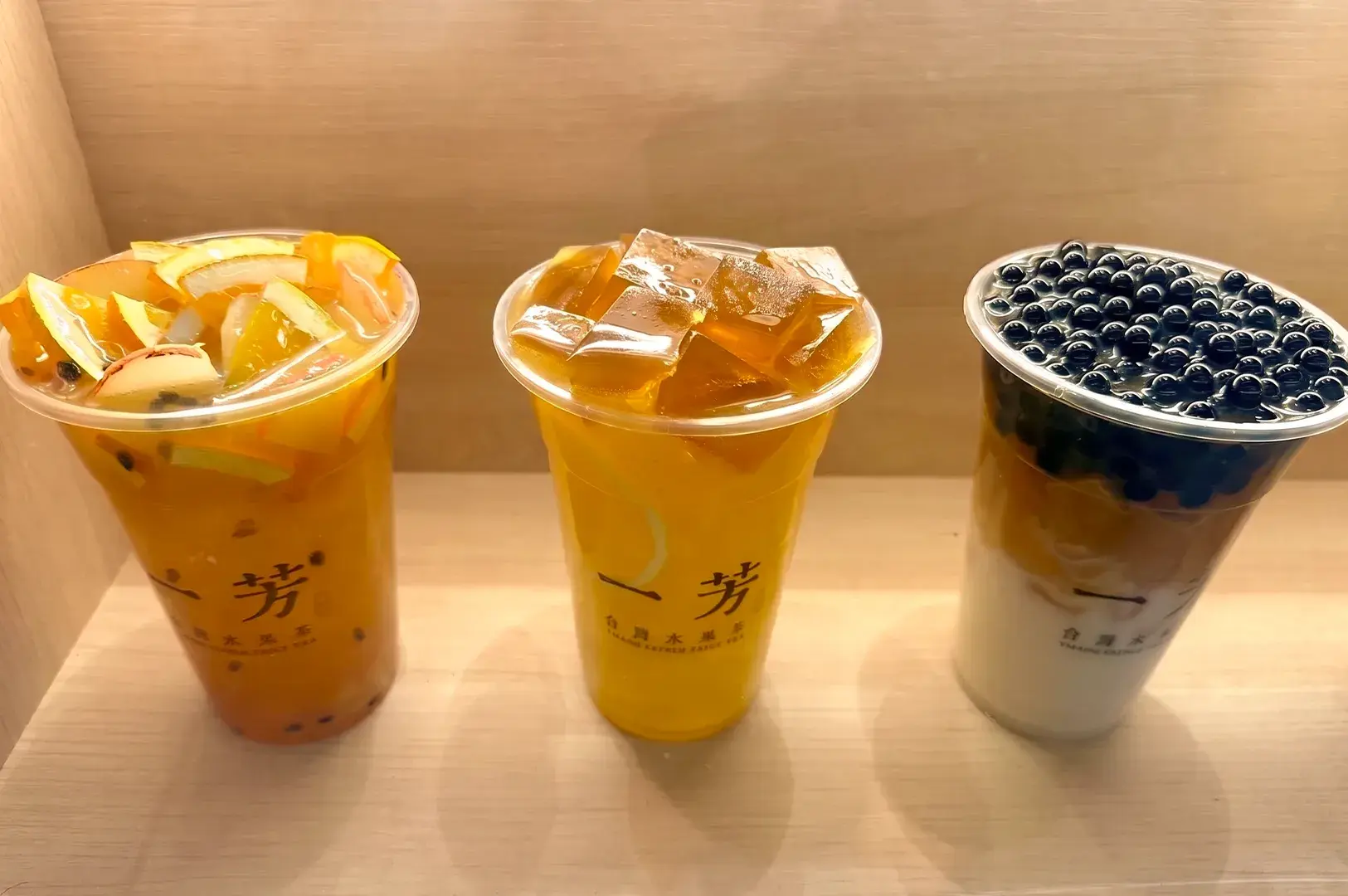
Fruit tea is not asking to be ceremonious. It fits into ordinary hours: a lunch break, a short walk, a chat with a friend who did not want coffee. That ease is genuinely part of its appeal, and there is nothing wrong with enjoying something uncomplicated.
But it is worth knowing what is in the cup. Yi Fang's regional site, focused on its Southern California locations, mentions that its signature drink uses seasonal fresh fruits and no artificial flavouring or concentrated juices or powders. That claim is tied to a specific region and cannot be assumed to apply everywhere. And it does not change the fundamental fact that sweetened drinks, made with fruit, jam, or prepared sauces, carry natural and added sugars throughout.
Fresh fruit has its own sugar. Jams and sauces concentrate it further. Even if you lower the added sweetness where that option is available, the rest is still there. A fruit tea is a sweet drink. It can be a good one, but it helps to enjoy it knowing what it is.
NOTE TO WD: I added a pillar article link to the word "Fruit Tea" update it once it is live. Thanks
That, maybe, is the gentler lesson the pineapple story points toward. Yi Fang's grandmother cooked down overripe fruit because she was paying attention. Paying a little attention to our own cups is a quiet way of carrying something like that forward.
Returning to the Story in the Cup

Yi Fang Taiwan Fruit Tea is a modern brand. It launched in 2016 and operates as part of a busy, commercial drinks landscape. And yet it keeps telling a story about farmland, a grandmother, and a pot of pineapple boiled slowly on a stove.
You do not have to accept every layer of that story as fact to find something worth thinking about in it. Tea gives structure. Fruit gives brightness. Something cooked slowly gives depth. And the impulse behind all of it is recognizably human: not letting something good disappear.
The next time a fruit tea finds its way into your hand, try looking at it for a moment before the first sip. Notice the tea sitting underneath the fruit. The tartness underneath the sweetness. The story, however small, sitting underneath the label.
If you find yourself curious about more stories like this one, there is always more to explore here at Tea Manor. Every cup has something to say, if you give it a little time.
For those who want to enjoy Yi Fang but cannot visit in person, the brand offers delivery options to bring the experience home. Customer reviews frequently highlight the premium ingredients and the authentic nostalgic tastes that make each serving special. Whether you eat on the go or take a moment to savor, Yi Fang Taiwan Fruit Tea delivers a hint of Taiwan's warm hospitality in every cup.
For more info and reviews about the brand and its offerings, check the official Yi Fang website or visit their restaurants to experience firsthand the blend of historic memories and modern refreshment that defines this unique fruit tea.

Matcha Hype Has Gone Too Far (But I Still Drink It)
I have a confession. I am slightly tired of seeing matcha everywhere. Not because I dislike matcha. In fact, I drink it quite often. But there is something amusing about watching a humble tea become the centre of every café menu, wellness conversation, and social media trend. Matcha has gone from a traditional Japanese tea…
-
Hortus Afternoon Tea Review: When the Garden Becomes the Occasion in the Flower Dome
I forgot, for a moment, that I was indoors at Hortus, the Mediterranean restaurant nestled within the Flower Dome at Gardens by the Bay. There were trees above me, real ones, and the air held that cool, green stillness you usually find early in the morning somewhere far from the city. A leaf drifted down…
-
The Real Reason Your Tea at Cafés Tastes Flat
There is a particular disappointment that comes with ordering tea at a café. You see the menu. You notice the carefully written descriptions. Perhaps there is a mention of fragrant jasmine, roasted oolong, or a carefully selected blend. The presentation arrives beautifully arranged, and for a moment, there is anticipation. Then you take the first…
-
Herbal Tea in Chinese: A Cup Shaped by Heat, Balance, and Belief
The first sip was bitter. I was maybe seven, and my grandmother had pressed a small ceramic cup into my hands, dark liquid inside, steam curling up between us. She didn’t explain. She just said, “Drink. You’ve been too heaty.“ I made a face. She didn’t smile. She just waited until I finished. Years later,…
-
Maybe Your Favourite Tea Is Not Your Best Tea
I have a tea sitting in my cupboard that I would never call my “best” tea. It is not the rarest. It is not the most expensive. It does not come with an impressive story about ancient tea trees, remote mountains, or a limited harvest. And yet, I drink it more often than almost anything…
-
Clipper Tea Review: Does the Packaging Match the Pour?
There’s a box of Clipper Tea that’s lived in my cupboard longer than most of my mugs. I didn’t plan to buy it. I was standing in the tea aisle, tired, half-decided on something familiar, when the colour caught me. Bright, cheerful, a little hand-drawn looking. So I brought it home. And I’ve been drinking…
-
Hear Me Out, Tea Does Not Need to Be Serious All the Time
There is something I have noticed about tea culture. We take tea very seriously. Perhaps too seriously. We discuss origins, processing methods, brewing temperatures, and the history behind every leaf. We debate whether a tea should be enjoyed in a certain way. We carefully consider the correct vessel, the right water, and the ideal environment….
-
Red Bush Tea: The Tea That Does Not Need to Shout
There is a red pot in my mother’s kitchen that only comes out in the evening. By then the coffee has done its work and gone quiet. The day has loosened. She fills the kettle, drops in a spoonful of something the colour of dried autumn, and lets it sit while she tidies the last…
-
Hear Me Out: High Tea Is Overrated
Hear me out: high tea is one of the most convincing ways we have found to make snacking feel important. I understand the appeal. The room is polished, the cups are delicate, and everything arrives in miniature. There is something satisfying about sitting down in the middle of the afternoon and behaving as though time…
-
Where Tea Is Given Time to Speak: Anteasocial Review
I almost walked past it. Owen Road Singapore doesn’t announce much. A quiet stretch, low buildings, the kind of road you pass through on the way to somewhere louder. Then there it was, unassuming, just numbers on a wall: 117. Anteasocial is a contemporary Oriental specialty teahouse in Singapore, and if you’re looking for a…