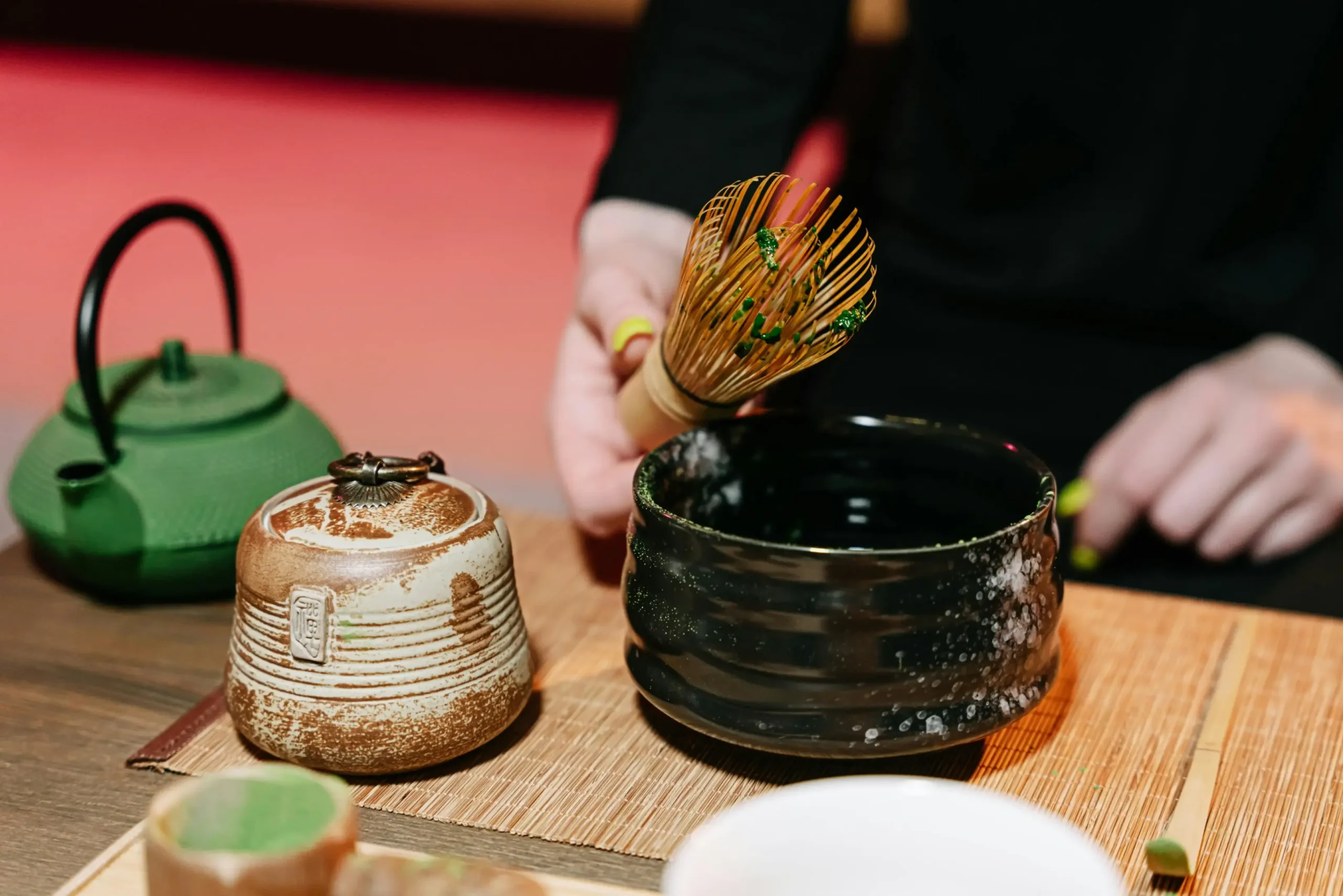
Searching for the best Japanese restaurant Singapore offers usually leads people toward sushi counters, omakase menus, or beautifully plated sashimi. Those elements certainly define much of the appeal of Japanese cuisine, but anyone who has spent time dining in Japan knows that the experience rarely ends with the food alone.
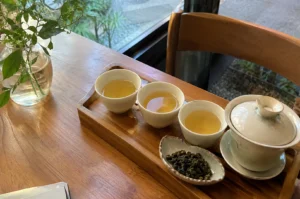
Tea quietly accompanies the meal. A warm cup appears beside a sushi platter, or is poured between courses at the sushi bar. Sometimes it is roasted hojicha that softens the richness of grilled seafood. Sometimes it is a simple green tea that refreshes the palate after delicate slices of sashimi.
Best Japanese Restaurant Singapore: Restaurants Worth Visiting
KOMA Singapore — A Dramatic Modern Japanese Dining Experience
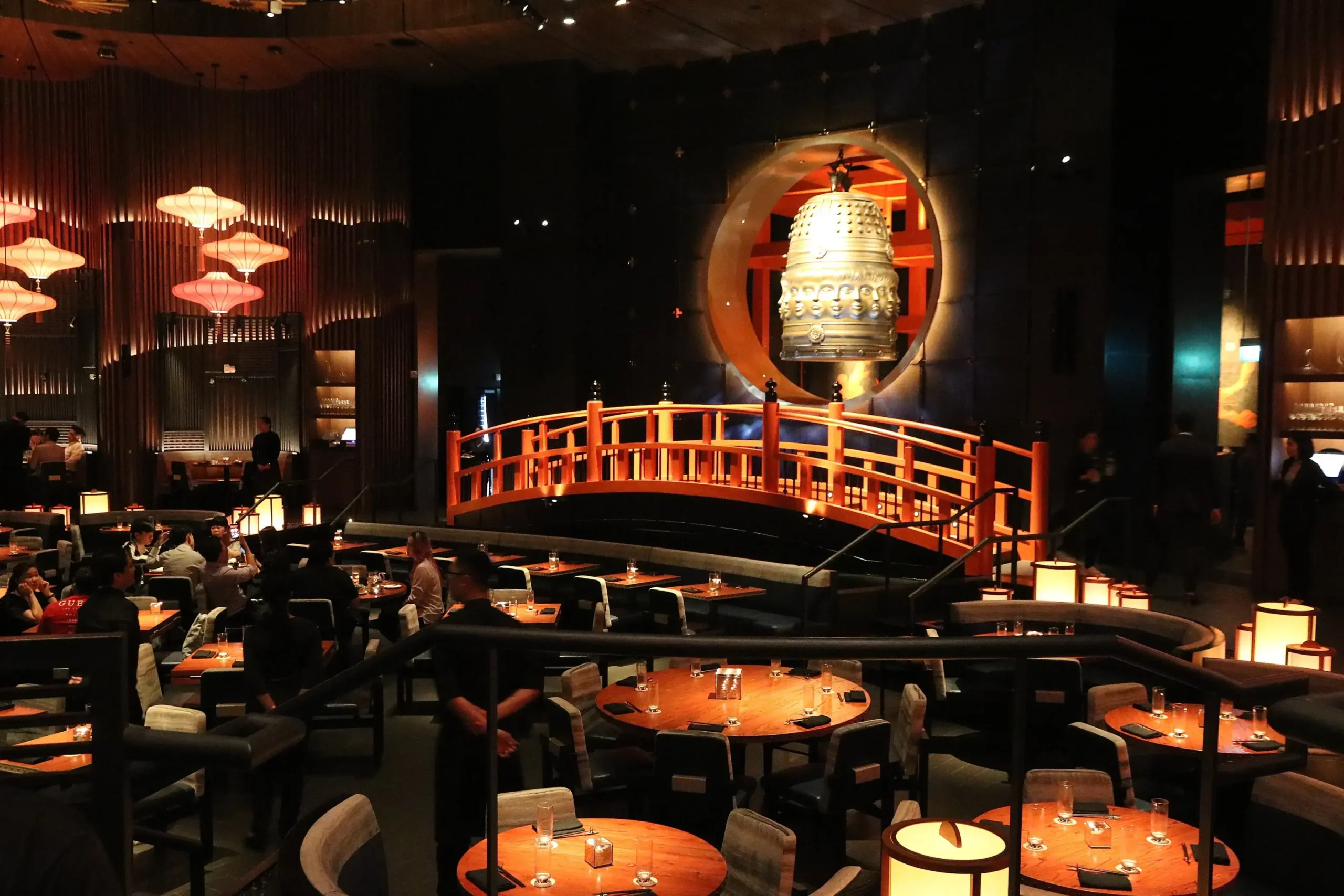
Located inside Marina Bay Sands, KOMA Singapore really caught my eye as one of the most visually stunning modern Japanese restaurants in the city. The moment I stepped in, I felt like I was transported to Japan, thanks to the long hallway leading to a traditional footbridge inspired by Kyoto’s Fushimi Inari Shrine. It set such a calming, authentic tone before I even reached the main dining room.
KOMA’s menu is a bold take on modern Japanese cuisine, and I was pleasantly surprised by the vibrant sushi rolls, grilled seafood fresh from the robata grill, and their signature king crab sumiyaki. The sashimi was beautifully plated, and you could tell the seafood was top-notch, flown in straight from Tokyo’s Toyosu Market to ensure the freshest catches.
One thing I really appreciated was their tea pairings. They offered premium green teas and carefully selected Japanese teas that perfectly complemented the delicate flavors of the dishes, making the whole dining experience even more enjoyable. It’s clear that KOMA balances dramatic atmosphere with skilled chefs and quality ingredients, creating a relaxed atmosphere that’s perfect for special occasions or a memorable night out.
If you’re on the hunt for the best Japanese restaurant Singapore has to offer, KOMA Singapore at Marina Bay Sands is definitely worth a visit. Whether you’re craving sushi, sashimi, or even cold soba during the summer months, this place delivers on all fronts with a touch of elegance and authenticity.
Location: Marina Bay Sands
Opening hours: Daily lunch and dinner
Sushi Jin — A Refined Omakase Experience
If you’re looking for a quieter, more refined Japanese dining experience in Singapore, Sushi Jin is definitely a spot to consider. Tucked away in Shaw Centre, this place really nails the art of Edomae sushi, focusing on precision and simplicity that sushi lovers will appreciate.
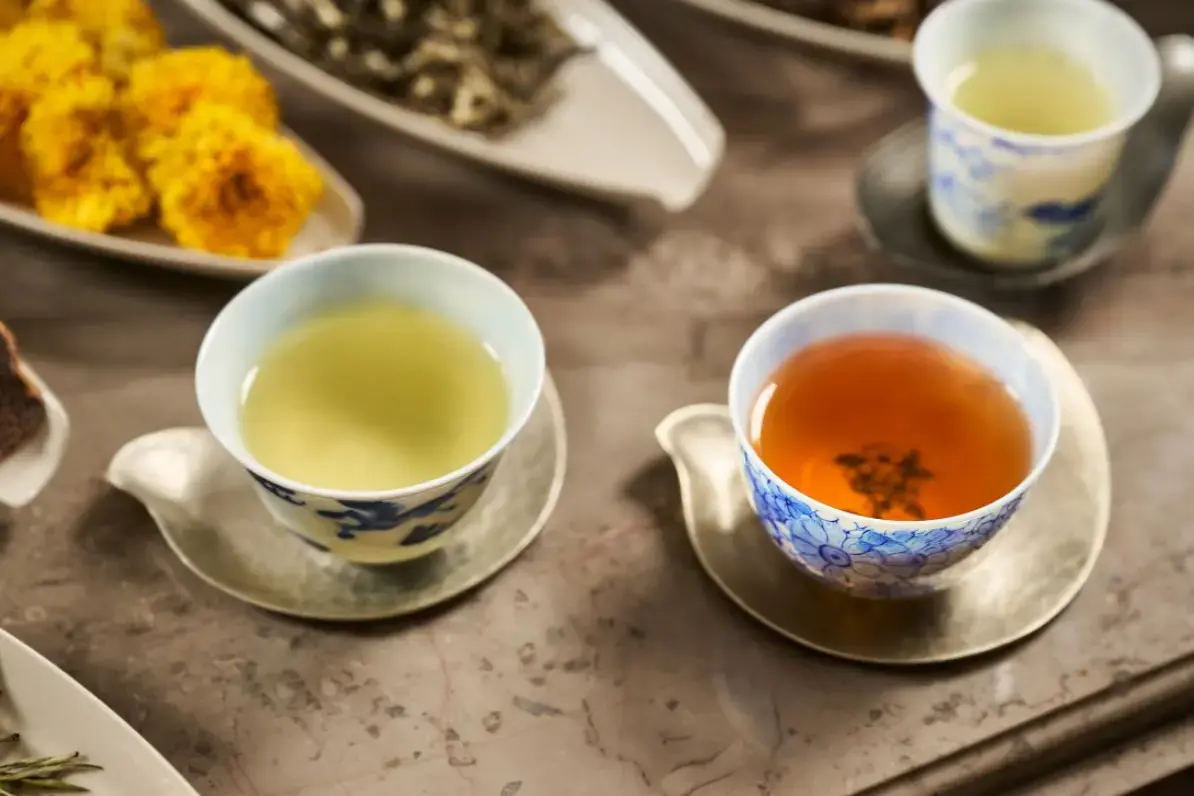
The tea served here is of exceptional quality, featuring traditional Japanese green teas like sencha and genmaicha. These teas offer a delicate yet refreshing flavor profile, with the genmaicha’s roasted brown rice notes providing a comforting, nutty contrast that perfectly complements the umami-rich sushi. The attentive service ensures that tea is served at the ideal temperature, enhancing the overall dining experience.
Ambiance-wise, Sushi Jin offers a calm and intimate setting, with a minimalist decor that directs focus to the sushi counter and the chef’s craftsmanship. The serene atmosphere allows diners to savor each bite and sip in peaceful contemplation.
What stands out most is the harmonious balance between the food, tea, and service, making Sushi Jin a memorable destination for those who value an authentic and thoughtful Japanese dining experience.
If you’re on the hunt for the best Japanese restaurant Singapore has to offer, especially for an intimate sushi counter experience with seasonal seafood from Japan, Sushi Jin is a fantastic choice.
Location: Shaw Centre
Opening hours: Lunch and dinner service
Tomi Sushi — Authentic Japanese Dining with Multiple Locations
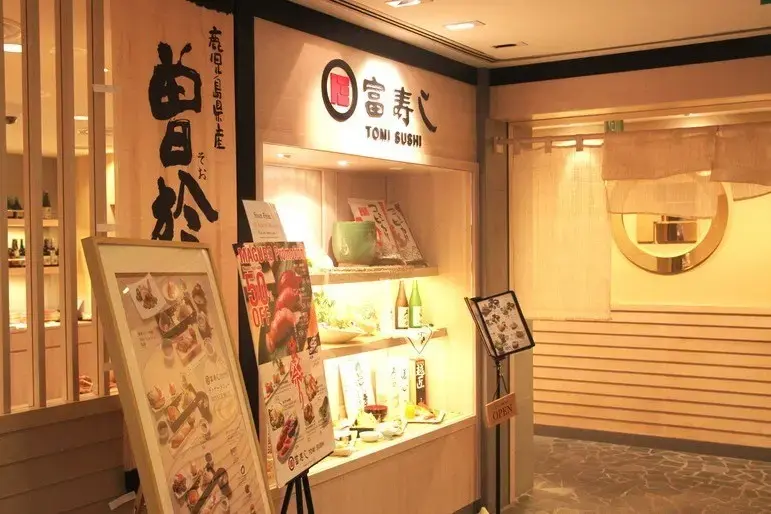
Originally from Niigata in Japan, Tomi Sushi has become a beloved spot for anyone craving authentic Japanese food right here in Singapore.
With multiple locations, including a popular outlet at Ngee Ann City, Tomi Sushi offers a wide variety of traditional dishes that appeal to both casual diners and loyal regulars alike.
Tea quality here is notable, featuring carefully selected hojicha and genmaicha that bring out roasted and nutty flavors, perfectly balancing the flavors of fried dishes and fresh sashimi. The tea is served at an ideal temperature, enhancing the overall meal and providing a satisfying finish.
Unlike the more formal sushi counters, Tomi Sushi provides a relaxed, welcoming atmosphere where you can enjoy hearty meals without breaking the bank. These memorable touches make it a favorite among both locals and visitors exploring the best Japanese restaurant Singapore has to offer.
Location: Ngee Ann City and other convenient spots around Singapore
Opening hours: Lunch and dinner
Shukuu Izakaya — A Taste of Vibrant Izakaya Culture
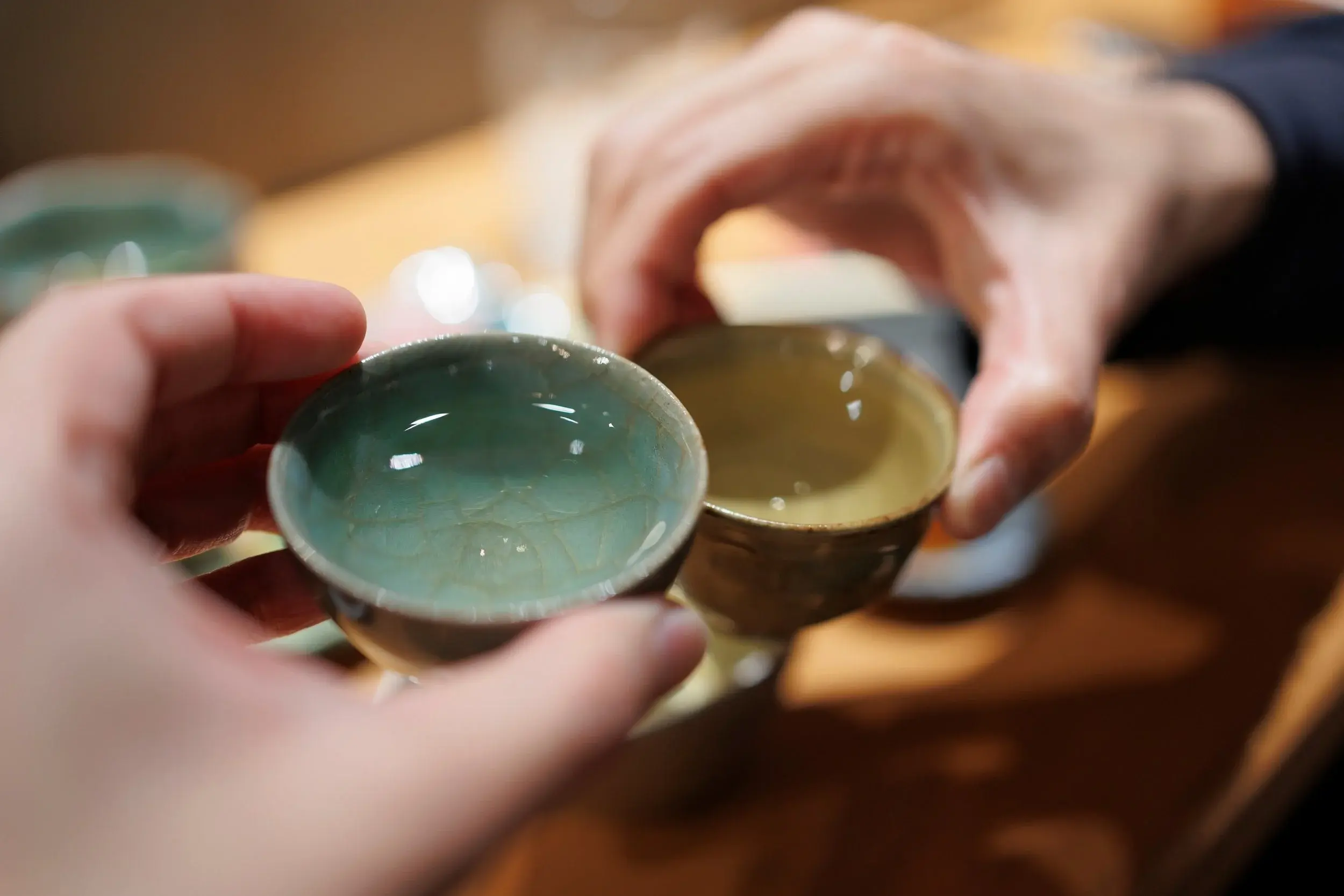
For a more lively atmosphere, I recently checked out Shukuu Izakaya at Far East Plaza, and wow, it really captures the vibrant izakaya culture straight from Japan. If you’re on the hunt for the best Japanese restaurant Singapore has to offer with a fun and casual vibe, this place is definitely worth a visit.
Tea here is thoughtfully curated, featuring robust roasted teas like hojicha that deliver a warm, toasty flavor with subtle caramel notes. The tea’s smooth, earthy profile pairs beautifully with the smoky, grilled dishes typical of izakaya fare. Served piping hot and replenished promptly by attentive staff, the tea service enhances the overall dining experience.
Speaking of service, the staff at Shukuu Izakaya are friendly and efficient, striking the perfect balance between professionalism and casual warmth. They’re knowledgeable about the menu and happy to recommend dishes or tea pairings, which adds a personalized touch to the meal.
Ambiance-wise, the venue buzzes with energy, filled with lively chatter and laughter that echoes the convivial spirit of Japanese izakayas. The interior combines rustic wood elements with modern lighting, creating a cozy yet vibrant setting that invites guests to relax and enjoy the evening.
What makes Shukuu Izakaya truly memorable is this blend of authentic flavors, quality tea, and a welcoming atmosphere that transports diners straight to Japan’s bustling nightlife. If you want to experience lively Japanese dining with great food and authentic tea, Shukuu Izakaya at Far East Plaza is a fantastic choice.
Location: Far East Plaza
Opening hours: Dinner service
Teppei Japanese Restaurant — A Favourite for Seafood Lovers
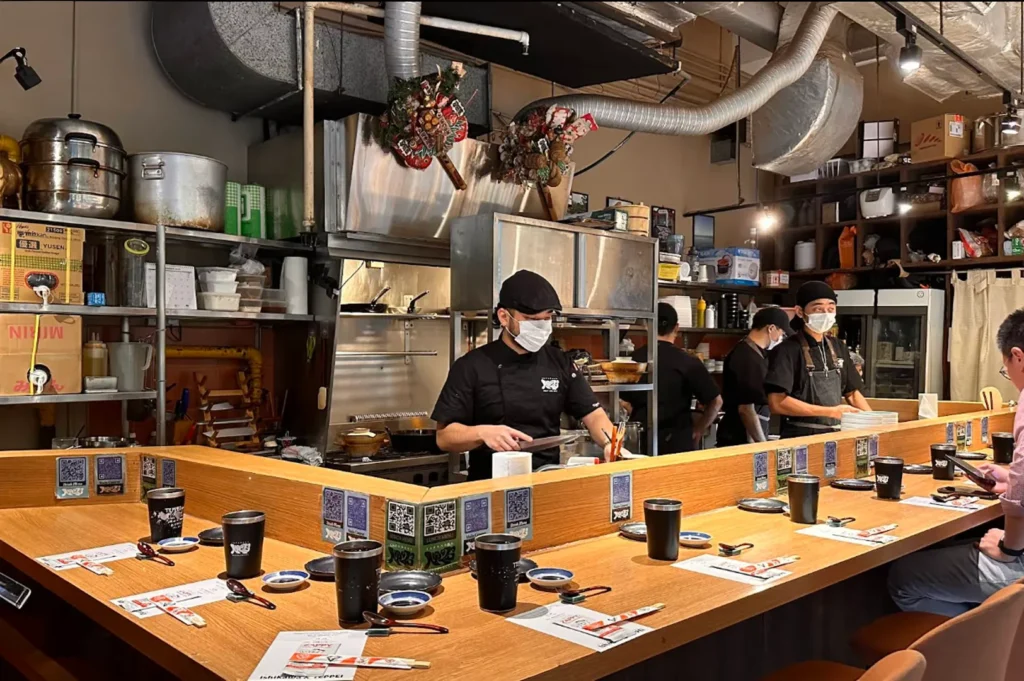
Few places get me as excited as Teppei Japanese Restaurant when it comes to the best Japanese restaurant Singapore scene. From the moment you step in, the energetic vibe hits you, it’s lively, casual, and all about great seafood.
What really steals the show here is their signature dish, the kaisen chirashi don. Imagine a vibrant bowl piled high with assorted fresh seafood over fluffy rice, every bite bursts with freshness and quality. And it’s not just that; their assorted sushi and fresh sashimi also stand out, made with premium ingredients that truly make a difference.
Tea at Teppei is thoughtfully selected to enhance the dining experience. The quality is consistently high, featuring refreshing green teas that offer a clean, slightly grassy flavor with subtle sweet undertones. Served at the perfect temperature, the tea acts as a palate cleanser, balancing the richness of the seafood bowls and sushi.
Service here matches the vibrant atmosphere , friendly, efficient, and attentive without being intrusive. Staff are knowledgeable about the menu and happy to recommend tea pairings or explain dishes, adding to the overall welcoming vibe.
If you’re hunting for the best Japanese restaurant Singapore has to offer, especially for fresh seafood and a casual yet vibrant atmosphere, Teppei Japanese Restaurant in the Tanjong Pagar area should definitely be on your list.
Location: Tanjong Pagar area
Opening hours: Lunch and dinner
SUN with MOON Japanese Dining & Cafe — A Cozy Spot for Tea and Traditional Flavors
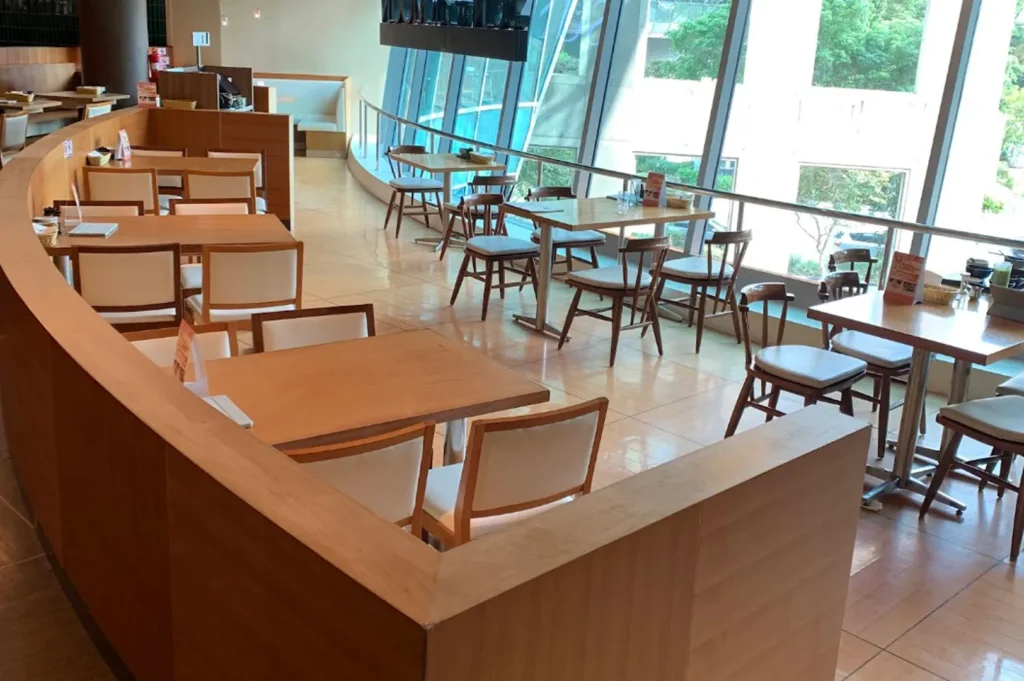
If you’re looking for a relaxed, cozy Japanese dining experience in Singapore that also puts a spotlight on tea, SUN with MOON Japanese Dining & Cafe is a wonderful choice. This charming spot blends traditional Japanese dishes with a cafe vibe, making it perfect for those who want to enjoy both savory meals and a quality cup of tea.
Their menu features a variety of comforting classics like donburi bowls, tempura, and sushi, all made with fresh ingredients that showcase authentic flavors. But what really sets SUN with MOON apart is their thoughtful tea selection. From fragrant sencha to soothing hojicha, each cup is brewed with care and served at just the right temperature to complement your meal.
Whether you’re popping in for a casual lunch or a laid-back dinner, the warm atmosphere and attentive service make every visit feel special. Plus, their tea offerings provide a gentle caffeine boost without overpowering the palate, making it easy to savor every bite and sip.
For anyone who appreciates the calming ritual of tea alongside great Japanese food, SUN with MOON Japanese Dining & Cafe is definitely worth a visit.
Location: Wheelock Place
Opening hours: Typically lunch and dinner, check individual outlets for details
Why Tea Still Matters in Japanese Dining
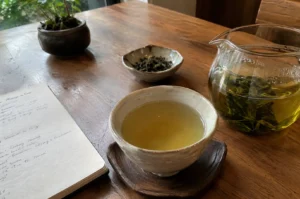
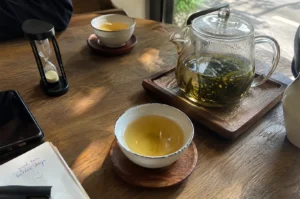
In traditional Japanese cuisine, tea often plays a quiet but important role. A cup of green tea served during or after the meal helps balance the richness of seafood and grilled dishes. It refreshes the palate and allows the flavours of the food to settle naturally.
Many Japanese restaurants maintain this tradition. After a series of sushi courses or a bowl of chirashi don, a simple cup of tea can feel like the final note that completes the meal.
Even in lively modern restaurants, this small gesture reflects the thoughtful nature of Japanese dining culture. Whether it’s a soothing cup of roasted barley tea or the highest grade of green tea, such as gyokuro, tea enthusiasts appreciate how making tea enhances the overall experience.
In Singapore, you can find these authentic tea moments at top Japanese restaurants located at places like Millenia Walk and Palais Renaissance, where the tea plant’s finest leaves are brewed with care. The tea served often includes varieties like black tea (also known as red tea) and hojicha, complementing dishes such as tempura, ramen, and nigiri.
This attention to tea and its health benefits adds depth to the meal, elevating the best Japanese restaurant Singapore dining experiences beyond just food.
Many establishments even offer tea through vending machines or as part of a curated pairing with coffee, ensuring guests enjoy a complete and authentic Japanese culinary tradition.
Exploring the Best Japanese Restaurant Singapore Scene
Singapore’s Japanese dining scene continues to grow, offering everything from intimate sushi counters to lively izakaya spaces. Each restaurant brings its own interpretation of Japanese cuisine, shaped by the chef’s experience, the ingredients available, and the atmosphere they wish to create.
For those seeking an exclusive dining experience, consider exploring the private dining options at Tea Manor Singapore.

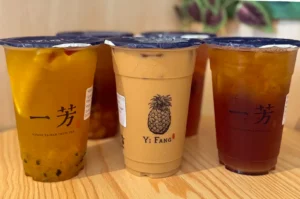
A Taste of Taiwan in Every Pour: Yi Fang Taiwan Fruit Tea
There are drinks that catch your eye before you even take a sip. A tall cup, fruit pressed gently against the plastic, tea glowing amber underneath. Something about it feels right for a warm afternoon. Light. A little cheerful. Easy to carry. But if you slow down for a moment, some of those cups have…
-
Your Tea Isn’t Bitter—You’re Overbrewing It (And It’s Not Your Fault)
There is a particular disappointment that comes from making a cup of tea that tastes bitter. You choose the leaves carefully. You heat the water. You wait. Then the first sip arrives, and something feels wrong. For a long time, I assumed bitterness meant the tea itself was not very good. Perhaps the leaves were…
-
When Tea Meets Tropical: 5 Fruit Teas in Singapore to Try
There’s a specific kind of Singapore afternoon. The air feels thick, your shirt clings a little, and every mall entrance feels like a reward. On days like that, I don’t want anything heavy. I want something cold, bright, and full of fruit, but still recognizably tea. That’s where fruit teas come in. In Singapore, they’ve…
-
Temperature Rules Are Overblown: The Real Brewing Variable Nobody Mentions
I used to think making tea required a thermometer. Not literally, perhaps, but almost. Every tea seemed to have a number attached to it. Green tea at this temperature. Oolong at another. Black tea a little hotter. Too hot and you had apparently ruined everything. For a while, I took these rules quite seriously. Then…
-
Afternoon Tea at Prada Caffè ION Orchard: A Green Room, a Pale-Blue Cup
Afternoon tea has always been about the pause for me. Not the tiers or the silverware. Just the moment when the cup is set down, the steam rises, and everything outside seems to slow a little. So I wondered what a pause would feel like inside a fashion house. One floor above Orchard Road, past…
-
A Love Letter to Oolong: The In-Between That Changed My Mind
I did not understand oolong when I first encountered it. It seemed unnecessarily complicated. Green tea was green tea. Black tea was black tea. I understood where they stood. Oolong seemed determined to remain somewhere in between. Perhaps that was what initially kept me from appreciating it. Over time, however, I began to realise that…
-
Tea from Assam: The Geography, Craft, and Character Behind the Brew
The colour arrives first. A deep amber that darkens towards red as the tea leaves give up their strength. Then comes the aroma. It is warm and rounded, often compared to malt or the crust of fresh bread. The first sip has weight. It fills the mouth with a rich body and leaves a slight,…
-
Why “No Bitterness” Is a Terrible Goal (And Makes Tea Boring)
I used to think a good tea was supposed to be smooth. No bitterness. No sharp edges. Nothing that made me pause and wonder whether I was doing something wrong. It seemed logical. We naturally gravitate toward things that are easy to enjoy. A tea that is sweet, gentle, and immediately comforting feels like a…
-
Best Tea Brands Singapore: 10 Names Worth Knowing
There’s a small sound I’ve always liked. It’s the soft knock of a teapot lid settling back into place, just before the first pour. It happens at home. It happens in old shophouses and in bright mall boutiques like those in Suntec City. The setting changes, but the pause stays the same. This list is…
-
“Rare” Tea Is Often Manufactured Scarcity: Here’s How to Tell
There is a word in tea that carries unusual power. Rare. It immediately creates curiosity. A rare harvest. A rare batch. A rare tree. A tea that may never return. The suggestion is simple: if something is difficult to obtain, it must be more valuable. Sometimes, this is true. Some teas are genuinely limited because…