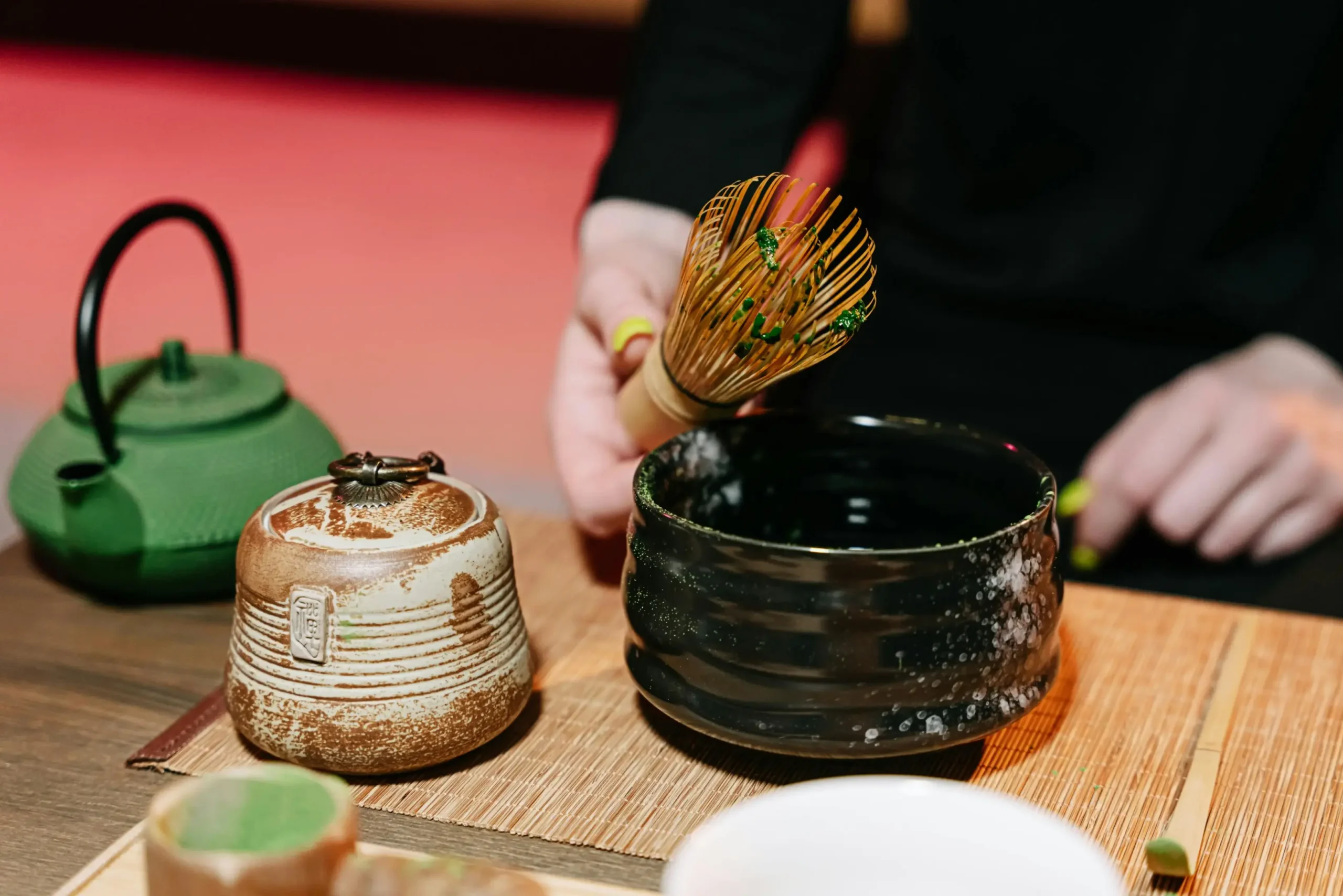
Searching for the best Japanese restaurant Singapore offers usually leads people toward sushi counters, omakase menus, or beautifully plated sashimi. Those elements certainly define much of the appeal of Japanese cuisine, but anyone who has spent time dining in Japan knows that the experience rarely ends with the food alone.
Tea quietly accompanies the meal. A warm cup appears beside a sushi platter, or is poured between courses at the sushi bar. Sometimes it is roasted hojicha that softens the richness of grilled seafood. Sometimes it is a simple green tea that refreshes the palate after delicate slices of sashimi.
Best Japanese Restaurant Singapore: Restaurants Worth Visiting
KOMA Singapore — A Dramatic Modern Japanese Dining Experience
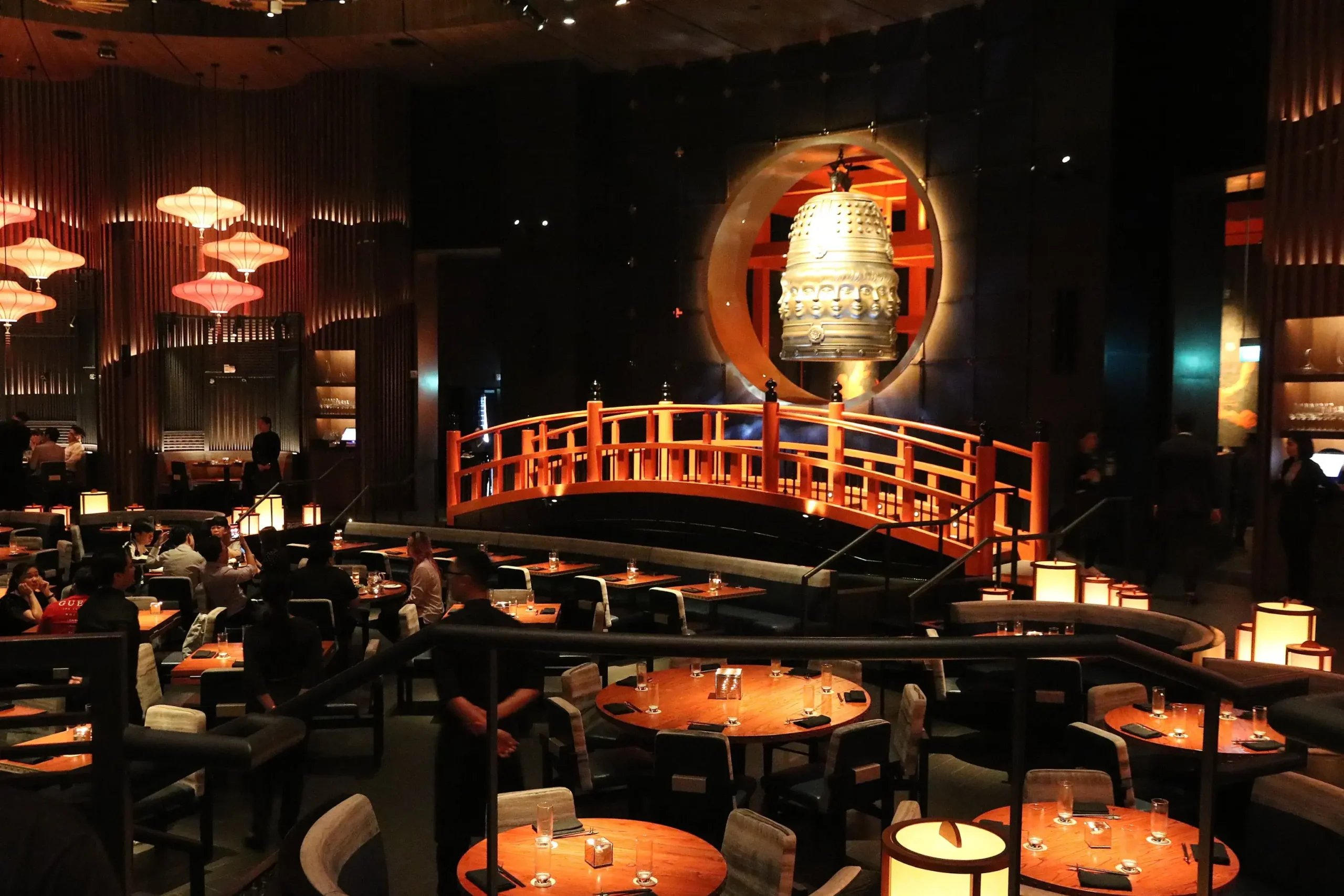
Located inside Marina Bay Sands, KOMA Singapore really caught my eye as one of the most visually stunning modern Japanese restaurants in the city. The moment I stepped in, I felt like I was transported to Japan, thanks to the long hallway leading to a traditional footbridge inspired by Kyoto’s Fushimi Inari Shrine. It set such a calming, authentic tone before I even reached the main dining room.
KOMA’s menu is a bold take on modern Japanese cuisine, and I was pleasantly surprised by the vibrant sushi rolls, grilled seafood fresh from the robata grill, and their signature king crab sumiyaki. The sashimi was beautifully plated, and you could tell the seafood was top-notch, flown in straight from Tokyo’s Toyosu Market to ensure the freshest catches.
One thing I really appreciated was their tea pairings. They offered premium green teas and carefully selected Japanese teas that perfectly complemented the delicate flavors of the dishes, making the whole dining experience even more enjoyable. It’s clear that KOMA balances dramatic atmosphere with skilled chefs and quality ingredients, creating a relaxed atmosphere that’s perfect for special occasions or a memorable night out.
If you’re on the hunt for the best Japanese restaurant Singapore has to offer, KOMA Singapore at Marina Bay Sands is definitely worth a visit. Whether you’re craving sushi, sashimi, or even cold soba during the summer months, this place delivers on all fronts with a touch of elegance and authenticity.
Location: Marina Bay Sands
Opening hours: Daily lunch and dinner
Sushi Jin — A Refined Omakase Experience
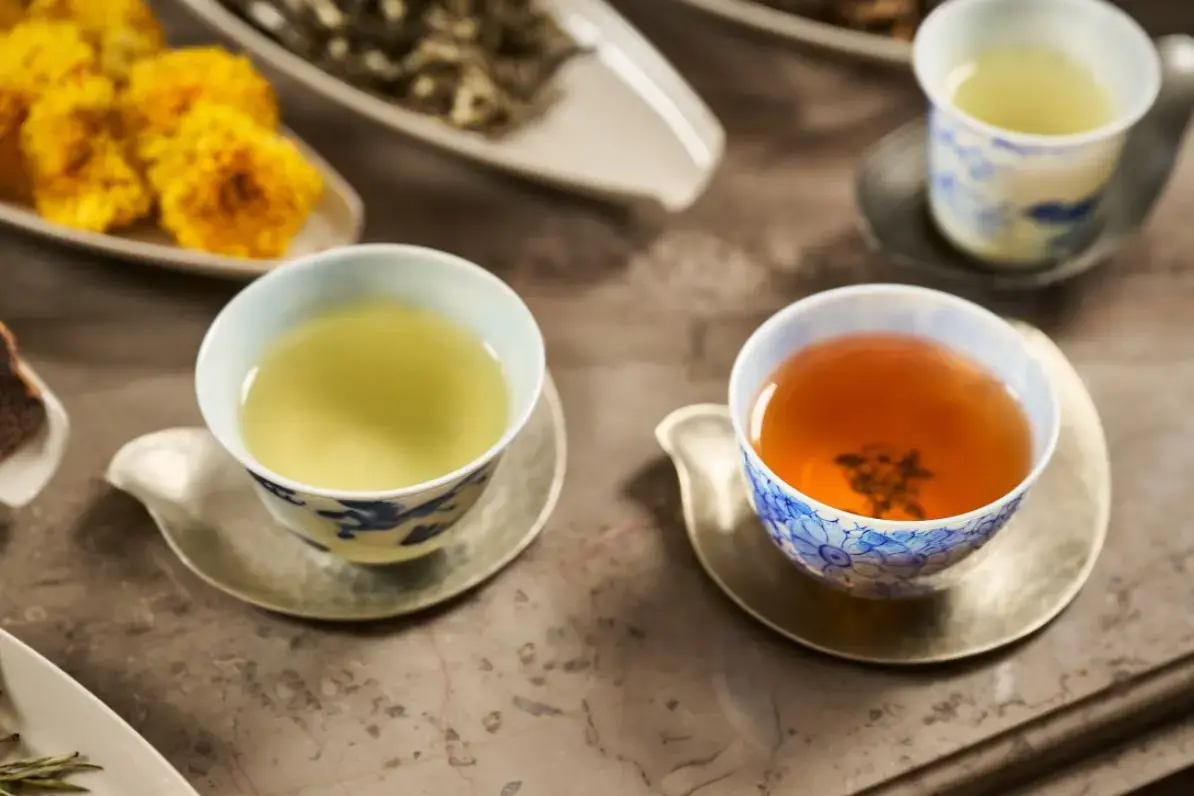
If you’re looking for a quieter, more refined Japanese dining experience in Singapore, Sushi Jin is definitely a spot to consider. Tucked away in Shaw Centre, this place really nails the art of Edomae sushi, focusing on precision and simplicity that sushi lovers will appreciate.
The tea served here is of exceptional quality, featuring traditional Japanese green teas like sencha and genmaicha. These teas offer a delicate yet refreshing flavor profile, with the genmaicha’s roasted brown rice notes providing a comforting, nutty contrast that perfectly complements the umami-rich sushi. The attentive service ensures that tea is served at the ideal temperature, enhancing the overall dining experience.
Ambiance-wise, Sushi Jin offers a calm and intimate setting, with a minimalist decor that directs focus to the sushi counter and the chef’s craftsmanship. The serene atmosphere allows diners to savor each bite and sip in peaceful contemplation.
What stands out most is the harmonious balance between the food, tea, and service, making Sushi Jin a memorable destination for those who value an authentic and thoughtful Japanese dining experience.
If you’re on the hunt for the best Japanese restaurant Singapore has to offer, especially for an intimate sushi counter experience with seasonal seafood from Japan, Sushi Jin is a fantastic choice.
Location: Shaw Centre
Opening hours: Lunch and dinner service
Tomi Sushi — Authentic Japanese Dining with Multiple Locations
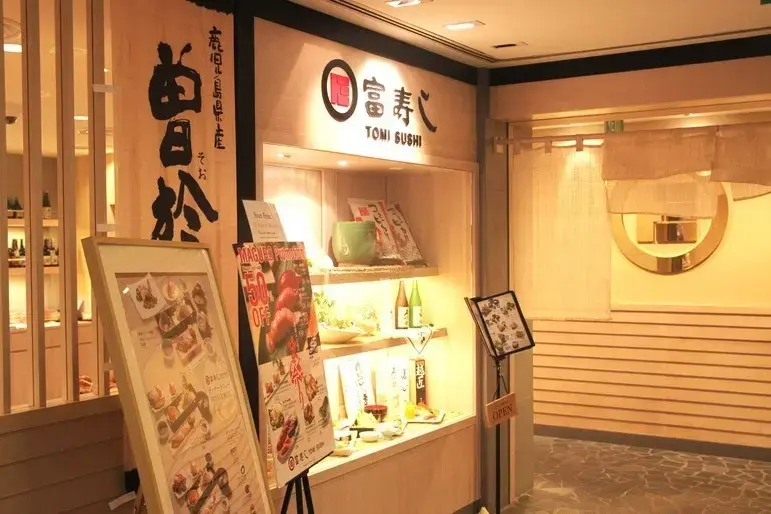
Originally from Niigata in Japan, Tomi Sushi has become a beloved spot for anyone craving authentic Japanese food right here in Singapore.
With multiple locations, including a popular outlet at Ngee Ann City, Tomi Sushi offers a wide variety of traditional dishes that appeal to both casual diners and loyal regulars alike.
Tea quality here is notable, featuring carefully selected hojicha and genmaicha that bring out roasted and nutty flavors, perfectly balancing the flavors of fried dishes and fresh sashimi. The tea is served at an ideal temperature, enhancing the overall meal and providing a satisfying finish.
Unlike the more formal sushi counters, Tomi Sushi provides a relaxed, welcoming atmosphere where you can enjoy hearty meals without breaking the bank. These memorable touches make it a favorite among both locals and visitors exploring the best Japanese restaurant Singapore has to offer.
Location: Ngee Ann City and other convenient spots around Singapore
Opening hours: Lunch and dinner
Shukuu Izakaya — A Taste of Vibrant Izakaya Culture
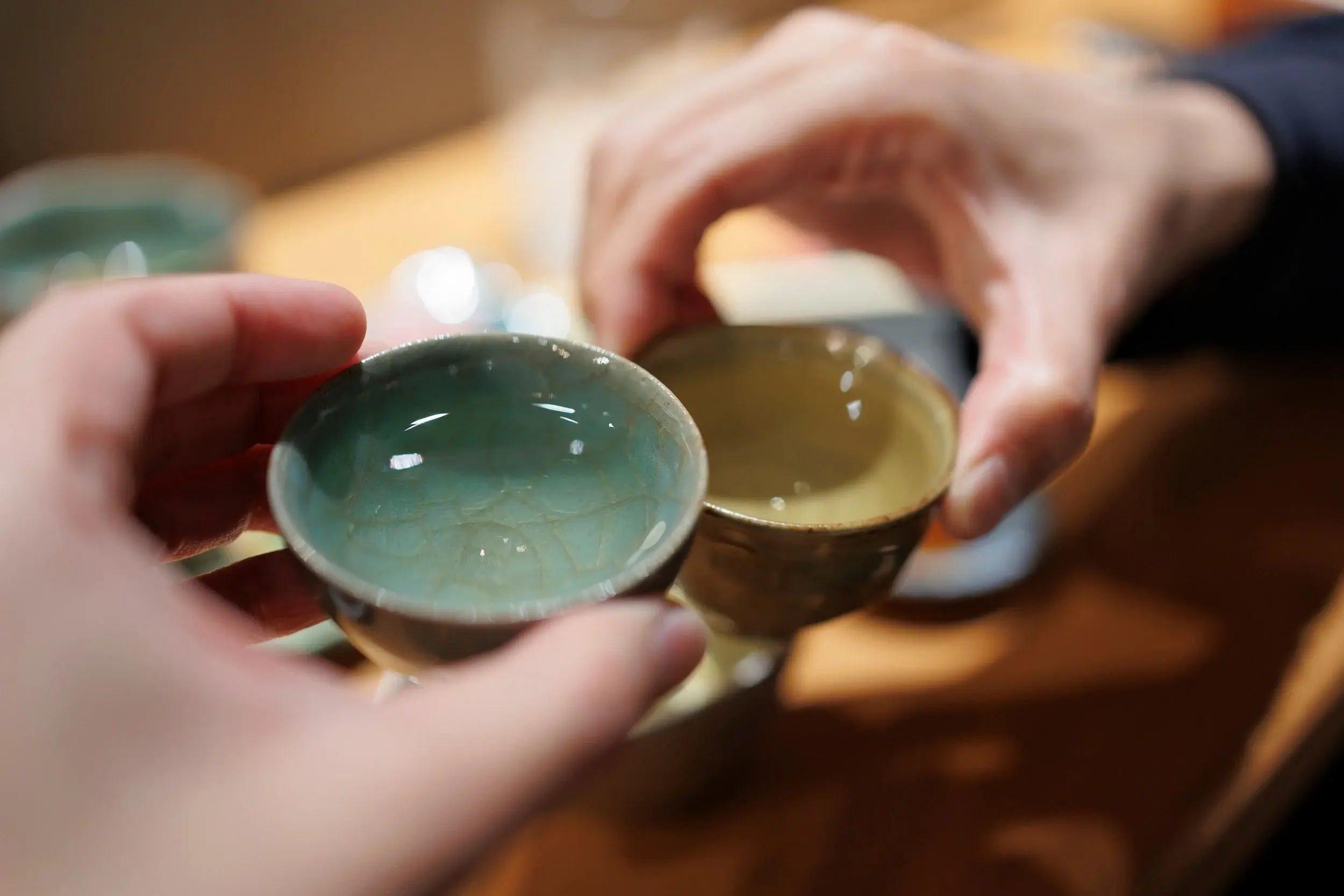
For a more lively atmosphere, I recently checked out Shukuu Izakaya at Far East Plaza, and wow, it really captures the vibrant izakaya culture straight from Japan. If you’re on the hunt for the best Japanese restaurant Singapore has to offer with a fun and casual vibe, this place is definitely worth a visit.
Tea here is thoughtfully curated, featuring robust roasted teas like hojicha that deliver a warm, toasty flavor with subtle caramel notes. The tea’s smooth, earthy profile pairs beautifully with the smoky, grilled dishes typical of izakaya fare. Served piping hot and replenished promptly by attentive staff, the tea service enhances the overall dining experience.
Speaking of service, the staff at Shukuu Izakaya are friendly and efficient, striking the perfect balance between professionalism and casual warmth. They’re knowledgeable about the menu and happy to recommend dishes or tea pairings, which adds a personalized touch to the meal.
Ambiance-wise, the venue buzzes with energy, filled with lively chatter and laughter that echoes the convivial spirit of Japanese izakayas. The interior combines rustic wood elements with modern lighting, creating a cozy yet vibrant setting that invites guests to relax and enjoy the evening.
What makes Shukuu Izakaya truly memorable is this blend of authentic flavors, quality tea, and a welcoming atmosphere that transports diners straight to Japan’s bustling nightlife. If you want to experience lively Japanese dining with great food and authentic tea, Shukuu Izakaya at Far East Plaza is a fantastic choice.
Location: Far East Plaza
Opening hours: Dinner service
Teppei Japanese Restaurant — A Favourite for Seafood Lovers
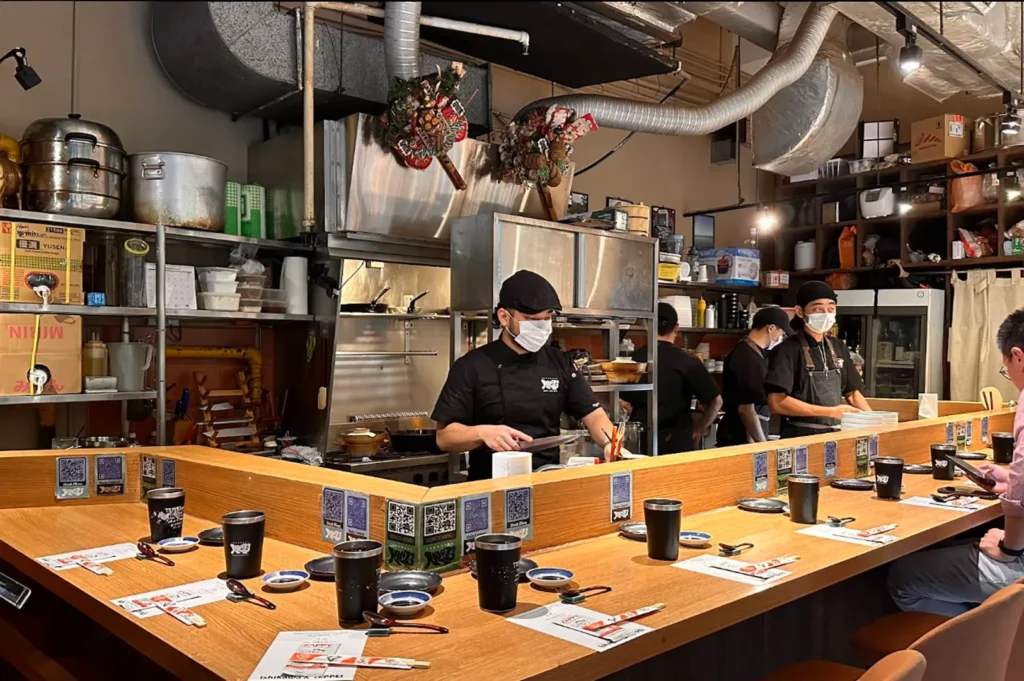
Few places get me as excited as Teppei Japanese Restaurant when it comes to the best Japanese restaurant Singapore scene. From the moment you step in, the energetic vibe hits you, it’s lively, casual, and all about great seafood.
What really steals the show here is their signature dish, the kaisen chirashi don. Imagine a vibrant bowl piled high with assorted fresh seafood over fluffy rice, every bite bursts with freshness and quality. And it’s not just that; their assorted sushi and fresh sashimi also stand out, made with premium ingredients that truly make a difference.
Tea at Teppei is thoughtfully selected to enhance the dining experience. The quality is consistently high, featuring refreshing green teas that offer a clean, slightly grassy flavor with subtle sweet undertones. Served at the perfect temperature, the tea acts as a palate cleanser, balancing the richness of the seafood bowls and sushi.
Service here matches the vibrant atmosphere , friendly, efficient, and attentive without being intrusive. Staff are knowledgeable about the menu and happy to recommend tea pairings or explain dishes, adding to the overall welcoming vibe.
If you’re hunting for the best Japanese restaurant Singapore has to offer, especially for fresh seafood and a casual yet vibrant atmosphere, Teppei Japanese Restaurant in the Tanjong Pagar area should definitely be on your list.
Location: Tanjong Pagar area
Opening hours: Lunch and dinner
SUN with MOON Japanese Dining & Cafe — A Cozy Spot for Tea and Traditional Flavors
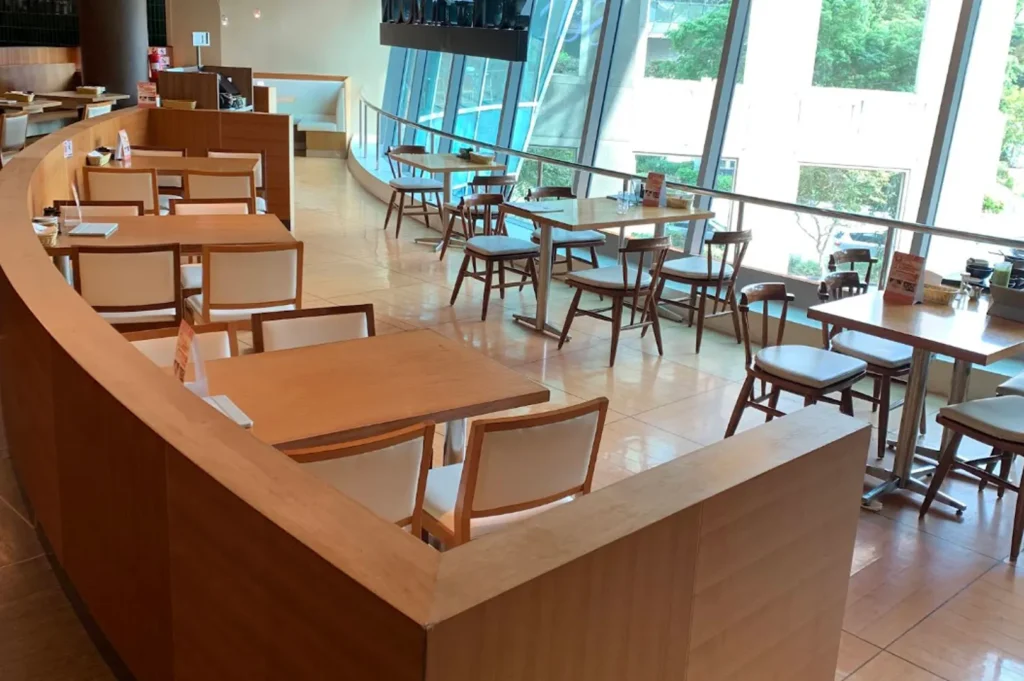
If you’re looking for a relaxed, cozy Japanese dining experience in Singapore that also puts a spotlight on tea, SUN with MOON Japanese Dining & Cafe is a wonderful choice. This charming spot blends traditional Japanese dishes with a cafe vibe, making it perfect for those who want to enjoy both savory meals and a quality cup of tea.
Their menu features a variety of comforting classics like donburi bowls, tempura, and sushi, all made with fresh ingredients that showcase authentic flavors. But what really sets SUN with MOON apart is their thoughtful tea selection. From fragrant sencha to soothing hojicha, each cup is brewed with care and served at just the right temperature to complement your meal.
Whether you’re popping in for a casual lunch or a laid-back dinner, the warm atmosphere and attentive service make every visit feel special. Plus, their tea offerings provide a gentle caffeine boost without overpowering the palate, making it easy to savor every bite and sip.
For anyone who appreciates the calming ritual of tea alongside great Japanese food, SUN with MOON Japanese Dining & Cafe is definitely worth a visit.
Location: Wheelock Place
Opening hours: Typically lunch and dinner, check individual outlets for details
Why Tea Still Matters in Japanese Dining
In traditional Japanese cuisine, tea often plays a quiet but important role. A cup of green tea served during or after the meal helps balance the richness of seafood and grilled dishes. It refreshes the palate and allows the flavours of the food to settle naturally.
Many Japanese restaurants maintain this tradition. After a series of sushi courses or a bowl of chirashi don, a simple cup of tea can feel like the final note that completes the meal.
Even in lively modern restaurants, this small gesture reflects the thoughtful nature of Japanese dining culture. Whether it’s a soothing cup of roasted barley tea or the highest grade of green tea, such as gyokuro, tea enthusiasts appreciate how making tea enhances the overall experience.
In Singapore, you can find these authentic tea moments at top Japanese restaurants located at places like Millenia Walk and Palais Renaissance, where the tea plant’s finest leaves are brewed with care. The tea served often includes varieties like black tea (also known as red tea) and hojicha, complementing dishes such as tempura, ramen, and nigiri.
This attention to tea and its health benefits adds depth to the meal, elevating the best Japanese restaurant Singapore dining experiences beyond just food.
Many establishments even offer tea through vending machines or as part of a curated pairing with coffee, ensuring guests enjoy a complete and authentic Japanese culinary tradition.
Exploring the Best Japanese Restaurant Singapore Scene
Singapore’s Japanese dining scene continues to grow, offering everything from intimate sushi counters to lively izakaya spaces. Each restaurant brings its own interpretation of Japanese cuisine, shaped by the chef’s experience, the ingredients available, and the atmosphere they wish to create.
For those seeking an exclusive dining experience, consider exploring the private dining options at Tea Manor Singapore.

Floral Teas Are Not “For Beginners”—They’re For People With Taste
There is a curious assumption in tea culture that I have never quite understood. If you are new to tea, you begin with something floral. Jasmine. Rose. Osmanthus. Lightly scented blends. Then, supposedly, you move on. You discover roasted oolongs. Aged teas. More complex leaves. Stronger flavours. Eventually, you become a “serious” tea drinker. I…
-
How to Make Cold Brew Tea: The Slow Method for a Smoother Cup
There is a jar on the top shelf of my refrigerator that I did not need this morning. I filled it last night, before the kitchen went dark. Loose tea leaves, cool water, a lid resting loosely on top. Then I closed the door and left it alone, the way you leave bread to rise…
-
Milk Tea Isn’t “Ruining” Tea—But Some Milk Tea Is Ruining Milk Tea
I have noticed that few things can start an argument among tea drinkers quite as quickly as milk. Mention adding milk to a good tea and suddenly everyone has an opinion. Some insist that milk covers the flavour of the leaves. Others will tell you that certain teas were practically made for it. I have…
-
There Are Always Good Things to Eat at The Marmalade Pantry
The afternoon rain had just eased when I climbed up to Level 4 of ION Orchard, home to the Marmalade Pantry Ion. Outside, Orchard Road was doing its usual thing: too many people, too much noise, everyone somewhere to be in the bustle of the city. Inside, at a corner table, someone was pouring tea…
-
The Teacup as a Compass: What My Daily Brew Taught Me About Pace
I never intended for tea to become a way of keeping track of my days. It just happened. There are mornings when I drink the first cup quickly, barely noticing the taste because my mind is already somewhere else. Then there are afternoons when I make tea and somehow manage to sit with it for…
-
Silk Tea Bar Review: A Quiet Climb Worth Making on Sago Street
I almost walked past it. Sago Street was loud that afternoon, the way Chinatown often is. Voices, footsteps, the clatter of a hundred small transactions. I was looking for a door and nearly missed the narrow one that led upstairs. Then I climbed. And somewhere between the ground floor and the second, the noise fell…
-
“Artisan” Doesn’t Mean Ethical: The Supply Chain Questions We Avoid
I have always been drawn to the word “artisan.” Maybe because it creates a certain image in my mind. Someone carefully working with their hands. Someone who knows their craft deeply. Someone preserving a tradition that has existed long before the rest of us discovered it. When I see “artisan tea” on a label, I…
-
A Quiet Afternoon at A Beautiful Day Café
The rain had just started when I stepped in off Paya Lebar Road. Not heavy. Just enough to soften the light and slow everyone down. Inside, someone was pouring tea, and the sound of it carried further than it should have. A small room can do that. It can make a pour feel like a…
-
The Problem With “Single-Origin” Tea Obsession
There was a time when knowing where a tea came from was enough. Now, it sometimes feels as though we need to know everything. The mountain. The village. The garden. The harvest date. The particular plot where the leaves were grown. Single-origin tea has become a mark of quality in modern tea culture. The idea…
-
Where Singapore’s Tea Traditions Still Steep: Pek Sin Choon
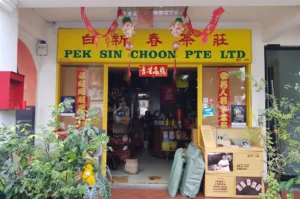
The first thing I noticed was the smell. Not perfume, not incense. Something warmer and older than both. Roasted tea leaves, drifting out onto Mosque Street before I even reached the door. It’s the kind of smell that makes you slow your steps without knowing why. Pek Sin Choon has been on this corner of…