Hear me out: we have become far too comfortable with the phrase “caffeine-free tea.”
It appears on beautiful packaging, wellness websites, and café menus with the confidence of a health guarantee. The words suggest calm evenings, better sleep, and a gentler relationship with what we drink.
But there is a problem.
The phrase sounds clearer than it actually is.
Many people see “caffeine-free tea” and assume they are drinking something completely without caffeine. They choose it because they are sensitive to stimulants, avoiding caffeine late in the day, or simply trying to make a healthier choice.
The reality is more complicated.
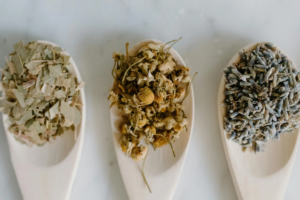
Not every tea that is marketed as a caffeine-free alternative is technically tea. Herbal infusions made from flowers, fruits, roots, and spices are naturally caffeine-free because they do not come from the Camellia sinensis plant. Chamomile, peppermint, rooibos, and ginger infusions belong to this category.
Traditional teas, however, including green tea, black tea, oolong, and white tea, naturally contain caffeine. Even products labelled as “decaffeinated” may still contain trace amounts.
So why are we allowing “caffeine-free” to become such a loose marketing phrase?
This is where things become frustrating.
Tea has always carried a sense of trust. Across cultures, it represents care, ritual, hospitality, and attention. When someone reaches for a calming cup before bed, they should not need to become a researcher reading fine print to understand what they are consuming.
This is not about banning creative branding. Tea companies should absolutely celebrate flavour, craftsmanship, and tradition. But when a phrase creates a health assumption, clarity matters.
Imagine if food labels used words like “sugar-free” loosely or “all-natural” without explanation. Consumers would rightly question it. Tea deserves the same level of honesty.
Perhaps the solution is simple: tell us what the drink actually is.
Say “herbal infusion.” Say “naturally caffeine-free.” Say “decaffeinated tea with trace caffeine.” Give people information instead of a comforting illusion.
Because tea is built on slowing down and paying attention.
The irony is that the industry selling us mindfulness may need to practise a little more of it itself.

A Journey into Herbal Teas: Exploring Nature’s Finest Infusions
Imagine cupping your hands around a warm mug, inhaling the sweet, floral scent of chamomile tea or the invigorating peppermint tea aroma from the peppermint plant. As you take the first sip, you feel a sense of calm and comfort wash over you. This soothing experience is the magic of herbal teas, a diverse and…
-
Singapore Tea for Every Palate and Every Ritual
What draws us to seek something deeper in a simple cup of tea? In Singapore, where countless cultures have settled like leaves steeping in warm water, the answer unfolds quietly in the spaces between tradition and modernity. Good tea emerges from patient sourcing, from the steady hands of those who understand its language, from leaves…
-
Where to Find Private Room Singapore Spaces for Tea Rituals
In a city that never truly rests, quiet becomes something you have to choose. You feel it when you’re weaving through Orchard Road in the middle of the day, or squeezing past crowds in the Central Business District at lunch hour. The lights are bright, the notifications keep coming, and even when you sit down, your…
-
Tea Is Losing Its Ceremony — And We Let It Happen
No one announced it. There was no collective decision, no moment of cultural shift. And yet, the ceremony has quietly receded from everyday tea. What was once deliberate has become automatic. Tea used to require attention. Water temperature mattered. Leaves were measured with care. The cup was chosen, not grabbed. Even in the absence of…

The Art of Aging: Understanding Authentic Yunnan Pu-erh Tea
Among the world’s most revered fermented dark teas, few types evoke as much intrigue and respect as Yunnan pu erh tea (普洱). Crafted from ancient tea trees in Yunnan province, this tea produced by traditional methods is a living testament to China’s rich beverage heritage. Unlike most loose leaf tea or black teas, high-quality pu…
-
Cafe Singapore Says It Values Craft. So Why Is Tea an Afterthought?
Singapore loves its café culture. We celebrate espresso machines. We admire single-origin beans. We debate tasting notes and extraction times like it is a sport. When someone says “Cafe Singapore,” most of us immediately picture coffee. But look at the tea menu. In many cafés, tea is reduced to a small corner of the page….
-
Tea from Japan: A Journey Through Culture, History, and Varieties
In Japan, tea is not merely a drink; it is a cultural cornerstone, a spiritual discipline, and an integral part of daily life. Tea is an important part of Japanese food culture, traditional ceremonies, and daily routines, reflecting its deep-rooted presence in society. The simple act of preparing and drinking Japanese tea is imbued with…
-
Sobacha: Exploring the Japanese Tradition of Roasted Buckwheat Tea (Sobacha)
Beyond the celebrated world of Japanese green tea lies a treasure trove of comforting, traditional beverages. Among the most beloved is sobacha (そば茶), a nutty and wholesome roasted buckwheat tea. It’s a staple in Japanese households and restaurants, cherished not just for its delightful flavor but for its deep connection to Japanese culinary culture and…
-
Ginger Tea Singapore: A Practical Journey to Finding and Enjoying This Wellness Beverage
Ginger tea is more than just a comforting beverage in Singapore; it’s a staple of modern wellness, a go-to remedy for chasing away the chill of an air-conditioned office, and a familiar taste of home across many cultures. The gentle warmth of ginger tea provides a soothing and invigorating sensory experience, evoking feelings of coziness…
-
Beyond Coffee: Cafe Singapore Cafes Worth Visiting for Their Tea
Author’s Note: I made just a few tweaks here and there to smooth out the flow and make your reading experience as enjoyable as possible. Hope you enjoy the read as much as I enjoyed fine-tuning it for you! If you close your eyes and imagine a typical cafe Singapore scene, you’d likely hear the…