Hear me out: we have become far too comfortable with the phrase “caffeine-free tea.”
It appears on beautiful packaging, wellness websites, and café menus with the confidence of a health guarantee. The words suggest calm evenings, better sleep, and a gentler relationship with what we drink.
But there is a problem.
The phrase sounds clearer than it actually is.
Many people see “caffeine-free tea” and assume they are drinking something completely without caffeine. They choose it because they are sensitive to stimulants, avoiding caffeine late in the day, or simply trying to make a healthier choice.
The reality is more complicated.
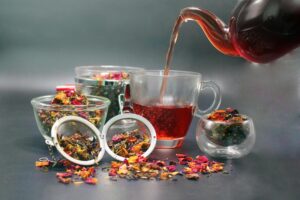
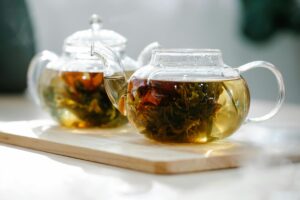
Not every tea that is marketed as a caffeine-free alternative is technically tea. Herbal infusions made from flowers, fruits, roots, and spices are naturally caffeine-free because they do not come from the Camellia sinensis plant. Chamomile, peppermint, rooibos, and ginger infusions belong to this category.
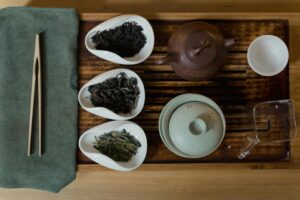
Traditional teas, however, including green tea, black tea, oolong, and white tea, naturally contain caffeine. Even products labelled as “decaffeinated” may still contain trace amounts.
So why are we allowing “caffeine-free” to become such a loose marketing phrase?
This is where things become frustrating.
Tea has always carried a sense of trust. Across cultures, it represents care, ritual, hospitality, and attention. When someone reaches for a calming cup before bed, they should not need to become a researcher reading fine print to understand what they are consuming.
This is not about banning creative branding. Tea companies should absolutely celebrate flavour, craftsmanship, and tradition. But when a phrase creates a health assumption, clarity matters.
Imagine if food labels used words like “sugar-free” loosely or “all-natural” without explanation. Consumers would rightly question it. Tea deserves the same level of honesty.
Perhaps the solution is simple: tell us what the drink actually is.
Say “herbal infusion.” Say “naturally caffeine-free.” Say “decaffeinated tea with trace caffeine.” Give people information instead of a comforting illusion.
Because tea is built on slowing down and paying attention.
The irony is that the industry selling us mindfulness may need to practise a little more of it itself.

Green Tea in Japan: Exploring the Cultural and Social Dimensions of Green Tea in Japan
In Japan, green tea is more than just a beverage; it is a cultural cornerstone, deeply woven into the fabric of daily life, social customs, and national identity. It’s the welcoming drink offered to a guest, the quiet moment of reflection in a busy day, and the centerpiece of a centuries-old ceremony. While many are…

Singapore Ginger Tea: A Complete Guide to Traditional Wellness in the Lion City
In Singapore’s multicultural landscape, ginger tea is a beloved staple that transcends cultural boundaries. Known locally as teh halia, this warming brew embodies centuries of traditional wisdom adapted to modern Singapore life. Whether you seek relief from air-conditioned chill, digestive support after a big meal, or a refreshing sip on a rainy day, Singapore ginger…
-
Loose Tea Leaves: Elevate Your Singapore Tea Experience
In a city that moves as fast as Singapore, the simple act of brewing a cup of tea can feel like a small rebellion—a moment of intentional calm. More and more tea lovers are discovering that this moment is profoundly elevated when they make the switch from conventional tea bags to loose tea leaves. This…
-
Tea Leaf Singapore: An Exquisite Journey of Flavours, Traditions, and Moments
Singapore’s strategic position as a maritime trading hub has nurtured a rich tea culture where ancient traditions blend with modern innovation. The local love for tea runs deep, shaping Singapore’s unique tea culture and fostering a strong appreciation for every cup. Singapore continues to honor its tea traditions while embracing new innovations, ensuring that the…
-
Korean Barley Tea: A Journey into Boricha and Its Rich Traditions
Walk into any Korean restaurant, and before you glance at the menu, a glass of amber-colored boricha (보리차) arrives. This Korean barley tea is as fundamental as water in Korean culture—served hot or cold, a staple in everyday life and a gesture of hospitality. While roasted barley tea is popular across many East Asian countries,…
-
Mugicha Barley Tea: Japan’s Beloved Caffeine-Free Summer Drink Unveiled
Long before green tea became Japan’s iconic beverage, mugicha barley tea—a golden, nutty roasted barley tea—has refreshed Japanese families for centuries. Unlike traditional tea from Camellia sinensis leaves, mugicha is a naturally caffeine free herbal tea made by steeping roasted barley grains in hot water. This traditional barley tea has evolved from an imperial luxury…
-
Buckwheat Tea Unveiled: Singapore’s Rising Caffeine-Free Wellness Beverage
Singapore’s health-conscious community is embracing buckwheat tea, a caffeine free tea known for its rich cultural heritage, unique nutty flavor, and impressive health benefits. This traditional Asian beverage, also called soba cha in Japan, offers a soothing alternative to green tea or coffee, perfect for Singapore’s tropical climate and wellness goals. Its growing popularity reflects…
-
Japanese Green Tea from Japan: Unlocking the Secrets of Authentic Varieties and Brewing
Experience the rich tradition of authentic japanese green tea from japan, a beverage refined over centuries with unique steaming methods that preserve its vibrant color, rich aroma, and delicate taste. This comprehensive guide introduces you to Japan’s most treasured green tea varieties, their extensive health benefits, and how to enjoy japanese tea perfectly brewed, whether…
-
How to Make Matcha Latte: A Step-by-Step Recipe Quest
There’s a special kind of satisfaction that comes from mastering your favorite café drink at home. When it comes to the vibrant and creamy matcha latte, the rewards are particularly sweet. Learning how to make matcha latte in your own kitchen not only saves you money but also gives you complete control over the quality,…
-
Mastering the Art of Matcha Green Tea Latte Recipe: Your Path to Perfection
There’s a unique kind of magic in crafting your own café-quality matcha green tea latte at home. It’s the satisfaction of watching vibrant green matcha swirl into creamy, frothed milk, the joy of customizing it to your exact taste, and the simple pleasure of sipping a wholesome, delicious beverage you made yourself. Beyond the significant…