My grandmother kept her camellia tea in a battered tin that had once held biscuits.
She never called it anything fancy. It was just cha, brewed strong in the mornings using fresh tea leaves from the tea plant, poured into small cups that had lost their matching saucers years ago. I didn't know then that those leaves came from a single, remarkable species: Camellia sinensis. I only knew that the smell of them meant the day had properly begun.
It took me years to understand what I'd been drinking. That the green tea in a Kyoto cup, the black tea steeped in a London kitchen, and my grandmother's morning brew all traced back to the same plant. One plant. One quiet, generous leaf.
This is the story of that evergreen shrub, the camellia sinensis, and the legacy it carries in modern tea culture.
What We Really Mean by Camellia Sinensis and Different Types of Tea Leaves

When people say camellia tea, they’re pointing at something more specific than they might realize.
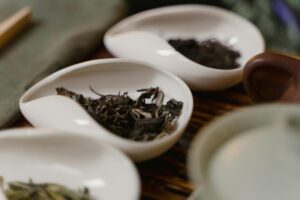
True tea, the kind that has shaped tea culture and crossed oceans, comes from one species: Camellia sinensis. This tea plant is cultivated worldwide, from the tea plantations of China and India to East Africa, Taiwan, and Japan. Various types of tea, green tea, black tea, white tea, oolong tea, pu erh, and yellow tea, all begin as buds and young leaves harvested from this same plant.
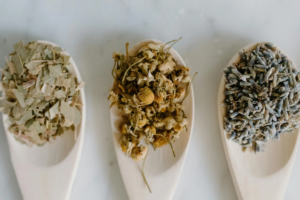
Everything else we call tea, like chamomile or peppermint, is technically an infusion, made from other plants such as the tea tree, and not from camellia sinensis.
That quiet fact reframes everything. The astonishing variety of the world’s most popular teas doesn’t come from many plants. It comes from one, treated differently through processes like oxidation, fermentation, and roasting.
One Plant, Many Lives: The Oxidation Process and Making Tea with Camellia Sinensis Varieties

Here is the part that still amazes me.
Take the fresh leaves and buds from camellia sinensis var. sinensis or camellia sinensis var. assamica, and what you end up with depends almost entirely on what happens after they’re picked and how they are treated during the oxidation process.
The difference between a delicate white tea and a full-bodied, roasted pu erh isn’t the plant. It’s the craft of making tea.
The Gentle End: White Tea and Green Tea
White tea is the lightest of the different teas, made from the youngest buds and whole leaves, barely treated and only lightly oxidized. Its aroma is sweet and floral, like the first pale hour of spring bloom.
Green tea is next. Its fresh leaves are heated early by steaming or pan-firing to halt oxidation, preserving the leaf’s natural green color and fresh flavor. This process keeps green tea light and sweet, with more caffeine and more flavour than many expect.
The Middle Ground: Oolong Tea and Yellow Tea
Oolong tea is partially oxidized, ranging from 20% to 80%, creating a spectrum of floral, roasted, or sweet flavors. It’s a tea that rewards patient craftsmanship, with leaves often rolled or bruised to encourage a controlled oxidation process.
Yellow tea, rarer and cultivated mostly in China, is prepared with a unique resting process that allows oxidation without oxygen, giving it a mellow, sweet infusion.
The Deeper End: Black Tea and Pu Erh
Black tea is fully oxidized, producing a rich, malty drink with a full-bodied aroma. It’s the tea many recognize as the classic brew, often prepared with whole leaves or, in modern tea culture, conveniently in tea bags.
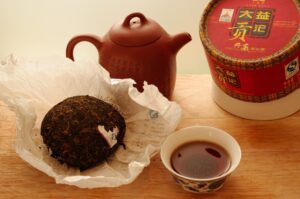
Pu erh tea stands apart, undergoing fermentation and aging over years. This tea’s flavor deepens with time, much like fine wine, offering a unique taste that reflects its growing conditions and meticulous preparation.
A Legacy Carried Across Centuries: The Story of Camellia Sinensis Varieties and Robert Fortune

Tea history begins, by most accounts, in ancient China, where the tea plant was first cultivated and revered. Chinese tea culture blossomed around this evergreen shrub, whose small white flowers bloom with delicate petals.
The species Camellia sinensis has two main varieties: camellia sinensis var. sinensis, native to China and Japan, and camellia sinensis var. assamica, found in India and East Africa. These varieties thrive under different growing conditions, influencing the flavor and caffeine content of the tea leaves harvested.
In 1848, Robert Fortune, a Scottish botanist and plant hunter, famously smuggled tea plants and skilled workers from China to India to establish tea plantations in British colonies. This act helped spread tea cultivation worldwide, shaping the modern tea culture we know today.
Why the Land and the Hands Matter in Brewing Tea Leaves
If one plant makes all these different teas, why do two green teas taste so different? The answer lies in terroir, the unique growing conditions such as altitude, soil, and climate, and in the craftsmanship behind harvesting and processing.
Tea plants are often pruned to waist height to make harvesting easier, allowing pickers to gather fresh leaves without excessive bending or sitting. The timing of the pluck, whether only the buds and two young leaves or older leaves are taken, impacts the flavor and caffeine content.
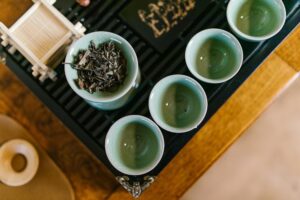
Brewing tea is an art in itself. Whether using whole leaves or tea bags, the water temperature, steeping time, and even the vessel affect the infusion’s aroma and taste. For example, green and white teas prefer water at 80°C to 85°C and steeping for 2 to 3 minutes, while black tea and pu erh require hotter water and longer steeping.
The Meaning We Pour Into a Cup: Camellia Tea in Modern Tea Culture

Tea has never really been only about quenching thirst.
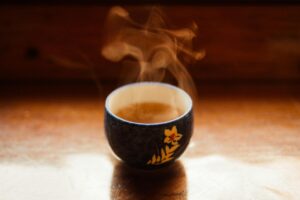
In many cultures, tea is a popular drink symbolizing hospitality, respect, and mindfulness. It’s the cup poured for guests, the ritual to start the day, and the quiet moment shared between friends.
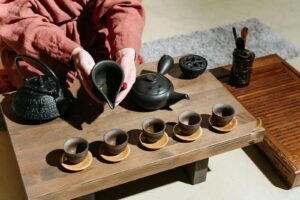
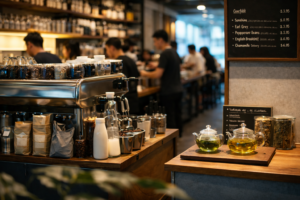
Modern tea culture embraces this legacy while innovating with new blends and brewing methods. From the traditional Chinese tea ceremonies to contemporary tea bars, camellia tea remains a bridge between past and present.
My grandmother never spoke about any of this. She just made the tea, every morning, in her biscuit tin and her mismatched cups. But I understand now that she was passing something down—not just a drink, but a way of beginning the day with care.
Why Camellia Tea Still Matters in a World of Fast Drinks

We live surrounded by beverages engineered for speed and novelty. Against all that noise, camellia tea remains quietly enduring.
In a single cup, there is botany and history, geography and craft, culture and memory. The tea leaf connects the person drinking it to countless others across centuries and continents.
To drink tea with awareness is to hold all of that for a moment. To taste not just flavor, but a legacy. The flower on the tea plant, the leaf carefully harvested and treated, the long human story that brought it to your cup. None of it demands ceremony. You don’t need the right pot or the perfect leaf to begin. You only need to slow down enough to notice what you’re holding.
So the next time you reach for a cup, whether it’s a fragrant green tea, a mellow oolong, or a strong black tea to start the morning, let yourself pause.
Consider where those tea leaves came from, the growing conditions, and the hands that shaped them. Seek out the finest teas made with care, from people who honor the craft. Let the drink be more than a habit.

A Journey into Herbal Teas: Exploring Nature’s Finest Infusions
Imagine cupping your hands around a warm mug, inhaling the sweet, floral scent of chamomile tea or the invigorating peppermint tea aroma from the peppermint plant. As you take the first sip, you feel a sense of calm and comfort wash over you. This soothing experience is the magic of herbal teas, a diverse and…
-
Singapore Tea for Every Palate and Every Ritual
What draws us to seek something deeper in a simple cup of tea? In Singapore, where countless cultures have settled like leaves steeping in warm water, the answer unfolds quietly in the spaces between tradition and modernity. Good tea emerges from patient sourcing, from the steady hands of those who understand its language, from leaves…
-
Where to Find Private Room Singapore Spaces for Tea Rituals
In a city that never truly rests, quiet becomes something you have to choose. You feel it when you’re weaving through Orchard Road in the middle of the day, or squeezing past crowds in the Central Business District at lunch hour. The lights are bright, the notifications keep coming, and even when you sit down, your…
-
Tea Is Losing Its Ceremony — And We Let It Happen
No one announced it. There was no collective decision, no moment of cultural shift. And yet, the ceremony has quietly receded from everyday tea. What was once deliberate has become automatic. Tea used to require attention. Water temperature mattered. Leaves were measured with care. The cup was chosen, not grabbed. Even in the absence of…

The Art of Aging: Understanding Authentic Yunnan Pu-erh Tea
Among the world’s most revered fermented dark teas, few types evoke as much intrigue and respect as Yunnan pu erh tea (普洱). Crafted from ancient tea trees in Yunnan province, this tea produced by traditional methods is a living testament to China’s rich beverage heritage. Unlike most loose leaf tea or black teas, high-quality pu…
-
Cafe Singapore Says It Values Craft. So Why Is Tea an Afterthought?
Singapore loves its café culture. We celebrate espresso machines. We admire single-origin beans. We debate tasting notes and extraction times like it is a sport. When someone says “Cafe Singapore,” most of us immediately picture coffee. But look at the tea menu. In many cafés, tea is reduced to a small corner of the page….
-
Tea from Japan: A Journey Through Culture, History, and Varieties
In Japan, tea is not merely a drink; it is a cultural cornerstone, a spiritual discipline, and an integral part of daily life. Tea is an important part of Japanese food culture, traditional ceremonies, and daily routines, reflecting its deep-rooted presence in society. The simple act of preparing and drinking Japanese tea is imbued with…
-
Sobacha: Exploring the Japanese Tradition of Roasted Buckwheat Tea (Sobacha)
Beyond the celebrated world of Japanese green tea lies a treasure trove of comforting, traditional beverages. Among the most beloved is sobacha (そば茶), a nutty and wholesome roasted buckwheat tea. It’s a staple in Japanese households and restaurants, cherished not just for its delightful flavor but for its deep connection to Japanese culinary culture and…
-
Ginger Tea Singapore: A Practical Journey to Finding and Enjoying This Wellness Beverage
Ginger tea is more than just a comforting beverage in Singapore; it’s a staple of modern wellness, a go-to remedy for chasing away the chill of an air-conditioned office, and a familiar taste of home across many cultures. The gentle warmth of ginger tea provides a soothing and invigorating sensory experience, evoking feelings of coziness…
-
Beyond Coffee: Cafe Singapore Cafes Worth Visiting for Their Tea
Author’s Note: I made just a few tweaks here and there to smooth out the flow and make your reading experience as enjoyable as possible. Hope you enjoy the read as much as I enjoyed fine-tuning it for you! If you close your eyes and imagine a typical cafe Singapore scene, you’d likely hear the…