
Experience the rich tradition of authentic japanese green tea from japan, a beverage refined over centuries with unique steaming methods that preserve its vibrant color, rich aroma, and delicate taste. This comprehensive guide introduces you to Japan’s most treasured green tea varieties, their extensive health benefits, and how to enjoy japanese tea perfectly brewed, whether hot or cold. Discover the regular price ranges, popular items, and trusted shops where customers from Canada, Switzerland, and beyond love to buy these favorites. Explore the combination of tradition and innovation that makes japanese green tea from japan a global favorite.
What Makes Japanese Green Tea Unique: Enjoy Japanese Tea at Its Best
Japanese green tea differs from other green teas mainly due to its steaming process (mushi), which stops fermentation immediately after harvest. This preserves the tea’s fresh, grassy taste and signature deep green color. Unlike pan-fired Chinese teas, steaming develops the tea’s umami flavor, especially in shaded varieties like gyokuro and matcha, which have higher amino acid content and essential nutrients. This expected steaming technique is central to the tea’s unique profile.
Quick processing on harvest day ensures freshness and quality, with cooling blowers and multiple kneading steps maintaining the tea’s integrity. The needle-like leaves and cloudy liquor distinguish japanese green tea’s appearance and texture. In case of questions about quality or brewing, customers can often find detailed guidance and sales support from specialized shops that emphasize the royal heritage of tea cultivation in japan.
Essential Types of Japanese Green Tea for Your First Time
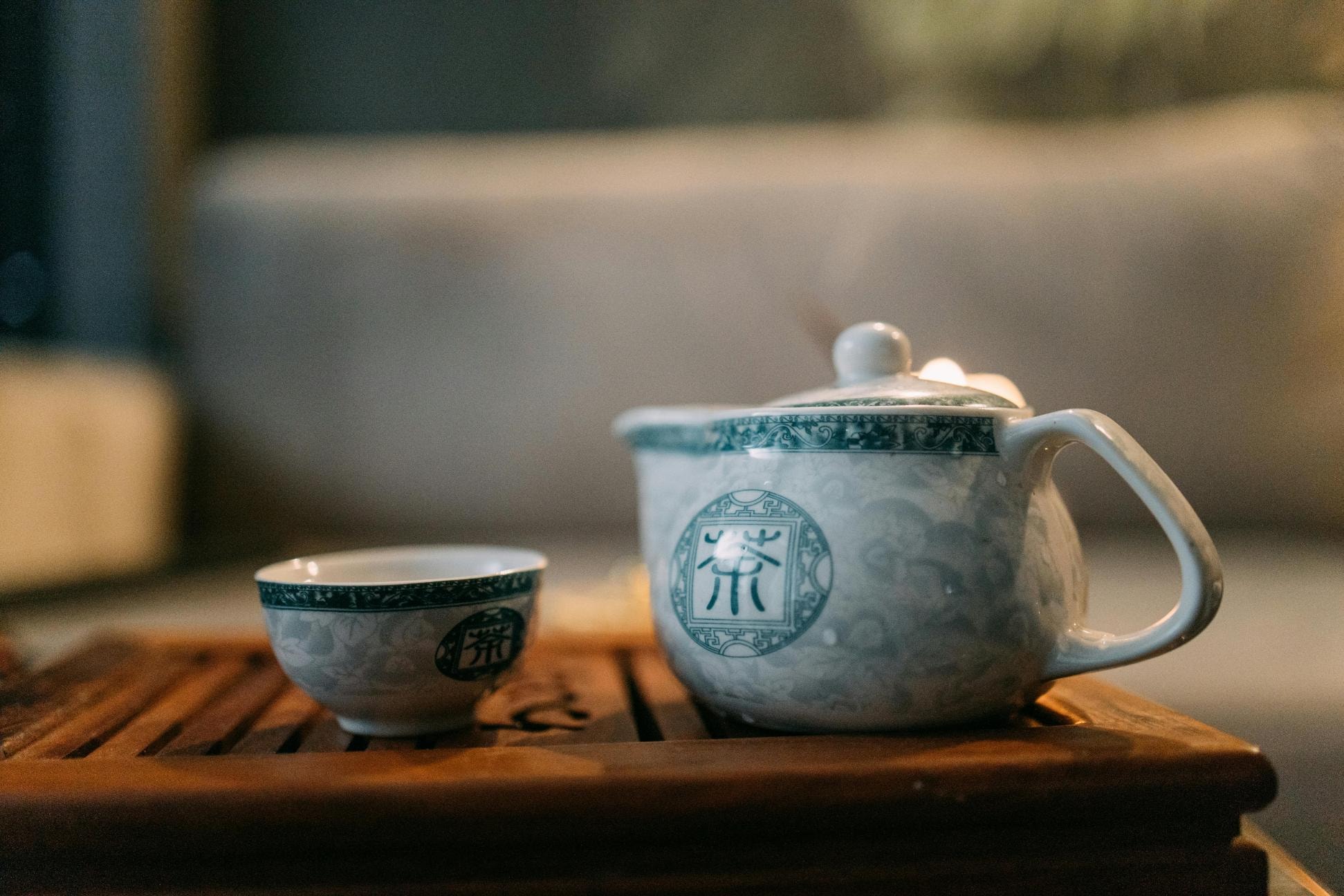
Explore the main varieties of japanese green tea, each with unique flavors, caffeine levels, and brewing methods:
Sencha: Japan’s Most Popular Green Tea
Sencha accounts for 80% of japan’s green tea consumption. Grown under sunlight and steamed, it offers a fresh, grassy taste with moderate caffeine (30-50mg per cup). First flush sencha, harvested in spring, has the richest aroma and sweetness.
Brewing: Water at 70-80°C, steep 1-2 minutes, 2-3g per 150ml water, 2-3 infusions possible.
Matcha: The Ceremonial Powder
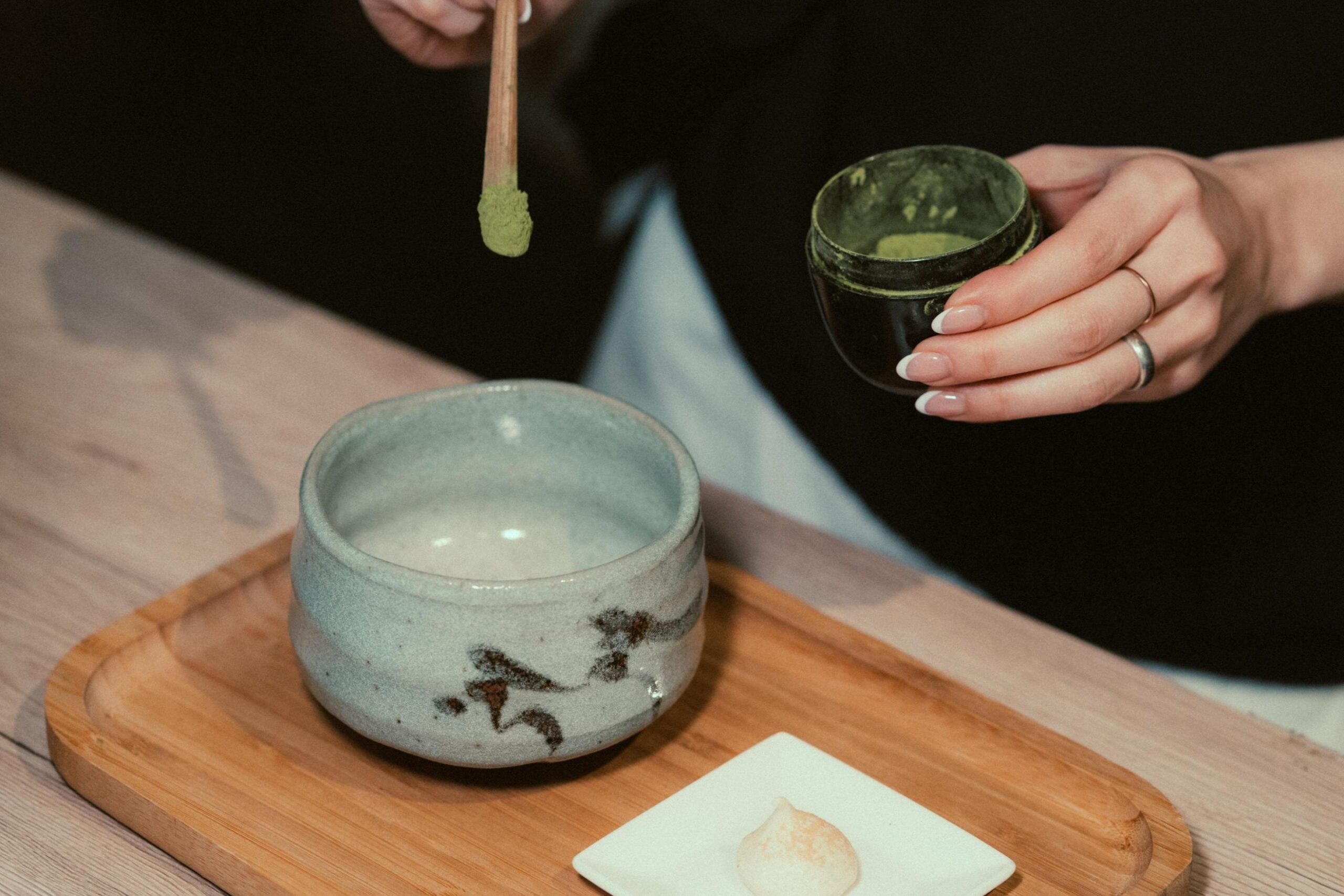
Matcha is powdered tencha leaves, shade-grown for 3-4 weeks before harvest, resulting in a vibrant green color and rich umami taste. Ceremonial-grade matcha is ideal for the japanese tea ceremony, while culinary-grade suits lattes and desserts.
Brewing: Whisk 2g powder with 60ml water at 70-80°C until frothy.
High caffeine (60-70mg) balanced by L-theanine promotes calm focus.
Gyokuro: Premium Shade-Grown Tea
Gyokuro is shaded for three weeks before harvest, producing a sweet, umami-rich tea with minimal bitterness.
Brewing: Water at 50-60°C, steep 2-3 minutes, 3-4g per 150ml, multiple infusions (4-5) with increasing temperature.
Bancha: Everyday Drinking Tea
Bancha is harvested later from mature leaves, offering a robust flavor with less caffeine (15-20mg). It pairs well with meals and snacks.
Brewing: Water at 80-90°C, steep 2-3 minutes.
Hojicha: Roasted Comfort Tea
Hojicha is roasted green tea with a nutty, caramel aroma and very low caffeine (7.5mg), perfect for evening enjoyment.
Brewing: Boiling water, steep 1-2 minutes.
Genmaicha: The People’s Tea
Genmaicha blends sencha or bancha with roasted rice, offering a nutty flavor and lower caffeine (15-25mg).
Brewing: Water at 80-90°C, steep 1-2 minutes.
Japan’s Premier Tea-Growing Regions
Shizuoka Prefecture: Tea Capital
Producing 45% of Japan’s green tea, Shizuoka benefits from volcanic soil and a moderate climate, ideal for deep-steamed sencha with rich umami. This region’s tea farms embrace traditional cultivation methods combined with modern processing for consistent quality.
Uji, Kyoto: Birthplace of Matcha
Uji’s 800-year history and misty mountains produce premium matcha and gyokuro with intense flavor and aroma, central to the japanese tea ceremony tradition. The royal patronage of Uji tea enhances its cultural significance.
Kagoshima Prefecture: Southern Tea Paradise
Kagoshima’s subtropical climate and volcanic soil yield teas with unique character, including early harvest shincha and flavorful sencha. The region’s innovative farming techniques add to the expected richness of its teas.
Yame, Fukuoka: Gyokuro Excellence
Known for the highest quality gyokuro, Yame’s mountainous terrain and morning mists create perfect conditions for umami-rich tea. The royal gardens of Yame historically cultivated these prized teas.
Understanding Japanese Green Tea Quality and Grades
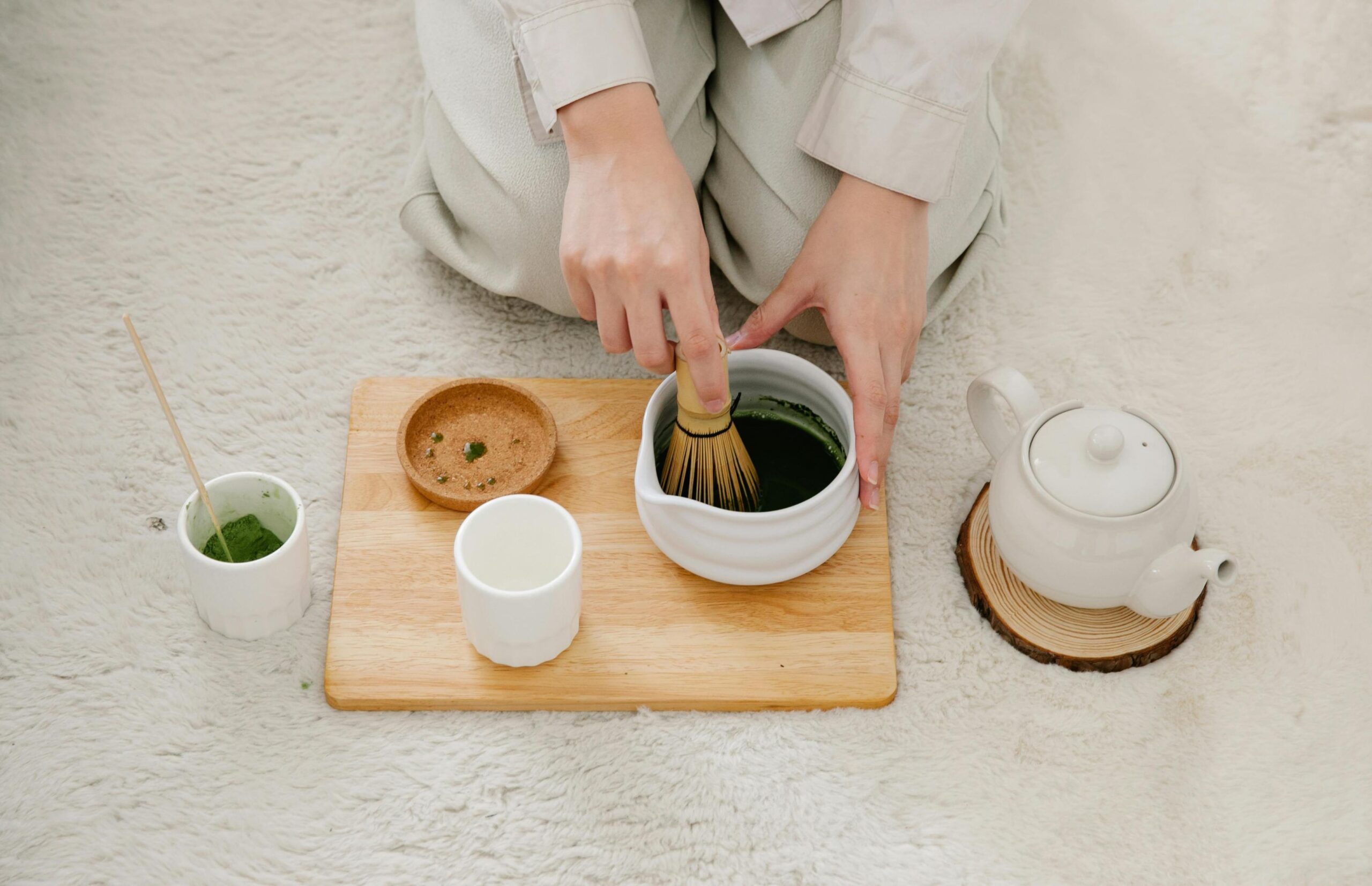
- Look for vibrant green, uniform leaves with minimal breakage and a fresh, grassy aroma. Check harvest dates—freshness is key, especially for sencha and gyokuro.
- Premium grades like Tokubetsu and Jousou offer superior flavor and multiple infusions, while Ichikyuu and Nikyuu grades provide good daily value.
- Packaging should be vacuum-sealed or nitrogen-flushed to protect freshness, ensuring the rich aroma and nutrients remain intact.
Mastering Japanese Green Tea Brewing Techniques
Use a kyusu teapot for ideal portion control and easy straining. Soft, filtered water enhances flavor, and precise temperature control is essential.
Tea Type | Water Temp | Steeping Time | Tea Amount | Infusions |
|---|---|---|---|---|
Sencha | 70-80°C | 1-2 min | 2-3g per 150ml | 2-3 |
Matcha | 70-80°C | Whisk till frothy | 2g per 60ml | Single |
Gyokuro | 50-60°C | 2-3 min | 3-4g per 150ml | 4-5 |
Bancha | 80-90°C | 2-3 min | 2-3g per 150ml | 2-3 |
Hojicha | 95-100°C | 1-2 min | 2-3g per 150ml | 1-2 |
Genmaicha | 80-90°C | 1-2 min | 2-3g per 150ml | 2-3 |
Cold brewing is popular in hot climates like Singapore: steep tea at room temperature for 2-4 hours, then refrigerate for a smooth, refreshing drink. In case of questions about brewing times or quantities, many shops offer detailed FAQs and customer support to ensure the perfect cup every time.
Health Benefits of Japanese Green Tea
Japanese green tea retains high levels of antioxidants like catechins (EGCG), L-theanine, vitamin C, and chlorophyll due to its steaming process.
These compounds contribute to:
- Lowering cholesterol and supporting cardiovascular health
- Enhancing brain function and mental clarity
- Supporting metabolism and blood sugar regulation
Daily consumption of 3-4 cups is recommended to enjoy these health benefits without excessive caffeine intake, making it a perfect addition to a healthy lifestyle.
Selecting Authentic Japanese Green Tea in Singapore: New Products and Trusted Choices
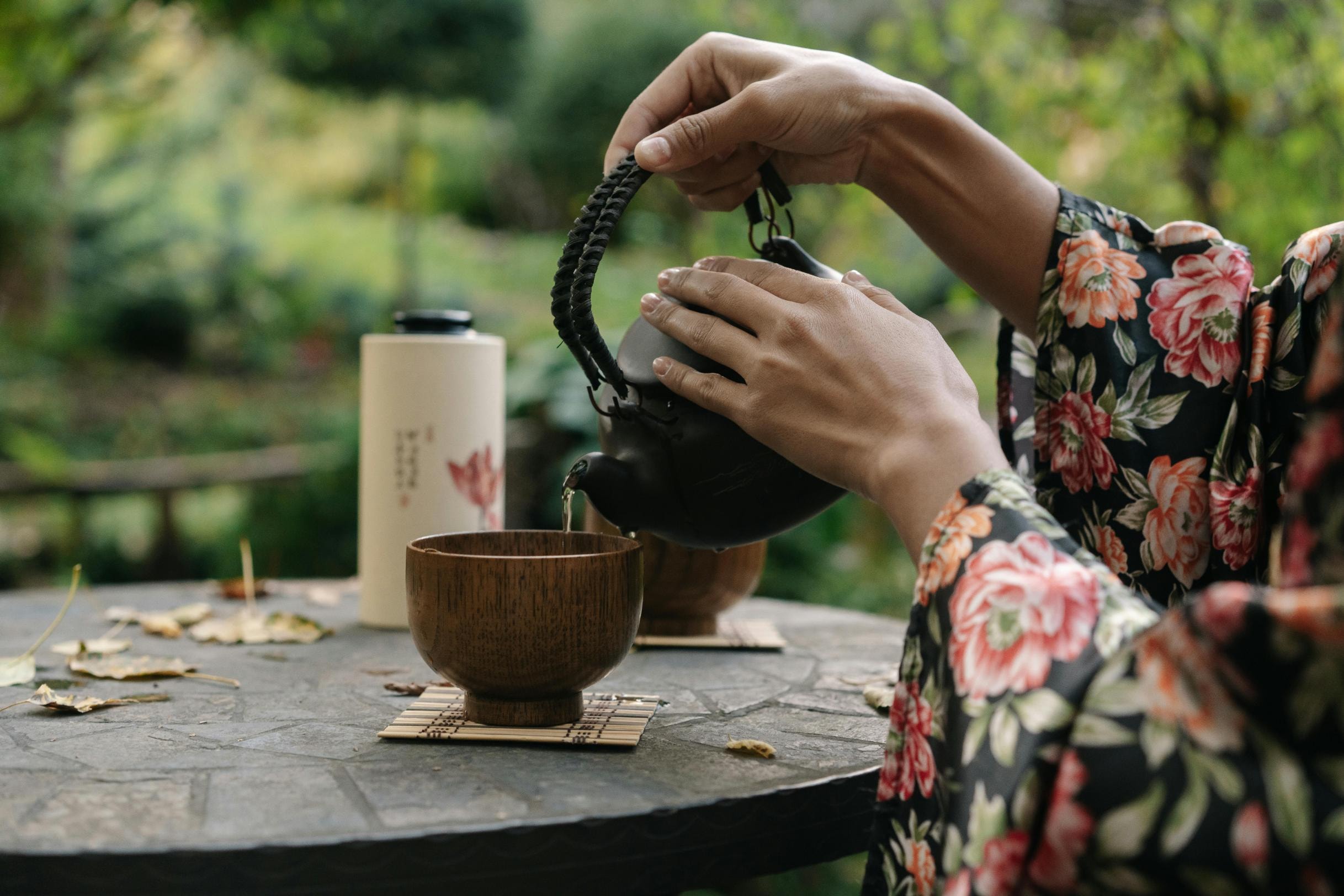
- Look for “Product of Japan” labels, specific region names like Shizuoka or Kyoto, and recent harvest dates to ensure authenticity.
- Buy from trusted specialty shops, Japanese department stores, or reputable online retailers offering a large selection of high quality green tea products.
- Vacuum-sealed packaging and clear origin information ensure freshness and authenticity.
- Many shops offer sales, combo gift boxes, and special deals to help you get the most value for your money. Shipping options often include Canada, Switzerland, and other international destinations, making it easy to enjoy japanese green tea from japan worldwide.
Cultural Significance and Japanese Tea Ceremony
The japanese tea ceremony (chanoyu) embodies harmony, respect, purity, and tranquility, elevating tea drinking into a spiritual tradition. Kyoto, the historic center of tea culture, offers tea houses where you can learn and participate in this elegant ritual. Tea is also integral to daily life and hospitality in Japan, enjoyed during meals, snacks, and social occasions, reflecting a royal tradition of tea appreciation.
Japanese Green Tea’s Influence on Singapore’s Tea Scene
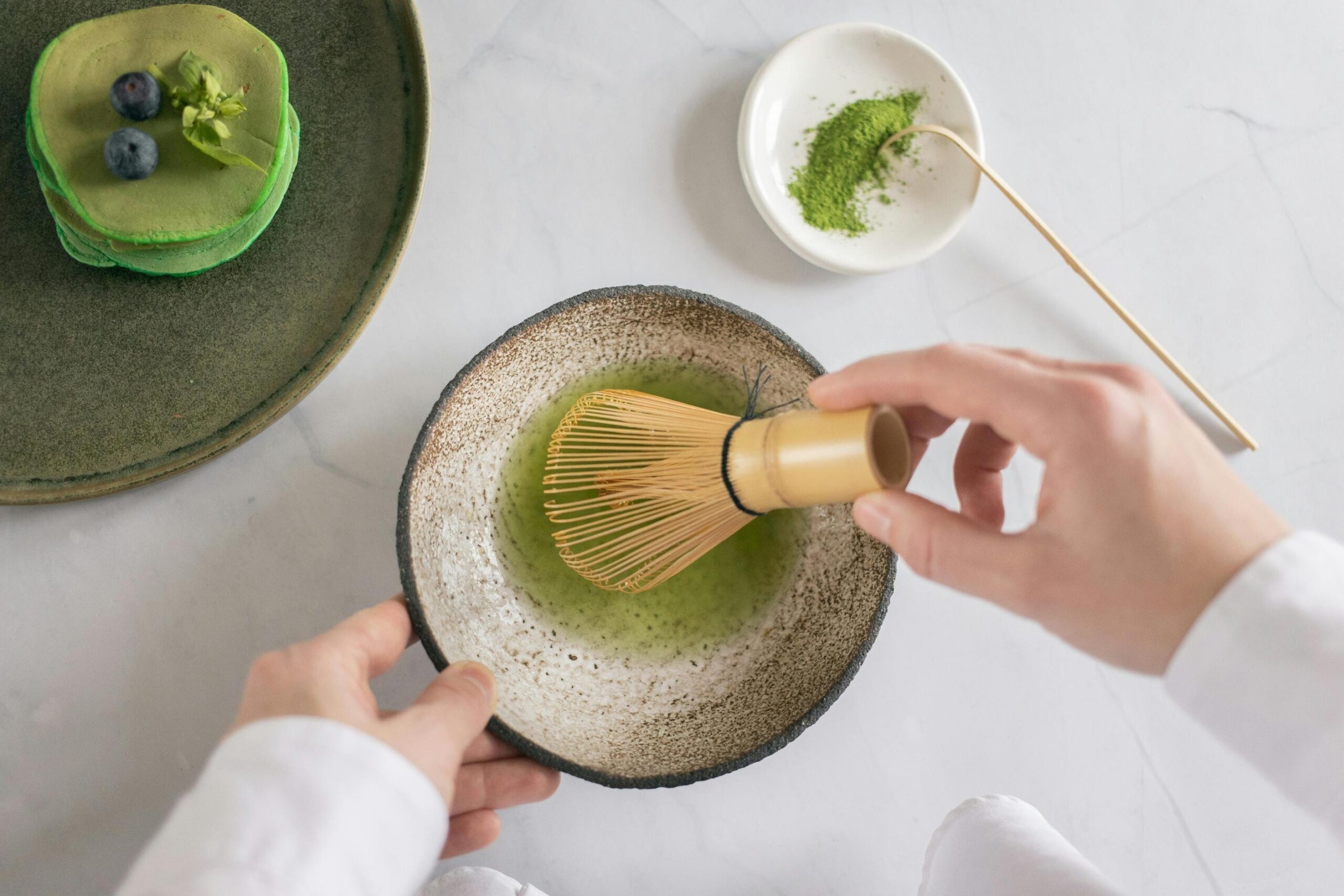
- Singapore’s tea culture has embraced japanese green tea through cafes, tea houses, and cultural centers offering authentic experiences and education.
- The matcha trend has popularized green tea in desserts and drinks, while cold brewing suits the tropical climate.
- Local adaptations blend japanese tea with regional flavors, expanding the enjoyment of japanese green tea and strengthening the expected presence of this tradition.
Practical Storage and Consumption Tips for Tropical Climates
- Store tea in airtight containers with humidity control, ideally refrigerated unopened.
- Buy smaller quantities to maintain freshness, and avoid exposure to light and heat.
- Bring refrigerated tea to room temperature before opening to prevent condensation damage.
Final Recommendations for Your Japanese Green Tea Journey: Enjoy Japanese Tea Every Day
- Start with sencha and genmaicha for everyday enjoyment, then explore premium gyokuro and matcha as your palate develops.
- Consider gift boxes or variety sets to sample a large selection of teas.
- Learn brewing techniques and the cultural traditions behind japanese tea to fully enjoy your experience.
- Trusted shops in Singapore provide new products, sales, and expert advice, making it easy to order authentic japanese green tea from japan and enjoy its rich aroma, health benefits, and unique taste every day.
Your journey into japanese green tea from japan combines centuries of royal tradition with modern enjoyment—sip, savor, and share this remarkable beverage.
Conclusion: Embrace the Excellence of Japanese Green Tea from Japan
Japanese green tea from Japan is more than just a beverage—it is a celebration of centuries-old production techniques, rich cultural traditions, and exceptional quality. Whether you choose the refreshing sencha, the ceremonial matcha, or the comforting hojicha, each cup offers a unique combination of rich aroma, health benefits, and authentic taste that reflects Japan’s dedication to tea craftsmanship. By selecting high quality green tea from trusted shops and mastering proper brewing methods, you can fully enjoy the vibrant flavors and nutrients that make japanese green tea a global favorite. Embrace this tradition daily, explore the diverse varieties, and experience the true essence of japanese tea culture with every sip.
For those interested in matcha, don’t miss our in-depth article, “The Complete Guide to Matcha for Lattes: From Bean to Cup“ which covers everything you need to know to enjoy perfect matcha lattes at home.
The Soul of Tea: Unveiling the Beauty of Traditional Tea Ceremonies
Tea is more than just a drink, isn’t it? It is a quiet moment in the middle of a busy day, a small ritual that grounds us. We are not just drinking tea; we are experiencing something far more profound, a glimpse into the centuries-old traditions of cultures that revere this simple beverage. Whether in…
The Matcha Latte and the Tea It Came From
The matcha latte drink has become one of the most recognizable tea-based beverages in modern cafés. From Starbucks menus to independent tea bars, it is served hot in ceramic mugs or as iced matcha lattes layered in a glass with cold milk and ice. It is marketed as a healthy drink. It is praised for…

We Are Drinking Tea Too Quickly
There is something ironic about rushing tea. We order it to relax. We call it calming. We describe it as grounding. And yet, more often than not, we drink it the same way we drink everything else — between emails, between meetings, between scrolling. Tea has become background noise. A mug beside the laptop. A…

Cuppage Plaza Food Culture Through a Tea Lens
Walk into Cuppage Plaza Singapore and you immediately feel the shift. Just a short walk from Somerset MRT Station, Cuppage Plaza is an accessible destination for food lovers seeking authentic Japanese cuisine. Orchard Road may glitter just outside, but inside this aging building, the mood changes. The corridors are dim. The signboards feel layered with…
Milk Tea Is Not Tea
This is not an argument about preference. It is a question about naming. Milk tea is everywhere now. It travels in oversized cups, sealed with plastic film. It arrives layered with foam, syrup, pearls, jelly, whipped cream. It is photographed before it is tasted. It is queued for. It is branded. It is loved. But…
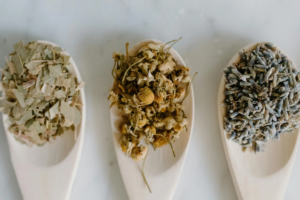
A Journey into Herbal Teas: Exploring Nature’s Finest Infusions
Imagine cupping your hands around a warm mug, inhaling the sweet, floral scent of chamomile tea or the invigorating peppermint tea aroma from the peppermint plant. As you take the first sip, you feel a sense of calm and comfort wash over you. This soothing experience is the magic of herbal teas, a diverse and…
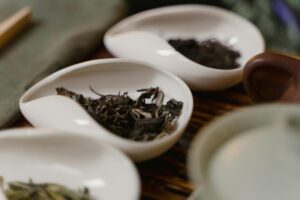
Singapore Tea for Every Palate and Every Ritual
What draws us to seek something deeper in a simple cup of tea? In Singapore, where countless cultures have settled like leaves steeping in warm water, the answer unfolds quietly in the spaces between tradition and modernity. Good tea emerges from patient sourcing, from the steady hands of those who understand its language, from leaves…
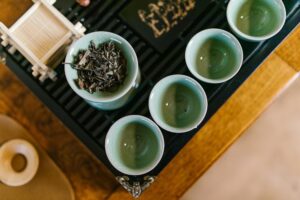
Why Private Room Singapore Spaces Are Perfect for Tea Rituals
In a city that never truly rests, quiet becomes something you have to choose. You feel it when you’re weaving through Orchard Road in the middle of the day, or squeezing past crowds in the Central Business District at lunch hour. The lights are bright, the notifications keep coming, and even when you sit down,…
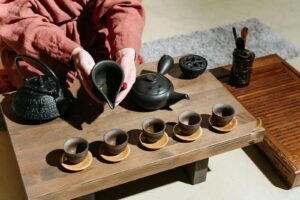
Tea Is Losing Its Ceremony — And We Let It Happen
No one announced it. There was no collective decision, no moment of cultural shift. And yet, the ceremony has quietly receded from everyday tea. What was once deliberate has become automatic. Tea used to require attention. Water temperature mattered. Leaves were measured with care. The cup was chosen, not grabbed. Even in the absence of…
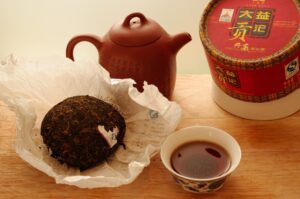
The Art of Aging: Understanding Authentic Yunnan Pu-erh Tea
Among the world’s most revered fermented dark teas, few types evoke as much intrigue and respect as Yunnan pu erh tea (普洱). Crafted from ancient tea trees in Yunnan province, this tea produced by traditional methods is a living testament to China’s rich beverage heritage. Unlike most loose leaf tea or black teas, high-quality pu…