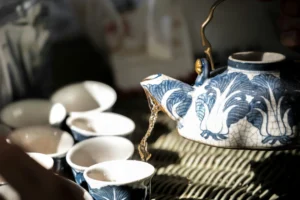
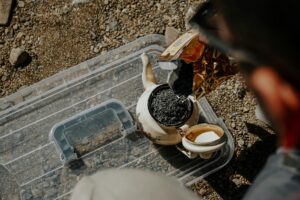
My grandmother kept her camellia tea in a battered tin that had once held biscuits.
She never called it anything fancy. It was just cha, brewed strong in the mornings using fresh tea leaves from the tea plant, poured into small cups that had lost their matching saucers years ago. I didn't know then that those leaves came from a single, remarkable species: Camellia sinensis. I only knew that the smell of them meant the day had properly begun.
It took me years to understand what I'd been drinking. That the green tea in a Kyoto cup, the black tea steeped in a London kitchen, and my grandmother's morning brew all traced back to the same plant. One plant. One quiet, generous leaf.
This is the story of that evergreen shrub, the camellia sinensis, and the legacy it carries in modern tea culture.
What We Really Mean by Camellia Sinensis and Different Types of Tea Leaves

When people say camellia tea, they’re pointing at something more specific than they might realize.
True tea, the kind that has shaped tea culture and crossed oceans, comes from one species: Camellia sinensis. This tea plant is cultivated worldwide, from the tea plantations of China and India to East Africa, Taiwan, and Japan. Various types of tea, green tea, black tea, white tea, oolong tea, pu erh, and yellow tea, all begin as buds and young leaves harvested from this same plant.
Everything else we call tea, like chamomile or peppermint, is technically an infusion, made from other plants such as the tea tree, and not from camellia sinensis.
That quiet fact reframes everything. The astonishing variety of the world’s most popular teas doesn’t come from many plants. It comes from one, treated differently through processes like oxidation, fermentation, and roasting.
One Plant, Many Lives: The Oxidation Process and Making Tea with Camellia Sinensis Varieties

Here is the part that still amazes me.
Take the fresh leaves and buds from camellia sinensis var. sinensis or camellia sinensis var. assamica, and what you end up with depends almost entirely on what happens after they’re picked and how they are treated during the oxidation process.
The difference between a delicate white tea and a full-bodied, roasted pu erh isn’t the plant. It’s the craft of making tea.
The Gentle End: White Tea and Green Tea
White tea is the lightest of the different teas, made from the youngest buds and whole leaves, barely treated and only lightly oxidized. Its aroma is sweet and floral, like the first pale hour of spring bloom.
Green tea is next. Its fresh leaves are heated early by steaming or pan-firing to halt oxidation, preserving the leaf’s natural green color and fresh flavor. This process keeps green tea light and sweet, with more caffeine and more flavour than many expect.
The Middle Ground: Oolong Tea and Yellow Tea
Oolong tea is partially oxidized, ranging from 20% to 80%, creating a spectrum of floral, roasted, or sweet flavors. It’s a tea that rewards patient craftsmanship, with leaves often rolled or bruised to encourage a controlled oxidation process.
Yellow tea, rarer and cultivated mostly in China, is prepared with a unique resting process that allows oxidation without oxygen, giving it a mellow, sweet infusion.
The Deeper End: Black Tea and Pu Erh
Black tea is fully oxidized, producing a rich, malty drink with a full-bodied aroma. It’s the tea many recognize as the classic brew, often prepared with whole leaves or, in modern tea culture, conveniently in tea bags.
Pu erh tea stands apart, undergoing fermentation and aging over years. This tea’s flavor deepens with time, much like fine wine, offering a unique taste that reflects its growing conditions and meticulous preparation.
A Legacy Carried Across Centuries: The Story of Camellia Sinensis Varieties and Robert Fortune

Tea history begins, by most accounts, in ancient China, where the tea plant was first cultivated and revered. Chinese tea culture blossomed around this evergreen shrub, whose small white flowers bloom with delicate petals.
The species Camellia sinensis has two main varieties: camellia sinensis var. sinensis, native to China and Japan, and camellia sinensis var. assamica, found in India and East Africa. These varieties thrive under different growing conditions, influencing the flavor and caffeine content of the tea leaves harvested.
In 1848, Robert Fortune, a Scottish botanist and plant hunter, famously smuggled tea plants and skilled workers from China to India to establish tea plantations in British colonies. This act helped spread tea cultivation worldwide, shaping the modern tea culture we know today.
Why the Land and the Hands Matter in Brewing Tea Leaves
If one plant makes all these different teas, why do two green teas taste so different? The answer lies in terroir, the unique growing conditions such as altitude, soil, and climate, and in the craftsmanship behind harvesting and processing.
Tea plants are often pruned to waist height to make harvesting easier, allowing pickers to gather fresh leaves without excessive bending or sitting. The timing of the pluck, whether only the buds and two young leaves or older leaves are taken, impacts the flavor and caffeine content.
Brewing tea is an art in itself. Whether using whole leaves or tea bags, the water temperature, steeping time, and even the vessel affect the infusion’s aroma and taste. For example, green and white teas prefer water at 80°C to 85°C and steeping for 2 to 3 minutes, while black tea and pu erh require hotter water and longer steeping.
The Meaning We Pour Into a Cup: Camellia Tea in Modern Tea Culture

Tea has never really been only about quenching thirst.
In many cultures, tea is a popular drink symbolizing hospitality, respect, and mindfulness. It’s the cup poured for guests, the ritual to start the day, and the quiet moment shared between friends.
Modern tea culture embraces this legacy while innovating with new blends and brewing methods. From the traditional Chinese tea ceremonies to contemporary tea bars, camellia tea remains a bridge between past and present.
My grandmother never spoke about any of this. She just made the tea, every morning, in her biscuit tin and her mismatched cups. But I understand now that she was passing something down—not just a drink, but a way of beginning the day with care.
Why Camellia Tea Still Matters in a World of Fast Drinks

We live surrounded by beverages engineered for speed and novelty. Against all that noise, camellia tea remains quietly enduring.
In a single cup, there is botany and history, geography and craft, culture and memory. The tea leaf connects the person drinking it to countless others across centuries and continents.
To drink tea with awareness is to hold all of that for a moment. To taste not just flavor, but a legacy. The flower on the tea plant, the leaf carefully harvested and treated, the long human story that brought it to your cup. None of it demands ceremony. You don’t need the right pot or the perfect leaf to begin. You only need to slow down enough to notice what you’re holding.
So the next time you reach for a cup, whether it’s a fragrant green tea, a mellow oolong, or a strong black tea to start the morning, let yourself pause.
Consider where those tea leaves came from, the growing conditions, and the hands that shaped them. Seek out the finest teas made with care, from people who honor the craft. Let the drink be more than a habit.

The Simplicity of Tea: Finding Joy in the Uncomplicated
Tea seems simple, doesn’t it? Water. Leaves. A cup. Yet we’ve turned this quiet ritual into something complicated. The perfect temperature, the right teapot, the precise timing. But is it really necessary? Tea, at its core, was never meant to be complicated. In the beginning, it was an uncomplicated drink shared between friends, brewed over…

Tea Chapter Singapore: A Tranquil Tea House in Chinatown
When it comes to tea in Singapore, there’s something special about stepping into a place like Tea Chapter Singapore. Tucked away in the heart of Chinatown, this tea house isn’t just about offering a wide selection of teas. It’s about the experience, the atmosphere, and the chance to disconnect from the fast pace of the…
-
Why Tea People Secretly Judge Your Tea Bags
There is a moment every tea drinker recognizes. You visit someone’s home, they kindly offer you tea, and you happily say yes. The kettle begins to boil. A cupboard opens. And then it happens. A tea bag appears. Now, there is nothing wrong with tea bags. They are convenient and often exactly what someone wants…
-
The Finest High Tea Singapore: An Exploration of Elegant Afternoon Delights
Picture this: a gleaming three-tiered stand arrives at your table, laden with delicate finger sandwiches, freshly baked scones served with clotted cream, and artful delicate pastries. The gentle clink of fine china accompanies the pouring of a perfectly brewed pot of TWG Tea or Bacha Coffee. This is the enduring magic of high tea, a…

The Quiet Patience That Tea Teaches
Tea does not rush. Water must be heated. Leaves must open. Flavour slowly reveals itself in the cup. None of these things happen instantly. Perhaps this is why tea has always felt slightly different from other drinks. It asks for patience. Not loudly, but quietly. The tea will be ready when it is ready. For…
-
A Guide to the Best Tea Singapore Has to Offer
Introduction In a city known for its vibrant food culture, tea quietly holds its own place among Singapore’s favourite indulgences. While coffee often dominates cafe conversations, many tea lovers know that the search for the best tea Singapore offers leads to a surprisingly diverse world of flavours, traditions, and carefully crafted blends. Across the city,…
-
A Tea Lover’s Guide to the Best Japanese Restaurant Singapore Dining Experiences
Searching for the best Japanese restaurant Singapore offers usually leads people toward sushi counters, omakase menus, or beautifully plated sashimi. Those elements certainly define much of the appeal of Japanese cuisine, but anyone who has spent time dining in Japan knows that the experience rarely ends with the food alone. Tea quietly accompanies the meal….

Why Tea Conversations Always Last Longer Than Expected
There is a small pattern I have started to notice about tea. Whenever tea is involved, conversations tend to last longer than planned. Someone says they will only stay for a short while. A kettle is placed on the stove. Tea is poured into a few cups, and suddenly the conversation begins to stretch in…
-
White Tea: The Most Delicate Expression of Chinese Tea
Introduction Among the many tea types that have emerged from centuries of tea cultivation, white tea often stands apart for its quiet character. It is light in colour, gentle in aroma, and remarkably simple in its making. Yet behind this softness lies a long tradition of craftsmanship that has shaped some of the most refined…
-
The Quiet Discipline of Brewing Tea
There is a quiet discipline that lives inside the act of brewing tea. It is not something that announces itself loudly. There are no strict rules written on the wall, no visible signs that something significant is taking place. From the outside, the process appears simple enough. Water is heated. Leaves are placed into a…