Imagine standing amidst a sea of emerald green on the island of Sri Lanka, where manicured tea bushes climb rolling hills and disappear into a cool, persistent mist. This is the world of Ceylon high grown tea, centred in Nuwara Eliya – a region characterized by bright sunshine in the morning and cool, misty nights.
Here, some of the best tea in the world is cultivated, celebrated for a unique taste, delicate aroma, and refreshing infusion. While Ceylon tea is synonymous with quality across the globe, Nuwara Eliya stands out. Known as “Little England” for its historic colonial charm and moderate climate, it’s the origin of pure Ceylon black tea with a bright, crisp flavour profile that’s both warming and invigorating.
Discover why high grown tea from Nuwara Eliya commands such respect, and why every sip of this high-altitude tea is a journey through tradition, terrain, and taste.
Ceylon High Grown Tea: The "Champagne" of High Grown Excellence
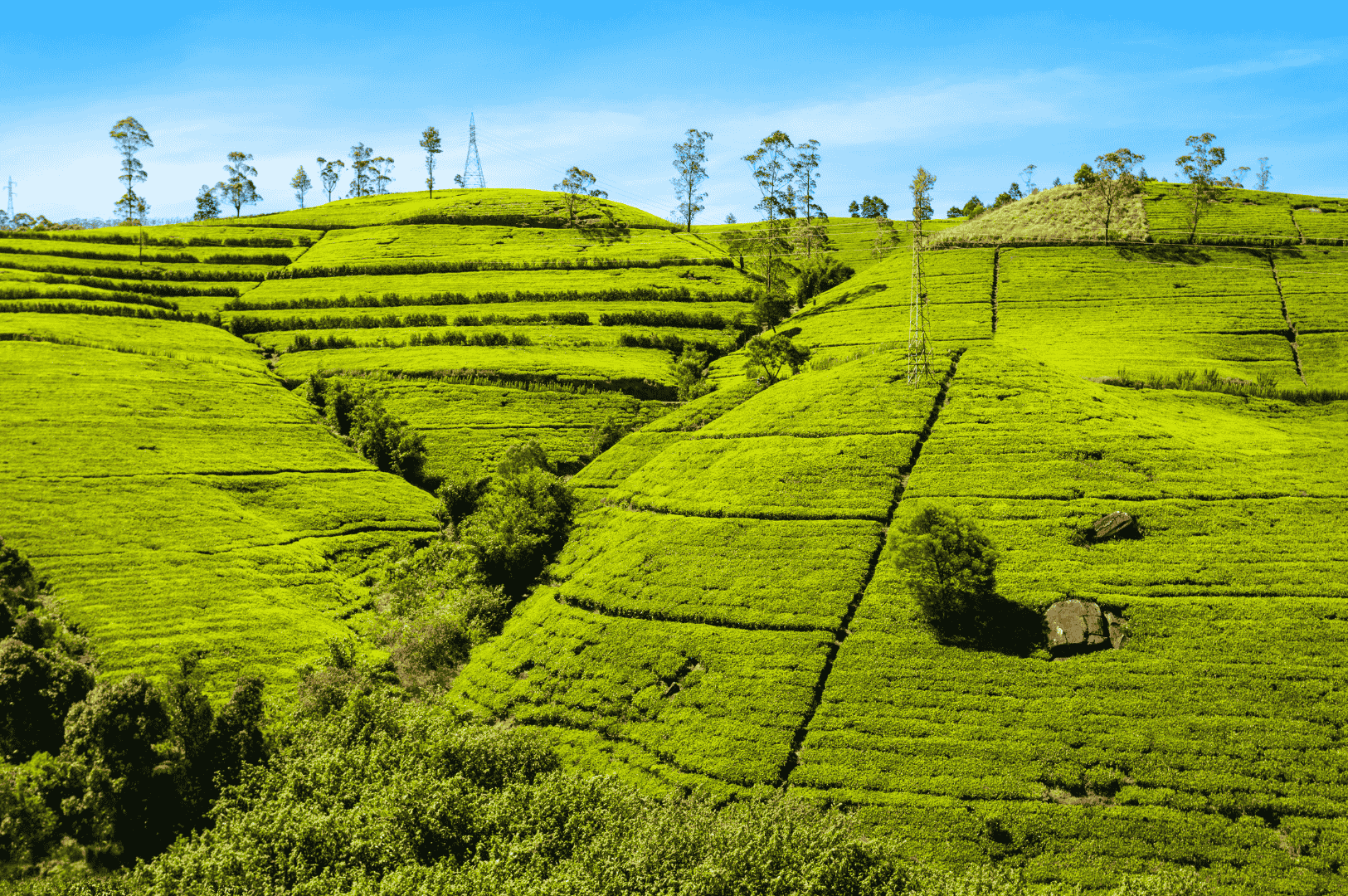
Ceylon high grown tea, often called the "Champagne" of Sri Lankan teas, is crafted at majestic altitudes of 5,000 to 6,200 feet above sea level. This elevation slows the growth of tea leaves, ensuring concentrated flavour, delicate aroma, and a refreshing cup.
Unlike mid grown tea produced at lower altitudes, high grown Ceylon teas from Nuwara Eliya are prized for their light, brisk character. Compared to regions such as Dimbula and Uva, which each offer their own variations, Nuwara Eliya’s cup is unmistakably bright and floral—making it a favourite tea for purists worldwide.
The rarity of these high-grown leaves, combined with the unique growing conditions, means these teas are quickly sold at premium prices, making them a must-have for those seeking the perfect cup of pure Ceylon.
Ceylon Tea and Black Tea: A Journey Through History
The heritage of Ceylon tea in Nuwara Eliya begins with a story of transformation. In the mid-19th century, Sri Lanka was best known for its coffee plantations—until disease devastated those crops. British planters, seeking new business opportunities, introduced the tea plant (Camellia sinensis) to the hills of Nuwara Eliya. This unique region proved ideal for tea production, and soon, the area was divided among plantations producing both green tea and black tea.
Scottish planter James Taylor, working under the Sri Lanka Tea Board, laid the groundwork for the modern Ceylon tea industry, and the culture of tea drinking quickly took root. As more pure Ceylon black tea was cultivated, shipped, and enjoyed from Singapore to London, the reputation of the region as a source of the best tea was firmly established.
The Terroir of Pure Ceylon High Grown Tea
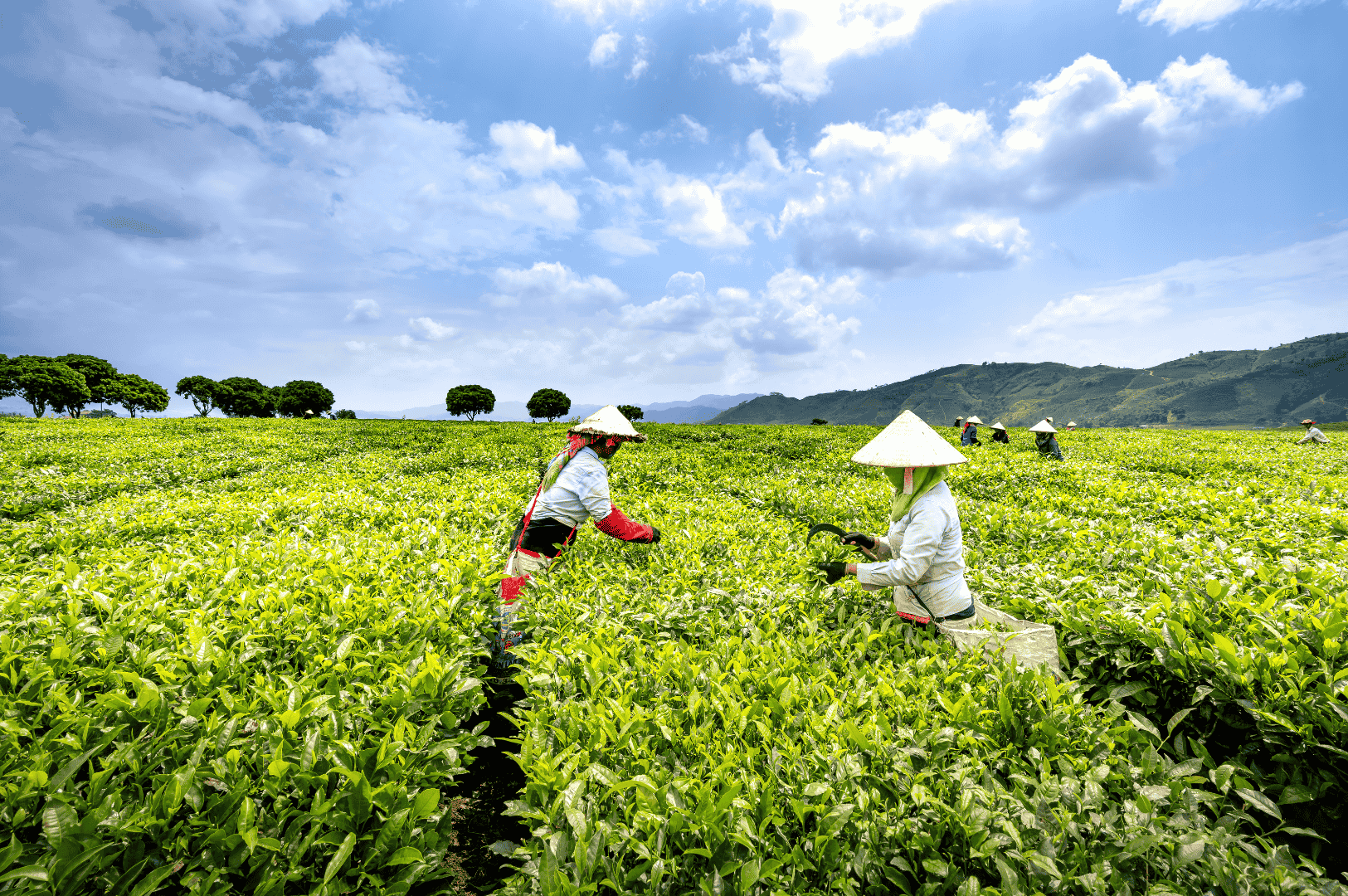
What gives Ceylon high grown tea its unique charm? It’s the terroir of Nuwara Eliya—rolling mists, frequent rain, and cool nights unique to high grown hills. Monsoon rainfall and mineral-rich reddish soils add distinct colour and richness to the leaves.
This environment yields tea with a bright liquor, gentle sweetness, and subtle, fragrant aroma. Pure Ceylon high grown tea has no additives, preserving natural flavors that make it a favorite tea worldwide. The altitude and microclimate slow growth, concentrating flavour—making every cup of Nuwara Eliya tea a full sensory experience.
Seasonal Variations: Ceylon Black Tea and Mid Grown Tea Contrasts
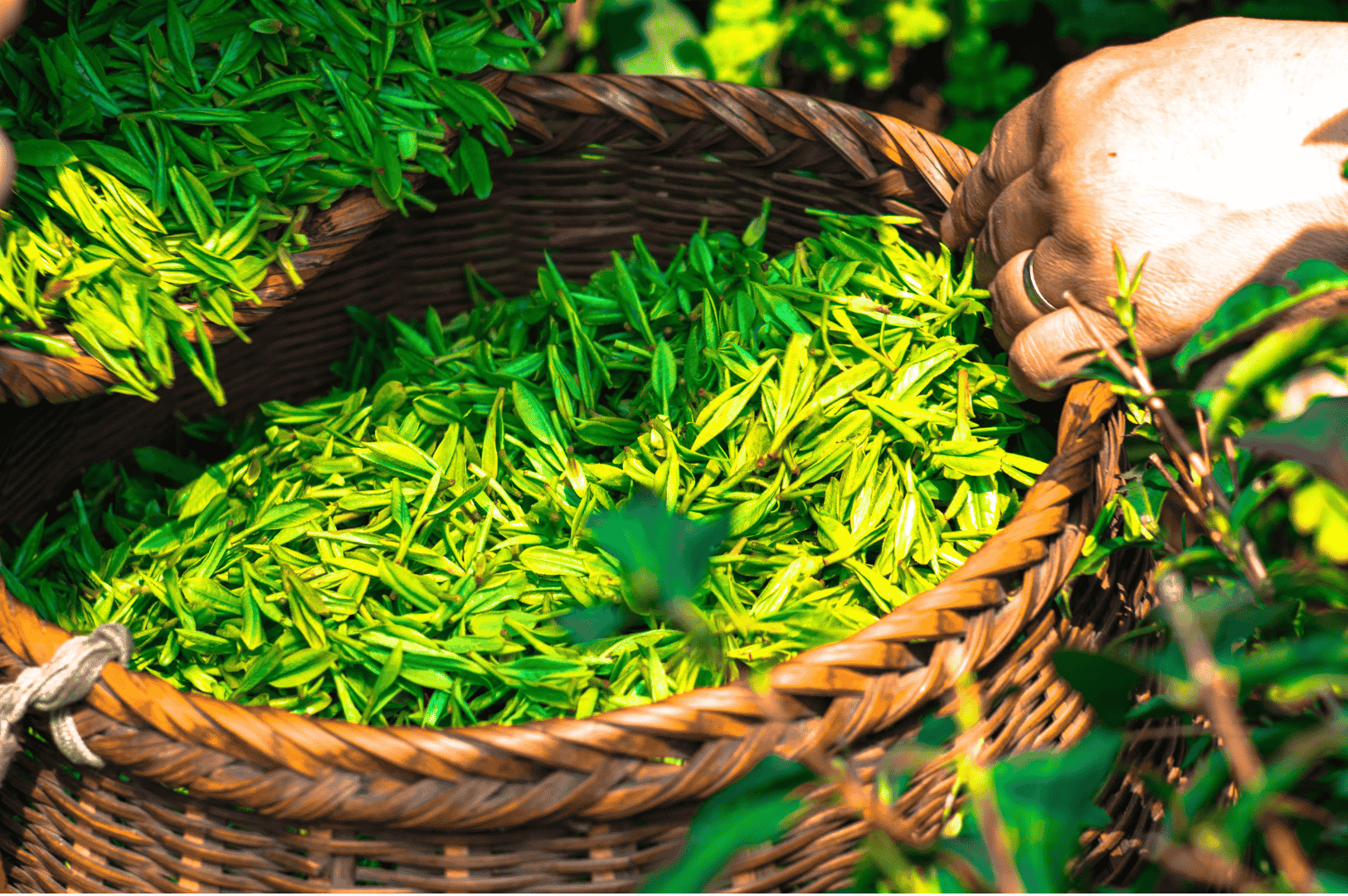
A distinctive feature of Ceylon high grown tea is how it evolves with the seasons. The Western Quality Season (January to March) is iconic for the dry, bright conditions that create the most delicate aroma and vivid cup. Expect tea leaves from this period to yield pale infusions with pronounced floral and citrus notes—ideal for those seeking pure Ceylon at its lightest and most elegant.
The Eastern Quality Season (July–September), in contrast, brings increased body and a coppery hue, closer to what you might find in a mid grown tea.
These variations are both prized and reflect the natural rhythm of life in the hills, giving tea drinkers the opportunity to sample different forms and flavours across the year in every cup.
Signature Flavor Profile: Pure Ceylon Black Tea and the Perfect Cup

An authentic cup of Nuwara Eliya ceylon high grown tea is as much a feast for the nose as for the palate. Each cup or tea bag is designed for one person, allowing for individual enjoyment and the perfect serving size.
The bright, clear infusion—often a pale golden-straw colour—signals purity and freshness. The delicate aroma blends notes of jasmine, mint, and sometimes even cypress, mingled with a faint hint of cinnamon or sweet spice. When you sip, the taste is clean, brisk, and lively—never overwhelming.
The astringency is gentle, bringing refreshment without dryness, and the body is light and elegant. The overall flavour is layered and complex, leaving a lingering, sweet aftertaste that marks Ceylon black tea as one of the best teas to complement any meal or moment of enjoyment.
Similar to Ceylon tea, matcha also offers a vibrant, invigorating infusion with a light body and elegant flavor, making it a popular choice for tea aficionados.
From Garden to Cup: Processing Ceylon High Grown Tea
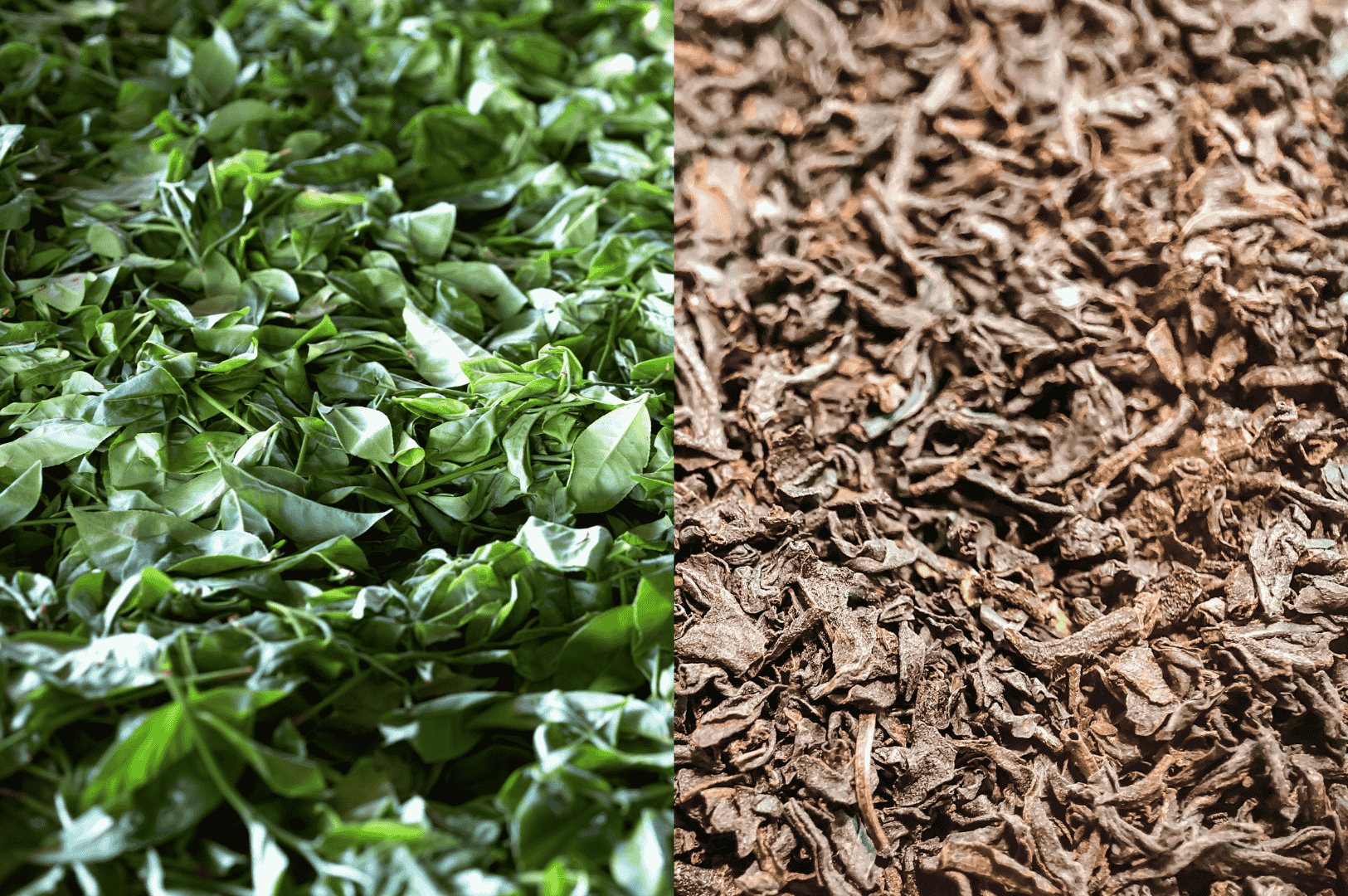
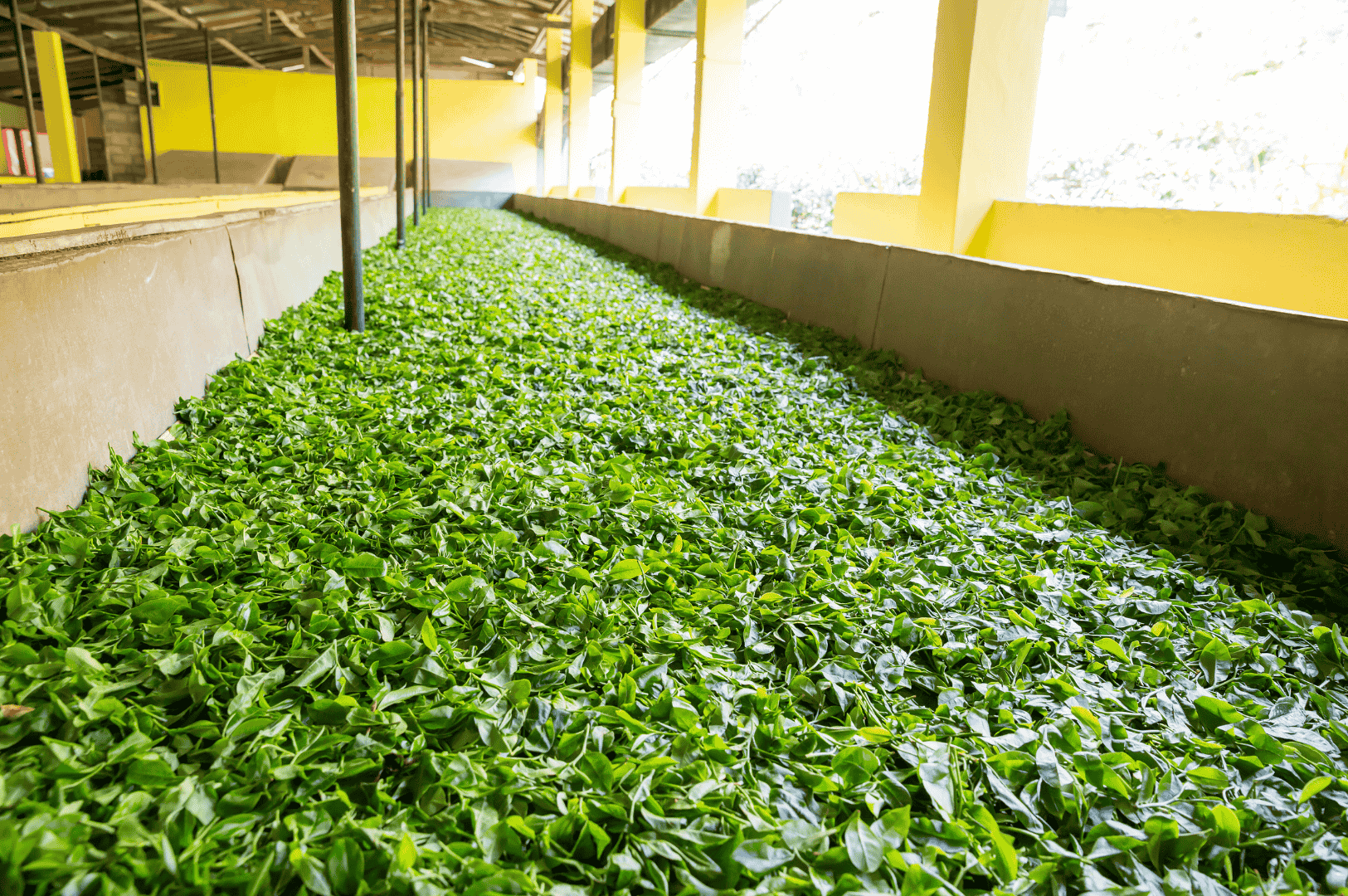
The production methods behind ceylon high grown tea are rooted in the traditional orthodox process. Once the leaves are plucked, withering begins—crucial to concentrate flavour and prepare for gentle rolling that shapes and aerates each leaf.
Controlled oxidation (the transformation that turns green tea into black tea) is kept brief, protecting the delicate aroma and high grown characteristics unique to Nuwara Eliya. The leaves are fired at precise temperatures, often at night when the air is coolest, ensuring each batch is packed with natural fragrance and taste.
This careful craft, managed under the watchful eye of skilled workers and the framework laid by the Sri Lanka Tea Board, preserves the essence of high grown tea in every cup poured from the pot.
Grading Ceylon High Grown Tea: Choosing the Best Tea
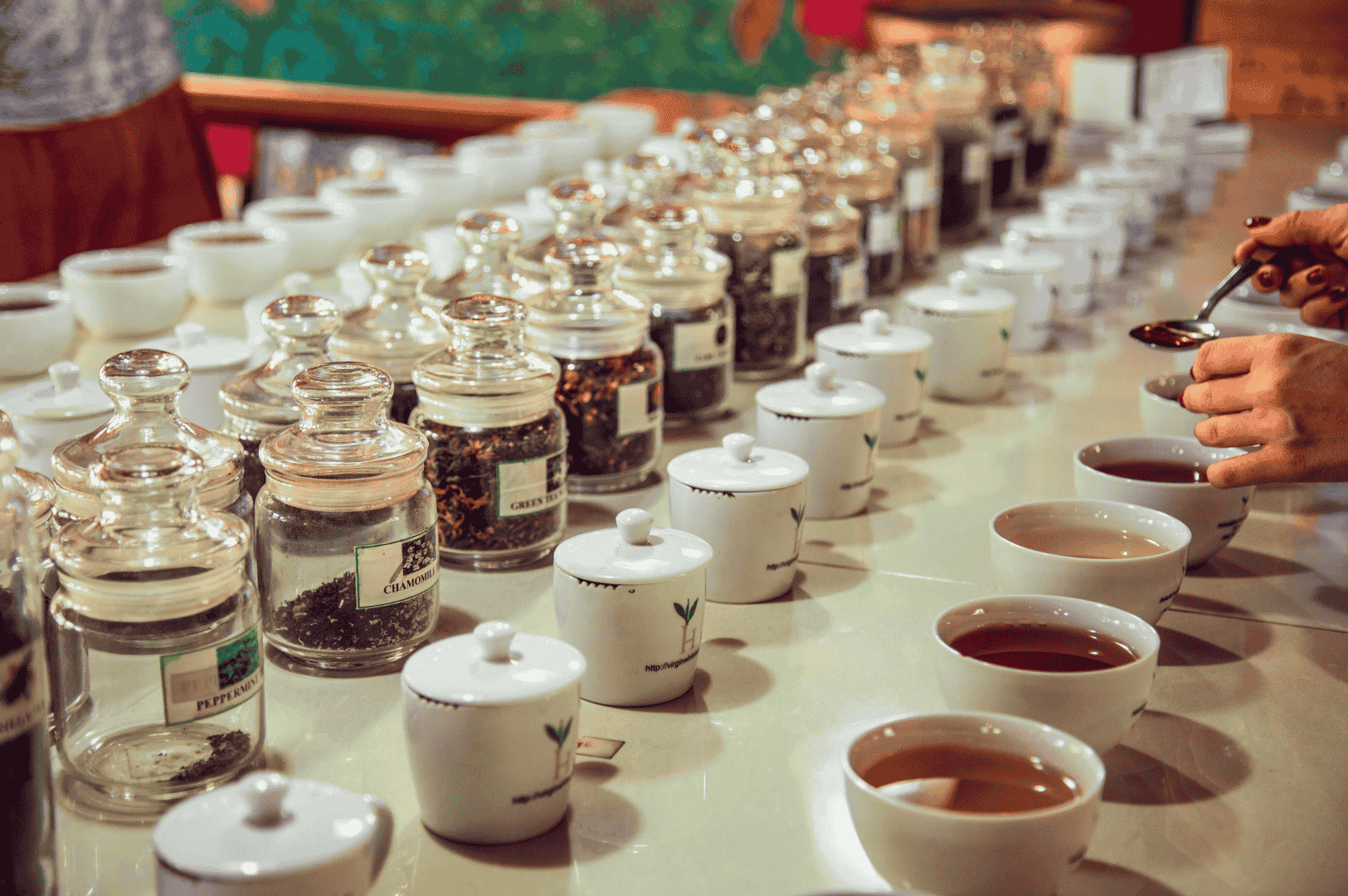
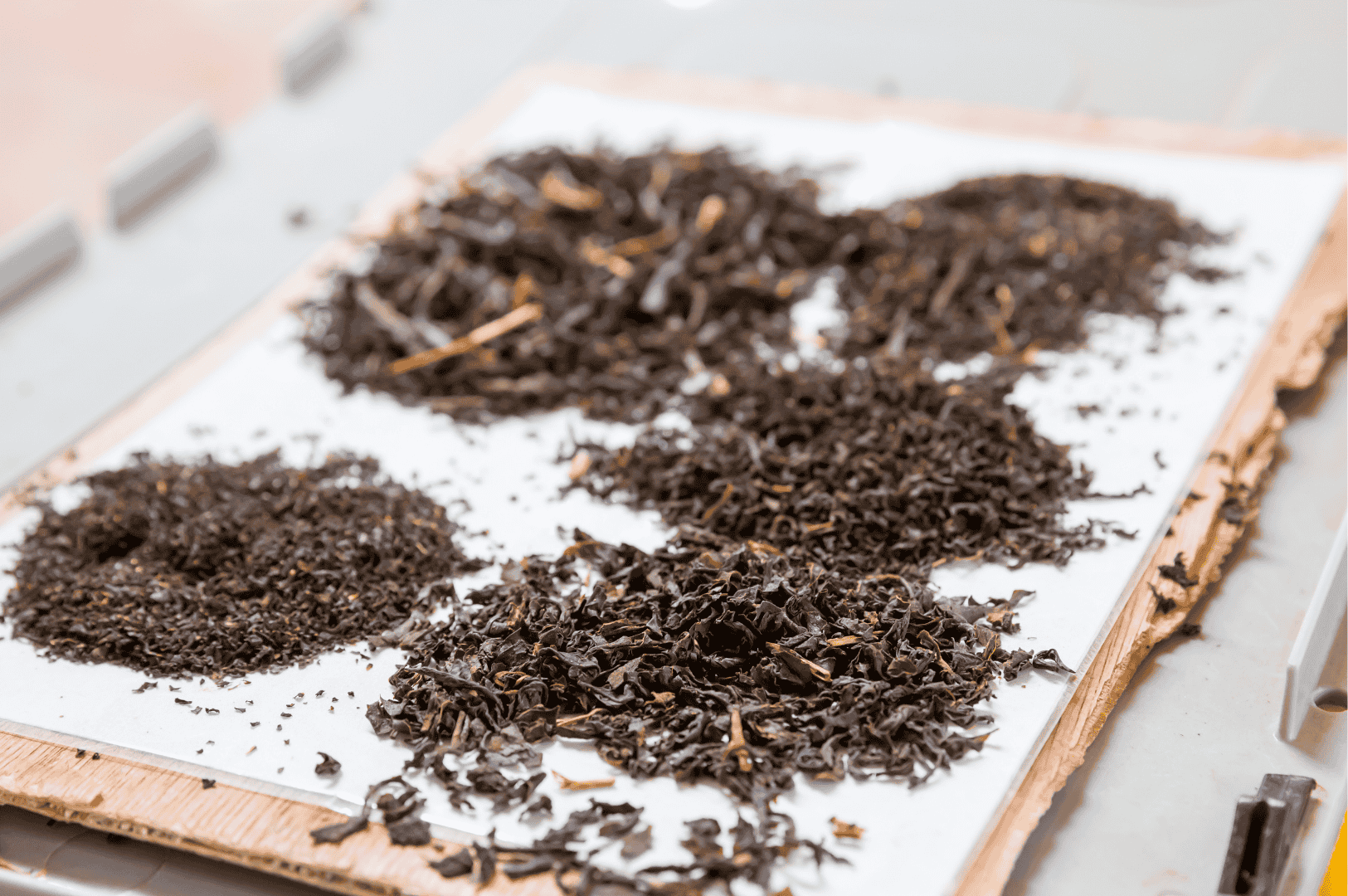
Ceylon teas are carefully graded by the Orange Pekoe system, a sign of quality and pride. In Nuwara Eliya, FBOP (Flowery Broken Orange Pekoe) is a popular choice, boasting an aromatic and robust character with delicate tips. BOP (Broken Orange Pekoe) offers a darker, richer brew ideal as a morning milk tea, while OP (Orange Pekoe) appeals to those who enjoy a lighter, elegant cup.
Each grade reflects a variation in leaf size and appearance, but all share the pure ceylon hallmarks: clarity, floral notes, and a bright finish. For consumers, looking for the iconic lion logo is a reliable sign of pure ceylon black tea that has been cultivated, processed, and packed under strict standards.
In the world of fine teas, Longjing Dragon Well shares similar historical significance to Ceylon tea in terms of cultural importance and flavour nuances. Learn more about the Origins of China Longjing Dragon Well Tea.
Pairing Possibilities: Ceylon Black Tea for the Best Tea Experience
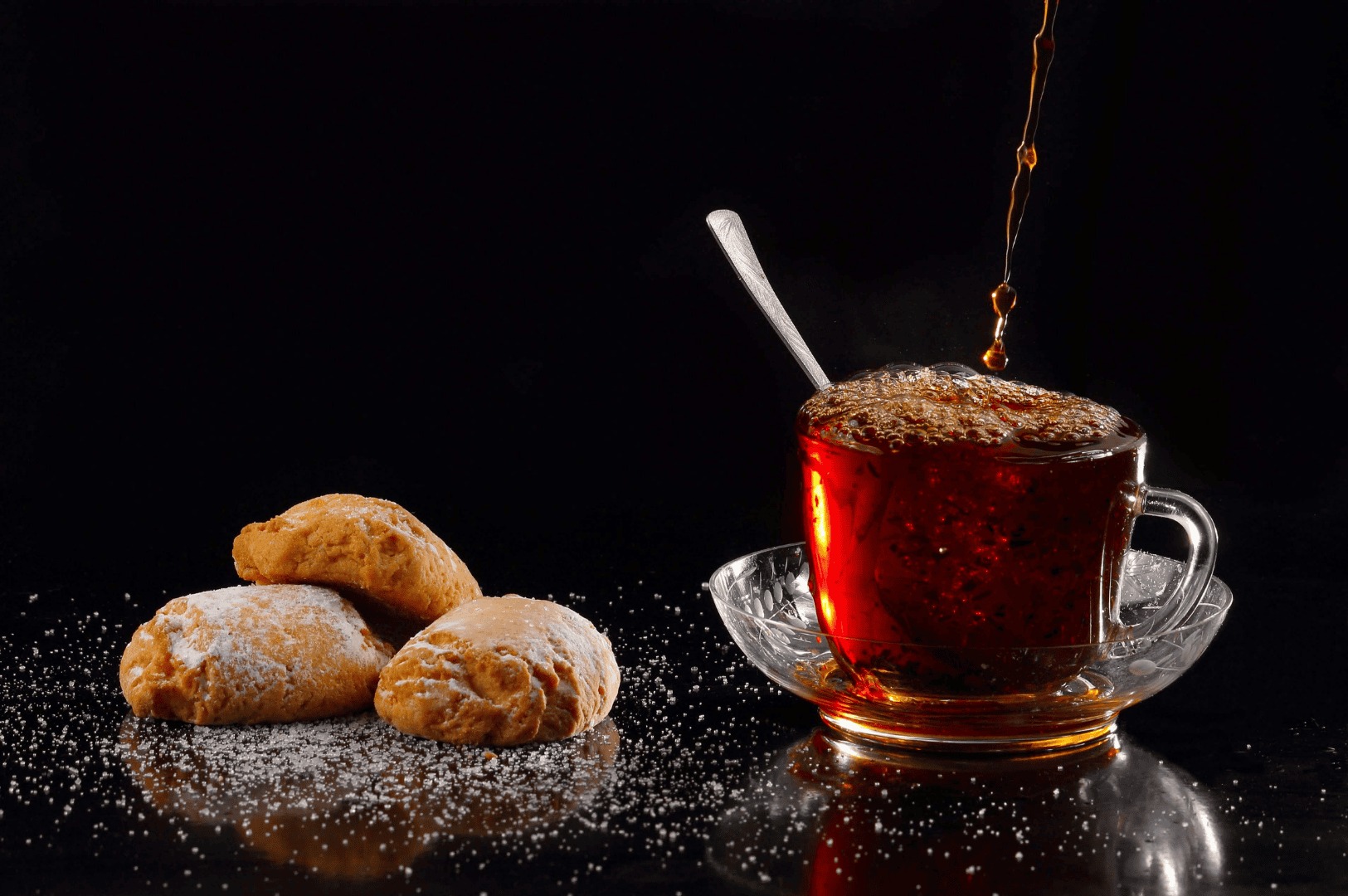
Ceylon high grown tea’s light body and unique taste pair effortlessly with a variety of foods. For a Sri Lankan experience, enjoy it with savoury pastries like patties or string hoppers. Western preferences favour cucumber sandwiches, poached salmon, or fine cheeses, each complemented by the tea's brisk infusion.
Dessert pairings—such as fruit tarts or vanilla shortbread—highlight the tea’s sweetness and bright profile. The versatility of ceylon black tea ensures that, whether in a Singapore restaurant or a London café, every mug or cup serves as a centrepiece for refined enjoyment.
Notable Ceylon Tea Estates: Icons of High Grown Tea
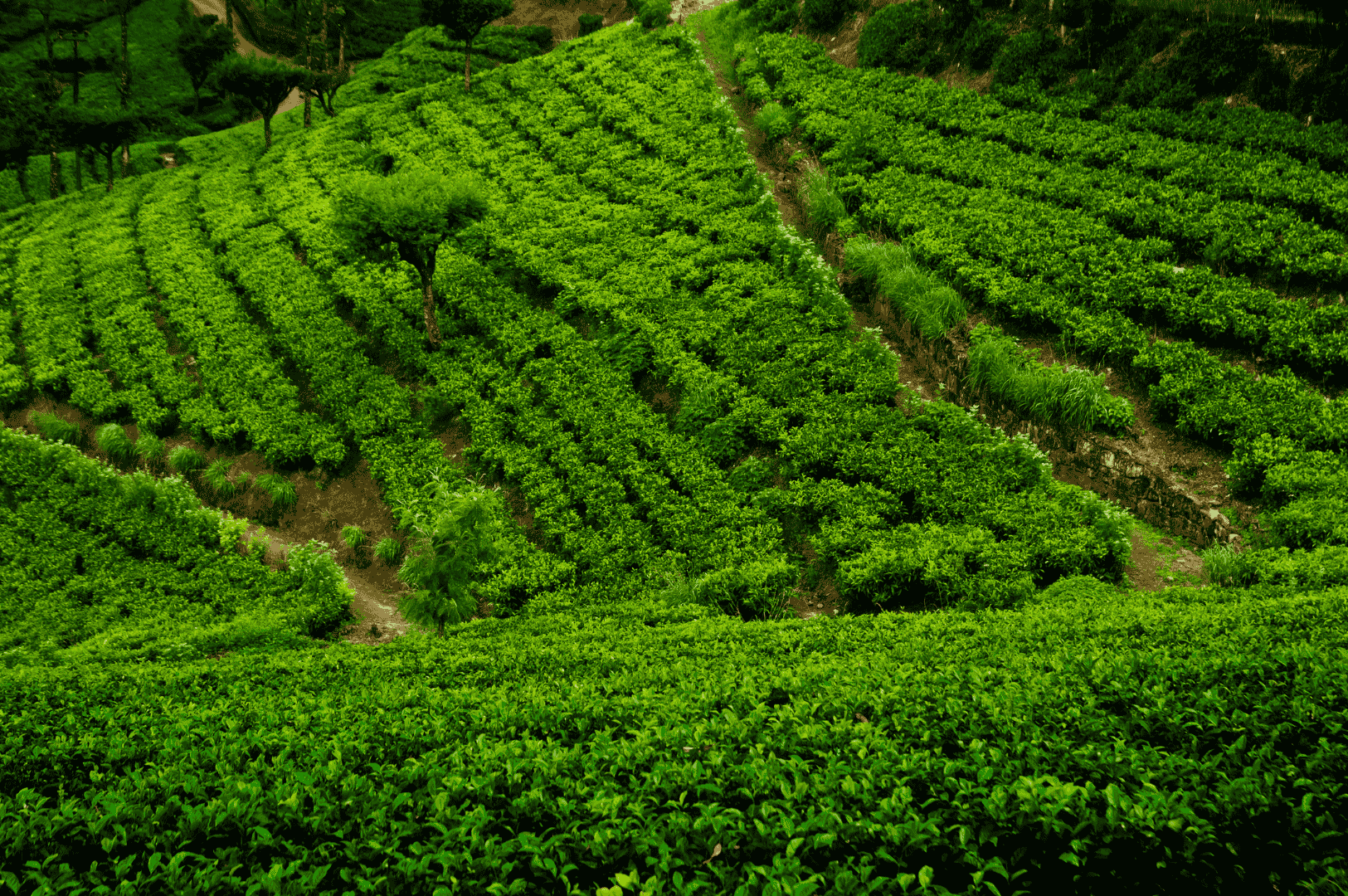
Nuwara Eliya is synonymous with iconic high grown tea estates.
- The Pedro Tea Estate, standing as one of the highest and oldest, is famous for its clear, light teas and night-time processing that locks in flavour and aroma.
- Lover’s Leap Estate, with its fragrant, brisk infusions, is beloved by connoisseurs and often sold as a premium example of pure ceylon.
- Mahagastotte Estate, another historic producer, is renowned for its steady supply of classic teas packed with freshness and quality.
Many of these estates now offer their teas for purchase globally, allowing singapore residents and tea lovers around the world to bring a taste of Nuwara Eliya’s hills to their own home.
Sustainability and Modern Challenges for Ceylon High Grown Tea and Pure Ceylon
Today, the business of ceylon high grown tea faces key modern challenges. As weather patterns shift across the country, climate change impacts the consistency and quantity of tea produced, particularly at high altitude.
In response, estates are investing in sustainability: reforesting hills, managing water resources, and seeking certifications for fair labor practices. Initiatives approved by the Sri Lanka Tea Board and ethical businesses help ensure that tea workers are supported and that traditions endure.
The Sri Lanka Tea Research Institute plays a crucial role in developing sustainable tea farming practices, contributing to the conservation of the tea-growing environment.
Conclusion
Ceylon high grown tea from Nuwara Eliya captures what makes Sri Lanka an enduring force in the world of tea—a balance of nature, tradition, and human ingenuity. Every delicate sip is a testament to the unique altitude, flavour, and craftsmanship of the region.
As pure ceylon black tea continues to be consumed and celebrated from the hills of its origin to mugs around the world, it remains the perfect complement to any meal, conversation, or moment of enjoyment. Whether purchased for an everyday cup or a special occasion, this tea stands apart as one of the best, a bright, refreshing infusion to be enjoyed and remembered.

“Detox Tea” Is Mostly Marketing: Here’s What Tea Actually Does
I have always found the phrase “detox tea” a little strange. Not because I dislike tea. Quite the opposite. Tea has been part of my daily life for years. I love the quiet ritual of choosing leaves, waiting for the water, and taking a moment to slow down. But somewhere along the way, tea became…
-
The Tea House That Time Did Not Forget: Tea Chapter Trading Pte Ltd
I almost walked past it. Located at Nine Neil Road, Tea Chapter Trading Pte Ltd sits quietly, a three-storey shophouse just across from Maxwell MRT in Singapore, its restored facade catching afternoon light. Around it, Chinatown moves at its usual pace. Inside, something slower has been happening since October 1989. I stepped in on a…
-
Expensive Tea Doesn’t Guarantee a Better Cup, Here’s Why
There is a belief in tea that we rarely question. If something costs more, it must be better. It is an understandable assumption. A rare tea from a respected region, carefully harvested and beautifully packaged, naturally creates expectations. We associate price with effort, craftsmanship, and quality. And often, that connection is justified. But not always….
-
SUN with MOON Singapore at Wheelock Place: A Unique Tea Dining Cafe Experience on Orchard Road
The lunch crowd had gone. Dinner hadn’t arrived yet. I came in during that strange, in-between hour, a little after three on a weekday, when the escalators at Wheelock Place hum quietly and Orchard Road feels almost gentle. Most people were still at their desks. I wasn’t. I wanted tea, and I wanted to sit…
-
Cold Brew Tea Is Underrated (And Hot Purists Are Missing Out)
I used to think tea had to be hot. There was something about the ritual of it. Boiling water, warming the pot, watching the leaves open. A proper cup of tea seemed to require steam. Then I tried cold brew tea, and I had to admit something slightly uncomfortable. I liked it. More than I…
-
All Things Delicious Review: The Quiet Pleasure of Tea and Cake.
There’s a particular kind of afternoon that asks for tea, and All Things Delicious answers it with a quiet, comforting tea-and-cake experience on Arab Street: handmade sweet treats, warm approachable teas, and a room that makes simple pleasures feel like enough. Not coffee, with its urgency. Tea. The slow kind, poured while the conversation drifts…
-
Wellness Tea Is a Scam, but Tea Can Still Be Good for You
There is a strange contradiction in the way we talk about tea today. For centuries, tea was appreciated for its taste, its rituals, and the moments it created. Today, it is often sold as something else entirely. A solution. A promise. A shortcut. The language surrounding wellness tea has become increasingly familiar. Detox tea. Cleansing…
-
Camellia Tea: A Blossom, A Leaf, A Legacy Rooted in Camellia Sinensis
My grandmother kept her camellia tea in a battered tin that had once held biscuits. She never called it anything fancy. It was just cha, brewed strong in the mornings using fresh tea leaves from the tea plant, poured into small cups that had lost their matching saucers years ago. I didn’t know then that…
-
Why “Caffeine-Free Tea” Marketing Should Be Regulated (Seriously)
Hear me out: we have become far too comfortable with the phrase “caffeine-free tea.” It appears on beautiful packaging, wellness websites, and café menus with the confidence of a health guarantee. The words suggest calm evenings, better sleep, and a gentler relationship with what we drink. But there is a problem. The phrase sounds clearer…
-
The Forgotten Luxury of Sitting Still at Japanese Tea House
You stoop to enter the traditional japanese tea house. That is the first thing the tea house asks of you, before the tea, before the talk, before anything at all. The doorway is low, deliberately so, and even the tall must bow to pass through it. In that small act of folding the body, something…