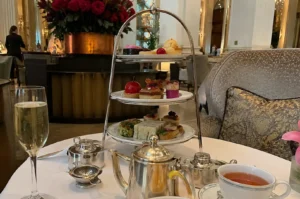
Picture a landscape of rolling hills carpeted in a sea of green, where misty clouds kiss the mountaintops and the air is crisp and cool. This is the heartland of Sri Lanka, the island nation once known as Ceylon, and the origin of one of the world's most celebrated teas. For over a century, the name Ceylon has been synonymous with high-quality pure Ceylon tea, a reputation built on a legacy of craftsmanship, unique plant varietals, and a flavor that is both bold and elegant.
The Story Behind Ceylon Tea: From Ancient Island to Tea Empire in Sri Lanka
The tale of tea in Sri Lanka is one of resilience and transformation. For much of the 19th century, the island’s main export was coffee. However, in the 1860s, a devastating fungal disease known as "coffee rust" wiped out the plantations, bringing the industry to its knees.
Facing economic ruin, the British colonial planters needed a new crop. A Scottish planter named James Taylor had been experimenting with tea plants from Assam, India, on his Loolecondera estate. His success proved that the tea plant could thrive in the island's highlands. This marked the beginning of a massive shift in tea production. Coffee plantations were rapidly replaced with tea estates, and within a few decades, Ceylon became one of the world's leading producers of black tea and other Ceylon teas. This legacy, blending British colonial infrastructure with the skill and dedication of local Sri Lankan workers, established the foundations of the Ceylonese tea industry recognized worldwide today.
What Makes Ceylon Tea Special? Exploring the Regional Nuances and Flavours
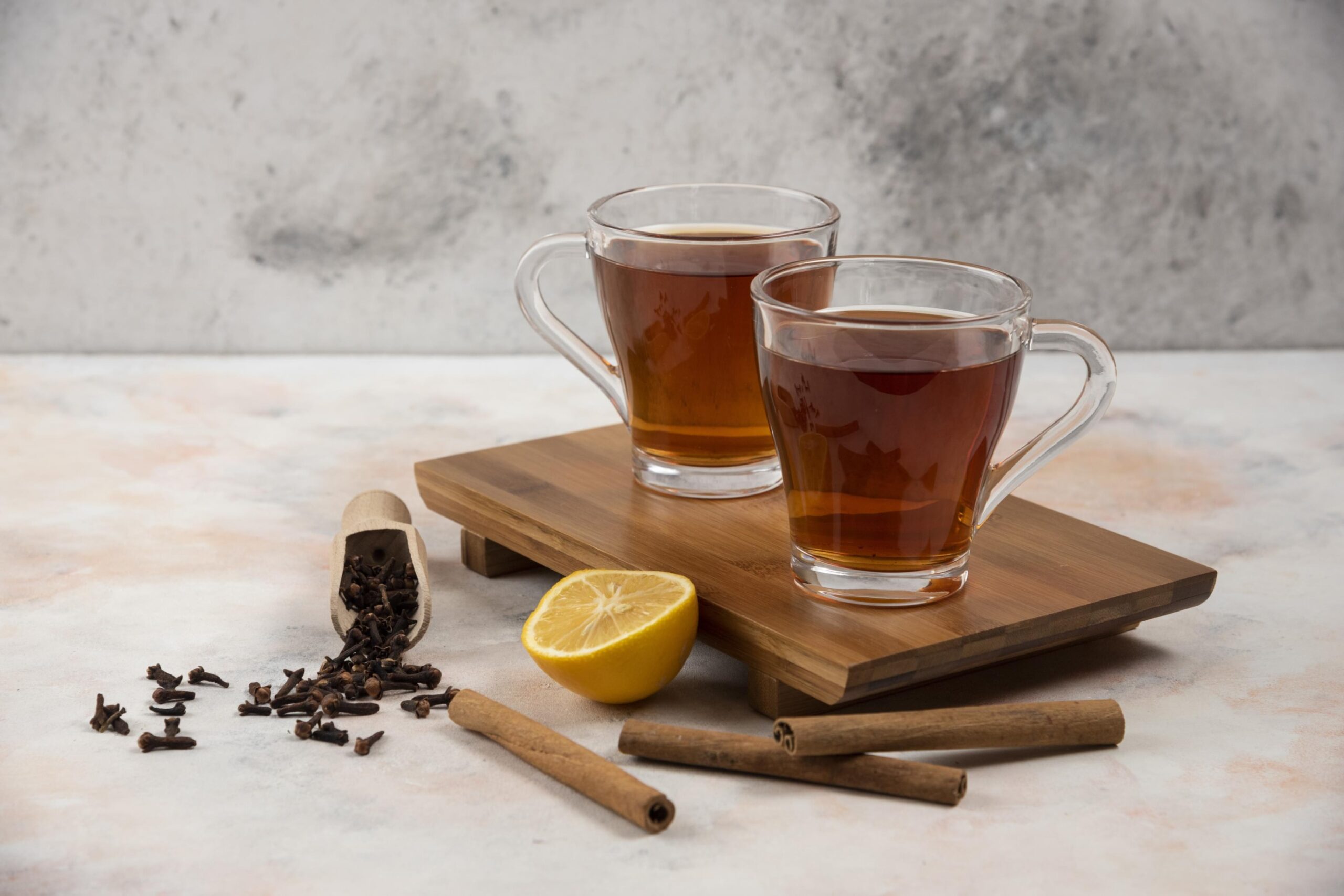
Several key factors contribute to the prestigious reputation of Ceylon tea. It’s a perfect storm of nature and nurture.
- Unique Terroir and Tea Growing Regions: Sri Lanka's diverse geography creates a range of microclimates. The combination of elevation, rainfall, sunshine, and soil composition across different tea growing regions results in an incredible spectrum of flavor profiles, all from the same country.
- Distinctive Flavour and Aroma: Black Ceylon tea is globally recognized for its signature "brightness"—a crisp, clean, and lively character with notes of citrus, caramel, and sometimes subtle hints of chocolate. This essence makes it wonderfully refreshing and distinct from maltier or floral teas.
- Meticulous Craftsmanship in Tea Leaf Harvesting: The tea leaves are hand-plucked carefully, typically selecting the tender "two leaves and a bud." The process of withering, rolling, oxidation, and drying is a craft honed over generations, ensuring the quality and rich body of the tea.
- The Lion Logo and Sri Lankan Tea Board: To protect its reputation, the Sri Lankan Tea Board established the Lion Logo as a symbol of authenticity. This logo guarantees that the tea is 100% pure Ceylon tea, packed and produced in Sri Lanka under strict quality standards regulated by the Sri Lankan Tea Board. It’s a mark of quality you can trust.
The Five Tea Growing Regions of Sri Lanka: A Collection of Unique Ceylon Teas

The true beauty of Ceylon tea lies in its regional nuances. The island is divided into seven main tea growing regions, each producing teas with unique styles and flavours.
Nuwara Eliya—High Elevation Excellence and Delicate Silver Tips
Known as the "Champagne of Ceylon teas," Nuwara Eliya is the highest elevation region. The cool, misty climate produces a tea that is exceptionally light, delicate, and fragrant, with a subtle golden hue and a brisk, floral finish. These white teas, often referred to as silver tips, are prized for their subtle sweetness and refined aroma. They are best enjoyed plain to appreciate their nuanced character.
Dimbula—Balanced Black Tea with Bright Flavours
During the cool, dry "western quality season" (January to March), Dimbula produces some of the finest black Ceylon tea. These high-grown teas are refreshingly mellow with a balanced body and a clean, crisp flavor. They are the quintessential bright tea, perfect for any occasion.
Uva—Bold and Distinctive Green and Black Teas
The Uva region, located on the eastern slopes of the central mountains, has a unique dry wind during its quality season (July to September). This produces teas with an exotic, aromatic character and smooth, mellow taste. Uva teas, including Ceylon green tea, are often used in high-quality blends.
Kandy—Medium-Grown Richness and Robust Black Tea
As the first region where tea was planted, Kandy is historically significant. Its mid-grown teas are known for their full body, strong flavor, and rich copper color. They are robust enough to stand up well to a splash of milk and are typically consumed by tea lovers who prefer a bolder cup of tea.
Ruhuna—Low Country Strength and Darker Tea Leaves Grown Near Sea Level
The low-grown teas from the Ruhuna region in the south of Sri Lanka are known for their strength and distinctive character. Grown closer to sea level, the unique soil composition produces a full-flavored black tea with a deep color, making it a popular choice worldwide.
Varieties of Ceylon Tea: Black Tea, Green Tea, and White Teas
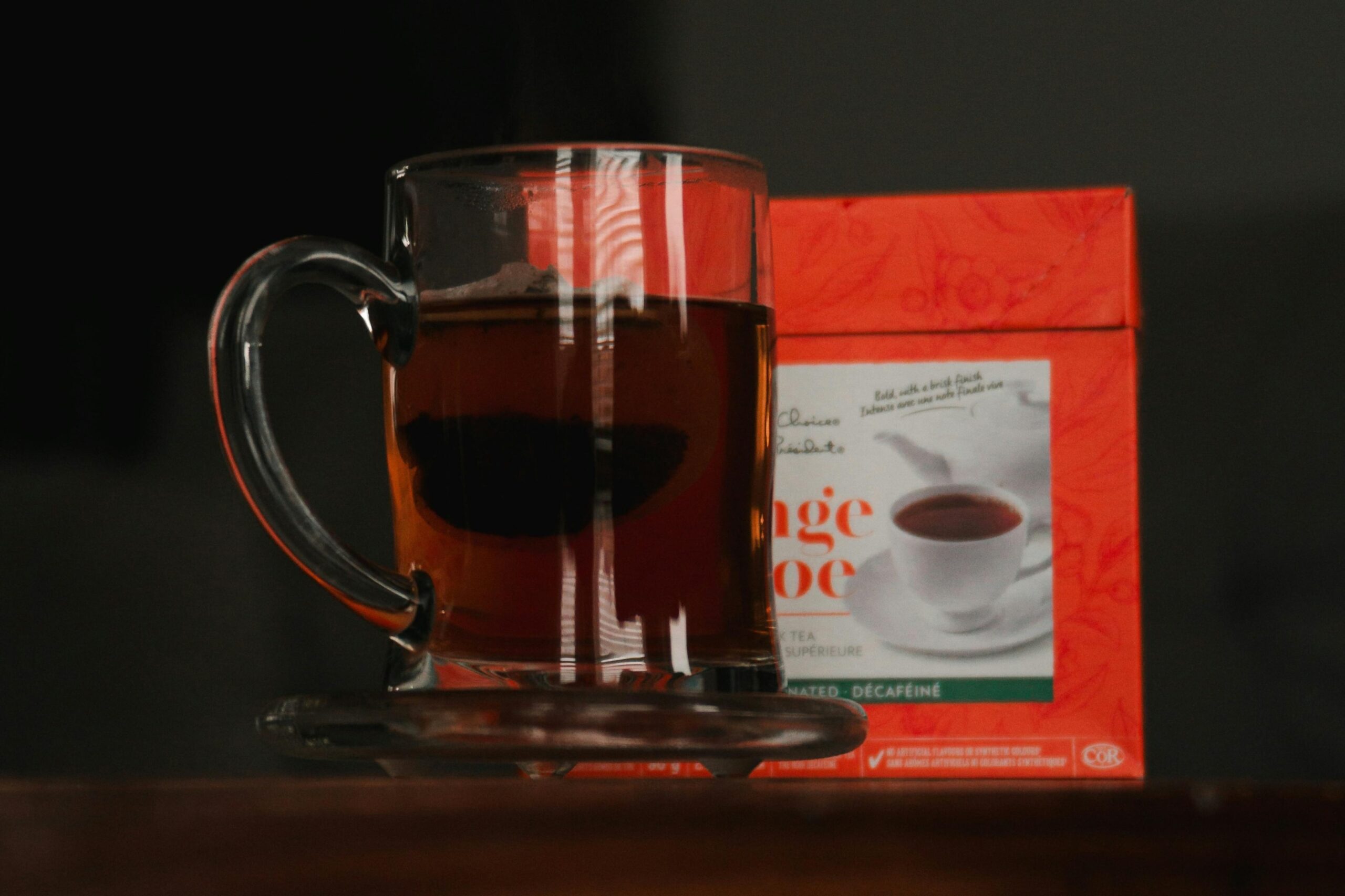
While Sri Lanka is famous for its black tea, its producers also craft other exquisite tea varieties from the same tea plant.
- Black Ceylon Tea: This fully oxidized tea results in a rich, amber liquor and a bold, brisk flavor profile. It is the most widely produced type of Ceylonese tea and is often packed as loose leaf tea or in tea bags.
- Ceylon Green Tea: Produced using methods adapted from Chinese tea making, Ceylon green tea is lighter and more delicate. It often has a fuller body and a more pungent, malty character compared to other green teas.
- Ceylon White Tea (Silver Tips): Made from only the unopened buds of the tea leaf, these white teas are hand-picked at dawn and carefully sun-dried. The resulting brew is incredibly delicate, with subtle, sweet notes and a smooth aroma.
Brewing the Perfect Cup of Ceylon Tea: Tips for Tea Lovers
To get the best out of your Ceylonese tea, proper preparation and brewing are essential.
- Water Temperature: For black tea, use hot water just off the boil (around 95°C or 203°F). For more delicate green and white teas, use cooler water (around 80°C or 176°F).
- Steeping Time: Black teas should be steeped for 3-5 minutes. Green teas require 2-3 minutes, while white teas are very delicate and should only be steeped for 1-2 minutes.
- How to Prepare: Preheat your teapot and teacup with hot water before brewing to maintain the optimal temperature. Use about one teaspoon of loose leaf tea per 8 ounces of water. Cover the pot while steeping to preserve the tea’s aroma and flavor.
- Serving Suggestions: While purists enjoy high-grown Ceylon teas plain, the more robust mid- and low-grown varieties are excellent with a splash of milk. Ceylon tea is perfect for drinking warm from a teapot into a delicate teacup, but it also makes an exceptionally crisp and refreshing iced tea.
Ceylon Tea in Modern Tea Culture: Tea Bags, Loose Leaf Tea, and Blends
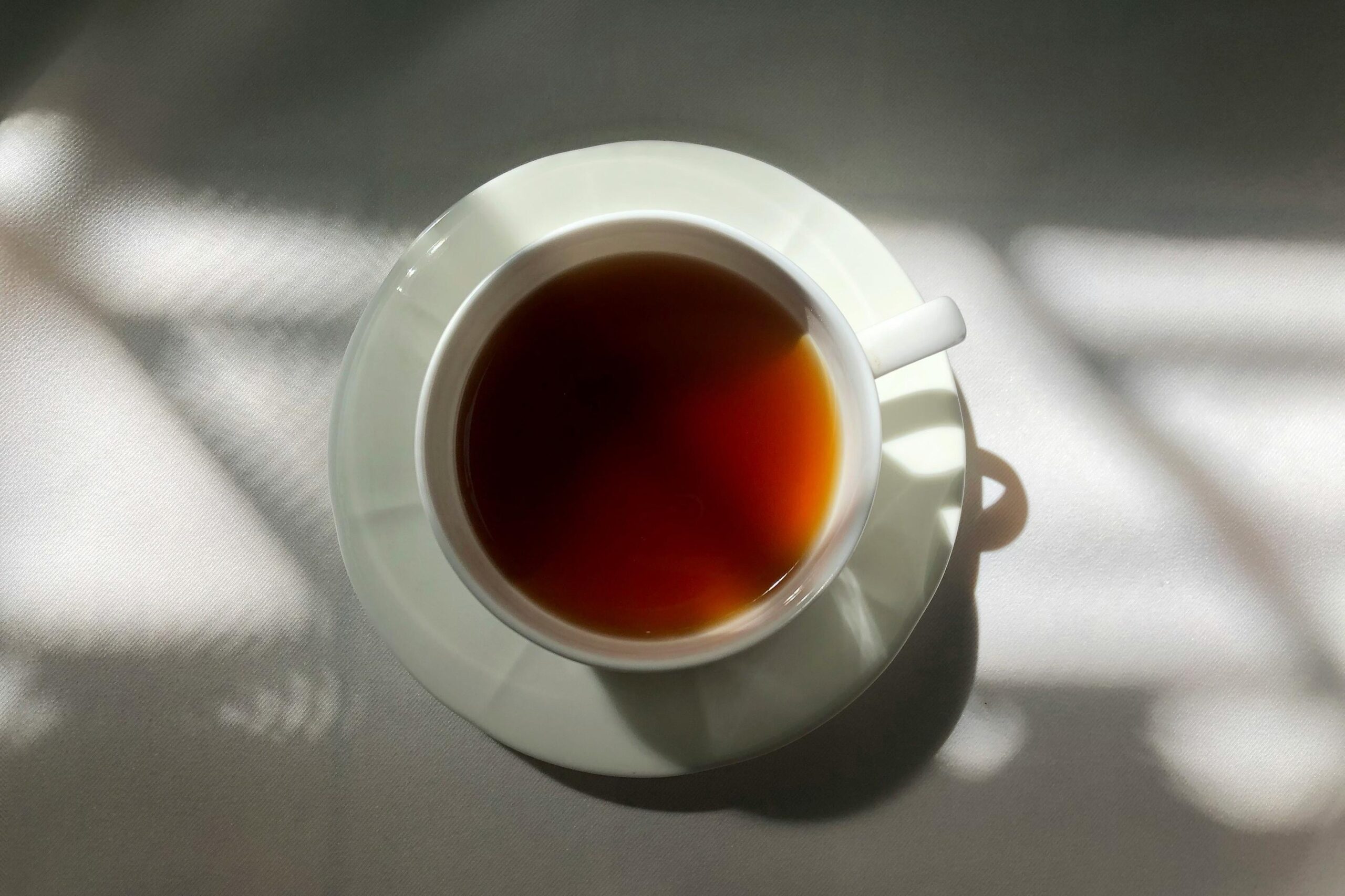
In today’s tea market, Ceylon tea is available in many forms to suit all tea lovers.
- Loose Leaf Tea: Preferred by connoisseurs for its quality and flavor, loose leaf tea allows the tea leaf to fully expand and release its essence during brewing.
- Tea Bags: Convenient and popular for everyday use, many black Ceylon teas are packed in tea bags for easy brewing without sacrificing much flavor.
- Blends: Ceylon tea is a common base in popular blends such as English Breakfast and Earl Grey, appreciated for its bright tea qualities that complement other flavors.
Storing and Packaging Pure Ceylon Tea
Proper storage is key to preserving the quality of pure Ceylon tea. Keep tea leaves in a clean, airtight container away from moisture, heat, light, and strong odors. This helps maintain the tea’s freshness and aroma.
Sri Lanka strictly regulates the packaging of pure Ceylon teas. Genuine Ceylon tea features the distinctive Lion Logo, a trademark owned and monitored by the Sri Lankan Tea Board. This logo certifies that the tea is grown, produced, and packed in Sri Lanka, ensuring authenticity and premium quality.
Health Benefits of Ceylonese Tea: Antioxidants and Caffeine Content
Ceylon tea is not only delicious but also rich in antioxidants such as polyphenols, catechins, and flavonoids. These compounds support overall health by combating oxidative stress, which can damage cells and contribute to aging and disease.
The caffeine content in Ceylon tea varies depending on the type and preparation but generally provides a moderate energy boost without the jitters associated with coffee, thanks to the presence of L-theanine. This makes it a great choice for those looking to sip a refreshing cup of tea while enhancing focus and mood.
Conclusion: Discover the Beauty and Richness of Ceylonese Tea in Every Cup
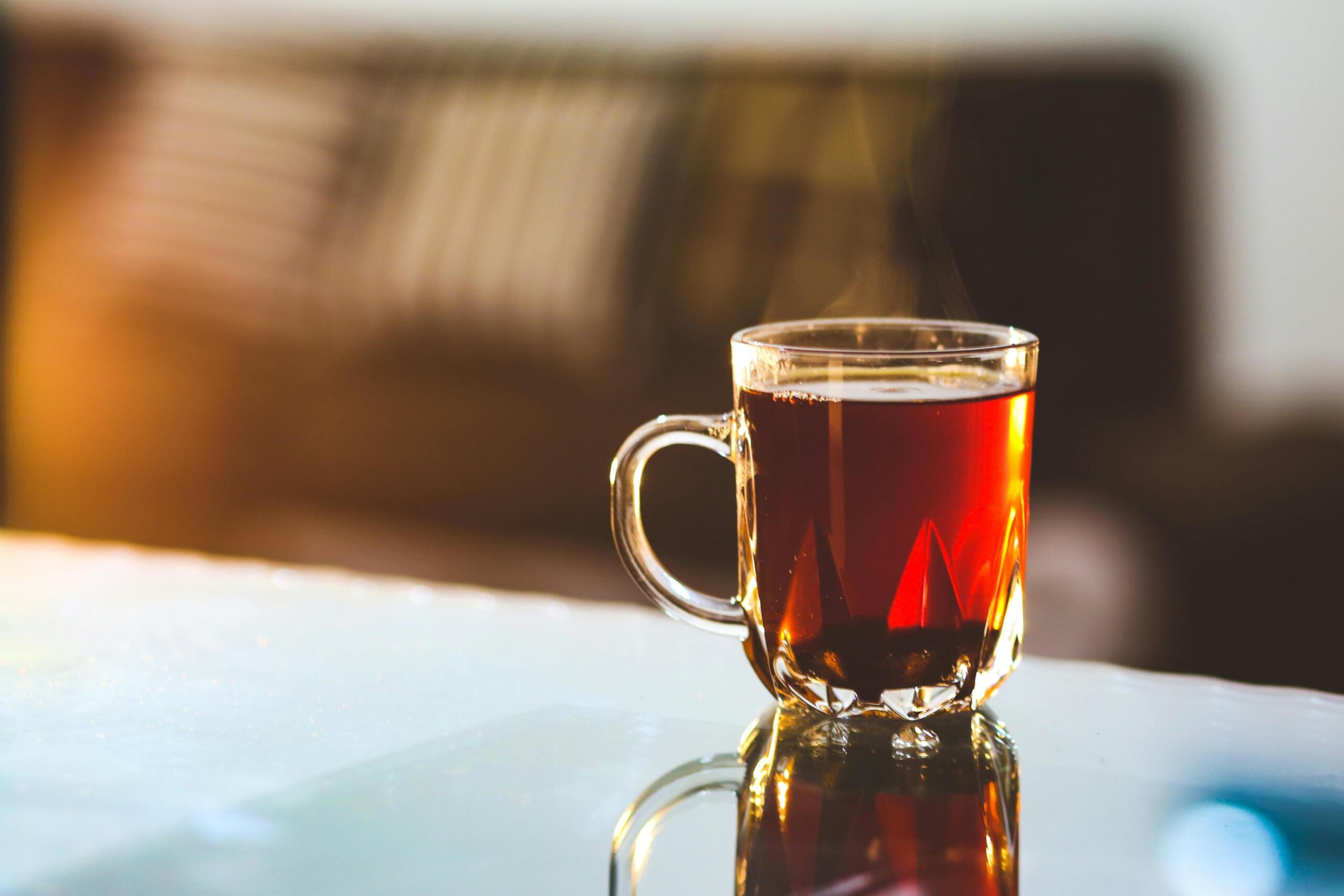
Ceylonese tea offers a remarkable journey in every cup. It is a testament to Sri Lanka’s unique terroir, a history of resilience, and a commitment to quality that has stood the test of time. Its signature bright tea qualities and regional diversity make it both an accessible starting point for beginners and a source of endless discovery for seasoned tea lovers.
We invite you to explore a curated collection of authentic pure Ceylon teas, whether brewed from loose leaf tea or tea bags. Sip a warm cup of tea, enjoy its rich aroma and flavor, and let the essence of Sri Lanka transport you to the misty highlands. The world of Ceylon tea is waiting for you.
For those interested in expanding their tea experience beyond Ceylonese tea, be sure to check out our detailed article, here, which delves into the world of natural and soothing herbal blends.

Maybe Your Favourite Tea Is Not Your Best Tea
I have a tea sitting in my cupboard that I would never call my “best” tea. It is not the rarest. It is not the most expensive. It does not come with an impressive story about ancient tea trees, remote mountains, or a limited harvest. And yet, I drink it more often than almost anything…
-
Clipper Tea Review: Does the Packaging Match the Pour?
There’s a box of Clipper Tea that’s lived in my cupboard longer than most of my mugs. I didn’t plan to buy it. I was standing in the tea aisle, tired, half-decided on something familiar, when the colour caught me. Bright, cheerful, a little hand-drawn looking. So I brought it home. And I’ve been drinking…
-
Hear Me Out, Tea Does Not Need to Be Serious All the Time
There is something I have noticed about tea culture. We take tea very seriously. Perhaps too seriously. We discuss origins, processing methods, brewing temperatures, and the history behind every leaf. We debate whether a tea should be enjoyed in a certain way. We carefully consider the correct vessel, the right water, and the ideal environment….
-
Red Bush Tea: The Tea That Does Not Need to Shout
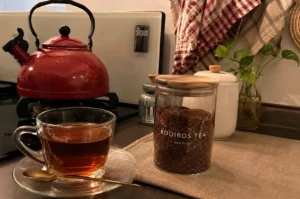
There is a red pot in my mother’s kitchen that only comes out in the evening. By then the coffee has done its work and gone quiet. The day has loosened. She fills the kettle, drops in a spoonful of something the colour of dried autumn, and lets it sit while she tidies the last…
-
Hear Me Out: High Tea Is Overrated
Hear me out: high tea is one of the most convincing ways we have found to make snacking feel important. I understand the appeal. The room is polished, the cups are delicate, and everything arrives in miniature. There is something satisfying about sitting down in the middle of the afternoon and behaving as though time…
-
Where Tea Is Given Time to Speak: Anteasocial Review
I almost walked past it. Owen Road Singapore doesn’t announce much. A quiet stretch, low buildings, the kind of road you pass through on the way to somewhere louder. Then there it was, unassuming, just numbers on a wall: 117. Anteasocial is a contemporary Oriental specialty teahouse in Singapore, and if you’re looking for a…
-
A Table Set for Stillness: Inside Antea Social’s Quiet Tea Ritual
Luxury usually announces itself before we have time to question it. It arrives through marble lobbies, silver stands and tiny sandwiches placed in strict formation. Antea Social offers a quieter argument. This is not afternoon tea in the familiar hotel sense. There is no grand procession of pastries or waiter lifting a polished lid. Instead,…
-
9 High Tea in Orchard Places for Scones, Tea, and a Quiet Afternoon
There is a particular kind of tiredness that comes from Orchard Road. Not the tiredness of a hard day, but the softer sort, the ache of too many shopfronts, too much bright glass, too many people moving faster than you feel like moving. And somewhere in the middle of all that, if you know where…
-
High Tea Orchard: Why the City Still Does It Best
It is easy to dismiss high tea in Orchard as an expensive pause between shopping bags. The tiered stands are photogenic, the hotel lounges polished, and the prices increasingly difficult to defend. ome scones arrive dry. Some savouries feel like banquet food made miniature. Some desserts are designed more for cameras than appetite. Still, Orchard…
-
McDonald’s Queensway Ridout Tea Garden Review: What It Is Like Dining in a Heritage Setting
I did not expect to find quiet at a McDonald’s Queensway Ridout Tea Garden outlet. But there I was, standing outside the McDonald’s outlet at 580 Queensway, listening to the water instead of the traffic. A much loved pond sat just beyond the glass, surrounded by stone lanterns and trees leaning over it. Somewhere behind…