Singapore is a city that rarely stops moving. Between the hum of the MRT, the endless glow of screens, and the heavy humidity that clings to the air, finding a moment to genuinely wind down can feel like a luxury. For the longest time, my evening routine consisted of scrolling through my phone while finishing a late-night iced milk tea. Unsurprisingly, I found myself lying awake for hours.
When I finally decided to build a better evening ritual, I turned to chamomile tea. I was looking for a caffeine free, calming herbal tea that felt restorative rather than heavy. When I first tried this simple infusion made from dried chamomile flowers, I was struck by how such a delicate flower from the chamomile plant could anchor my entire night.
In my experience, chamomile tea is not just a beverage; it is a quiet boundary between the rush of the day and the rest of the night. If you are looking for a gentle way to slow down in our fast-paced city, here is everything you need to know about brewing, buying, and enjoying chamomile tea in Singapore.
What is Chamomile Tea? Understanding This Herbal Tea
Before we dive into the health benefits of chamomile tea, it helps to understand what you are actually drinking. A common misconception I hear is that chamomile is a type of green or white tea. In reality, chamomile is not a "true tea" at all.
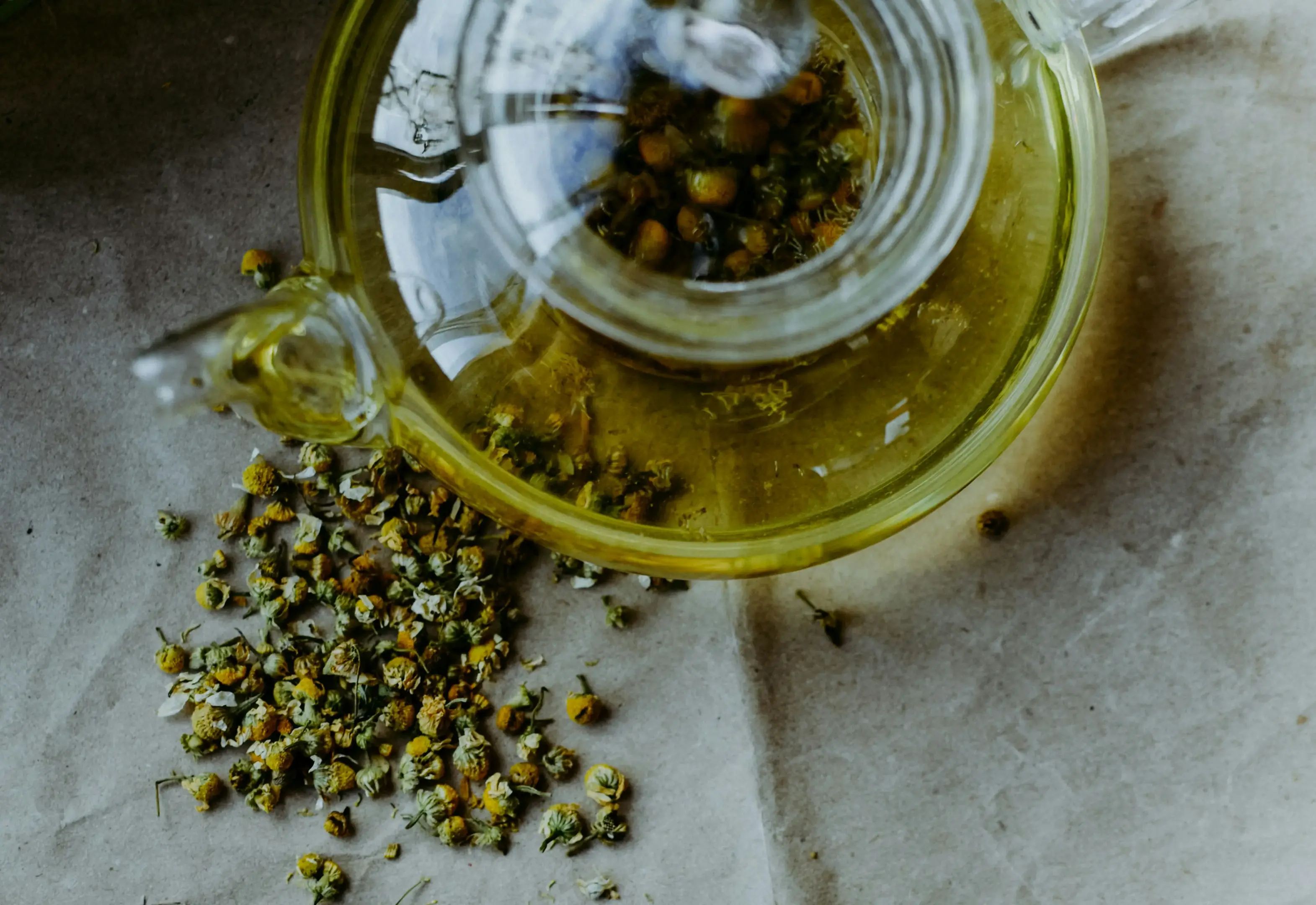
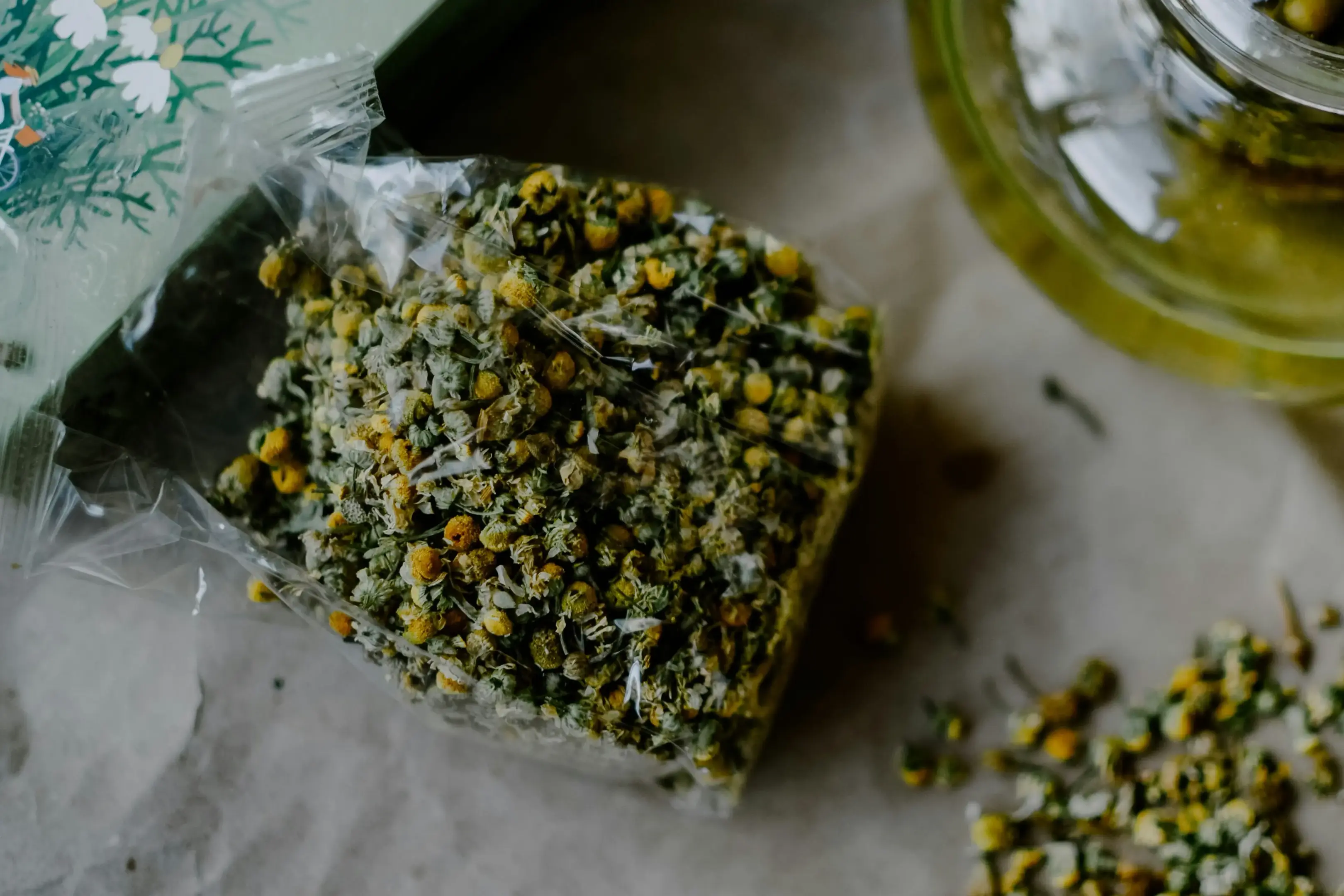
True teas—like green, black, and oolong—all come from the leaves of the Camellia sinensis plant. Chamomile, on the other hand, is an herbal infusion, also known as a tisane. It is made by steeping the dried, daisy-like flowers of the chamomile plant in hot water.
Because it contains no tea leaves, it is naturally completely caffeine free. This makes it fundamentally different from the caffeinated brews we rely on to get through morning meetings. Its flavor profile is light, floral, and slightly earthy, often with a subtle hint of crisp apple.
The Chamomile Tea Benefits: A Natural Remedy for Overall Health
It is important to set realistic expectations. Chamomile tea offers a range of potential benefits but is not a miracle cure or a medical treatment. It has been traditionally used in herbal medicine for centuries as a natural remedy to promote relaxation and support overall health.
1. Supporting Rest and Sleep Quality
Research suggests that chamomile contains an antioxidant apigenin. This chemical constituent binds to specific receptors in your brain that may promote sleepiness and reduce anxiety symptoms. Drinking chamomile tea regularly can help improve sleep quality by promoting relaxation and calming effects on the nervous system. I have found that simply the act of holding a warm mug of chamomile tea signals to my brain that it is time to shut down.
2. Easing Digestive Health and Soothing an Upset Stomach
If you have just finished a heavy hawker center dinner, chamomile tea is a wonderful digestive health aid. It is traditionally used to soothe the digestive tract and ease mild digestive discomfort such as stomach cramps, indigestion, and bloating. Thanks to its anti inflammatory properties and antispasmodic effects, drinking chamomile tea can aid digestion and promote gut health. It may also help reduce chronic inflammation in the digestive system.
3. Creating a Calming Ritual for Stress Relief
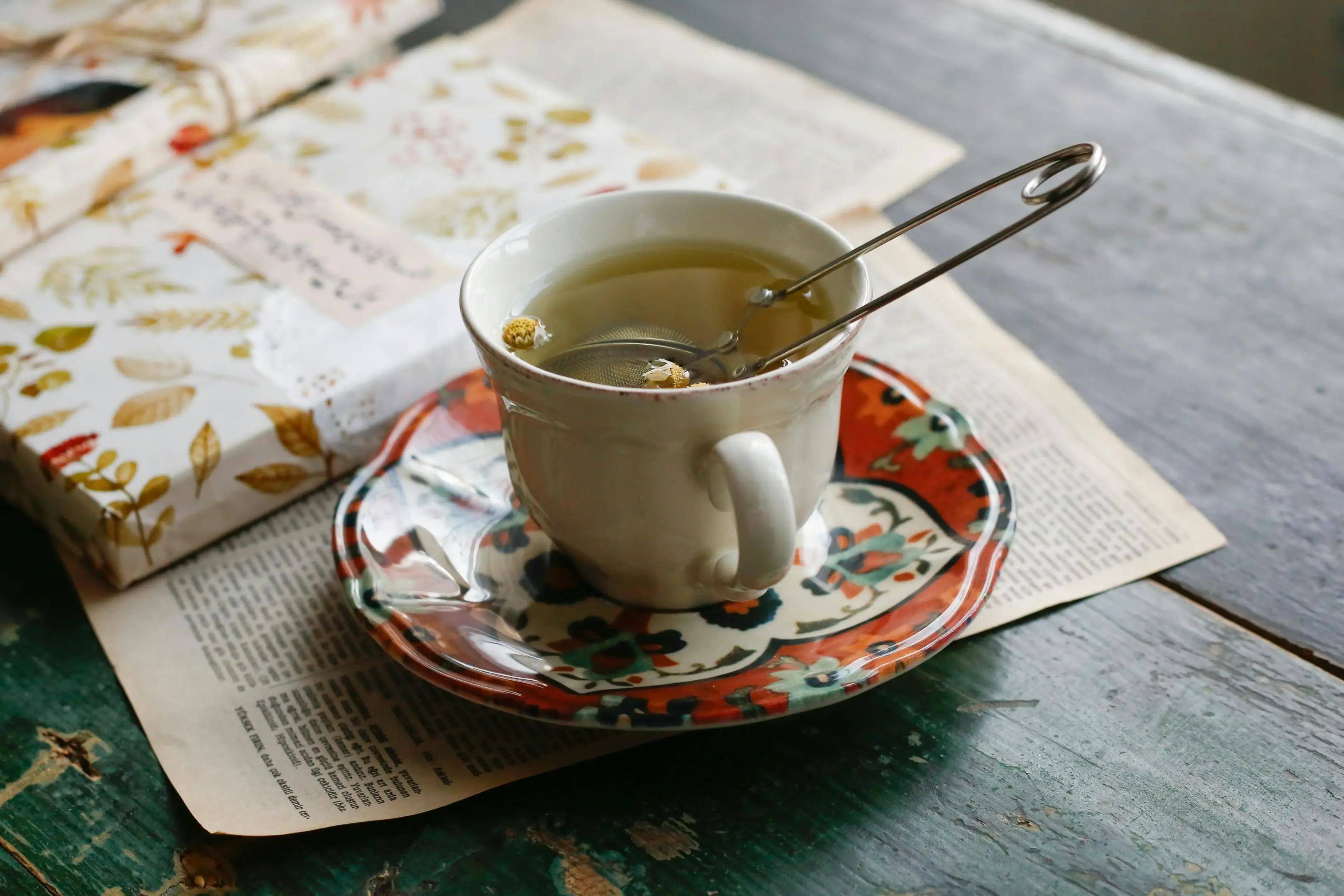
Beyond the physical chemical constituents, the primary benefit I experience is mental. Taking ten minutes to brew and sip a floral, caffeine free drink forces you to pause. In a highly air-conditioned environment, the warmth of the mug and the gentle, honey-like aroma from the essential oils released by dried chamomile flowers provide a profound sense of comfort and stress relief.
How to Drink Chamomile Tea: Brewing Tips for Maximum Health Benefits
Brewing chamomile tea is incredibly forgiving, but a few small details make a significant difference. You can use either convenient tea bags or whole dried chamomile flowers. I personally prefer loose flowers for a stronger, more authentic aroma, but tea bags are perfect for tired weeknights.
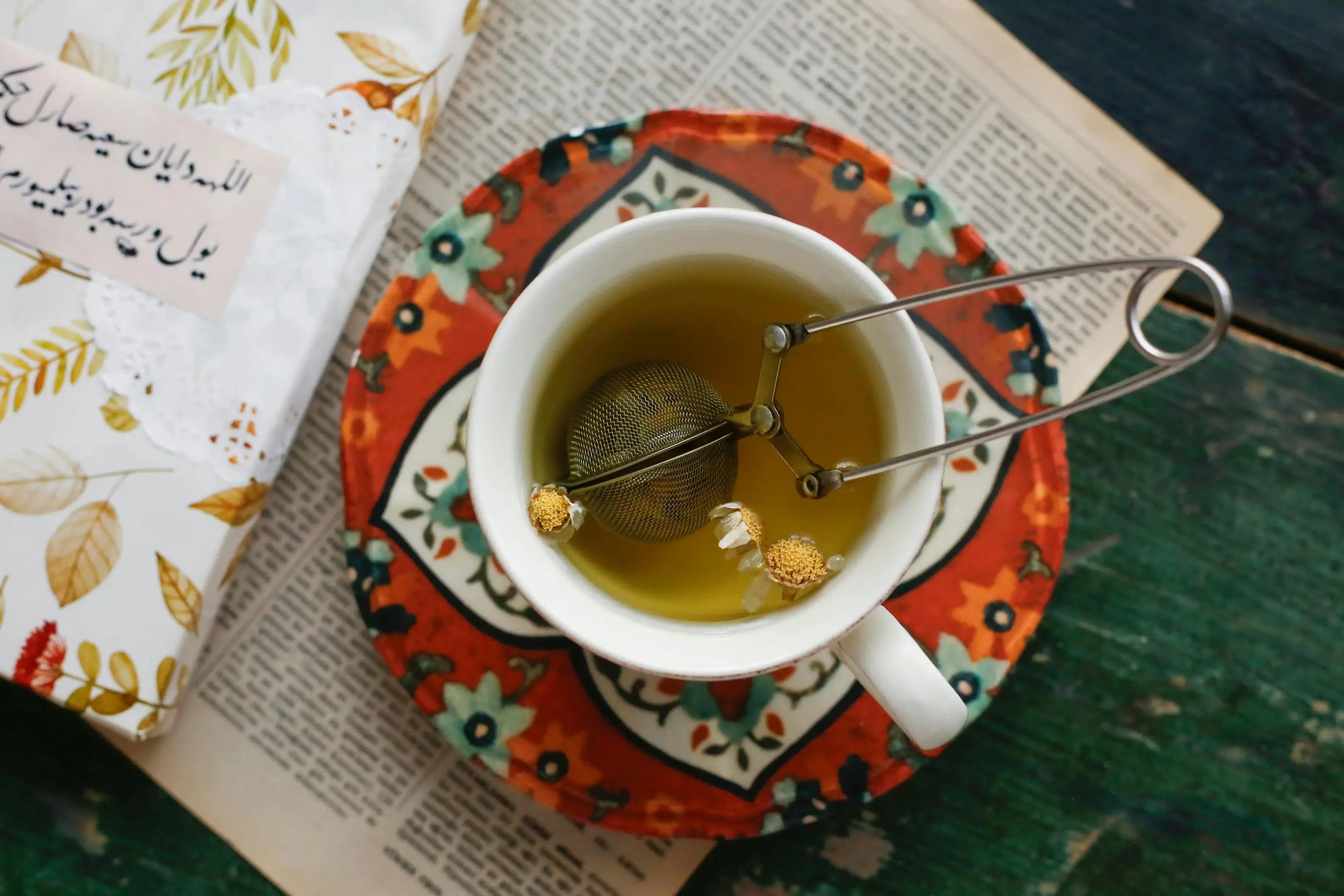
Here is my simple, step-by-step process using a tea infuser:
- Boil fresh hot water: Use filtered water if possible. Bring it to a full boil, then let it sit for a minute so it is just slightly off the boil (around 90°C to 95°C).
- Measure your tea: If using loose dried chamomile flowers, use about one heaped tablespoon per mug. If using a tea bag, one is enough.
- Steep patiently: Pour the hot water over the flowers and cover your mug with a small saucer to trap the essential oils. Let it steep for 5 to 10 minutes. Chamomile tea does not turn bitter like green tea, so you can safely leave it to steep longer for a stronger flavor.
- Strain and serve: Remove the tea bag or strain out the flowers.
Pro Tip:
If you find the flavor too grassy, stir in a small spoonful of raw honey. Honey pairs beautifully with the floral notes. I strongly advise against using refined white sugar, as it flattens the delicate taste.
A Note on Singapore's Humidity and Quality Control Studies
Storage is critical here. Our tropical humidity will ruin dried flowers quickly. I learned this the hard way after leaving a paper box of premium chamomile on my kitchen counter; within weeks, it lost all its aroma and smelled like dusty cardboard. Always store your chamomile in an airtight, opaque container in a cool, dry cabinet away from direct sunlight to maintain its antioxidant properties and health benefits.
Chamomile Tea Detox: Myth vs. Reality
There is a popular belief that chamomile tea detoxifies the body. While chamomile tea offers antioxidant apigenin and other compounds that support immune system function and reduce inflammation, the idea of a "tea detox" is mostly a myth. The liver and kidneys efficiently remove toxins through natural processes. Chamomile tea can support overall health but should not be relied upon as a detox solution.
Where to Buy Chamomile Tea in Singapore: From Everyday to Premium
| Purchase Option | Price Range (SGD) | Description |
|---|---|---|
| Everyday Convenience | S$2.90 – S$8.00 | Available at local FairPrice or Cold Storage; usually in boxes of 20 tea bags; pure chamomile ingredient. |
| Premium Experience | S$10.00 – S$25.00+ | Specialty stores like TWG Tea and Scoop Wholefoods offer whole dried chamomile flowers with strong aroma and visual appeal. |
| Variety and Bulk | Varies | Online marketplaces such as Shopee and Lazada provide organic loose-leaf chamomile; check reviews for freshness and packaging quality. |
Blood Pressure and Blood Sugar: Chamomile Tea Benefits for Cardiovascular and Metabolic Health
Chamomile tea may help support heart health by promoting cardiovascular health. Its antioxidant properties and anti inflammatory properties help reduce inflammation and oxidative stress, which are linked to high blood pressure and heart disease. Drinking chamomile tea regularly may contribute to maintaining healthy blood pressure levels.
Additionally, chamomile tea may assist in managing blood sugar levels. Studies suggest that consuming chamomile can improve insulin sensitivity and reduce blood glucose levels, making it a potential complementary natural remedy for people with diabetes or insulin resistance.
Anti Inflammatory Properties and Skin Health: The External and Internal Benefits
Chamomile tea offers powerful anti inflammatory properties that may help reduce symptoms of chronic inflammation. This can benefit skin conditions such as eczema, redness, and irritation. Applying chamomile topically or consuming chamomile tea may soothe skin health concerns by reducing inflammation and promoting healing.
Cold Symptoms and Immune System Support: Chamomile Tea for Sore Throats and More
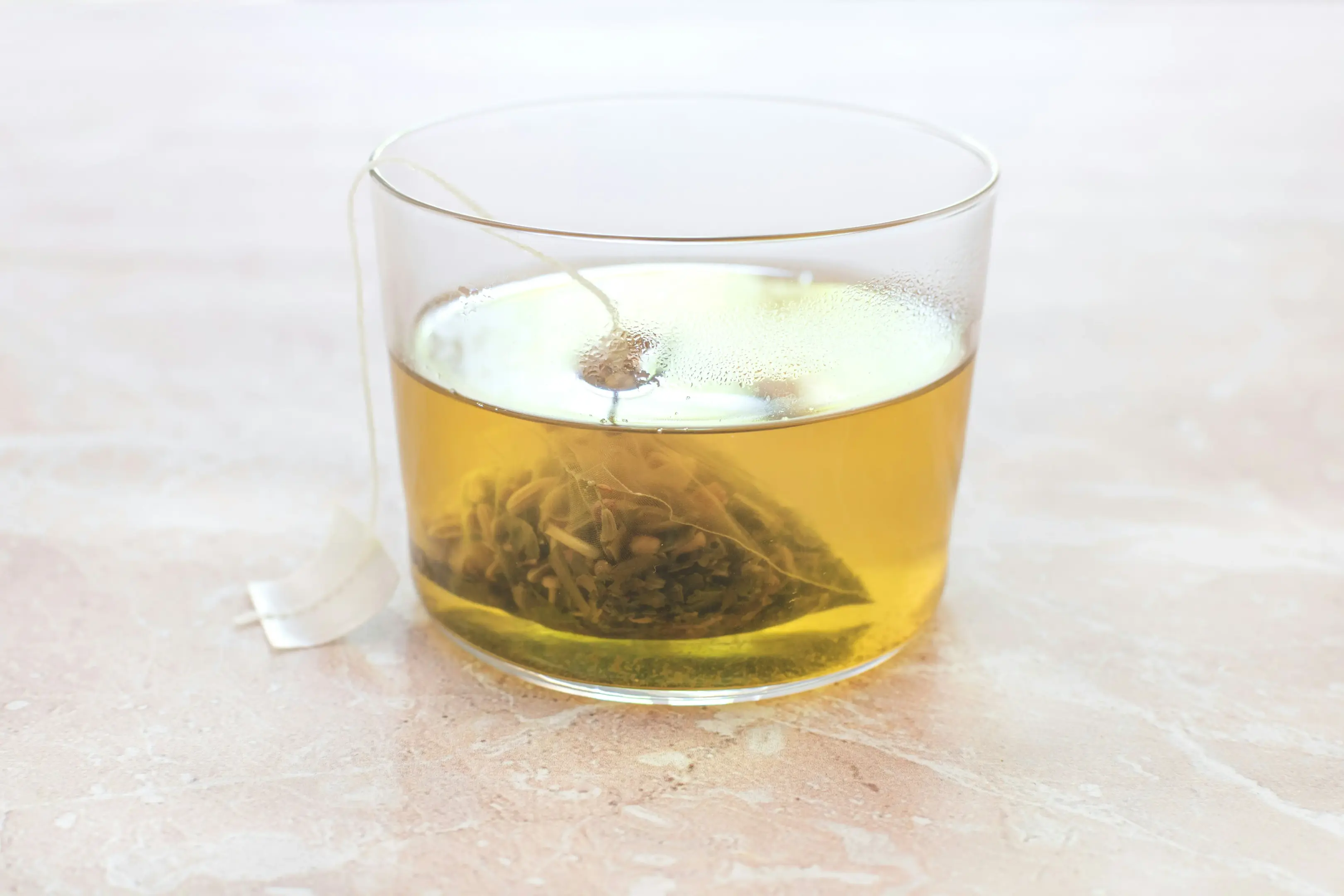
Consuming chamomile tea may help soothe sore throats and reduce cold symptoms thanks to its antibacterial and antiviral properties. Its calming properties also help reduce nervous tension and anxiety symptoms that often accompany illness. Drinking chamomile tea regularly supports immune system function, aiding the body in fighting infections.
Cancer Prevention: Potential Benefits and Need for More Human Research
Early studies on chamomile extract and essential oils suggest potential benefits in cancer prevention by targeting cancer cells and reducing their proliferation. However, more human research is needed to confirm these effects from drinking chamomile tea, which contains lower concentrations of active compounds.
Avoid Chamomile Tea: Who Should Be Cautious?
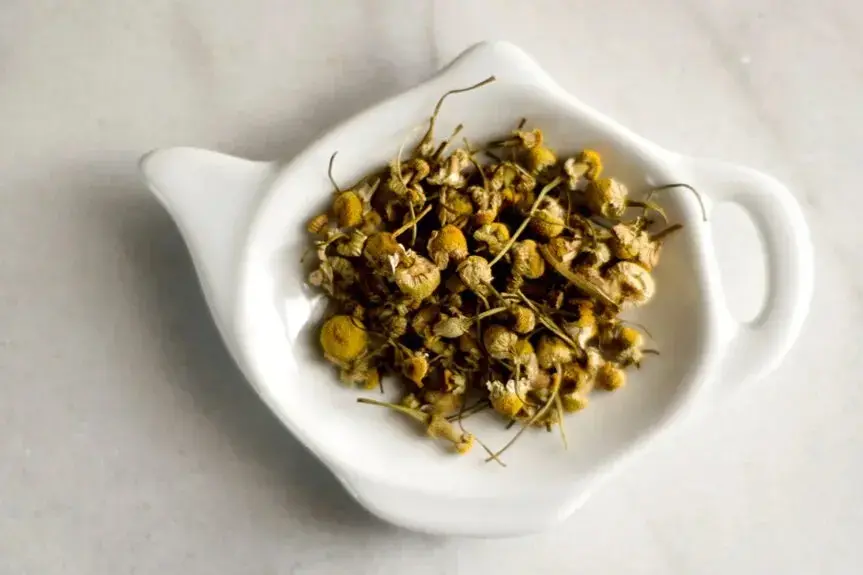
While chamomile tea is generally safe for most people, some should avoid chamomile tea or consult a healthcare provider first. People with severe allergies to related plants in the chamomile plant family, such as ragweed, daisies, or marigolds, may experience allergic reactions.
Those taking blood thinners should avoid chamomile tea or use it cautiously, as chamomile extract can interact with these medications and increase bleeding risk. Pregnant and breastfeeding women should also avoid chamomile tea unless advised otherwise by a healthcare professional.
Final Thoughts: Embrace the Calming Effects of Chamomile Tea
Creating a quiet evening ritual doesn't require expensive gadgets or hours of free time. Sometimes, all it takes is a hot mug of water and a handful of dried chamomile flowers.
Chamomile tea is a gentle, forgiving herbal tea that meets you exactly where you are. It asks nothing of you other than to sit down and sip slowly. If you find yourself bringing the stress of the day into your evenings, I highly recommend picking up a box of chamomile this week. Boil the water, steep the flowers, and give yourself permission to finally slow down.
To know more about tea and their benefits visit Tea Manor.

Hear Me Out, Tea Does Not Need to Be Serious All the Time
There is something I have noticed about tea culture. We take tea very seriously. Perhaps too seriously. We discuss origins, processing methods, brewing temperatures, and the history behind every leaf. We debate whether a tea should be enjoyed in a certain way. We carefully consider the correct vessel, the right water, and the ideal environment….
-
Red Bush Tea: The Tea That Does Not Need to Shout
There is a red pot in my mother’s kitchen that only comes out in the evening. By then the coffee has done its work and gone quiet. The day has loosened. She fills the kettle, drops in a spoonful of something the colour of dried autumn, and lets it sit while she tidies the last…
-
Hear Me Out: High Tea Is Overrated
Hear me out: high tea is one of the most convincing ways we have found to make snacking feel important. I understand the appeal. The room is polished, the cups are delicate, and everything arrives in miniature. There is something satisfying about sitting down in the middle of the afternoon and behaving as though time…
-
Where Tea Is Given Time to Speak: Anteasocial Review
I almost walked past it. Owen Road Singapore doesn’t announce much. A quiet stretch, low buildings, the kind of road you pass through on the way to somewhere louder. Then there it was, unassuming, just numbers on a wall: 117. Anteasocial is a contemporary Oriental specialty teahouse in Singapore, and if you’re looking for a…
-
A Table Set for Stillness: Inside Antea Social’s Quiet Tea Ritual
Luxury usually announces itself before we have time to question it. It arrives through marble lobbies, silver stands and tiny sandwiches placed in strict formation. Antea Social offers a quieter argument. This is not afternoon tea in the familiar hotel sense. There is no grand procession of pastries or waiter lifting a polished lid. Instead,…
-
9 High Tea in Orchard Places for Scones, Tea, and a Quiet Afternoon
There is a particular kind of tiredness that comes from Orchard Road. Not the tiredness of a hard day, but the softer sort, the ache of too many shopfronts, too much bright glass, too many people moving faster than you feel like moving. And somewhere in the middle of all that, if you know where…
-
High Tea Orchard: Why the City Still Does It Best
It is easy to dismiss high tea in Orchard as an expensive pause between shopping bags. The tiered stands are photogenic, the hotel lounges polished, and the prices increasingly difficult to defend. ome scones arrive dry. Some savouries feel like banquet food made miniature. Some desserts are designed more for cameras than appetite. Still, Orchard…
-
McDonald’s Queensway Ridout Tea Garden Review: What It Is Like Dining in a Heritage Setting
I did not expect to find quiet at a McDonald’s Queensway Ridout Tea Garden outlet. But there I was, standing outside the McDonald’s outlet at 580 Queensway, listening to the water instead of the traffic. A much loved pond sat just beyond the glass, surrounded by stone lanterns and trees leaning over it. Somewhere behind…
-
Understanding Tea Beyond the Cup
Tea is deceptively simple. A cup of hot water and leaves. And yet, it carries centuries of culture, craftsmanship, and subtlety that many of us may overlook. As tea lovers, we often focus on taste, aroma, or ritual, but there is more beneath the surface. Take the leaves themselves. Different cultivars, growing regions, and harvest…
-
Clifford Pier High Tea Review: Local Flavours by the Waterfront
I went looking for a building that no longer serves tea. The Clifford Pier still stands where it always has, at the edge of Marina Bay, its old timber trusses arching overhead like the ribs of something patient. But when I arrived, hoping to relive a Heritage Afternoon Tea I’d taken there years ago, I…