I used to think cold brew tea was cheating.
Not seriously, of course. But there was something about it that felt almost too easy. No kettle. No worrying about water temperature. No watching the clock while the leaves steep.
Just tea, cold water, and a little patience.
It seemed suspiciously effortless.
Then I actually started drinking it.
And, annoyingly, I liked it.
There is a certain attitude in tea culture that treats hot brewing as the more serious way to drink tea. I understand where that comes from. Hot water has been at the heart of tea preparation for centuries, and there is something wonderfully comforting about watching leaves open in a warm pot.
But does that mean cold brew is somehow less legitimate?
I don’t think so.
Cold brewing simply gives tea a different personality. Without hot water extracting everything so quickly, some teas can taste softer and more delicate. Floral notes can become gentler. Fruitier flavours can feel brighter. Even teas I find slightly sharp when brewed hot can become surprisingly pleasant when chilled.
And in Singapore, I have to admit, this makes a lot of sense.
There are days when the last thing I want is another steaming drink. When the weather is humid and the afternoon feels like it has been sitting under the sun for hours, a cold glass of tea sounds far more inviting.
Does that make me less of a tea lover?
I hope not.
I think we sometimes confuse tradition with rules. Just because something has been prepared one way for a long time does not mean every other method is wrong.
Tea has travelled across countries and cultures precisely because people have adapted it.
We add milk.
We add sugar.
We drink it with spices.
We serve it over ice.
We turn it into lattes.
Cold brewing feels like just another chapter in that long history of experimentation.
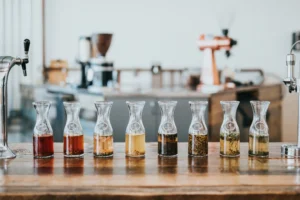
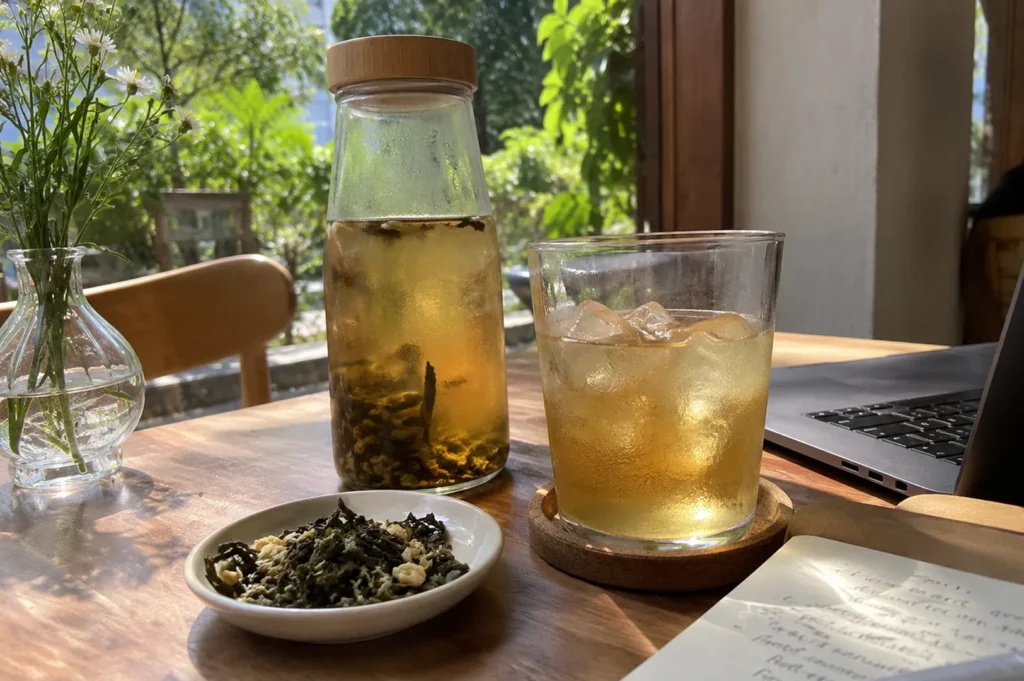
And honestly, there is something wonderfully low effort about it. You can prepare it in advance, put it in the fridge, and come back later to a drink that is ready when you are.
Maybe that is the part some tea purists dislike.
It does not look particularly impressive.
There is no elegant pouring technique. No beautiful cloud of steam. No elaborate ritual.
Just a bottle sitting quietly in the refrigerator.
But perhaps tea does not always need to look serious to be worth taking seriously.
I still love hot tea. I suspect I always will.
But I also love having a cold brew waiting for me on a hot afternoon.
So if someone tells me cold brew tea is lazy, I might agree with them.
It is easy.
It is convenient.
And it tastes good.
I am not sure why any of those things should be considered a problem.
— Maria Tan
On tea, culture, and everyday rituals.

Understanding the Six Types of Chinese Tea and What Makes Each Unique
Introduction Across centuries of Chinese culture, tea has held a place of quiet importance. It appears in homes, markets, and tea houses across China, where the simple act of sharing a cup reflects patience, hospitality, and tradition. For many people, Chinese tea is not only a beverage. It is a moment of reflection and a…
-
Stepping Into a Tea Shop Singapore: A World of Leaves, Craft, and Calm
Introduction A good tea shop Singapore offers is not simply a place to buy tea. It is a place where flavour, craft, and tradition meet. In a city known for speed and convenience, a proper tea house offers something different. It invites people to slow down, pay attention, and actually taste what is in their…
-
When Tea Becomes Too Beautiful to Drink
I recently saw a photograph of a tea session online that looked almost too perfect. The teapot sat neatly on a polished tray. The cups were aligned in a way that suggested someone had carefully adjusted them, perhaps more than once. A small branch of flowers leaned gently toward the tea set as if it…

How Tea in Singapore Traveled From Colonial Tables to Modern Teahouses
Tea in Singapore moves quietly through the day, carrying within its steam the gentle convergence of traditions that have found their way to this island over generations. In the soft morning light of hawker centers, the rhythmic pour of teh tarik creates small moments of pause, while afternoon finds its way into tranquil tea rooms…

Are We Drinking Tea or Just Collecting It?
There was a time when buying tea meant something simple. You chose a tea you liked, brought it home, and brewed it. The leaves were meant for hot water, not long-term storage. Yet something has quietly changed. Today it is not unusual to meet tea drinkers with shelves filled with sealed cakes, tins, and packets…

The Soul of Tea: Unveiling the Beauty of Traditional Tea Ceremonies
Tea is more than just a drink, isn’t it? It is a quiet moment in the middle of a busy day, a small ritual that grounds us. We are not just drinking tea; we are experiencing something far more profound, a glimpse into the centuries-old traditions of cultures that revere this simple beverage. Whether in…
-
The Matcha Latte and the Tea It Came From
The matcha latte drink has become one of the most recognizable tea-based beverages in modern cafés. From Starbucks menus to independent tea bars, it is served hot in ceramic mugs or as iced matcha lattes layered in a glass with cold milk and ice. It is marketed as a healthy drink. It is praised for…

We Are Drinking Tea Too Quickly
There is something ironic about rushing tea. We order it to relax. We call it calming. We describe it as grounding. And yet, more often than not, we drink it the same way we drink everything else — between emails, between meetings, between scrolling. Tea has become background noise. A mug beside the laptop. A…
-
Where Tea Meets Cuppage Plaza Food: Restaurants That Serve Both Well
Walk into Cuppage Plaza Singapore and you immediately feel the shift. Just a short walk from Somerset MRT Station, Cuppage Plaza is a go-to spot for anyone craving authentic Japanese cuisine. Sure, Orchard Road is just outside, all shiny and bustling, but once you step inside this older building, the vibe totally shifts. The hallways…
-
Milk Tea Is Not Tea
This is not an argument about preference. It is a question about naming. Milk tea is everywhere now. It travels in oversized cups, sealed with plastic film. It arrives layered with foam, syrup, pearls, jelly, whipped cream. It is photographed before it is tasted. It is queued for. It is branded. It is loved. But…