A perfectly crafted matcha latte isn’t just a trendy drink, it’s a centuries-old Japanese tea tradition that’s been adapted for today’s tastes. Unlike your regular green tea, where you steep the leaves and then toss them, matcha powder dissolves completely, giving you a bold flavor and a nutrient boost that coffee just can’t match.
Matcha for lattes offers a naturally creamy, frothy beverage with a balanced earthiness and subtle sweetness. Whether you’re seeking sustained energy or exploring Japanese tea culture, mastering the matcha latte recipe enhances your morning ritual.
This guide covers selecting the best matcha powder, mastering whisking with a bamboo whisk, choosing milk alternatives, and creating café-quality lattes at home. For more insights on how tea culture is evolving in Singapore’s café scene, check out this article on transforming cafe culture.
What Makes Matcha Perfect for Lattes
A few factors make matcha powder perfect for lattes, including its unique production and characteristics. Unlike regular green tea, matcha involves consuming the entire leaf in powdered form, yielding a concentrated flavor and creamy mouthfeel that blends smoothly with milk.
Stone-ground matcha powder is ultra-fine, finer than other green tea powders, ensuring a silky texture without graininess or separation common in coarser powders. This fine powder is a hallmark of ceremonial grade matcha, which is prized for its vibrant color and smooth consistency, making it ideal for lattes.
Matcha’s rich umami flavor and the amino acid L-theanine, concentrated through shading of tea plants in matcha production, provide a bold, well balanced taste and sustained energy without coffee’s jitters. This japanese green tea is known for its health benefits, including potential to promote heart health and support lower blood pressure.
The vibrant green color, from chlorophyll-rich tea leaves shaded 20-30 days before harvest, signals higher grade matcha and creates visually striking lattes that hold their hue when mixed with milk. This careful producing matcha process, often from regions like Uji, results in a fine powder with a rich umami flavor and subtle earthy taste.
When whisked in a traditional tea bowl with a bamboo whisk, matcha releases its signature umami taste and creamy texture, making it a favorite in both the tea ceremony and modern café culture. Whether you choose organic matcha or explore various matcha brands, understanding these qualities helps you select the great matcha for your perfect latte experience.
Choosing the Right Matcha Powder for Lattes
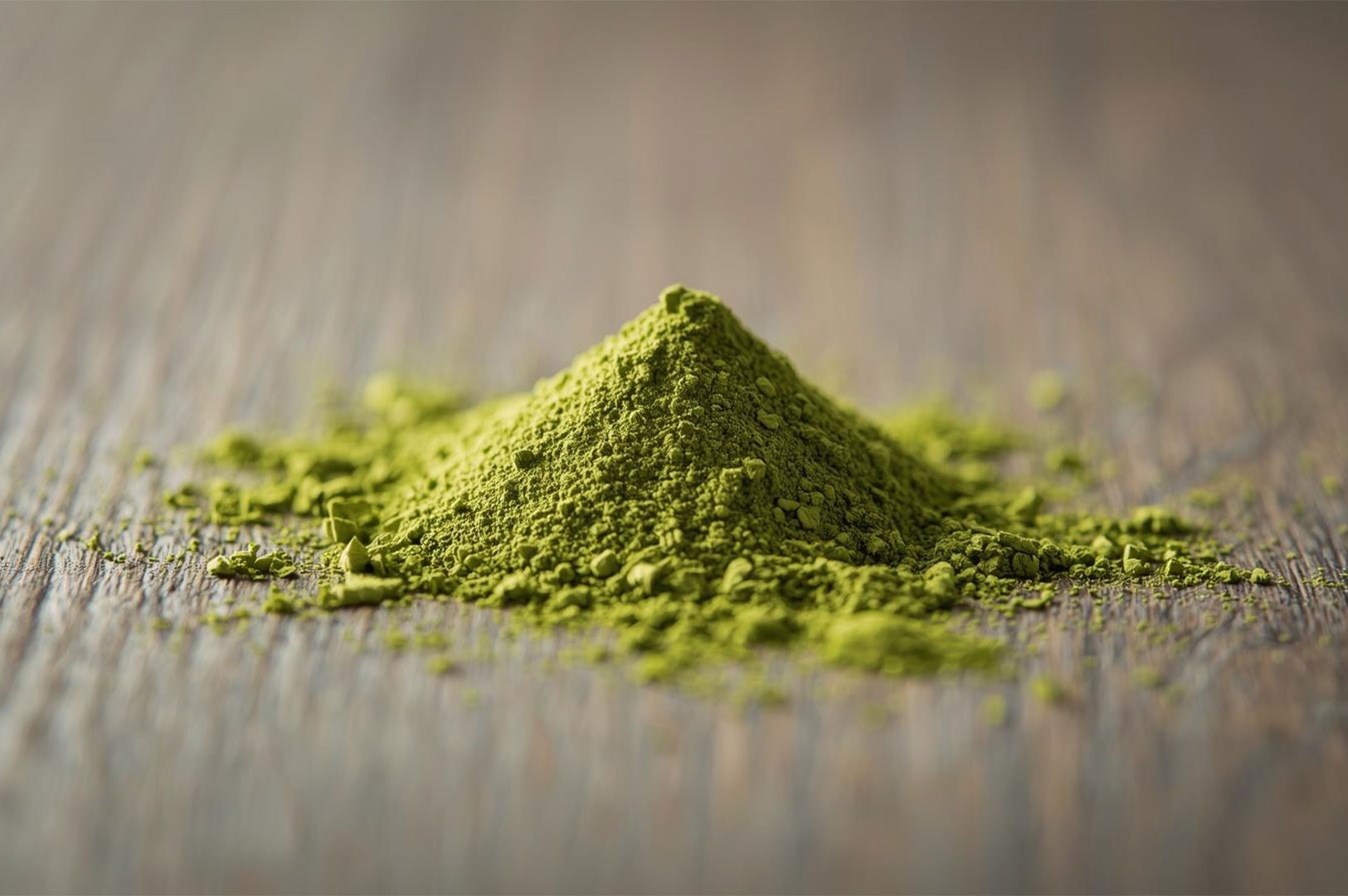
Selecting the best matcha powder involves understanding differences between ceremonial grade matcha and culinary grade matcha, especially for making beverages like lattes. When buying matcha, it’s important to consider factors such as origin, grade, and freshness to ensure a superior flavor and brewing experience.
Best Matcha Powder for Lattes
Choosing the best matcha powder is essential for crafting a flavorful matcha latte that delights the palate and delivers the full benefits of this vibrant green tea powder. The highest quality matcha typically comes from Japan, with regions like Uji, Nishio, and Kagoshima renowned for their superior green tea leaves and meticulous matcha production.
When selecting matcha for lattes, consider both ceremonial grade and culinary grade matcha powders. Ceremonial grade matcha offers a delicate, well balanced flavor with a smooth mouthfeel, making it ideal for traditional tea preparation and those who enjoy drinking matcha with just water. However, its subtle nuances may be less pronounced when mixed with milk.
Ceremonial Grade vs Culinary Grade for Lattes
Ceremonial grade matcha, the highest grade made from first harvest tea leaves, is prized for delicate sweetness, minimal bitterness, and smooth mouthfeel. There are a variety of ceremonial grade options available, each offering premium quality, complex flavor profiles, and a fine texture that make them ideal for traditional preparation and drinking straight or in specialty beverages. Ideal for drinking with just water, it offers complex flavor but may lose nuances when mixed with milk.
Culinary grade matcha, harvested later and from older leaves, has a stronger, full-bodied flavor with light astringency that complements milk’s creaminess. It’s preferred for making lattes and baking due to its bold flavor and affordability.
Both grades have their place, but culinary grade matcha often earns extra points for flavor retention in milk-based beverages.
Step-by-Step Matcha Latte Recipe
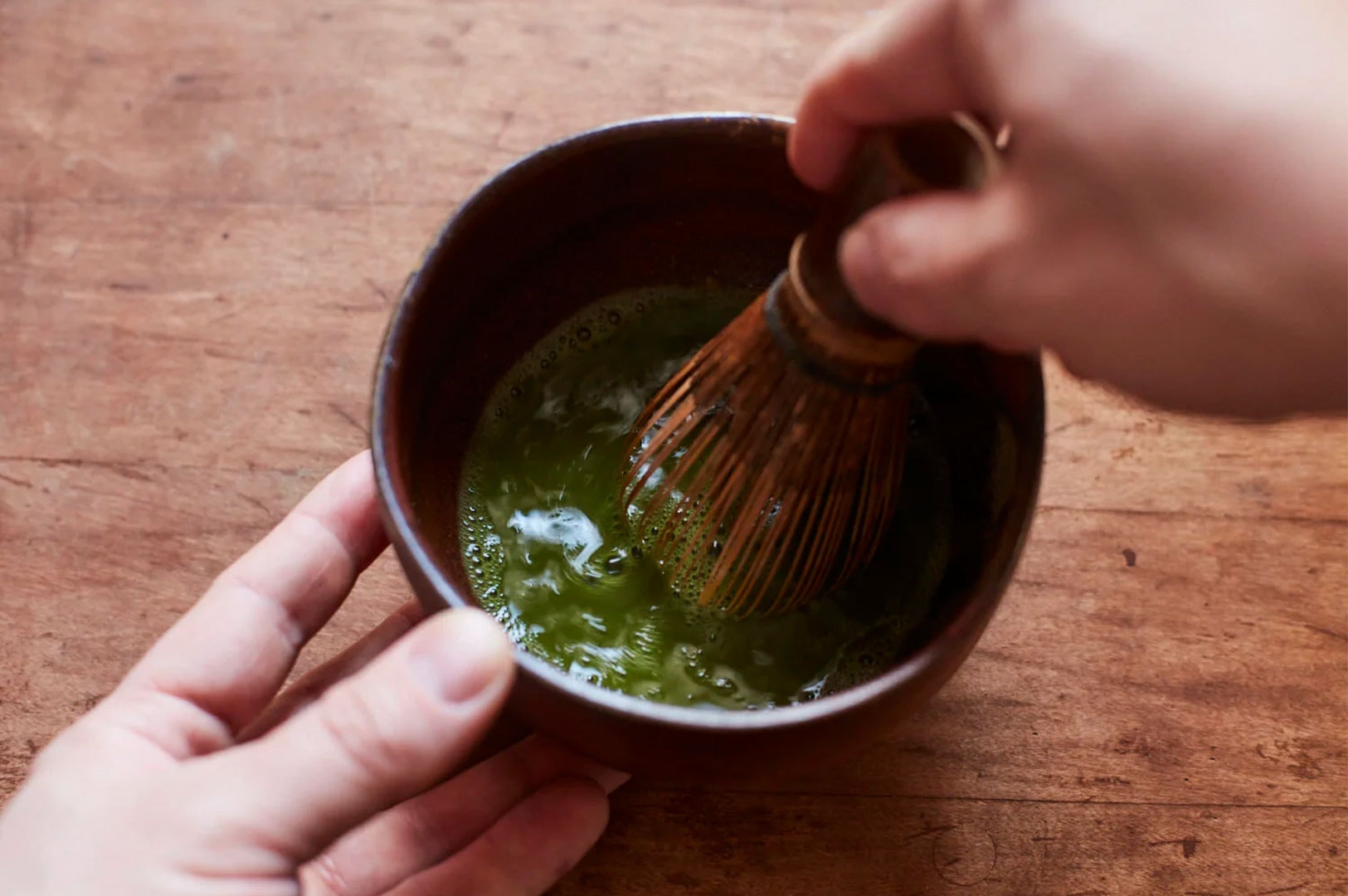
A smooth latte with silky texture requires precise technique and temperature control.
- Use a spoon to measure and sift 1-2 teaspoons of matcha powder into a bowl to remove clumps.
- Add 2-3 tablespoons of hot water (70-80°C). Too hot water extracts bitterness; too cool prevents flavor extraction.
- The matcha and water are whisked vigorously with a bamboo whisk in rapid zigzag motions for 30-60 seconds until frothy and smooth.
- Heat 6-8 ounces of milk or milk alternative to 60-65°C and froth to microfoam.
- Pour steamed milk slowly into matcha paste, stirring gently to combine while preserving foam.
For iced lattes, whisk matcha with room temperature water, pour over ice, then add cold milk.
Essential Equipment
A bamboo whisk (chasen) is key for creating froth and smooth mouthfeel. Electric frothers or wire whisks can work but may lack the signature silky texture. A fine-mesh sieve prevents clumps for smooth beverages.
Tea Manor Singapore offers authentic bamboo whisks and ceremonial bowls to enhance your matcha experience.
Milk and Milk Alternatives for Matcha Lattes
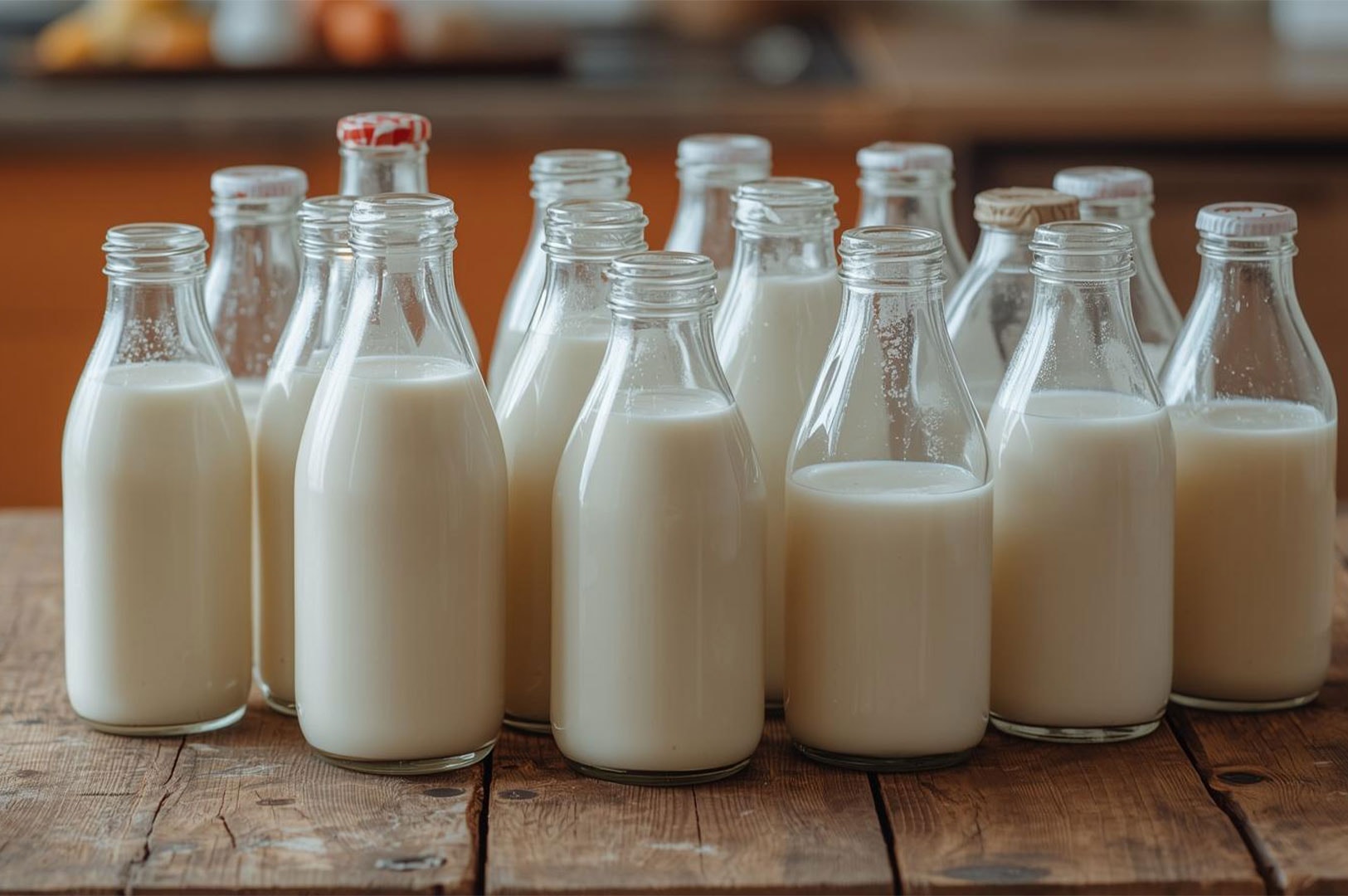
- Milk choice greatly affects flavor and texture. Whole dairy milk‘s fat content creates rich, creamy foam balancing matcha’s light astringency and earthiness.
- Oat milk is a popular plant-based alternative with natural creaminess and mild sweetness, especially barista blends designed for frothing. Pistachio-flavored plant-based milk can also complement matcha’s natural sweetness, adding a unique nutty note.
- Almond milk offers a lighter, nutty flavor but less stable foam. Soy milk provides protein for good froth with a neutral taste. Matcha also pairs well with other flavors such as vanilla or chocolate, allowing for a variety of taste experiences.
- Coconut milk imparts tropical flavors and creaminess but can overpower matcha’s subtlety, better for dessert-style lattes. Other ingredients and additives in plant-based milks can affect both the texture and flavor of your latte, so experimenting with different options is recommended.
Master frothing and temperature control (not exceeding 70°C) to achieve stable microfoam and smooth latte texture regardless of milk. This approach enhances the matcha taste and complements the hot tea experience, ensuring your cup of matcha is rich in flavor and nutrients typical of matcha products. Using uji matcha ensures a higher concentration of antioxidants and potential health benefits, such as supporting cholesterol levels and promoting improved concentration.
Flavor Balance and Sweetener Options
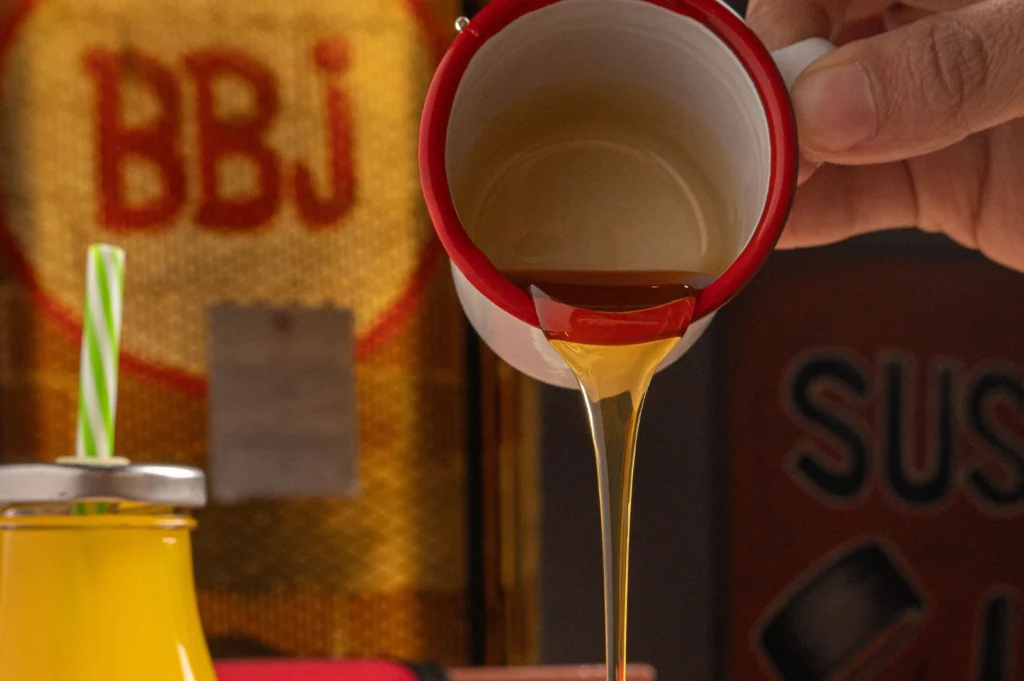
Matcha’s bitterness varies by grade and freshness. Achieving a well balanced flavor often requires sweeteners that complement but don’t overpower. Some people prefer their matcha lattes unsweetened, while others prefer specific sweeteners to suit their taste.
- Honey adds floral notes pairing well with matcha’s grassy flavors. Maple syrup offers rich, caramel-like sweetness perfect for dessert-style lattes.
- For low-carb or diabetic-friendly options, stevia and monk fruit provide sweetness without blood sugar impact but need careful use.
- Simple syrup is favored by baristas for neutral taste and easy mixing.
Traditional matcha drinking often uses minimal sweetener to highlight natural complexity. When making tea or matcha lattes, using high-quality matcha produced through shaded cultivation ensures a strong flavor and vibrant green color. Culinary grade matchas and ceremonial grade matcha powders differ in bitterness and sweetness, with culinary grade matchas typically consumed in lattes due to their more robust taste.
Adding sweeteners enhances the flavor balance, especially when using expensive powders or premium matcha for lattes. Lifestyle brands often promote natural sweeteners to complement matcha’s umami and earthy notes without masking its character. Using matcha produced from the same plant but processed differently creates unique flavor profiles that pair well with milk and other forms of dairy or plant-based alternatives.
Incorporating sweeteners thoughtfully preserves the smooth texture and creamy mouthfeel characteristic of matcha lattes, giving rise to a delightful beverage enjoyed worldwide. This approach balances matcha’s strong flavor with sweetness, making it accessible to a broader audience while respecting traditional Japanese tea culture.
Homemade vs Café Matcha Lattes
Making matcha lattes at home saves money—cafés charge $5-8 per drink while homemade costs $2-3 per serving.
Home preparation lets you control matcha powder quality, milk, and sweeteners, enhancing flavor and nutrition.
Cafés may use lower quality powders or mixes with additives.
Learning home preparation deepens appreciation for matcha and Japanese tea culture.
Creative Matcha Latte Variations
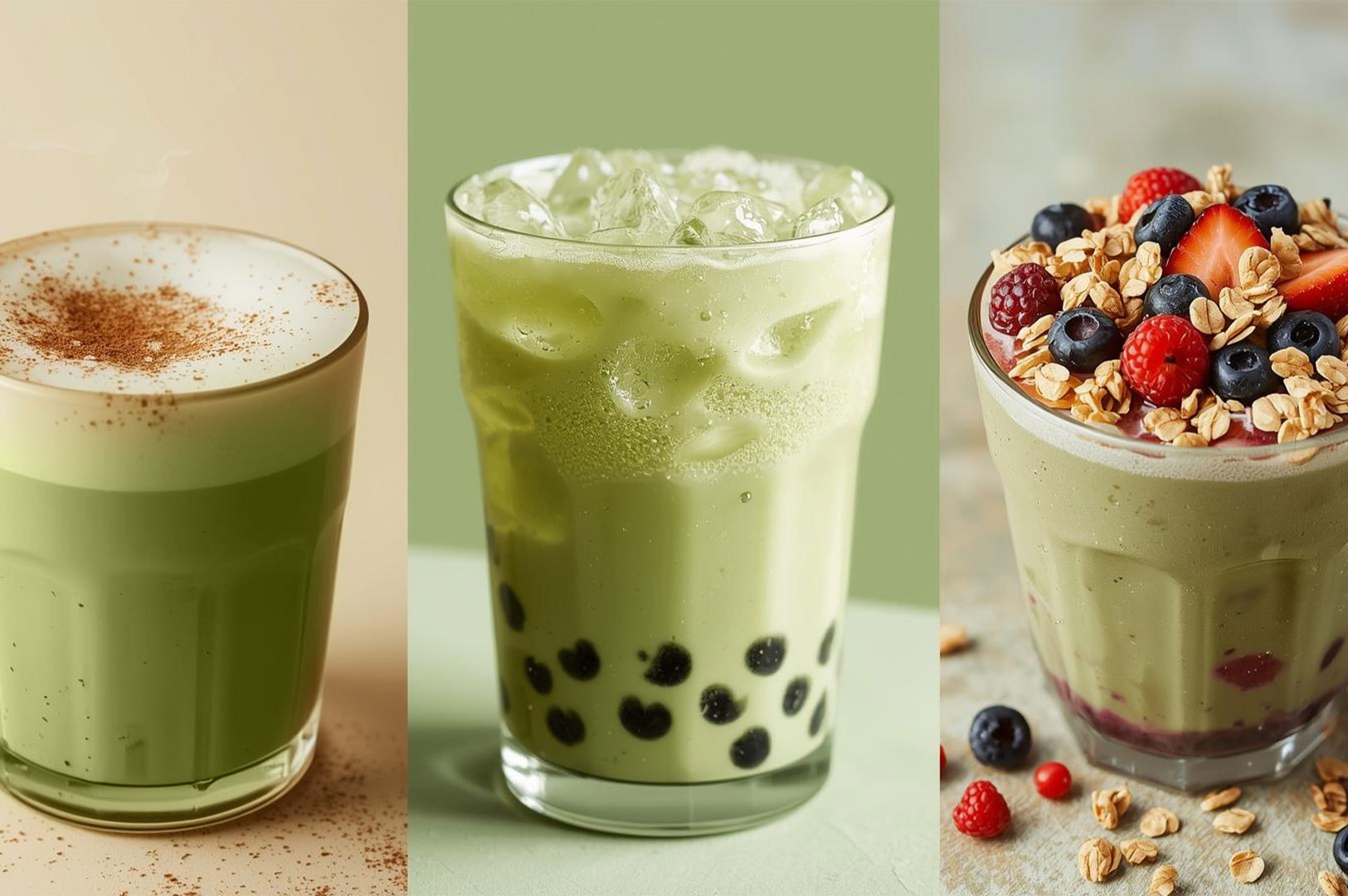
These creative recipes can help you achieve smooth lattes at home, bringing a cafe-quality experience to your kitchen.
- Try matcha white chocolate lattes by melting white chocolate into milk before mixing with matcha paste.
- Spiced matcha lattes with cinnamon, cardamom, or ginger add warming complexity.
- Matcha latte smoothie bowls reduce liquid for thick, spoonable breakfasts.
- Bubble tea versions add tapioca pearls for texture contrast, and matcha can also be enjoyed in other teas and beverages for even more variety.
- Seasonal flavors like pumpkin or peppermint showcase matcha’s versatility. For a dessert-style latte, consider using matcha in desserts such as cheesecakes or ice cream. When baking, incorporate matcha into baked goods like cookies and cakes to highlight its unique flavor in sweet treats.
Storage and Freshness Tips
- Store matcha powder airtight and opaque in the refrigerator to preserve color, flavor, and nutrients.
- Allow powder to reach room temperature before opening to prevent moisture.
- Use opened matcha within 2-3 months for best quality.
- Deterioration signs: yellowing, stale smell, bitter taste.
- Purchase quantities matching consumption to maintain freshness.
Where to Source Quality Matcha in Singapore
Tea Manor Singapore offers authentic, premium matcha powders directly sourced from renowned Japanese regions like Uji and Nishio, ensuring freshness and quality for matcha lattes.
They provide expert guidance, traditional tea accessories, and educational resources for beginners and enthusiasts.
Local markets include specialty shops and online retailers, but freshness and knowledge vary, so research before buying.
Conclusion: Choosing the Best Matcha for Perfect Lattes
Mastering matcha for lattes means understanding ceremonial and culinary grade differences, learning preparation techniques, and selecting quality ingredients. Whether for sustained energy, antioxidants, or the joy of a smooth latte, matcha offers a versatile, rewarding beverage.
Invest in proper tools, fresh powder, and practice to create exceptional homemade lattes rivaling cafés and honoring rich tradition.
Begin your matcha latte journey today with confidence in quality, technique, and creativity.
To dicover more green and healthy Tea in Singapore, click here

Maybe Your Favourite Tea Is Not Your Best Tea
I have a tea sitting in my cupboard that I would never call my “best” tea. It is not the rarest. It is not the most expensive. It does not come with an impressive story about ancient tea trees, remote mountains, or a limited harvest. And yet, I drink it more often than almost anything…
-
Clipper Tea Review: Does the Packaging Match the Pour?
There’s a box of Clipper Tea that’s lived in my cupboard longer than most of my mugs. I didn’t plan to buy it. I was standing in the tea aisle, tired, half-decided on something familiar, when the colour caught me. Bright, cheerful, a little hand-drawn looking. So I brought it home. And I’ve been drinking…
-
Hear Me Out, Tea Does Not Need to Be Serious All the Time
There is something I have noticed about tea culture. We take tea very seriously. Perhaps too seriously. We discuss origins, processing methods, brewing temperatures, and the history behind every leaf. We debate whether a tea should be enjoyed in a certain way. We carefully consider the correct vessel, the right water, and the ideal environment….
-
Red Bush Tea: The Tea That Does Not Need to Shout
There is a red pot in my mother’s kitchen that only comes out in the evening. By then the coffee has done its work and gone quiet. The day has loosened. She fills the kettle, drops in a spoonful of something the colour of dried autumn, and lets it sit while she tidies the last…
-
Hear Me Out: High Tea Is Overrated
Hear me out: high tea is one of the most convincing ways we have found to make snacking feel important. I understand the appeal. The room is polished, the cups are delicate, and everything arrives in miniature. There is something satisfying about sitting down in the middle of the afternoon and behaving as though time…
-
Where Tea Is Given Time to Speak: Anteasocial Review
I almost walked past it. Owen Road Singapore doesn’t announce much. A quiet stretch, low buildings, the kind of road you pass through on the way to somewhere louder. Then there it was, unassuming, just numbers on a wall: 117. Anteasocial is a contemporary Oriental specialty teahouse in Singapore, and if you’re looking for a…
-
A Table Set for Stillness: Inside Antea Social’s Quiet Tea Ritual
Luxury usually announces itself before we have time to question it. It arrives through marble lobbies, silver stands and tiny sandwiches placed in strict formation. Antea Social offers a quieter argument. This is not afternoon tea in the familiar hotel sense. There is no grand procession of pastries or waiter lifting a polished lid. Instead,…
-
9 High Tea in Orchard Places for Scones, Tea, and a Quiet Afternoon
There is a particular kind of tiredness that comes from Orchard Road. Not the tiredness of a hard day, but the softer sort, the ache of too many shopfronts, too much bright glass, too many people moving faster than you feel like moving. And somewhere in the middle of all that, if you know where…
-
High Tea Orchard: Why the City Still Does It Best
It is easy to dismiss high tea in Orchard as an expensive pause between shopping bags. The tiered stands are photogenic, the hotel lounges polished, and the prices increasingly difficult to defend. ome scones arrive dry. Some savouries feel like banquet food made miniature. Some desserts are designed more for cameras than appetite. Still, Orchard…
-
McDonald’s Queensway Ridout Tea Garden Review: What It Is Like Dining in a Heritage Setting
I did not expect to find quiet at a McDonald’s Queensway Ridout Tea Garden outlet. But there I was, standing outside the McDonald’s outlet at 580 Queensway, listening to the water instead of the traffic. A much loved pond sat just beyond the glass, surrounded by stone lanterns and trees leaning over it. Somewhere behind…