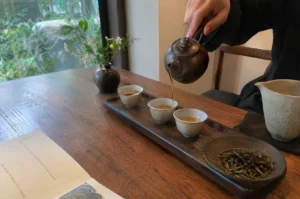
A perfectly crafted matcha latte isn’t just a trendy drink, it’s a centuries-old Japanese tea tradition that’s been adapted for today’s tastes. Unlike your regular green tea, where you steep the leaves and then toss them, matcha powder dissolves completely, giving you a bold flavor and a nutrient boost that coffee just can’t match.
Matcha for lattes offers a naturally creamy, frothy beverage with a balanced earthiness and subtle sweetness. Whether you’re seeking sustained energy or exploring Japanese tea culture, mastering the matcha latte recipe enhances your morning ritual.
This guide covers selecting the best matcha powder, mastering whisking with a bamboo whisk, choosing milk alternatives, and creating café-quality lattes at home. For more insights on how tea culture is evolving in Singapore’s café scene, check out this article on transforming cafe culture.
What Makes Matcha Perfect for Lattes
A few factors make matcha powder perfect for lattes, including its unique production and characteristics. Unlike regular green tea, matcha involves consuming the entire leaf in powdered form, yielding a concentrated flavor and creamy mouthfeel that blends smoothly with milk.
Stone-ground matcha powder is ultra-fine, finer than other green tea powders, ensuring a silky texture without graininess or separation common in coarser powders. This fine powder is a hallmark of ceremonial grade matcha, which is prized for its vibrant color and smooth consistency, making it ideal for lattes.
Matcha’s rich umami flavor and the amino acid L-theanine, concentrated through shading of tea plants in matcha production, provide a bold, well balanced taste and sustained energy without coffee’s jitters. This japanese green tea is known for its health benefits, including potential to promote heart health and support lower blood pressure.
The vibrant green color, from chlorophyll-rich tea leaves shaded 20-30 days before harvest, signals higher grade matcha and creates visually striking lattes that hold their hue when mixed with milk. This careful producing matcha process, often from regions like Uji, results in a fine powder with a rich umami flavor and subtle earthy taste.
When whisked in a traditional tea bowl with a bamboo whisk, matcha releases its signature umami taste and creamy texture, making it a favorite in both the tea ceremony and modern café culture. Whether you choose organic matcha or explore various matcha brands, understanding these qualities helps you select the great matcha for your perfect latte experience.
Choosing the Right Matcha Powder for Lattes
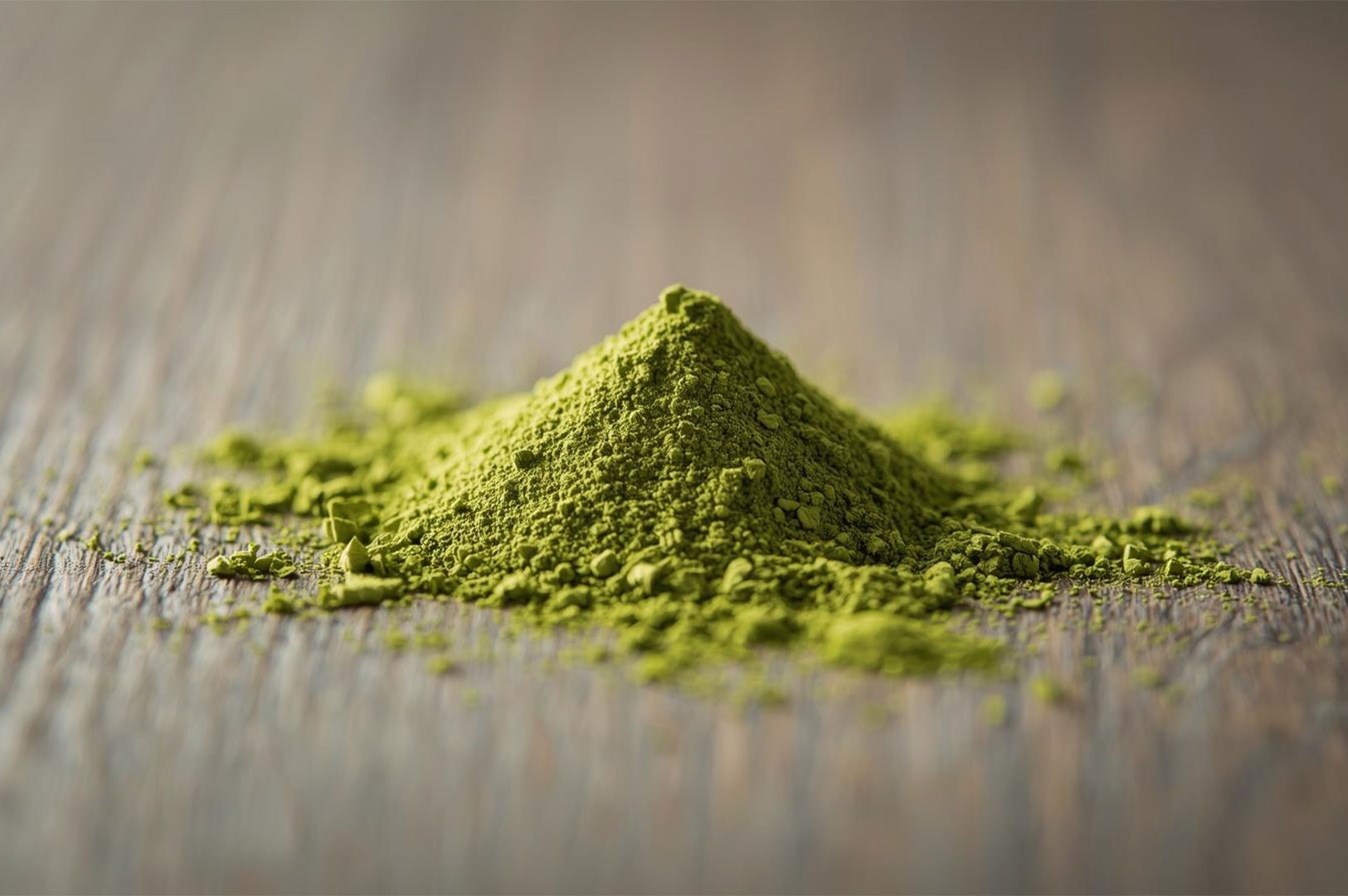
Selecting the best matcha powder involves understanding differences between ceremonial grade matcha and culinary grade matcha, especially for making beverages like lattes. When buying matcha, it’s important to consider factors such as origin, grade, and freshness to ensure a superior flavor and brewing experience.
Best Matcha Powder for Lattes
Choosing the best matcha powder is essential for crafting a flavorful matcha latte that delights the palate and delivers the full benefits of this vibrant green tea powder. The highest quality matcha typically comes from Japan, with regions like Uji, Nishio, and Kagoshima renowned for their superior green tea leaves and meticulous matcha production.
When selecting matcha for lattes, consider both ceremonial grade and culinary grade matcha powders. Ceremonial grade matcha offers a delicate, well balanced flavor with a smooth mouthfeel, making it ideal for traditional tea preparation and those who enjoy drinking matcha with just water. However, its subtle nuances may be less pronounced when mixed with milk.
Ceremonial Grade vs Culinary Grade for Lattes
Ceremonial grade matcha, the highest grade made from first harvest tea leaves, is prized for delicate sweetness, minimal bitterness, and smooth mouthfeel. There are a variety of ceremonial grade options available, each offering premium quality, complex flavor profiles, and a fine texture that make them ideal for traditional preparation and drinking straight or in specialty beverages. Ideal for drinking with just water, it offers complex flavor but may lose nuances when mixed with milk.
Culinary grade matcha, harvested later and from older leaves, has a stronger, full-bodied flavor with light astringency that complements milk’s creaminess. It’s preferred for making lattes and baking due to its bold flavor and affordability.
Both grades have their place, but culinary grade matcha often earns extra points for flavor retention in milk-based beverages.
Step-by-Step Matcha Latte Recipe
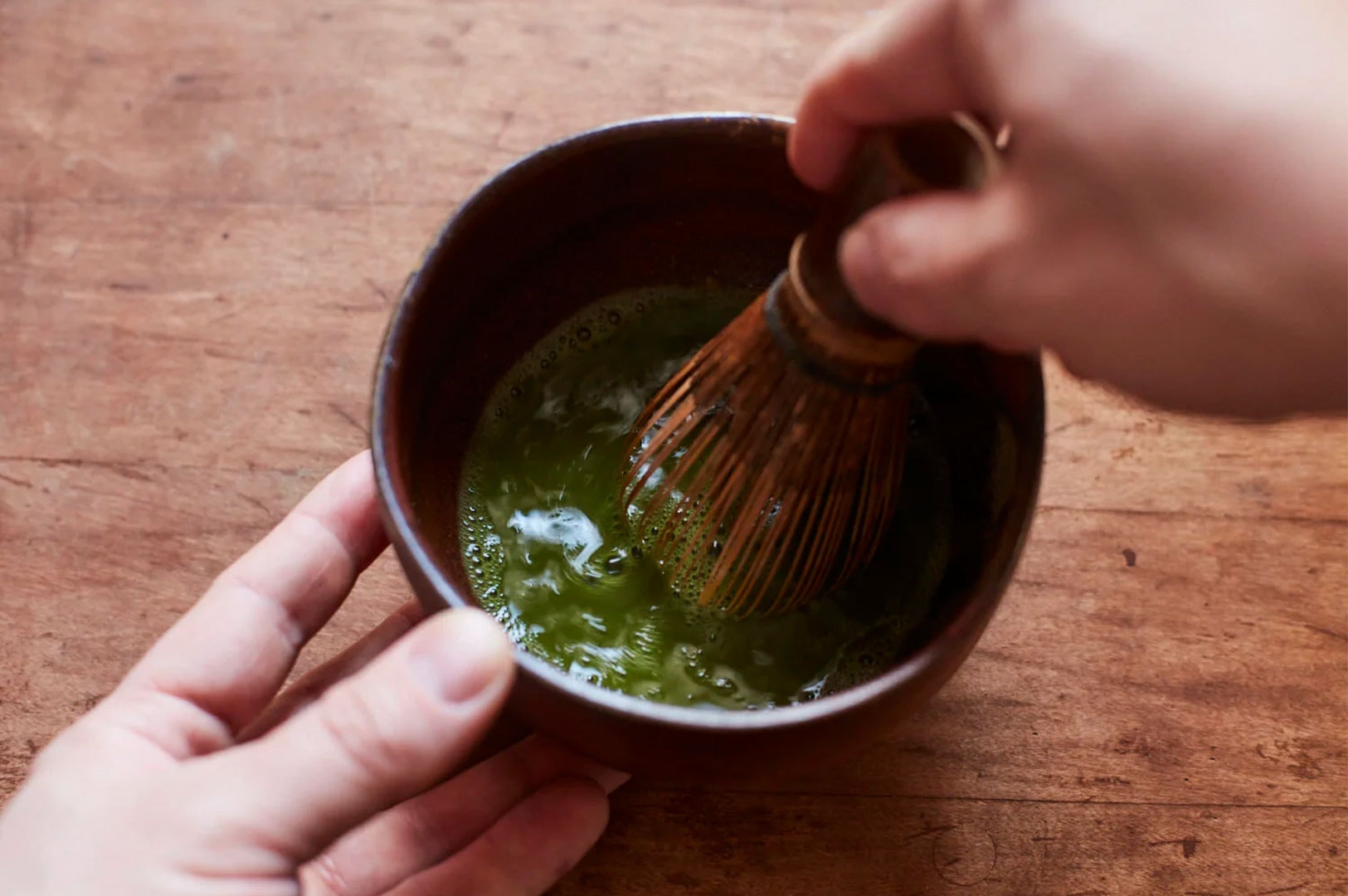
A smooth latte with silky texture requires precise technique and temperature control.
- Use a spoon to measure and sift 1-2 teaspoons of matcha powder into a bowl to remove clumps.
- Add 2-3 tablespoons of hot water (70-80°C). Too hot water extracts bitterness; too cool prevents flavor extraction.
- The matcha and water are whisked vigorously with a bamboo whisk in rapid zigzag motions for 30-60 seconds until frothy and smooth.
- Heat 6-8 ounces of milk or milk alternative to 60-65°C and froth to microfoam.
- Pour steamed milk slowly into matcha paste, stirring gently to combine while preserving foam.
For iced lattes, whisk matcha with room temperature water, pour over ice, then add cold milk.
Essential Equipment
A bamboo whisk (chasen) is key for creating froth and smooth mouthfeel. Electric frothers or wire whisks can work but may lack the signature silky texture. A fine-mesh sieve prevents clumps for smooth beverages.
Tea Manor Singapore offers authentic bamboo whisks and ceremonial bowls to enhance your matcha experience.
Milk and Milk Alternatives for Matcha Lattes
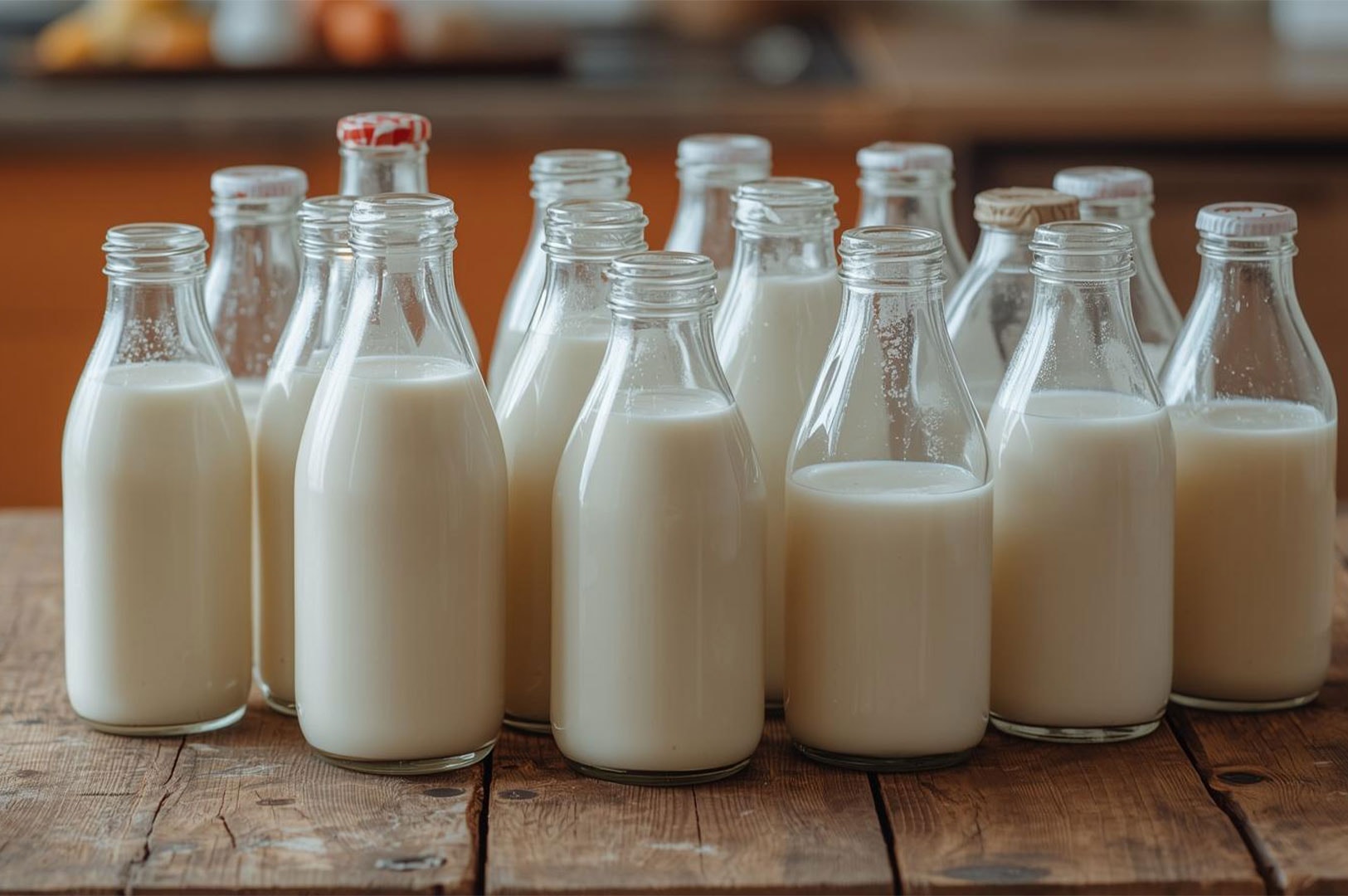
- Milk choice greatly affects flavor and texture. Whole dairy milk‘s fat content creates rich, creamy foam balancing matcha’s light astringency and earthiness.
- Oat milk is a popular plant-based alternative with natural creaminess and mild sweetness, especially barista blends designed for frothing. Pistachio-flavored plant-based milk can also complement matcha’s natural sweetness, adding a unique nutty note.
- Almond milk offers a lighter, nutty flavor but less stable foam. Soy milk provides protein for good froth with a neutral taste. Matcha also pairs well with other flavors such as vanilla or chocolate, allowing for a variety of taste experiences.
- Coconut milk imparts tropical flavors and creaminess but can overpower matcha’s subtlety, better for dessert-style lattes. Other ingredients and additives in plant-based milks can affect both the texture and flavor of your latte, so experimenting with different options is recommended.
Master frothing and temperature control (not exceeding 70°C) to achieve stable microfoam and smooth latte texture regardless of milk. This approach enhances the matcha taste and complements the hot tea experience, ensuring your cup of matcha is rich in flavor and nutrients typical of matcha products. Using uji matcha ensures a higher concentration of antioxidants and potential health benefits, such as supporting cholesterol levels and promoting improved concentration.
Flavor Balance and Sweetener Options
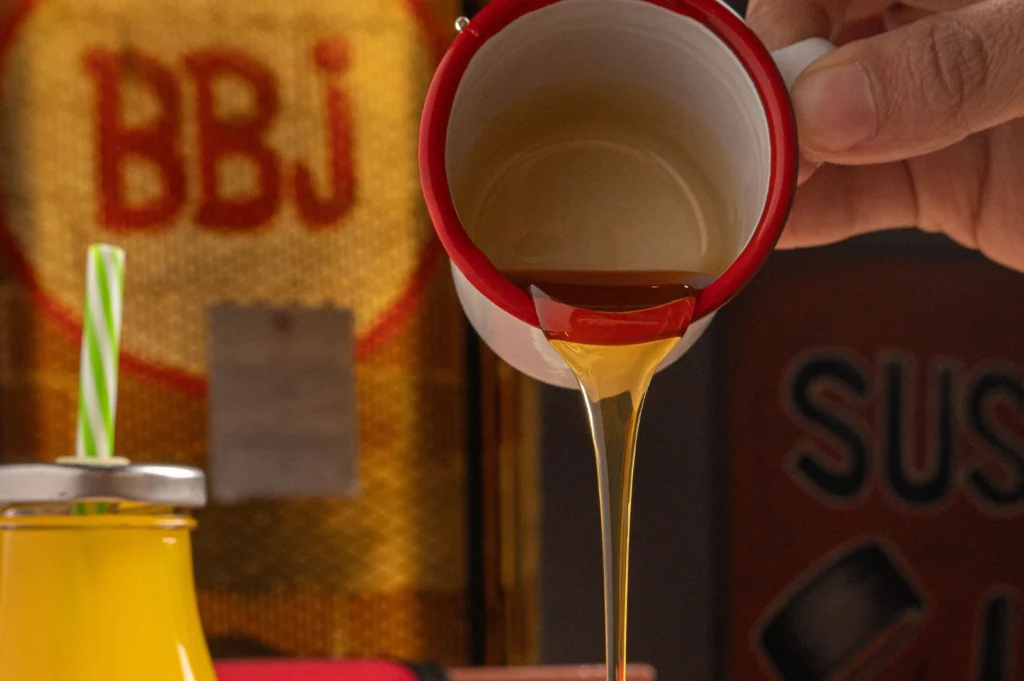
Matcha’s bitterness varies by grade and freshness. Achieving a well balanced flavor often requires sweeteners that complement but don’t overpower. Some people prefer their matcha lattes unsweetened, while others prefer specific sweeteners to suit their taste.
- Honey adds floral notes pairing well with matcha’s grassy flavors. Maple syrup offers rich, caramel-like sweetness perfect for dessert-style lattes.
- For low-carb or diabetic-friendly options, stevia and monk fruit provide sweetness without blood sugar impact but need careful use.
- Simple syrup is favored by baristas for neutral taste and easy mixing.
Traditional matcha drinking often uses minimal sweetener to highlight natural complexity. When making tea or matcha lattes, using high-quality matcha produced through shaded cultivation ensures a strong flavor and vibrant green color. Culinary grade matchas and ceremonial grade matcha powders differ in bitterness and sweetness, with culinary grade matchas typically consumed in lattes due to their more robust taste.
Adding sweeteners enhances the flavor balance, especially when using expensive powders or premium matcha for lattes. Lifestyle brands often promote natural sweeteners to complement matcha’s umami and earthy notes without masking its character. Using matcha produced from the same plant but processed differently creates unique flavor profiles that pair well with milk and other forms of dairy or plant-based alternatives.
Incorporating sweeteners thoughtfully preserves the smooth texture and creamy mouthfeel characteristic of matcha lattes, giving rise to a delightful beverage enjoyed worldwide. This approach balances matcha’s strong flavor with sweetness, making it accessible to a broader audience while respecting traditional Japanese tea culture.
Homemade vs Café Matcha Lattes
Making matcha lattes at home saves money—cafés charge $5-8 per drink while homemade costs $2-3 per serving.
Home preparation lets you control matcha powder quality, milk, and sweeteners, enhancing flavor and nutrition.
Cafés may use lower quality powders or mixes with additives.
Learning home preparation deepens appreciation for matcha and Japanese tea culture.
Creative Matcha Latte Variations
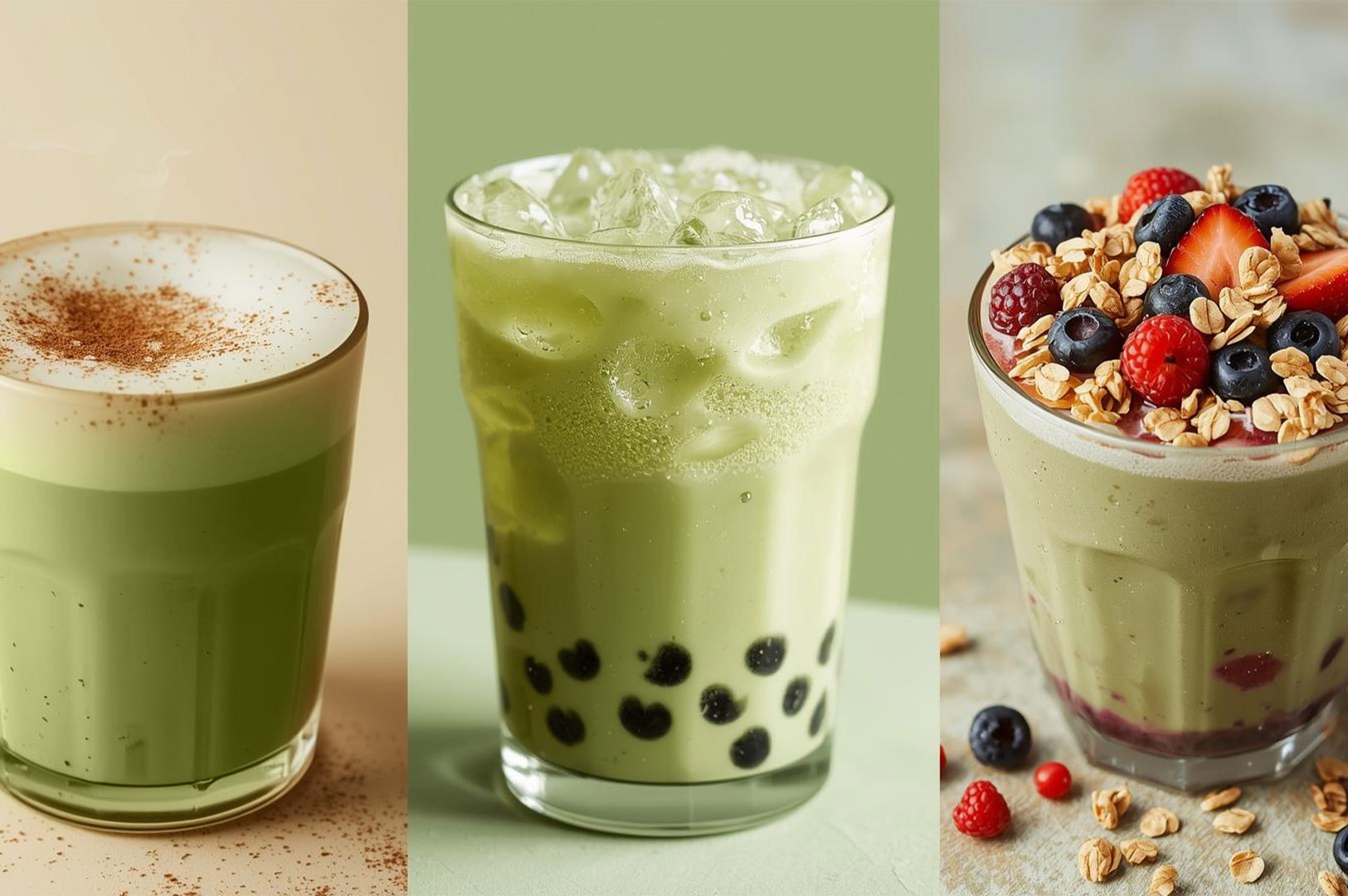
These creative recipes can help you achieve smooth lattes at home, bringing a cafe-quality experience to your kitchen.
- Try matcha white chocolate lattes by melting white chocolate into milk before mixing with matcha paste.
- Spiced matcha lattes with cinnamon, cardamom, or ginger add warming complexity.
- Matcha latte smoothie bowls reduce liquid for thick, spoonable breakfasts.
- Bubble tea versions add tapioca pearls for texture contrast, and matcha can also be enjoyed in other teas and beverages for even more variety.
- Seasonal flavors like pumpkin or peppermint showcase matcha’s versatility. For a dessert-style latte, consider using matcha in desserts such as cheesecakes or ice cream. When baking, incorporate matcha into baked goods like cookies and cakes to highlight its unique flavor in sweet treats.
Storage and Freshness Tips
- Store matcha powder airtight and opaque in the refrigerator to preserve color, flavor, and nutrients.
- Allow powder to reach room temperature before opening to prevent moisture.
- Use opened matcha within 2-3 months for best quality.
- Deterioration signs: yellowing, stale smell, bitter taste.
- Purchase quantities matching consumption to maintain freshness.
Where to Source Quality Matcha in Singapore
Tea Manor Singapore offers authentic, premium matcha powders directly sourced from renowned Japanese regions like Uji and Nishio, ensuring freshness and quality for matcha lattes.
They provide expert guidance, traditional tea accessories, and educational resources for beginners and enthusiasts.
Local markets include specialty shops and online retailers, but freshness and knowledge vary, so research before buying.
Conclusion: Choosing the Best Matcha for Perfect Lattes
Mastering matcha for lattes means understanding ceremonial and culinary grade differences, learning preparation techniques, and selecting quality ingredients. Whether for sustained energy, antioxidants, or the joy of a smooth latte, matcha offers a versatile, rewarding beverage.
Invest in proper tools, fresh powder, and practice to create exceptional homemade lattes rivaling cafés and honoring rich tradition.
Begin your matcha latte journey today with confidence in quality, technique, and creativity.
To dicover more green and healthy Tea in Singapore, click here

The Problem With “Single-Origin” Tea Obsession
There was a time when knowing where a tea came from was enough. Now, it sometimes feels as though we need to know everything. The mountain. The village. The garden. The harvest date. The particular plot where the leaves were grown. Single-origin tea has become a mark of quality in modern tea culture. The idea…
-
Where Singapore’s Tea Traditions Still Steep: Pek Sin Choon
The first thing I noticed was the smell. Not perfume, not incense. Something warmer and older than both. Roasted tea leaves, drifting out onto Mosque Street before I even reached the door. It’s the kind of smell that makes you slow your steps without knowing why. Pek Sin Choon has been on this corner of…
-
Not All Comfort Is Sweet: The Bitterness I Now Appreciate
I used to think comfort was supposed to be easy. A familiar drink. A familiar taste. Something that immediately made me feel better. For a long time, I gravitated towards teas that were gentle. Soft flavours. Natural sweetness. Anything that felt welcoming from the first sip. Then I started appreciating bitter teas. Not because I…
-
Understanding the Herb Behind the Refreshing Cup: Peppermint Tea
There is a moment, just after the hot water meets the fresh peppermint leaves, when the whole room seems to change. A sharp, green coolness lifts from the cup and settles somewhere behind your eyes. Drinking peppermint tea does this quietly, without fuss. It asks for nothing and offers a great deal. Most of us…
-
Why Most People Hate Oolong: Overcomplicated Advice Ruined It
I have always found it interesting that oolong tea is one of the most misunderstood teas. People often describe it as complicated. Too many varieties. Too many brewing methods. Too many rules. The leaves should be prepared this way. The water should be at this temperature. The teapot should be a certain material. The first…
-
Kempinski Singapore High Tea Review: When Afternoon Tea Feels Like an Occasion
The rain had come and gone by the time I arrived, leaving the street outside slick and quiet. I stepped in without knowing quite what I wanted from the afternoon. Only that I wanted it to be slow. The Lobby Lounge at The Capitol Kempinski Hotel Singapore does not rush you. It waits. And there…
-
Scent, Memory, and a Kettle: How Tea Anchors My Days
There are certain smells that bring us somewhere else before we even realise it. The scent of rain on warm pavement. A familiar perfume. The food someone used to make when we were younger. For me, tea belongs in that category. Sometimes, before I even take a sip, the aroma is enough to bring back…
-
The Chinese Yixing Teapot: More Than a Teapot, a Living Tea Tradition
The first time I held a Chinese Yixing teapot, I wasn’t ready for how warm it would feel. Small, reddish-brown, sitting in my palm like a river stone that had been kept somewhere warm. I’d just rinsed it with hot water, the way you’re supposed to before the first brew, and the clay drank up…
-
Your “Tea Sommelier” Might Be Selling You a Vibe, Not a Better Cup
There is a particular moment that has become increasingly familiar in modern tea culture. A tea is presented. Before the first sip, we are introduced to its story. The region. The altitude. The history. The carefully chosen words that describe its character. Perhaps there are notes of wildflowers, distant forests, roasted grains, or forgotten memories….
-
Does Tea Contain Caffeine? Understanding What’s Really in Your Tea
There’s a quiet moment many of us know well. The kettle clicks off. Steam curls up. You wrap your hands around a warm cup and feel your shoulders drop, just a little. Tea has always carried this sense of calm, of slowing down. So it can feel almost contradictory to ask: does tea contain caffeine?…