
Green tea has long been celebrated for its health benefits and calming properties. It is a popular tea worldwide, known for its cultural significance and widespread consumption. Both green tea and black tea are made from the Camellia sinensis plant, also known as the tea plant. These teas come from the same plant, camellia sinensis, but differ in their processing methods, which affects their caffeine content, flavor, and properties. If you’ve ever wondered is green tea caffeine-rich, the answer is yes—but it contains far less caffeine than coffee. This makes drinking green tea a perfect choice for those seeking a gentle energy boost without the jitters.
In this guide, we’ll explore green tea contains caffeine, caffeine content, factors affecting it, and how green tea consumption compares to other caffeinated drinks.
What Is Caffeine and How Green Tea Affects You
Caffeine is a natural stimulant present in coffee consumption, black tea, green and black tea, chocolate, and energy drinks. It blocks adenosine, a brain compound that induces sleepiness, while increasing adrenaline to boost alertness. Caffeine belongs to a class of stimulant drugs, which can affect the nervous system and should be consumed in moderation.
Green tea contains caffeine, but its effect differs from coffee. Thanks to L-theanine, an amino acid in tea leaves, green tea may improve focus and calmness simultaneously. This combination creates a smoother, more sustained energy boost, making cups of green tea a more balanced alternative to other caffeinated drinks.
How Much Caffeine Is in Green Tea?
Green tea caffeine content varies widely depending on the type of tea, brewing method, and quality of tea leaves. The caffeine contents of green tea can increase with longer steeping times and higher water temperatures—the longer you steep the tea, the more caffeine is extracted from the leaves. Typically, an 8oz cup contains 20-45mg, compared to:
- Coffee (8oz): 95-200mg
- Black tea (8oz): 40-70mg
- Energy drinks (8oz): 70-100mg
This means moderate green tea consumption can give a gentle alertness boost, about a quarter of the caffeine in coffee.
Types of Green Tea and Their Caffeine Levels
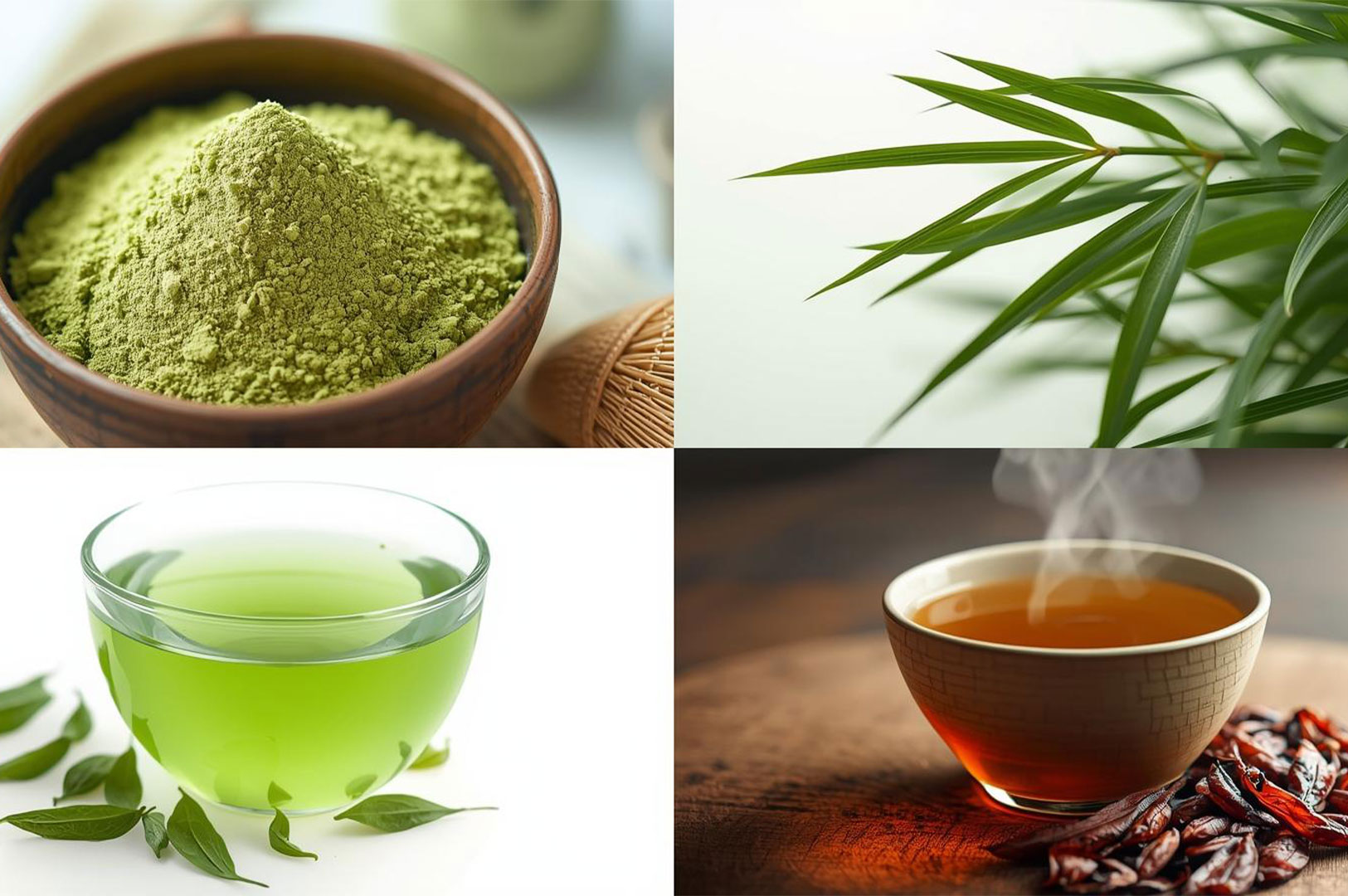
Different green teas offer different caffeine content. Japanese green teas, such as Matcha and Gyokuro, are known for their higher caffeine content due to unique cultivation methods like shading, which increases caffeine levels:
- Matcha: 60-80mg per serving. This is a Japanese green tea made from powdered leaves, so you consume the whole leaf. Matcha is known for its higher caffeine content.
- Gyokuro: 35-50mg. Another Japanese green tea, Gyokuro is grown in shade, a cultivation method that increases its caffeine content.
- Sencha: 20-30mg. The most popular green tea leaves in Japan.
- Hojicha: 7-10mg. Roasting lowers caffeine significantly.
- Genmaicha: 15-20mg. Blended with roasted rice, reducing caffeine.
- Decaffeinated green tea: 2-5mg. A tiny residual amount remains.
Pro Tip: If sensitive to caffeine, stick to Hojicha, Genmaicha, or decaf green tea extract.
Brewing Temperature, Steeping Time, and Green Tea Consumption
The way you brew green tea affects caffeine content. The caffeine in a cup of green tea depends on how the tea is infused and the brewing method used:
- Hot water (80–85°C) + longer steeping (3–5 min) = a stronger tea infused with more caffeine in your cup of green tea
- Cooler water (60–70°C) + shorter steeping (1–2 min) = less caffeine
- The first infusion has the highest caffeine; subsequent brews have less
Loose leaf tea or tea bags can offer different green tea polyphenol levels, which contribute to many health benefits like cardiovascular health and blood sugar regulation.
Green Tea vs. Other Beverages
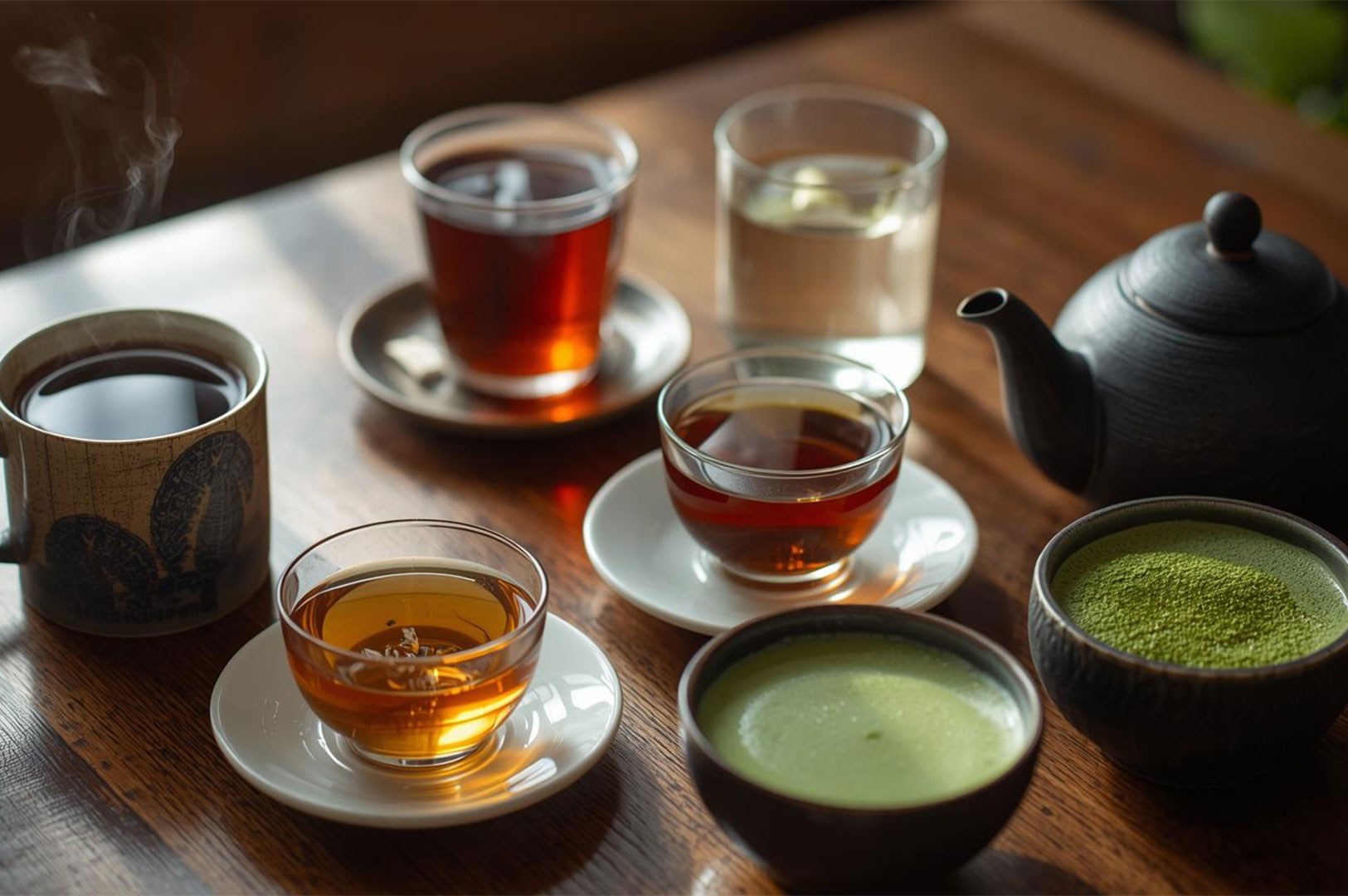
Green tea contains caffeine, but how does it compare to other caffeinated drinks?
| Beverage | 8oz Caffeine |
|---|---|
| Coffee | 95-200mg |
| Black tea | 40-70mg |
| Green tea | 20-45mg |
| White tea | 15-30mg |
| Oolong tea | 30-50mg |
| Matcha | 60-80mg |
| Herbal tea | 0mg |
Key takeaway: Drinking green tea offers enough caffeine for focus without coffee’s intense spike, ideal for personal health goals like weight management or reducing belly fat.
Green and Black Tea Caffeine: How They Compare
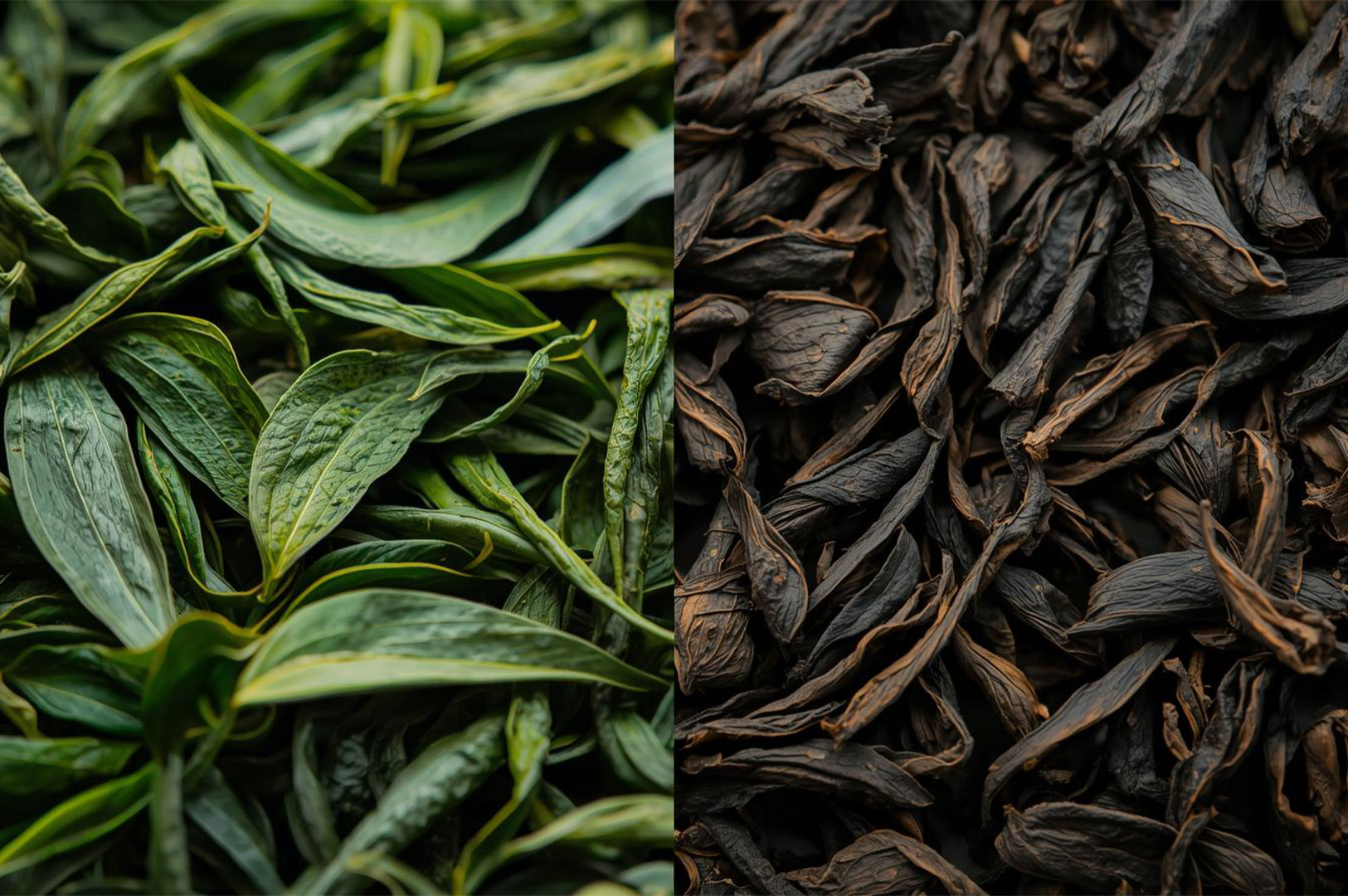
Both green and black tea come from the Camellia sinensis plant, yet they differ significantly in their caffeine content and overall effects on the body. The difference arises mainly from their oxidation levels — the process that transforms fresh tea leaves into either green or black tea.
Green tea undergoes minimal oxidation, preserving its natural compounds and keeping caffeine levels relatively low. On average, an 8-ounce cup of green tea contains 20–45 mg of caffeine, depending on the type, leaf grade, and brewing method. This modest caffeine level provides a gentle energy boost without overstimulating the nervous system, making green tea ideal for people seeking calm alertness and focus.
Black tea, however, is fully oxidized, resulting in a stronger flavor and higher caffeine content. A typical cup contains around 40–70 mg of caffeine, with some varieties reaching up to 90 mg. This makes black tea a better choice for those who prefer a more pronounced morning energy lift, similar to—but milder than—coffee.
While both teas contain caffeine, their effects differ due to the presence of L-theanine, an amino acid found more abundantly in green tea. L-theanine works synergistically with caffeine to promote relaxed alertness, smoothing out energy spikes and reducing the likelihood of jitters or anxiety. In contrast, black tea’s stronger caffeine concentration offers a more immediate sense of stimulation.
When comparing green and black tea caffeine, the difference isn’t just about the numbers—it’s about the experience. Green tea provides balanced focus and mental clarity, while black tea delivers robust energy and alertness. Both can be part of a healthy lifestyle when consumed in moderation, but choosing between them depends on your personal caffeine tolerance and daily needs.
- Pro Tip: If you’re sensitive to caffeine but still enjoy a morning ritual, opt for green tea varieties like Sencha, Genmaicha, or Hojicha, which contain less caffeine. For a stronger pick-me-up, Assam or Ceylon black teas are excellent choices.
Health Benefits of Green Tea
Green tea isn’t just about caffeine—it’s packed with green tea catechins, tea polyphenols, and antioxidants with many health benefits. The potential health benefits of consuming green tea are supported by scientific research, including studies on its antioxidant properties, cardiovascular protection, and weight management.
- Cardiovascular health: Regular green tea daily intake may reduce blood pressure and support heart disease prevention. Research shows that high green tea consumption, such as four or more cups per day, is associated with greater cardiovascular benefits.
- Weight management: Studies suggest green tea may aid weight loss and reduce body weight when combined with diet. High green tea consumption has been linked to more significant weight management outcomes, as shown in science green tea studies.
- Blood sugar regulation: Green tea affects glucose metabolism and may benefit middle-aged or cognitively intact older adults.
- Oral health: Green tea extract supports gum health and reduces plaque. Green tea extracts are also used in supplements and topical treatments for additional oral health benefits.
- Overall wellness: Green tea supplementation shows promise in randomized controlled trials and systematic reviews for beneficial properties. Many of these health claims are green tea backed by scientific studies and reviews, highlighting the science green tea evidence. Consuming green tea regularly has been linked to improved health outcomes.
Drinking tea, especially green tea rich in polyphenols like EGCG, has also been associated with improved bone density and may help protect against osteoporosis.
Pro Tip: Green tea polyphenol content is higher in loose leaf tea and Japanese green tea varieties like Gyokuro.
Managing Caffeine and Green Tea Consumption
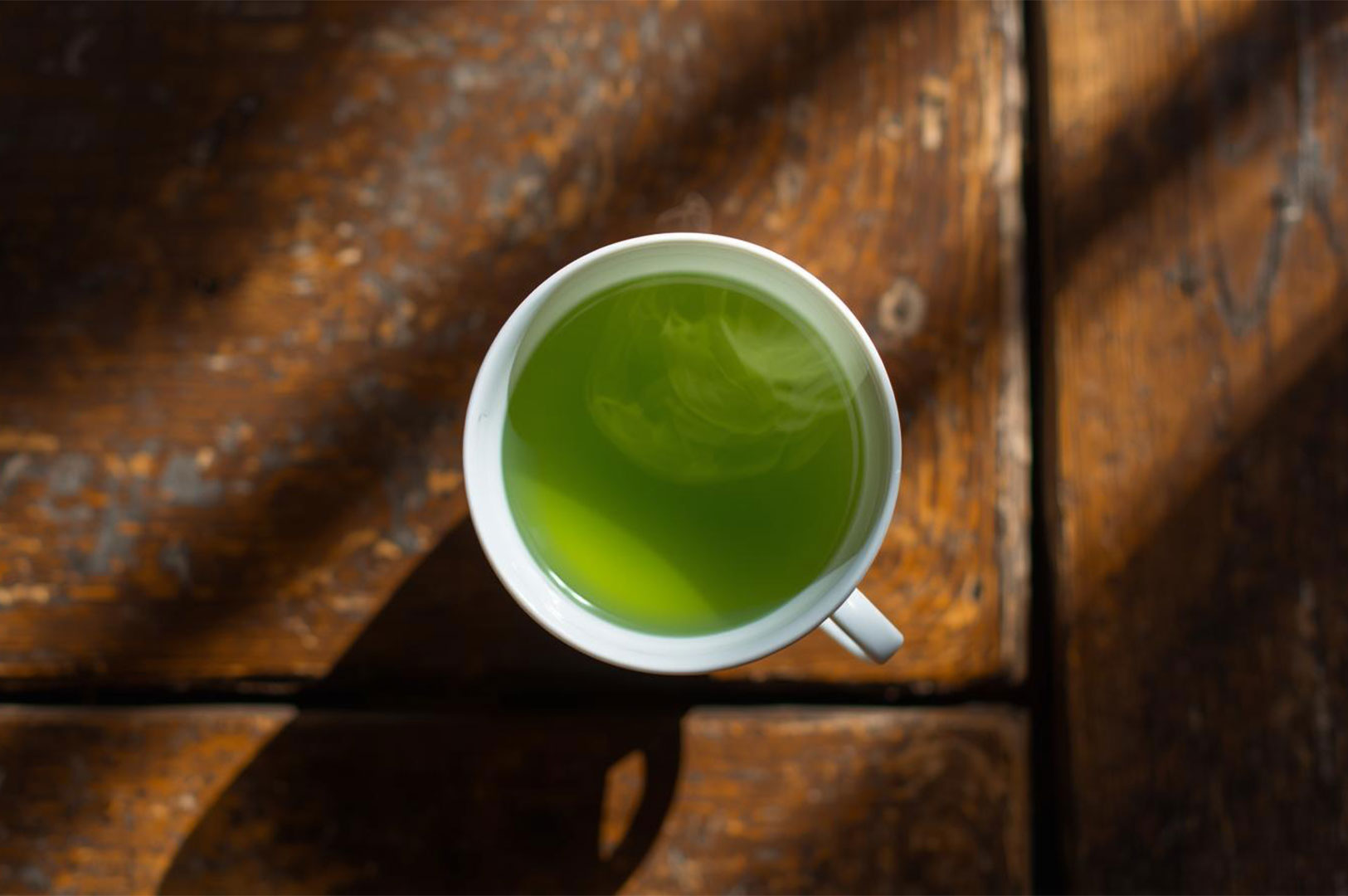
To enjoy green tea daily without overdoing caffeine intake, it's important to consider how much green tea is safe for you. Most guidelines suggest that moderate consumption—typically 2 to 8 cups per day for most adults—is considered safe, but this can vary based on individual sensitivity and health status.
- Track total caffeine: include coffee consumption, chocolate, and energy drinks
- Time your cups of green tea in the morning or early afternoon
- Choose low-caffeine varieties like Hojicha or Genmaicha
- Consider green tea supplements or decaffeinated green tea
Caffeine Guidelines:
- Most adults: up to 400mg/day (~8–20 cups of green tea)
- Caffeine-sensitive individuals: 100–200mg/day (~2–10 cups)
Frequently Asked Questions About Green Tea
Q1: Is Green Tea a Good Coffee Alternative?
Yes! Green tea delivers moderate caffeine content with L-theanine for calm focus. Replacing 1–2 cups of coffee with green tea daily is an easy first step.
Q2: Can I Drink Green Tea Before Bed?
Stop green tea consumption 4–6 hours before sleep if sensitive. Try Hojicha or decaf green tea extract in the evening.
Q3: How Many Cups of Green Tea Equal One Cup of Coffee?
Caffeine-wise, 3–4 cups of green tea equal one cup of coffee, but the calming effects differ.
Q4: Does Green Tea Dehydrate Like Coffee?
No, tea consumption under 200mg caffeine per serving contributes to hydration.
Q5: Can Children or Pregnant Women Drink Green Tea?
- Children: 1 cup/day is safe for teens; not recommended for young kids
- Pregnant women: 1–2 cups/day (under 200mg caffeine)
Final Thoughts on Green Tea and Caffeine
Yes, green tea contains caffeine, but in a manageable amount. Its combination of L-theanine and beneficial properties makes it one of the healthiest beverages to enjoy for energy boost, weight management, heart disease prevention, and overall wellness. Drinking green tea is not just about alertness—it’s a ritual for both mind and body.
Want to learn more about green tea? Explore our Complete Guide to Drinking Green Tea: Health Benefits, Brewing Techniques, and Cultural Traditions.

Loose Tea Leaves: Elevate Your Singapore Tea Experience
In a city that moves as fast as Singapore, the simple act of brewing a cup of tea can feel like a small rebellion—a moment of intentional calm. More and more tea lovers are discovering that this moment is profoundly elevated when they make the switch from conventional tea bags to loose tea leaves. This…

Tea Leaf Singapore: An Exquisite Journey of Flavours, Traditions, and Moments
Singapore’s strategic position as a maritime trading hub has nurtured a rich tea culture where ancient traditions blend with modern innovation. The local love for tea runs deep, shaping Singapore’s unique tea culture and fostering a strong appreciation for every cup. Singapore continues to honor its tea traditions while embracing new innovations, ensuring that the…
Korean Barley Tea: A Journey into Boricha and Its Rich Traditions
Walk into any Korean restaurant, and before you glance at the menu, a glass of amber-colored boricha (보리차) arrives. This Korean barley tea is as fundamental as water in Korean culture—served hot or cold, a staple in everyday life and a gesture of hospitality. While roasted barley tea is popular across many East Asian countries,…
Mugicha Barley Tea: Japan’s Beloved Caffeine-Free Summer Drink Unveiled
Long before green tea became Japan’s iconic beverage, mugicha barley tea—a golden, nutty roasted barley tea—has refreshed Japanese families for centuries. Unlike traditional tea from Camellia sinensis leaves, mugicha is a naturally caffeine free herbal tea made by steeping roasted barley grains in hot water. This traditional barley tea has evolved from an imperial luxury…
Buckwheat Tea Unveiled: Singapore’s Rising Caffeine-Free Wellness Beverage
Singapore’s health-conscious community is embracing buckwheat tea, a caffeine free tea known for its rich cultural heritage, unique nutty flavor, and impressive health benefits. This traditional Asian beverage, also called soba cha in Japan, offers a soothing alternative to green tea or coffee, perfect for Singapore’s tropical climate and wellness goals. Its growing popularity reflects…
Japanese Green Tea from Japan: Unlocking the Secrets of Authentic Varieties and Brewing
Experience the rich tradition of authentic japanese green tea from japan, a beverage refined over centuries with unique steaming methods that preserve its vibrant color, rich aroma, and delicate taste. This comprehensive guide introduces you to Japan’s most treasured green tea varieties, their extensive health benefits, and how to enjoy japanese tea perfectly brewed, whether…

How to Make Matcha Latte: A Step-by-Step Recipe Quest
There’s a special kind of satisfaction that comes from mastering your favorite café drink at home. When it comes to the vibrant and creamy matcha latte, the rewards are particularly sweet. Learning how to make matcha latte in your own kitchen not only saves you money but also gives you complete control over the quality,…
Mastering the Art of Matcha Green Tea Latte Recipe: Your Path to Perfection
There’s a unique kind of magic in crafting your own café-quality matcha green tea latte at home. It’s the satisfaction of watching vibrant green matcha swirl into creamy, frothed milk, the joy of customizing it to your exact taste, and the simple pleasure of sipping a wholesome, delicious beverage you made yourself. Beyond the significant…

Afternoon Tea in Singapore: Your Passport to Tradition and Modern Fusion
Imagine the gentle clink of fine china, the sight of a beautiful three-tiered stand laden with exquisite sweet and savoury treats, and the aroma of freshly brewed tea filling the air. This is the timeless allure of afternoon tea in Singapore, a ritual that feels both wonderfully indulgent and deeply comforting. In a city that…

Discover the Rich Flavors of Ceylonese Tea: A Complete Overview
Picture a landscape of rolling hills carpeted in a sea of green, where misty clouds kiss the mountaintops and the air is crisp and cool. This is the heartland of Sri Lanka, the island nation once known as Ceylon, and the origin of one of the world’s most celebrated teas. For over a century, the…