There’s a special kind of satisfaction that comes from mastering your favorite café drink at home. When it comes to the vibrant and creamy matcha latte, the rewards are particularly sweet. Learning how to make matcha latte in your own kitchen not only saves you money but also gives you complete control over the quality, sweetness, and flavor. Matcha is celebrated for its health benefits, including a rich supply of antioxidants and energizing nutrients that support overall wellness. Plus, the mindful ritual of whisking the bright green matcha powder is a wonderfully therapeutic way to start your day.
This beloved healthy drink beautifully merges the ancient traditions of Japanese tea with the modern comfort of a creamy latte. While it might seem intimidating, creating the perfect matcha tea latte is a skill anyone can learn.
Why Learn How to Make Matcha Latte at Home?
Your daily café run for a matcha latte can be a costly habit. Bringing this ritual into your own home offers several fantastic benefits that go beyond just saving money.
- Cost Savings: A single tin of high-quality ceremonial grade matcha powder can make 20-30 lattes, bringing the per-cup cost down significantly compared to café prices.
- Complete Customization: You are in control. Adjust the sweetness using liquid sweeteners like maple syrup, agave syrup, simple syrup, or powdered brown sugar, choose your favorite milk, and decide how strong you want the matcha flavor to be by adding more matcha or using culinary grade matcha powder. Experiment to find the perfect balance of sweetness, milk, and matcha to suit your taste.
- Quality Ingredients: You can choose higher quality matcha powder made from ground green tea leaves, avoiding the fillers and hidden sugars often found in pre-made café mixes.
- The Joy of the Ritual: The process of making a matcha latte is a mindful and satisfying experience. It’s a moment of calm in a busy day, especially when whisking vigorously with a bamboo whisk or electric frother in a traditional matcha bowl.
Ingredients for the Ideal Matcha Latte
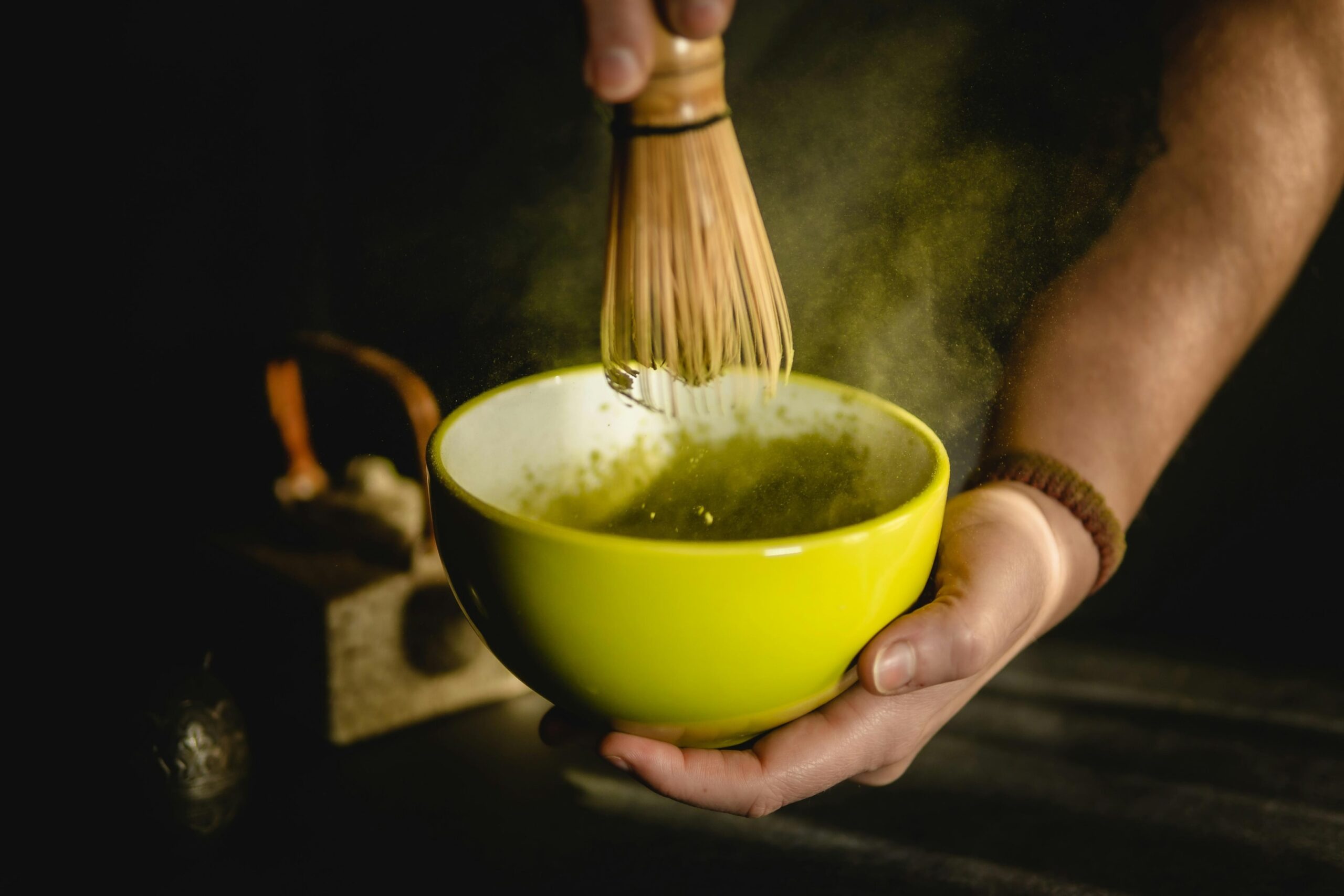
The secret to a delicious latte lies in a few simple, high-quality ingredients. Here’s exactly what you’ll need for one serving:
- Matcha Powder: 1–2 teaspoons of fine powder made from the entire leaf of green tea leaves.
- Hot Water: 60 ml (¼ cup), heated to around 80°C (176°F) to avoid a bitter earthy taste.
- Milk or Milk Alternative: 180–200 ml (¾ cup) of your favorite milk such as oat milk, almond milk, coconut milk, soy milk, cashew milk, or regular milk to steam milk or froth milk. When choosing between dairy and plant-based milks, consider the saturated fat content, as some options like whole milk or coconut milk are higher in saturated fat than others.
- Sweetener (Optional): 1–2 teaspoons of honey, maple syrup, agave syrup, simple syrup, or powdered brown sugar. Some people prefer just a tiny bit of sweetener, or none at all, for a more traditional taste.
Nutrition Calories of Your Matcha Latte
Understanding the nutrition calories in your matcha latte helps you enjoy this healthy drink mindfully. A typical homemade matcha latte made with 1 teaspoon of matcha powder, ¾ cup of oat milk, and 1 teaspoon of maple syrup contains approximately 90-120 calories. Using whole milk or coconut milk may increase the calorie and saturated fat content, while almond or cashew milk options tend to be lower in calories. Adjusting sweetener amounts will also impact the total nutrition calories, making it easy to customize to your dietary needs.
Equipment You’ll Need to Make Matcha Latte
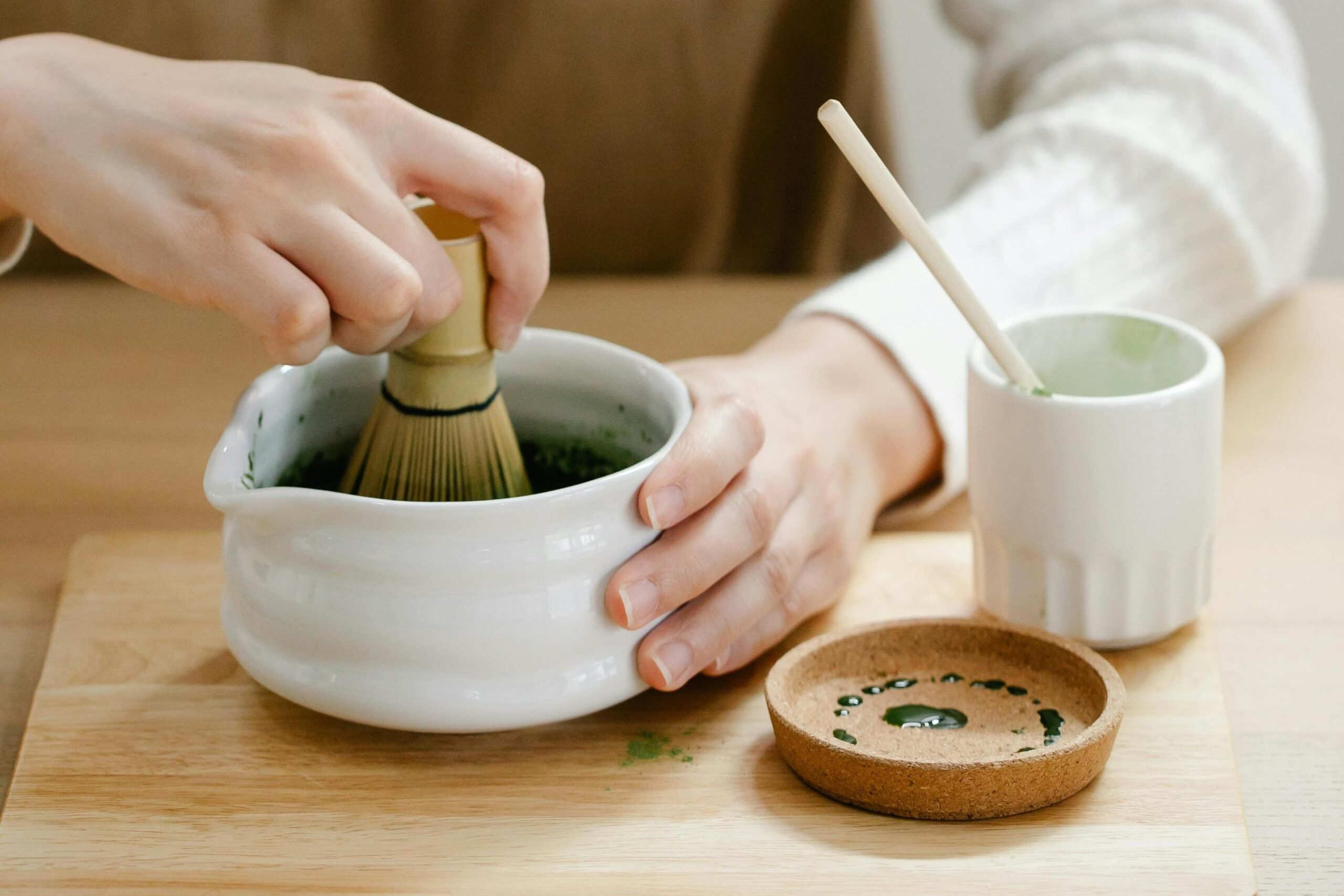
You don’t need fancy barista skills or equipment to make a perfect matcha latte at home. Here are a few key tools that will ensure your success.
- For Whisking Matcha (Choose one):
- Bamboo Whisk (Chasen): The traditional and most effective tool. Its fine tines break up lumps remain and aerate the matcha, creating the smoothest texture.
- Electric Frother: A fast and convenient modern alternative that can whisk briskly and froth milk simultaneously.
- Milk Frother: Ideal for frothing milk to create velvety frothed milk.
- Mason Jar: A simple option for iced matcha latte. Add all the ingredients, seal, and shake vigorously.
- Essential Accessories:
- Fine-Mesh Sifter: A non-negotiable tool for preventing clumps in your matcha powder.
- Matcha Bowl or Mug: A vessel with a flat bottom is ideal for whisking in the usual circular pattern or the recommended "W" or "M" motions.
- Thermometer: Helpful for ensuring your water isn’t too hot and your milk is at the perfect temperature to steam milk.
How to Make a Hot Matcha Latte: Perfect Matcha Latte Recipe
This step-by-step tutorial will guide you to a perfect, creamy, hot matcha tea latte every time, showing you how to make a matcha latte at home with ease.
Prep time: 5 minutes
Serving size: 1 latte
- Sift the Matcha: Sift 1–2 teaspoons of matcha powder directly into your matcha bowl or mug. This is the secret to a silky-smooth, clump-free latte.
- Make the Matcha Paste: Pour the 60 ml of hot water (around 80°C) over the sifted matcha. Using boiling water will scorch the delicate tea leaves, resulting in a bitter earthy taste.
- Whisk Vigorously: Using your bamboo whisk or electric frother, whisk briskly in a “W” or “M” motion for about 20–30 seconds. You’re looking for a smooth, vibrant green paste with a layer of fine foam on top. Make sure no lumps remain.
- Heat and Froth the Milk: While the matcha paste rests, gently heat your milk on the stove or in the microwave until it’s warm but not boiling (around 65°C or 150°F). Use a milk frother or steam milk for creamy, velvety frothed milk.
- Combine and Serve: If using a liquid sweetener or sugar, stir it into your matcha paste now. Pour the warm, frothed milk into your favorite cup, then gently pour the matcha paste into the center. Enjoy the comfort of holding a warm cup and savoring this soothing beverage immediately—your perfect matcha latte.
Required Recipe Ratings and Reviews
Many recipe developers and food bloggers include required recipe ratings to help readers choose the best matcha latte recipe. Our recipe has received excellent reviews for ease of preparation, taste, and customization options. We encourage you to review this recipe after trying it and share your experience. Your feedback helps improve the recipe and guides others in making their own matcha latte.
How to Make an Iced Matcha Latte: Refreshing Iced Matcha Recipe
Iced matcha lattes are a popular variation of matcha drinks, perfect for warm weather. Learning how to make iced matcha latte is just as easy. The process is similar to hot matcha lattes, with a few key adjustments for a refreshing cold drink.
- Prepare the Matcha Paste: For iced matcha lattes, follow steps 1 and 2 from the hot latte recipe, but you can use cold water or room temperature water instead of hot water if you prefer. Whisk briskly until a smooth paste forms. If using a liquid sweetener, dissolve it into the paste now.
- Fill and Add Milk: Fill a tall glass completely with ice cubes. Pour your cold milk of choice over the ice, leaving about an inch of space at the top.
- Create the Layers: Gently pour the prepared matcha paste over the top of the cold milk. It will slowly cascade down through the ice cubes, creating a beautiful, photo-worthy layered effect.
- Stir and Enjoy: Give it a quick stir to combine everything, and enjoy your refreshing iced matcha latte.
Customizing Your Matcha Latte: Recipe Inspiration for Your Own Matcha Latte
This is where the fun begins! There are countless recipes for matcha lattes, each offering unique flavors and experiences. Tailor your matcha latte to your exact preferences.
Milk Options:
- Oat Milk: The café favorite for its creamy texture and neutral, sweet flavor.
- Whole Milk: Creates the richest foam and offers a classic, creamy taste.
- Soy Milk: Froths surprisingly well and has a distinct flavor that pairs nicely with matcha.
- Almond Milk: A lighter, nuttier option, though it creates less foam.
- Cashew Milk and Coconut Milk: Great dairy-free alternatives that add unique flavors.
Sweetener Choices:
- Maple Syrup or Honey: Both dissolve easily and add a natural sweetness.
- Powdered Brown Sugar: Adds a delicious, caramel-like depth, especially in iced matcha latte.
- Agave Syrup and Simple Syrup: Great liquid sweeteners to balance the earthy taste.
Flavor Variations:
- Vanilla Latte: Add ¼ teaspoon of vanilla extract to your milk before frothing.
- Cinnamon Latte: Sprinkle a pinch of cinnamon into your matcha powder before sifting.
- Lavender Latte: Infuse your milk by warming it with culinary lavender buds, then strain before frothing.
Experiment with these recipes for matcha lattes, and feel free to try other recipes or share your own favorite matcha latte combinations! Don't forget to comment something about your favorite variations or tips.
Pro Tips for Café-Quality Matcha Latte at Home
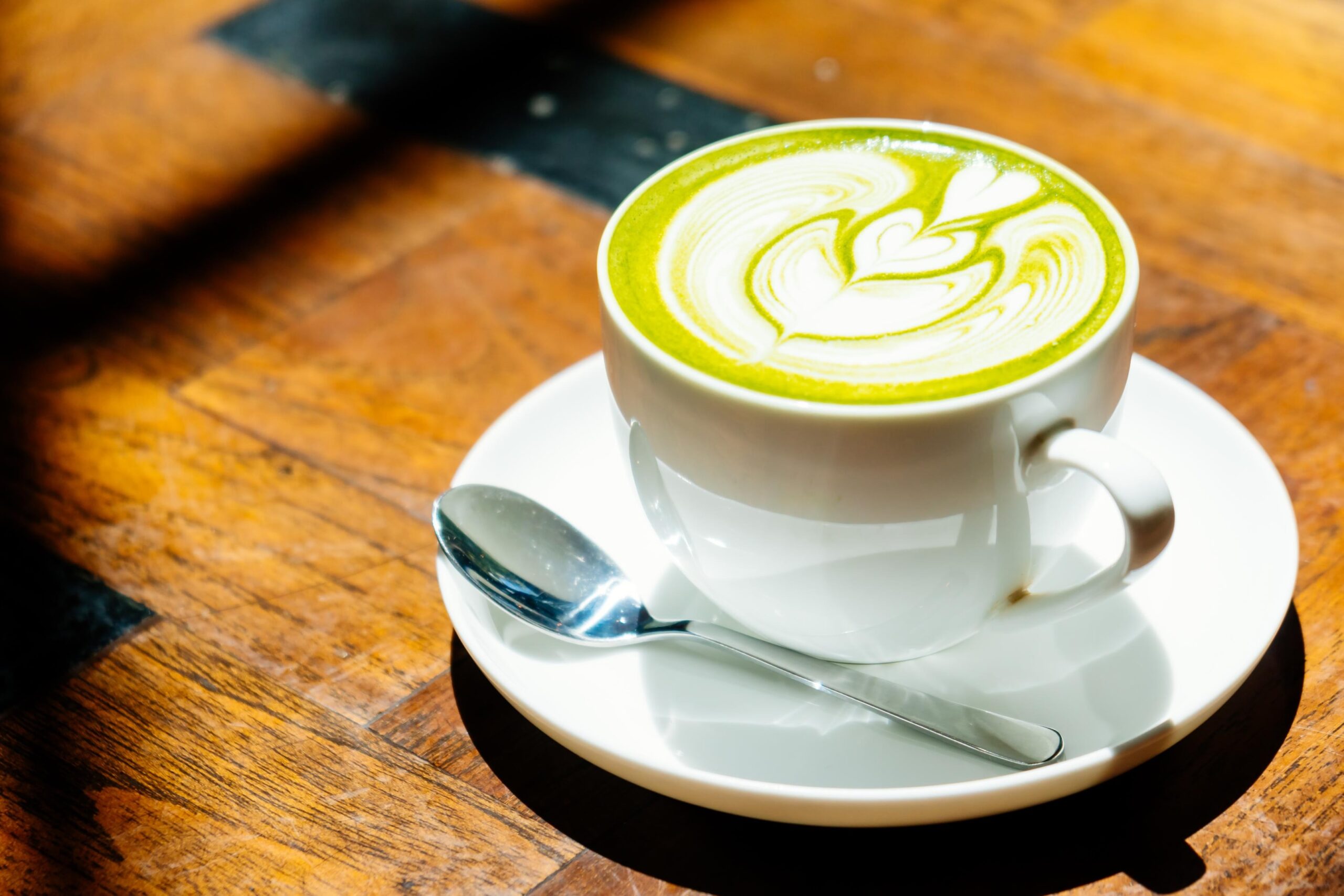
- The Whisking Motion: With a bamboo whisk, use quick, sharp wrist movements in a "W" or "Z" pattern. Don't press the whisk to the bottom of the matcha bowl.
- Foam Goals: Aim for "microfoam"—a texture with tiny, uniform bubbles, like wet paint. This creates a silky, not bubbly, mouthfeel.
- Temperature is Key: Use a thermometer to ensure your hot water is around 80°C and your milk is no hotter than 65°C for the best flavor and foam.
Timing and Efficiency Tips to Make Matcha Latte
Want to fit a homemade matcha latte into your busy morning?
- Prep Ahead: Pre-sift and measure your matcha powder into a small container the night before.
- Make Matcha Concentrate: Whisk a larger batch of matcha paste (matcha and water) and store it in a sealed jar in the fridge for up to 2 days. In the morning, just shake it, add it to your frothed milk, and you're ready to go.
Conclusion: Enjoy Matcha and Make Matcha Latte Your Favorite Drink
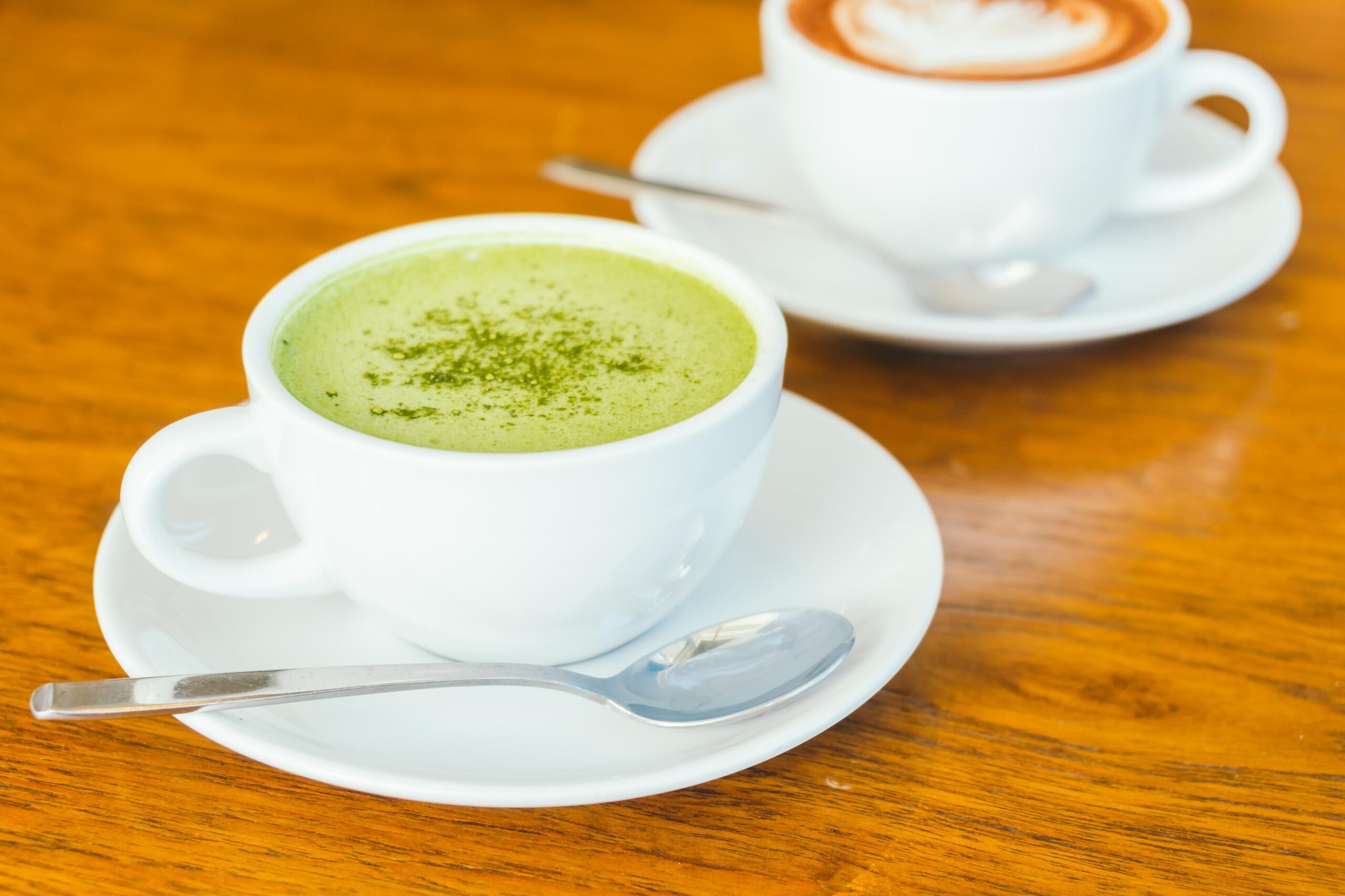
Learning how to make matcha latte at home is a simple, joyful ritual that empowers you to create a perfect, personalized beverage every time. It connects you to a rich history while allowing for modern creativity. With a little practice, the right ingredients, and these techniques, you’ll be crafting lattes that rival—or even surpass—your favorite café.

The Problem With “Single-Origin” Tea Obsession
There was a time when knowing where a tea came from was enough. Now, it sometimes feels as though we need to know everything. The mountain. The village. The garden. The harvest date. The particular plot where the leaves were grown. Single-origin tea has become a mark of quality in modern tea culture. The idea…
-
Where Singapore’s Tea Traditions Still Steep: Pek Sin Choon
The first thing I noticed was the smell. Not perfume, not incense. Something warmer and older than both. Roasted tea leaves, drifting out onto Mosque Street before I even reached the door. It’s the kind of smell that makes you slow your steps without knowing why. Pek Sin Choon has been on this corner of…
-
Not All Comfort Is Sweet: The Bitterness I Now Appreciate
I used to think comfort was supposed to be easy. A familiar drink. A familiar taste. Something that immediately made me feel better. For a long time, I gravitated towards teas that were gentle. Soft flavours. Natural sweetness. Anything that felt welcoming from the first sip. Then I started appreciating bitter teas. Not because I…
-
Understanding the Herb Behind the Refreshing Cup: Peppermint Tea
There is a moment, just after the hot water meets the fresh peppermint leaves, when the whole room seems to change. A sharp, green coolness lifts from the cup and settles somewhere behind your eyes. Drinking peppermint tea does this quietly, without fuss. It asks for nothing and offers a great deal. Most of us…
-
Why Most People Hate Oolong: Overcomplicated Advice Ruined It
I have always found it interesting that oolong tea is one of the most misunderstood teas. People often describe it as complicated. Too many varieties. Too many brewing methods. Too many rules. The leaves should be prepared this way. The water should be at this temperature. The teapot should be a certain material. The first…
-
Kempinski Singapore High Tea Review: When Afternoon Tea Feels Like an Occasion
The rain had come and gone by the time I arrived, leaving the street outside slick and quiet. I stepped in without knowing quite what I wanted from the afternoon. Only that I wanted it to be slow. The Lobby Lounge at The Capitol Kempinski Hotel Singapore does not rush you. It waits. And there…
-
Scent, Memory, and a Kettle: How Tea Anchors My Days
There are certain smells that bring us somewhere else before we even realise it. The scent of rain on warm pavement. A familiar perfume. The food someone used to make when we were younger. For me, tea belongs in that category. Sometimes, before I even take a sip, the aroma is enough to bring back…
-
The Chinese Yixing Teapot: More Than a Teapot, a Living Tea Tradition
The first time I held a Chinese Yixing teapot, I wasn’t ready for how warm it would feel. Small, reddish-brown, sitting in my palm like a river stone that had been kept somewhere warm. I’d just rinsed it with hot water, the way you’re supposed to before the first brew, and the clay drank up…
-
Your “Tea Sommelier” Might Be Selling You a Vibe, Not a Better Cup
There is a particular moment that has become increasingly familiar in modern tea culture. A tea is presented. Before the first sip, we are introduced to its story. The region. The altitude. The history. The carefully chosen words that describe its character. Perhaps there are notes of wildflowers, distant forests, roasted grains, or forgotten memories….
-
Does Tea Contain Caffeine? Understanding What’s Really in Your Tea
There’s a quiet moment many of us know well. The kettle clicks off. Steam curls up. You wrap your hands around a warm cup and feel your shoulders drop, just a little. Tea has always carried this sense of calm, of slowing down. So it can feel almost contradictory to ask: does tea contain caffeine?…