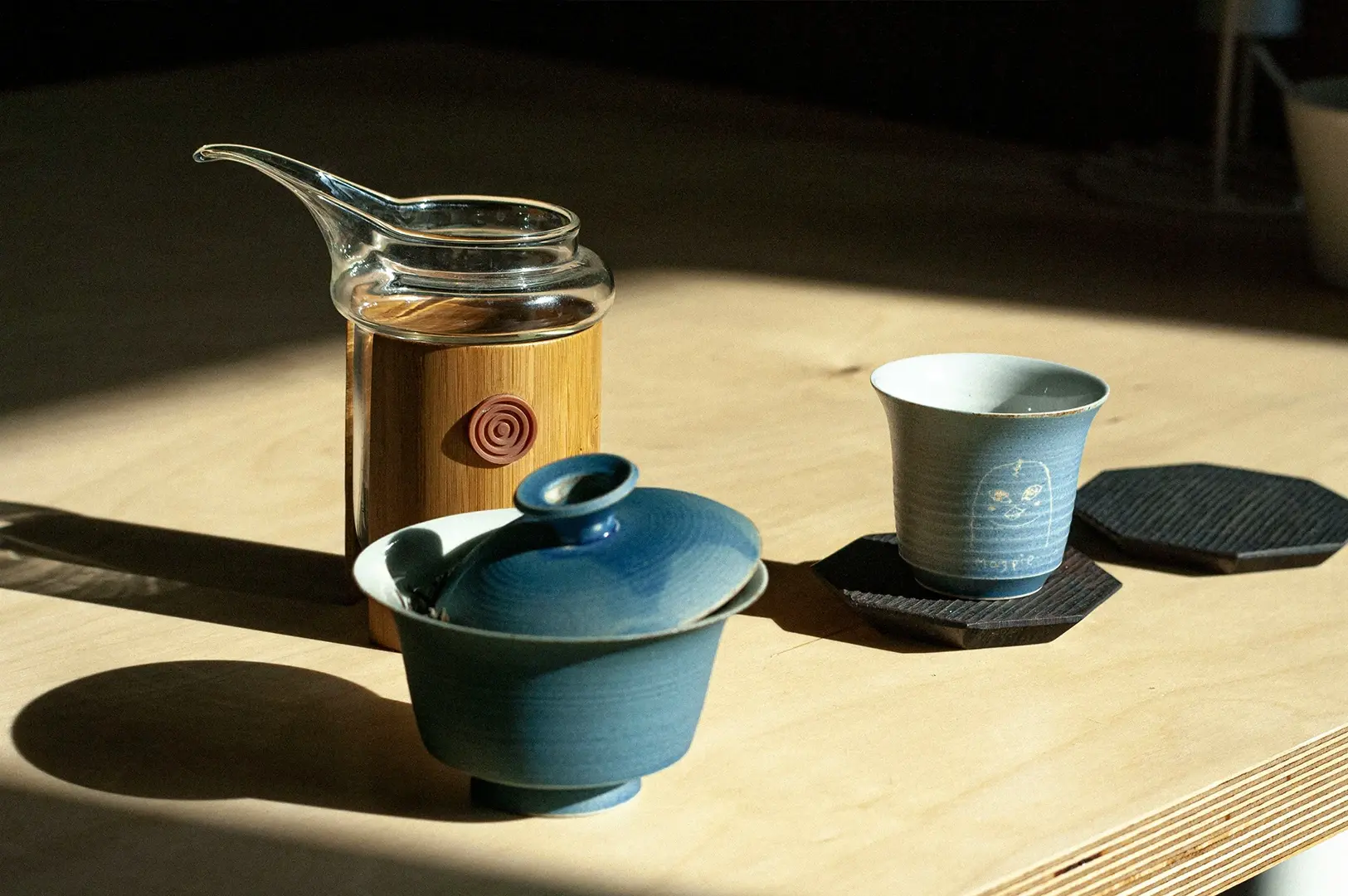
There is a particular quiet that settles when you pour hot water over tea leaves in a pot you chose with care. The weight of the clay in your hand. The porcelain capacity that holds just the right amount of warmth. A small ritual, repeated, until it becomes yours.
Singapore knows tea in many languages. There is the strong pull of a kopitiam cup, milky and sweet. There is the patience of a gongfu session, tiny teacups refilled again and again. And there is the growing habit of a quiet home corner, where tea lovers slow down at the end of a long day to savour quiet moments.
Teaware sits at the centre of all of it. The right pot does not just hold tea. It shapes how the tea tastes, how it feels, and how you remember the moment. This is a map of teaware shops in Singapore worth visiting, whether you are buying your first teapot or searching for a piece to keep for years as part of your tea collection.
What Makes a Teaware Shop Worth Visiting for Tea Lovers
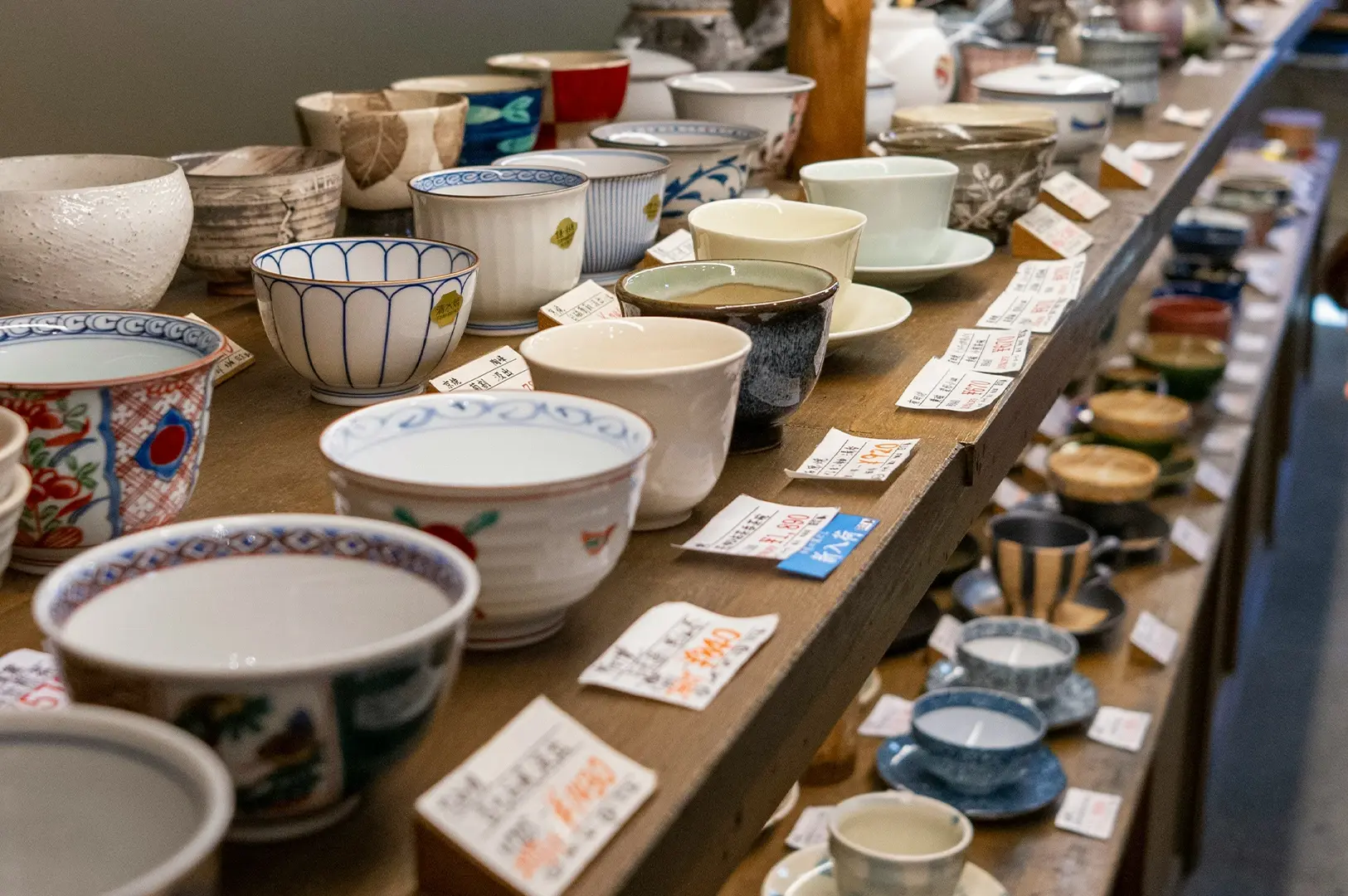
Not every place that sells cups is a place that understands tea. A good teaware shop in Singapore carries more than stock. It carries knowledge and tradition.
Look for craftsmanship first. Whether a piece is thrown by hand or made in a workshop, the glaze should sit evenly, the spout should pour cleanly, and the lid should fit without wobble. The materials used reflect the origin of the pot and influence the taste and aroma of your brew.
Where to Buy Teaware and Tea Leaves in Singapore: Discover Your Ideal Tea Collection
Here are the shops that reward a slow, curious visit and offer an exceptional selection of varieties and types of teaware.
Yixing Xanadu (Chinatown)
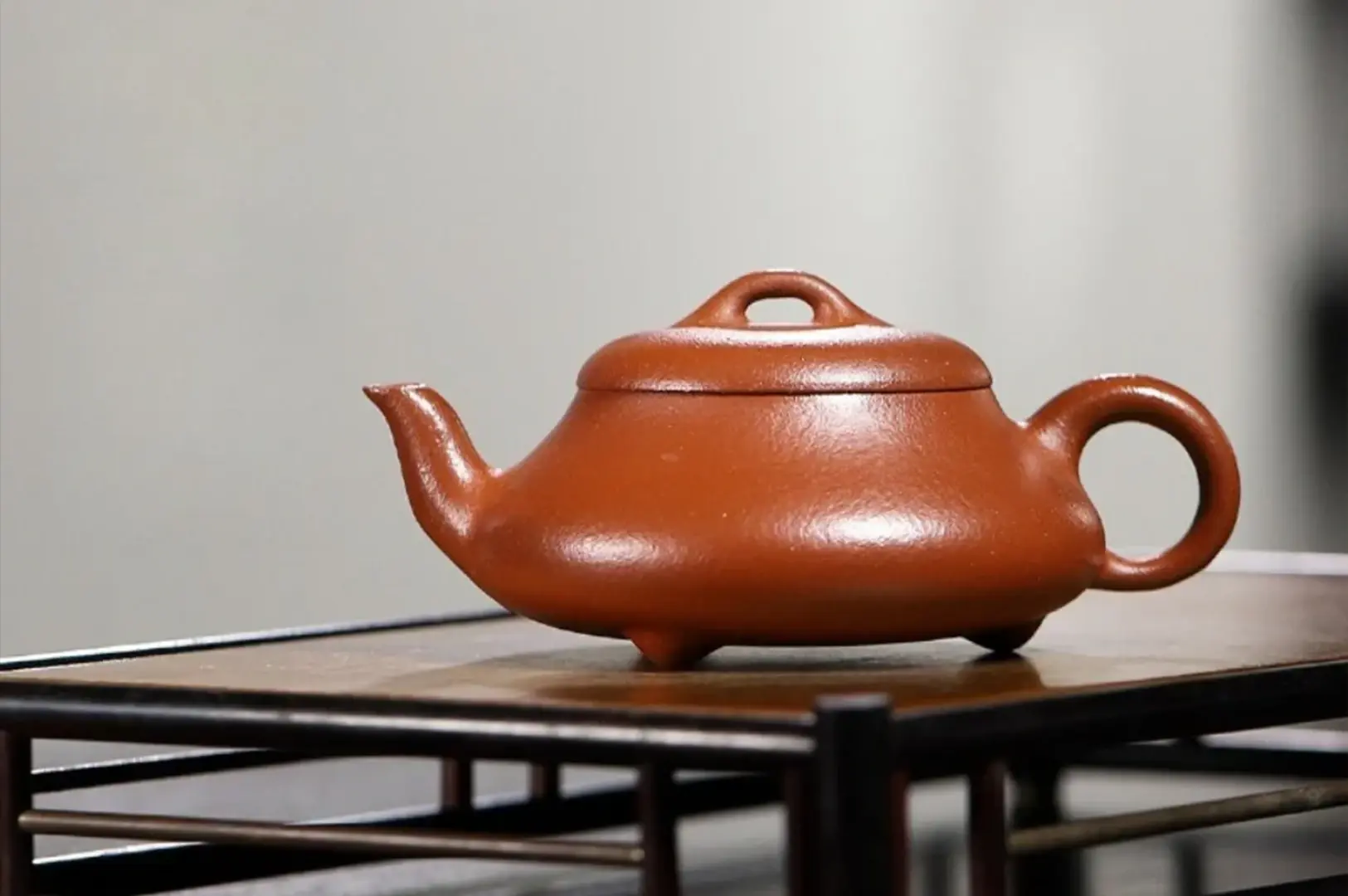
Tucked into the tea-scented lanes of Chinatown, Yixing Xanadu is a name long trusted by those who take Chinese tea seriously.
The shop is known for its Yixing clay teapots, the unglazed purple sand pots prized for the way they season over time, absorbing the essence of tea with each infusion. These handcrafted pieces often bear unique maker's stamps, reflecting the artisan's skill and adding a personal touch to every pot.
The teapots typically range from 100-150ml, ideal for the traditional gongfu brewing method that emphasizes multiple short infusions to unlock complex flavors. In addition to teapots, Yixing Xanadu stocks aged teas, gaiwans, and teacups specifically designed for gongfu brewing rituals.
Tea lovers appreciate the profound journey here. Staff can talk through clay types, harvest seasons, and pairings without rushing you, providing care instructions and guidance on how to maintain and season your teapot properly.
This is a place for someone building a proper Chinese teaware Singapore collection or an experienced drinker hunting for a pot that will grow with their tea. The shop also prioritizes transparent sourcing, ensuring that materials are authentic and responsibly obtained, which adds confidence in the quality and longevity of each piece.
Best for: traditional Chinese tea brewing and collectors.
Shopping tip: ask about the clay before you buy. A good clay teapot is chosen for the tea you drink most, not just for looks or colour.
Tea Chapter (Neil Road)
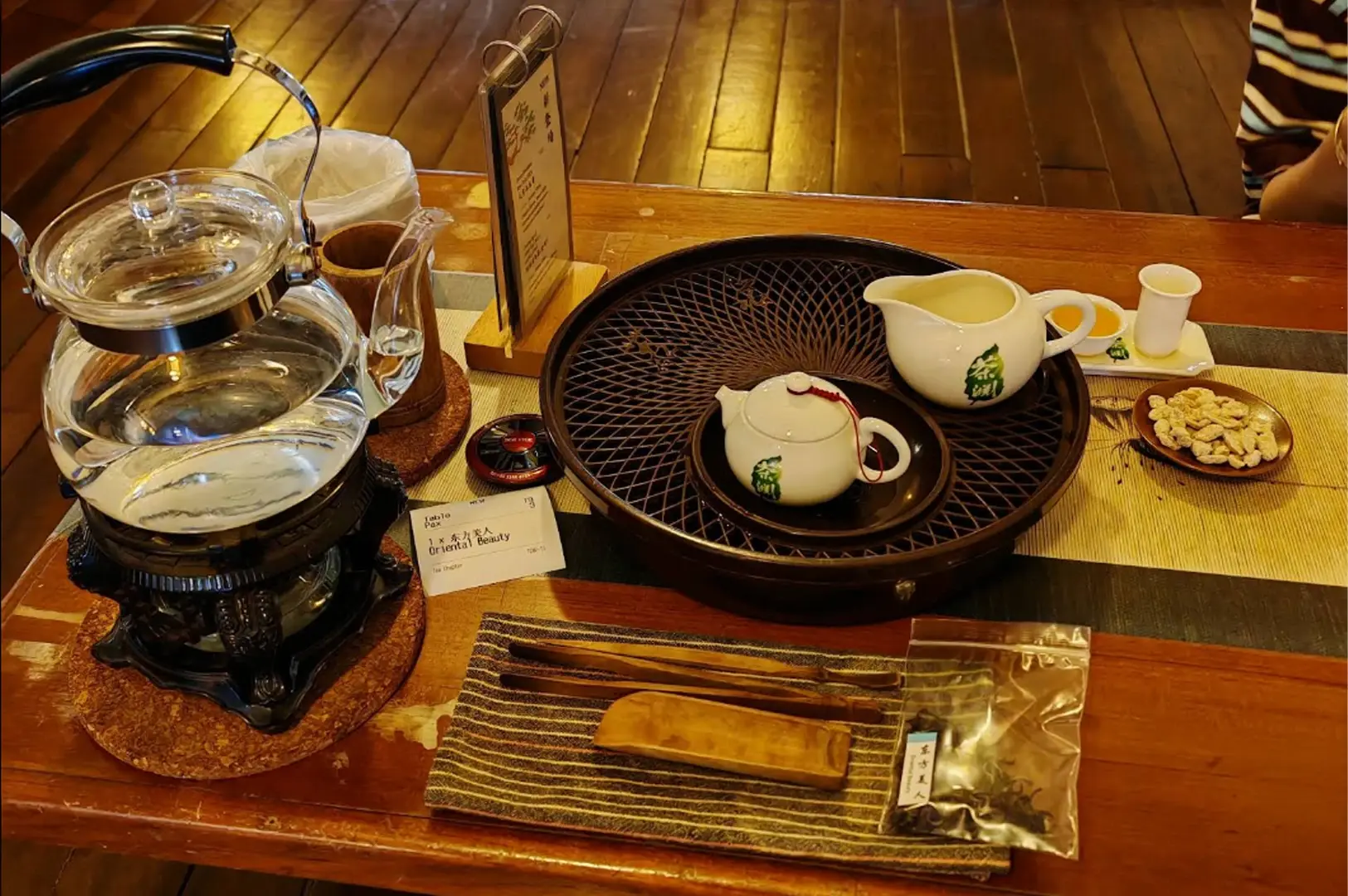
Tea Chapter is part teahouse, part heritage landmark, set in a restored shophouse where you can sit and drink before you shop.
The retail side carries a warm mix of teapots, tea sets Singapore drinkers return to, gaiwans, and teacups, alongside a wide selection of black tea, white tea, oolong tea, and green tea.
What makes it special is context. You can taste a tea, learn how it is brewed, then buy the very teaware used to prepare it. For beginners, that connection between tea leaves and vessel is quietly instructive, allowing you to create your own tea time ritual.
Knowledgeable staff are on hand to recommend utensils tailored to the specific teas you enjoy, ensuring each brew reaches its full potential. The shop also offers insights into the meditative aspects of Chinese tea culture, enriching your appreciation beyond the cup.
Best for: beginners and anyone who likes to try before choosing.
Shopping tip: spend time upstairs with a pot of tea first. The purchase makes more sense once you have felt the ritual and experienced the aroma and taste. Before you buy or book a visit, read reviews for signals about authenticity and service.
Pekoe & Imp (Bukit Timah)
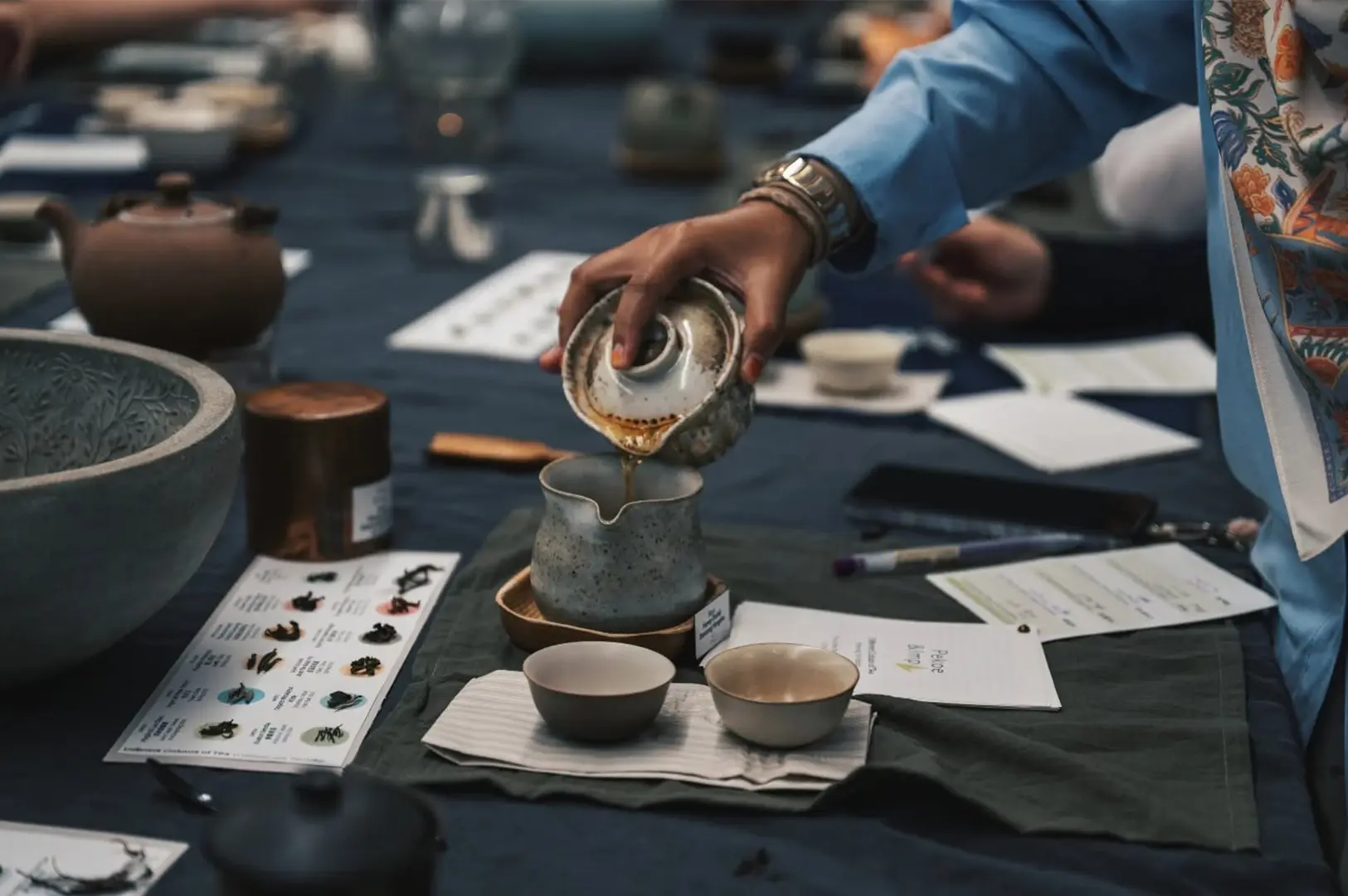
Pekoe & Imp leans toward the elegant and the refined, a curated space for those who love beautiful things served well, whether for daily tea or a special occasion.
It is known for fine porcelain teaware, considered tea sets, and pieces that carry an understated beauty. The style sits between classic and contemporary, with ideal porcelain capacity for everyday use. The craftsmanship emphasizes smooth glazing and balanced weight, ensuring each cup and pot feels comfortable in hand and enhances the tea's flavor.
The shop also offers curated gift sets that include elegant packaging and thoughtful combinations of teaware and premium teas, perfect for special occasions or personal indulgence.
Tea lovers drawn to gifting often find their answer here. A boxed gift box or a single lovely cup makes a thoughtful tea gift Singapore friends and family will actually use.
Best for: gifting and lovers of refined porcelain.
Shopping tip: if buying a gift, choose a piece that suits daily use. The best gift sets get reached for, not stored away.
TWG Tea Boutiques and Gift Sets (Multiple Locations)

TWG Tea is the most polished face of tea retail in Singapore, with boutiques scattered across malls and shopping districts.
Alongside its teas, it carries teapots, tea sets, and tea accessories Singapore shoppers know for their neat, luxurious finish. Think elegant teaware with a modern, gift-ready sheen that invites both new and seasoned tea lovers to explore. The shop offers a curated view of contemporary designs alongside classic styles, making it easy to find something that fits your personal taste or gifting needs.
The appeal is accessibility. You can walk in, browse without pressure, and leave with something that feels considered. For a first teapot or a quick, dependable teabag gift, it is an easy starting point. The staff are friendly and knowledgeable, ready to help you pick accessories like strainers or infusers that complement your brewing style, enhancing your tea experience at home.
Best for: modern teaware, convenient gifting, and newcomers.
Shopping tip: the accessories, from strainers to timers, are worth a look if you are quietly building a home brewing kit.
Utsuwa-no-Yakata and Japanese Homeware Corners
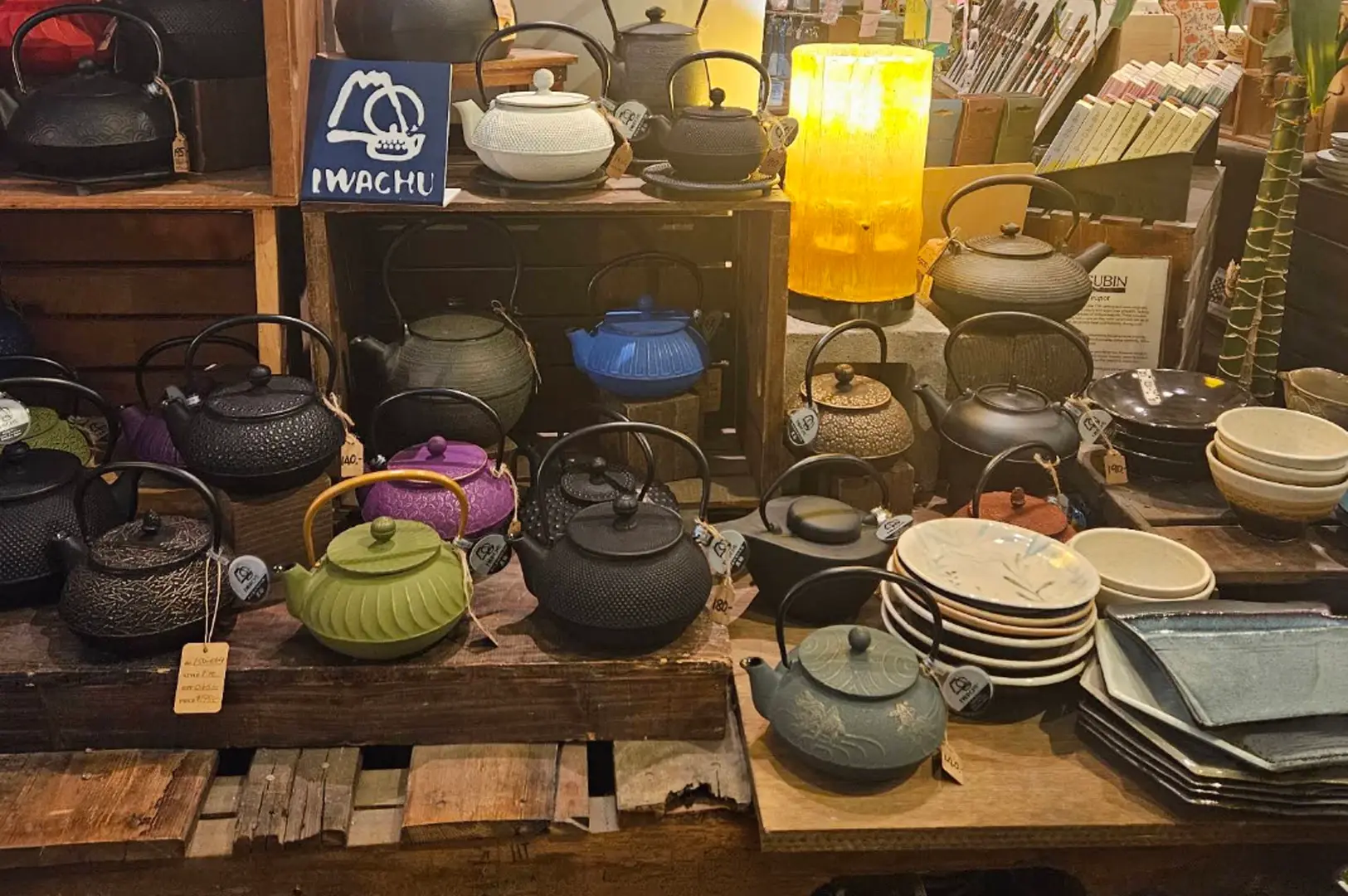
For Japanese teaware Singapore drinkers, the search often leads to homeware shops that specialise in Japanese ceramics and tableware. Utsuwa-no-Yakata is a notable destination among these, offering a refined selection of kyusu (side-handled teapots), matcha bowls, bamboo whisks, and rustic cups shaped by the wabi-sabi love of the imperfect. The glazes are earthy, the forms honest.
Anyone drawn to the quiet of a matcha ritual, or to sencha brewed with care, will feel at home, with a sensibility that also notices seasonal details like flowers or fruits. The pieces suit those who value texture and restraint over shine.
Many Japanese teapots, especially kyusu, feature a side handle designed for precise pouring, enhancing the tea experience. The craftsmanship often highlights natural glazes and subtle imperfections that reflect the wabi-sabi philosophy.
Collecting starting pieces allows for gradual building of teaware, deepening appreciation over time.
Best for: Japanese-inspired brewing and lovers of understated design.
Shopping tip: hold the kyusu and check the handle grip. Japanese teapots are made for a particular pour, and the feel in your hand matters.
How to Choose Teaware in Singapore: Explore Your Tea Time Experience
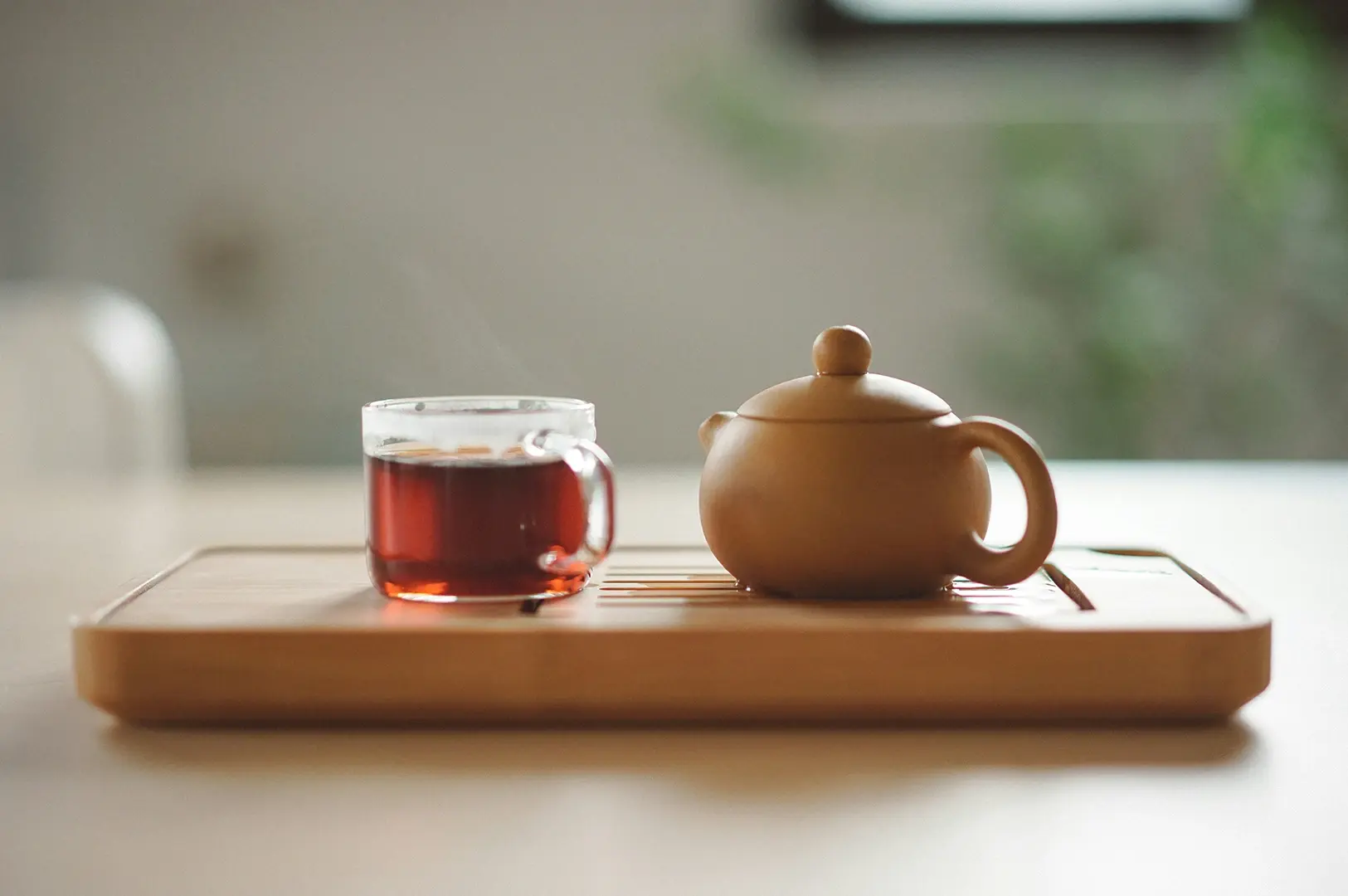
The right piece depends less on price and more on how you drink. A few things to hold in mind:
- Tea style: match the vessel to your tea. Gaiwans and clay pots suit gongfu Chinese tea, kyusu suit Japanese greens, and larger pots suit relaxed Western brewing.
- Material: clay seasons and deepens flavour, porcelain stays neutral and clean, and glass lets you watch the leaves. Each has its place in the journey of tea.
- Size and porcelain capacity: a smaller pot suits solo drinking and many short infusions, allowing you to savour each sip. A larger one suits sharing occasions.
- Ease of cleaning: open shapes and removable strainers are far kinder to wash than narrow, fussy ones.
- Heat retention: thicker clay holds heat well for roasted teas like black tea and oolong tea, while thin porcelain cools faster, which some green teas and white tea prefer.
- Aesthetic preference: you will reach for what you love. Choose a piece that makes you want to create tea time every day.
- Budget and price: a beautiful cup or pot need not be costly. Buy well within your means and use it often, allowing the essence of tea to enrich your everyday.
- Intended use: daily ritual, a gift box, or a piece for display. Be honest about which, and let that guide the choice.
A Quiet Invitation to Discover and Enjoy
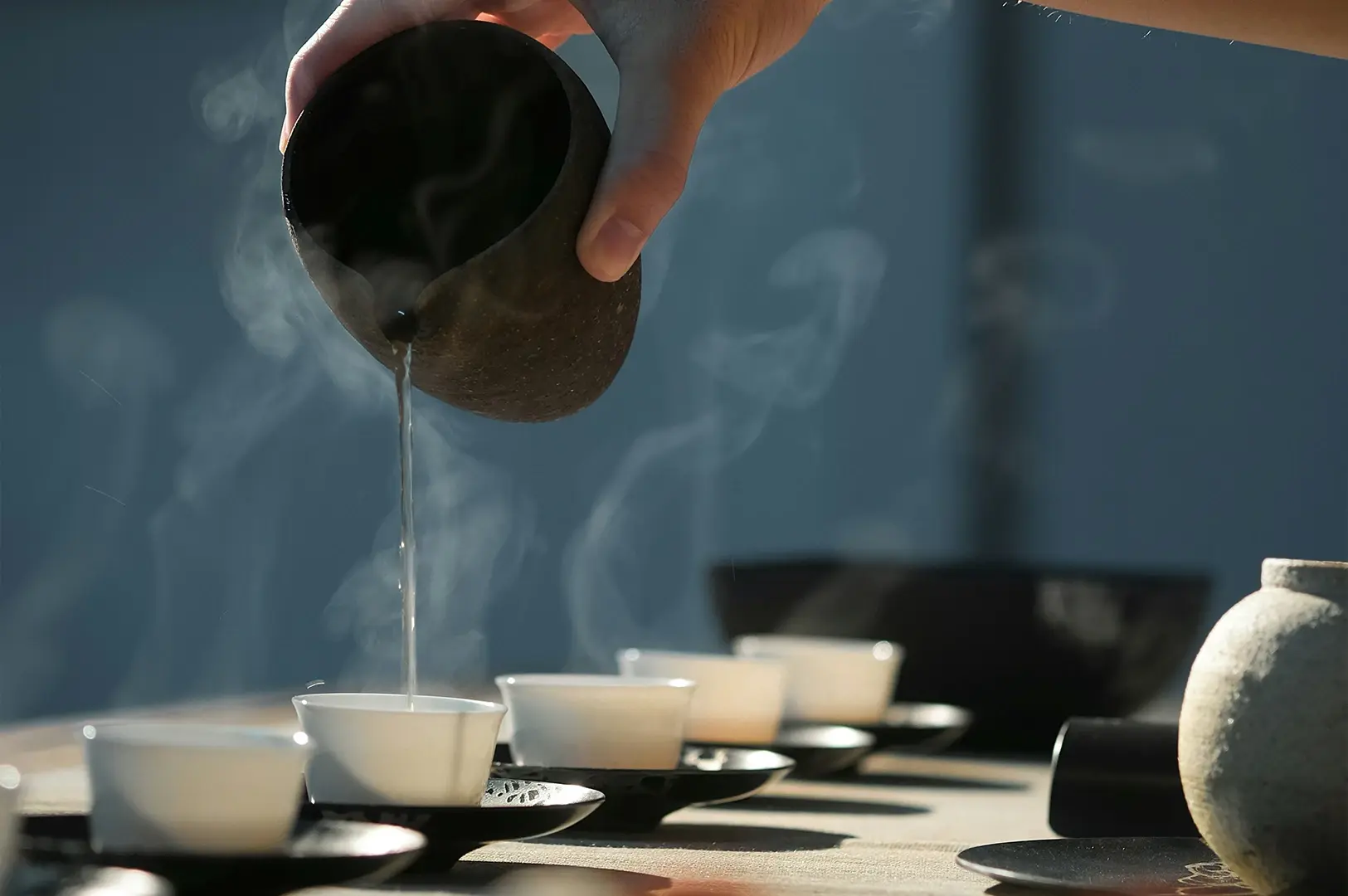
Teaware is never really about the object. It is about the pause it invites.
The clatter of a lid. Steam rising in a cool room. A cup warming your palms while the world stays busy outside. The shops on this map hold pieces that make those small moments a little richer, whether you brew traditional Chinese tea, whisk matcha, or simply want a good pot for the evening.
Take your time choosing. Hold things in your hands. Ask questions, and if you are buying tea too, pay attention to freshness and let the shop teach you something.
Discover more contents for your cups at our article on Guide for teaware shops

To the Tea Lovers and the Tea That Holds Us
I want to write a letter, not to anyone in particular, but to the quiet ritual that has accompanied so many of our days. To the tea in our cups and to the people who take the time to notice it. Tea is patient. It waits for us when we are rushing. It sits quietly…
-
What Is Rooibos Tea: Red Gold in Your Cup, the Science and Benefits
There is a certain hour when the day loosens its grip. The coffee has long gone cold. Black tea feels like too much. And yet the kettle still calls, because the ritual matters more than the caffeine. This is where rooibos often arrives. A deep russet red pouring into the cup, warm and unhurried, carrying…
-
The Cup I Always Return To
There is one tea I always return to, even after tasting countless others. It is not rare. It is not expensive. The leaves are ordinary, the aroma familiar. And yet, it has a way of anchoring me, no matter the day or the mood. I first drank it years ago, during a week that felt…
-
Where to Buy Turkish Tea: Finding Authentic Çay for the True Turkish Tea Experience
The first time I understood Turkish tea, I was not drinking it in a café. I was standing in a small shop, watching a man refuse to sell me the wrong thing. I had pointed at a shiny box of flavoured black tea, and he shook his head, quietly, the way someone corrects a friend…
-
Why Tea Might Be the Break You Didn’t Know You Needed
Scrolling through my feed this morning, I realized how easy it is to forget what a quiet moment feels like. Notifications, stories, messages- they all seem to arrive at once, asking for attention I don’t always want to give. And yet, in the middle of it, I poured myself a cup of tea. It wasn’t…
-
A Golden Sip of Serenity chrysanthemum tea
There is a pot on many kitchen tables in Singapore that no one talks about much. Pale yellow gold in the glass, with a few small chrysanthemum flowers or flower buds drifting at the bottom. It appears after a heavy meal, at a grandmother’s house, or in a hawker centre when the weather turns unbearable….
-
Tea in a Scrollable World
I often think about how tea fits into a world that moves as fast as ours does. Every day, there are notifications, updates, trends, and posts competing for attention. Memes, videos, tweets, they all demand a response, a like, a share. It is a constant motion that leaves very little space for pause. And then…
-
Marriott High Tea 1 for 1: Indulge in Luxury at Singapore Marriott Tang Plaza Hotel
I almost didn’t go. Hotel afternoon tea always felt like something you did for a birthday or a special occasion with loved ones, or when a relative flew in and you wanted to seem like you had your life together. Expensive. A little performative. The kind of thing you photograph more than you eat. If…
-
Why Some Teas Feel Like Company
I’ve always thought of tea as a companion of sorts. Not a person, not a friend, but something that sits quietly beside you while the day moves forward. A cup of tea doesn’t interrupt your thoughts. It doesn’t demand attention. It simply exists, warm and steady, while you figure out what comes next. Some teas…
-
A Refined Afternoon Tea Experience at the Pan Pacific Atrium High Tea
Pan Pacific Atrium High Tea is the afternoon tea experience at the Atrium Lounge in Pan Pacific Singapore: a refined, unhurried sitting with TWG tea or Lavazza coffee, elegant seating pods above the reflection pool, and a menu that pairs classic English tea traditions with Peranakan flavours. For couples, friends, families, and tea lovers looking…