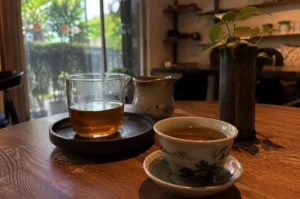
Tea is one of the most popular drinks worldwide, cherished for centuries as much for its taste as for its role in tradition and culture. While many people immediately think of green tea, black tea, or perhaps a steaming mug of mint tea, the spectrum of herbal infusions—blends using various herbs, fruits, and flowers—offers countless opportunities to experience the world’s tea culture in a cup.
If you’ve ever enjoyed tea time with chamomile or peppermint, get ready to explore beyond the familiar as we journey through the art form of herbal infusions from around the world.
Why Go Beyond Chamomile?
Drinking tea is an integral part of daily life in many cultures, from the intricate Japanese tea ceremony to the lively gatherings in Moroccan tea houses. Yet, the Western world often limits itself to a few traditional choices. Venturing beyond popular drink choices gives us a taste of the art, history, and connection that diverse herbal tea traditions can offer. Each tea plant, preparation method, or recipe has its own story—sometimes soothing, sometimes a little spicy, sometimes steeped in tales of upper classes or humble gatherings. Let’s travel continent by continent, unlocking new flavors in your cup and enriching your next tea time.
A note on wellness: While herbs have been enjoyed around the world for their flavor and as home remedies, always consult expert advice or a healthcare provider before turning to any beverage for medicinal purposes.
The Americas: Herbal Infusions With Character

Yaupon (North America)
In the southeastern United States, Yaupon is a traditional drink, prepared by steeping the dried tea leaves of a native holly plant. Long before green tea reached Western shores, Indigenous peoples such as the Muscogee and Cherokee incorporated Yaupon into rituals—using hot water to draw out the smooth, earthy, and slightly sweet flavors. Yaupon, though caffeinated, contains no tannins, so its taste remains mild. Today, you can enjoy tea sourced from local farms across Texas and Florida, often served hot or as refreshing iced tea.
Guayusa (South America)
A relative of yerba mate, Guayusa comes from the Ecuadorian Amazon, where communal tea making at dawn is a common practice among the Kichwa people. The experience is as much about connection as flavor—families gather, interpret dreams, and sip this subtly sweet infusion. Steeped in hot (but never boiling) water, Guayusa is smooth, slightly grassy, and pleasantly robust. It’s increasingly available online internationally and is sometimes consumed with sugar or fruits for a unique twist.
Anise Hyssop (North America)
Anise Hyssop, with its minty and licorice notes, was a staple for several native cultures. Traditionally, leaves and blossoms are steeped in hot water, yielding a highly aromatic and slightly sweet beverage. It’s often enjoyed as an iced tea during warmer months or served with pastries in tea houses recreating heritage recipes.
Europe: The Tradition of Tea Leaves and Flowers
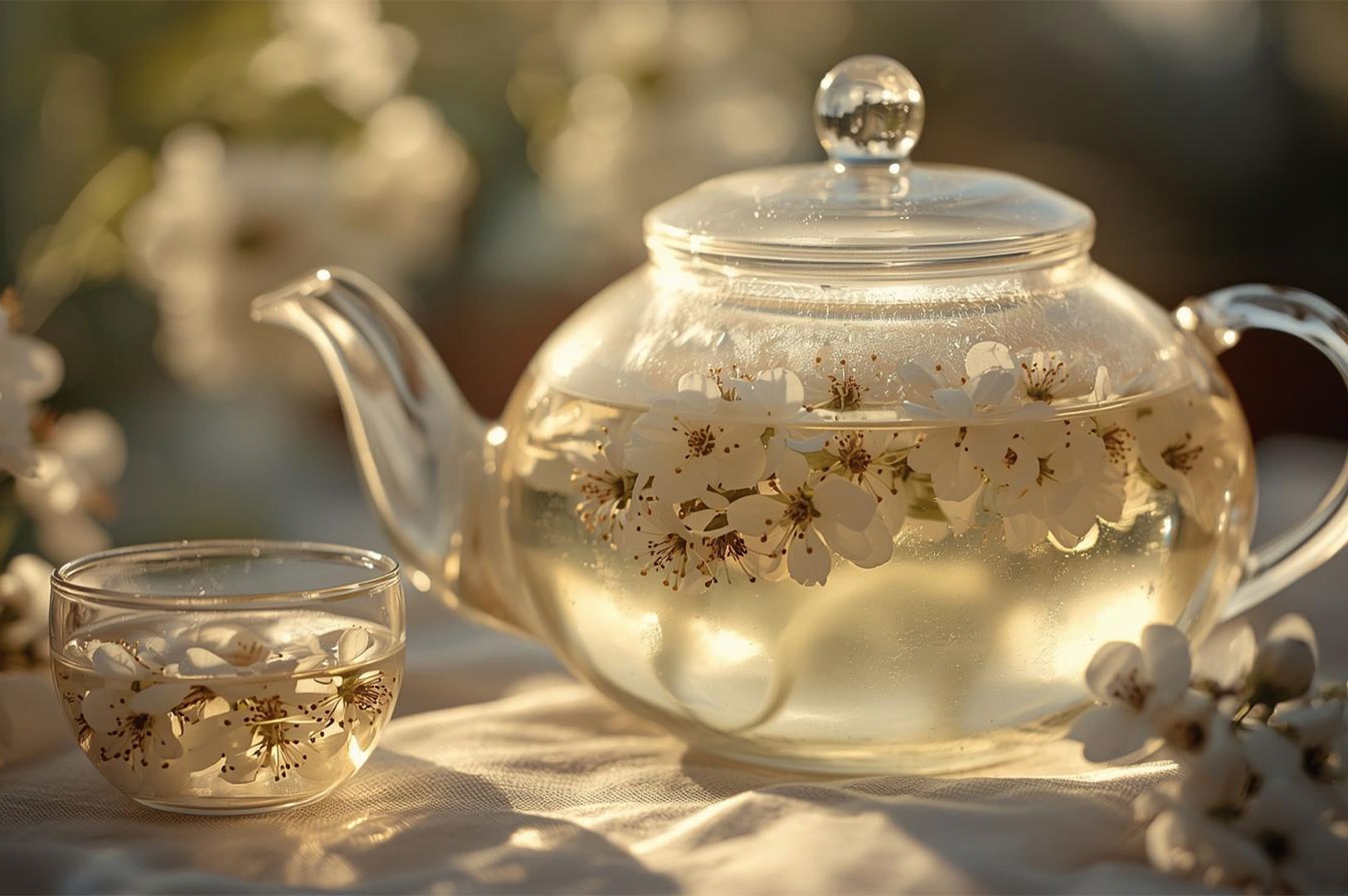
European countries boast a rich history of tea culture beyond black tea and green tea. Infusions here are often tied to ancient ceremony, local customs, or seasonal harvests.
Greek Mountain Tea (Sideritis)
In the Greek highlands, mountain tea is a ritual dating back centuries. The Sideritis plant is boiled with flowers, leaves, and stalks until the kitchen fills with a herbal, almost citrusy aroma. Traditionally prepared after a day’s work, it is served hot—in glasses, not cups—sweetened with honey or enjoyed with a slice of lemon. The taste is floral, earthy, and refreshing, a drink that’s as much an invitation to relax as a popular drink for conversation.
Linden Flower (Tilia)
Linden trees line the grand boulevards of many European cities, but their blossoms truly shine during an afternoon tea. Infusions of linden, or tilleul in France, create a gentle, honey-sweet beverage. Traditionally, upper classes enjoyed it in stately tea houses as an evening ritual. For modern day tea lovers, its calming, floral notes make it a soothing drink, and it is widely available from herbalists across Europe and online.
Meadowsweet (Filipendula ulmaria)
A favorite in the British Isles and Scandinavia, meadowsweet was once used to scent homes and flavor drinks, long before black tea dominated English tea time. Simply steep the dried flowers or leaves in boiling water for a cup that is sweet, almond-like, and lightly medicinal in taste. It’s perfect alongside scones or as a cooling iced tea—truly a beverage with a recipe passed down through the ages.
Africa: Rich Flavors and Ancient Tea Houses
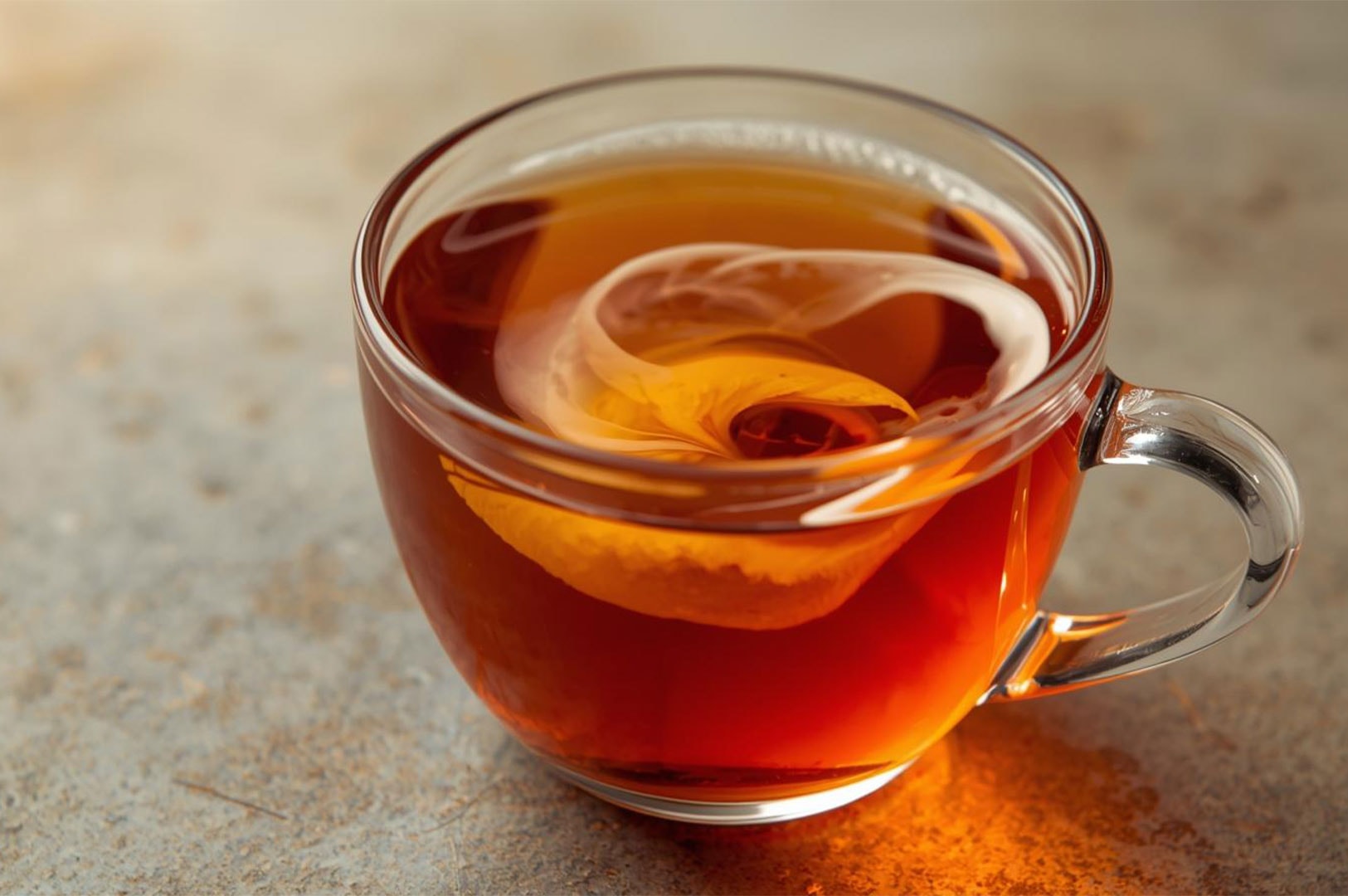
The tea traditions of Africa span from robust bush infusions to aromatic blends enjoyed from the Sahara to Cape Town.
Honeybush
Growing wild only in South Africa, Honeybush is related to Rooibos but has a richer and more honeyed flavor profile. Traditionally, it was steeped over a fire using boiling water, often served with condensed milk or sugar. Modern tea houses highlight its naturally sweet, apricot-like taste in both hot and iced tea recipes—making it a favorite caffeine-free beverage around the world.
Buchu
Loved for its bold, menthol-like character, Buchu is an herb native to South Africa’s Western Cape. Used for centuries, often in combination with black tea or by itself, Buchu is typically steeped in hot water and served plain. The flavor can be intense—a mix of mint, rosemary, and fruit. Look for it at specialty shops or order online if you’re eager to enjoy tea with a truly unique taste.
Kinkeliba
In the tea culture of West Africa, particularly Senegal and Mali, Kinkeliba reigns as the drink of choice to break fast during Ramadan. The Woody leaves are simmered and sweetened, resulting in a robust, bittersweet infusion traditionally served in a glass. It’s sometimes paired with mint or ginger, making it a celebration of both taste and custom.
Asia: Ritual, Art, and Unexpected Infusions
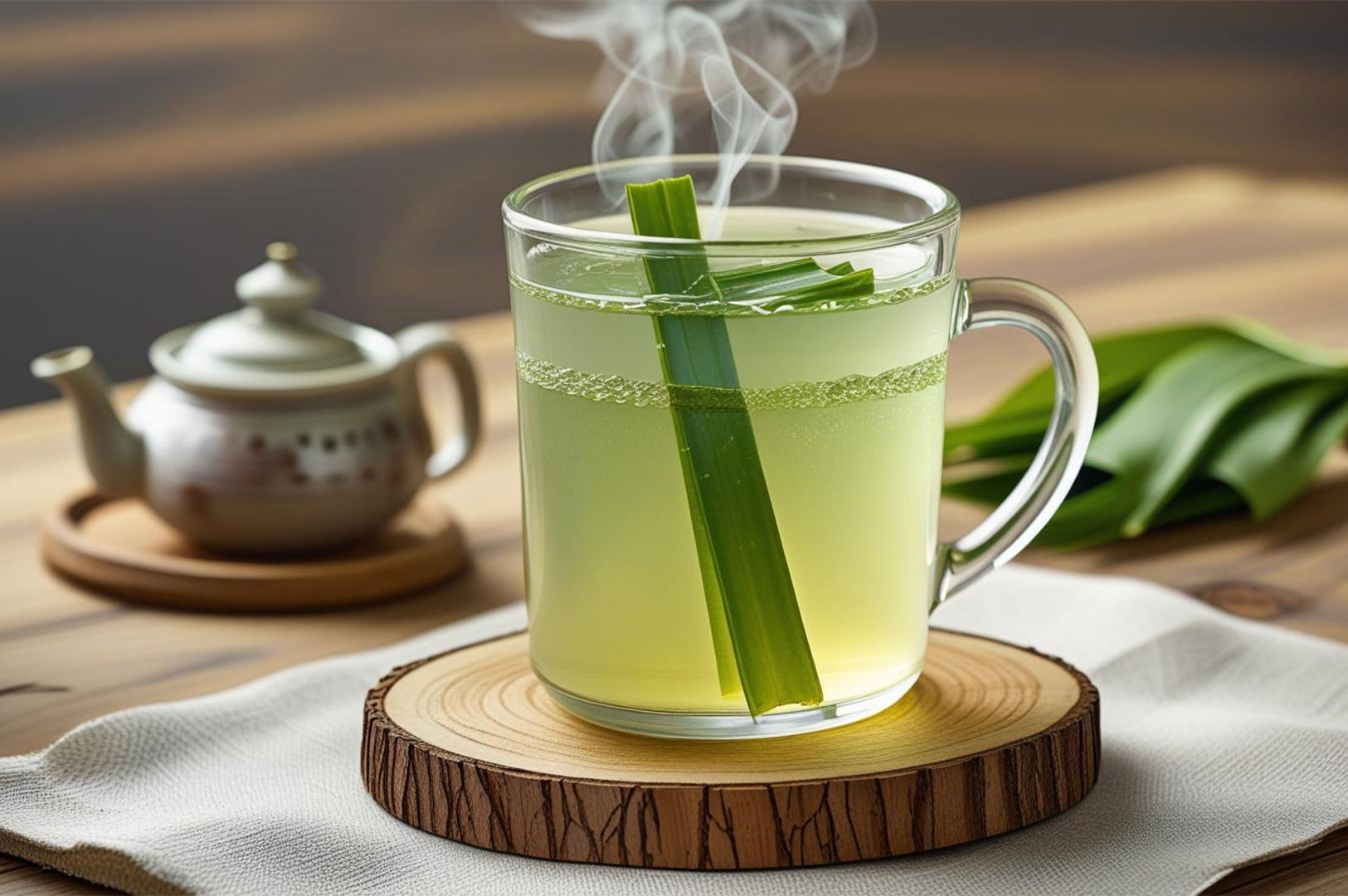
Asia’s tea plants and herbs anchor some of the world’s most celebrated tea traditions—including the Japanese tea ceremony and the refined art of tea making in Chinese culture.
Sobacha (Japan)
Distinct from green tea or matcha, Sobacha features roasted buckwheat kernels, sometimes consumed as an iced tea or a warming drink in cold months. The Japanese tea ceremony elevates tea to an art form, and even these humble kernels are part of the enjoyment—nutty, toasty, and with a mellow sweetness. Leftover kernels are often eaten or added to pastries. Look for them in Japanese grocery stores and online.
Jiaogulan (China)
Known as the “immortality herb,” Jiaogulan is a herbal tea that’s deeply woven into Chinese culture. Grown wild in southern China, this herbal infusion is traditionally enjoyed with friends or at tea houses as a symbol of longevity and hospitality. The flavor starts earthy and bitter, finishing with a lingering, pleasant sweetness.
Pandan Leaf
Across Southeast Asia, pandan leaves transform boiling water into a vibrant, fragrant drink often paired with sweets or rice dishes. With notes of vanilla and coconut, pandan tea is commonly enjoyed cold, reminiscent of iced tea but with an unmistakable tropical twist. In Malaysia and Indonesia, it is sometimes combined with condensed milk for a creamy beverage, bringing a taste of the tropics to tea time.
Tulsi (Holy Basil)
Tulsi—or holy basil—is an essential ingredient in India’s masala chai traditions. This herb’s peppery, clove-like notes balance the sweetness of milk and the warmth of cinnamon, ginger, and cardamom. Consumed both hot and cold throughout the year, tulsi tea is a traditional way to bring family together and is readily available in most health shops.
Australia: Flavors From the Bush

Australia’s wild landscape hides unique tea plants long enjoyed by Indigenous communities.
Lemon Myrtle
Highly prized for its pure lemon flavor, Lemon Myrtle infusions are made by steeping dried leaves in hot water. Indigenous Australians have traditionally used it in both cooking and drinks for thousands of years. In the modern tea world, this intense, refreshing tea pairs beautifully with ginger or can be served cold as a vibrant, citrusy iced tea.
Jilungin Bush Tea
Jilungin is harvested in Western Australia, most often by local communities using traditional methods. Known for its earthy, slightly savory profile, this herbal tea is simmered in boiling water and enjoyed just before bed. Though rare outside Australia, it has begun appearing in global specialty shops and offers tea lovers yet another reason to explore world beverages beyond the ordinary.
Middle East and Beyond: Iconic Infusions
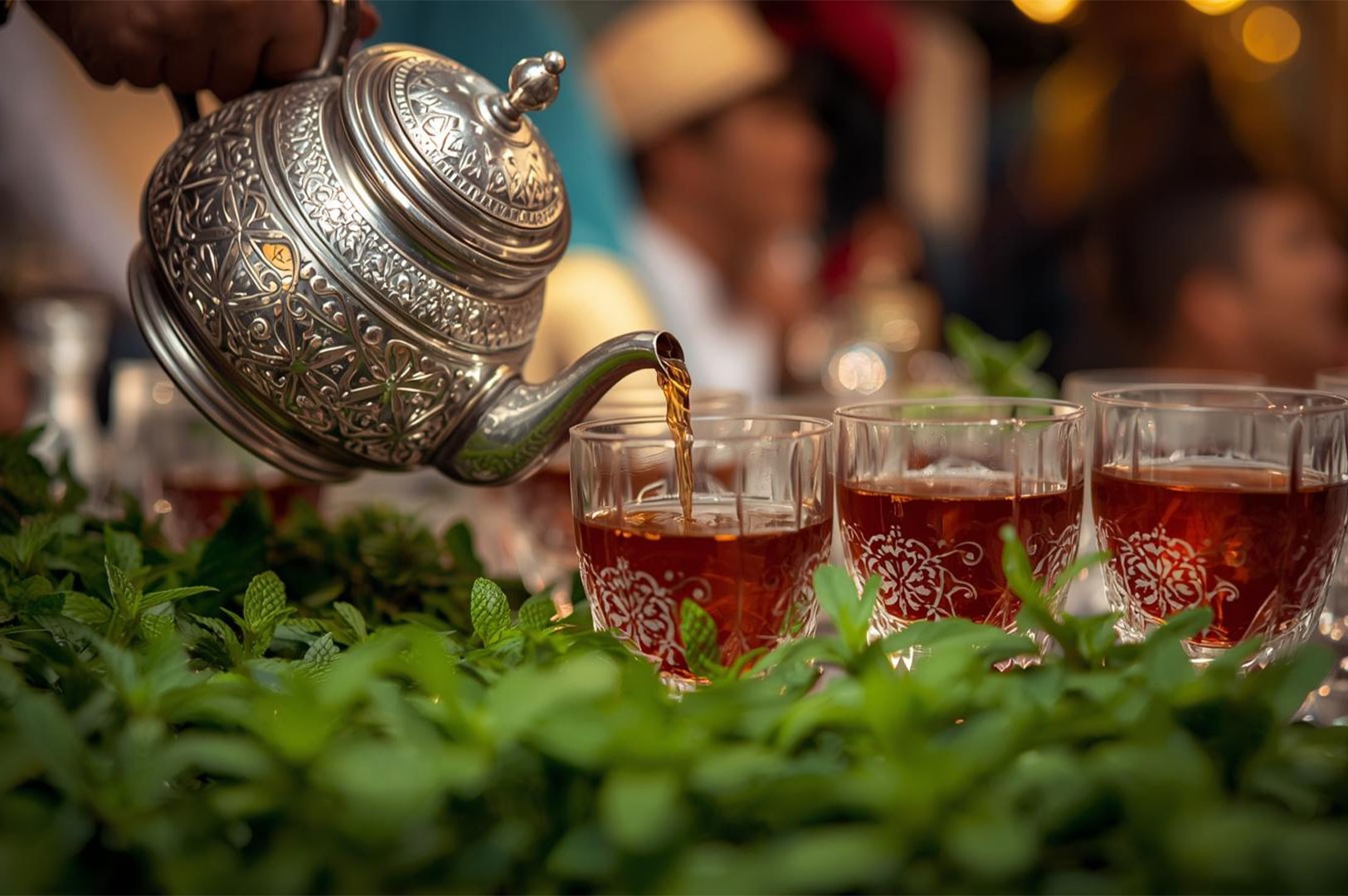
Moroccan Mint Tea
No discussion about global tea culture is complete without visiting the tea houses of Morocco. Moroccan mint tea, made with green tea, fresh mint, and sugar, is poured from a height into small glasses—a spectacle just as important as the drink itself. This form of tea making is communal, an art as much about hospitality as taste.
In the Middle East, strong black teas are a common practice, often served with lumps of sugar and, at times, combined with fruits, spices like cinnamon, or even cardamom. It’s not unusual to enjoy tea with pastries while conversing for hours—a tradition that’s become an integral part of daily life from Cairo to Istanbul.
Tea in the Modern Day: Enjoy Tea Anywhere, Any Way
Tea today is more than just a beverage; it’s a symbol of connection, creativity, and even rebellion. Around the world, tea plants have traversed borders, and recipes have evolved from formal ceremonies to casual, everyday enjoyment. Many people now enjoy tea with milk, as in masala chai or even British-style black tea, or with sweeteners, fruits, or condensed milk, as in Thai iced tea.
In Argentina and neighboring countries, yerba mate is consumed from a hollowed gourd using a metal straw—a social and energizing experience that rivals coffee in popularity. Meanwhile, hot chocolate, a cousin in the world of comforting drinks, sometimes sneaks onto the tea house menu for those needing a richer treat.
Tea leaves, when combined with various herbs, yield infusions that can help prevent constipation, serve as gentle digestives, or are simply relished for their warmth. The expert Lu Yu—often credited as the sage of tea in Chinese culture—once wrote that the taste and enjoyment vary depending on preparation, water, herbs, and atmosphere: the philosophy holds true even now.

Stop Calling It “Premium”: Why Most Luxury Tea Branding Is Empty
There is a word I have become increasingly cautious of in the tea world. Premium. It appears everywhere. Premium leaves. Premium harvests. Premium collections. Premium experiences. The word sounds reassuring. It suggests care, quality, and something worth paying attention to. But after seeing it attached to almost everything, I sometimes wonder whether it has started…
-
Pryce Tea: A Modern Pour with Old Tea-Room Ambitions
I visited on a weekday afternoon, around three, when the city had quieted into that particular lull between lunch and the evening rush. I’d been curious about Pryce Tea for a while, mostly because the brand keeps surfacing among people who talk about teas the way some people talk about wine. With a reputation built…
-
The Seasons in a Tin: How Weather Shapes What I Reach For
I have a small habit that I never really noticed until recently. The weather changes, and somehow, so does the tea I want. On a hot afternoon, I find myself reaching for something light and floral. When rain settles over the windows, I want something darker, warmer, perhaps a little more comforting. On those rare…
-
Ginger Lily Afternoon Tea on Orchard Road: A Floral Chapter in Singapore’s Culinary Story
I noticed the ginger lily flowers before I noticed anything else. Not real ones, exactly. A wall of them, suspended in resin, catching the light as I stepped off the lift on Level 5 at Hilton Singapore Orchard, home to Ginger Lily, a floral-themed afternoon tea lounge on Orchard Road. I stood there a second…
-
Minimalism, But Make It Warm: A Simpler Way to Drink Better Tea
There is a certain irony about tea. The more we learn about it, the easier it becomes to complicate it. A simple cup of leaves and water slowly becomes surrounded by equipment, measurements, techniques, and expectations. We begin collecting teapots, comparing brewing methods, and searching for the perfect setup. None of these things are wrong….
-
A Humble Cup in an Age of Overdesigned Drinks: iTea Review
The bubble tea I queued for last month came with a caramelized brûlée top I had to crack with the back of my spoon. It was fine. Pretty, even. But somewhere between the torched sugar and the cheese foam and the third topping I didn’t ask for, I lost the drink itself. So I went…
-
Matcha Hype Has Gone Too Far (But I Still Drink It)
I have a confession. I am slightly tired of seeing matcha everywhere. Not because I dislike matcha. In fact, I drink it quite often. But there is something amusing about watching a humble tea become the centre of every café menu, wellness conversation, and social media trend. Matcha has gone from a traditional Japanese tea…
-
Hortus Afternoon Tea Review: When the Garden Becomes the Occasion in the Flower Dome
I forgot, for a moment, that I was indoors at Hortus, the Mediterranean restaurant nestled within the Flower Dome at Gardens by the Bay. There were trees above me, real ones, and the air held that cool, green stillness you usually find early in the morning somewhere far from the city. A leaf drifted down…
-
The Real Reason Your Tea at Cafés Tastes Flat
There is a particular disappointment that comes with ordering tea at a café. You see the menu. You notice the carefully written descriptions. Perhaps there is a mention of fragrant jasmine, roasted oolong, or a carefully selected blend. The presentation arrives beautifully arranged, and for a moment, there is anticipation. Then you take the first…
-
Herbal Tea in Chinese: A Cup Shaped by Heat, Balance, and Belief
The first sip was bitter. I was maybe seven, and my grandmother had pressed a small ceramic cup into my hands, dark liquid inside, steam curling up between us. She didn’t explain. She just said, “Drink. You’ve been too heaty.“ I made a face. She didn’t smile. She just waited until I finished. Years later,…